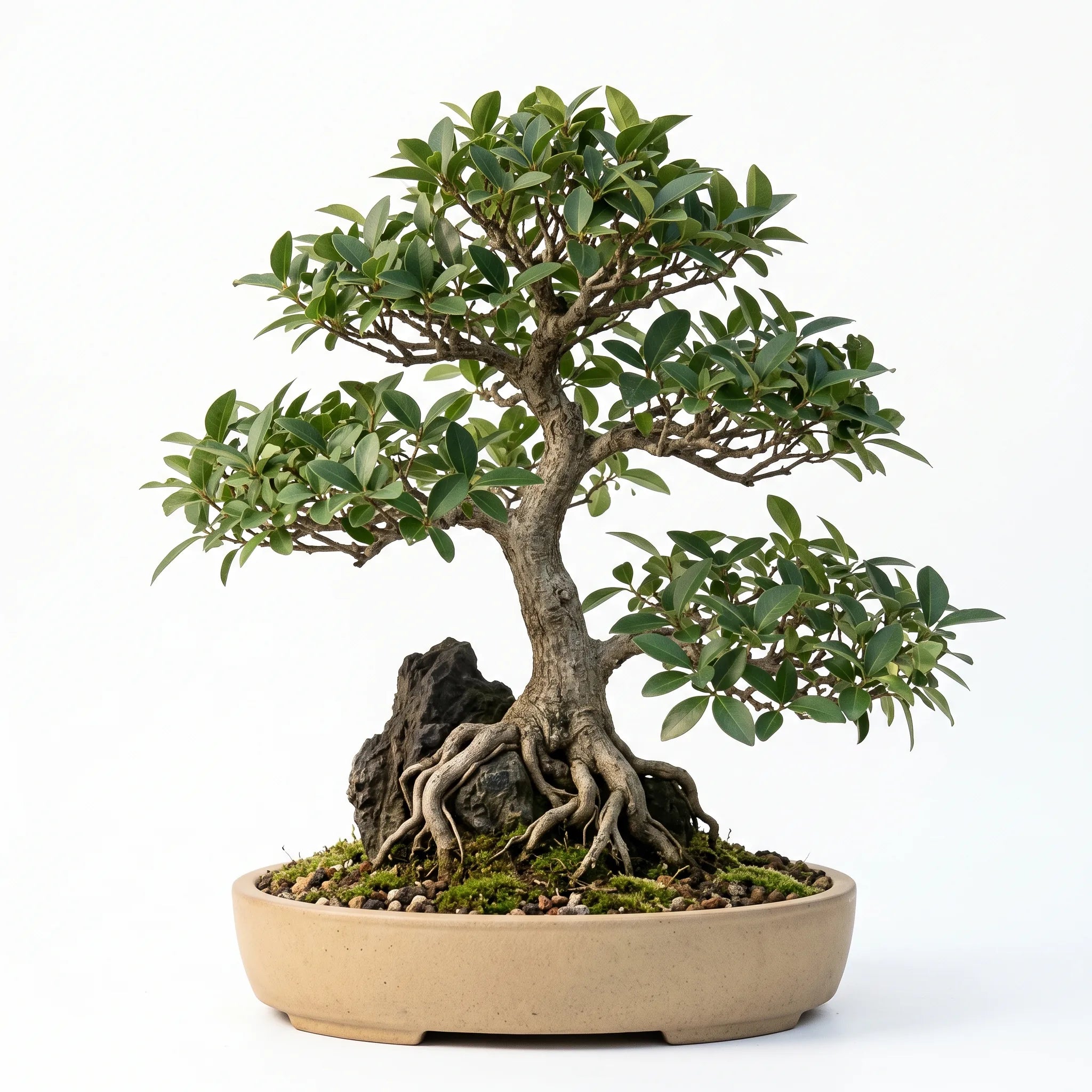
Ligustrum japonicum
Japaninligusteri, suurilehtinen ligusteri: toisin kuin tavalliset ligusterimme, jotka pudottavat lehtensä, tämä kasvi pysyy vihreänä ympäri vuoden. Sen lehdet ovat paksut ja kiiltävät, lähes vahamaiset. Se on yksi harvoista pensaista, jotka kestävät sekä toistuvaa voimakasta leikkaamista että kaupunkien ilmansaasteita, minkä vuoksi siitä on tullut varsinainen kaupunkipensasaita.
Ominaisuudet:
-
Kiiltävä ikivihreä lehdistö: leveät, kiiltävät tummanvihreät lehdet muodostavat tiheän kasvuston ympäri vuoden.
-
Voimakaskasvuinen pensas: 3–5 metriä korkea ja kasvaa voimakkaasti uudelleen jokaisen leikkauksen jälkeen.
-
Mehiläisille hyödyllinen kukinta: keväällä tuoksuvat valkoiset kukinnot, joita seuraavat koristeelliset mustat marjat.
Varotoimet:
-
Mustat marjat eivät ole syötäviä ja aiheuttavat ruoansulatuskanavan oireita nieltyinä. Pidä ne poissa pienten lasten ulottuvilta, sillä niiden ulkonäkö muistuttaa pieniä hedelmiä ja voi houkutella lapsia.
- Kasvi kylväytyy helposti uudelleen, sillä linnut levittävät sen marjoja. Tarkkaile itsestään syntyviä taimia, jos et halua sen leviävän.
Kylvöohjeet:
-
Kasvupaikka: aurinko tai puolivarjo, kasvi viihtyy molemmissa.
-
Maaperä: kevyt, hyvin ojitettu, neutraali tai kalkkipitoinen. Tämä on poikkeuksellisen vaatimaton pensas, joka hyväksyy tavallisen maan sekä tiivistyneet kaupunkimaat. Erityistä lannoitusta ei tarvita.
-
Menetelmä: tarvitaan 2–3 kuukauden kylmästratifiointi: siemenet tarvitsevat viileyttä lepotilan päättämiseksi. Kylvä sen jälkeen keväällä tai syksyllä kylvöastiaan tai ruukkuun valoisaan, suojattuun paikkaan. Itäminen voi olla hidasta, joten ole kärsivällinen.
Istutusohjeet:
- Istuta pensasaidaksi 60 cm:n–1 metrin välein halutun tiheyden mukaan tai yksittäiskasviksi. Se sopii erittäin hyvin myös bonsaiksi — katso oppaamme bonsain kasvattaminen siemenestä.
Hoito-ohjeet:
- Kastele säännöllisesti kasvun alussa ja sen jälkeen hyvin harvoin, kun kasvi on juurtunut kunnolla.
- Leikkaa kerran tai kahdesti vuodessa, jotta pensasaita pysyy siistinä. Vinkki: anna kasvin kukkia ennen ensimmäistä leikkausta, sillä sen kukat ovat arvokkaita mehiläisille.
Hyödylliset yhdistelmät:
Merkitys luonnon monimuotoisuudelle:
- Sen ikivihreä ja tiheä lehdistö tarjoaa talvisuojaa ja pesimäpaikkoja, joita linnut etsivät erityisesti lehtensä pudottaneiden pensasaitojen ollessa paljaina.
- Sen keväinen kukinta tuottaa runsaasti mettä ja kuhisee mehiläisiä.
- Sen meille myrkylliset marjat ravitsevat talvella mustarastaita ja rastaita.
Käyttö:
- Ikivihreät pensasaidat, näkösuojat, palloksi tai kartioksi leikatut pensaat sekä bonsait. Kaupunkipuutarhojen klassikko saasteenkestävyytensä ansiosta.
Symboliikka:
Ligusteri yhdistetään suojeluun ja tilojen väliseen rajaan, sillä sitä on käytetty pensasaidoissa jo vuosituhansien ajan. Sen kyky versoa uudelleen jokaisen leikkauksen jälkeen tekee siitä myös sitkeyden symbolin.
Omien siementen kerääminen:
Kerää syksyllä täysin mustat marjat — käytä käsineitä —, murskaa ne pienessä vesimäärässä ja huuhtele massa siementen erottamiseksi hedelmälihasta. Kuivaa siemenet ennen talvista kylmästratifiointia. Katso siementen säilyttäminen.
Sitoumuksemme laatuun: SemiSauvage - Permaculturella viljelemme ja valikoimme siemenemme elävää luontoa kunnioittaen. Auvergnen tulivuorten lähellä toimivina valitsemme lisääntymiskykyisiä, ei-hybridilajikkeita, jotka on testattu itävyytensä osalta, lajiteltu ja pakattu huolellisesti ilman kemiallisia käsittelyjä. Uskomme, että puutarhureille on palautettava mahdollisuus kylvää vuodesta toiseen uudelleen siemeniä, jotka todella kuuluvat heille.
Myynti on tarkoitettu laatua ja aitoutta etsiville kotipuutarhureille.