Graines et semences

Selling Seeds in France and Europe: What You Need to Know

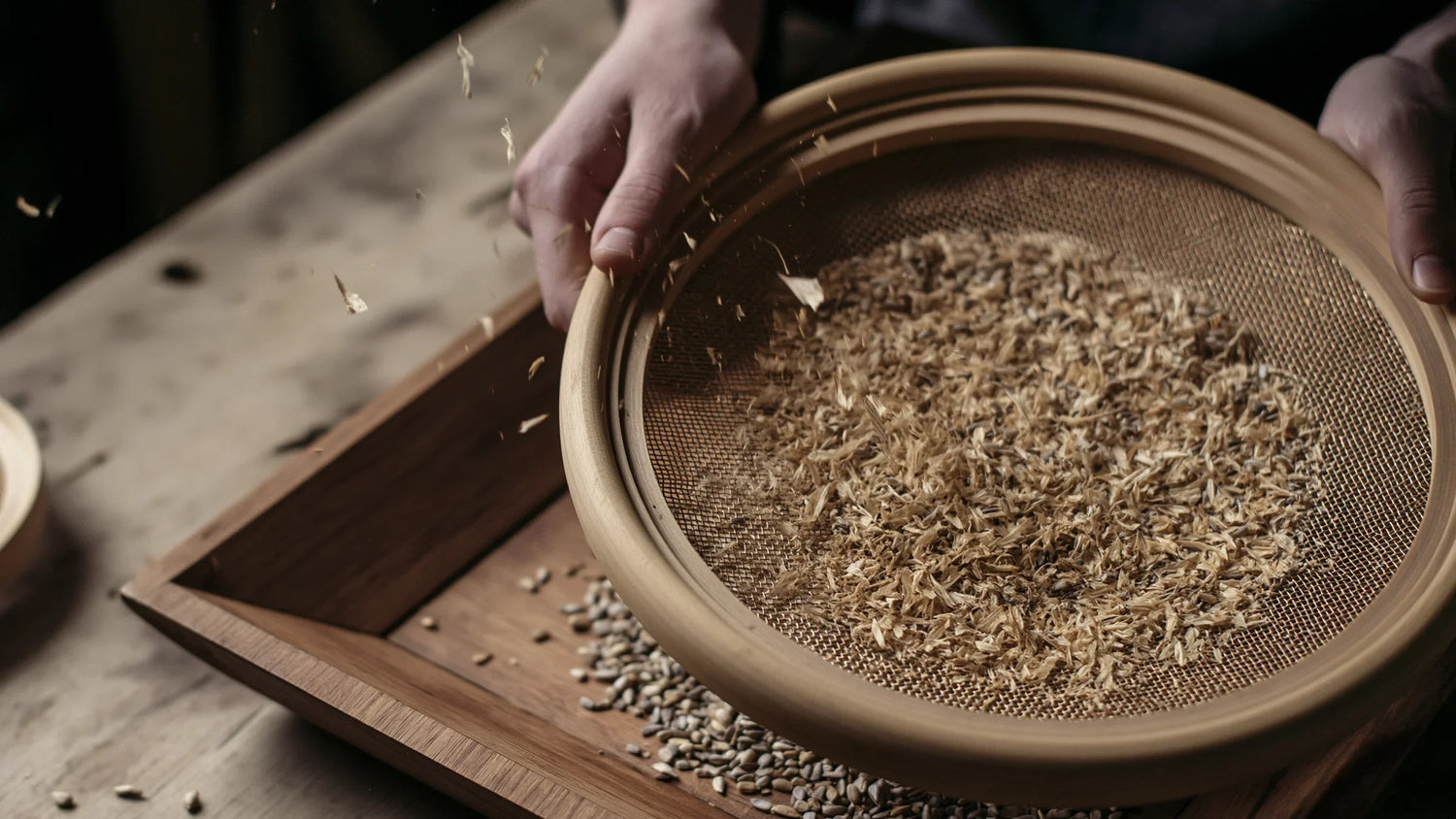
Mains d'un homme tenant un tamis à cadre de bois au-dessus d'un plateau, la balle légère s'envolant tandis que les graines propres restent dans le plateau

At SemiSauvage Permaculture, we offer seeds for the pleasure of growing, observing, sharing, and preserving biodiversity. Some customers ask us legitimate questions: is it legal? Is it authorized? Are there any restrictions?

Here are clear, well-documented answers.

What the regulations say

In France and the European Union, it is entirely legal to sell seeds to private individuals for non-professional use: amateur gardening, collecting, growing in pots or in the ground.

This activity is regulated, but it is not prohibited, provided that:

  • The seeds are not presented as intended for professional agriculture;
  • The species concerned are not included on a phytosanitary prohibition list;
  • The seller complies with traceability, labeling, and hygiene requirements.

Our seeds are intended exclusively for amateur use, in compliance with these provisions.

Why these rules exist

They are not intended to restrict the freedom to garden, but to:

  • Limit the spread of serious plant diseases ;
  • Prevent the introduction of invasive or harmful species;
  • Protect agricultural and forest ecosystems.

It is a matter of plant health security, just as essential as food safety.

Our approach: preserving biodiversity, in full compliance

  • All our species are authorized for sale to private individuals, in compliance with French and European regulations.
  • Our seeds are reproducible, untreated, and non-GMO, and come from carefully selected batches.
  • We maintain rigorous records for every variety: botanical name, origin, traceability, and storage conditions.
  • We are members of SEMAE, the interprofessional organization for seeds.

This membership enables us to comply with the official phytosanitary requirements in force, stay informed in real time of regulatory changes, and ensure greater transparency regarding sensitive species.

No live plants

We do not ship any live plants or products likely to carry pests, unless explicitly stated and only within mainland France.

What about international deliveries?

If you are ordering from a country outside the European Union — the United Kingdom, Switzerland, Canada, or the United States — be aware that each country has its own import rules.

Outside the European Union: check before ordering

Some countries require a phytosanitary certificate, which we do not currently provide. We therefore cannot guarantee that these destinations' customs will clear shipments, although it remains possible in some cases. Please check your country's regulations before placing an order.

In summary

Question Answer
Is it legal to buy these seeds? Yes, for personal and amateur use.
Are these seeds healthy? Yes, they are carefully selected and stored.
Can I grow them freely? Yes, at home, in a pot, or in the garden.
Can I receive them abroad? It depends on the regulations in your country.
Does SemiSauvage follow the rules? Yes, we are SEMAE members and follow plant health regulations.

Why it matters

Every seed sown is an act of preserving the diversity of life. By growing hardy, heirloom, or forgotten species, you help support:

  • The preservation of our plant heritage;
  • The protection of pollinating insects;
  • The preservation of plant genetic diversity;
  • The creation of a more resilient and vibrant garden.

Key takeaways

The essentials in three lines

Buying and growing our seeds for your personal use is legal in France and throughout the European Union. The rules governing their sale protect crops and ecosystems — we follow them, and our membership in SEMAE keeps us informed of changes. Only shipments outside the EU require verification on your end.

To learn more

Thank you for being part of this adventure with us — discover our heirloom varieties and our rare seeds.

阅读更多

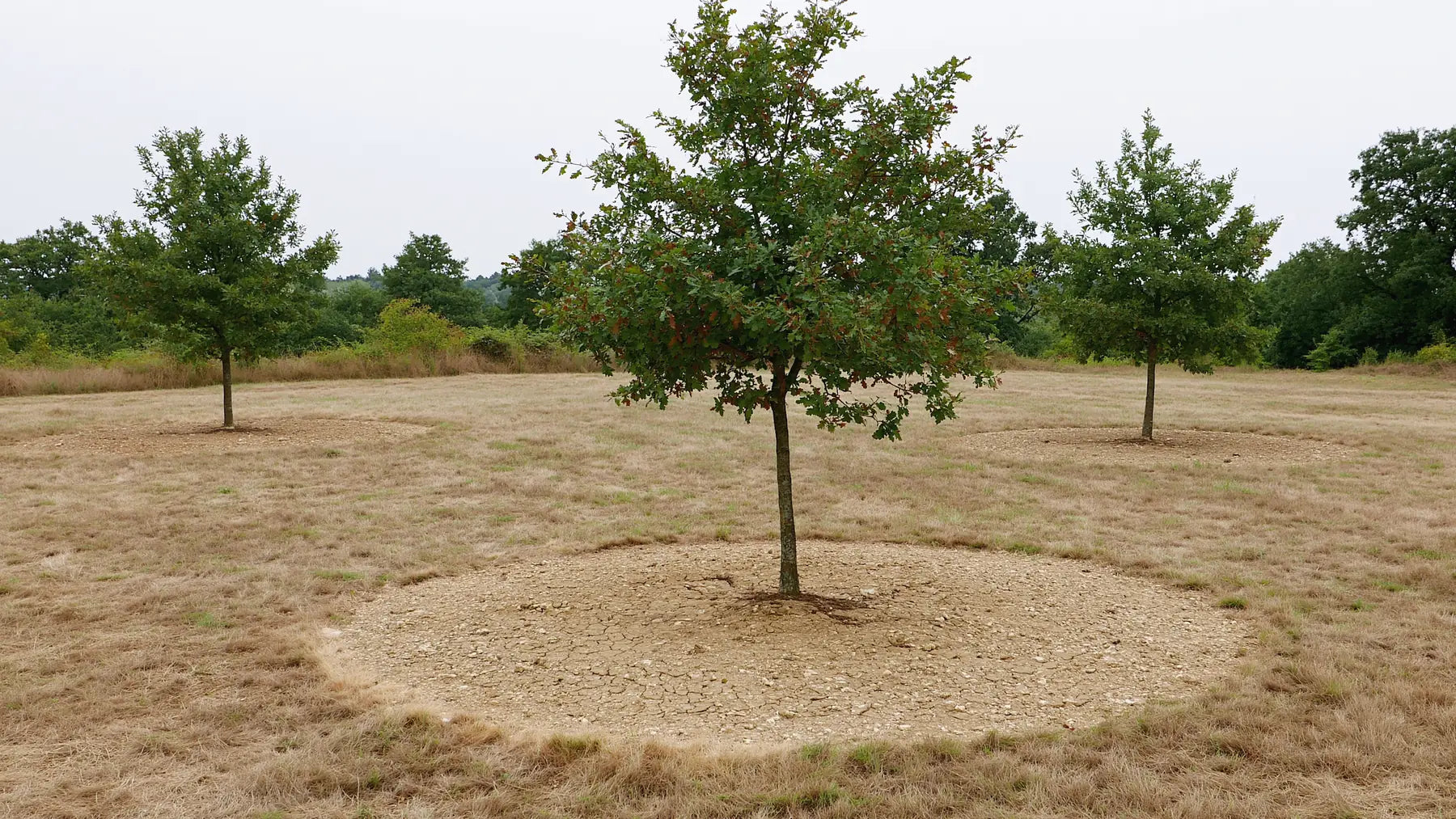
Jeune chêne entouré du brûlé, ce cercle de terre nue où l'herbe ne pousse plus, seul signe visible d'un champignon mycorhizien installé.
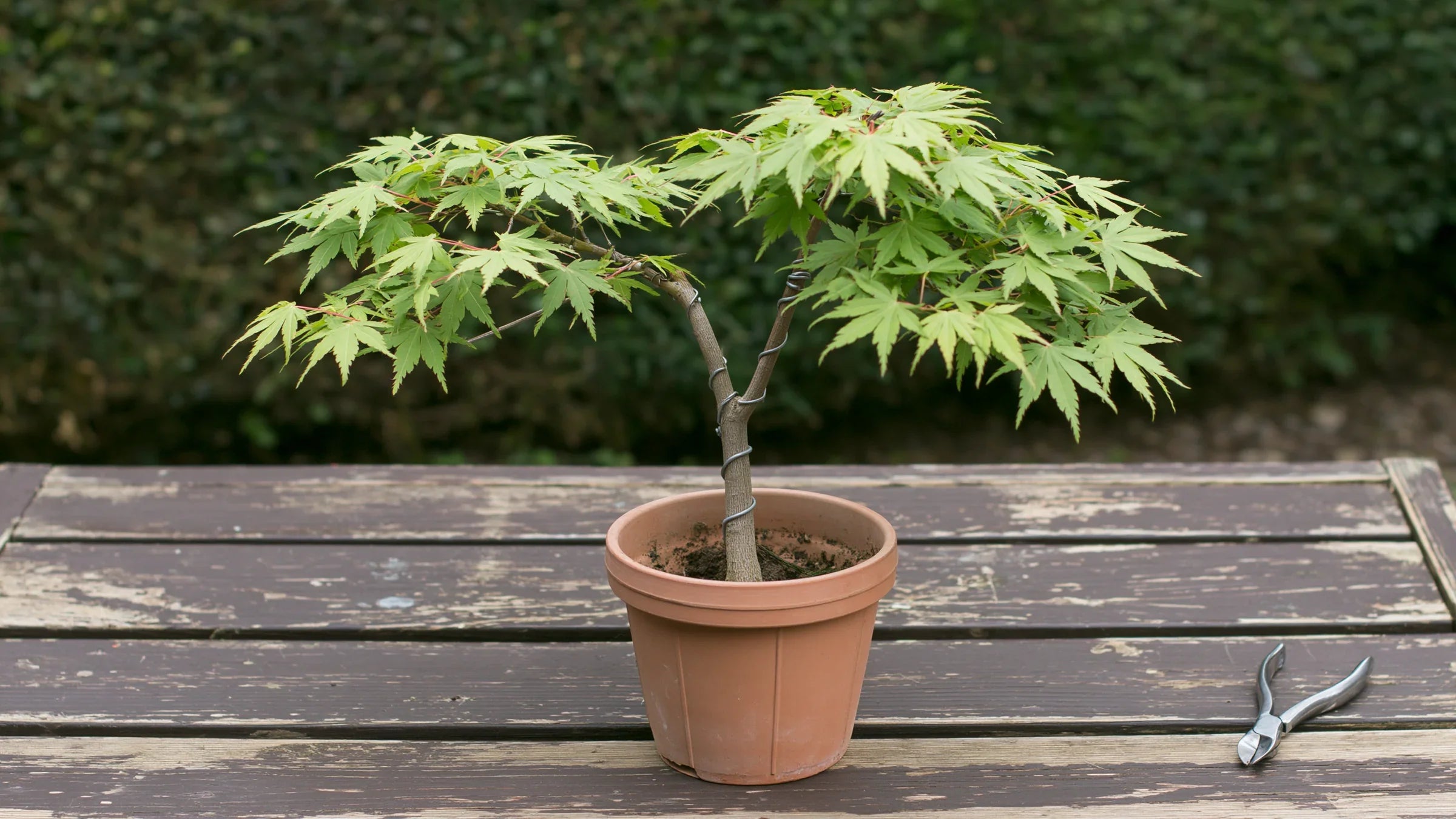
Jeune érable du Japon en formation dans un pot de culture en terre cuite, son tronc ligaturé au fil d'aluminium, posé sur un banc de bois usé

留下评论

此站点受 hCaptcha 保护,并且 hCaptcha 隐私政策服务条款适用。