Capsicum annuum
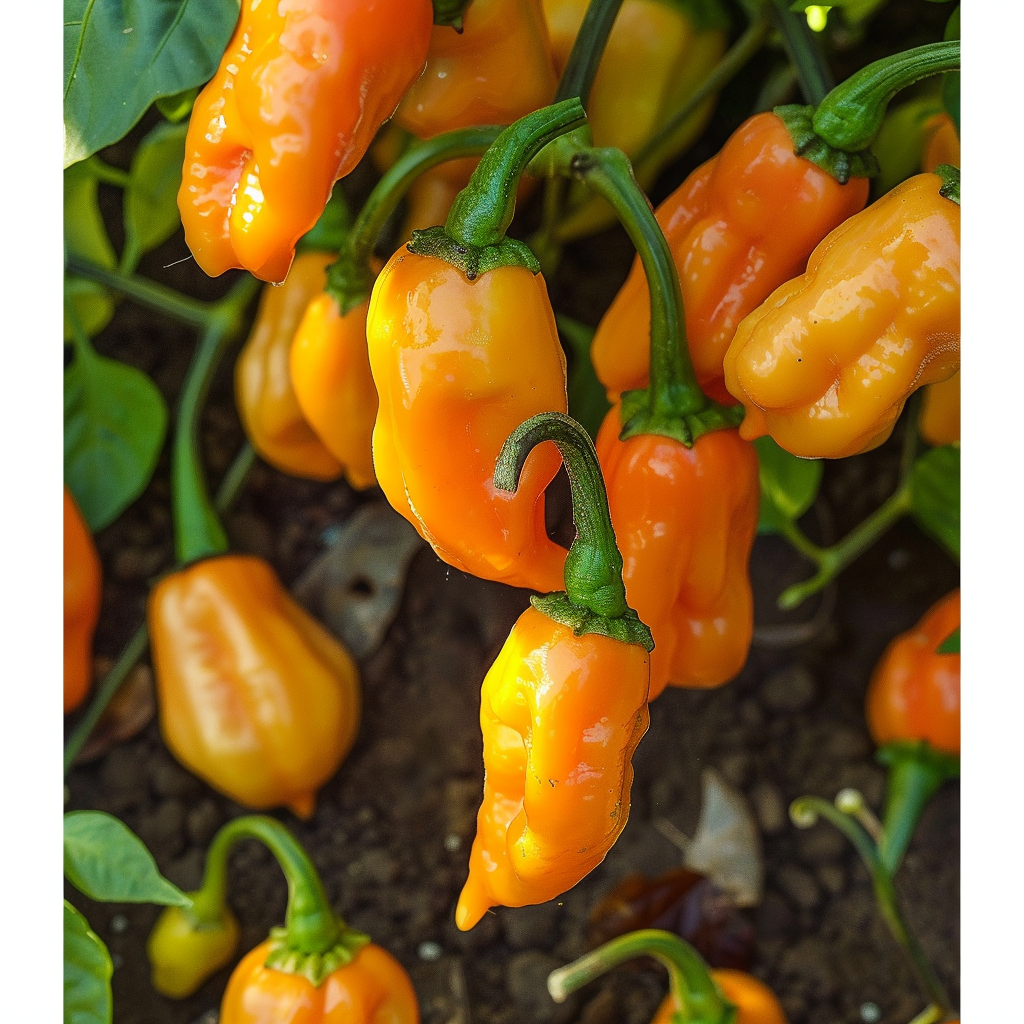
Petit Marseillais pepper, sweet Marseille pepper: an old Provençal variety, it bears little resemblance to the uniform peppers sold commercially. Its yellow-orange fruits are small, irregular, and sometimes misshapen—and that is precisely what appealed to gardeners in southern France, who grew it for its productivity and fine, sweet flesh.
Characteristics:
-
Small fruits: 5 to 8 cm, irregularly shaped, yellow, then orange when ripe.
-
Fine, sweet flesh: completely mild, delicious raw.
-
Highly productive: this is its historical reputation—one plant produces a great deal.
-
Suitable for growing in pots: its compact size makes it particularly well suited to balconies.
Sowing advice:
-
Exposure: full sun, sheltered from the wind.
-
Soil: rich in organic matter, loose, and well drained. It does not tolerate standing water.
-
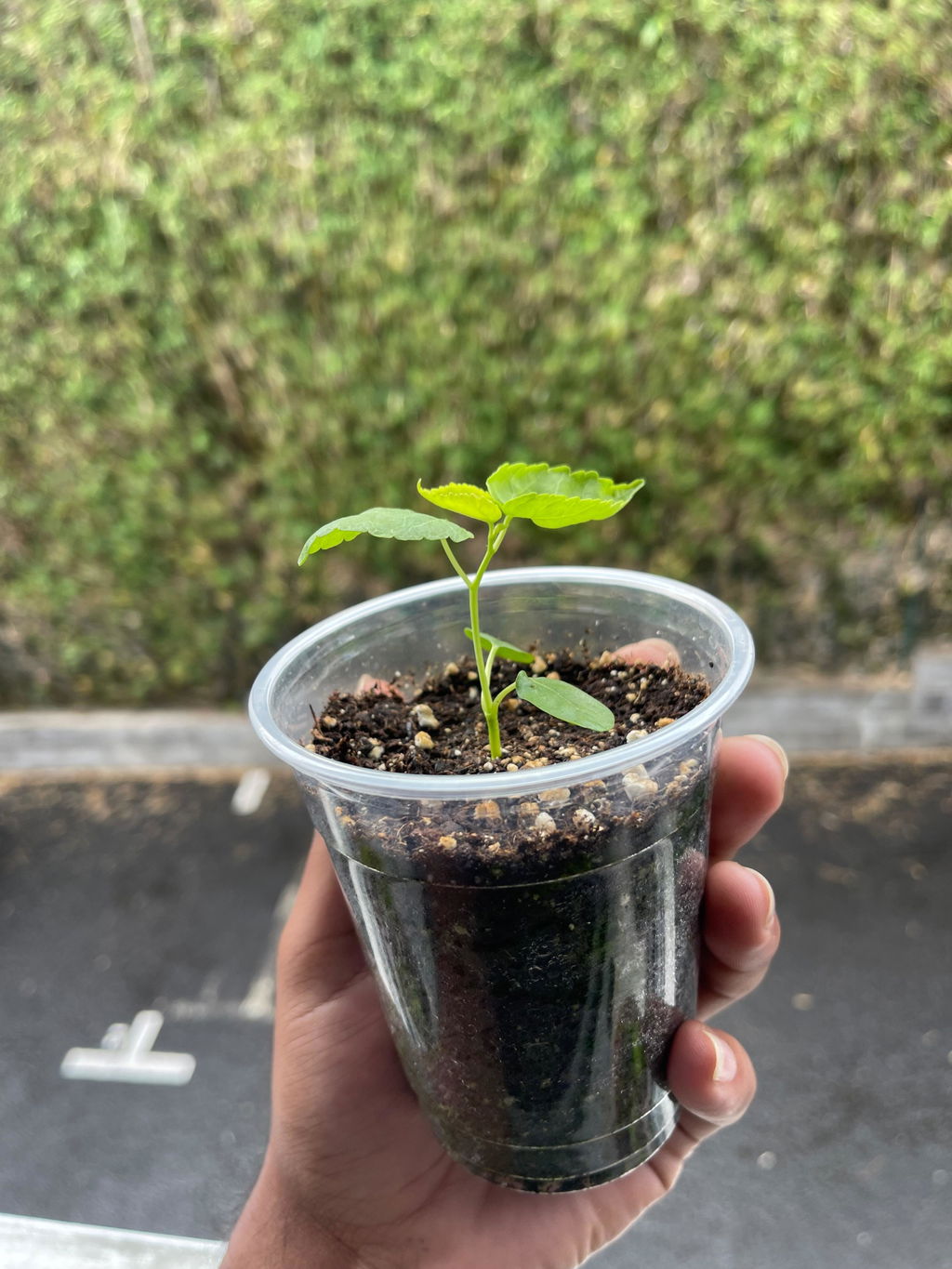
Method: sow from February to April under cover, at 20-25 °C: below 18 °C, the seeds will not germinate. Sowing directly outdoors would be far too late in our climate. Allow 2 to 3 weeks for germination. See how to sow your seeds.
Planting advice:
- Transplant when nighttime temperatures remain above 12 °C, spacing plants 40 to 50 cm apart. Unlike tomatoes, do not bury the stem: peppers do not form adventitious roots, and a buried crown will rot.
Care advice:
- Water regularly at the base, without overwatering, to prevent root rot. Mulch to keep the soil cool.
-
The market gardeners' tip: pinch out the first flower, known as the royal flower, which appears at the stem fork. The plant will then branch more and produce many more fruits afterward—particularly worthwhile for such a productive variety.
- Use a three- to four-year crop rotation: do not grow it after tomatoes, aubergines, or potatoes.
Harvesting advice:
- Cut with secateurs, leaving a piece of stem attached. Harvest progressively: the more you pick, the more the plant produces.
- It is already edible when yellow; if left to turn orange, it becomes sweeter.
Beneficial companion plants:
Benefits for biodiversity:
- Its white flowers are visited by bees and bumblebees throughout the summer.
- An old, regionally adapted, open-pollinated variety, excluded from commercial sales because of its irregular fruits: growing it helps keep it alive. See our heirloom seeds.
Uses:
- Raw in salads and tabbouleh, where its fine flesh and color work wonderfully, or cooked in ratatouille and stews. Its small size makes it well suited to preserving in oil.
Harvesting your own seeds:
Leave a beautiful fruit on the plant until it reaches its full orange color, then open it, remove the seeds, and dry them flat for a few days. Be careful: peppers cross readily with nearby cultivated chilis, so isolate your seed plant. See how to save your seeds.
Commitment to Quality: at SemiSauvage - Permaculture, we grow and select our seeds with respect for all living things as our guiding principle. Based near the Auvergne Volcanoes, we choose open-pollinated, non-hybrid varieties, tested for their germination rate, carefully sorted and packaged, with no chemical treatment. Our conviction: to give gardeners back the ability to resow, year after year, seeds that truly belong to them.
Small, misshapen, and generous: the pepper of Provençal gardens.