Capsicum annuum
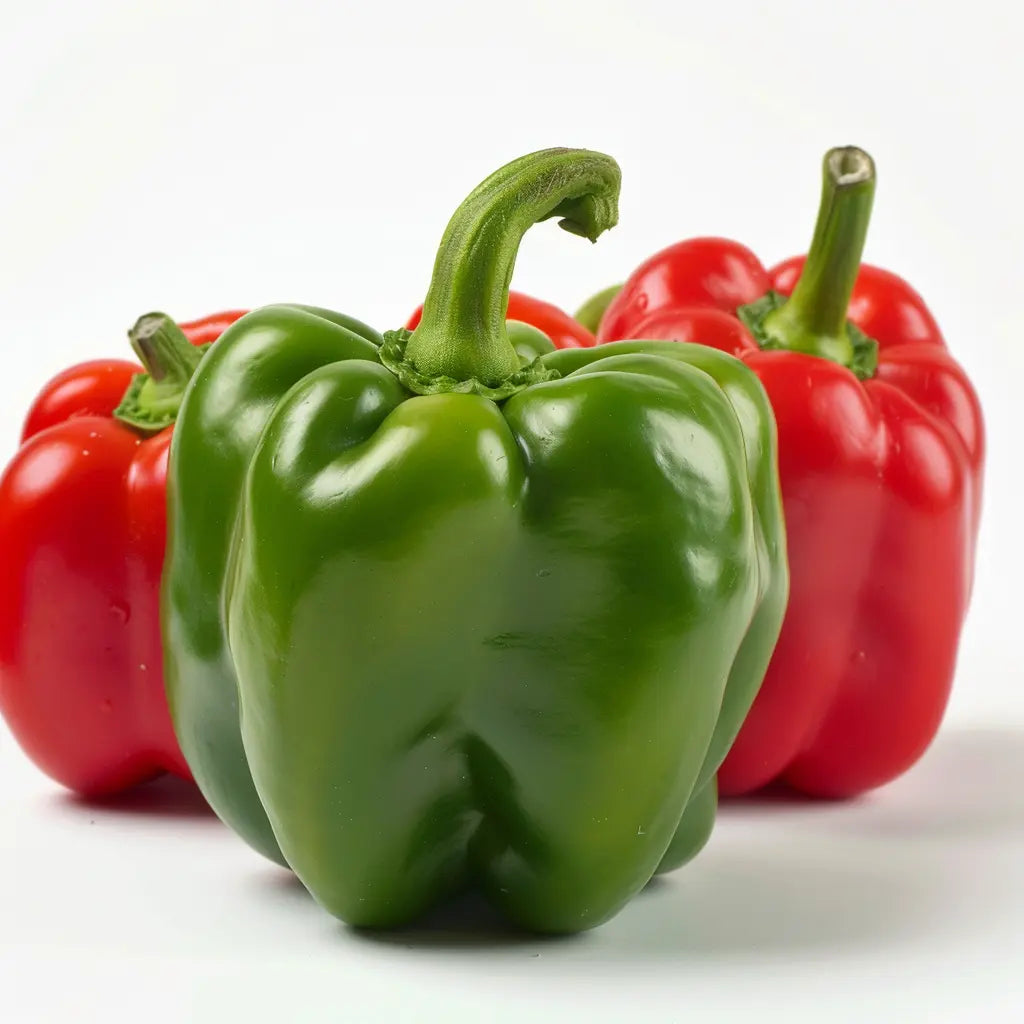
California Wonder pepper, sweet bell pepper: created in 1928, this variety remains the benchmark for large, square-fruited peppers. Its thick, crisp flesh and complete lack of heat make it an all-purpose pepper—and one of the few heirloom varieties that industry has never managed to replace.
Characteristics:
-
Large, square fruits: with thick, meaty flesh, ideal for stuffing or slicing into strips.
-
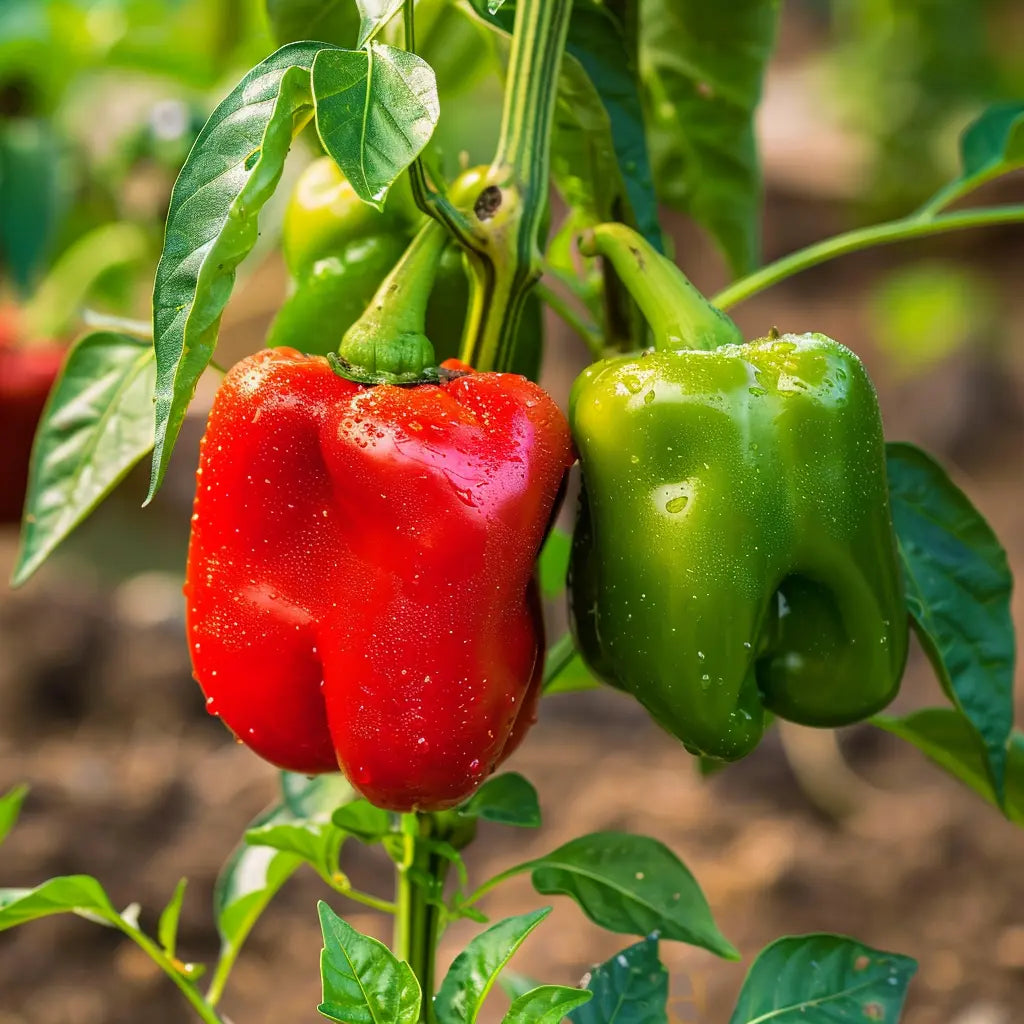
Two harvests in one: bright green at first, it turns red and noticeably sweeter as it ripens.
-
Non-spicy: contains no capsaicin, making it suitable for the whole family.
-
Can be grown in pots: in the ground or in a container on a sunny balcony.
Sowing advice:
-
Position: full sun and warmth. In cooler regions, growing under cover significantly improves production.
-
Soil: deep, rich and well drained. In pots, mix potting soil with coarse sand in a sufficiently deep container.
-
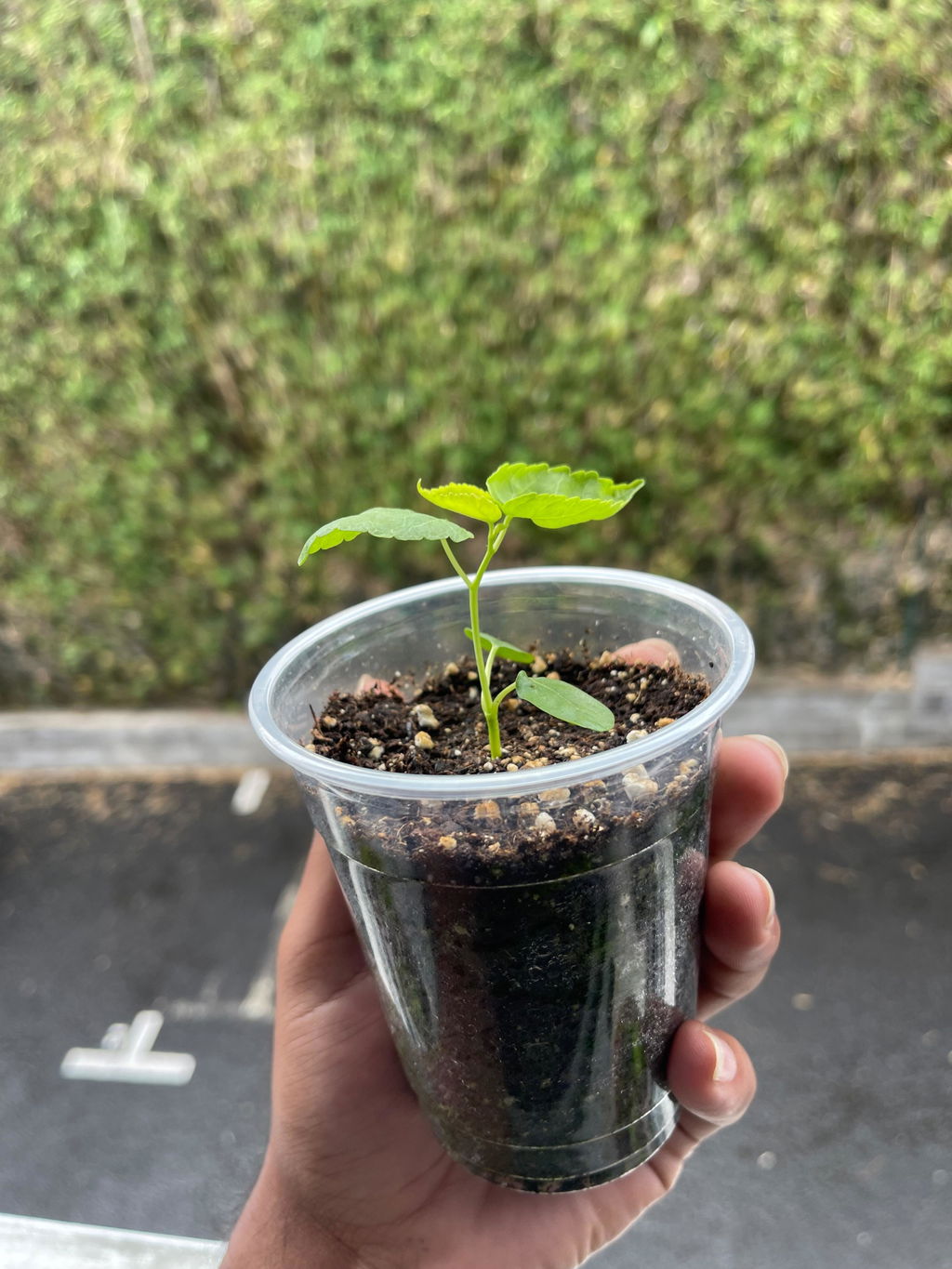
Method: sow from February to April under cover, at 20-25 °C: below 18 °C, the seeds will not germinate. Cover with 5 mm of soil. Germination takes 2 to 3 weeks, slower than tomatoes. See how to sow your seeds.
Planting advice:
- Transplant only when nighttime temperatures exceed 12 °C, spacing plants 50 cm apart. Unlike tomatoes, do not bury the stem: peppers do not form adventitious roots, and a buried crown will rot.
- Stake the plants: branches laden with large fruits break easily.
Care advice:
- Water regularly at the base and avoid fluctuations: irregular watering causes blossom-end rot, the black spot at the tip of the fruit. Apply a thick mulch.
-
The market gardener's tip: pinch out the first flower, known as the royal flower, which appears at the stem's first fork. The plant will then branch more and produce far more fruit afterward.
- Rotate crops every three to four years: do not grow it after tomatoes, eggplants or potatoes.
Harvesting advice:
- Cut with pruning shears, leaving a piece of stem, rather than pulling.
- The choice is yours: harvested green, it is firmer and slightly bitter; left to turn red, it becomes distinctly sweet. Waiting for the red stage does, however, reduce the total number of fruits.
Beneficial companions:
Benefits for biodiversity:
- Its white flowers are visited by bees and bumblebees throughout the summer.
- As a reproducible heirloom variety, growing it helps preserve vegetable-garden diversity in the face of F1 hybrids.
Uses:
- Raw in salads or cut into sticks, stuffed, grilled and peeled, in ratatouille, piperade or preserved in oil. Its thick flesh holds up particularly well during cooking.
Saving your own seeds:
Leave a healthy fruit to turn completely red on the plant, open it, remove the seeds and dry them flat for a few days. Be careful: peppers cross readily with hot peppers grown nearby, so isolate your seed plant if you are also growing hot varieties. See how to save your seeds.
Commitment to Quality: at SemiSauvage - Permaculture, we grow and select our seeds with respect for all living things as our guiding principle. Based near the Auvergne Volcanoes, we choose reproducible, non-hybrid varieties, tested for their germination rate, carefully sorted and packaged, with no chemical treatment whatsoever. Our conviction: to give gardeners back the ability to resow, year after year, seeds that truly belong to them.
The benchmark square pepper, green or red depending on your patience.