Solanum lycopersicum
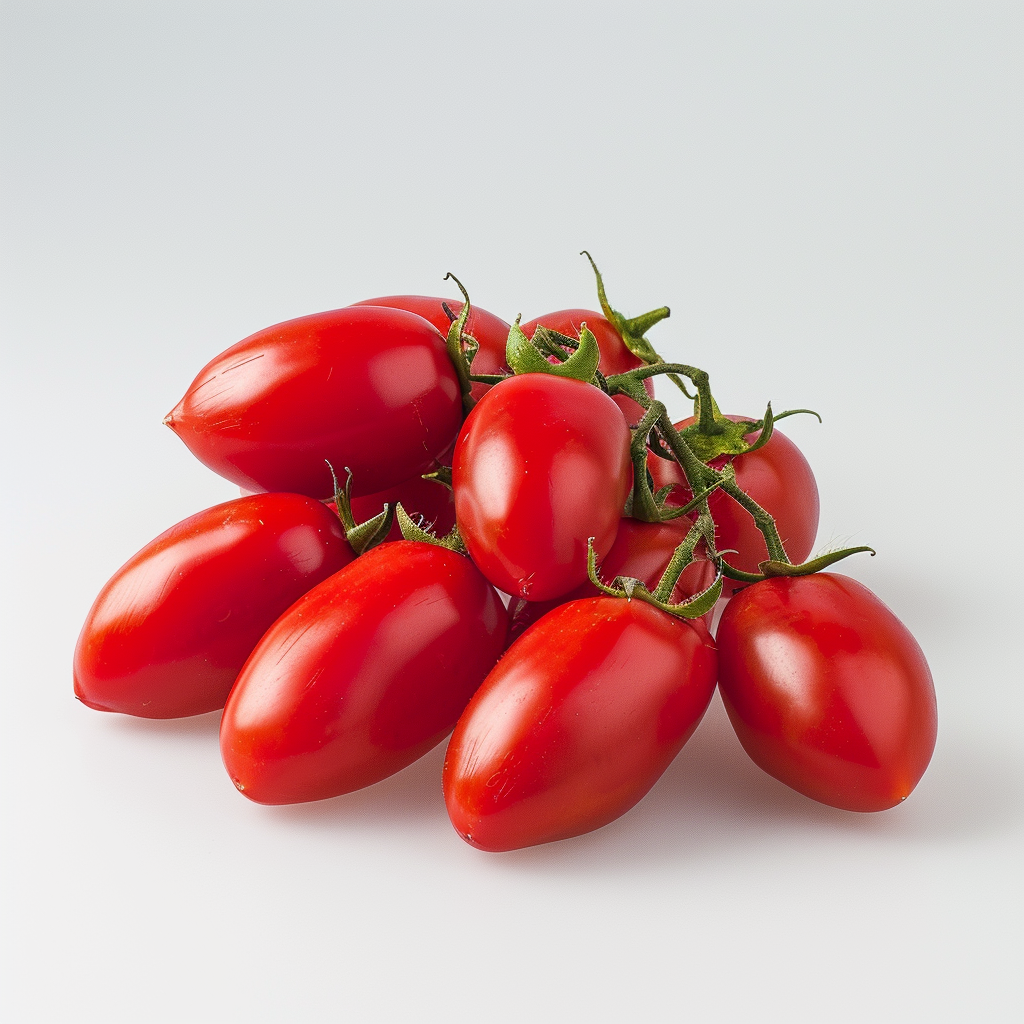
Roma tomato, Roma VF, plum tomato: this is the ultimate sauce tomato. Its dense, low-water flesh, few seeds, and concentrated ripening make it the variety for late-summer preserving — the one you harvest all at once to fill your jars in a single go.
Characteristics:
-
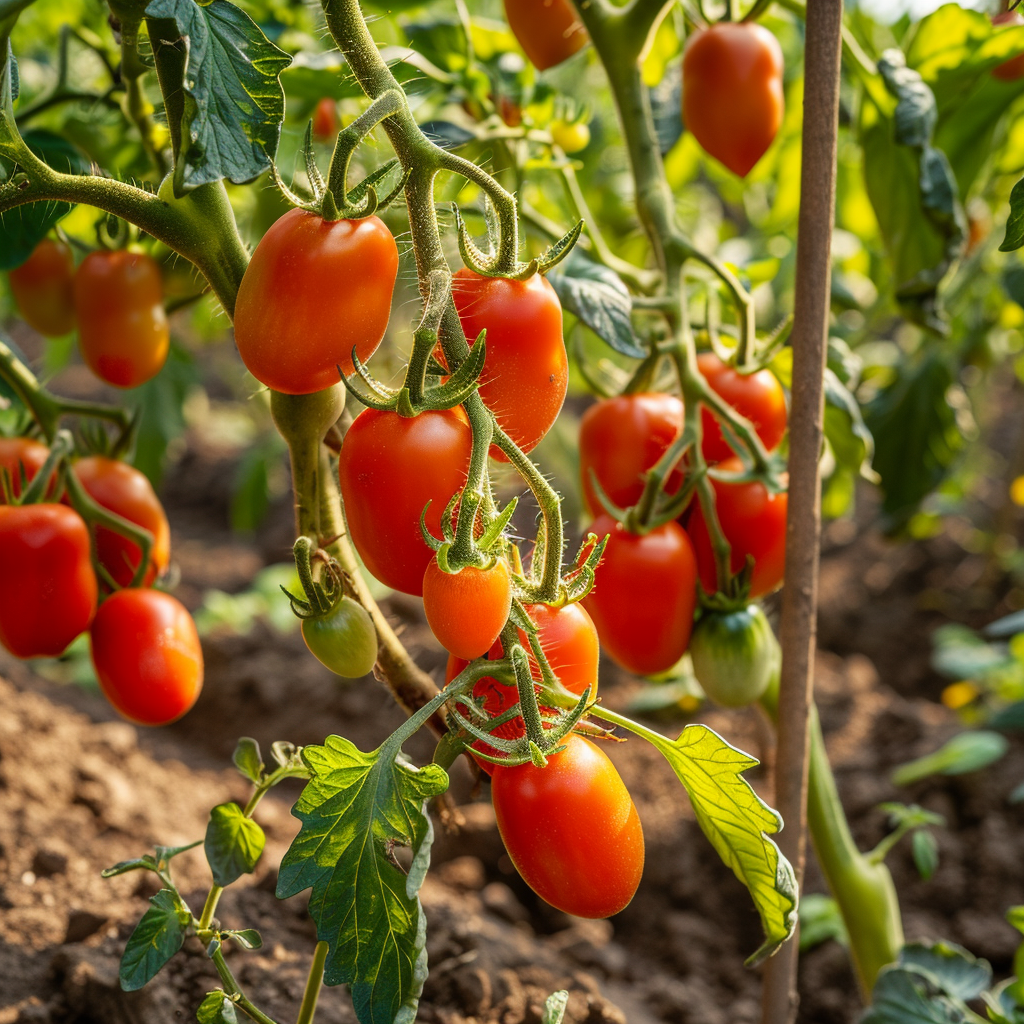
Elongated fruits: plum-shaped, bright red, borne in clusters throughout the summer.
-
Firm, low-water flesh: ideal for sauces, passata, and concentrates, which reduce much less.
-
Determinate variety: it stops growing on its own at around 1 metre, making it much easier to manage.
-
Concentrated ripening: most of the harvest arrives at the same time, perfect for preserving.
Sowing advice:
-
Exposure: full sun and warmth.
-
Soil: rich, loose, and well drained, enriched with well-rotted compost.
-
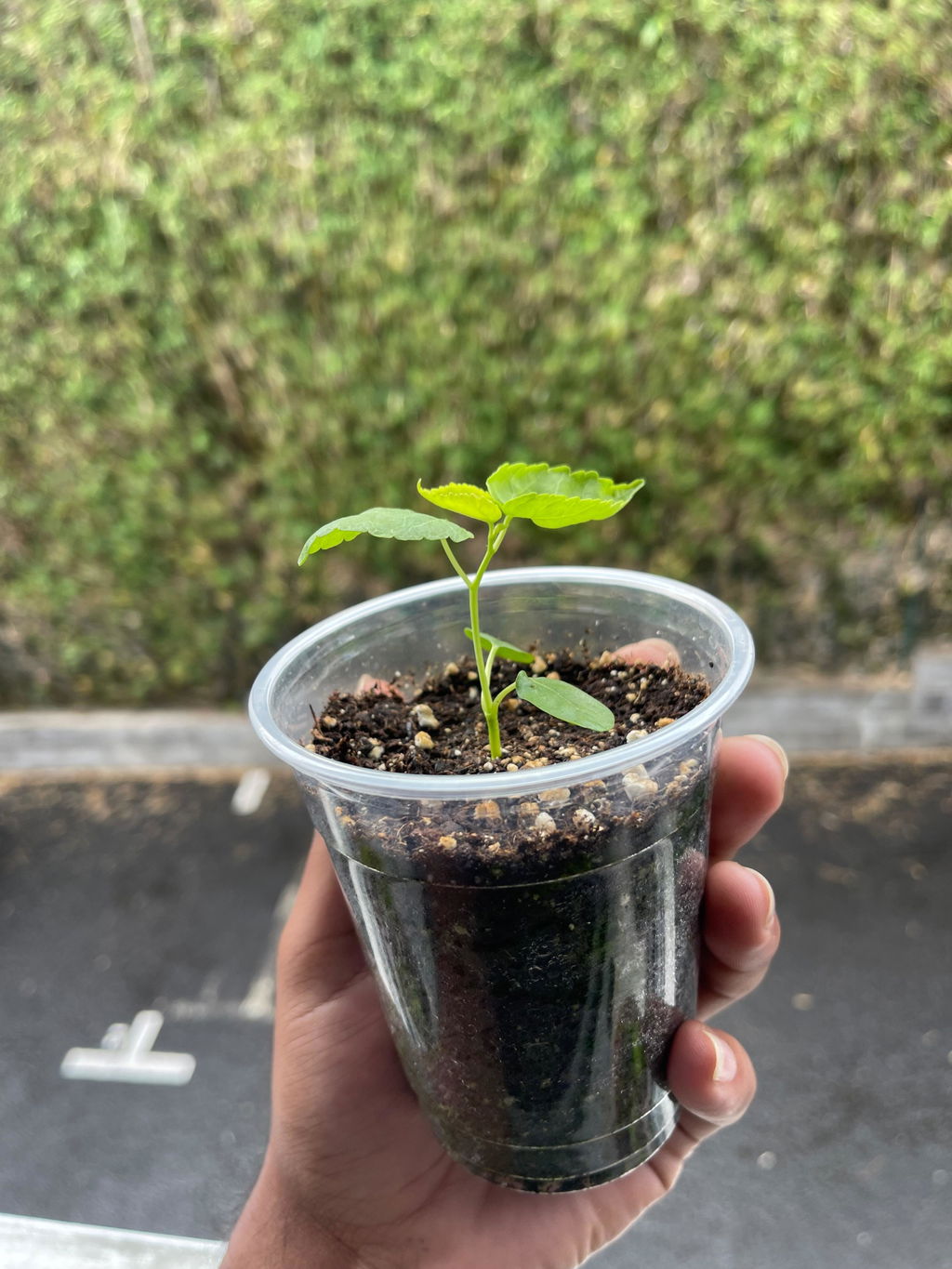
Method: sow from February to April under cover or indoors, at a minimum of 20 °C — below this temperature, the seeds will not germinate. Cover with 5 mm of soil. Transplant into pots at the two-true-leaf stage. See how to sow your seeds.
Planting advice:
- Transplant after the last frosts, spacing plants 50 to 60 cm apart. Bury the stem up to the first leaves: tomatoes produce roots along the buried stem, resulting in a more vigorous plant.
- As a determinate variety, it generally needs neither staking nor pruning — its great practical advantage. A simple support is enough if the branches sag under the weight of the fruit.
Care advice:
-
Always water at the base, never over the foliage, preferably in the morning: water on the leaves provides an entry point for blight. Apply a thick mulch.
- Water regularly and evenly to prevent the fruit from splitting and developing blossom-end rot.
- Do not remove the suckers: on a determinate variety, they bear a significant part of the crop.
- Rotate crops over three to four years.
Harvesting advice:
- Harvest when the fruits are fully red and firm. Its concentrated ripening often allows you to harvest everything in two or three passes — plan your preserving day accordingly.
- Store at room temperature, never in the refrigerator.
Beneficial companions:
Benefits for biodiversity:
- Its flowers are pollinated by vibration: only bumblebees can fully exploit them. Welcoming bumblebees directly improves your harvest.
- As an open-pollinated variety, it allows you to save and resow seeds year after year. See our heirloom tomatoes to sow.
Uses:
- Passata, sauces, concentrates, preserves, and sun-dried tomatoes — its low water content makes all the difference. It is also good raw in thick slices, which do not make salads soggy.
Saving your own seeds:
Scoop the pulp from a beautiful, fully ripe fruit and leave it to ferment for two to three days in a little water — this step breaks down the gelatinous coating that inhibits germination — then rinse: the healthy seeds will sink to the bottom. Dry them flat. See how to store your seeds.
Commitment to Quality: at SemiSauvage - Permaculture, we grow and select our seeds with respect for all living things as our guiding principle. Based near the Volcanoes of Auvergne, we choose open-pollinated, non-hybrid varieties, test them for germination rates, and carefully sort and package them without any chemical treatment. Our belief: to give gardeners back the ability to resow, year after year, seeds that truly belong to them.
No staking or pruning: the easy-to-manage tomato for preserving.