Genista tinctoria
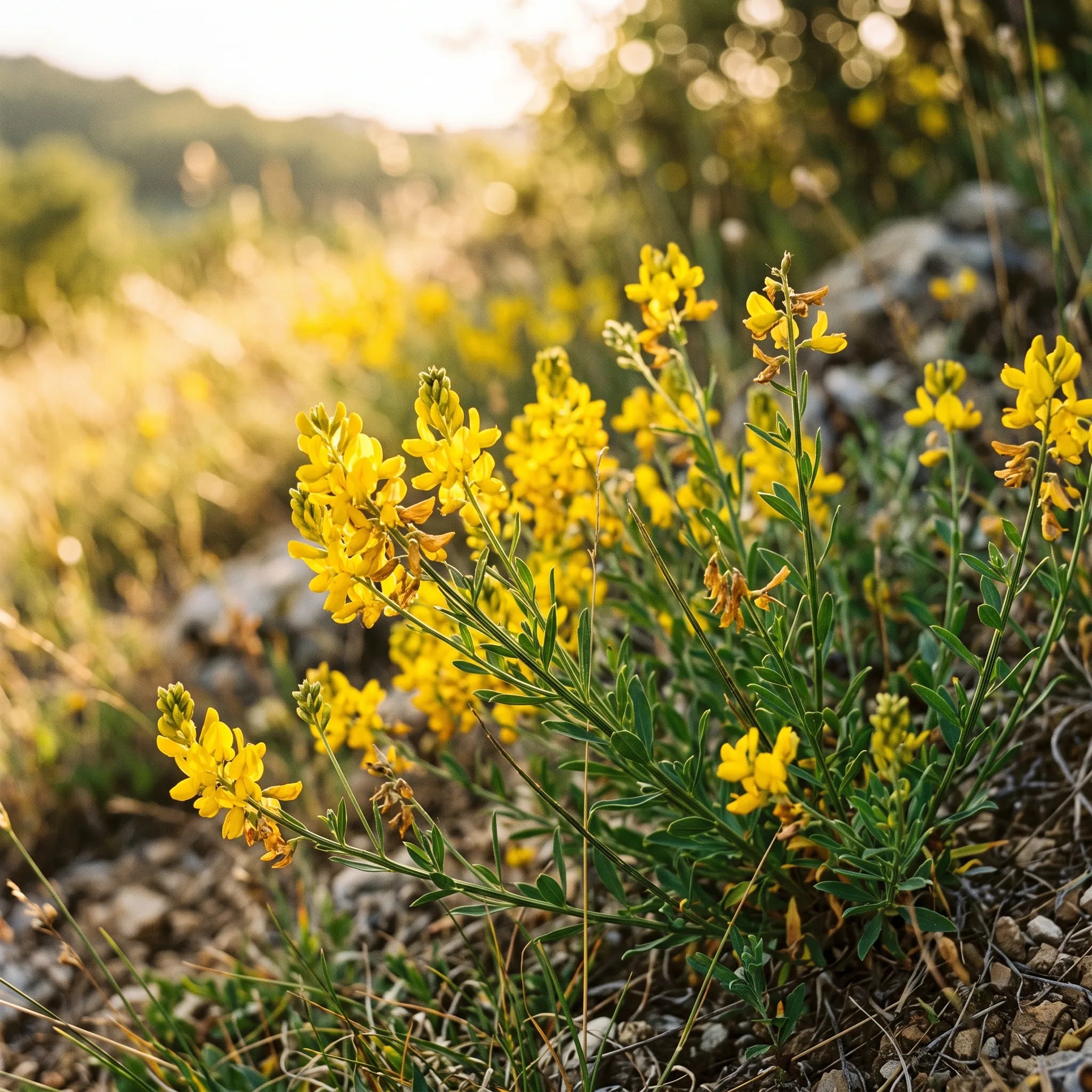
염색골풀, 염색용 골풀, 노랗게 물들이는 풀: 종명 tinctoria가 모든 것을 말해 줍니다. 꽃은 중세 염색에서 노란색을 내는 데 사용되었고, 대청의 파란색과 섞으면 영국 직물의 유명한 ‘켄달 그린’을 만들어 냈습니다. 수 세기 동안 유럽의 옷감을 물들여 온 소박한 관목입니다.
특징:
-
황금빛 노란 꽃: 선명한 초록색의 가느다란 잎 위로 봄부터 여름까지 밝은 꽃송이가 피어납니다.
-
작은 관목: 50cm에서 1m까지 자라며, 경계 식재, 암석 정원 또는 비탈면에 안성맞춤입니다.
-
매우 강건함: 다른 식물이 버티기 힘든 곳에서도 폭염과 척박한 토양을 견딥니다.
주의사항:
- 대부분의 골풀과 마찬가지로 씨앗과 지상부에 알칼로이드가 함유되어 있어 먹을 수 없습니다. 전통적인 용도는 식용이 아니라 염색용입니다.
파종 요령:
-
햇빛: 따뜻하거나 온화한 기후에서 양지에 심으세요. 풍성한 개화를 위한 필수 조건입니다.
-
토양: 척박하고 건조하며 모래가 많거나 자갈이 섞인, 배수가 잘되는 약산성에서 중성 토양이 좋습니다. 콩과 식물이므로 공기 중 질소를 스스로 고정합니다. 비옥하게 개량하지 마세요. 비옥한 토양에서는 꽃이 피지 않고 잎만 무성하게 자랄 수 있습니다. 물이 고이는 곳은 피합니다.
-
방법: 씨껍질이 매우 단단합니다. 파종 전에 씨앗을 찬물에 48시간 담가 두거나 줄로 살짝 흠집을 낸 뒤, 봄에 깊은 포트에 파종하세요. 씨앗을 파종하는 방법을 참고하세요.
심는 요령:
- 어릴 때 최종 자리에 옮겨 심으세요. 모든 골풀류가 그렇듯, 일단 자리를 잡으면 이식을 매우 잘 견디지 못합니다. 곧은뿌리를 위해 깊은 포트를 반드시 사용하세요.
관리 요령:
- 관리는 거의 필요하지 않으며, 일단 활착하면 물을 줄 필요가 없습니다. 꽃이 진 뒤 가볍게 가지치기하되, 오래된 목질부에서는 다시 싹이 나지 않으므로 절대 자르지 마세요.
수확 요령:
- 염색용으로 사용할 경우, 꽃이 한창 피었을 때 맑고 건조한 날 꽃이 달린 줄기 끝부분을 수확해 그늘에서 말리세요.
함께 심기 좋은 식물:
- 암석 정원이나 비탈면에서 라벤더와 헤더가 좋아하는 건조하고 척박한 토양 조건을 공유합니다. 콩과 식물이므로 주변 식물을 위해 토양을 자연스럽게 비옥하게 합니다. 가뭄에 강한 식물을 살펴보세요.
생물다양성에 대한 가치:
- 꽃에는 놀라운 폭발형 메커니즘이 있습니다. 뒤영벌이 찾아오면 수술이 갑자기 튀어나와 뒤영벌의 몸에 꽃가루를 뿌립니다. 정원에서 가까이 관찰할 수 있는 장관입니다.
- 여러 나비, 특히 푸른부전나비류 애벌레의 숙주 식물입니다.
- 깊게 뻗는 뿌리가 비탈면과 침식된 토양을 고정하는 동시에 질소를 공급해 토양을 비옥하게 합니다.
활용:
- 경계 식재, 암석 정원, 비탈면 및 건조 정원에 적합합니다. 양모와 실크를 선명한 노란색으로 물들이는 역사적인 염색 식물입니다. 전통 약용 식물이기도 합니다. 파종할 수 있는 약용 식물을 살펴보세요.
상징:
라틴어로 planta genista인 골풀은 플랜태저넷 왕조의 이름을 낳았습니다. 앙주 백작 조프루아가 투구에 그 가지를 꽂고 다녔기 때문입니다. 겸손과 끈기를 상징합니다.
직접 씨앗 채종하기:
꼬투리 몇 개는 줄기에 남겨 갈색으로 익게 하되, 터지기 전에 수확하세요. 완전히 익으면 꼬투리가 갑자기 꼬이면서 씨앗을 몇 미터까지 튕겨 냅니다. 씨앗을 보관하는 방법을 참고하세요.
품질에 대한 약속: SemiSauvage - 퍼머컬처에서는 살아 있는 생명에 대한 존중을 중심 가치로 삼아 씨앗을 재배하고 선별합니다. 오베르뉴 화산 지대 인근에 자리 잡고, 반복 재배가 가능하며 잡종이 아닌 품종을 선택해 발아율을 검사하고, 화학 처리를 전혀 하지 않은 채 정성껏 선별하고 포장합니다. 우리의 믿음은 정원사들이 해마다 자신에게 진정으로 속한 씨앗을 다시 뿌릴 수 있는 능력을 되찾도록 하는 것입니다.
역사적이고 강건하며 빛나는 염색 식물을 길러 보세요.