Brassica rapa var. japonica
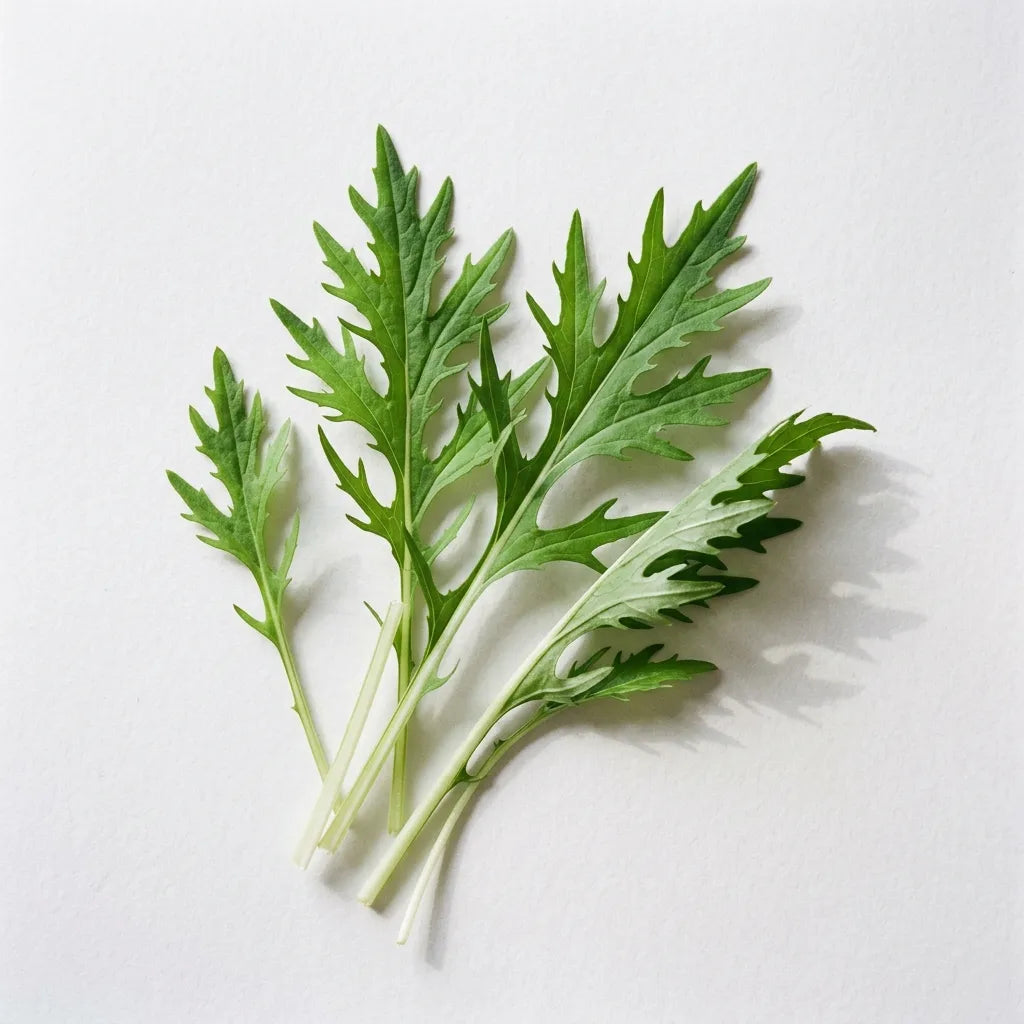
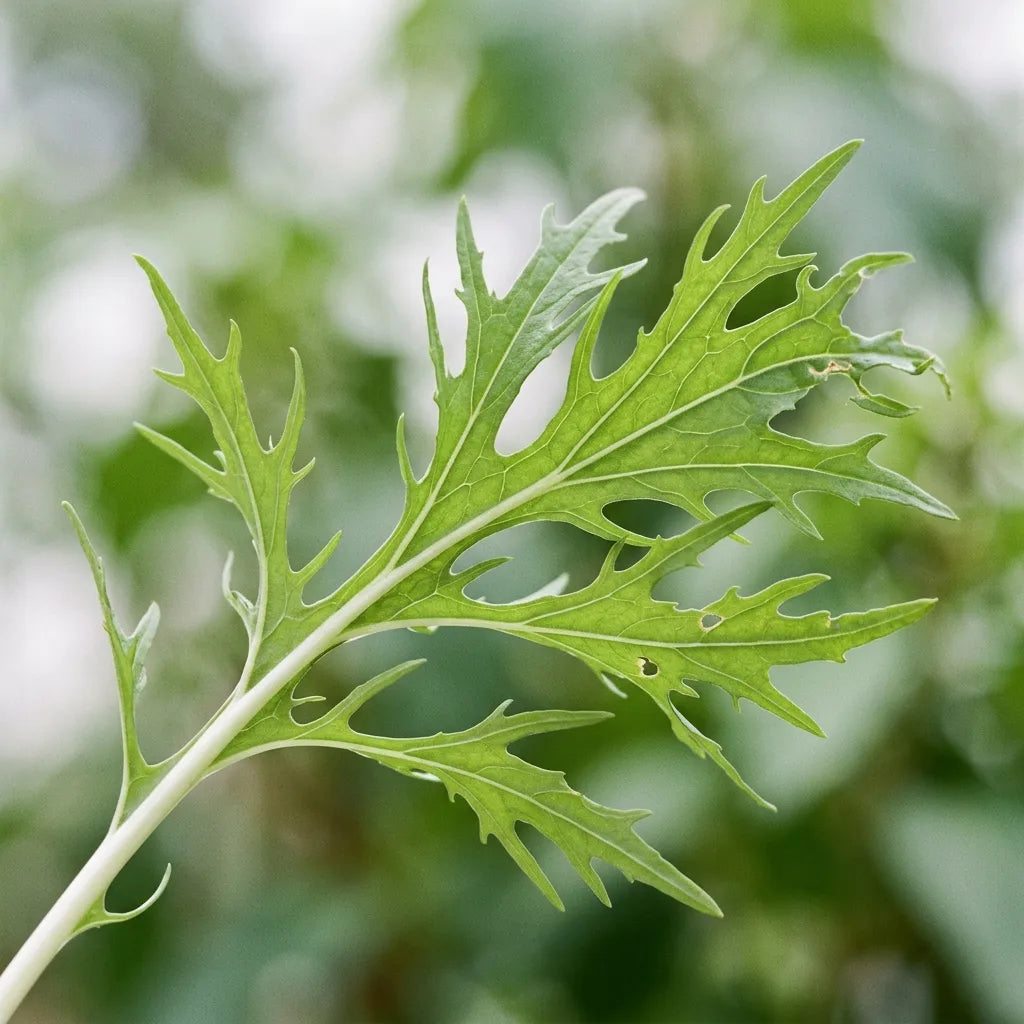
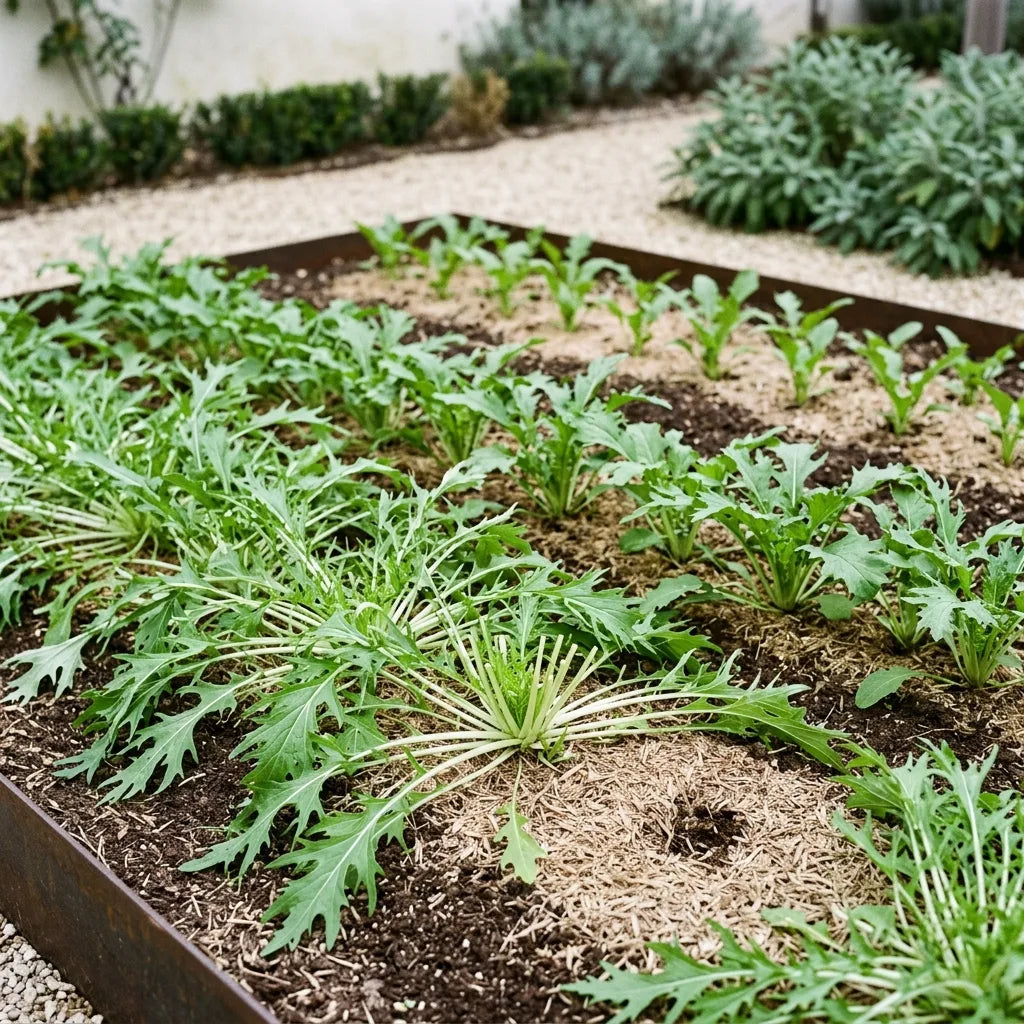
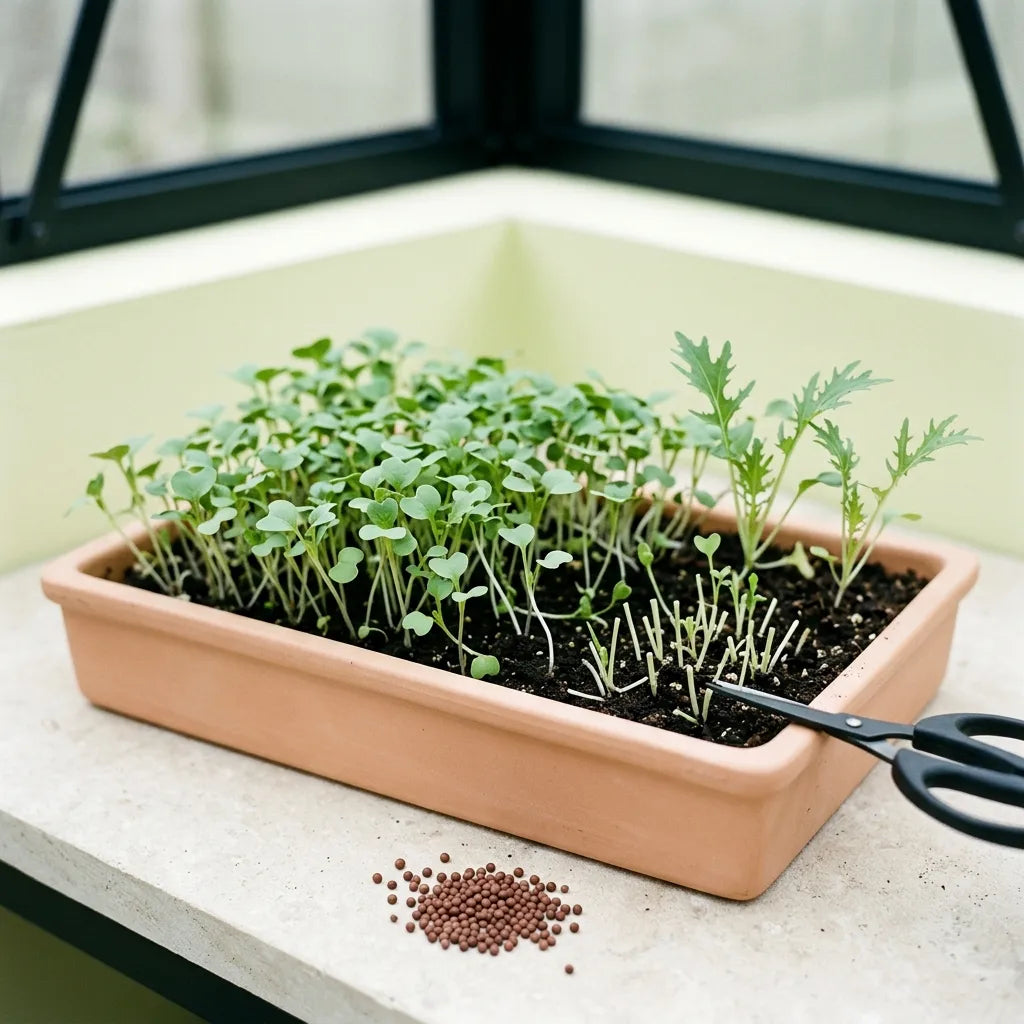
미즈나, 일본 겨자채, 미즈나 배추, 교나: 이름은 일본어로 문자 그대로 ‘물의 채소’를 뜻하며, 교토 지역의 물이 찬 논에서 전통적으로 재배되던 데서 유래했습니다. 레이스처럼 매우 곱게 갈라진 잎은 겨울 샐러드에 은은한 겨자 향과 독특한 식감을 더해 줍니다.
특징:
-
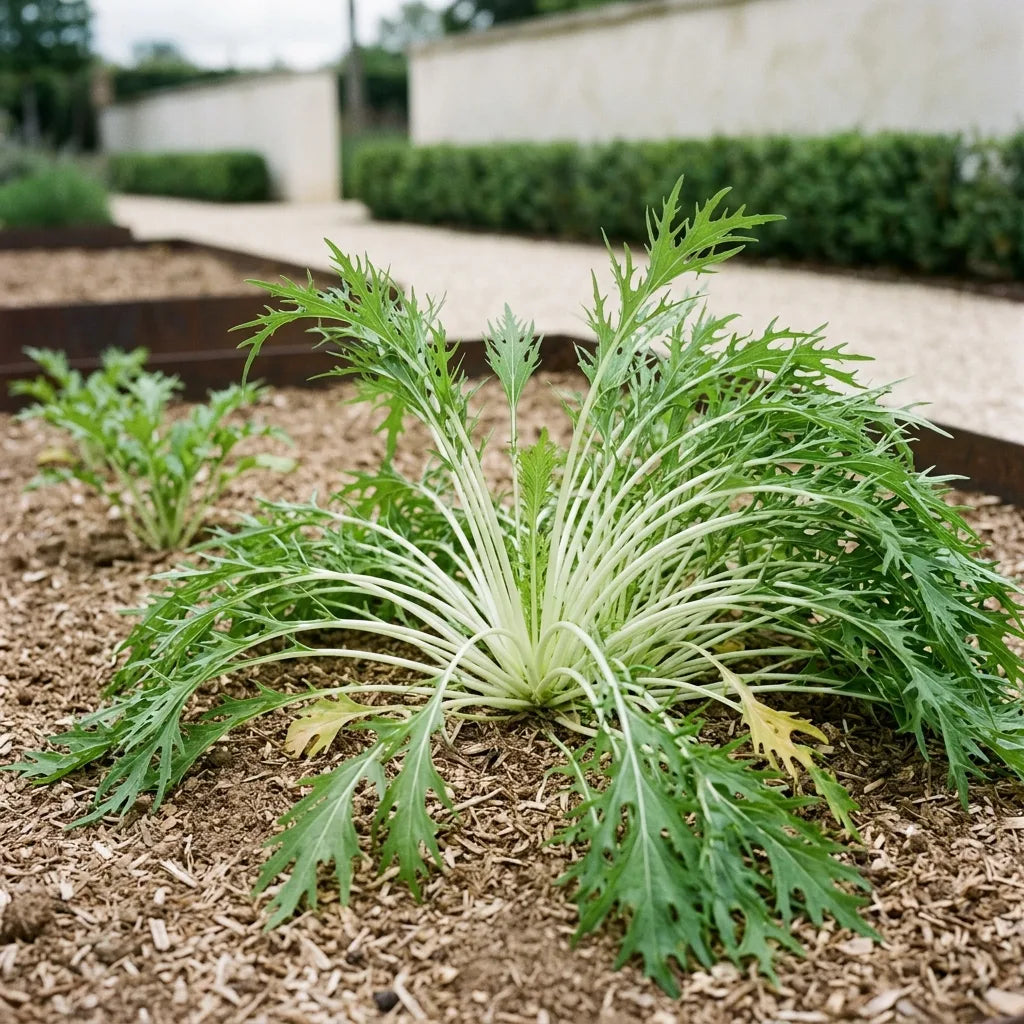
톱니 모양의 잎: 잎이 가늘고 섬세하게 갈라져 촘촘한 포기를 이루며, 샐러드에 매우 장식적입니다.
-
은은한 겨자 향: 알싸함이 가볍고, 루콜라보다 훨씬 순합니다.
-
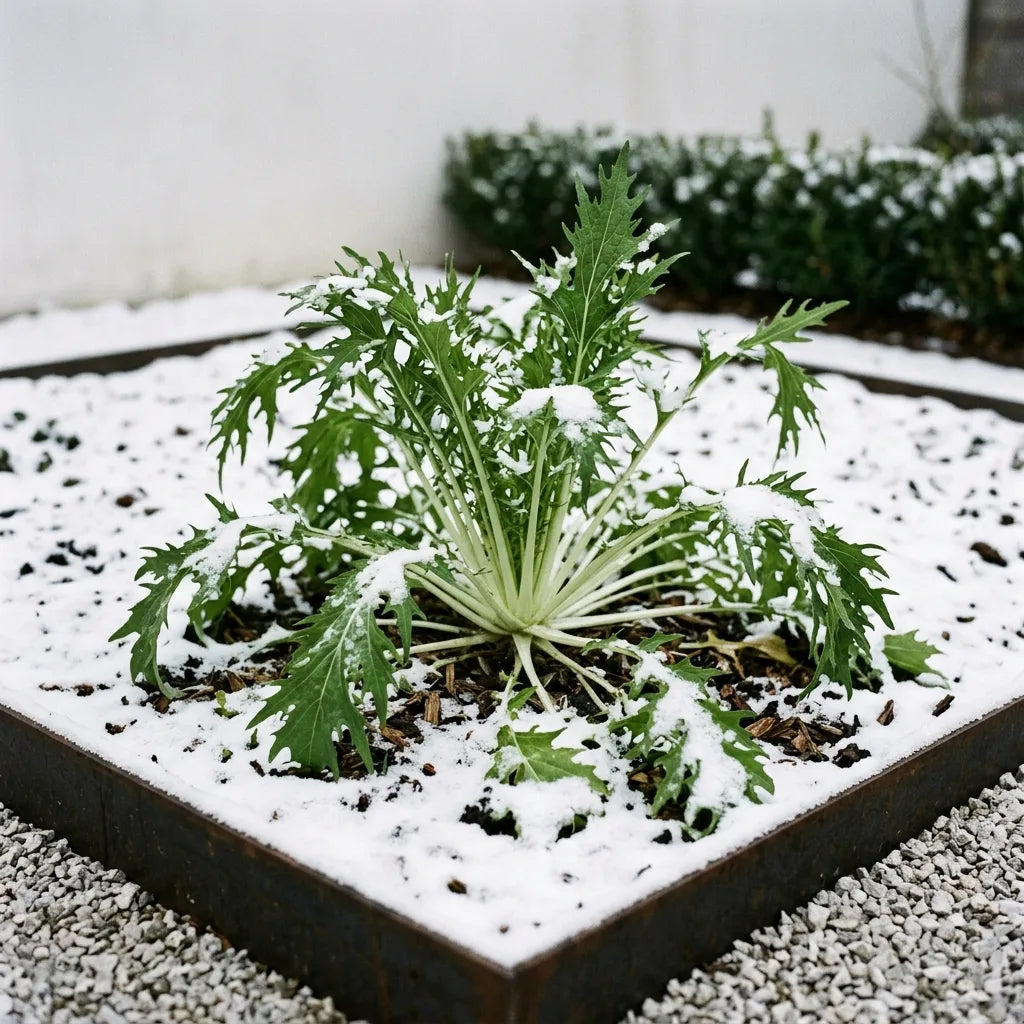
매우 강한 내한성: 영하 12°C까지 견디므로 진정한 겨울 샐러드 채소입니다.
-
빠른 생장: 파종 후 약 6주면 수확할 수 있습니다.
파종 방법:
-
일조: 양지에서 반그늘. 더위에 민감하여 꽃대가 일찍 올라올 수 있습니다.
-
토양: 촉촉하면서 배수가 잘되는 흙. 토양을 크게 가리지 않아 어떤 정원 흙에서도 잘 자라지만, 토양의 수분 유지가 중요합니다.
-
방법: 밭에 직접 1cm 깊이로 파종합니다. 여름 수확을 위해서는 5월부터, 특히 겨울 수확을 위해서는 여름 끝무렵(8월 말)에 파종하세요. 이 시기가 가장 좋은 수확을 얻을 수 있는 때입니다. 씨앗 파종 방법을 참고하세요.
관리 방법:
- 포기가 자랄 공간을 확보할 수 있도록 20cm 간격으로 솎아 주세요. 정기적으로 물을 주고 멀칭하여 토양을 촉촉하게 유지하세요.
- 방충망을 씌우면 어린 십자화과 채소를 특히 좋아하는 벼룩잎벌레로부터 보호할 수 있습니다.
수확 방법:
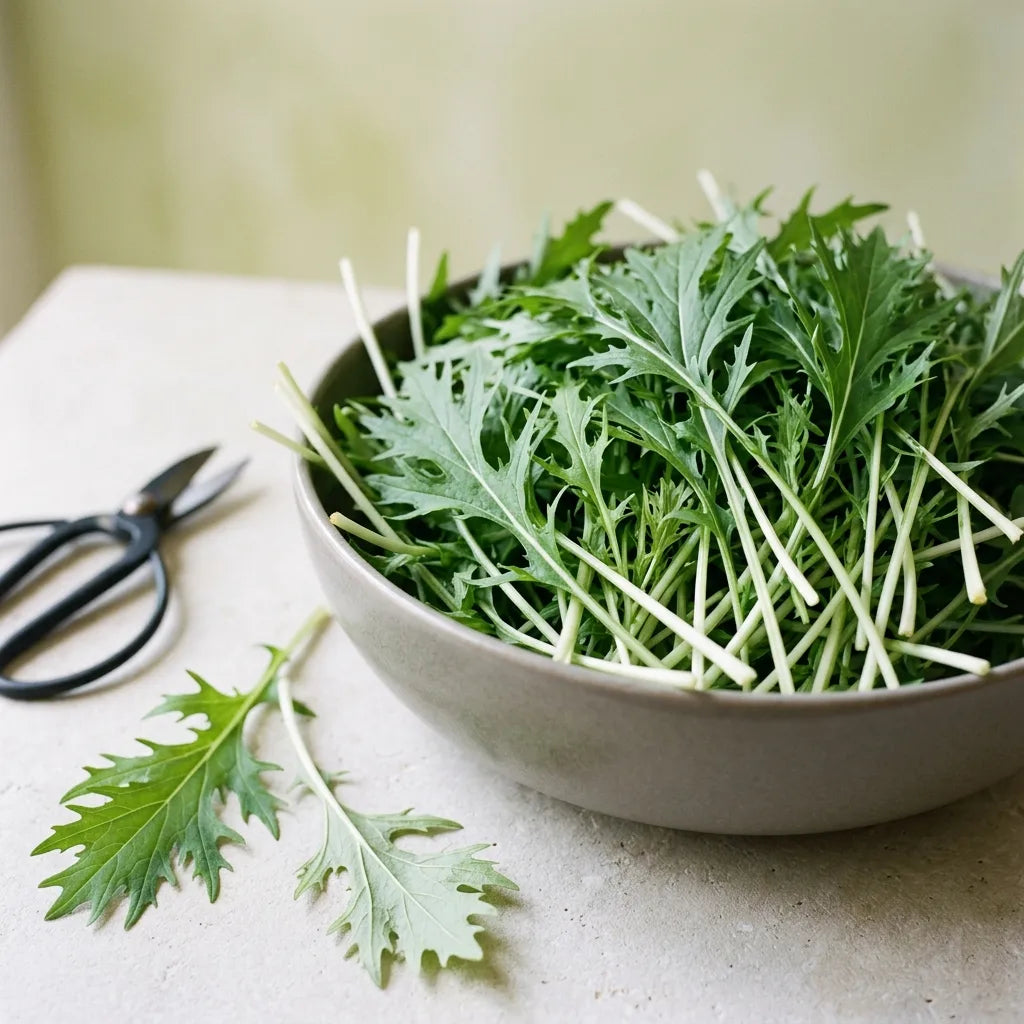
- 포기의 중심은 그대로 둔 채 바깥쪽 잎부터 차례로 따세요. 포기가 다시 자라 수개월 동안 계속 수확할 수 있습니다. 뽑아 수확하는 채소가 아니라 잎을 잘라 수확하는 채소입니다.
- 어린잎은 샐러드용으로, 더 자란 잎은 익혀서 수확하세요.
좋은 동반 식물:
- 빠르게 자라므로 늦철 사이짓기에 적합합니다. 모든 배추류와 마찬가지로 약용 세이지처럼 향이 강한 허브류와 함께 심으면 좋습니다. 타초이와 텃밭 가을 파종도 참고하세요.
생물다양성에 주는 이점:
- 겨울에도 자리를 지켜 텃밭이 비어 있을 때 식물 피복을 유지하며, 토양과 미소 생물을 보호합니다.
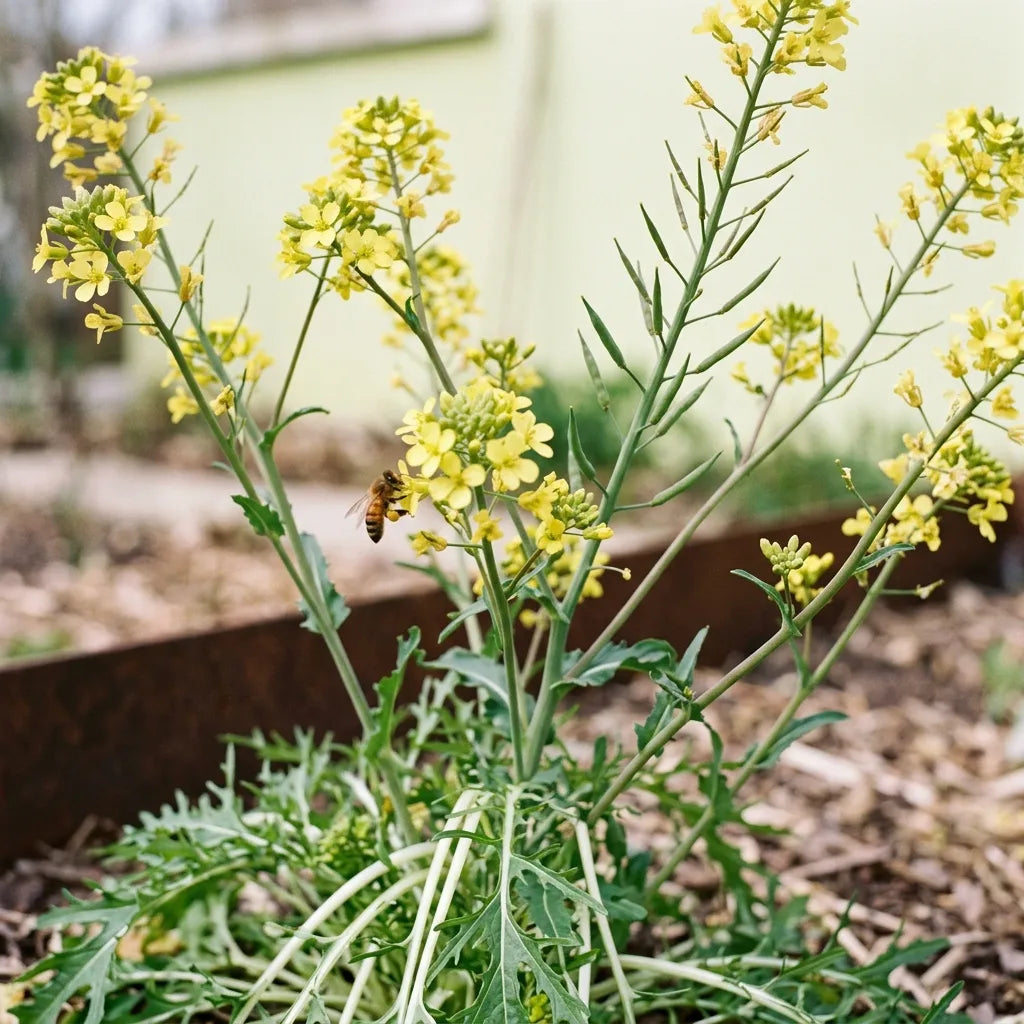
- 봄에 꽃대가 올라오도록 두면 꿀이 풍부한 노란 꽃송이를 만들어, 이른 시기의 꿀벌에게 귀중한 먹이가 됩니다.
활용:
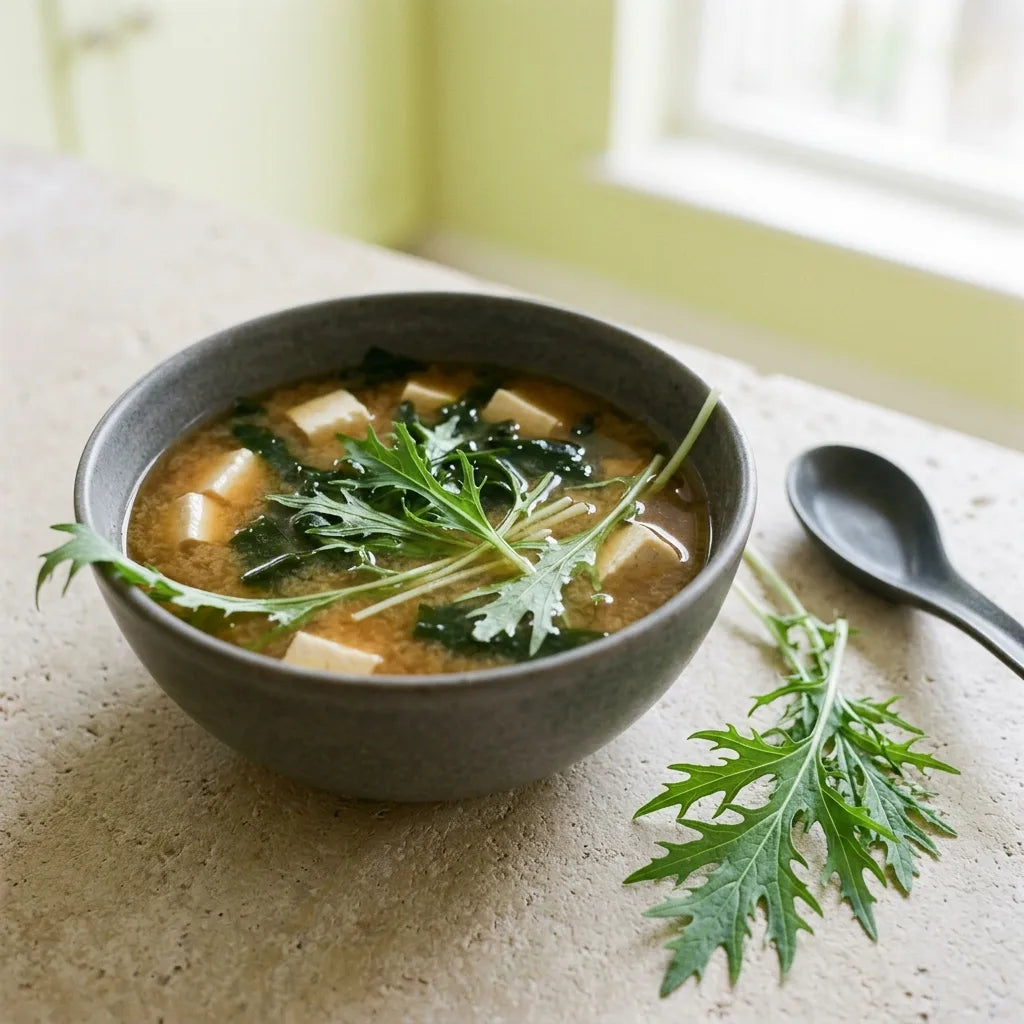
- 어린잎은 단독으로 또는 다른 채소와 섞어 생으로 샐러드에 사용하세요. 섬세하게 갈라진 잎 모양이 매력을 더합니다. 더 큰 잎은 볶음 요리나 미소된장국, 일본식 국물 요리에 넣고 조리가 끝날 무렵 더하면 좋습니다.
직접 씨앗 채종하기:
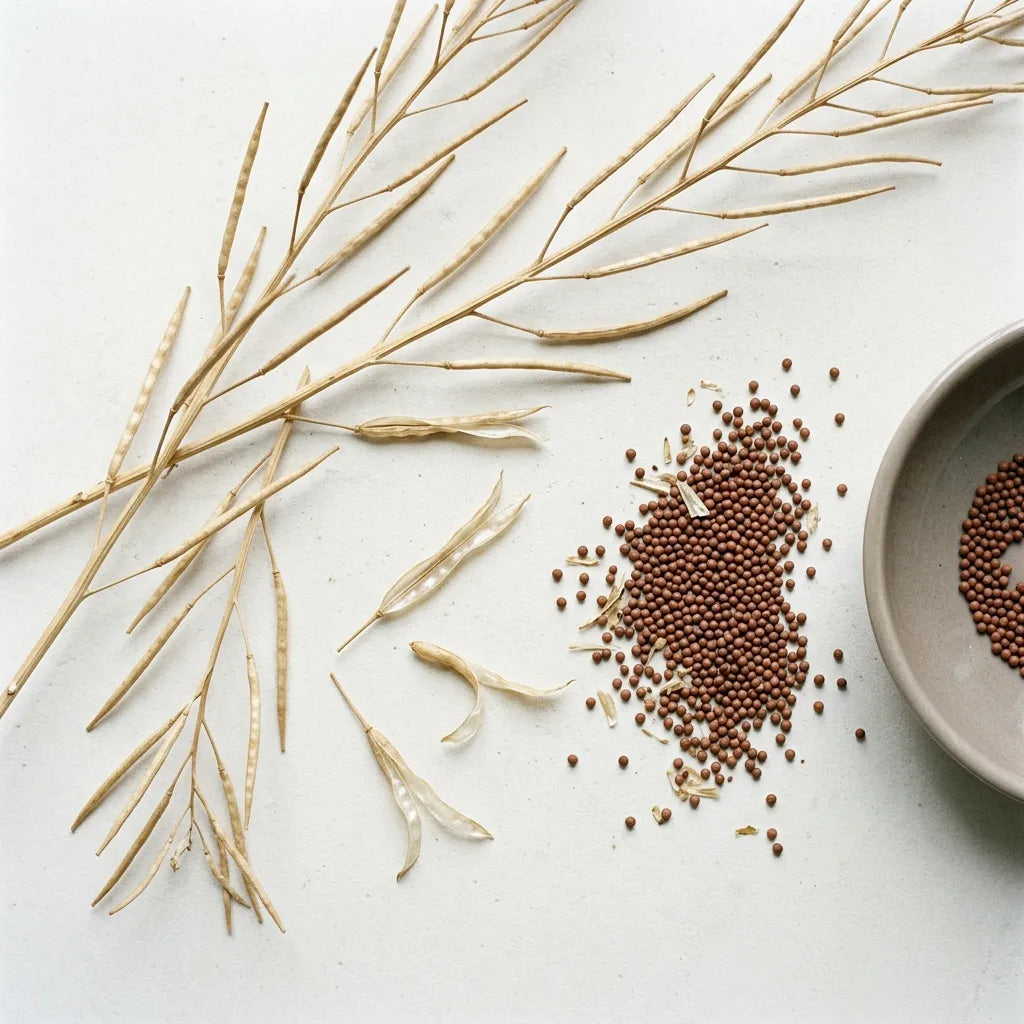
봄에 한 포기를 씨앗이 맺히도록 두세요. 길쭉한 꼬투리가 생기며, 갈색으로 마른 뒤 수확합니다. Brassica rapa는 서로 쉽게 교잡하므로(순무, 청경채, 타초이 등) 채종할 포기는 다른 품종과 격리하세요. 씨앗 보관 방법을 참고하세요.
품질을 위한 약속: SemiSauvage - 퍼머컬처에서는 생명을 존중하는 것을 기준으로 삼아 씨앗을 재배하고 선별합니다. 오베르뉴 화산지대 인근에 자리한 저희는 여러 해에 걸쳐 번식할 수 있는 비F1 품종을 선택하고, 발아율을 시험한 뒤 정성껏 선별하고 포장하며, 어떠한 화학적 처리도 하지 않습니다. 저희의 신념은 정원사들이 해마다 자신에게 진정으로 속한 씨앗을 다시 파종할 수 있는 능력을 되찾도록 하는 것입니다.
레이스처럼 섬세하고 손쉽게 기르는 일본의 겨울 샐러드입니다.