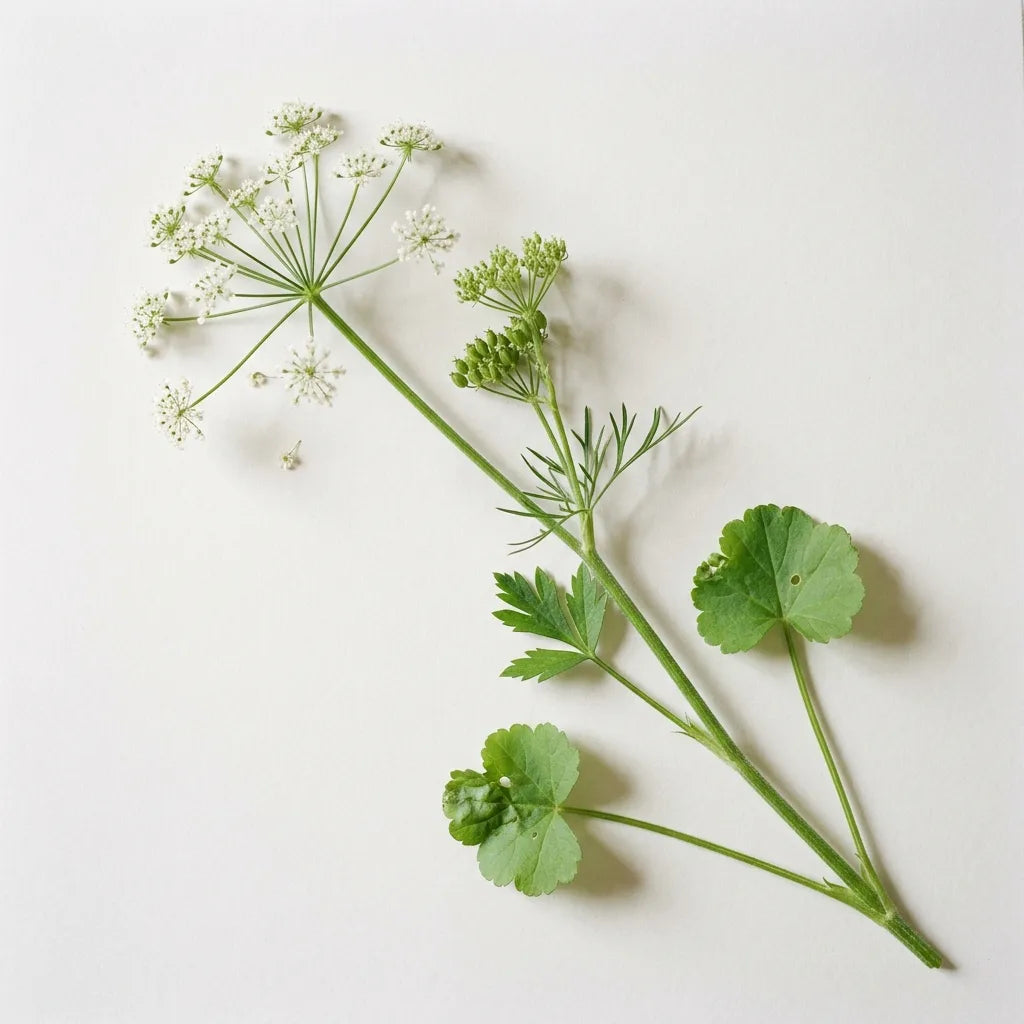
Pimpinella anisum
녹색 아니스, 약용 아니스, 아니스 부카주, 아니스 피미넬라: 진저브레드와 아니제트 리큐어에 사용하는 본래의 아니스로, 스타 아니스(팔각)나 펜넬과 혼동해서는 안 됩니다. 고대 이집트 시대부터 재배되어 온 이 식물은 지중해 지역에서 가장 오래된 향신료 중 하나입니다.
특징:
-
뚜렷한 아니스 향: 씨앗은 페이스트리, 빵, 허브차에 향을 더합니다.
-
잎도 이용 가능: 어린잎은 생채소와 샐러드에도 향을 더합니다.
-
작은 한해살이풀: 키는 40~60cm이며, 장식성이 있는 흰색 산형화서를 피웁니다.
-
짧은 생육 주기: 파종부터 씨앗 수확까지 약 4개월이 걸립니다.
파종 요령:
-
햇빛: 햇볕이 잘 들고 따뜻한 곳 — 씨앗이 익으려면 반드시 필요합니다.
-
토양: 가볍고 따뜻하며 부식질이 풍부하고 배수가 잘되는 토양. 무거운 흙이나 물이 고이는 환경을 좋아하지 않습니다.
-
방법: 서리 위험이 사라진 뒤인 3~5월에 직파하세요 — 곧은 뿌리가 옮겨심기를 잘 견디지 못합니다. 깊이 1cm로 파종합니다. 씨앗 파종 방법을 참고하세요.
관리 요령:
- 포기 사이를 20cm 간격으로 솎아 주세요. 생장기에는 적당히 물을 주고, 씨앗이 형성되기 시작하면 물 주는 양을 줄입니다.
- 가벼운 잎이 잡초와의 경쟁을 잘 견디지 못하므로 정기적으로 김을 매 주세요.
수확 요령:
- 어린잎은 필요할 때마다 수확하세요. 씨앗은 산형화서가 갈색으로 변했을 때, 씨앗이 떨어지기 전에 잘라 종이봉투에 거꾸로 매달아 말립니다.
- 서늘한 기후에서는 씨앗이 완전히 익지 않을 수 있습니다. 이 경우 남쪽 벽면에 붙인 매우 따뜻한 장소를 선택하세요.
함께 심으면 좋은 식물:
생물다양성에 대한 이점:
- 흰색 산형화서는 꽃등에와 진딧물을 잡아먹는 유익한 미소벌의 유충에게 훌륭한 착륙장이 됩니다.
- 모든 산형과 식물과 마찬가지로 호랑나비 애벌레의 먹이식물입니다.
이용 방법:
- 씨앗은 진저브레드, 비스킷, 빵, 과자, 허브차에 넣으며, 전통적으로 파스티스, 우조, 아니제트의 향을 내는 데도 사용합니다. 어린잎은 잘게 썰어 생채소 위에 뿌립니다.
- 고대부터 약초학에서 사용해 온 전통 약용식물입니다. 파종할 수 있는 약용식물을 참고하세요.
직접 씨앗 채종하기:
수확 자체가 곧 채종입니다. 일부는 요리에 사용하고, 일부는 다음 파종을 위해 남겨 두세요. 산형화서 몇 개는 완전히 익도록 두고, 그늘지고 건조한 곳에서 말립니다. 씨앗 보관 방법을 참고하세요.
품질을 위한 약속: SemiSauvage - 퍼머컬처에서는 살아 있는 생태계를 존중하는 마음을 바탕으로 씨앗을 재배하고 선별합니다. 오베르뉴 화산지대 인근에 자리한 저희는 반복 재배가 가능하고 교잡되지 않은 품종을 선택하며, 발아율을 검사하고 정성껏 선별·포장합니다. 어떠한 화학 처리도 하지 않습니다. 저희의 신념은 정원사들이 해마다 진정으로 자신의 것이라 할 수 있는 씨앗을 다시 심을 능력을 되찾도록 하는 것입니다.
내 정원에서 직접 재배하는 진저브레드의 향신료.