Dianthus chinensis
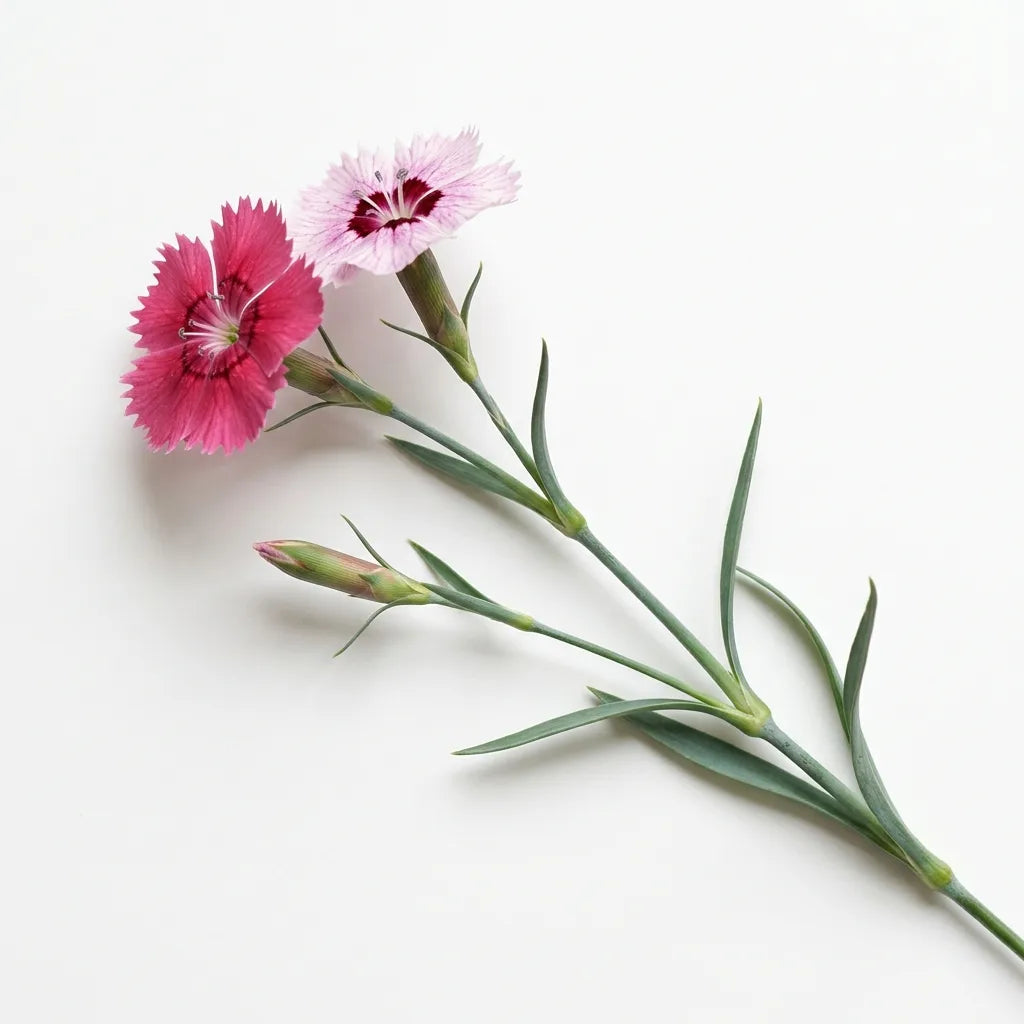
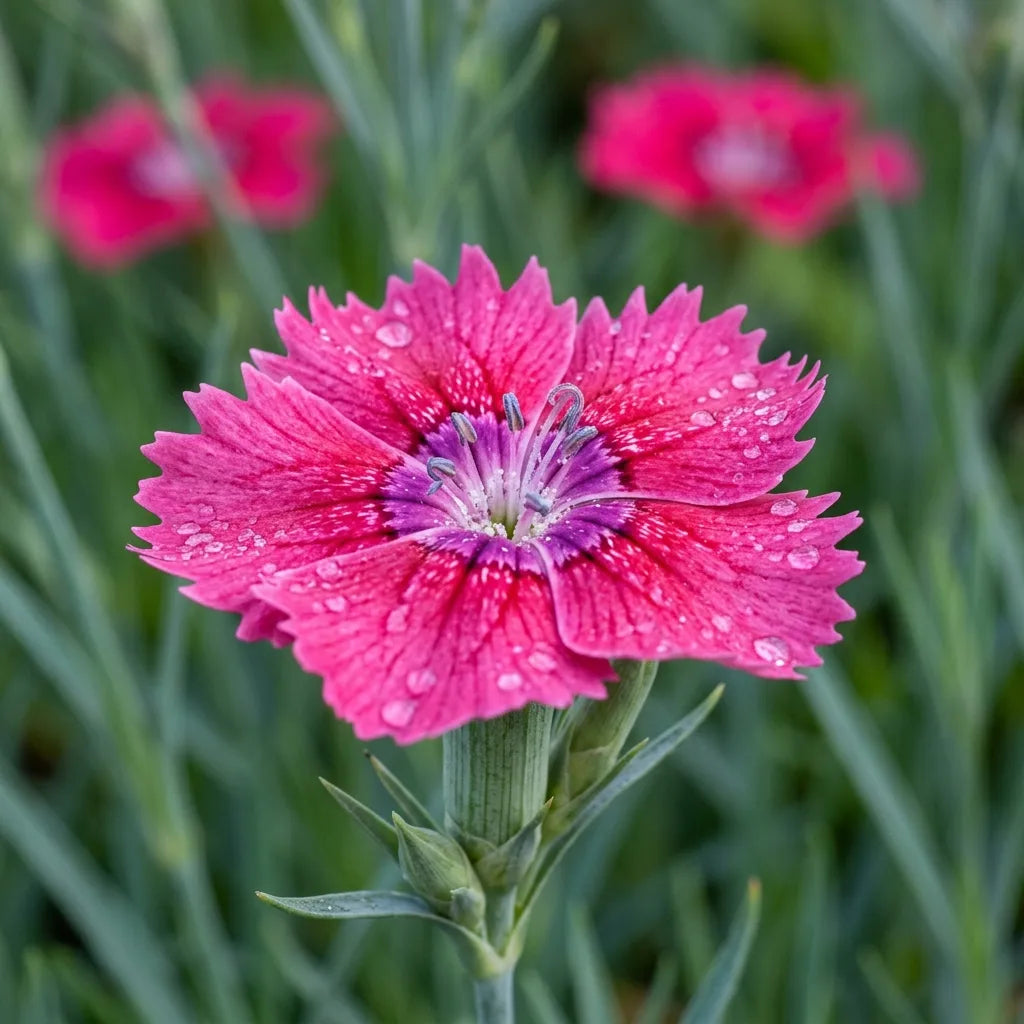
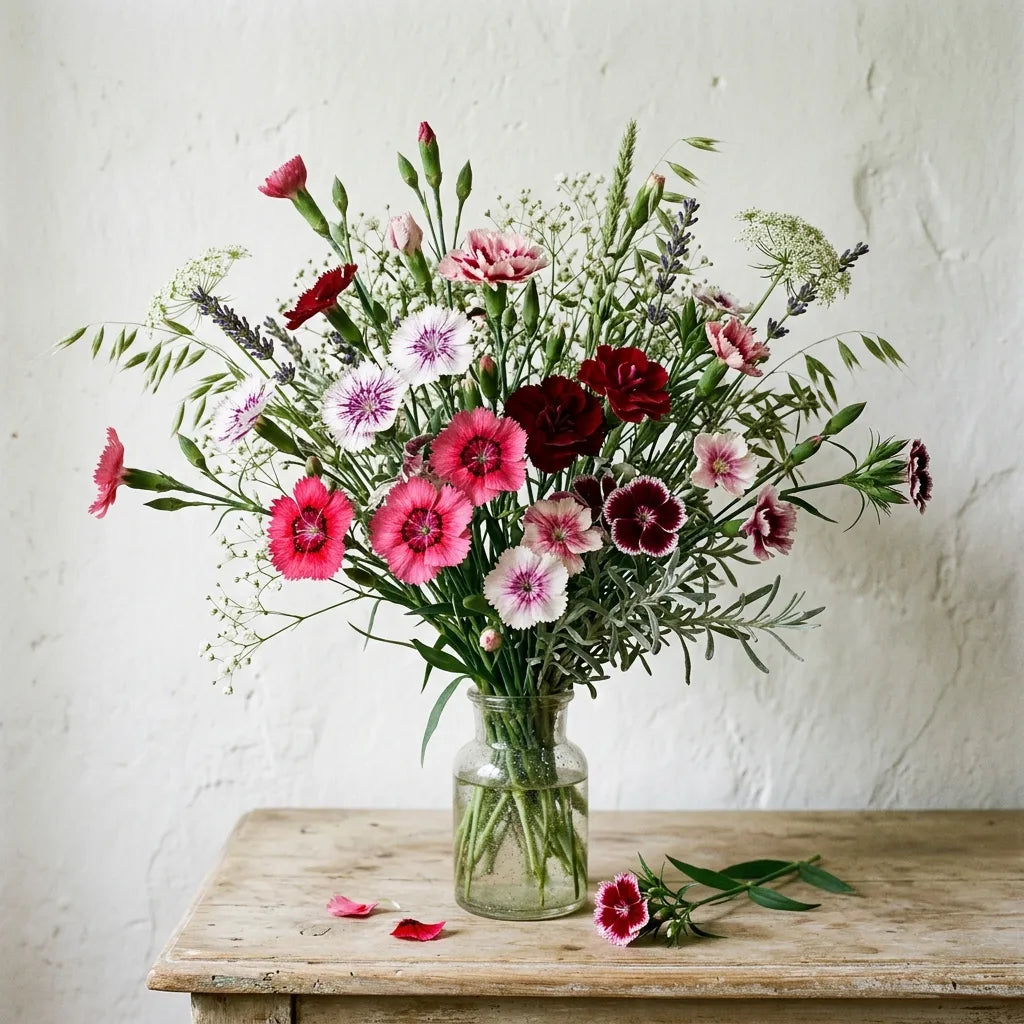
중국 패랭이꽃, 중국 시인의 패랭이꽃, 디안투스: 속명은 그리스어 dios anthos, 즉 ‘신들의 꽃’에서 유래했으며, 테오프라스토스가 그 향기 때문에 붙인 이름입니다. 동아시아에서 온 이 종은 가위로 오려낸 듯한 술 장식 꽃잎과 흉내 내기 어려운 색상 및 무늬의 조합이 특징입니다.
특징:
-
술 장식 꽃잎: 흰색, 빨간색, 분홍색, 보라색 또는 여러 색이 섞인 작은 톱니 모양 꽃으로, 가운데 눈무늬가 대조적인 경우가 많습니다.
-
풍성한 여름 개화: 시든 꽃을 제거하면 여름 내내 수많은 꽃이 핍니다.
-
재배가 쉬움: 초보자부터 숙련된 정원사까지 쉽게 키울 수 있습니다.
파종 요령:
-
햇빛: 햇볕이 잘 드는 곳에서 기르며, 더운 지역의 테라스에서는 약간 그늘진 곳도 좋습니다.
-
토양: 약간 석회질이며 가볍고 무엇보다 배수가 잘되는 흙이 좋습니다. 가장 중요한 점은 고인 물을 매우 싫어한다는 것입니다. 고인 물은 뿌리목을 썩게 하며, 재배 실패의 주요 원인입니다. 무거운 흙에서는 화분이나 두둑에서 키우세요. 비료를 과도하게 주지 마세요.
-
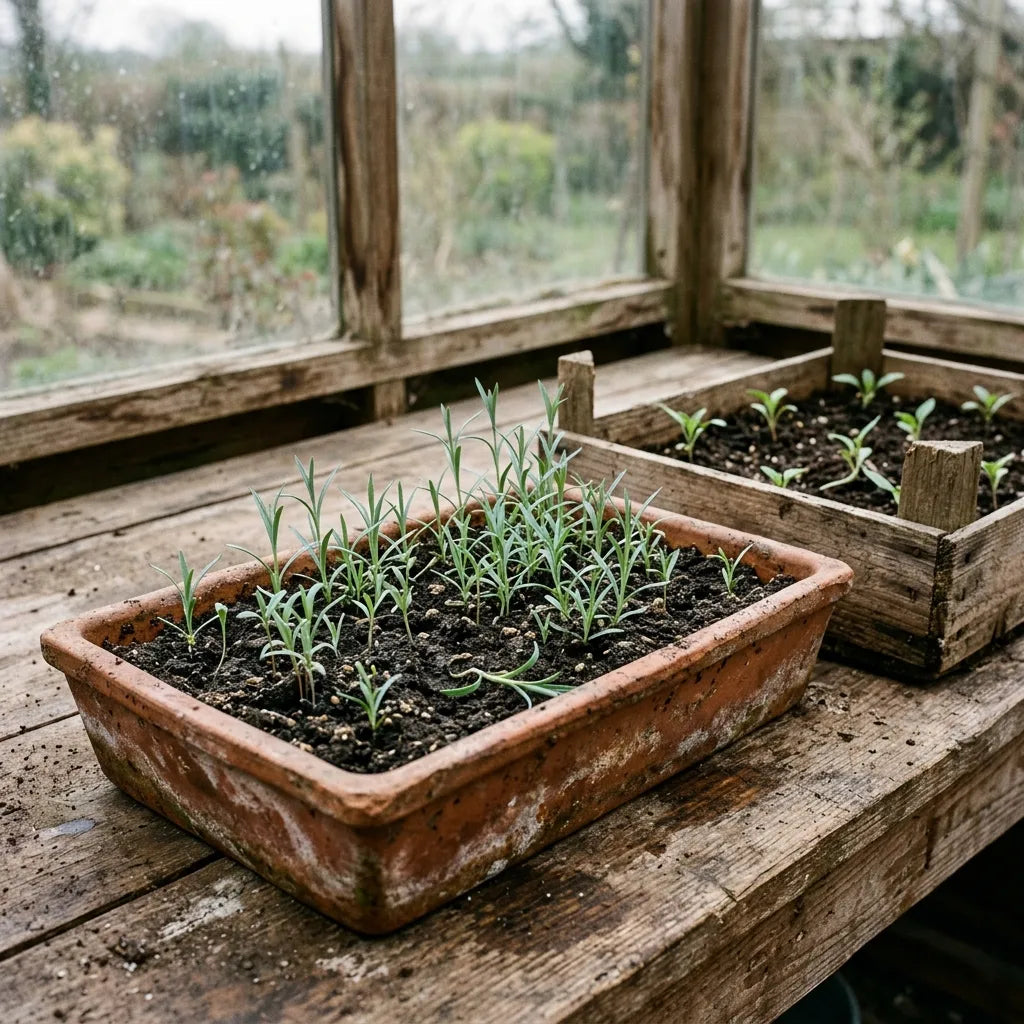
방법: 봄에 파종하세요. 3월부터 보호된 곳의 작은 화분에 파종하거나, 서리가 지난 뒤 바로 정식할 자리에 파종하고 씨앗을 흙으로 아주 얇게 덮습니다. 물에 담가 불리거나 저온층적할 필요는 없습니다. 씨앗 파종 방법을 참고하세요.
관리 요령:
- 시든 꽃을 정기적으로 제거하세요. 여름 내내 계속 개화하도록 촉진하는 핵심 작업입니다.
- 물을 적당히 주되, 잎에 닿지 않도록 밑동에 주세요.
함께 심으면 좋은 식물:
생물다양성에 대한 이점:
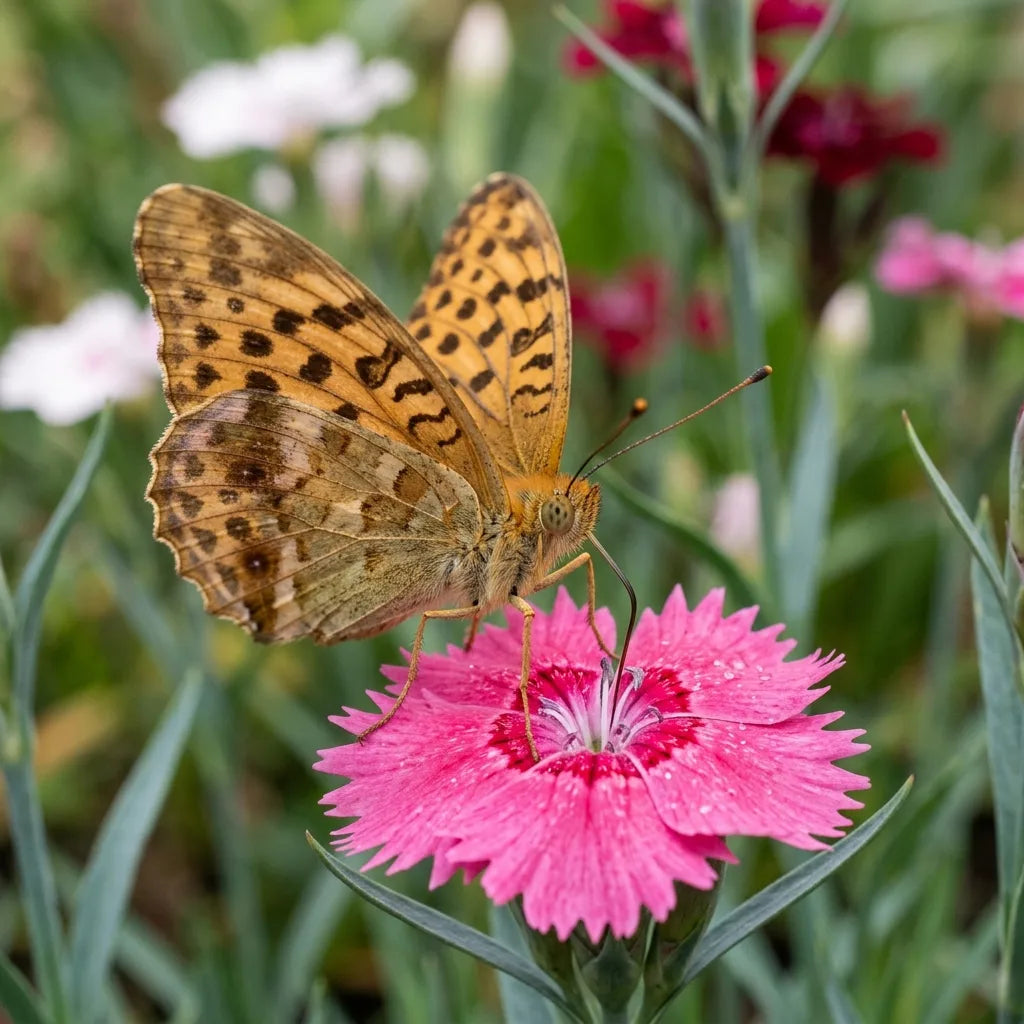
- 홑꽃은 나비가 찾아오며, 특히 긴 대롱으로 꽃관 깊숙한 곳의 꿀에 닿을 수 있는 종들이 방문합니다.
- 겹꽃보다 홑꽃을 선택하세요. 수분매개자들이 훨씬 쉽게 접근할 수 있습니다.
활용:
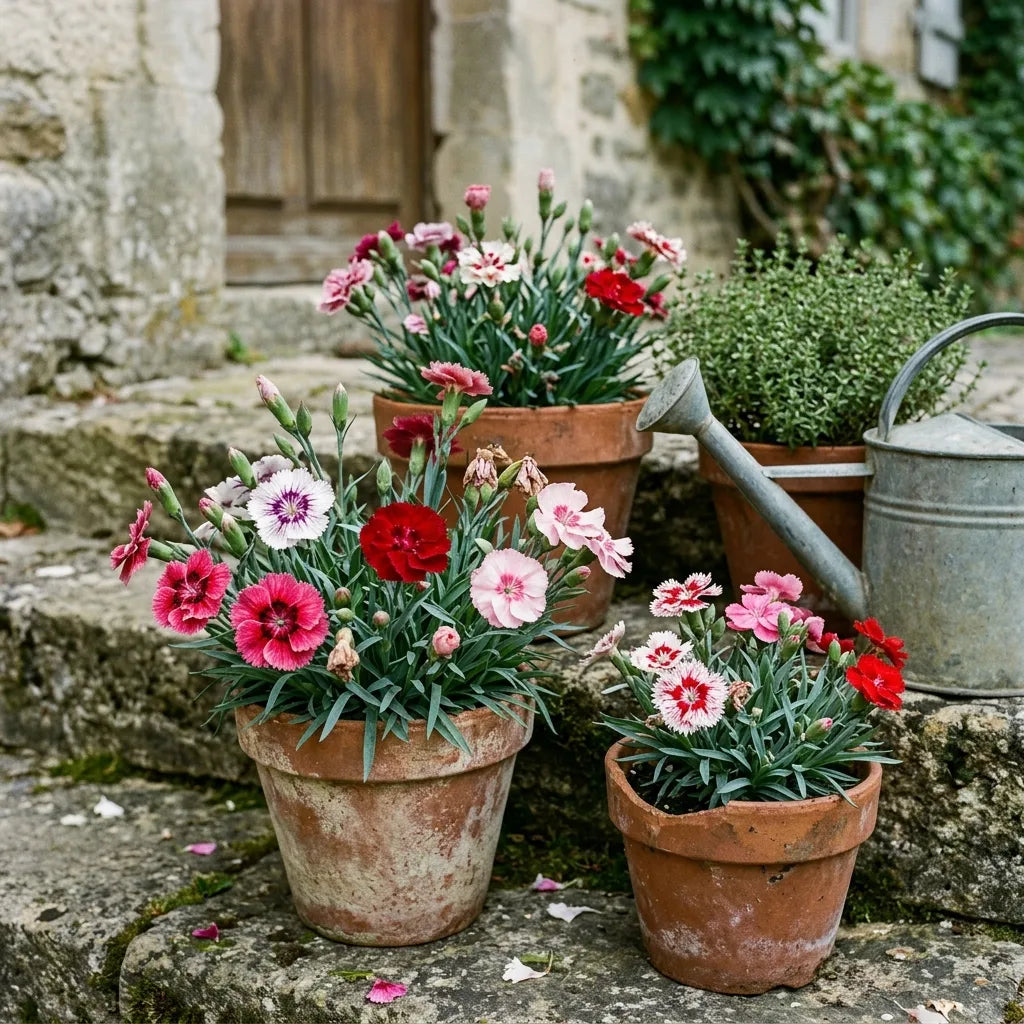
- 화단, 가장자리, 암석원, 화분 및 발코니 플랜터에 적합합니다. 꽃잎은 식용이며 은은한 향신료 풍미가 있어 디저트와 샐러드를 아름답게 장식합니다. 다만 쓰고 하얀 밑부분은 제거하세요. 식용 꽃을 참고하세요.
상징:
패랭이꽃은 색에 따라 여러 의미를 지닙니다. 빨간색은 뜨거운 사랑, 분홍색은 다정함, 흰색은 순수함을 뜻합니다. 그리스어 이름 그대로 신성한 꽃이라는 의미도 담고 있습니다.
직접 씨앗 채종하기:
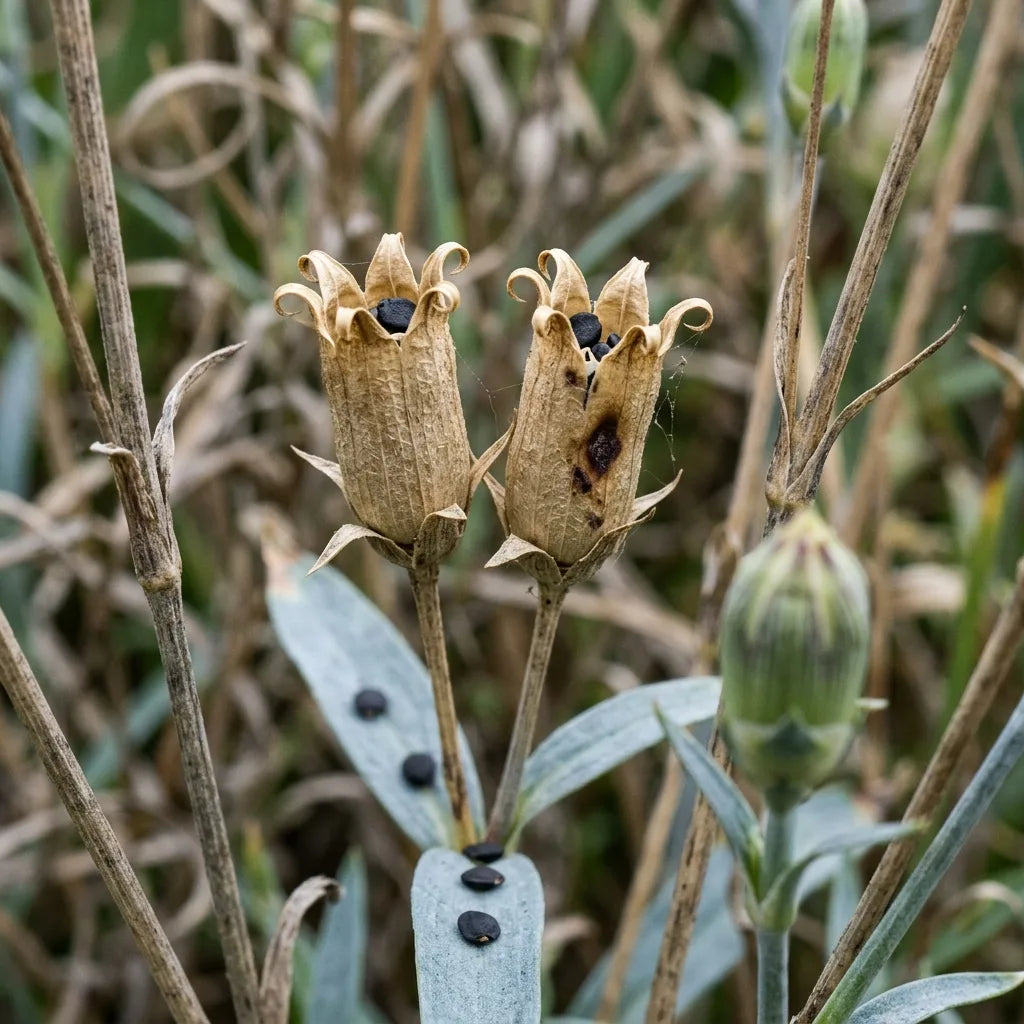
시든 꽃 몇 송이를 남겨 길쭉한 꼬투리를 맺게 한 다음, 꼬투리가 갈색으로 마르고 윗부분이 벌어지기 전에 수확하세요. 씨앗 보관 방법을 참고하세요.
품질에 대한 약속: SemiSauvage - 퍼머컬처에서는 생명을 존중하는 마음을 바탕으로 씨앗을 재배하고 선별합니다. 오베르뉴 화산 지대 인근에 자리한 저희는 번식이 가능하고 비혼합종인 품종을 선택하며, 발아율을 시험하고 정성껏 선별·포장합니다. 모든 씨앗에는 화학 처리를 하지 않습니다. 저희의 신념은 정원사들이 해마다 진정으로 자신의 씨앗을 다시 뿌릴 수 있는 능력을 되찾도록 돕는 것입니다.
이 중국 패랭이꽃 씨앗으로 화단 가장자리에 눈부신 색감을 더해 보세요.