Cucurbita pepo “Black Beauty”
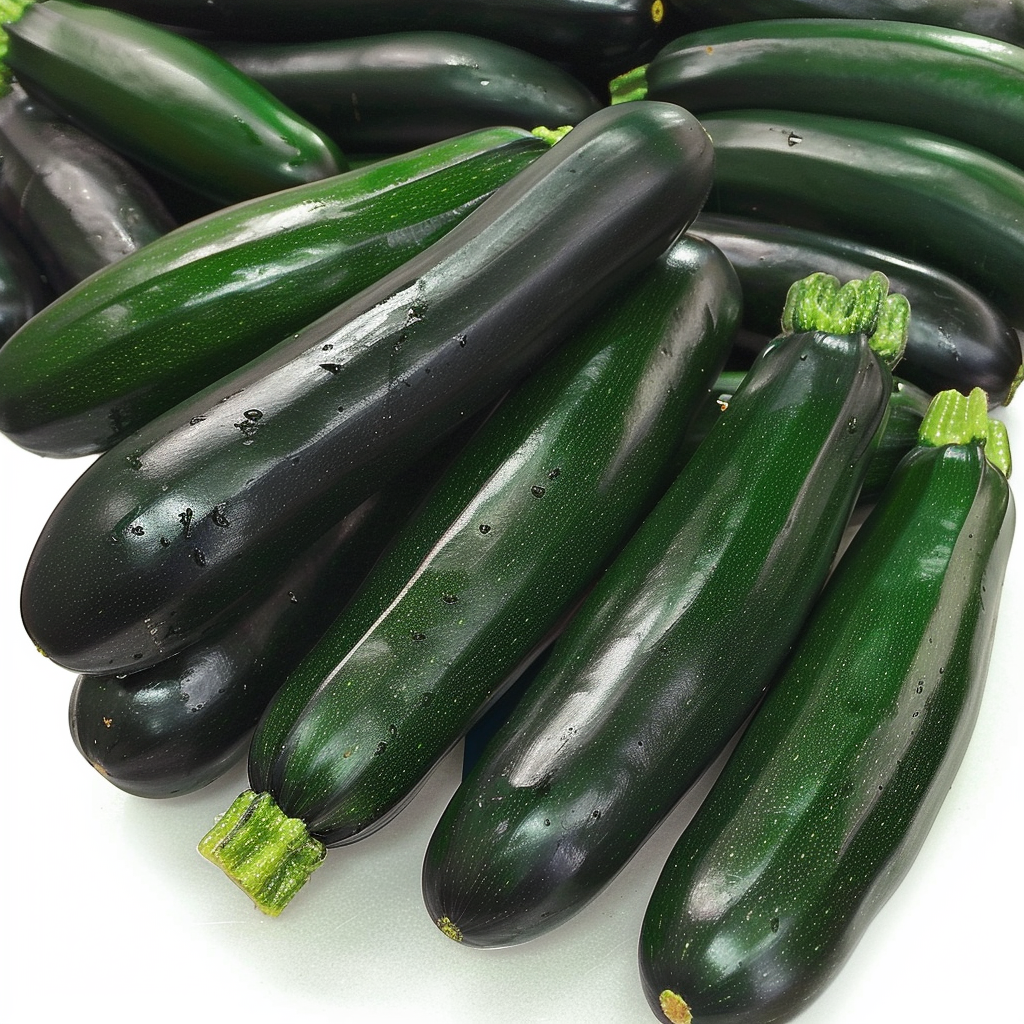
Black Beauty zucchini: developed in the United States in the 1920s, it has become the standard for dark green, almost black zucchini. Its reputation does not come from exceptional flavor, but from a quality every gardener appreciates: productivity that does not let up all summer, provided you harvest regularly.
Characteristics:
-
Very productive: one well-managed plant is more than enough for a family.
-
Dark green fruit: almost black, glossy skin and firm, fine-textured flesh.
-
Non-running habit: it forms a compact bush, easier to manage than a vining squash.
-
Ideal for beginners: one of the easiest crops to grow successfully in the vegetable garden.
Precautions:
- As with all cucurbits, a fruit with a very bitter taste may contain cucurbitacins, natural compounds that irritate the digestive system. Always taste a small piece raw: if the bitterness is pronounced, discard the entire fruit. This is rare, but mainly concerns fruit grown from seeds collected yourself after cross-pollination with an ornamental squash.
Sowing advice:
-
Exposure: warm and sunny, in a temperate climate.
-
Soil: light, well-drained, and very rich in humus — this is the decisive factor. Zucchini is extremely nutrient-hungry: plant it on a pile of mature compost or add plenty of organic matter. It does not tolerate standing water around the crown.
-
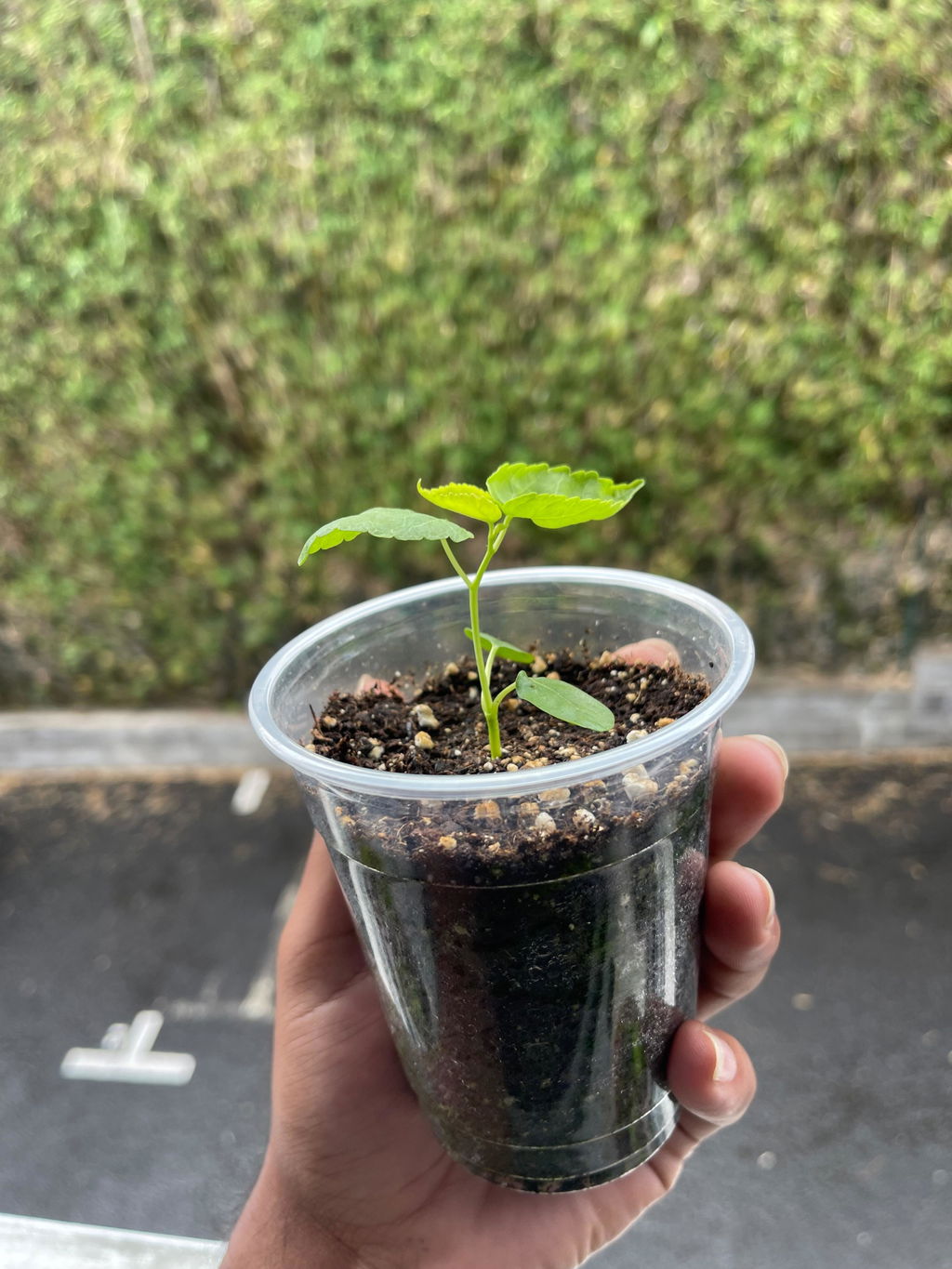
Method: sow in spring, in pots under cover from April (20 °C), or directly in the ground after the last frosts, 2–3 cm deep, placing the seed on its edge to prevent it from rotting. See how to sow your seeds.
Planting advice:
- Transplant after the frosts, spacing plants 1 meter apart. Apply a thick mulch to retain moisture and keep the fruit clean.
Care advice:
- Water abundantly and regularly at the base, never wetting the foliage: this is how powdery mildew, its main disease, spreads.
- Tip: if the first fruit turns yellow and rots at the tip, this is simply a pollination problem at the beginning of the season. It resolves on its own as soon as the male and female flowers open at the same time.
Harvesting advice:
- Harvest young, between 15 and 20 cm, and above all very regularly: each fruit left to grow on the plant stops the production of subsequent fruit. That is the real secret to a continuous harvest.
- Male flowers, recognizable by their long stems, can be picked and cooked as fritters without reducing production.
Beneficial companion plants:
Benefits for biodiversity:
- Its large yellow flowers, which open early in the morning, provide an abundant source of pollen and nectar for bees and bumblebees.
- Its broad foliage covers the soil, protects it from drying out, and shelters beneficial microfauna.
Uses:
- Raw in salads when very young, cooked, sautéed, stuffed, baked in a gratin, or used in soup. The flowers can be cooked as fritters.
Harvesting your own seeds:
Let one fruit grow fully until its skin hardens and can no longer be scratched with a fingernail, then remove the seeds, rinse them, and dry them flat. Warning: Cucurbita pepo cross-pollinate very easily with one another (zucchini, pattypan squash, and ornamental squash) — isolate your seed plant. See how to save your seeds.
Commitment to Quality: at SemiSauvage - Permaculture, we grow and select our seeds with respect for all living things as our guiding principle. Based near the Auvergne Volcanoes, we choose open-pollinated, non-hybrid varieties, test them for germination rates, and carefully sort and package them without any chemical treatment. Our belief: to give gardeners back the ability to resow, year after year, seeds that truly belong to them.
The reliable choice for the summer vegetable garden—generous and trouble-free.