Cucurbita pepo
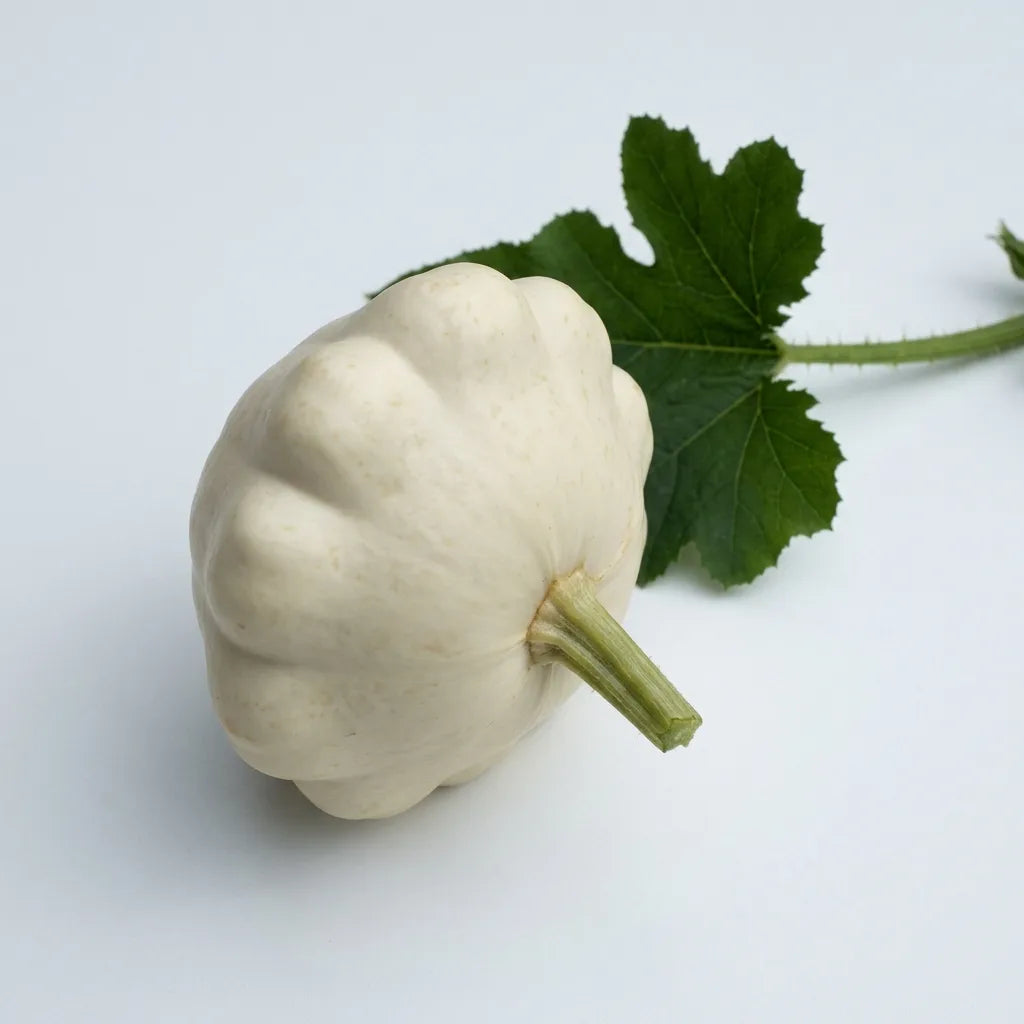
Valkoinen patissonkurpitsa, espanjanartisokka, papin hattu, keisarillinen kruunu: sen uurrettureunainen lentävää lautasta muistuttava muoto tekee siitä kasvimaan tunnistettavimman kurpitsan. Nuorena poimittuna sitä valmistetaan kesäkurpitsan tapaan; täysin kypsyessään sen kuori kovettuu ja se säilyy useita kuukausia.
Ominaisuudet:
-
Ainutlaatuinen muoto: litteä ja uurrettu, erittäin koristeellinen sekä puutarhassa että pöydässä.
-
Kaksi korjuuvaihetta: nuorena ja mureana kuin kesäkurpitsa tai kypsänä ja pitkään säilyvänä.
-
Mieto maku: kiinteä ja hienostunut malto, jossa on hieman pähkinäinen vivahde.
-
Rönsyilemätön kasvutapa: muodostaa tiiviin pensaan, jota on helpompi hallita kuin köynnöstävää kurpitsaa.
Varotoimet:
- Kuten kaikki kurkkukasvit, myös erittäin karvaan makuinen hedelmä voi sisältää ruoansulatuskanavaa ärsyttäviä kurkurbitasiineja. Maista aina pieni pala: jos maku on selvästi karvas, hävitä koko hedelmä.
Kylvöohjeet:
-
Kasvupaikka: lämmin ja aurinkoinen.
-
Maa: kevyt, hyvin ojitettu ja erittäin humuspitoinen. Kuten kaikki Cucurbita pepo -lajin edustajat, se on erittäin ravinteikasvuinen: istuta se kypsän kompostin päälle tai lisää runsaasti eloperäistä ainesta.
-
Menetelmä: kylvä maaliskuun puolivälistä toukokuuhun taimipottiin suojassa 20 °C:ssa tai suoraan kasvupaikalle viimeisten hallojen jälkeen, 2–3 cm:n syvyyteen, siemen kyljelleen asetettuna. Katso näin kylvät siemenet.
Istutusohjeet:
- Istuta taimet hallojen jälkeen metrin välein. Levitä paksu katekerros, joka säilyttää kosteuden ja pitää hedelmät puhtaina.
Hoito-ohjeet:
- Kastele runsaasti tyveltä, mutta älä koskaan kastele lehdistöä: härmä leviää juuri näin.
- Aseta kypsyvien hedelmien alle tiili tai lauta.
Korjuuohjeet:
-
Hellävaraisen syötävän sadon saamiseksi: poimi hyvin nuorena, kun halkaisija on 8–10 cm ja kuoreen saa vielä naarmun kynnellä. Tässä vaiheessa se on parhaimmillaan, ja sen voi valmistaa kokonaan kuorineen.
-
Säilytystä varten: anna sen kasvaa täyteen kypsyyteen, korjaa 5 cm:n mittaisen kannan kanssa ja anna pinnan kuivahtaa auringossa ennen varastointia.
- Korjaa nuoria hedelmiä säännöllisesti: se vauhdittaa tuotantoa.
Hyödylliset yhdistelmät:
Merkitys luonnon monimuotoisuudelle:
- Sen suuret, aikaisin aamulla avautuvat keltaiset kukat tarjoavat runsaasti siitepölyä ja mettä mehiläisille ja kimalaisille.
- Sen laaja lehdistö peittää maan, suojaa sitä kuivumiselta ja tarjoaa elinympäristön hyödylliselle pieneliöstölle.
Käyttö:
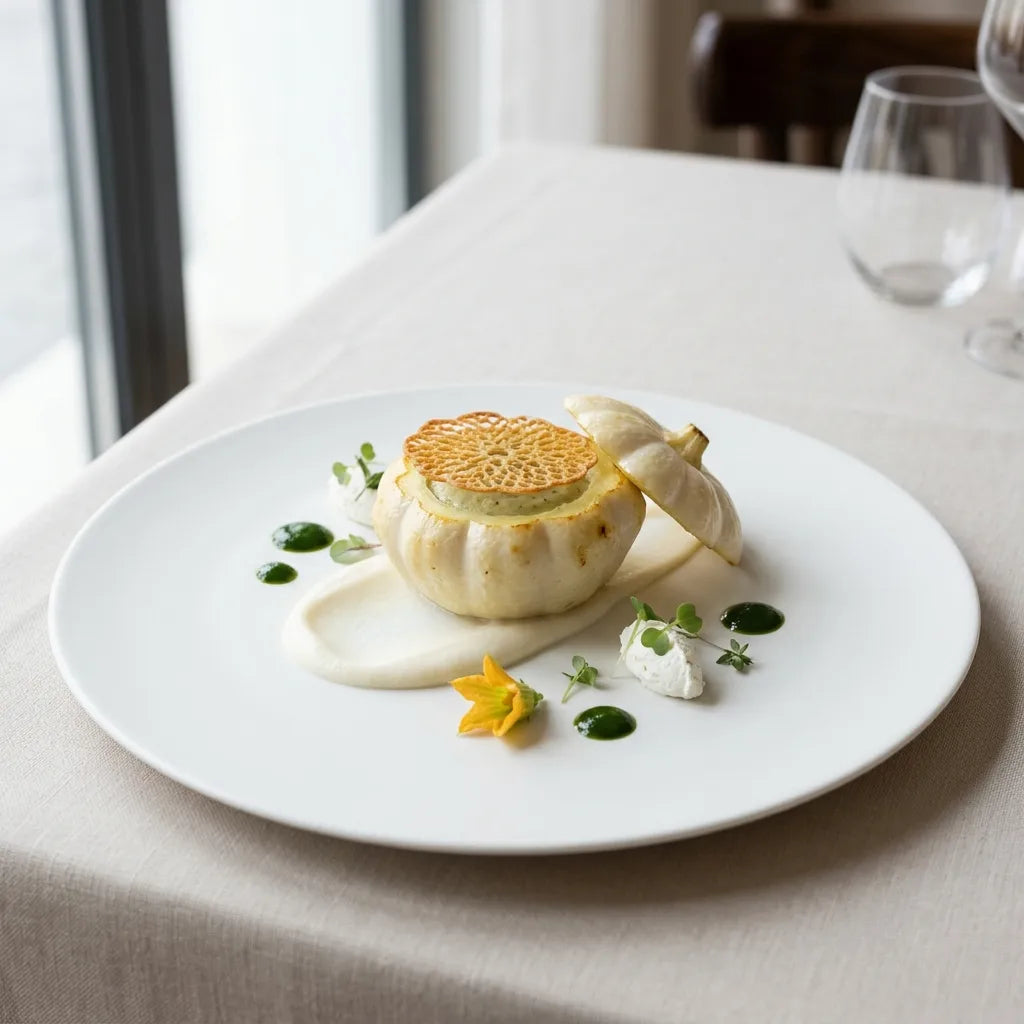
- Nuorena: paistettuna, gratinoituna, täytettynä tai höyrytettynä kuorineen. Muotonsa ansiosta se sopii erinomaisesti kokonaisena täytettäväksi ja tarjottavaksi pienen kasvispadan tapaan. Kypsänä: keittoihin tai soseeksi.
Omien siementen korjaaminen:
Anna yhden hedelmän kypsyä täysin, kunnes kuori kovettuu, ja poimi sitten siemenet, huuhtele ne ja kuivata tasaisella alustalla. Huomio: Cucurbita pepo -lajin kasvit risteytyvät helposti keskenään (kesäkurpitsat, patissonkurpitsat ja koristekurpitsat) — eristä siemenkasvisi. Katso näin säilytät siemenet.
Sitoumuksemme laatuun: SemiSauvage - Permaculturella viljelemme ja valikoimme siemenemme elävää luontoa kunnioittaen. Auvergnen tulivuorten läheisyydessä sijaitsevalla tilallamme valitsemme lisääntymiskykyisiä, ei-hybridisiä lajikkeita, joiden itävyys testataan. Siemenet lajitellaan ja pakataan huolellisesti ilman kemiallisia käsittelyjä. Uskomme, että puutarhureille on palautettava mahdollisuus kylvää vuodesta toiseen uudelleen siemeniä, jotka todella kuuluvat heille.
Kasvimaan lentävä lautanen, yhtä kaunis kuin herkullinen.