Capsicum annuum
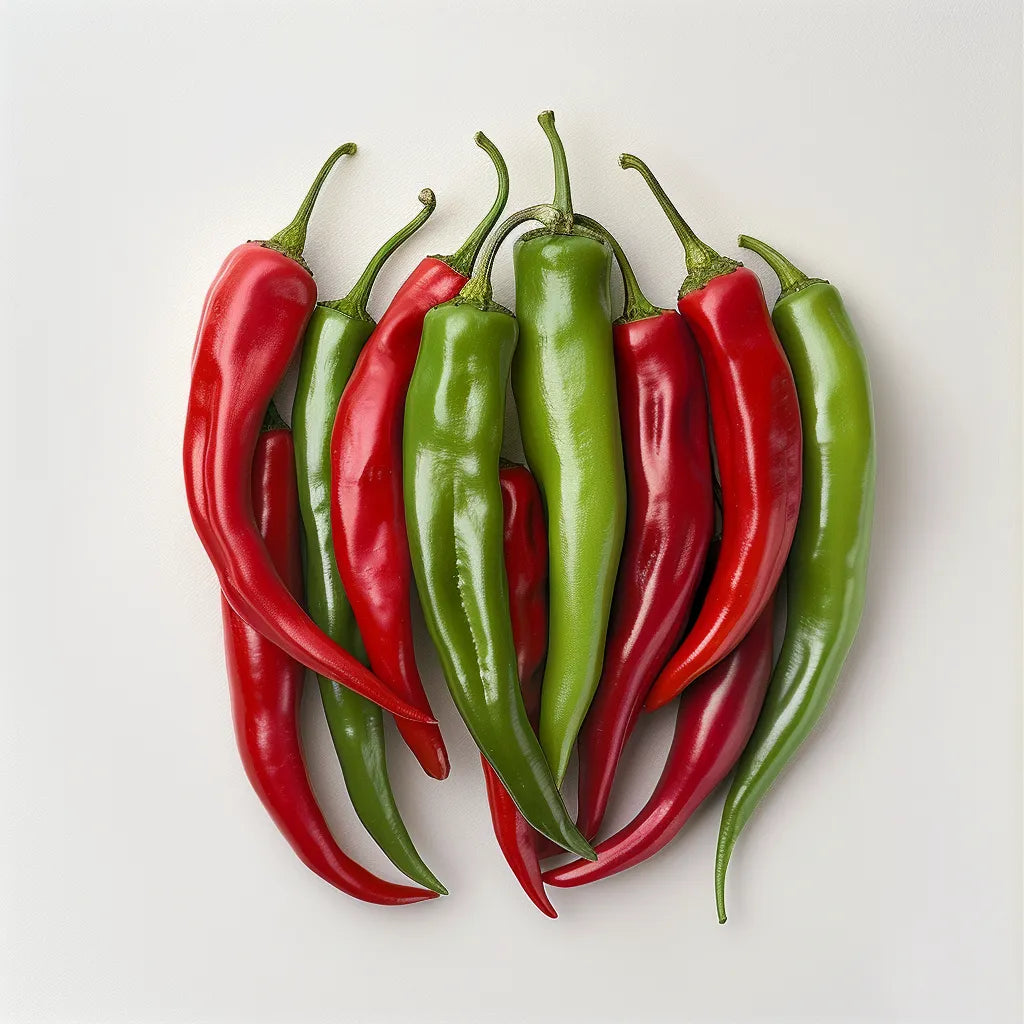
Anaheim pepper, Anaheim Chili, California chile, green chile: selected in California at the end of the 19th century by Emilio Ortega from New Mexico varieties, it takes its name from the city where it was grown industrially. It is the mild pepper of Southwestern American cuisine — the one used for chiles rellenos, large enough to stuff and mild enough to eat whole.
Characteristics:
-
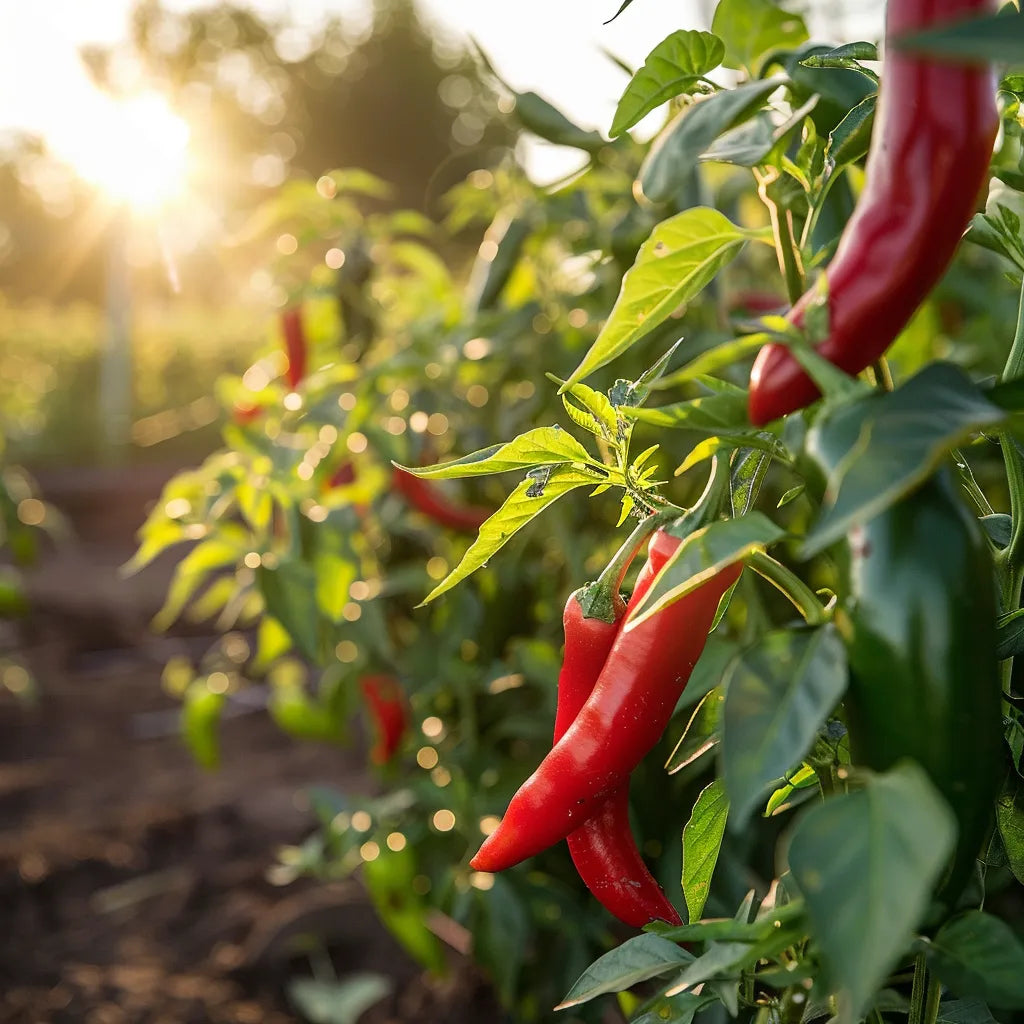
Large, elongated horns: 15 to 20 cm, dark green, then red when fully ripe.
-
Very mild: only 500 to 2,500 Scoville units — a light heat, far milder than a cayenne pepper, but present, unlike the bell pepper, which has zero heat.
-
Fruity flavor: aromatic and slightly herbaceous, it develops mainly during cooking.
-
Thick flesh: allowing it to be stuffed or grilled without falling apart.
Sowing advice:
-
Exposure: full sun and warmth, in a location sheltered from the wind.
-
Soil: rich, loose and well-drained, enriched with compost. It is sensitive to stagnant water.
-
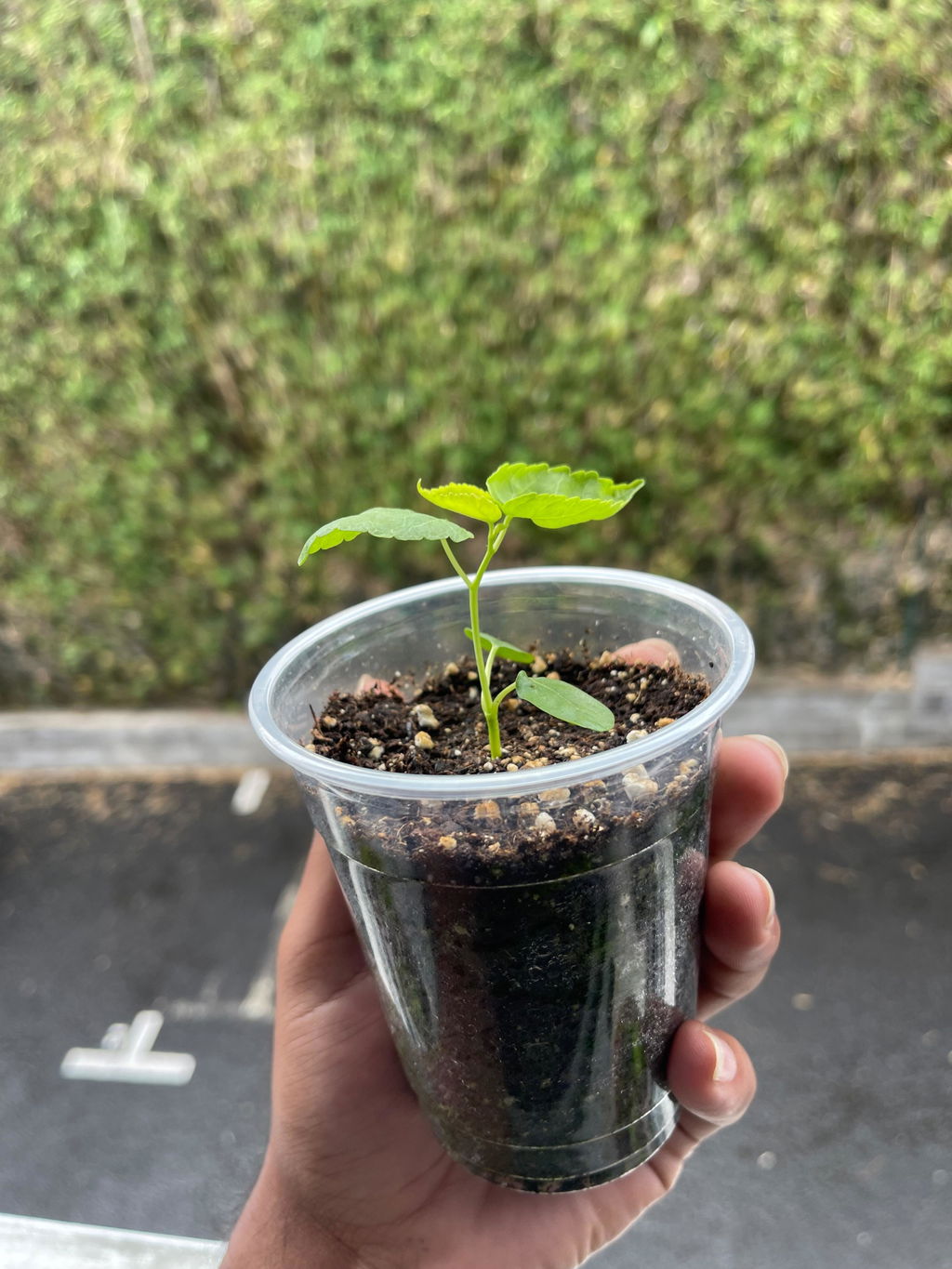
Method: sow from February to April under cover, at 20-25 °C: below 18 °C, the seeds will not germinate. Allow 2 to 3 weeks for germination. See how to sow your seeds.
Planting advice:
- Transplant when nighttime temperatures stay above 12 °C, spacing plants 50 cm apart. Unlike tomatoes, do not bury the stem: peppers do not form adventitious roots, and a buried crown will rot.
- Stake the plants: the long fruits weigh down the branches.
Care advice:
- Water regularly at the base, without excess or allowing the soil to dry out. Mulch to reduce watering frequency.
- Note: in this variety, pungency varies according to growing conditions. A hot, dry season produces noticeably hotter fruits than a cool, rainy summer.
- Bring the pot indoors before frost: the pepper is perennial and will grow back the following spring.
Harvesting advice:
- Harvest with pruning shears, green for chiles rellenos and green dishes, or red for a sweeter flavor and for drying.
- Red and dried, they can be stored strung together in a garland in a dry, well-ventilated place.
Beneficial pairings:
Benefits for biodiversity:
- Its white flowers are visited by bees and bumblebees all summer long.
- A rare, open-pollinated variety in France, growing it broadens the diversity of the vegetable garden. See our rare and unusual seeds.
Uses:
- Stuffed and gratinated as chiles rellenos, grilled and peeled, in green sauce, preserved or dried. Its mildness allows it to be eaten as a vegetable in its own right, which few peppers permit.
Saving your own seeds:
Leave one fruit to ripen completely on the plant, open it, remove the seeds and dry them flat. Be careful: peppers cross-pollinate easily. Isolate your seed plant if you are also growing hot varieties, or their heat may appear in your offspring. See how to save your seeds.
Commitment to Quality: at SemiSauvage - Permaculture, we grow and select our seeds with respect for living things as our guiding principle. Based near the Volcanoes of Auvergne, we choose open-pollinated, non-hybrid varieties, tested for their germination rate, carefully sorted and packaged, with no chemical treatment. Our belief: to give gardeners back the ability to sow, year after year, seeds that truly belong to them.
Mild enough to be stuffed and eaten whole: the Californian vegetable pepper.