Daucus carota
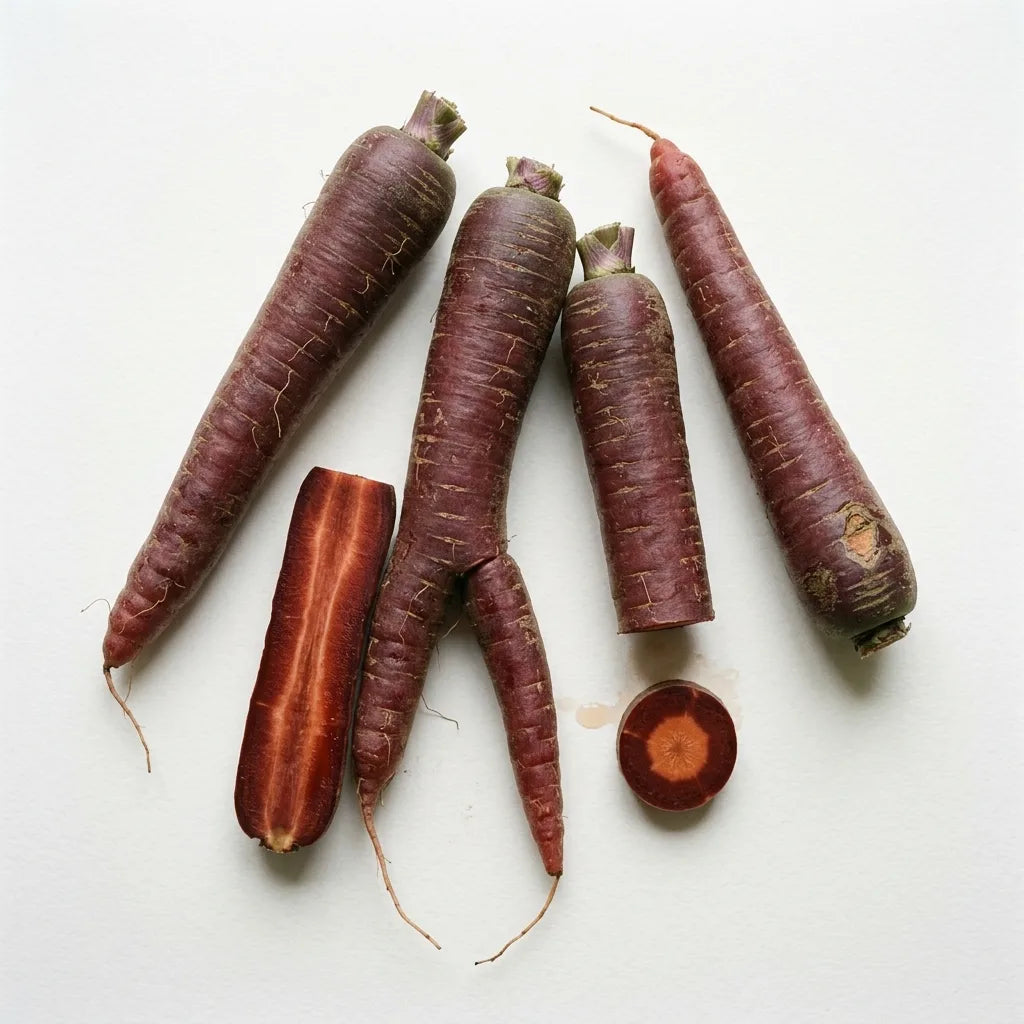
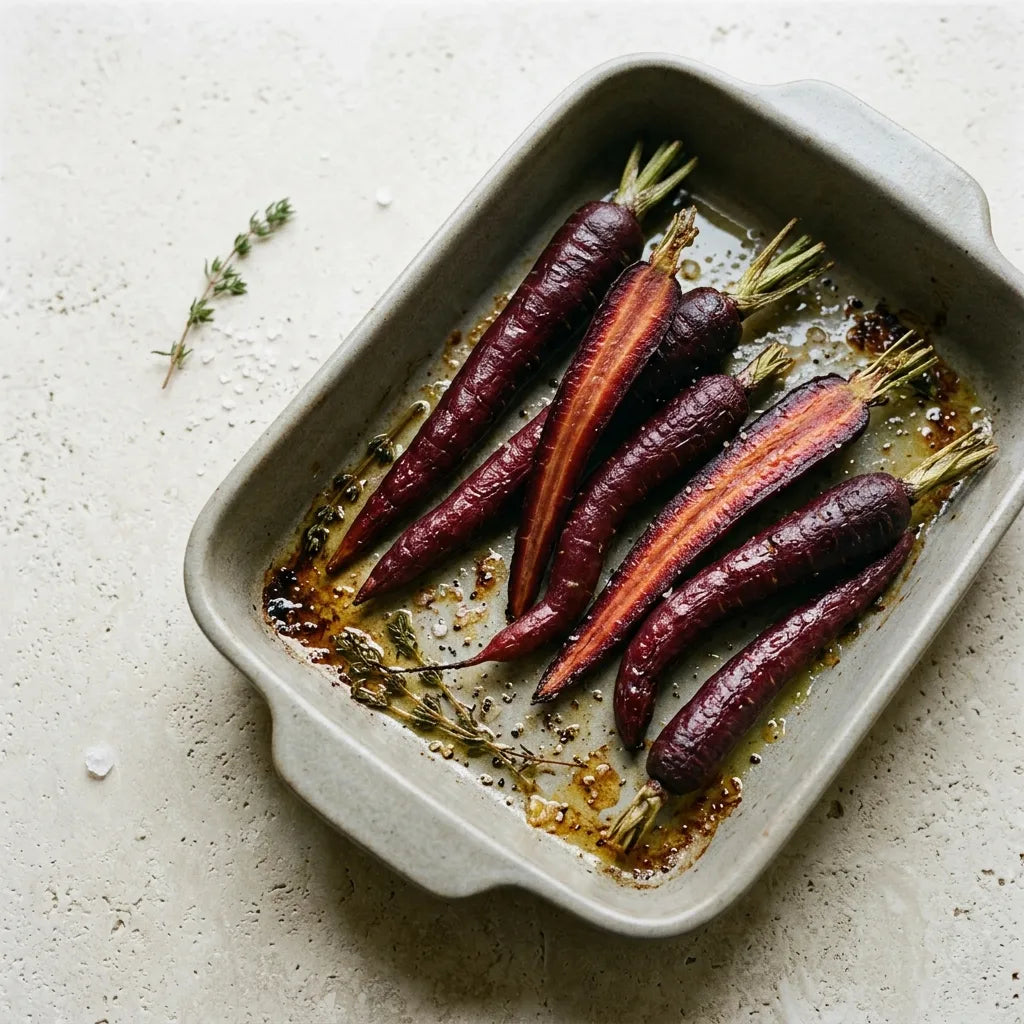
Morcov Lung Roșu Sânge, morcov roșu-sânge îmbunătățit: acest soi vechi din secolul al XIX-lea are o calitate rară în rândul morcovilor colorați — pulpa sa roșu-portocaliu închis își păstrează culoarea după gătire, în timp ce majoritatea soiurilor mov pălesc în oală. Un motiv suficient pentru a-l vedea revenind în bucătăriile chef-ilor.
Caracteristici:
-
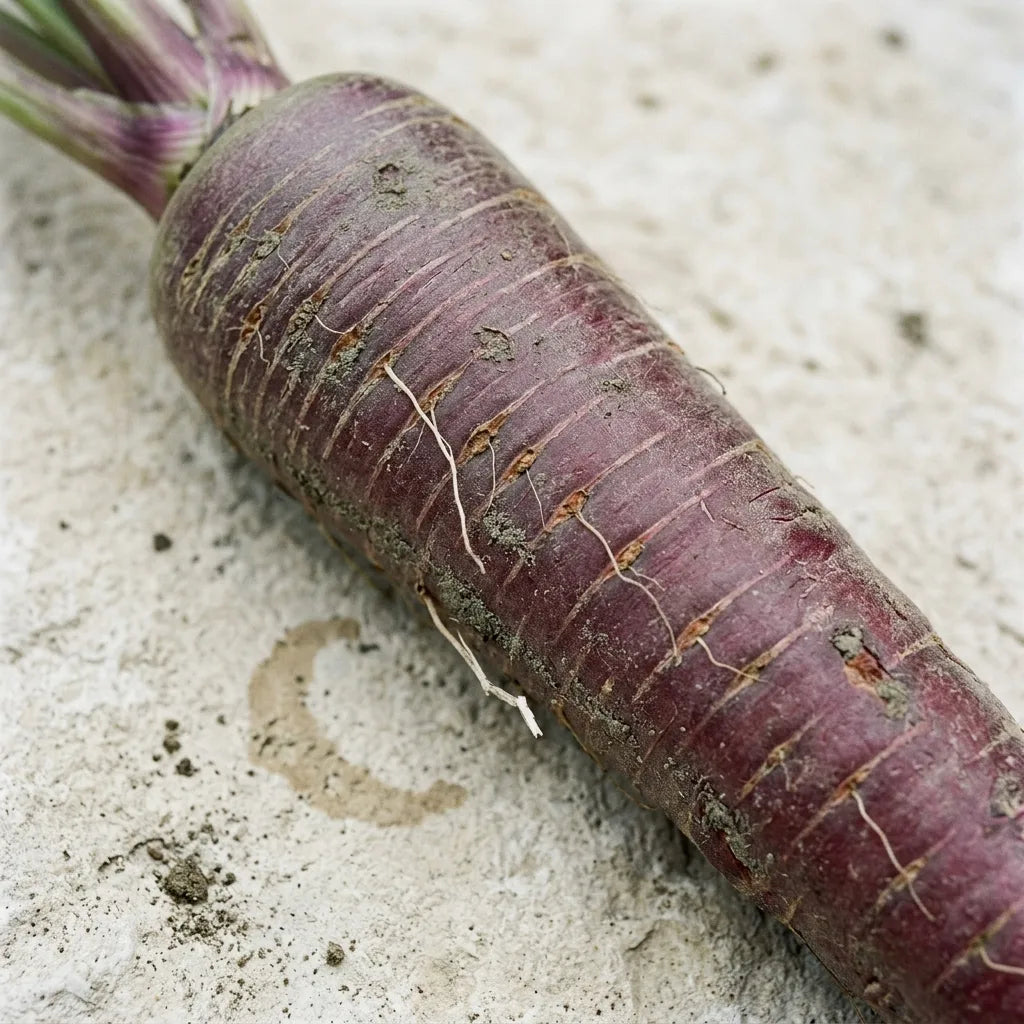
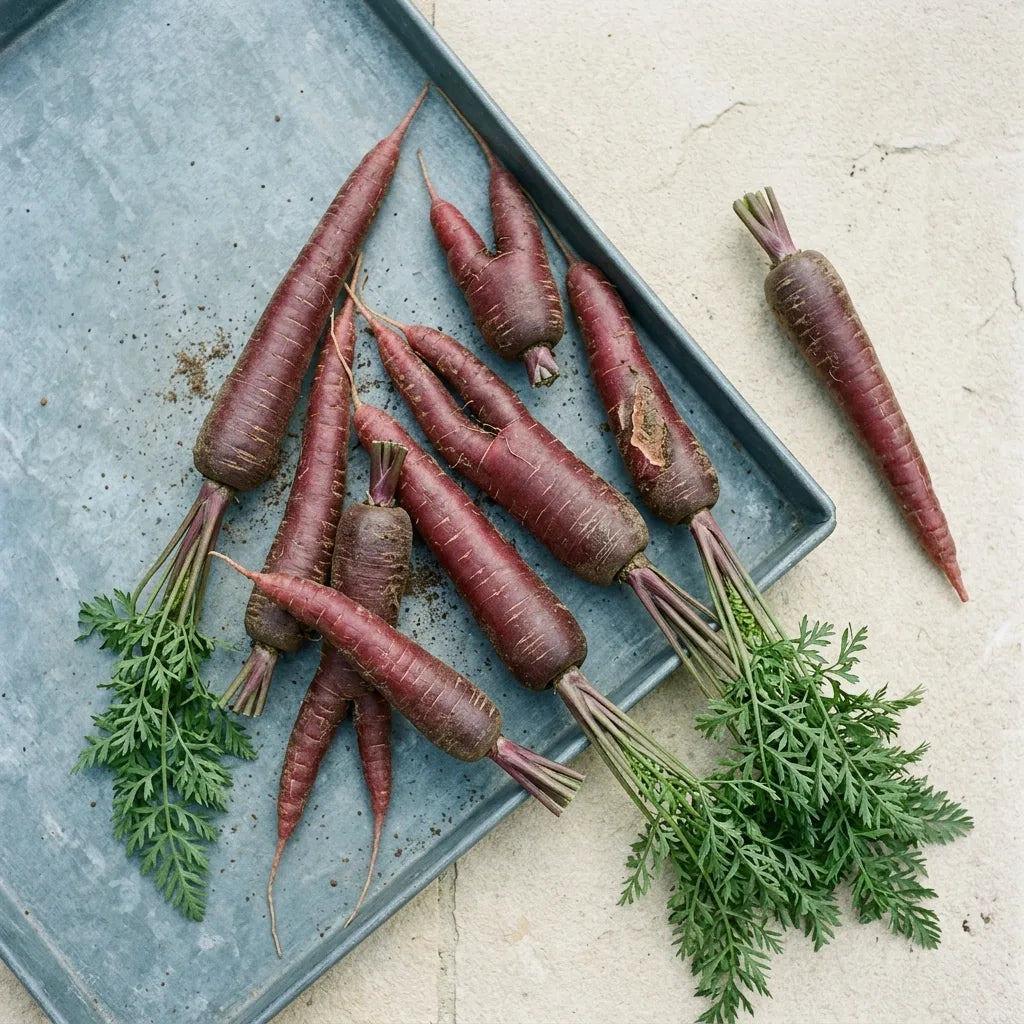
Culoare rezistentă: coajă roșu-violet și pulpă roșu-portocaliu închis, care rezistă la gătire.
-
Aromă foarte intensă: mai intensă și mai dulce decât cea a morcovilor clasici.
-
Rădăcină lungă și conică: aproximativ 20 cm, subțiindu-se uniform până la un vârf bont — este într-adevăr un morcov lung și are nevoie de un sol adânc.
- Soi vechi, reproductibil.
Sfaturi pentru semănat:
-
Expunere: însorită.
-
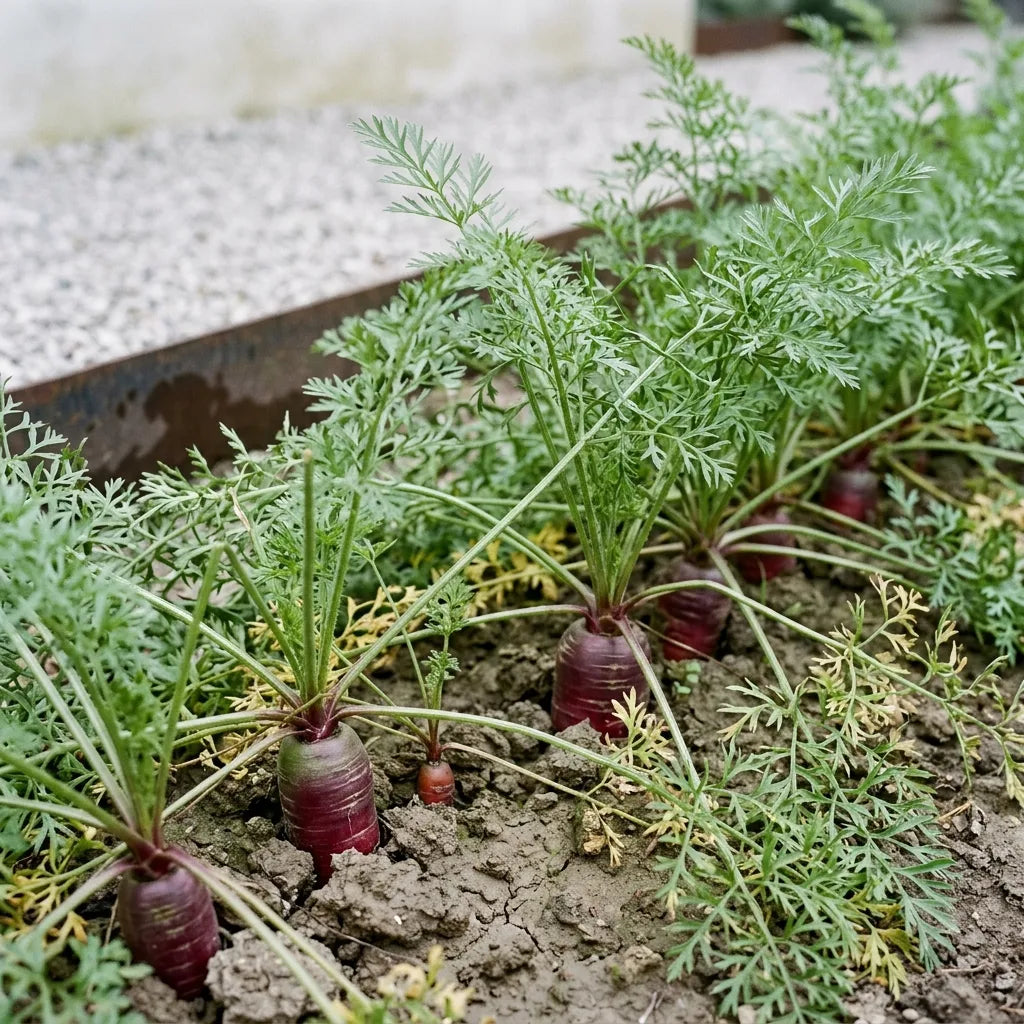
Sol: afânat, ușor, adânc și fără pietre — rădăcina sa de 20 cm trebuie să poată coborî drept, cu atât mai mult decât la Nantaise, care este un soi semilung. În sol greu sau pietros, cultivați-l pe biloane ori într-un strat afânat în profunzime. Evitați gunoiul de grajd proaspăt, care face rădăcinile să se ramifice.
-
Metodă: pentru morcovi timpurii, semănați de la mijlocul lui februarie până la sfârșitul lui martie, sub protecție sau în răsadniță. Pentru recoltele de vară și morcovii pentru păstrare, semănați de la începutul lui mai până la sfârșitul lui iunie. Întotdeauna direct în locul definitiv, în șanțuri de 1 cm: morcovul nu se repică. Consultați cum se seamănă semințele.
Sfaturi pentru întreținere:
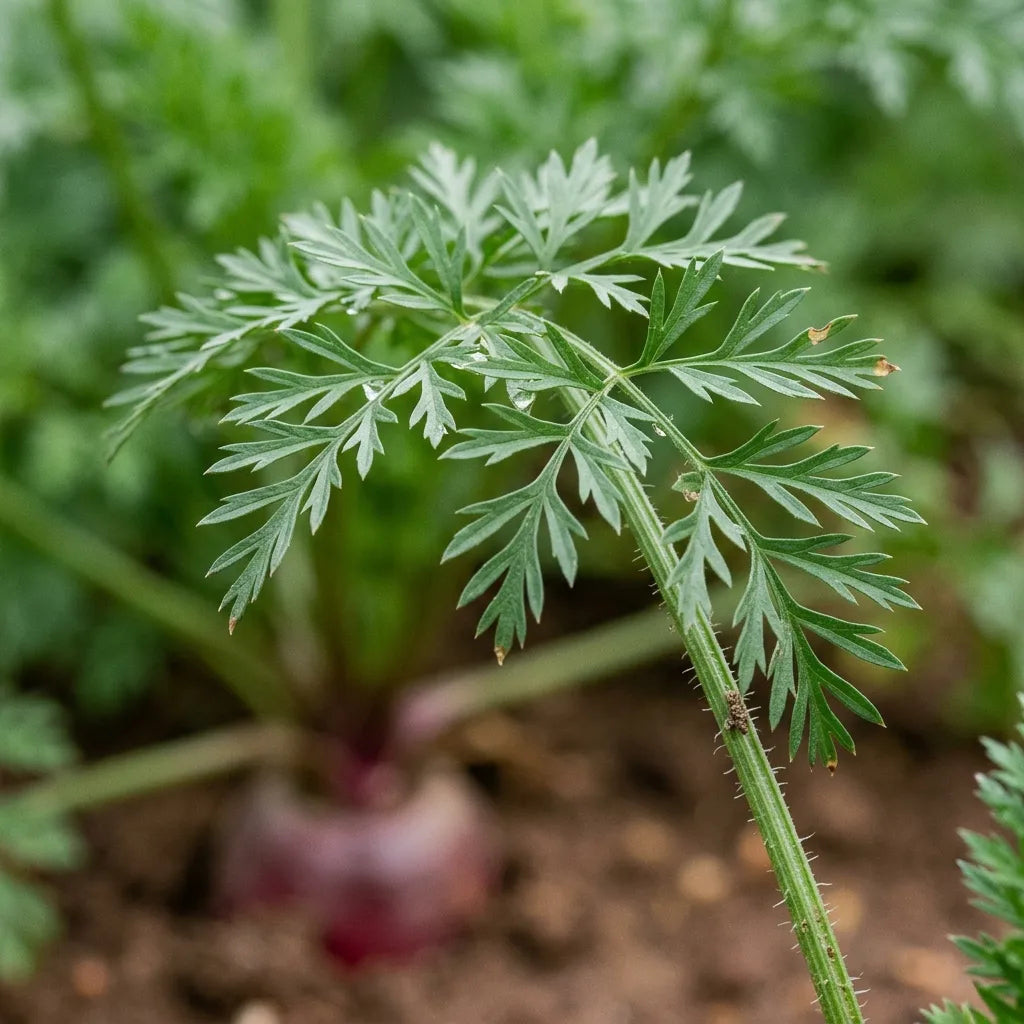
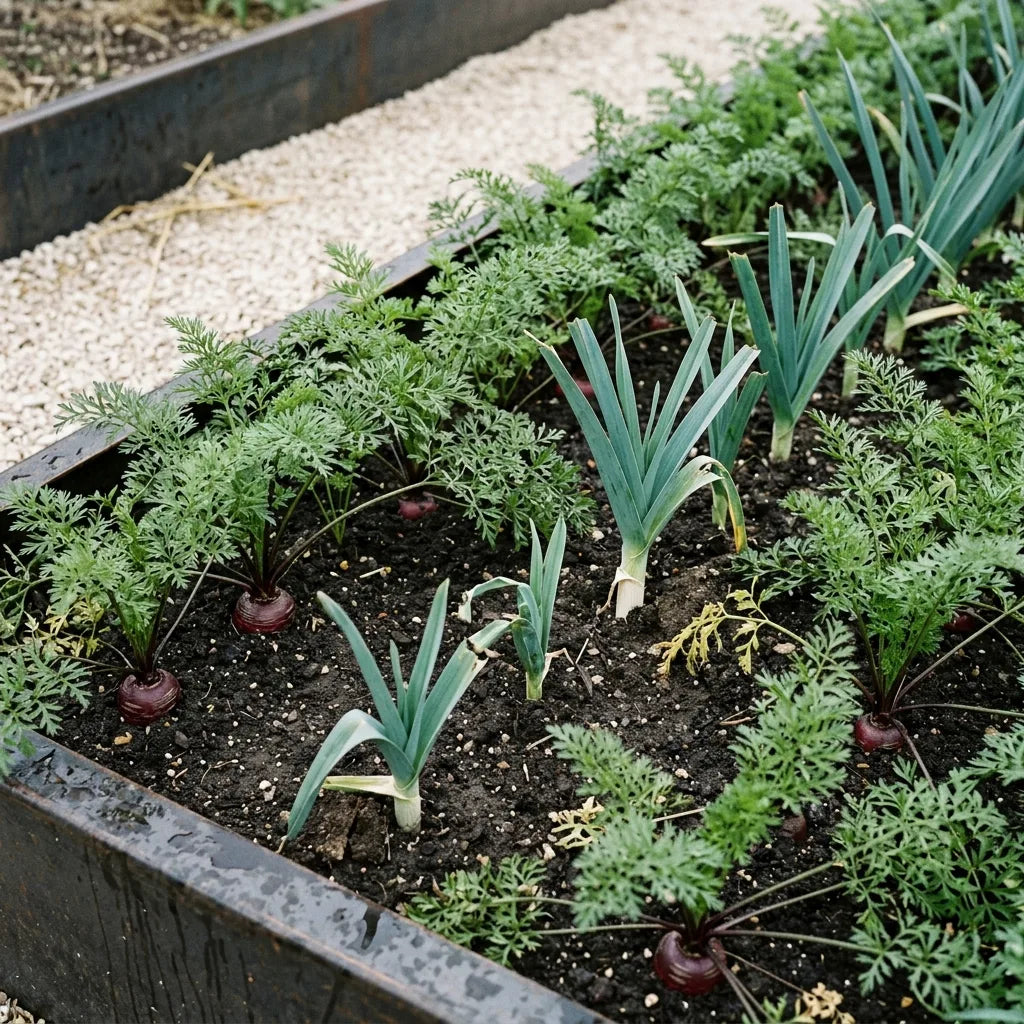
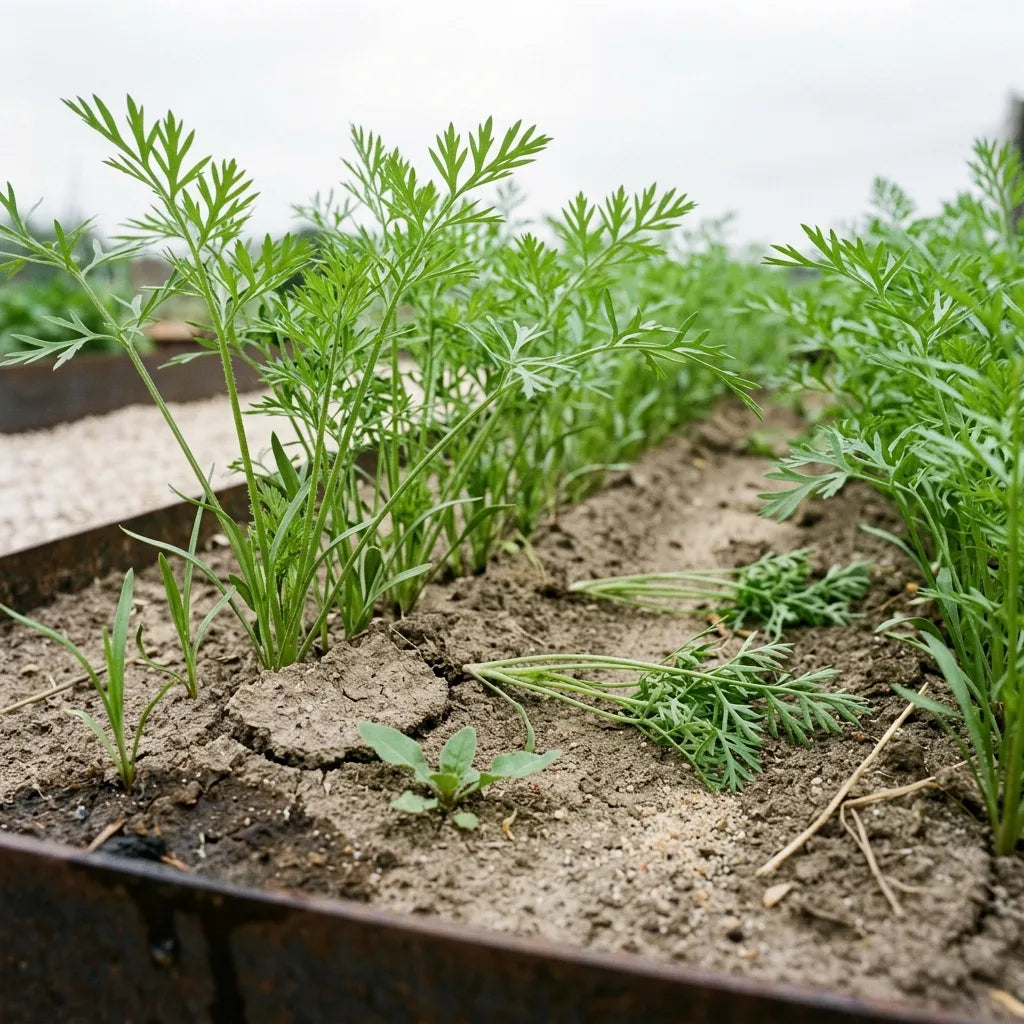
- Răriți la 5 cm, de preferință seara, îndepărtând imediat resturile, al căror miros atrage musca morcovului.
- Udați regulat și uniform, pentru a evita crăparea rădăcinilor.
Sfaturi pentru recoltare:
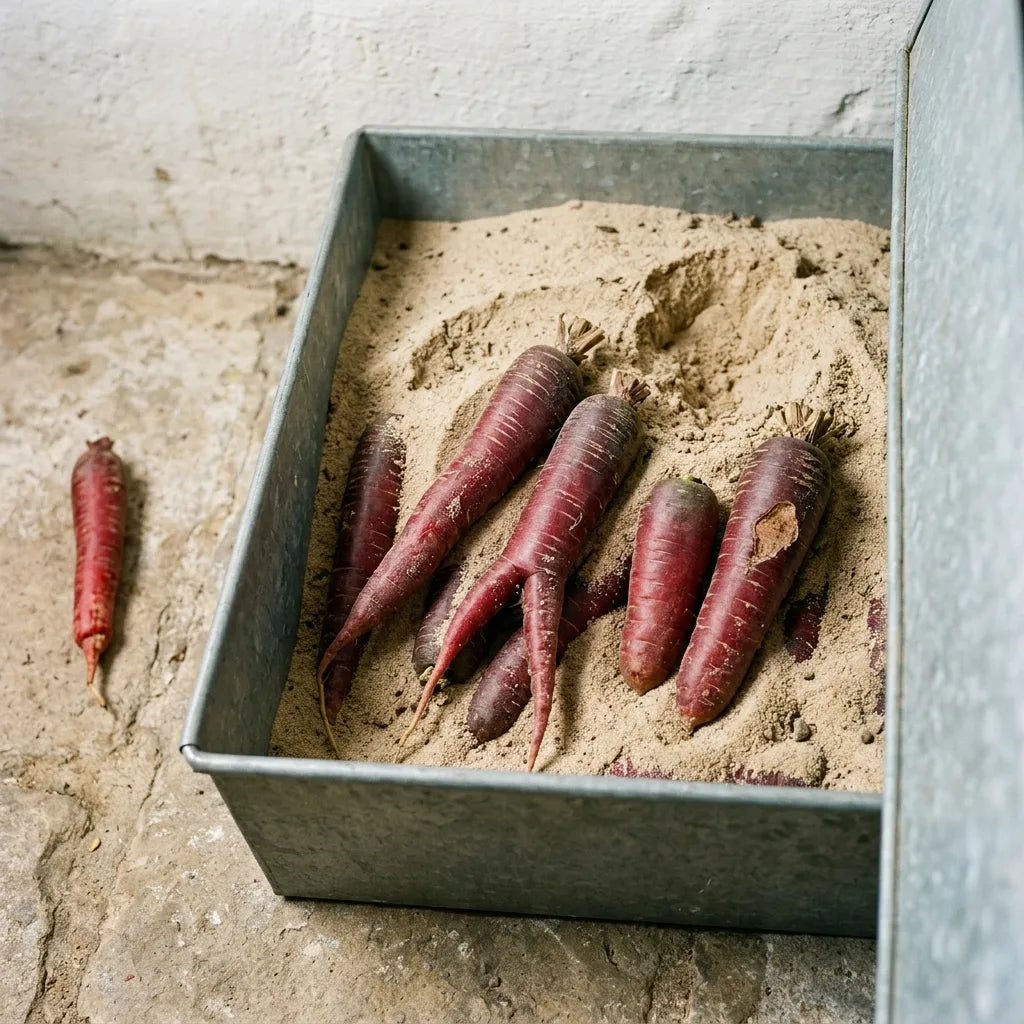
- Recoltați pe măsură ce este nevoie. Morcovii de toamnă se păstrează toată iarna în nisip, într-un spațiu răcoros.
Asocieri benefice:
Importanță pentru biodiversitate:
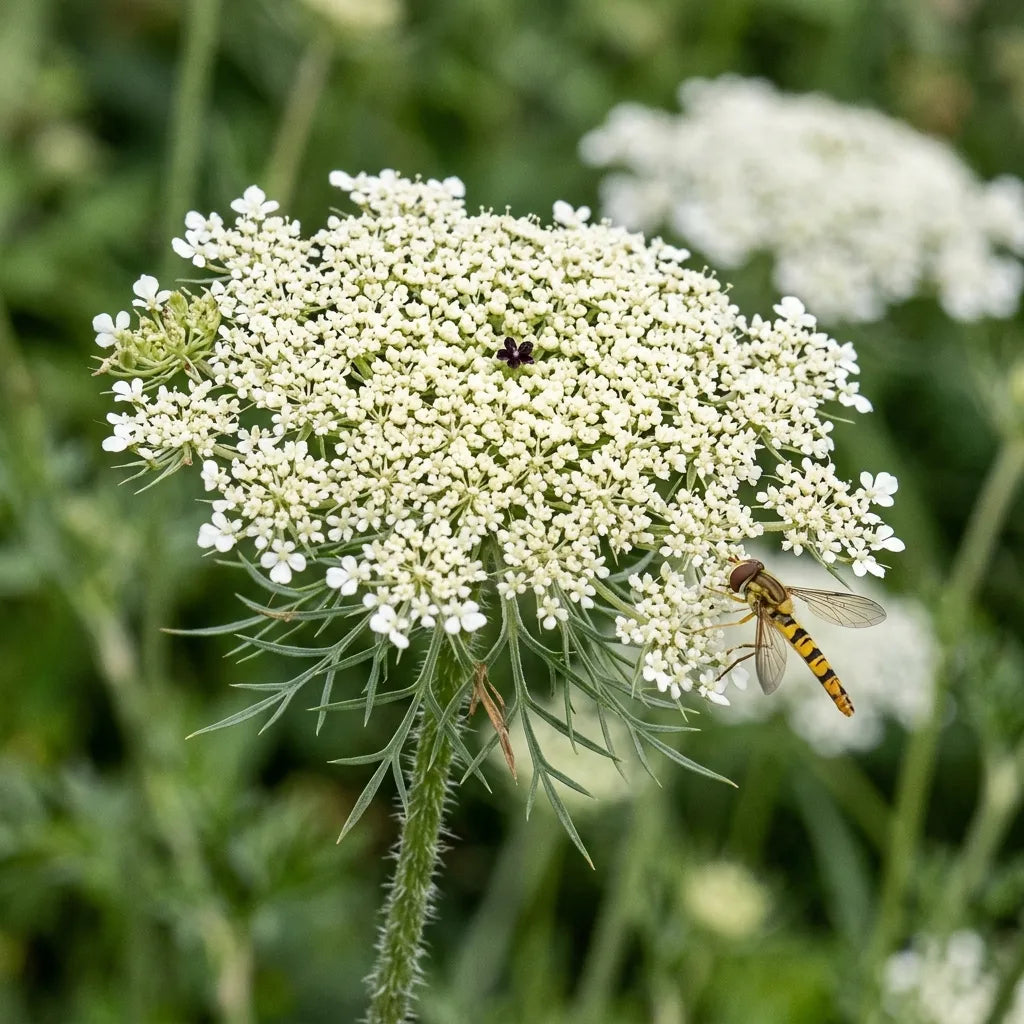
- Lăsați un exemplar să formeze semințe în al doilea an: marile sale umbele albe atrag masiv sirfidele, ale căror larve devorează afidele.
- La fel ca toate plantele din familia umbeliferelor, este plantă-gazdă pentru omizile fluturelui coadă-de-rândunică.
Utilizare:
- Rezistența sa la gătire îl face un avantaj vizual: copt, în supă-cremă sau piure, își păstrează culoarea spectaculoasă. Excelent crud, ras în salată.
Recoltarea propriilor semințe:
Lăsați câteva rădăcini în pământ peste iarnă: vor forma semințe în al doilea an. Recoltați umbelele când se brunifică și se închid în formă de cuib de pasăre. Atenție la încrucișările cu morcovul sălbatic și cu celelalte soiuri. Consultați cum să vă păstrați semințele.
Angajamentul față de calitate: la SemiSauvage - Permaculture, cultivăm și selectăm semințele având ca principiu călăuzitor respectul pentru viață. Instalați în apropierea Vulcanilor din Auvergne, alegem soiuri reproductibile și nehibridizate, testate pentru rata de germinare, sortate și ambalate cu grijă, fără niciun tratament chimic. Convingerea noastră: să le redăm grădinarilor capacitatea de a-și replanta, an după an, semințe care le aparțin cu adevărat.
Un morcov vechi care își păstrează culoarea până în farfurie.