Melissa officinalis
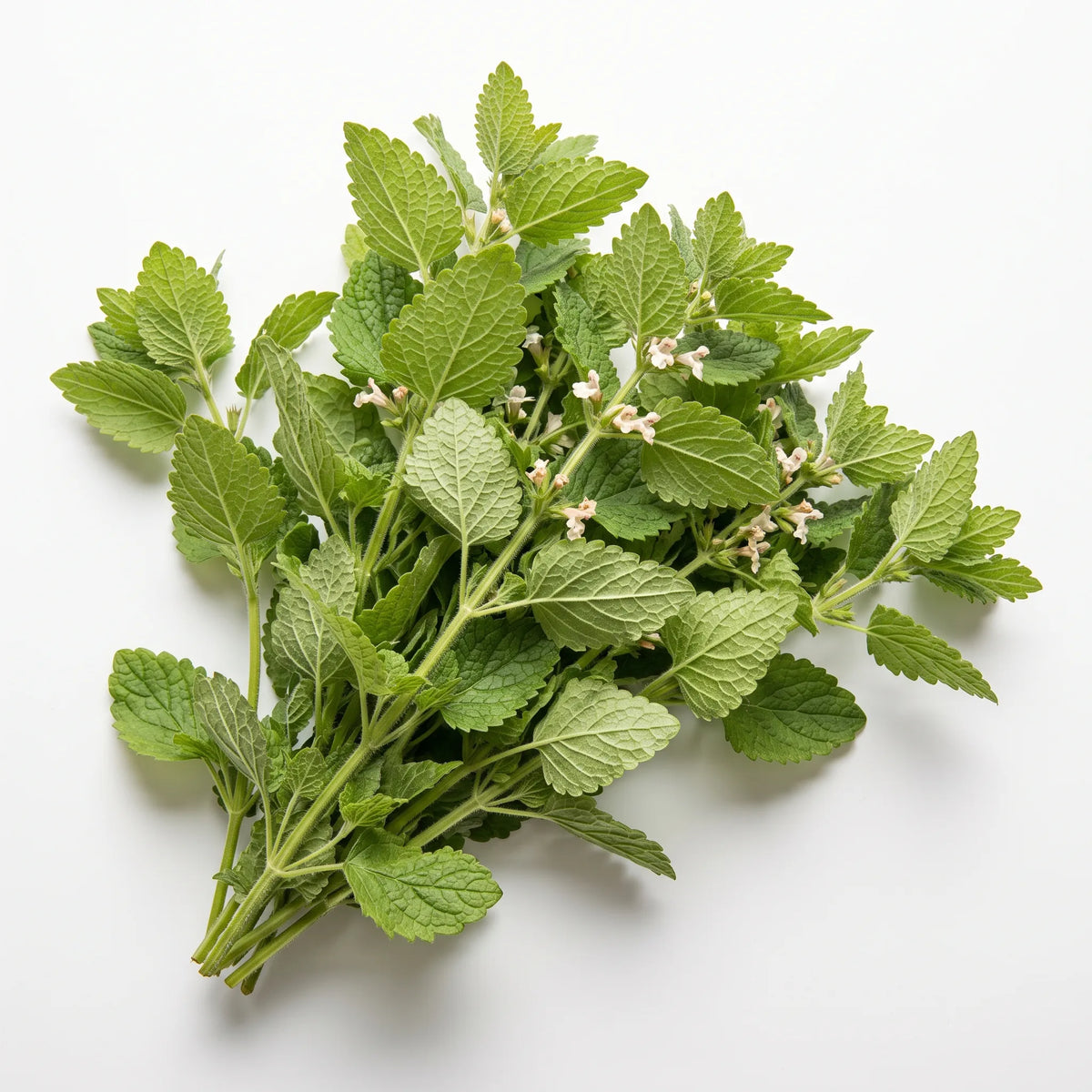
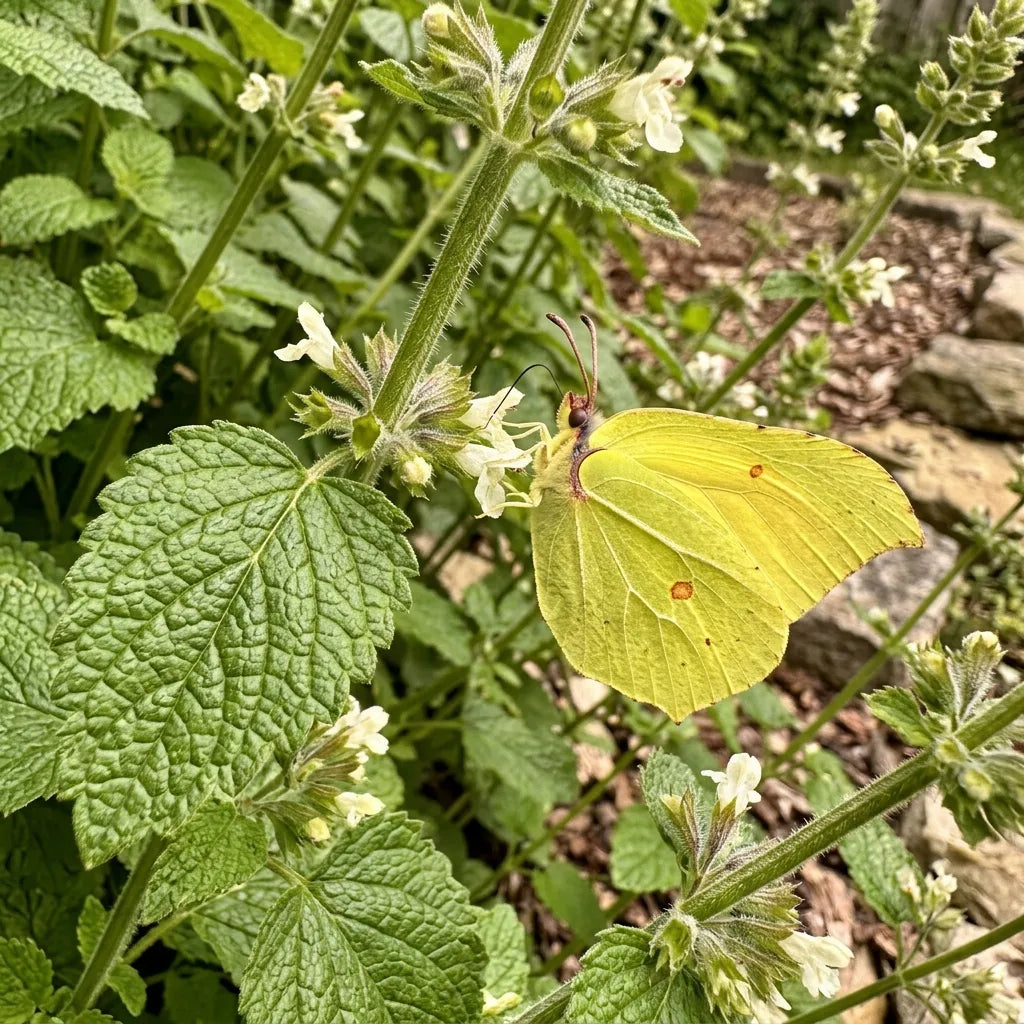
Roiniță, citronelă, ardei al albinelor, iarba lămâii: numele său provine din grecescul melissa, albina — apicultorii din Antichitate frecau interiorul stupilor cu ea pentru a fixa roiurile. Zdrobiți o frunză și veți înțelege cealaltă denumire a sa: emană un parfum de lămâie de o prospețime remarcabilă.
Caracteristici:
-
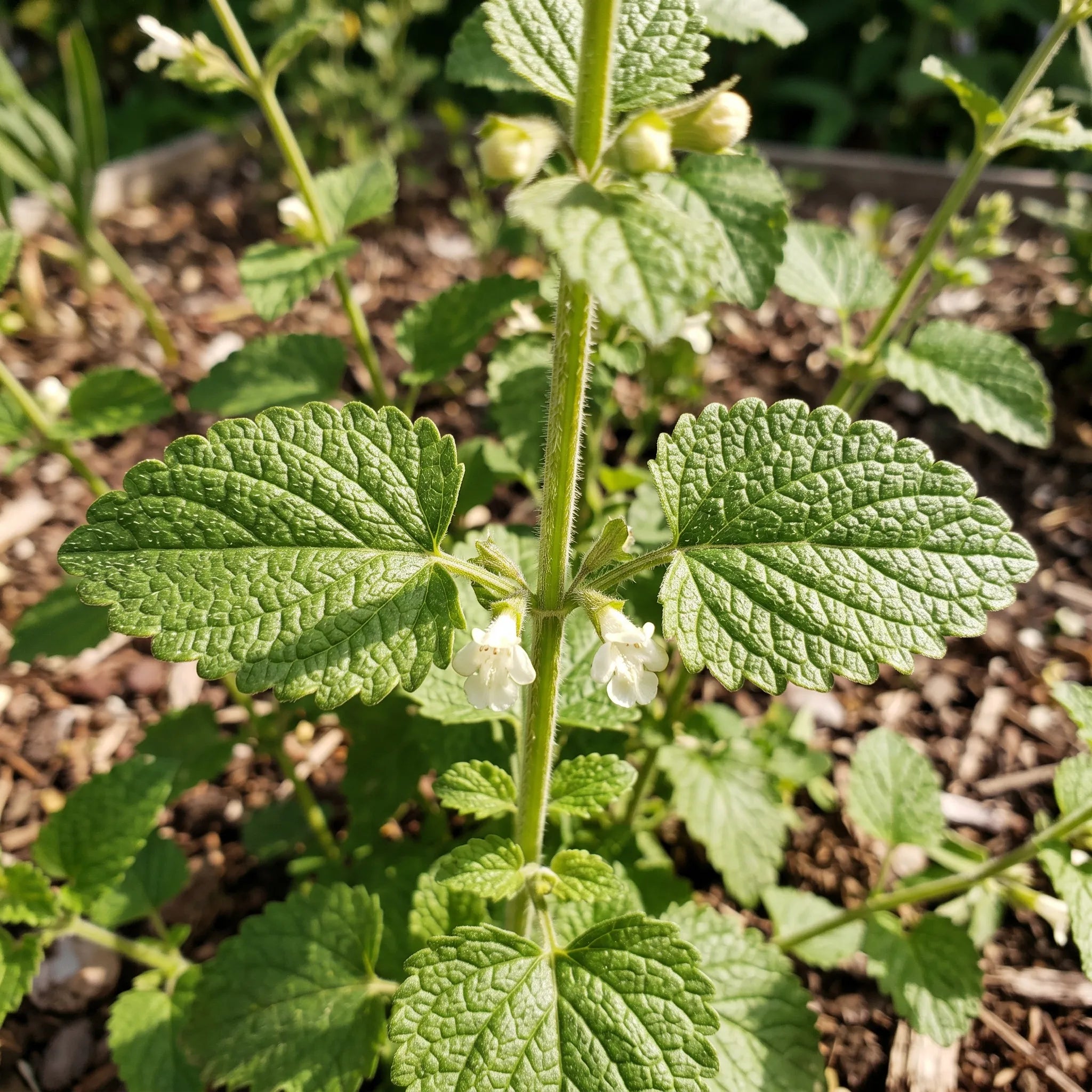
Parfum de lămâie: frunze gofrate, foarte aromate, cu o prospețime imediată atunci când sunt zdrobite.
-
Plantă perenă rezistentă: revine în fiecare primăvară, ani la rând, fără nicio îngrijire.
-
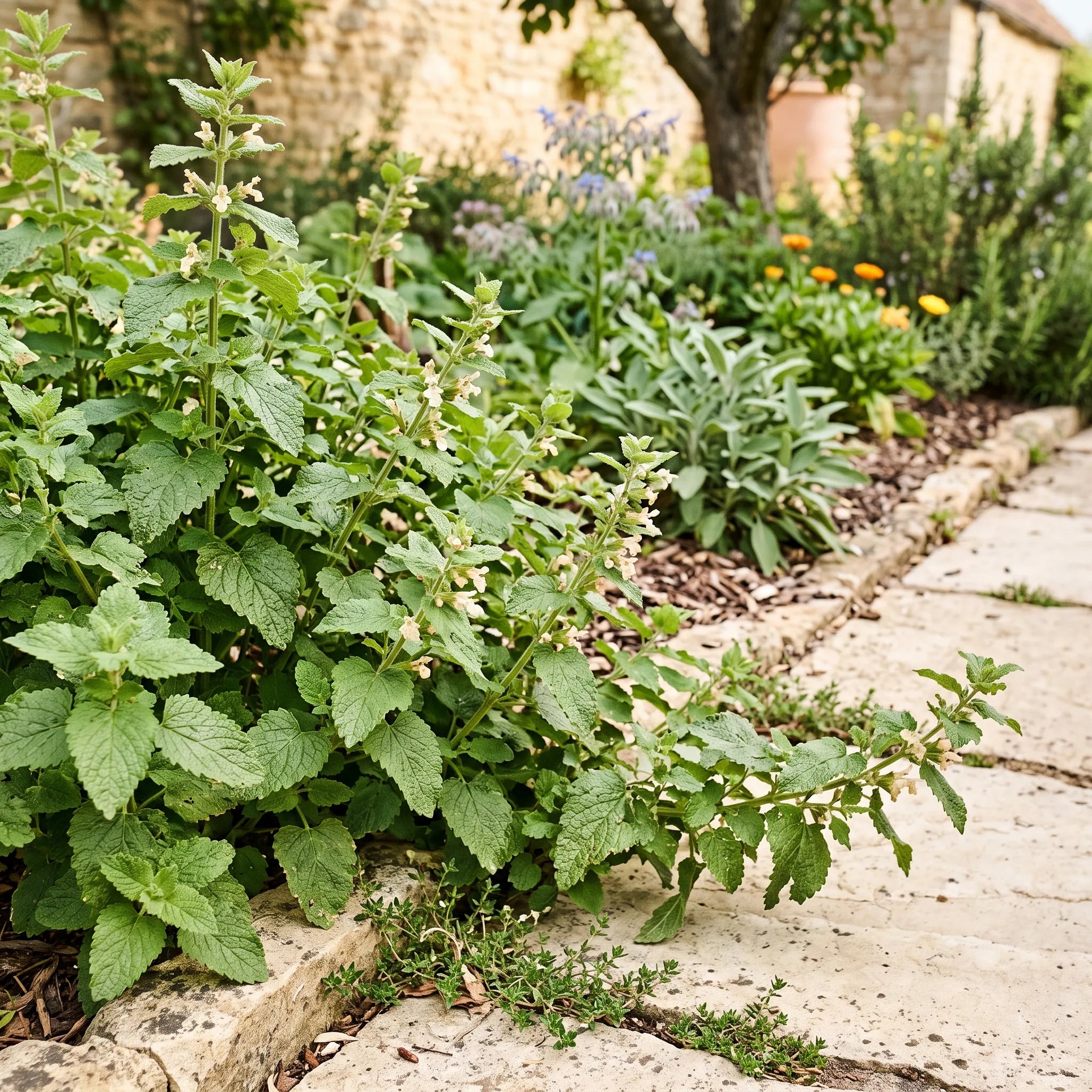
Foarte meliferă: florile sale mici și albe atrag masiv albinele.
-
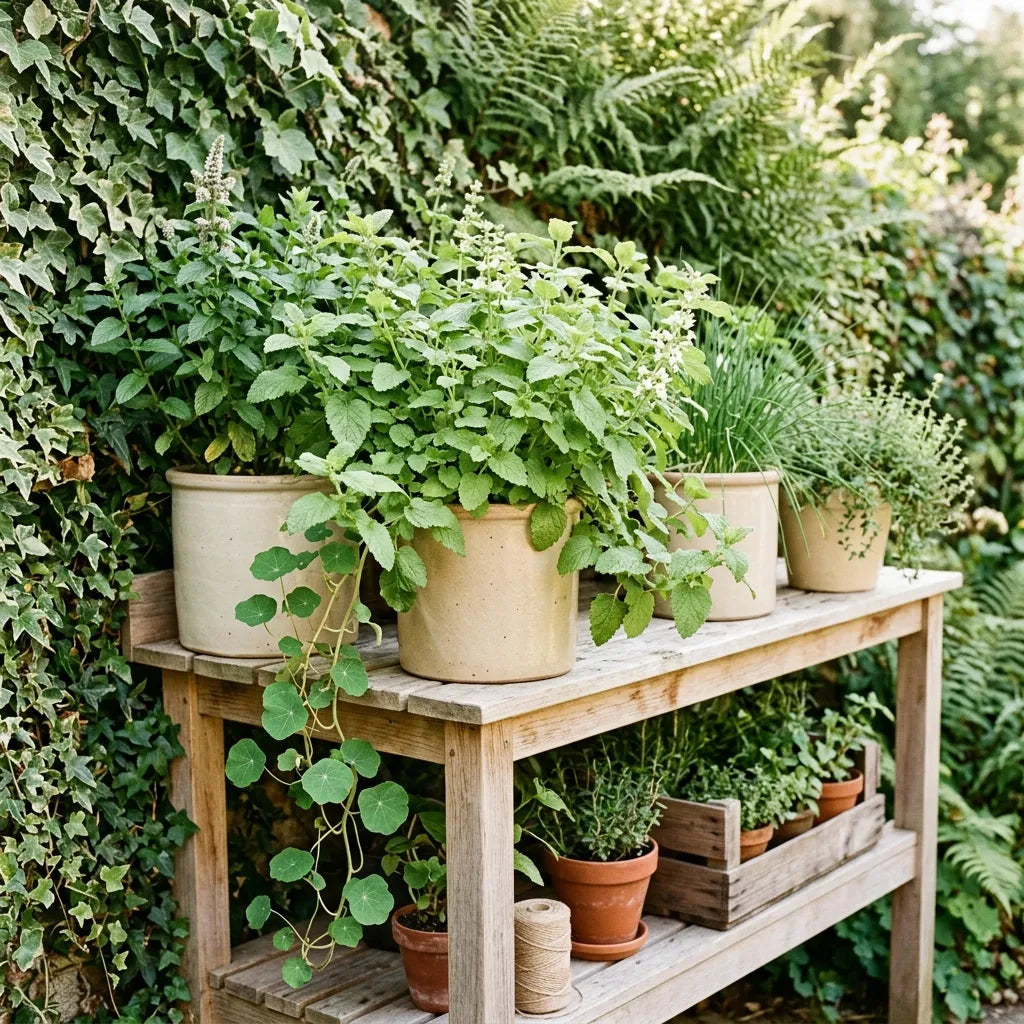
Adaptabilă: suportă atât soarele deplin, cât și semiumbra, precum și diverse tipuri de sol.
Precauții:
- Este târâtoare și se însămânțează abundent: fără supraveghere, colonizează un întreg strat de flori în două sau trei sezoane. Rezervați-i un spațiu delimitat, cultivați-o într-un ghiveci sau tăiați tulpinile florale înainte de formarea semințelor dacă nu doriți să se extindă.
Sfaturi pentru semănat:
-
Expunere: soare deplin sau semiumbră — semiumbra îi priește foarte bine în regiunile calde.
-
Sol: reavăn, fertil, ușor și ușor argilos, dar se adaptează la majoritatea solurilor. Un sol care rămâne reavăn produce frunze mai mari și mai fragede.
-
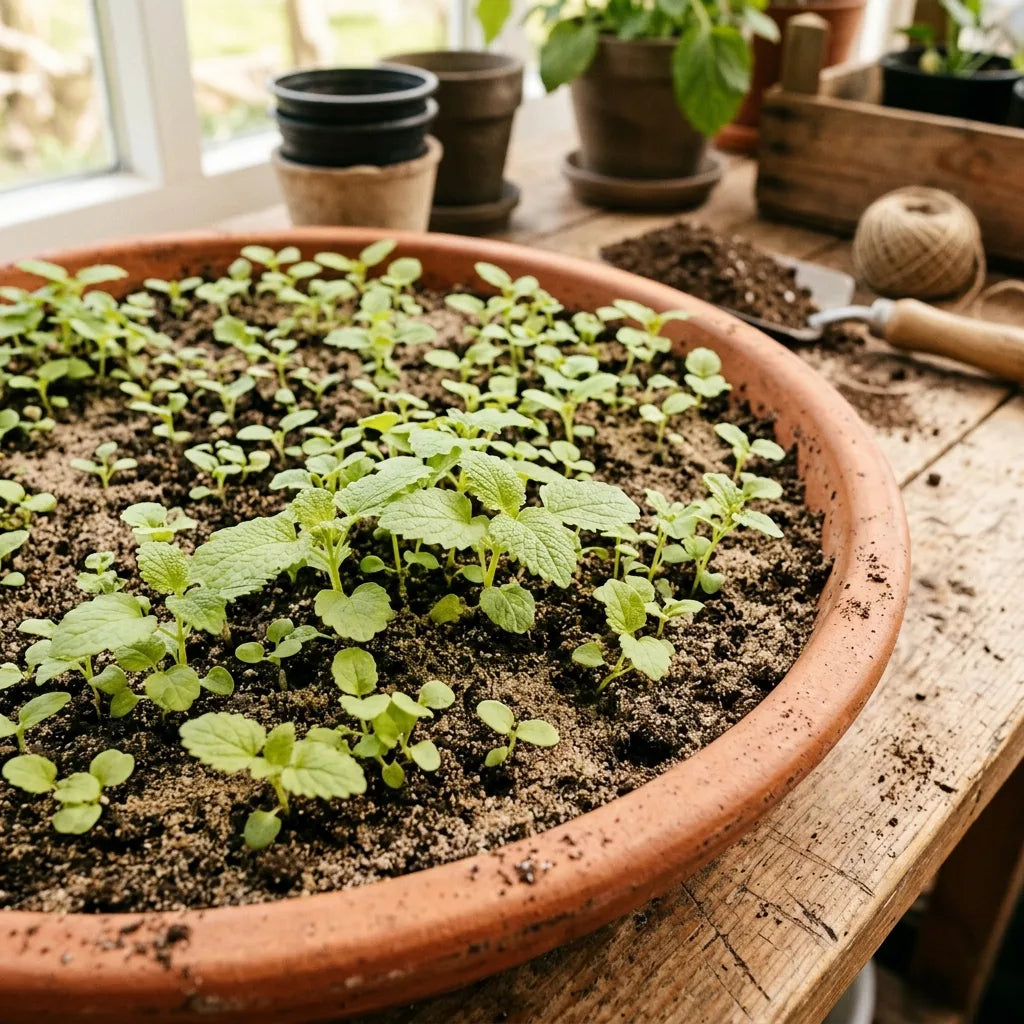
Metodă: semănați primăvara, la suprafață, fără acoperire: semințele sale minuscule au nevoie de lumină pentru a germina. Tasați ușor și mențineți umiditatea. Consultați cum să semănați semințele.
Sfaturi pentru plantare:
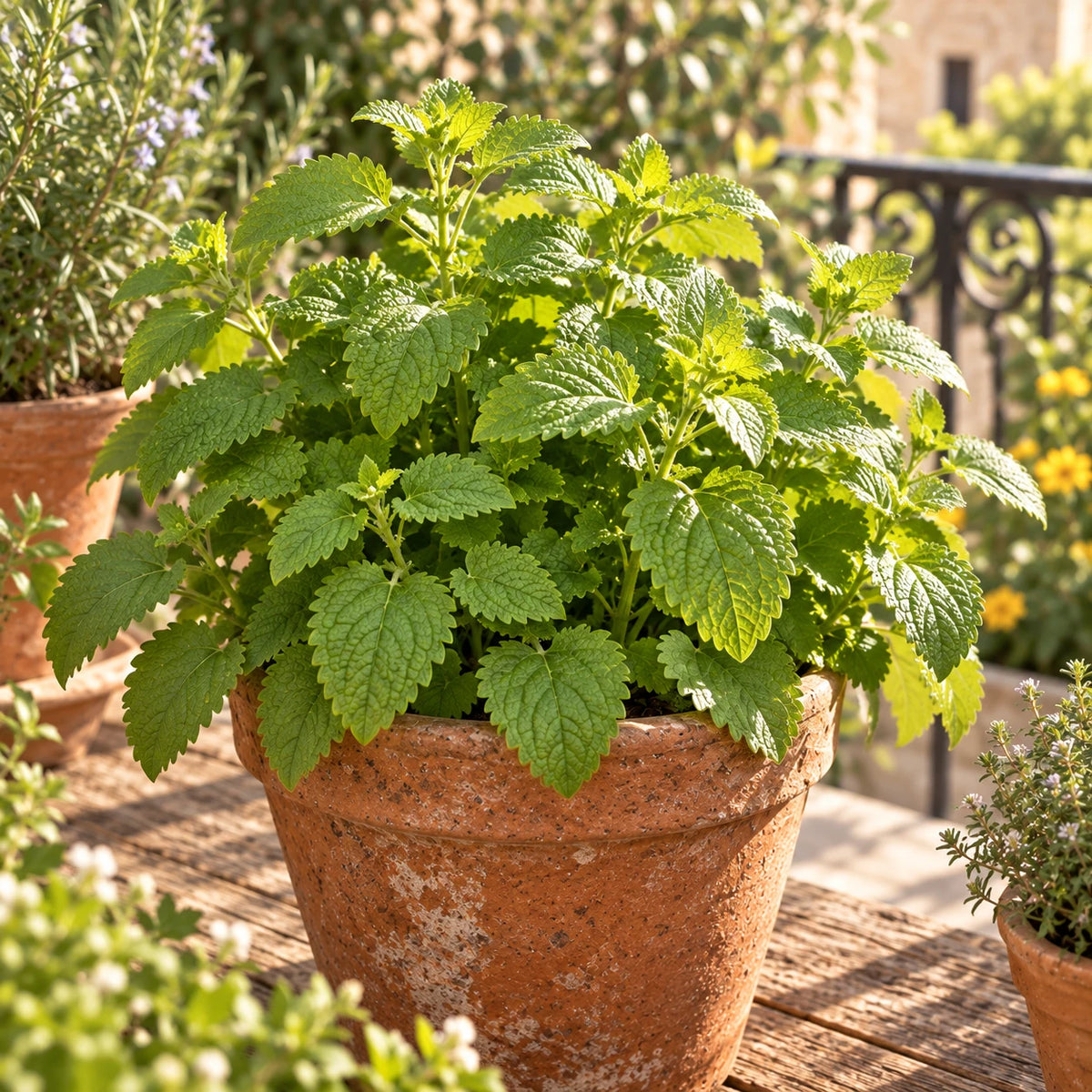
- Transplantați la o distanță de 40 cm, pe marginea straturilor, în grădina de plante aromatice sau într-un ghiveci. În ghiveci, divizați regulat tufa pentru a evita sufocarea plantelor vecine.
Sfaturi pentru întreținere:
- Udați în perioadele secetoase. Tăiați tufa după înflorire: va porni din nou cu frunziș proaspăt și mult mai parfumat.
- Divizați planta la fiecare 3–4 ani pentru a o întineri.
Sfaturi pentru recoltare:
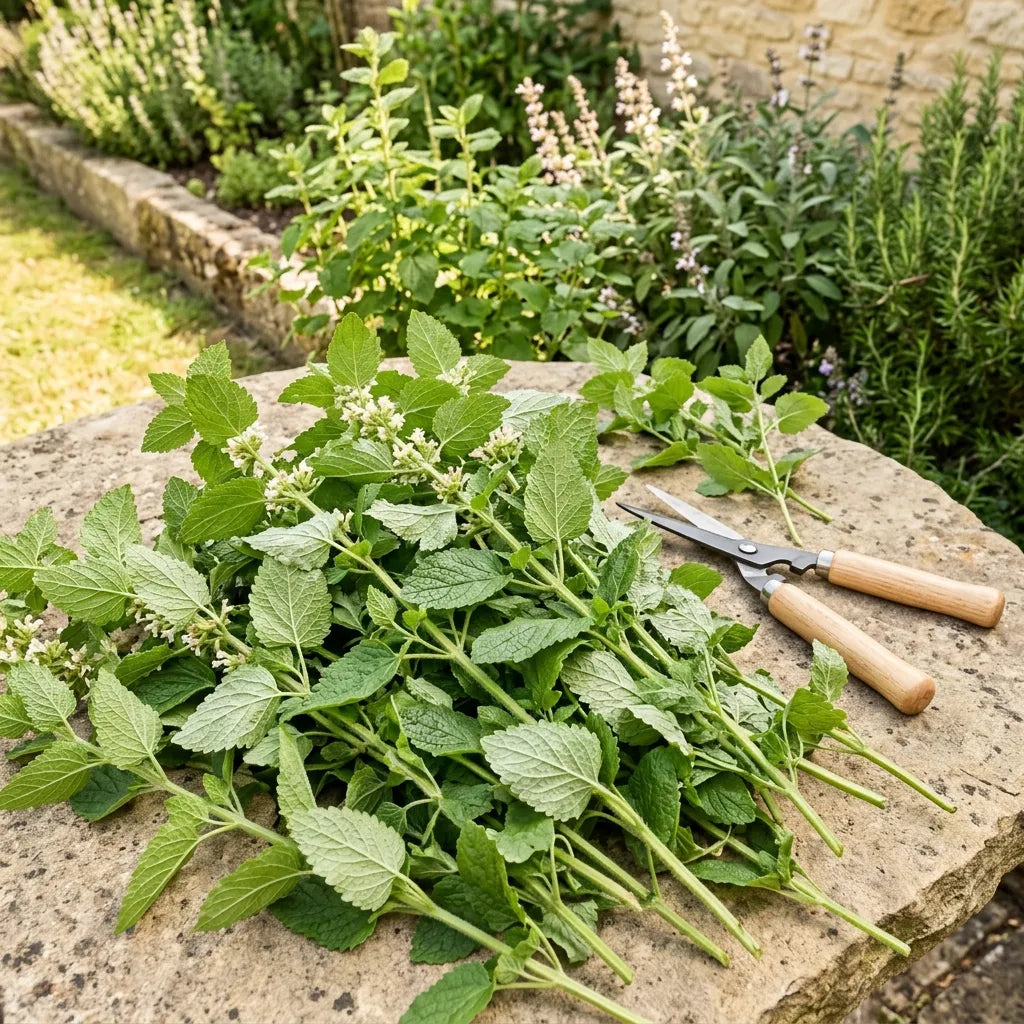
- Culegeți frunzele înainte de înflorire, pe vreme uscată: atunci parfumul lor de lămâie este cel mai intens. După înflorire, acesta se estompează considerabil.
- Se congelează mai bine decât se usucă, deoarece uscarea îi face să piardă mult din aromă.
Asocieri benefice:
- Parfumul său de lămâie este renumit pentru îndepărtarea țânțarilor: plantați-o lângă locurile unde luați masa afară vara sau confecționați buchețele pentru masă. Consultați plantele noastre repelente.
Importanță pentru biodiversitate:
- Este una dintre cele mai atractive plante pentru albine — numele său latin o spune destul de clar. Lăsați-o să înflorească într-un colț al grădinii, în loc să o tăiați complet.
- Înflorirea sa îndelungată, din iunie până în septembrie, o transformă într-o resursă de încredere pe o mare parte a sezonului.
Utilizare:
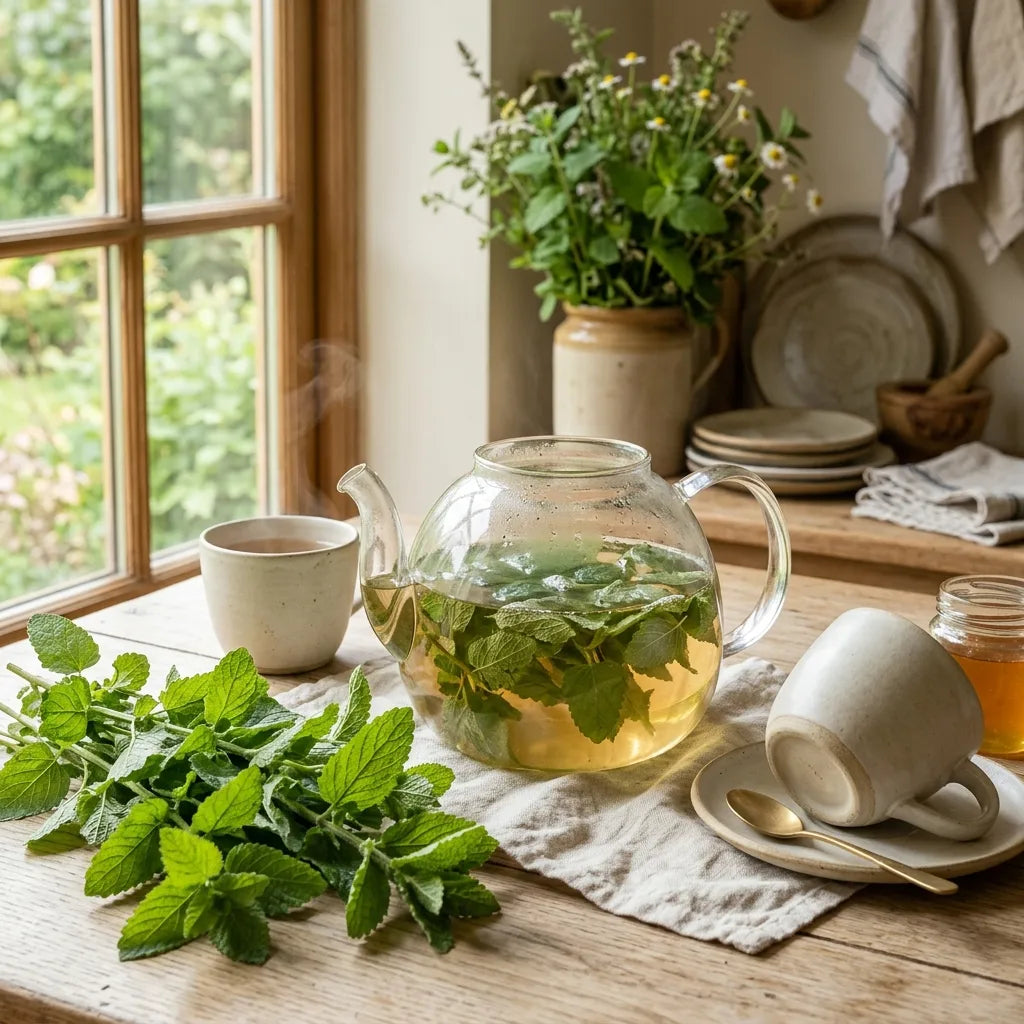
- Frunze proaspete pentru infuzie, în salate de fructe, băuturi de vară, deserturi și alături de pește. Aromatizează foarte bine și siropul preparat în casă.
- Plantă medicinală tradițională importantă, înscrisă în Farmacopeea franceză și cultivată în grădinile de plante medicinale încă din Evul Mediu. Consultați plantele noastre medicinale de semănat.
Recoltarea propriilor semințe:
Lăsați câteva tulpini florale să se usuce complet pe plantă, apoi zdrobiți-le deasupra unui recipient: semințele sunt extrem de fine. În practică, roinița se însămânțează singură atât de bine, încât recoltarea este rareori necesară. Consultați păstrarea semințelor.
Angajamentul față de calitate: la SemiSauvage - Permaculture, cultivăm și selectăm semințele noastre având respectul pentru natură drept principiu călăuzitor. Așezați în apropierea Vulcanilor din Auvergne, alegem soiuri reproductibile și nehibridizate, testate pentru rata de germinare, sortate și ambalate cu grijă, fără niciun tratament chimic. Convingerea noastră: să le redăm grădinarilor capacitatea de a resămânța, an după an, semințe care le aparțin cu adevărat.
Planta albinelor și un parfum de lămâie la îndemână toată vara.