Capsicum chinense
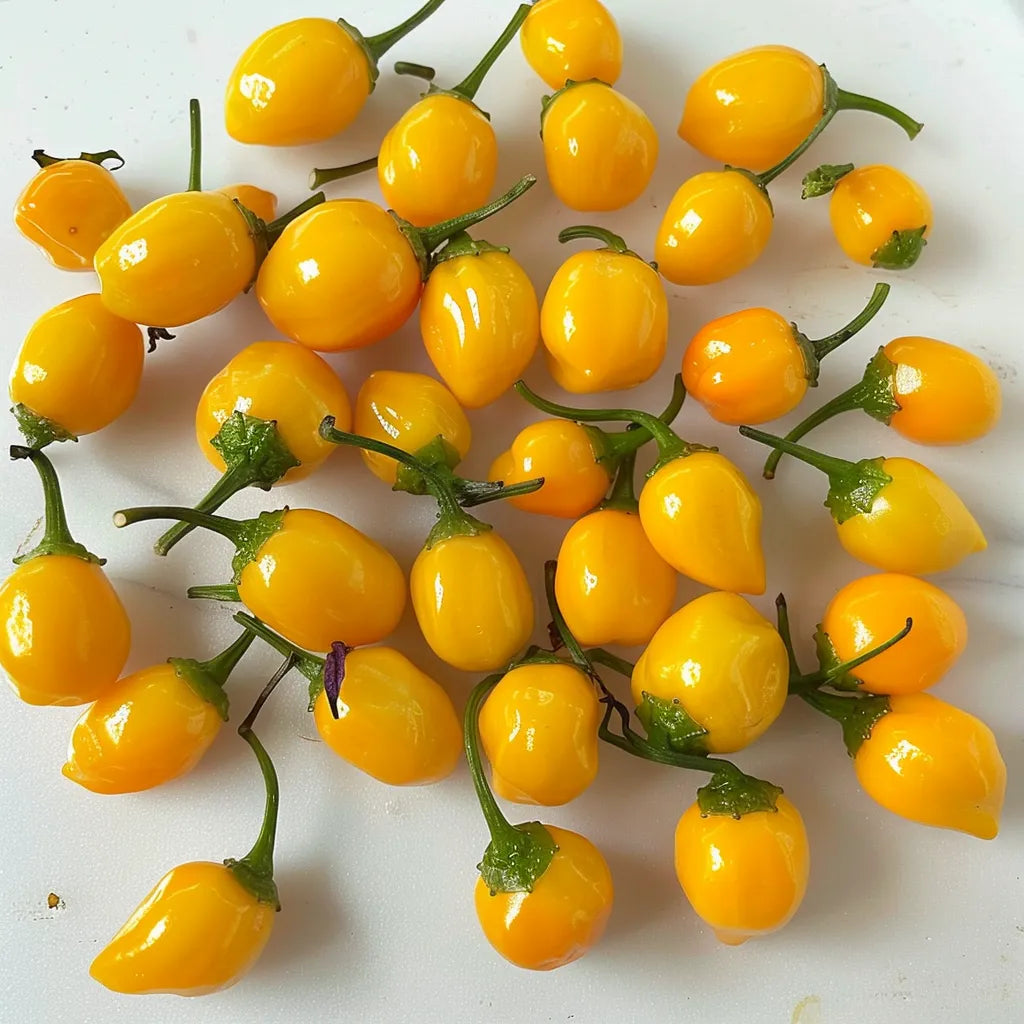
Aji Charapita, charapita pepper, aji charapilla: native to the Amazonian jungle of northern Peru, this tiny wild pepper is regularly described as the most expensive in the world—it is sold by the gram in specialist markets. The reason is not its heat, which is moderate for the species, but its fruity, citrusy aroma, sought after by chefs for ceviche.
Characteristics:
-
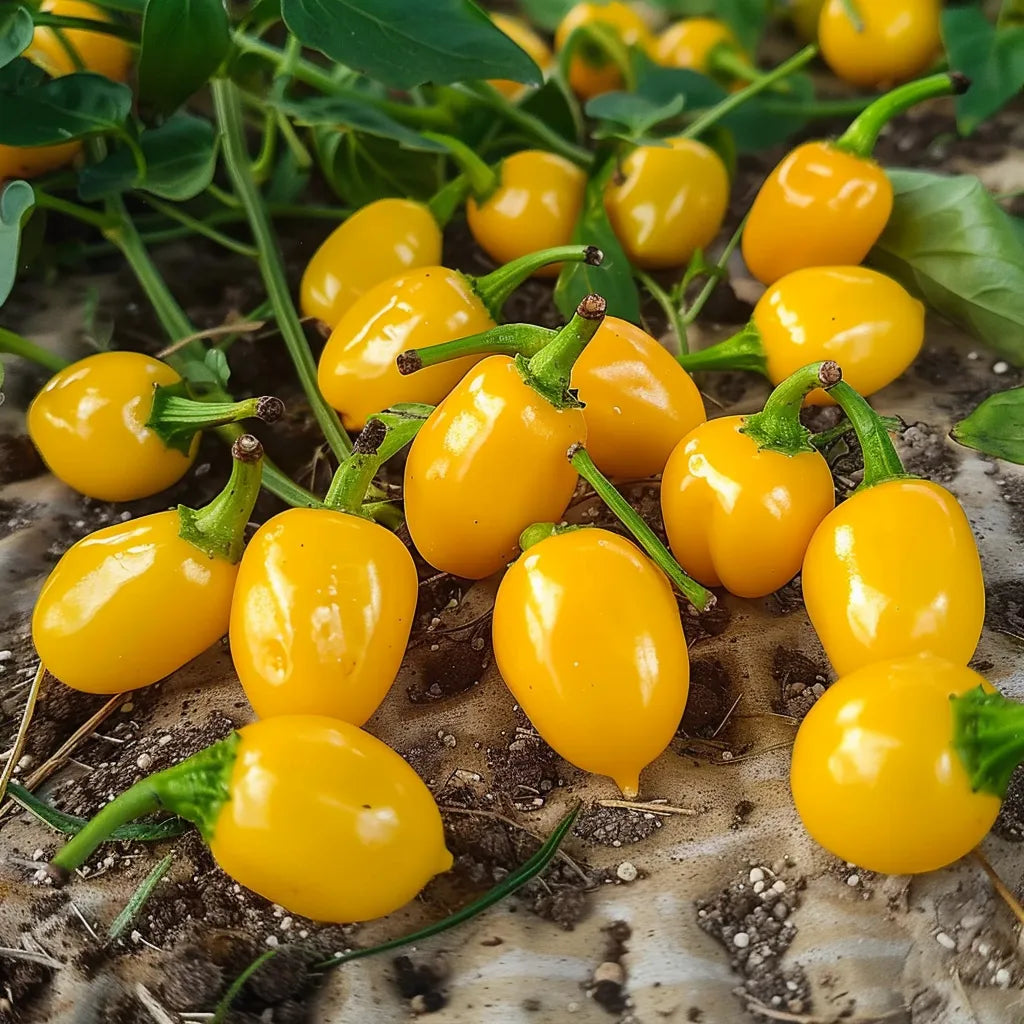
Tiny yellow berries: the size of a small pea, borne upright on a bushy plant 50 to 100 cm tall.
-
Sought-after aroma: fruity and citrusy, this is what has earned it a reputation among Michelin-starred chefs.
-
Medium to high heat: 30,000 to 50,000 Scoville units, much less than the habanero.
-
Very productive: one plant bears hundreds of small berries over the course of the season.
Precautions:
-
Wear gloves when handling the fruits, whether fresh or dried. Capsaicin adheres to the skin and resists washing with water: subsequent contact with the eyes causes painful burning.
- Wash your hands with soap and oil rather than water alone—capsaicin is fat-soluble.
- Keep fruits and seeds out of the reach of children: their small size and bright color make them tempting.
Sowing advice:
-
Exposure: full sun and plenty of heat. In cool regions, growing it in a pot that can be moved under cover or in a greenhouse is strongly preferable.
-
Soil: rich, loose, moist and well-drained, enriched with compost. It is just as sensitive to stagnant water as it is to drying out.
-
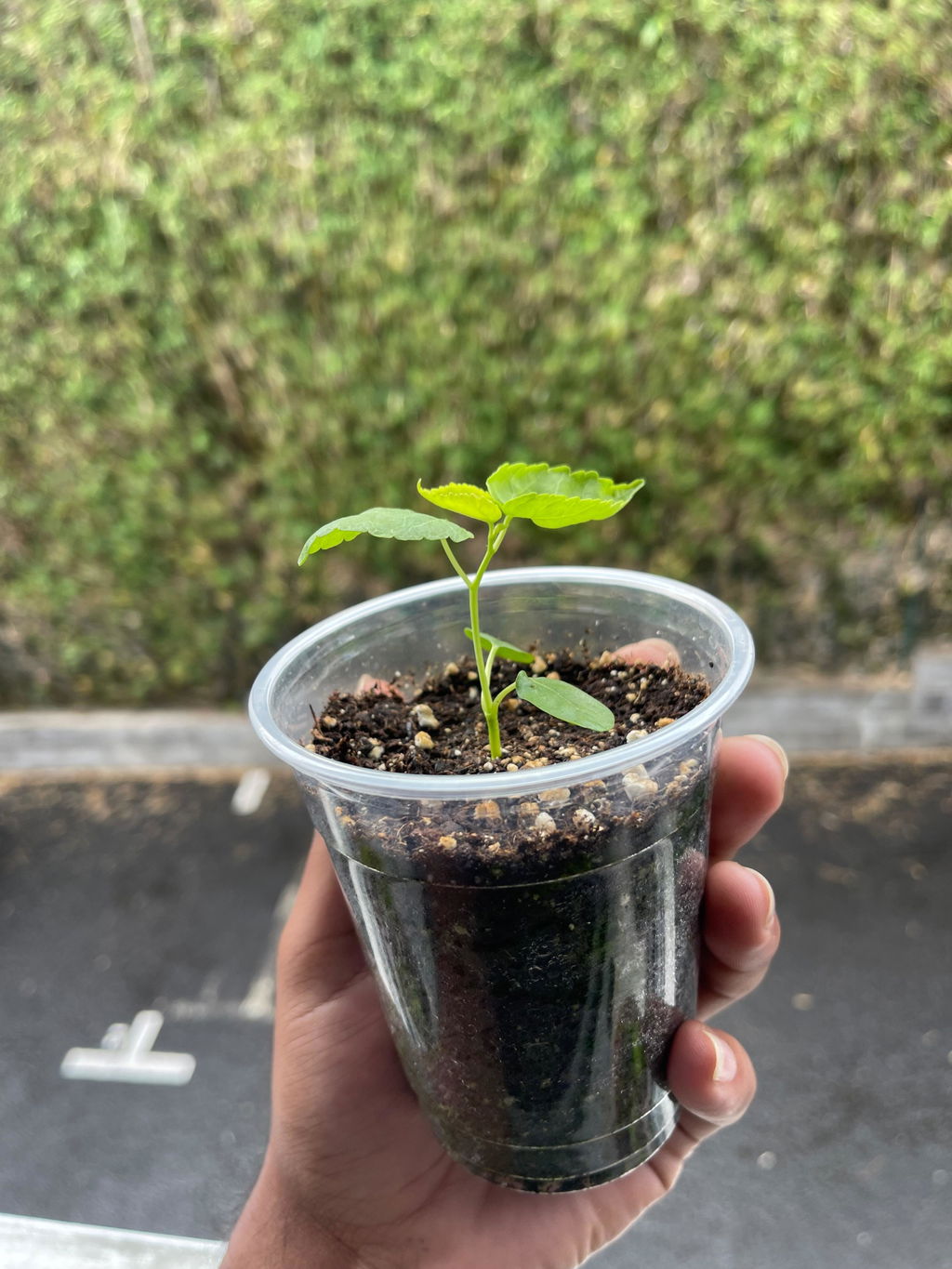
Method: like all Capsicum chinense, it germinates slowly. Sow from January to early May in a heated greenhouse or indoors. Soak the seeds in warm water for 24 hours before sowing, then maintain a temperature of 25-28 °C: below 20 °C, germination fails. Allow 2 to 4 weeks. See how to sow seeds.
Planting advice:
- Transplant when nighttime temperatures remain above 12 °C, spacing plants 50 cm apart. Unlike tomatoes, do not bury the stem: a buried crown will rot.
- As its growing cycle is long, growing it in a large pot allows you to bring it indoors in autumn and extend the harvest.
Care advice:
- Water regularly at the base, without overwatering. Mulch to maintain soil moisture.
- Bring the pot indoors before frost: the pepper is perennial and resumes growth the following spring, producing earlier in its second year.
Harvesting advice:
- Harvest with gloves when the berries are bright yellow: this is when their citrusy aroma is at its strongest. Picked green, they have only ordinary heat.
- They dry and freeze very well while retaining their aroma.
Beneficial companion plants:
Benefits for biodiversity:
- Its small white flowers are visited by bees and bumblebees all summer.
- Growing a wild Amazonian species contributes to the conservation of a rare cultivated heritage. See our rare and unusual seeds.
Uses:
- Crushed into Peruvian ceviches, salsas and flavored oils. Its citrusy aroma pairs remarkably well with raw fish and seafood. A few berries are enough.
Harvesting your own seeds:
Open a few bright yellow berries wearing gloves, remove the tiny seeds, rinse them and dry them flat. Be careful: peppers cross-pollinate easily, so isolate your seed plants. Label the packet clearly. See how to save your seeds.
Our commitment to Quality: at SemiSauvage - Permaculture, we grow and select our seeds with respect for all living things as our guiding principle. Based near the Auvergne Volcanoes, we choose reproducible, non-hybrid varieties, tested for germination rate, carefully sorted and packaged, with no chemical treatment. Our belief: to give gardeners back the ability to resow, year after year, seeds that truly belong to them.
The world's most expensive pepper, grown in your own garden.