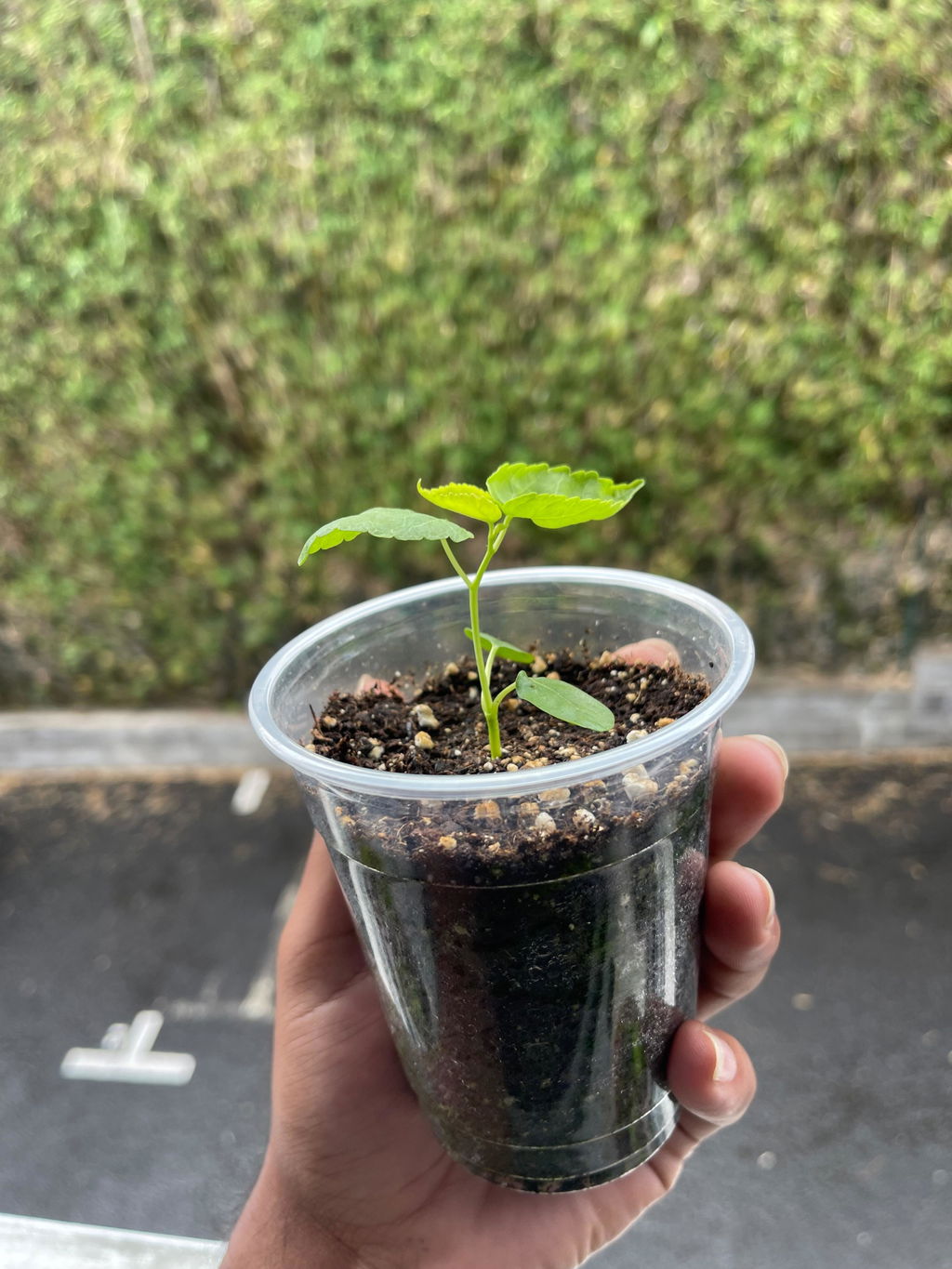
Cucurbita maxima “Potimarron”
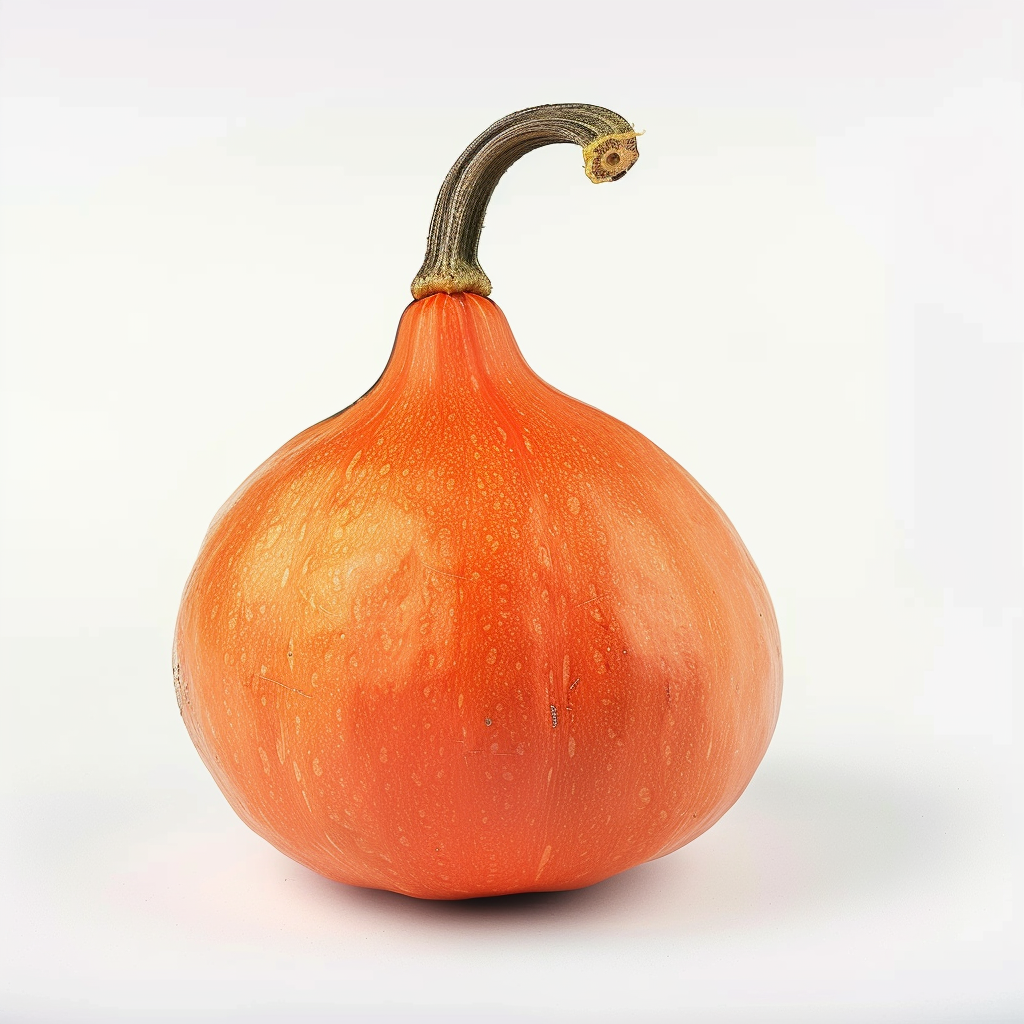
Potimarron, Hokkaido squash, sweet Hokkaido pumpkin, chestnut squash: its name says it all — pumpkin and chestnut. Its dense, sweet flesh truly tastes like chestnuts, and its thin skin is edible, saving you the tedious step of peeling. Enough to win over even those who do not like squash.
Characteristics:
-
Chestnut flavor: dense, sweet and low in water, with a rich aroma.
-
Edible skin: thin and softens during cooking — no need to peel it.
-
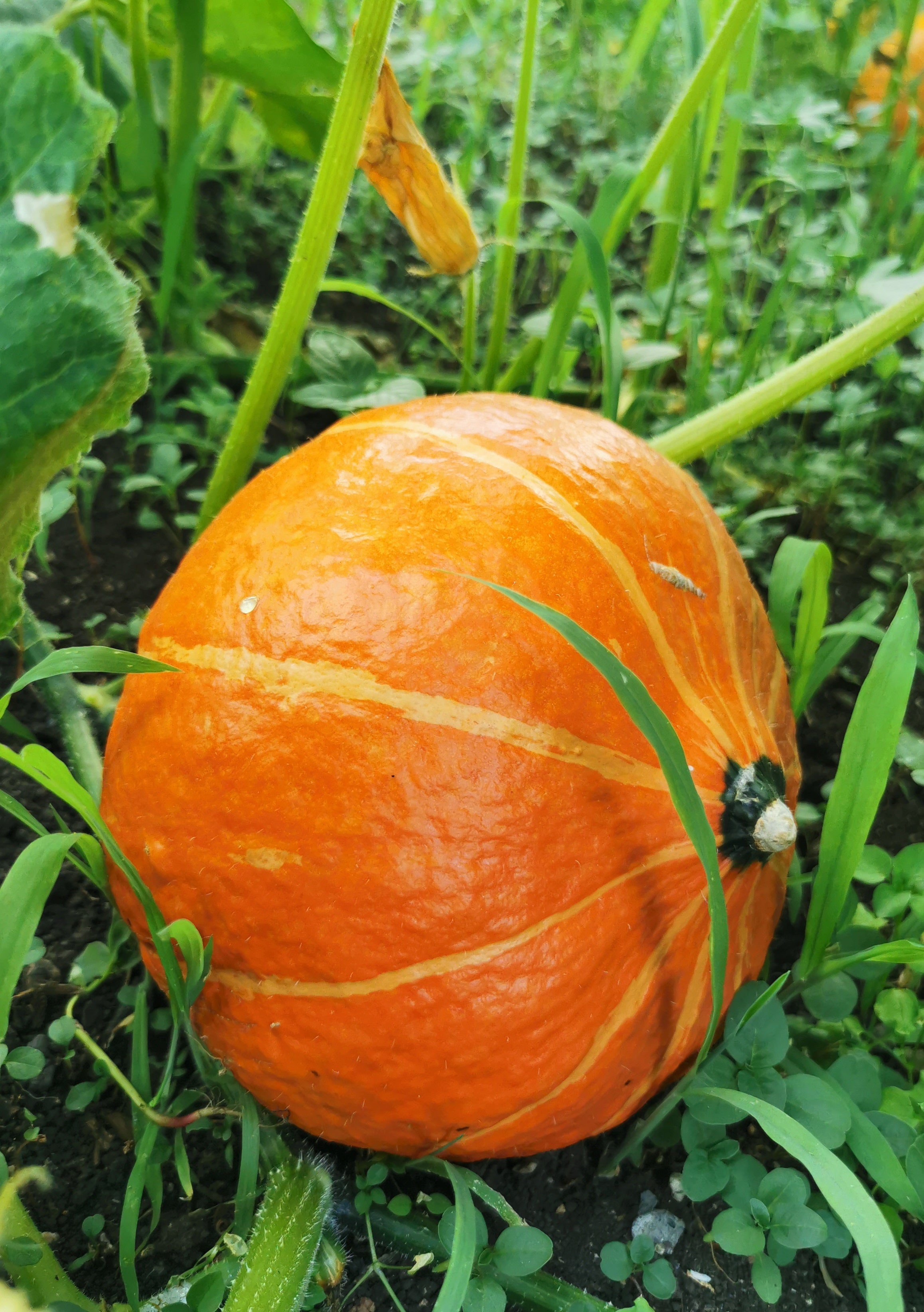
Bright red to pink skin, sometimes green or bronze depending on the plant.
-
Excellent storage life: until April of the following year in a dry cellar.
Precautions:
- As with all cucurbits, a fruit with a very bitter taste may contain cucurbitacins, which irritate the digestive system. Always taste a small piece: if the bitterness is pronounced, discard the entire fruit.
Sowing advice:
-
Exposure: full sun, warm conditions.
-
Soil: rich, deep and well-drained, with a generous addition of mature compost — this is a very hungry plant. It is sensitive to standing water around the crown.
-
Method: sow in pots under cover at 20–25 °C from April onward, or sow directly after the last frosts, 2–3 cm deep, with the seed placed on its edge. See how to sow your seeds.
Planting advice:
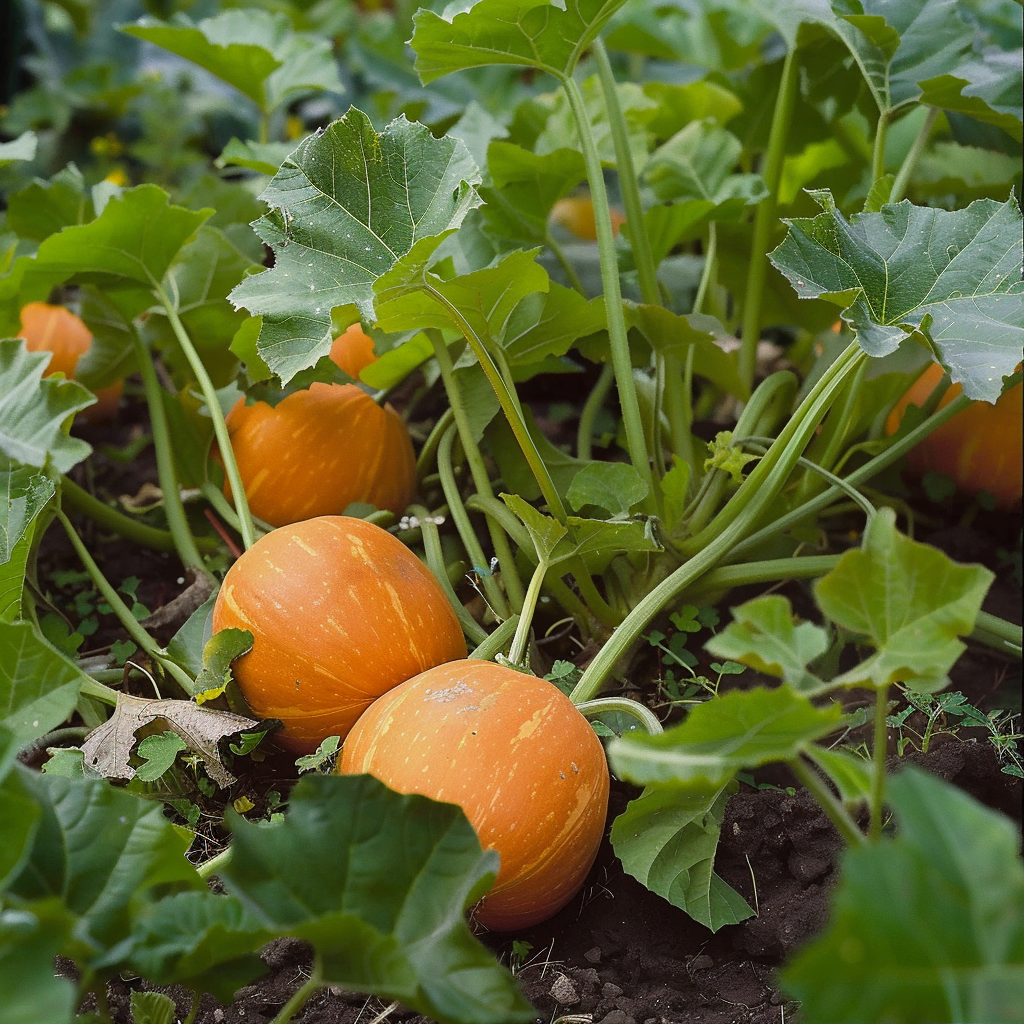
- Transplant after the frosts, spacing plants at least 1 metre apart. A vigorous trailing plant, it can also be trained on a sturdy structure to save space.
Care advice:
- Water abundantly at the base, without wetting the foliage. Apply a thick mulch.
- Limit each plant to 4 or 5 fruits in cool climates by pinching the stems after the last fruit.
Harvesting advice:
- Harvest before the frosts, when the stem is dry and corky. Leave 5 cm of stem: if cut flush, the fruit rots quickly.
- Important point: do not eat it immediately. Its flesh improves noticeably after one to two months of storage, during which the starch converts into sugars.
Beneficial companions:
Benefits for biodiversity:
- Its large yellow flowers provide abundant pollen and nectar for bees and bumblebees early in the morning.
- Its trailing foliage extensively covers the soil, suppresses weeds and protects it from summer drying out — a genuine service to the living soil.
Uses:
- In soup, roasted in wedges with the skin on, mashed, in a gratin or in a sweet tart. Its density also makes it an excellent base for gnocchi. The seeds can be roasted.
Harvesting your own seeds:
Take seeds from a fully ripe fruit, rinse them and dry them flat. Cucurbita maxima does not cross with zucchini (C. pepo) or butternut squash (C. moschata) — but it does cross with pumpkins. See how to store your seeds.
Commitment to Quality: at SemiSauvage - Permaculture, we grow and select our seeds with respect for all living things as our guiding principle. Based near the Auvergne Volcanoes, we choose open-pollinated, non-hybrid varieties, test them for germination rates, and carefully sort and package them without any chemical treatment. Our conviction: to give gardeners back the ability to resow, year after year, seeds that truly belong to them.
The chestnut-flavored squash you do not have to tire yourself peeling.