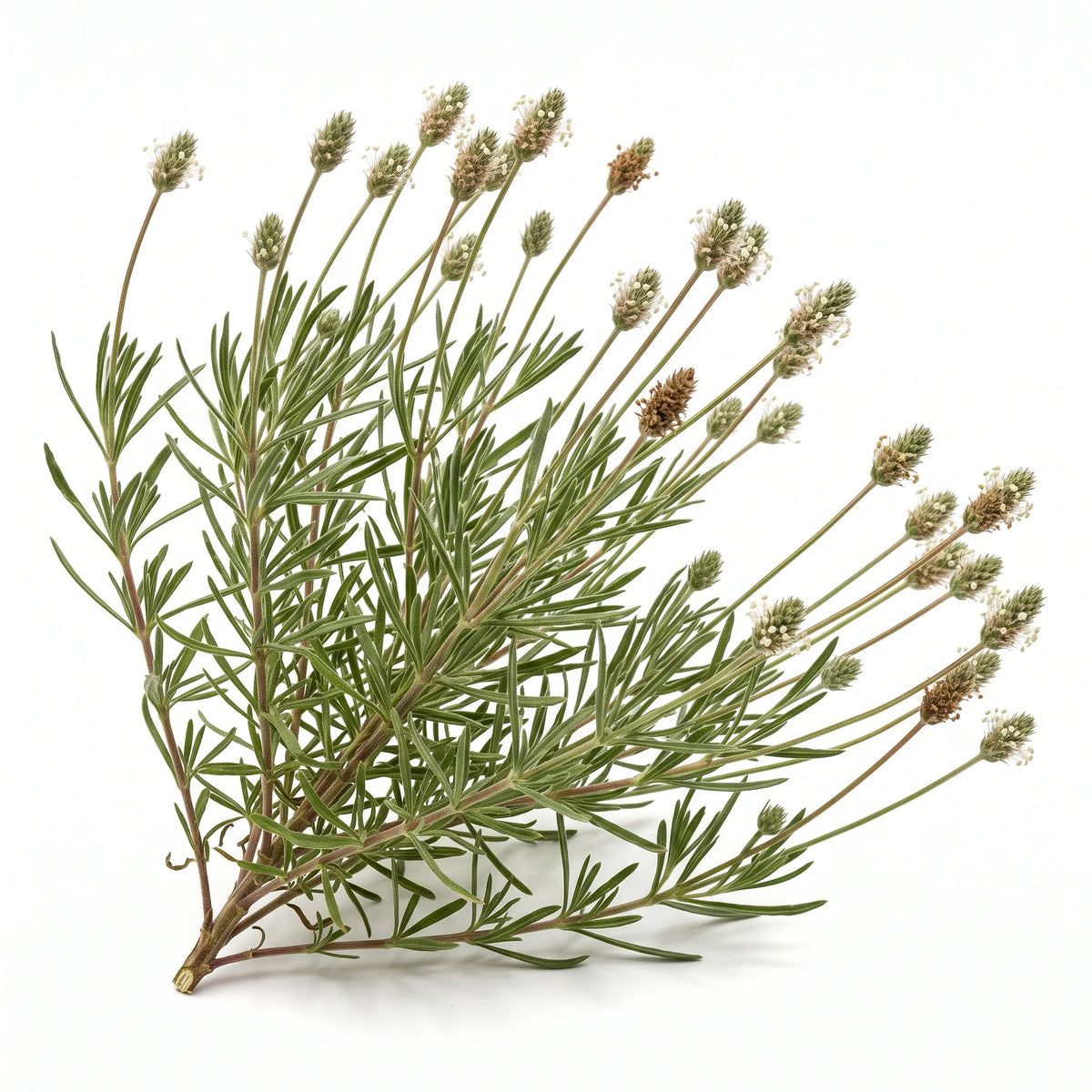
Plantago afra
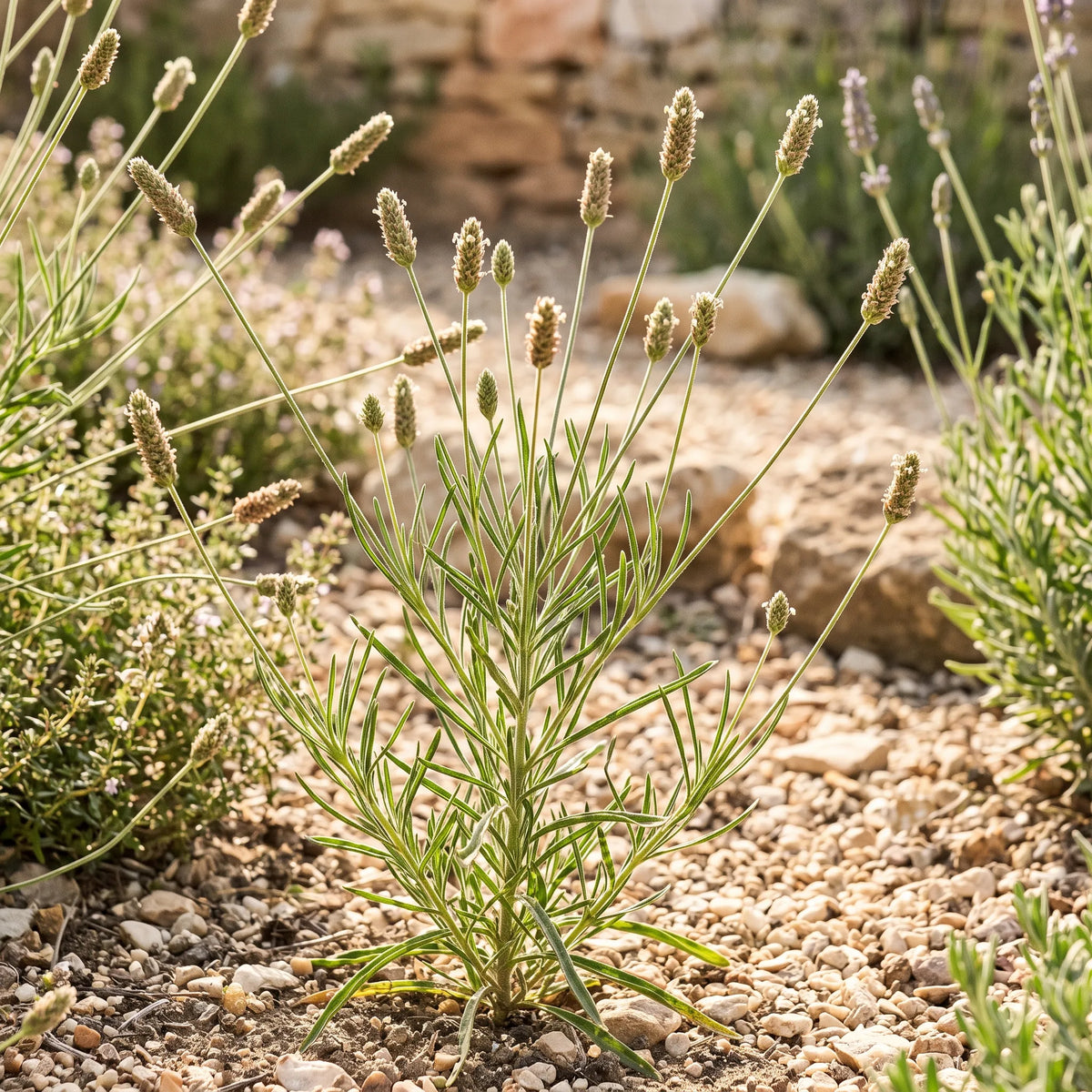
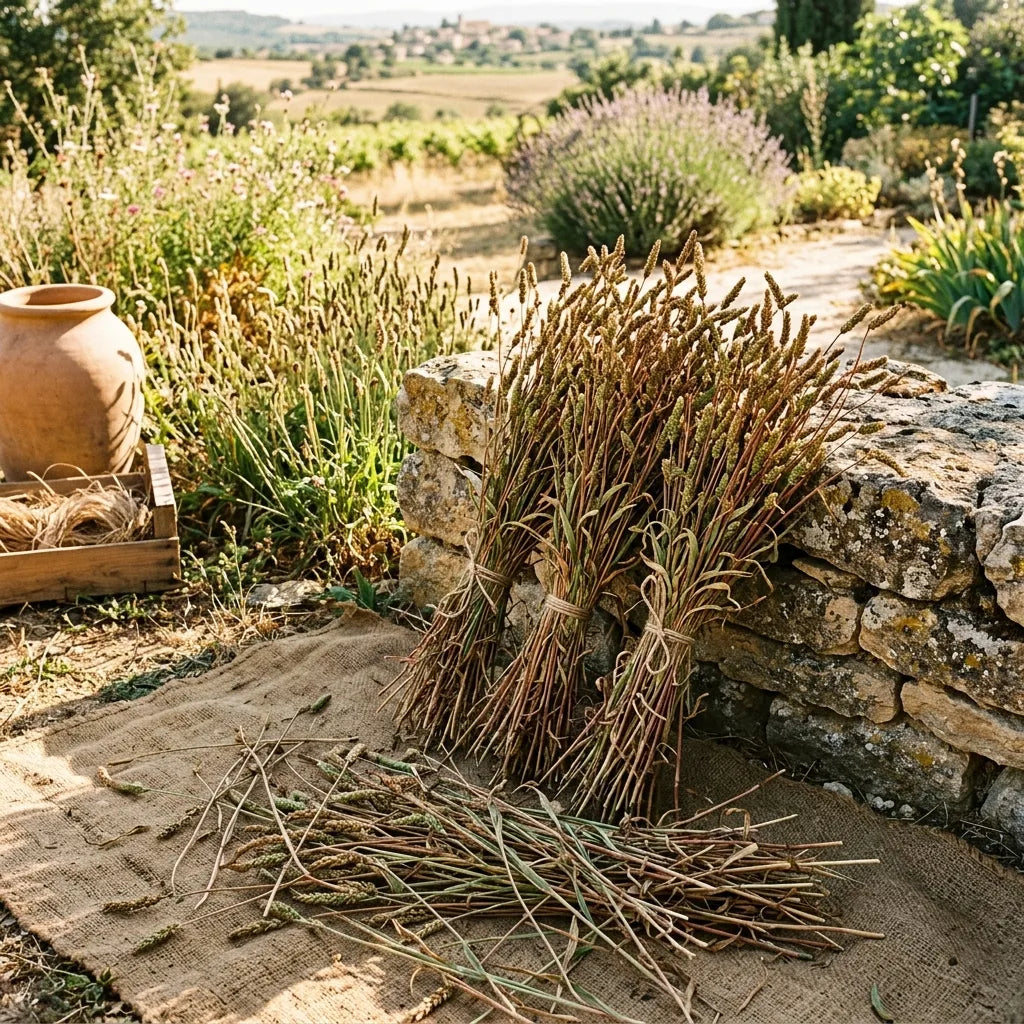
갈색 차전자피, 모래질 차전초, 벼룩풀, 프로방스 이스파굴: ‘벼룩풀’이라는 별명은 작고 윤기 나는 갈색 씨앗이 곤충과 놀라울 만큼 닮았기 때문에 붙었습니다. 프로방스에서 역사적으로 재배되어 프랑스 약전에 등재된 프랑스산 차전자피로, 인도산 근연종과는 반드시 구별해야 합니다.
특징:
-
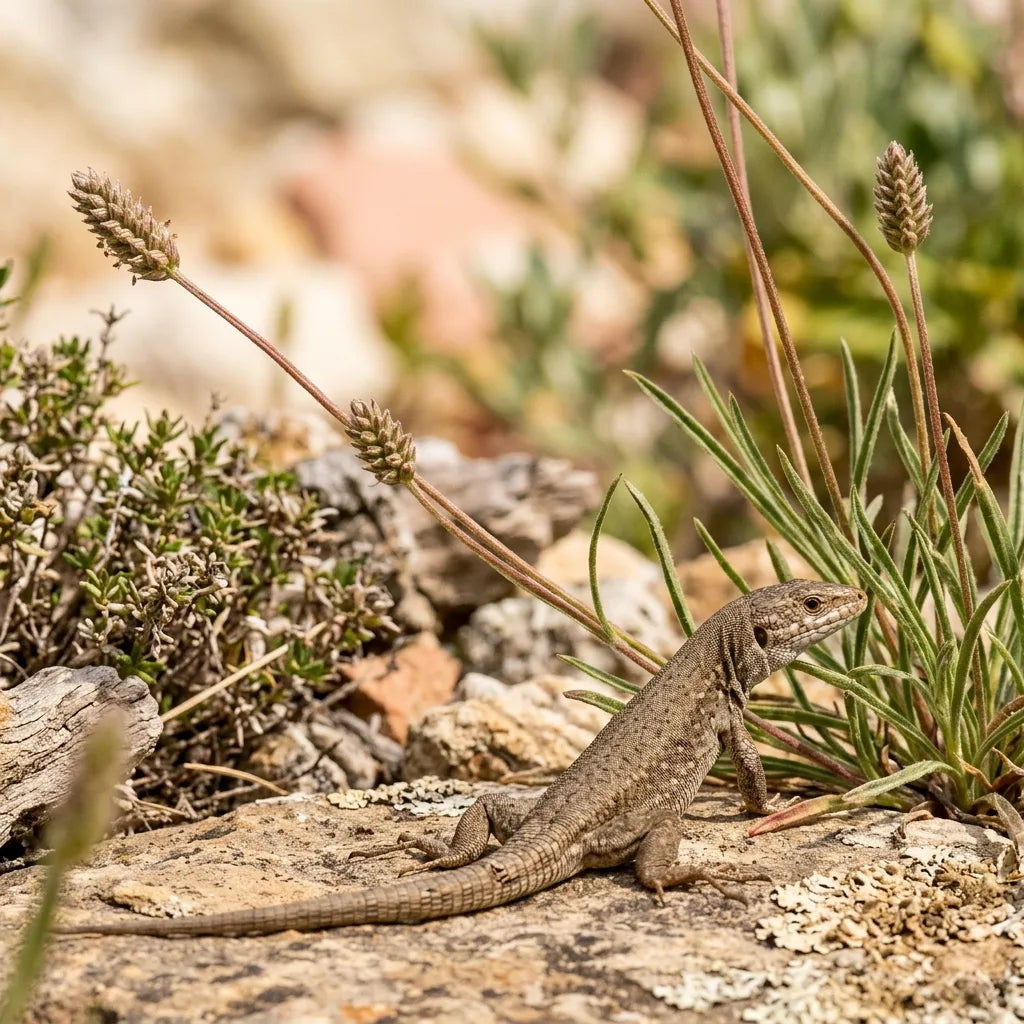
갈색 씨앗: 매우 작고 윤기 나며, 수확하는 식물의 부위입니다.
-
매우 검소함: 척박한 토양에서도 잘 자라고 가뭄에도 끄떡없이 견딥니다.
-
내한성: 대부분의 온대 지역에 적응합니다.
-
손이 거의 가지 않음: 건조하고 척박한 정원 한구석에 이상적인 간단한 재배법입니다.
알아두면 좋은 점:
- 인도차전자(Plantago ovata)와 혼동하지 마세요. 인도차전자는 블론드 차전자피라는 이름으로 판매되며, 두 식물은 서로 다른 종입니다. 갈색 차전자피는 역사적으로 프랑스에서 재배되어 온 차전자피입니다.
- 프랑스 약전에 등재된 전통 약용식물로, 사용 시 전문가의 관리가 필요합니다.
파종 방법:
-
일조: 충분한 햇빛.
-
토양: 양토질이며 가볍고 모래가 섞인 토양, 무엇보다 배수가 잘되는 토양이 좋습니다. 척박한 토양에서도 완벽하게 자라며, 오히려 그런 토양이 더 적합합니다. 비료는 필요하지 않습니다.
-
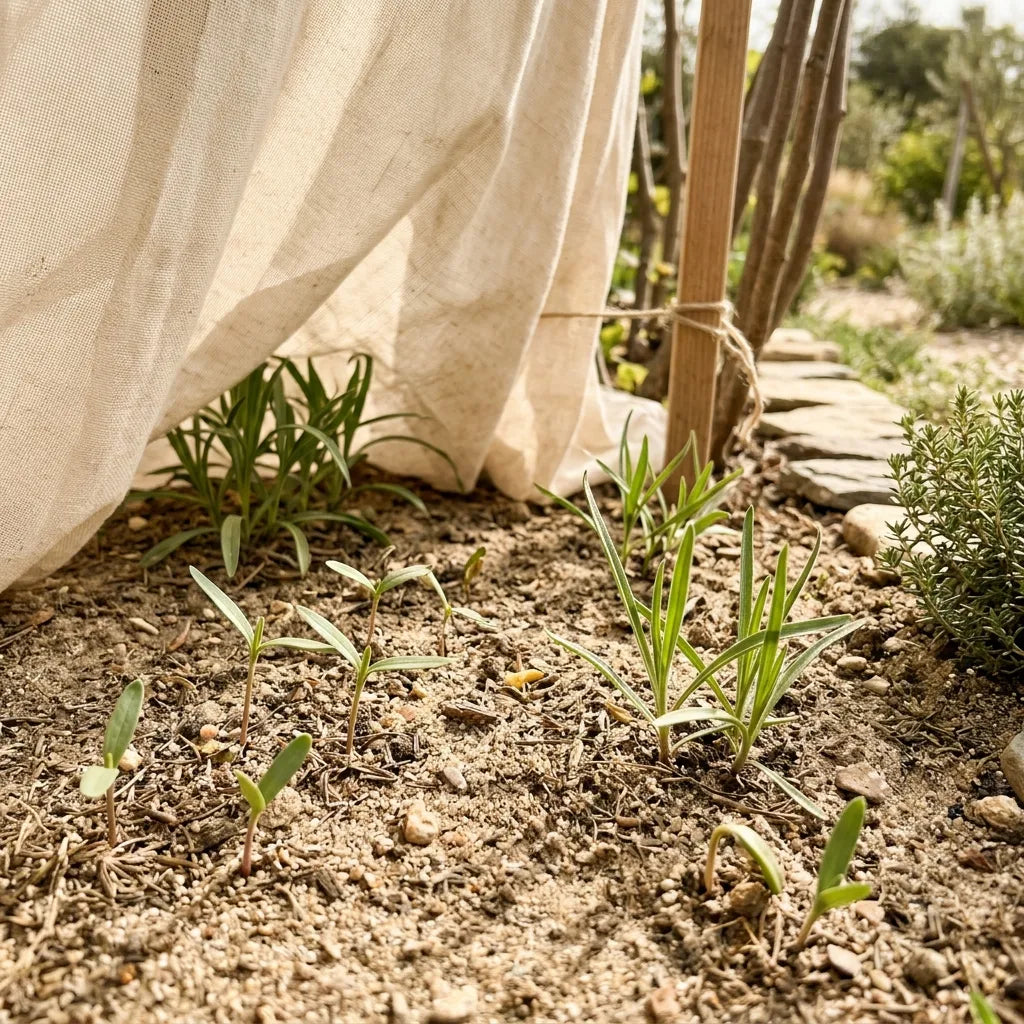
방법: 3월부터 5월까지 씨앗을 제자리에 바로 파종하세요. 씨앗이 매우 작으므로 흙 표면에 뿌리거나 아주 얕게 덮습니다. 가볍게 눌러 준 뒤 발아할 때까지 약간 촉촉하게 유지하세요. 씨앗 파종 방법 보기.
관리 방법:
- 거의 필요하지 않습니다. 물은 아주 적당히 주세요. 물이 과하면 가뭄보다 훨씬 큰 피해를 줍니다.
-
주의할 점: 씨앗이 익는 시기의 여름비는 수확을 망칠 수 있습니다. 씨앗이 물에 닿으면 젤처럼 굳기 때문입니다. 햇빛이 잘 드는 곳을 선택하고 수확 시기가 다가오면 날씨를 살펴보세요.
수확 방법:
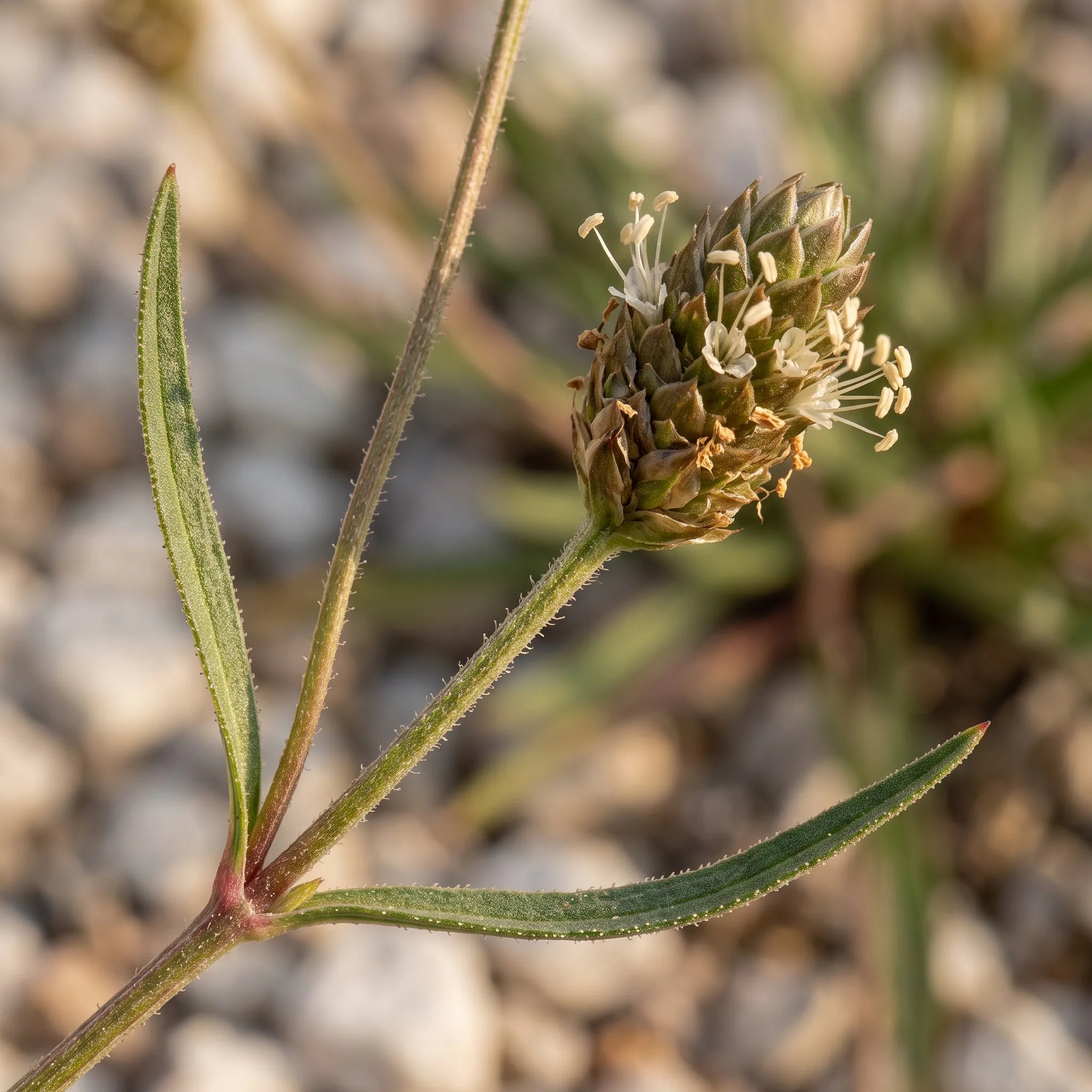
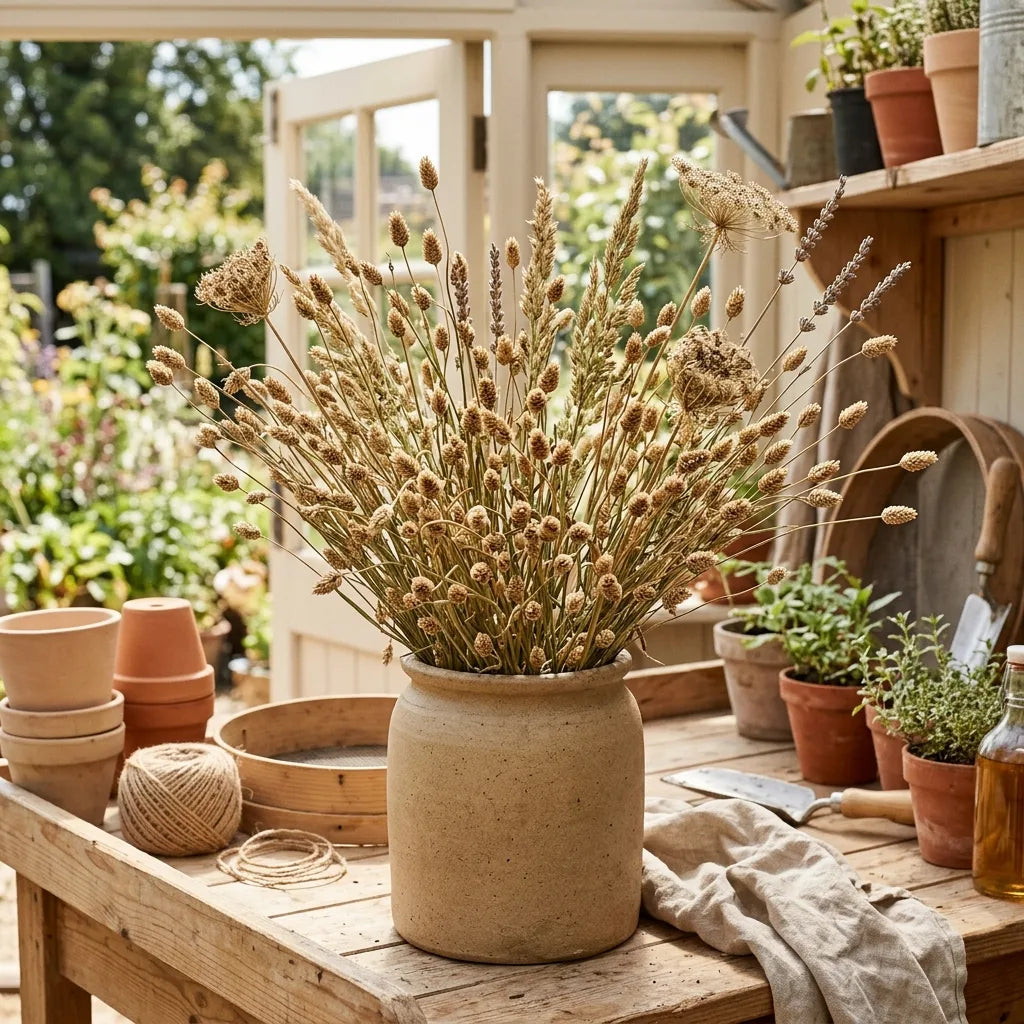
- 이삭이 갈색으로 변하고 씨앗이 떨어지기 전, 건조한 날에 수확하세요. 그런 다음 비를 맞지 않는 곳에서 완전히 말린 뒤 용기 위에서 비벼 씨앗을 털어냅니다.
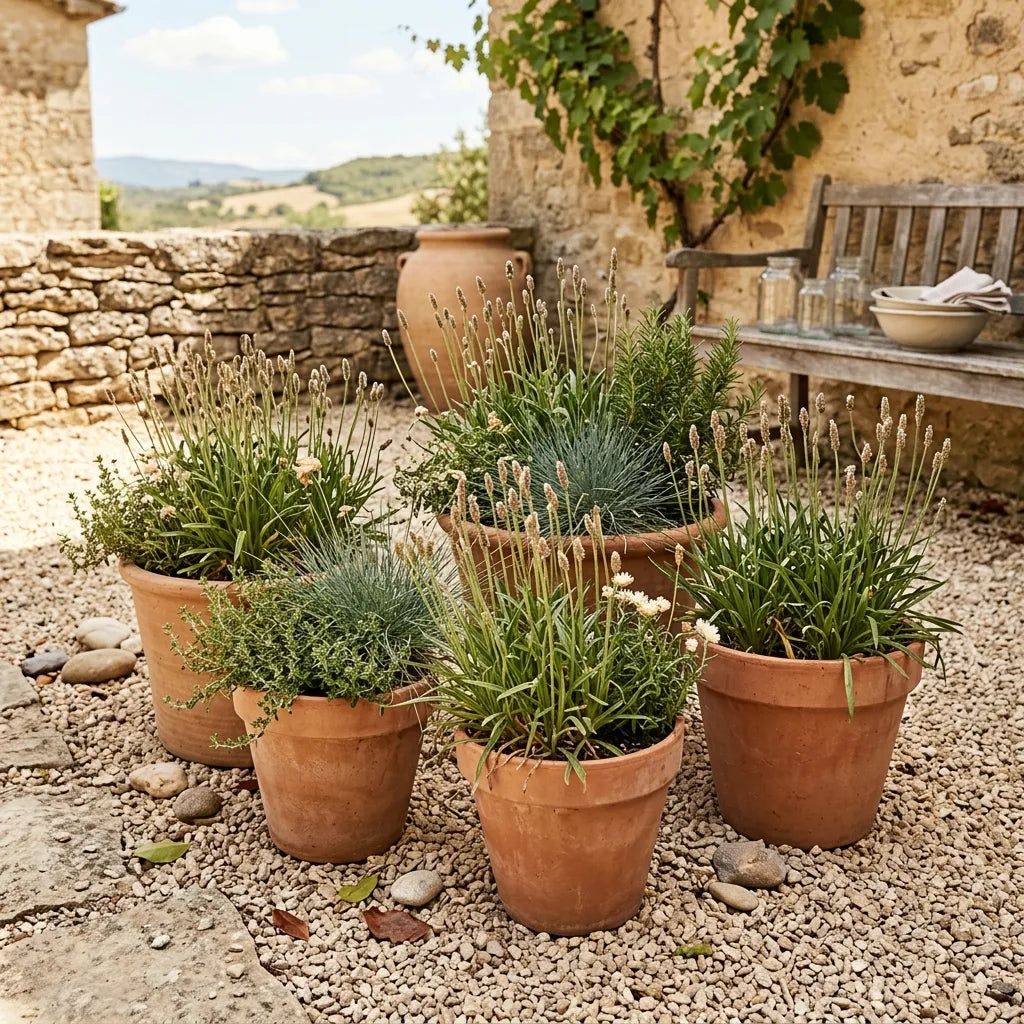
함께 심기 좋은 식물:
생물다양성에 주는 이점:
- 눈에 잘 띄지 않는 이삭은 작은 수분매개자들이 좋아하는 꽃가루를 만들고, 씨앗은 계절이 끝날 무렵 곡식을 먹는 새들의 먹이가 됩니다.
- 가뭄에 강해 물을 절약하는 정원에 적합합니다.
- 이 프로방스 토종 종을 재배하는 것은 프랑스에서 희귀해진 전통 재배 식물을 보존하는 데 도움이 됩니다.
활용:
- 수 세기 동안 프로방스에서 재배되어 온 프랑스 약전 등재 전통 약용식물입니다. 파종할 수 있는 약용식물 보기.
- 식물학적 호기심을 불러일으키며, 전통적인 농업 문화를 보여주는 식물로도 흥미롭습니다.
직접 씨앗을 수확하기:
수확 자체가 씨앗을 얻는 과정입니다. 다음 파종을 위해 씨앗의 일부를 남겨 두세요. 건조한 날에 몇몇 이삭이 줄기에서 완전히 익도록 둔 다음, 비를 맞지 않는 곳에서 말리세요. 씨앗 보관 방법 보기.
품질을 위한 약속: SemiSauvage - Permaculture에서는 생명에 대한 존중을 중심에 두고 씨앗을 재배하고 선별합니다. 오베르뉴 화산 지대 인근에 자리 잡은 저희는 다시 번식시킬 수 있고 교잡되지 않은 품종을 선택합니다. 씨앗은 발아율을 검사하고 정성껏 선별·포장하며, 어떠한 화학 처리도 하지 않습니다. 저희의 신념은 정원사들이 해마다 진정으로 자신의 씨앗을 다시 심을 수 있는 능력을 되찾도록 하는 것입니다.
진정한 프랑스산 차전자피, 프로방스의 전통 재배 작물입니다.