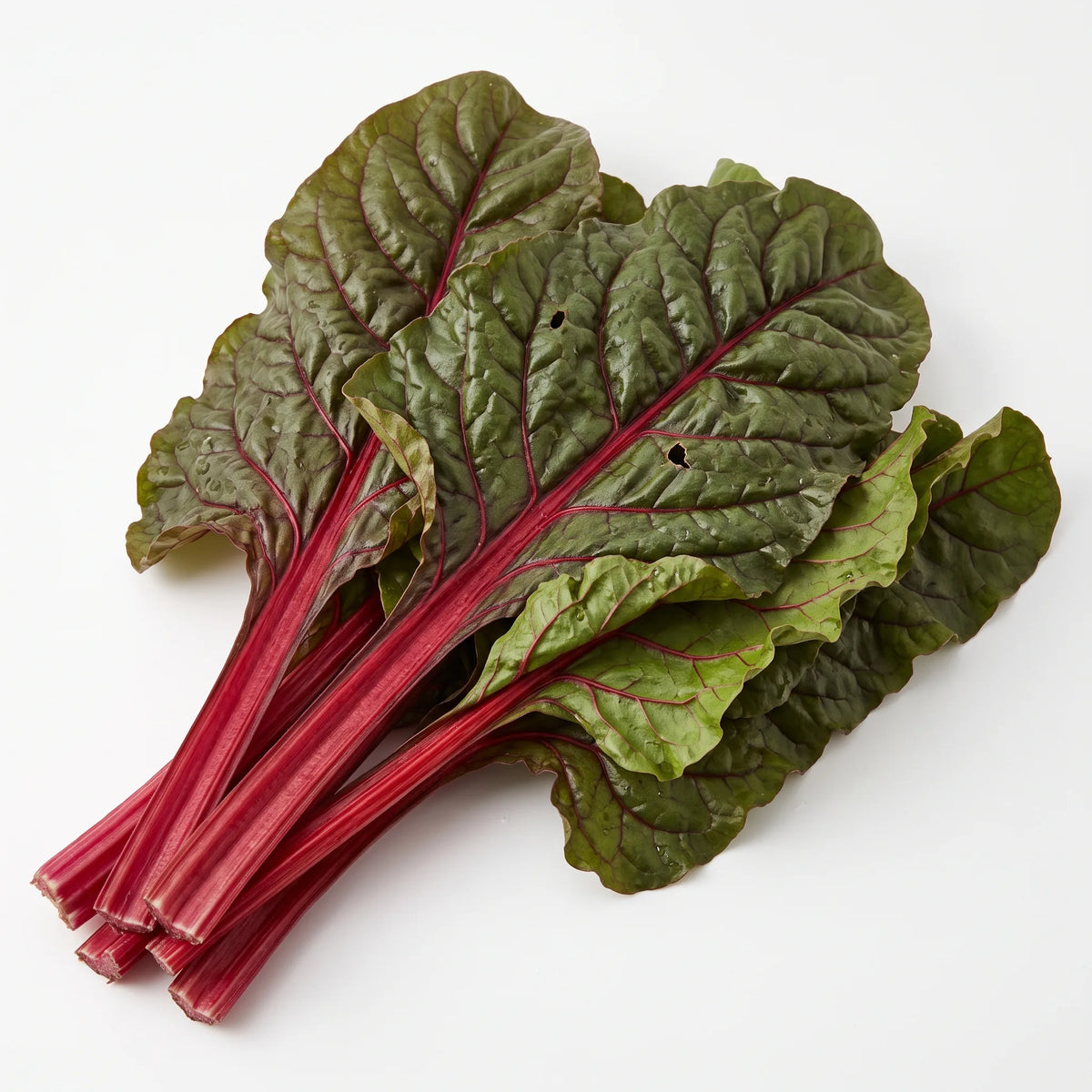
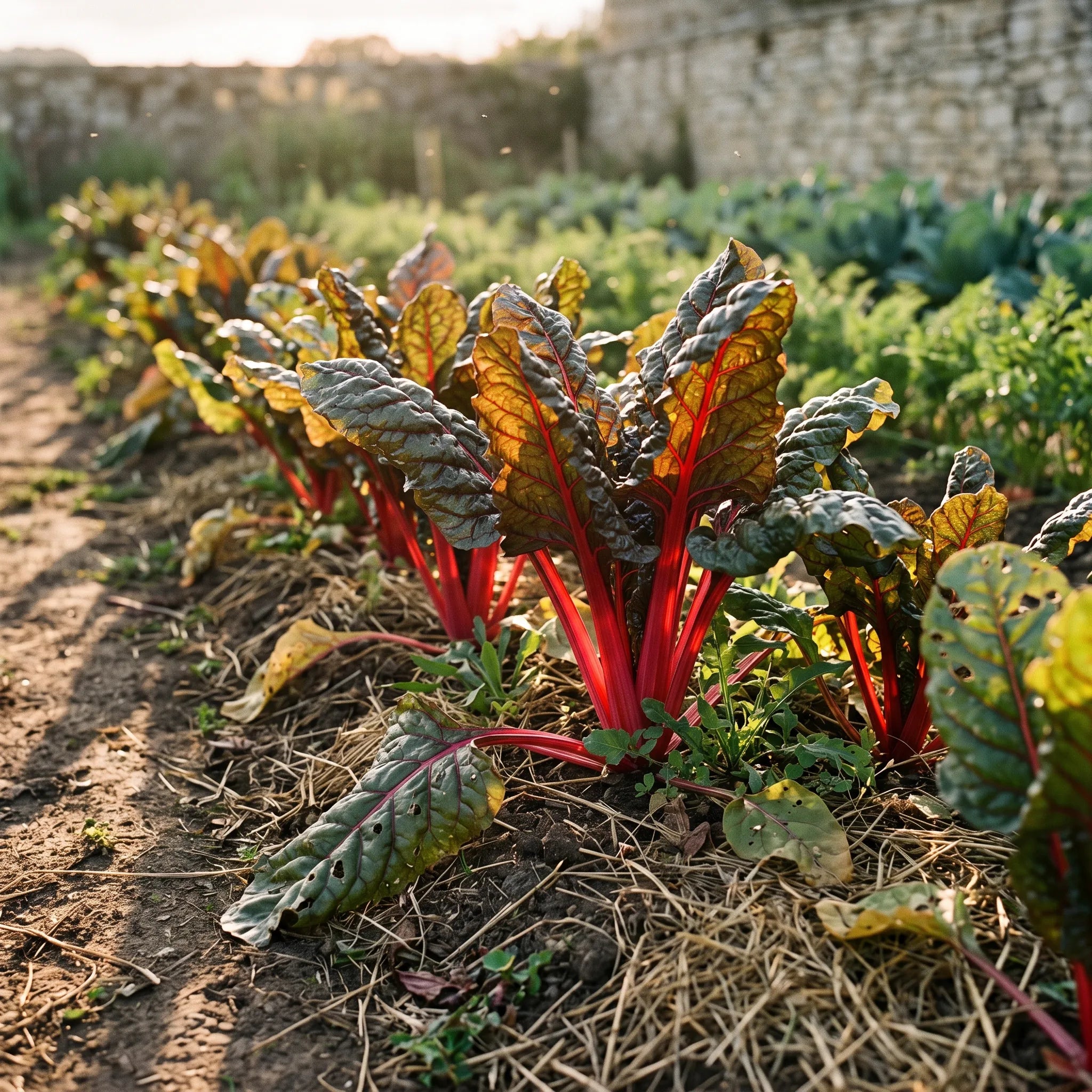
Beta vulgaris var. cicla « 루바브 레드 »
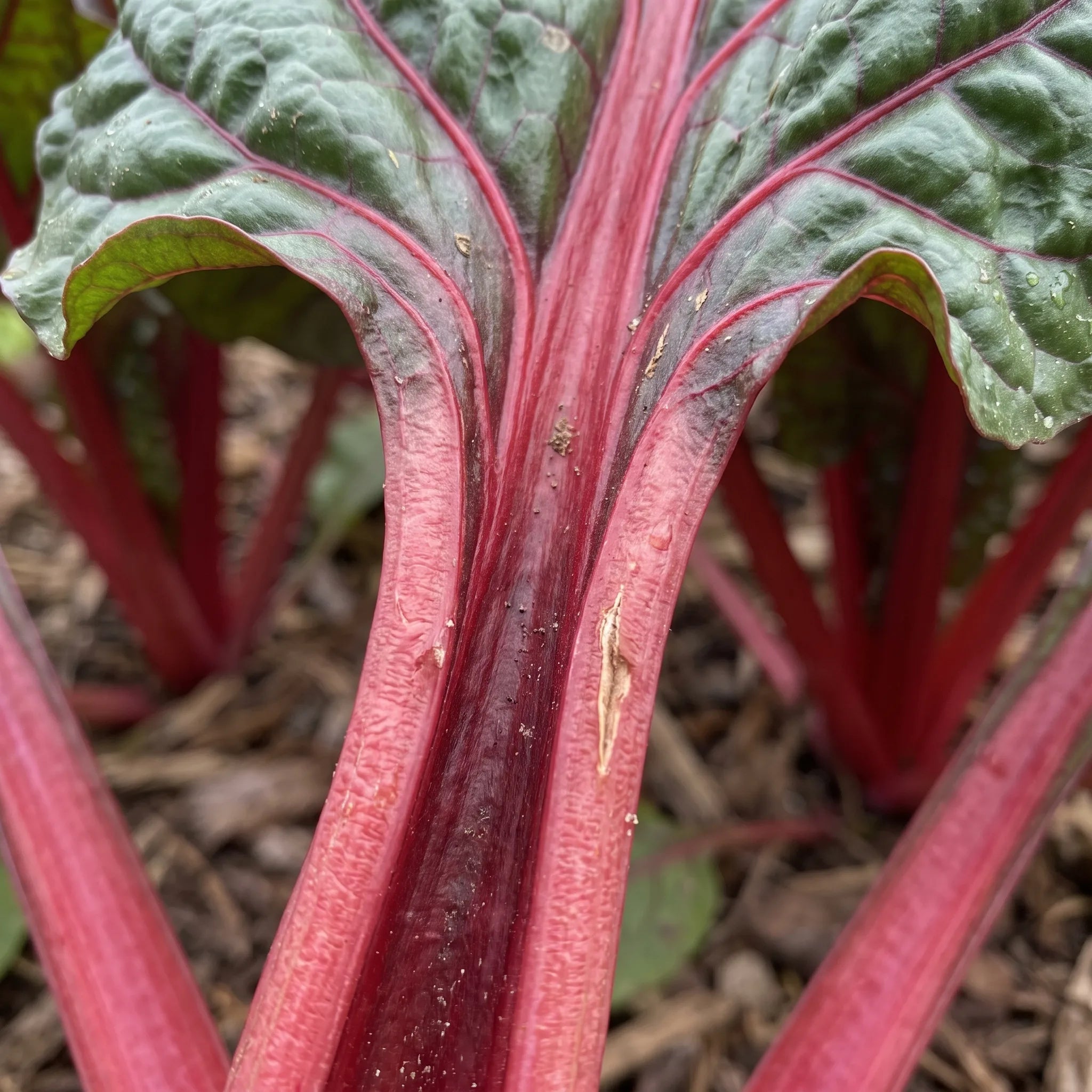
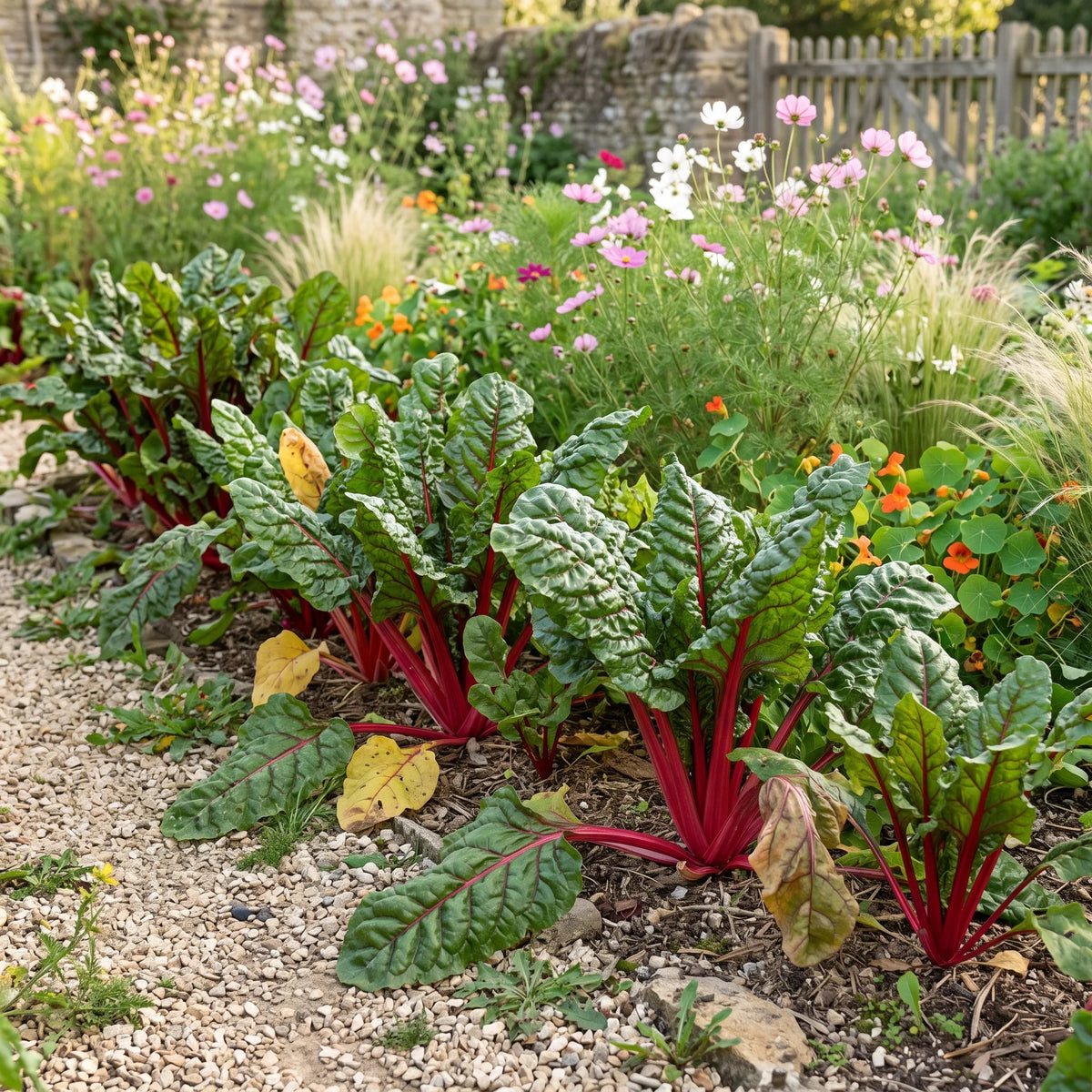
루바브 레드 근대, 붉은 근대, 붉은 줄기 근대, 주트라고도 불립니다. 선명한 카민 레드색 줄기 때문에 이런 이름이 붙었으며, 식물학적으로는 아무런 관련이 없지만 루바브의 잎자루를 떠올리게 합니다. 비트와 같은 종이지만 뿌리보다 잎과 줄기를 수확하도록 선발된 품종입니다.
특징:
-
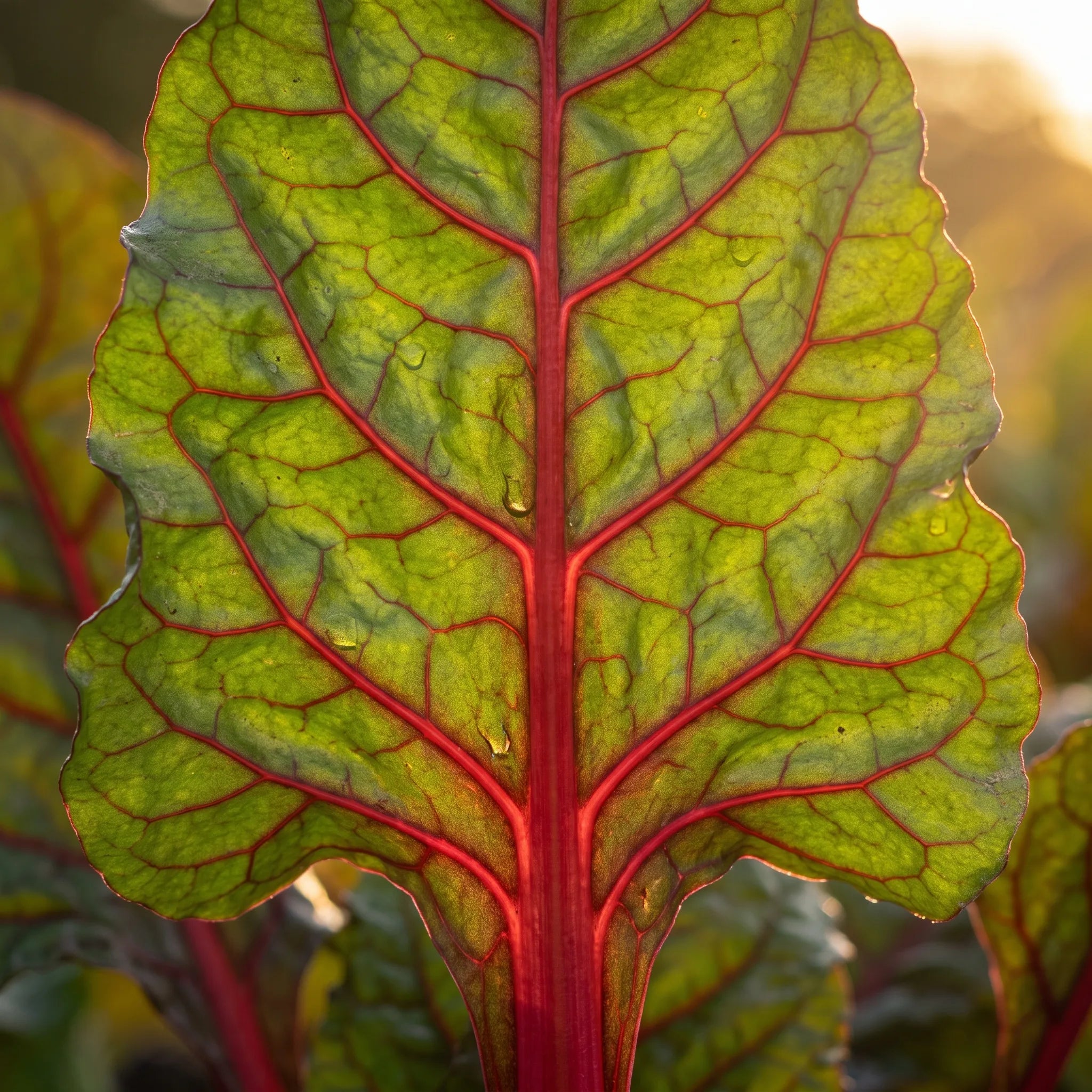
카민 레드색 줄기: 역광을 받으면 밝게 빛나며, 텃밭이나 화단에서 매우 인상적입니다.
-
두 가지 채소: 통통한 줄기는 아스파라거스처럼, 초록색 잎은 시금치처럼 조리할 수 있습니다.
-
매우 긴 수확 기간: 봄부터 서리가 내릴 때까지 잎을 한 장씩 수확할 수 있습니다.
-
어디서나 재배 가능: 노지, 꽃이 핀 화단, 심지어 화분에서도 기를 수 있습니다.
파종 요령:
-
일조: 햇빛이 잘 드는 곳.
-
토양: 깊고 촉촉하며 유기물이 풍부하고 배수가 잘되는 토양. 퇴비를 넉넉히 넣으면 줄기가 더 굵고 부드러워집니다.
-
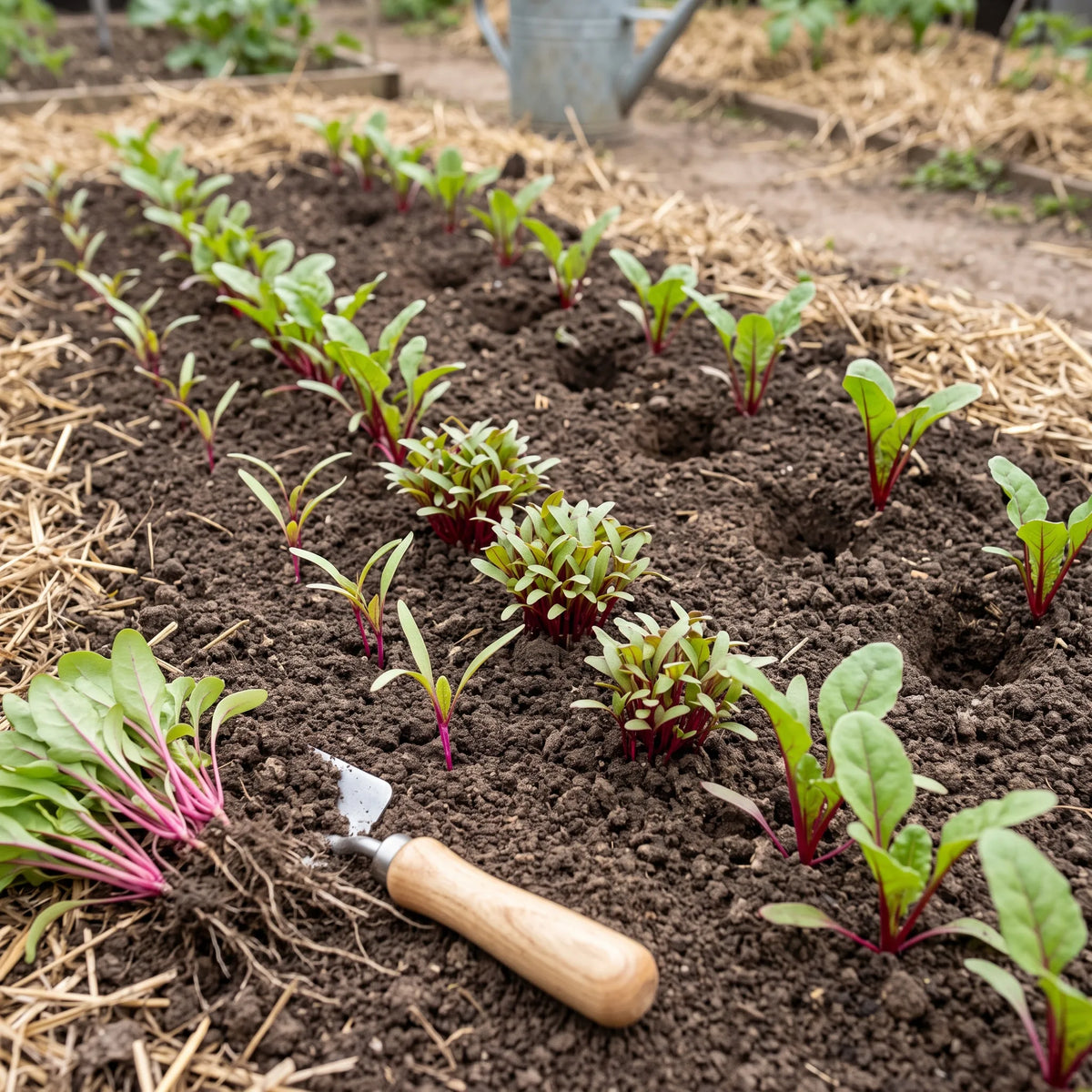
방법: 봄부터 여름까지 밭에 직접, 2cm 깊이로 줄 간격 40cm를 두고 파종합니다. 비트와 마찬가지로 각각의 ‘씨앗’은 여러 종자를 포함한 사구체이므로 솎아주기가 필수입니다. 씨앗을 파종하는 방법을 참고하세요.
관리 요령:
- 잎이 4장 나왔을 때 30cm 간격으로 솎아주세요. 특히 더운 시기에는 토양이 촉촉하게 유지되도록 규칙적으로 물을 주세요. 이렇게 해야 너무 일찍 꽃대가 올라 씨앗을 맺는 것을 막을 수 있습니다.
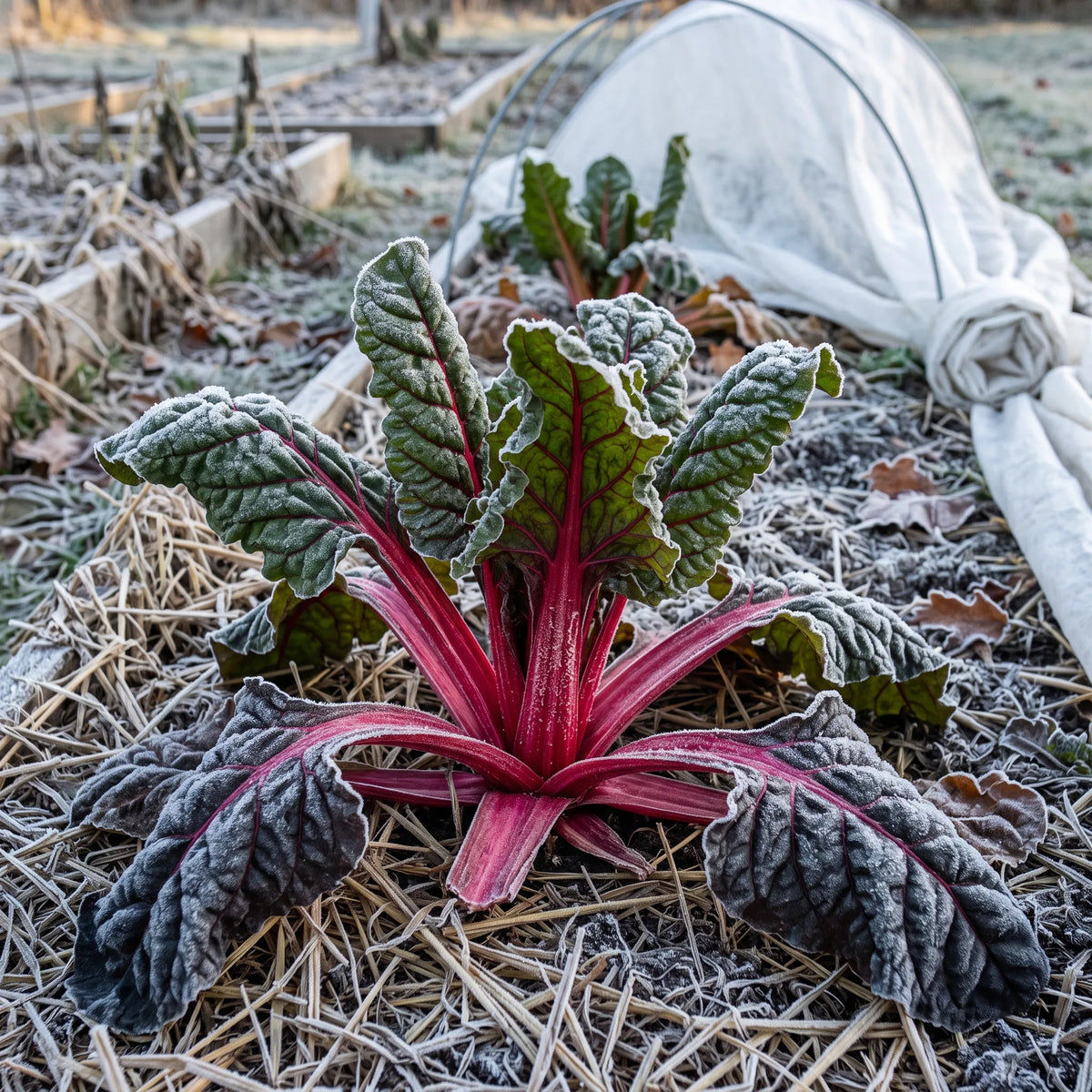
- 포기 밑을 멀칭하세요. 온화한 지역에서는 간단한 월동용 부직포만으로도 겨울 내내 수확할 수 있습니다.
수확 요령:
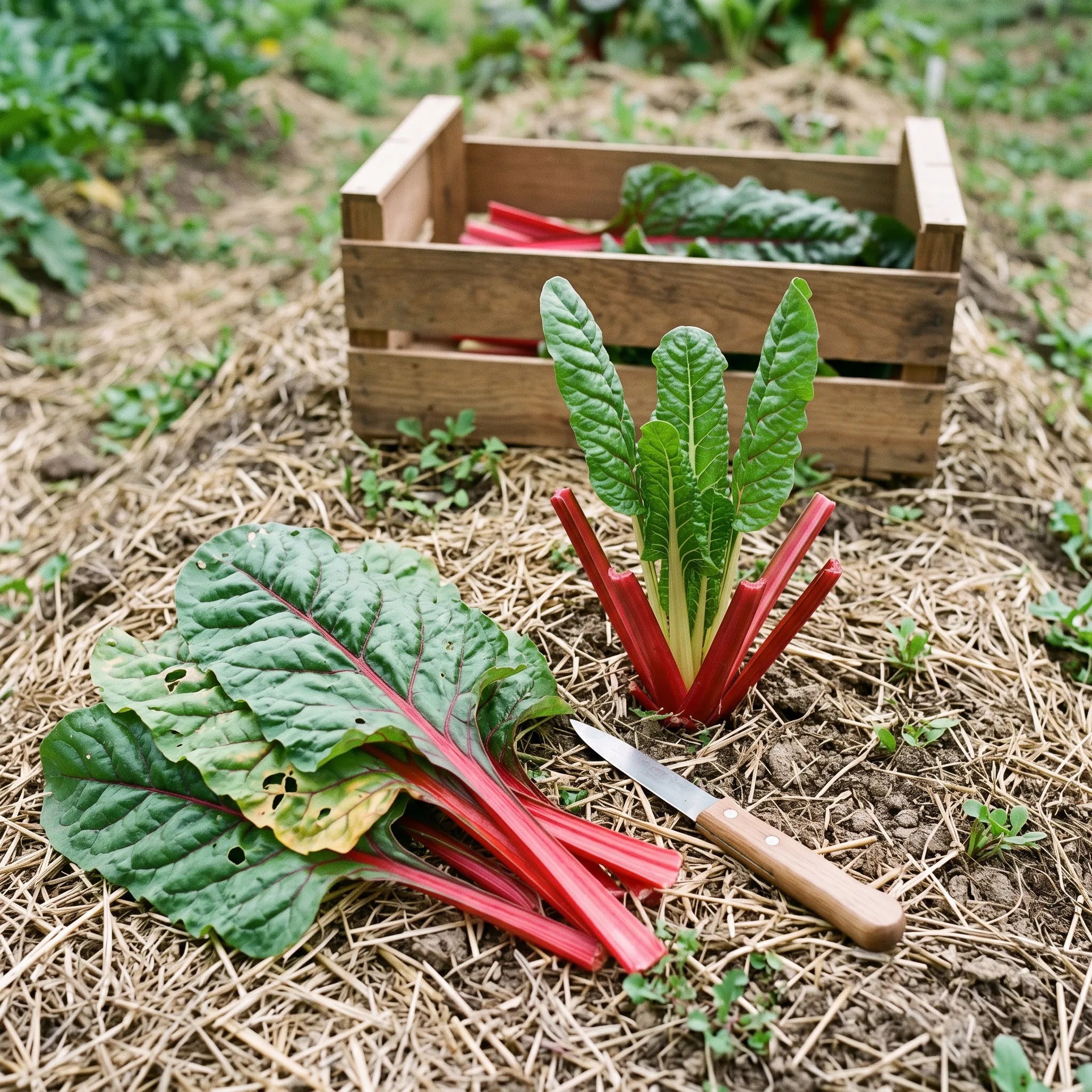
- 항상 중심부를 그대로 둔 채 바깥쪽 잎을 한 장씩 따세요. 그러면 식물이 다시 자라 몇 달 동안 계속 생산합니다. 포기 전체를 한꺼번에 자르지 마세요.
- 잎이 지나치게 커질 때까지 기다리기보다 더 부드러운 어린잎을 수확하세요.
함께 심으면 좋은 작물:
생물다양성에 유익한 점:
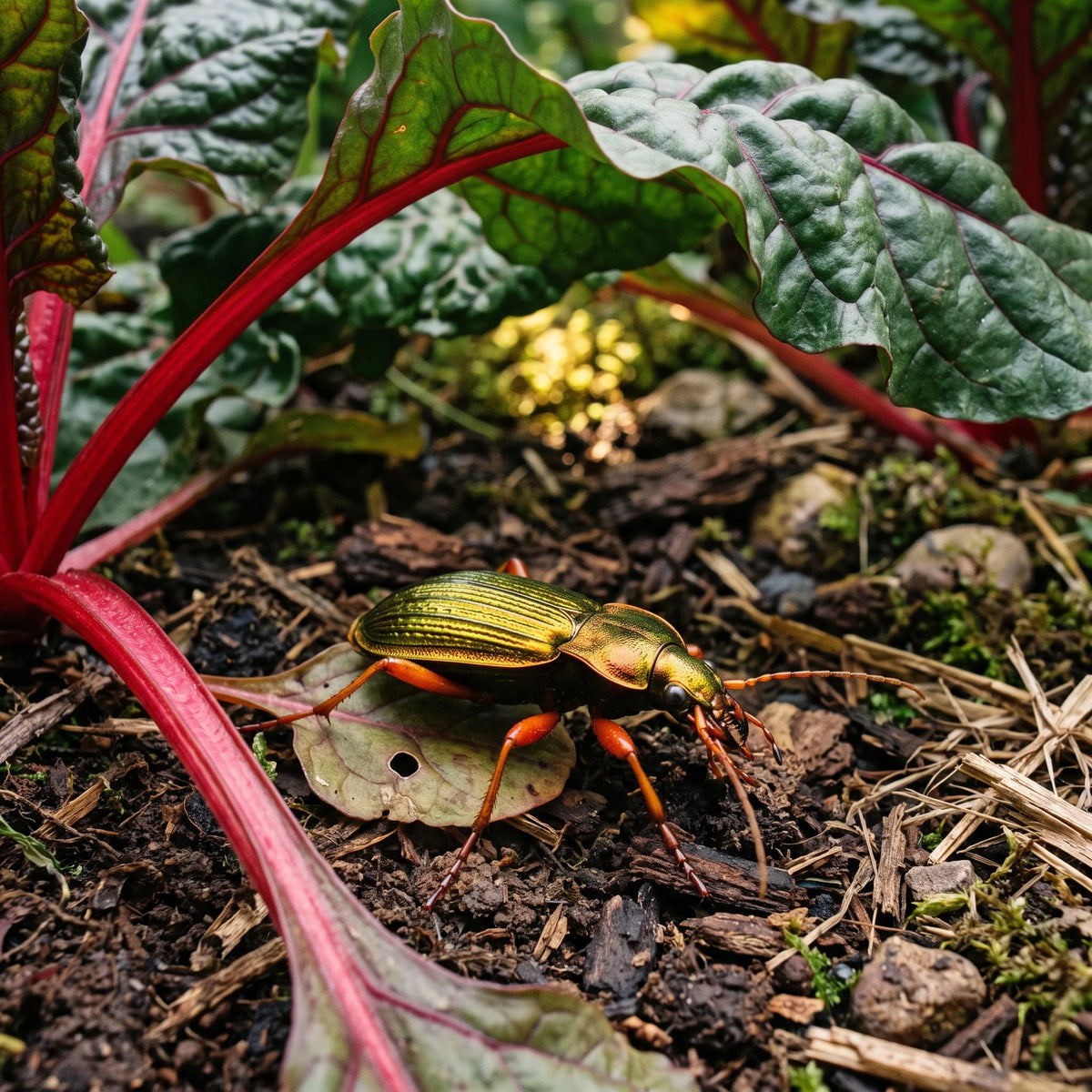
- 넓고 오래 유지되는 잎이 일 년 중 상당 기간 토양을 덮어 건조를 막고, 딱정벌레와 유익한 곤충이 머물 공간을 제공합니다.
- 오랫동안 자리를 지키며 늦은 계절에도 식물 덮개를 유지해 줍니다. 대부분의 이랑이 비어 있을 때에도 말입니다.
활용:
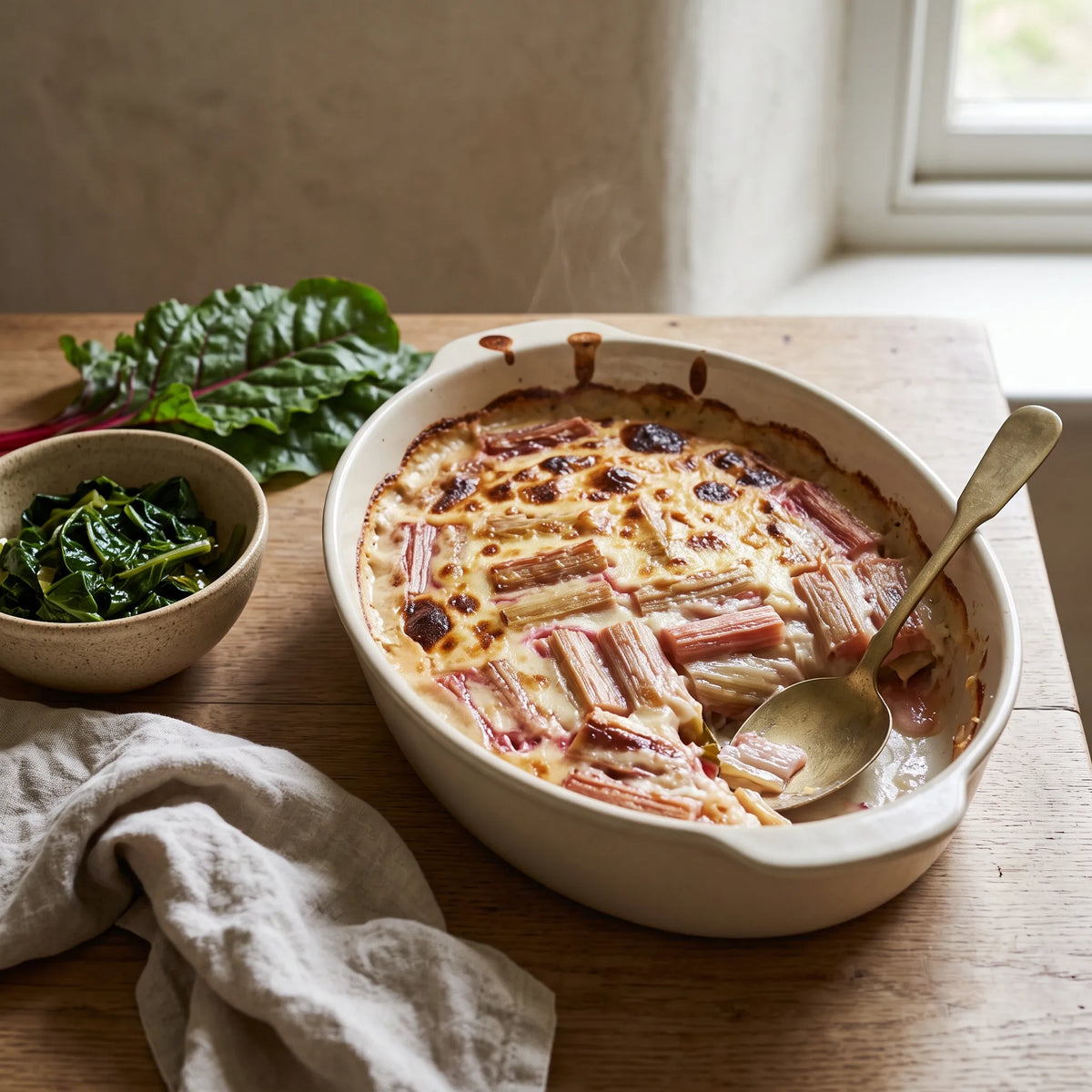
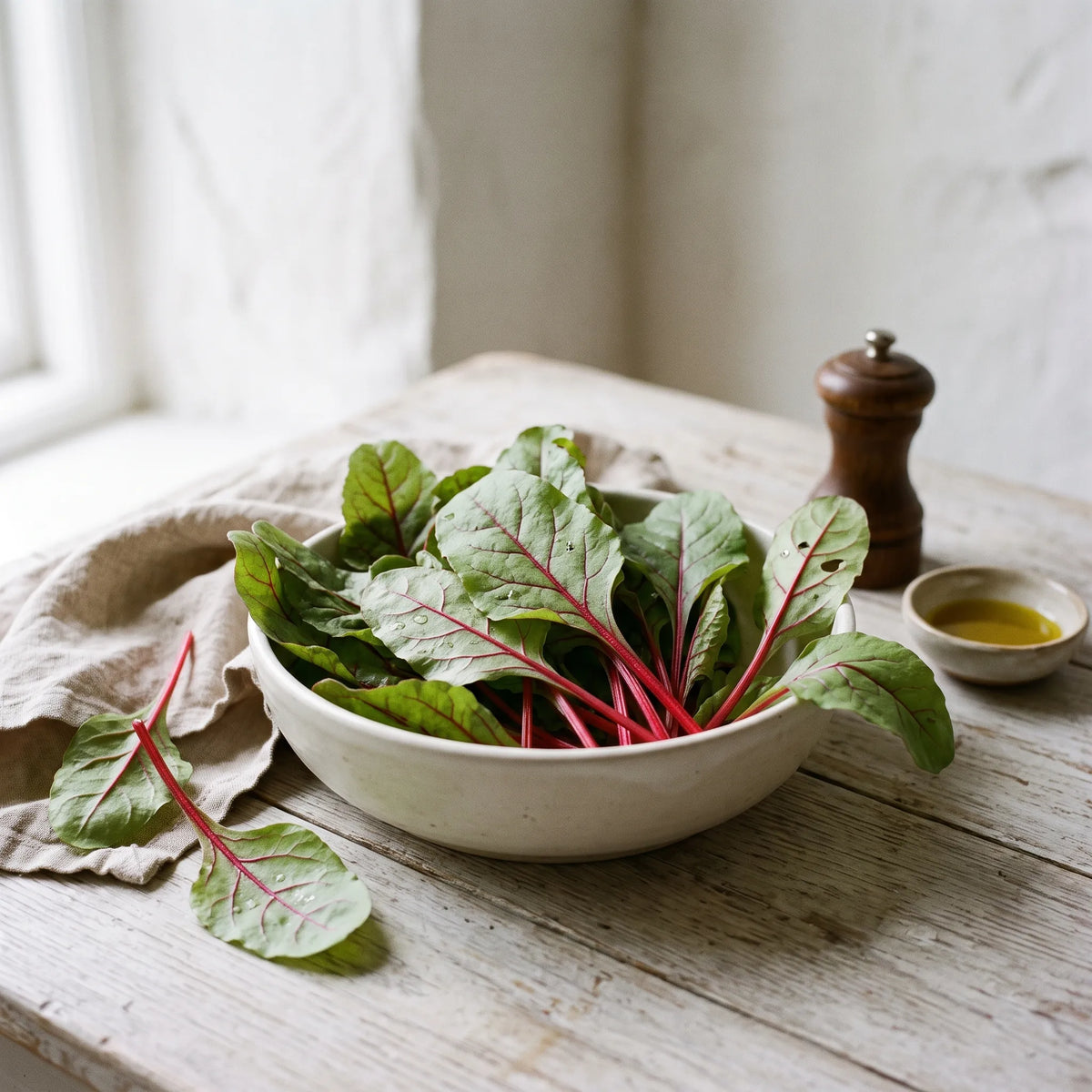
- 줄기와 잎을 나누어 사용하세요. 줄기는 베샤멜소스 요리, 볶음 또는 그라탱으로, 잎은 마늘과 함께 볶거나 파이 속재료로 활용할 수 있습니다. 어린잎은 생으로 샐러드에 넣어 먹을 수 있으며, 붉은 잎맥이 매우 아름답게 보입니다. 전통 채소와 다년생 식용식물을 참고하세요.
직접 씨앗 받기:
월년생 식물이지만 꽃대가 빠르게 올라오기 때문에 보통 한해살이로 재배합니다. 한 포기를 겨울 동안 땅에 남겨두면 이듬해 6월부터 9월까지 꽃대가 자랍니다. 마른 꽃대를 수확하세요. 비트와 교잡할 수 있으므로 씨앗을 받을 포기는 격리해야 합니다. 씨앗 보관 방법을 참고하세요.
품질을 향한 약속: SemiSauvage - 퍼머컬처에서는 생명을 존중하는 마음을 바탕으로 씨앗을 재배하고 선발합니다. 오베르뉴 화산 지역 인근에 자리 잡은 저희는 번식이 가능하고 비 hybrid인 품종을 선택하며, 발아율을 시험하고 꼼꼼하게 선별·포장합니다. 화학 처리는 전혀 하지 않습니다. 저희의 신념은 정원사가 해마다 자신에게 진정으로 속한 씨앗을 다시 뿌릴 수 있는 능력을 되찾도록 하는 것입니다.
한 가지로 두 가지 채소를 얻고, 붉은 줄기로 텃밭을 환하게 밝혀보세요.