Rumex acetosa
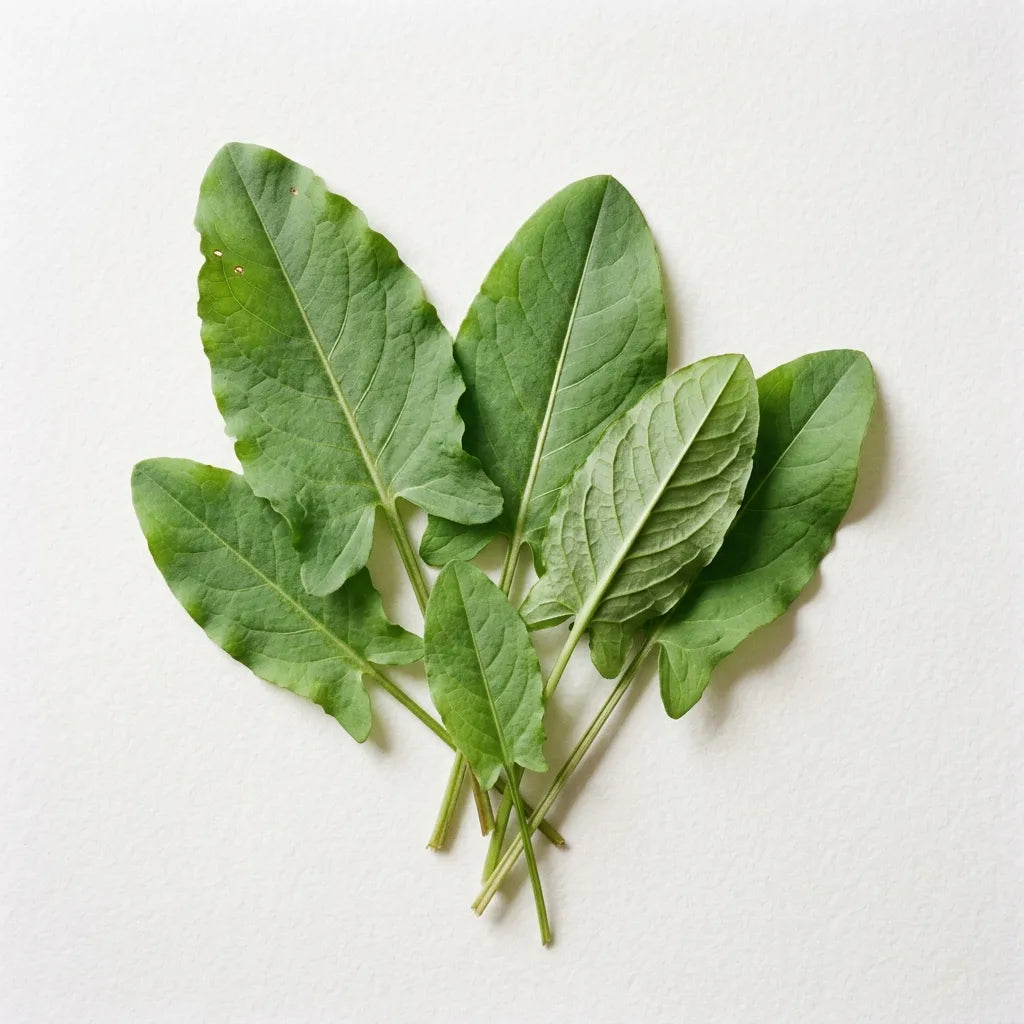
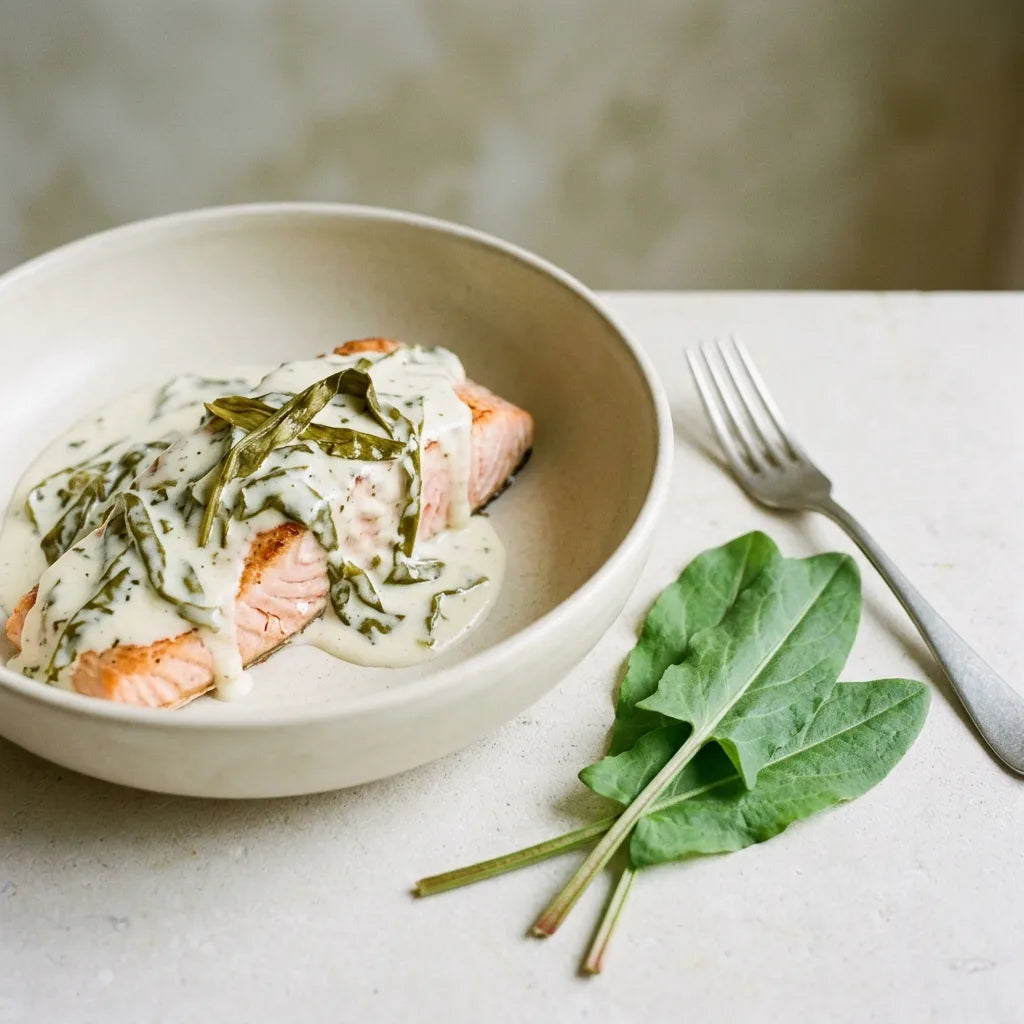
참소리쟁이, 큰 소리쟁이, 수렐, 비네트: 참소리쟁이의 또렷한 신맛은 대황과 같은 성분인 옥살산에서 나옵니다. 일부러 신맛을 찾는 몇 안 되는 텃밭 채소 중 하나로, 전어와 연어 소스를 만들고 평범한 감자 수프도 색다르게 바꿔 줍니다.
특징:
-
뚜렷한 새콤한 맛: 텃밭에서 독보적인 풍미로 생선, 달걀, 수프와 채소의 맛을 살려 줍니다.
-
강건한 다년생 식물: 한 번 자리 잡으면 별다른 관리 없이도 여러 해 동안 계속 수확할 수 있습니다.
-
매우 이른 수확: 봄에 가장 먼저 수확하는 잎채소 중 하나입니다.
-
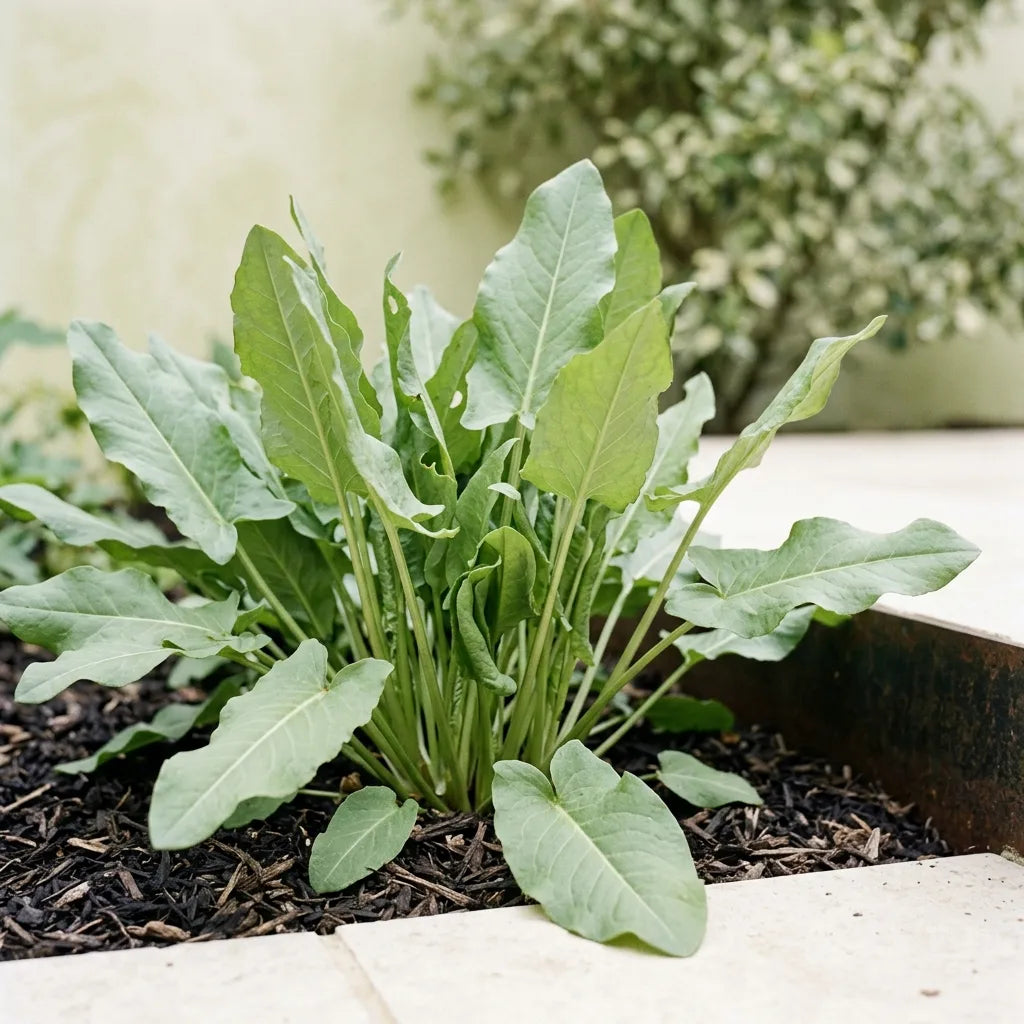
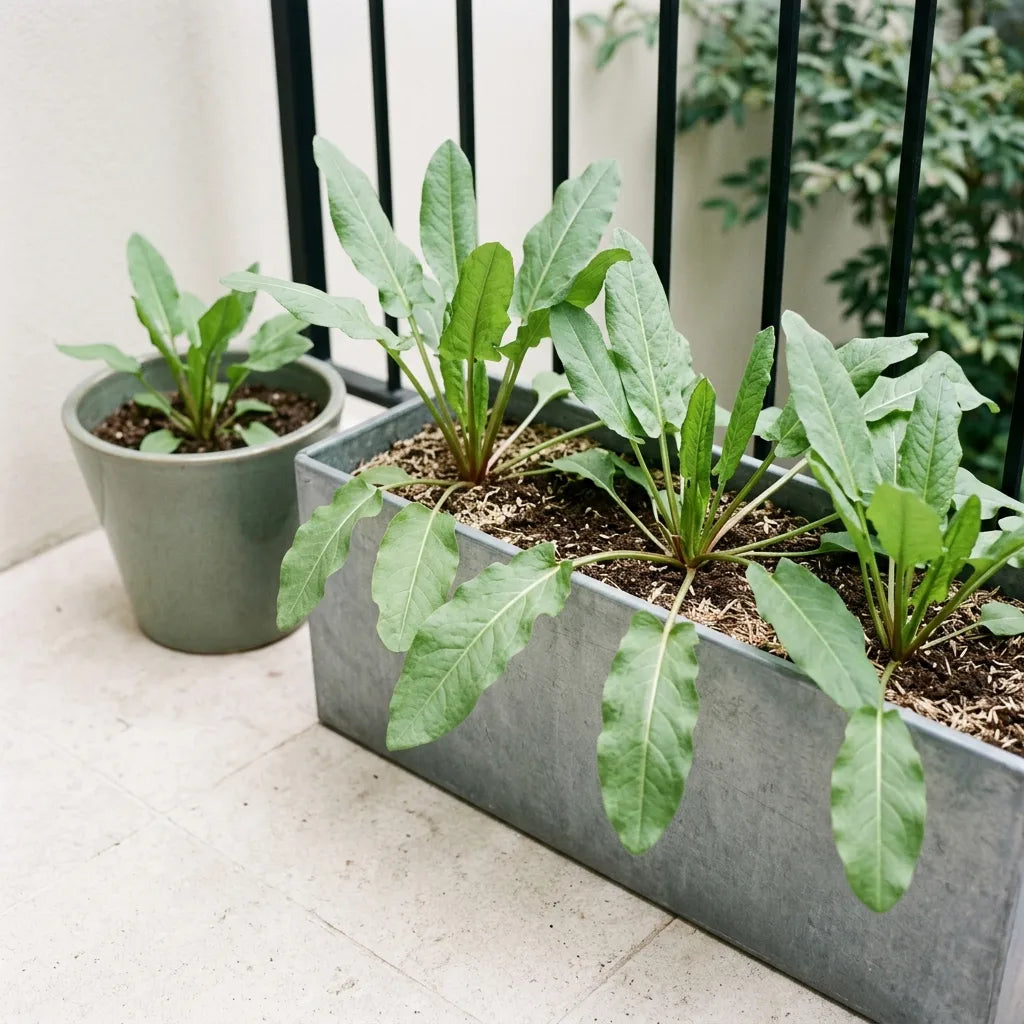
어디서나 재배 가능: 화분, 플랜터, 화분 상자, 창가, 화단, 암석 정원 또는 텃밭에서 키울 수 있습니다.
주의사항:
- 대황과 시금치처럼 잎에 옥살산염이 풍부합니다. 매일 많은 양을 먹기보다는 가끔 적당히 섭취하고, 옥살산염 함량이 더 낮은 어린잎을 드세요. 조리하거나 유제품 — 크림, 버터 — 과 함께 먹으면 그 영향을 줄일 수 있습니다. 전통 요리에서는 화학이 이를 밝혀내기 훨씬 전부터 이런 방법을 알고 있었습니다.
- 신맛 때문에 무쇠나 알루미늄 용기가 부식되고 금속 맛이 날 수 있으므로 사용하지 마세요.
파종 요령:
-
햇빛: 반그늘 또는 약한 햇빛 — 한여름의 강한 햇빛을 받으면 꽃대가 올라오고 잎이 질겨집니다.
-
토양: 무겁고 점토질이며 부식질과 수분이 풍부하고, 중성에서 산성에 가까운 흙이 좋습니다. 석회질 토양에는 잘 견디지 못합니다. 이 카탈로그에서 무거운 흙을 좋아하는 몇 안 되는 식물 중 하나입니다.
-
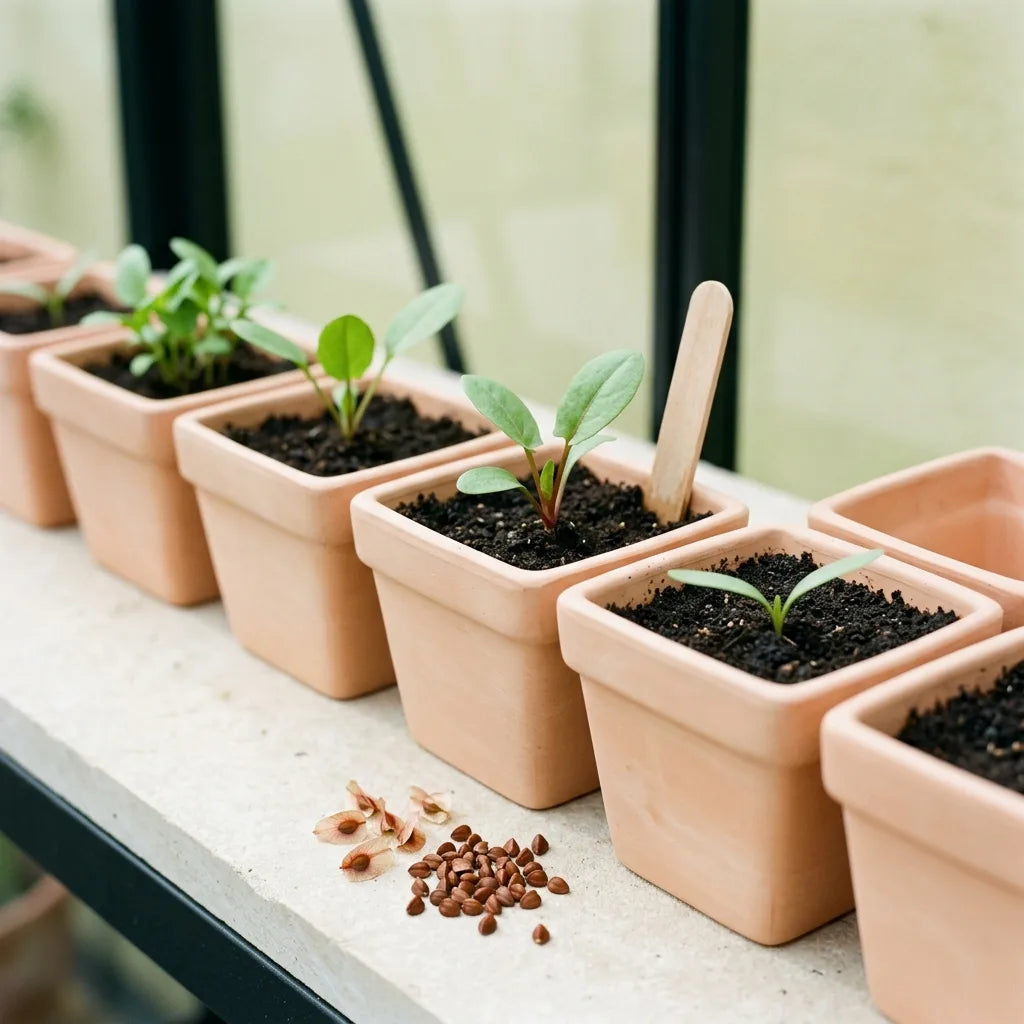
방법: 3월부터 5월까지 또는 9월에, 1cm 깊이로 본밭이나 포트에 직접 파종하세요. 씨앗 파종 방법을 참고하세요.
정식 요령:
- 포기 사이를 30cm씩 띄워 옮겨 심으세요. 계속해서 수확할 수 있으므로 한 가정에는 한 포기만으로도 충분합니다.
관리 요령:
- 흙이 촉촉하게 유지되도록 규칙적으로 물을 주세요. 그래야 꽃대가 올라와 씨를 맺는 것을 막을 수 있습니다.
-
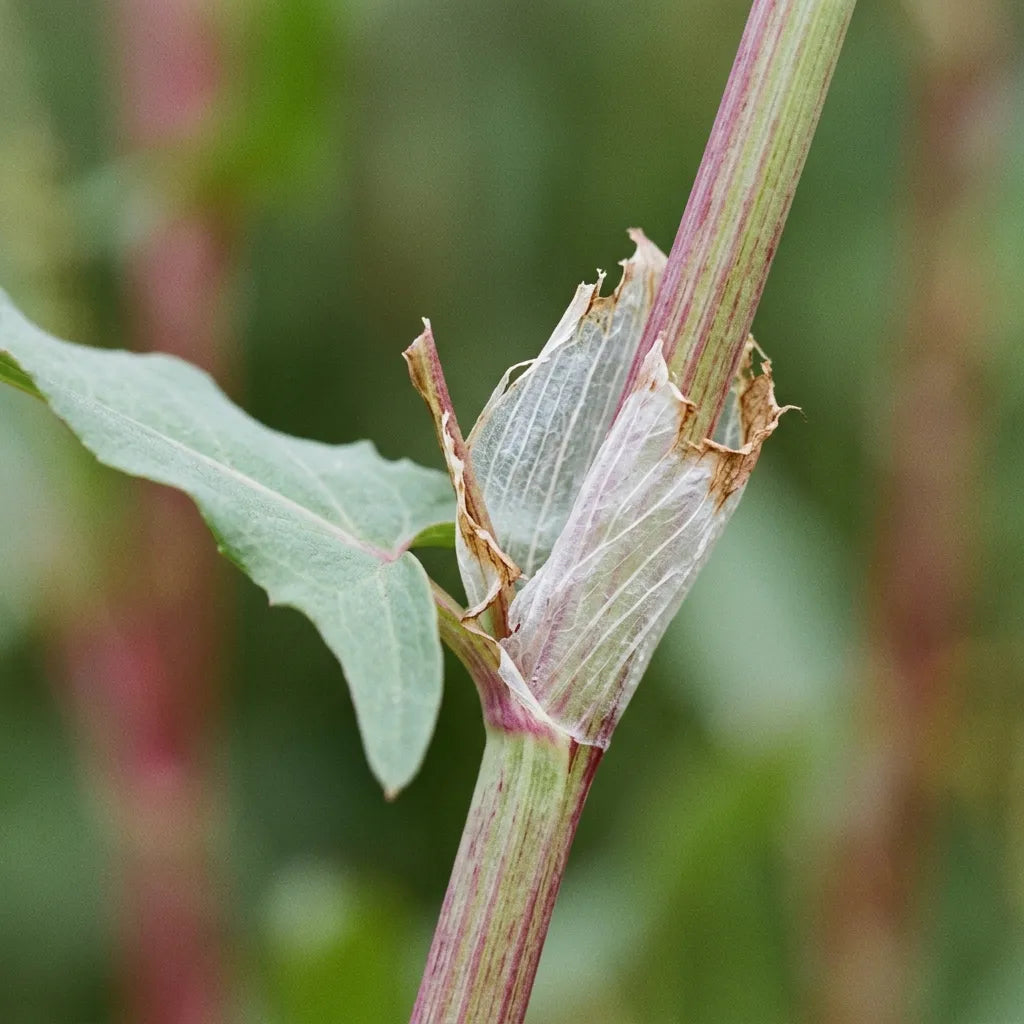
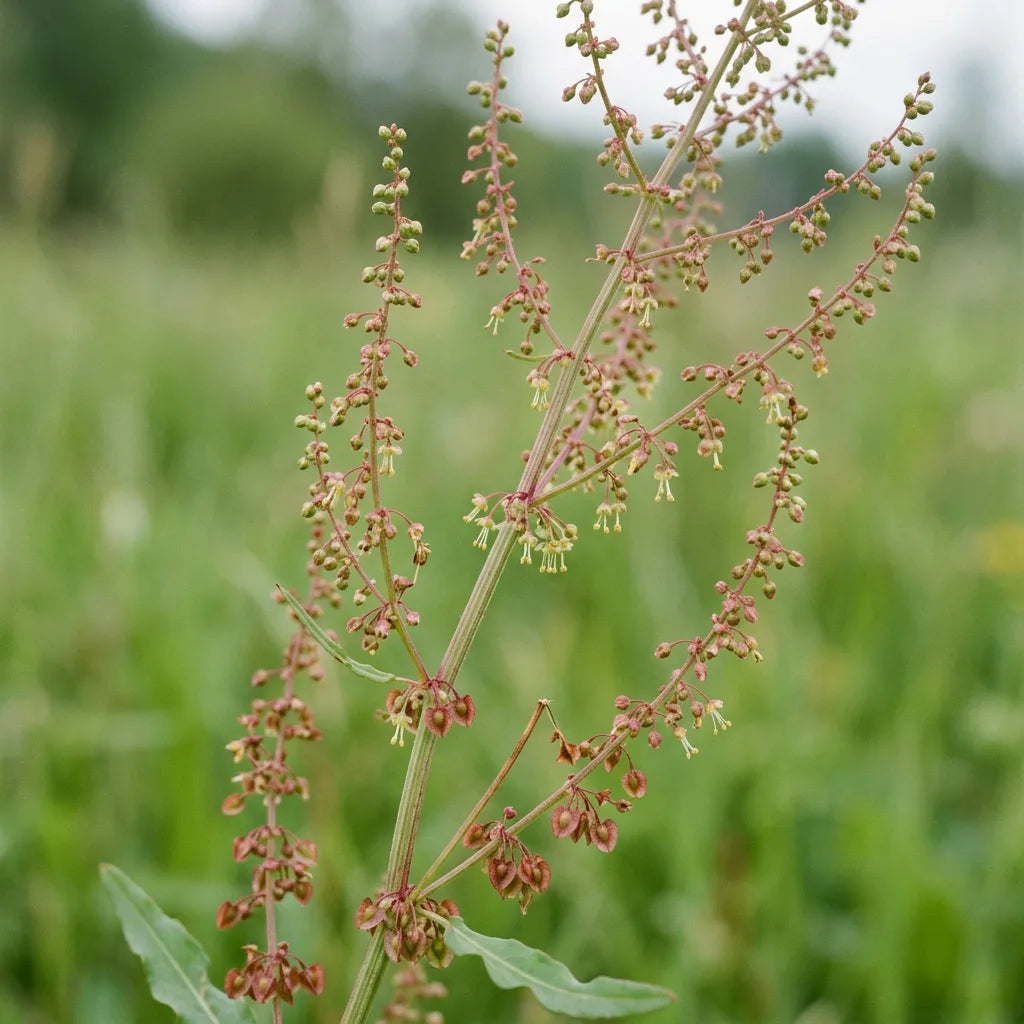
가장 중요한 관리: 꽃대가 보이는 즉시 잘라 주세요. 그렇지 않으면 식물이 쇠약해지고 잎이 질겨지며 수확이 중단됩니다.
- 3~4년에 한 번 포기를 나누어 새롭게 해 주세요.
수확 요령:
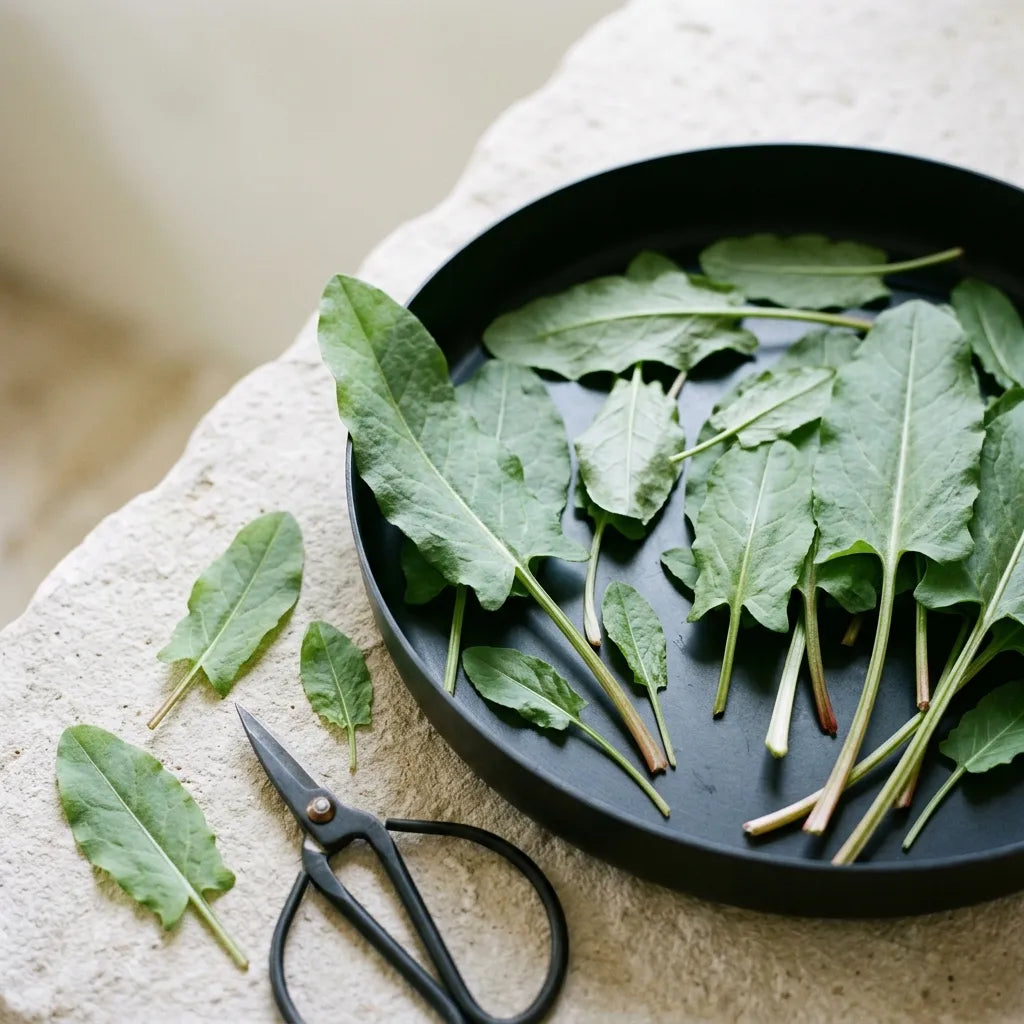
- 바깥쪽 잎을 하나씩 따고 중심부는 그대로 두세요. 봄부터 가을까지 식물이 계속 새로 자랍니다.
- 어린잎을 수확하세요. 오래된 잎은 신맛이 더 강하고 질깁니다.
함께 심기 좋은 식물:
- 반그늘과 무거운 흙을 좋아하므로, 대부분의 허브가 잘 자라지 못하는 정원의 서늘하고 습한 구석에 심기 좋습니다. 식용 다년생 식물을 참고하세요.
생물다양성에 주는 이점:
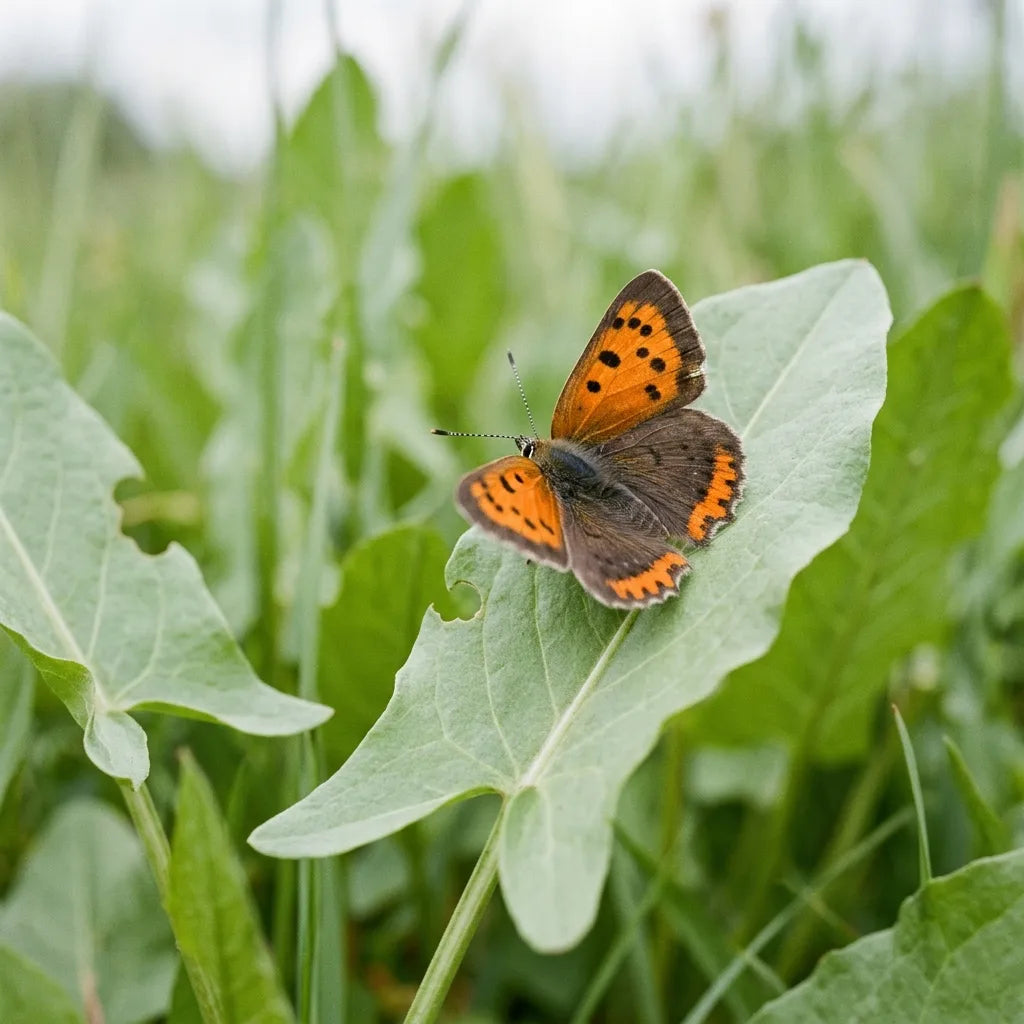
- 습한 초원에서 볼 수 있는 선명한 주황색 작은 나비인 작은주홍부전나비 애벌레의 먹이식물입니다. 포기 하나를 꽃대가 올라오도록 남겨 두면 이 나비에게 보육 공간을 제공할 수 있습니다.
- 가을에는 씨앗이 작은 씨앗 먹이 새들의 먹이가 됩니다.
활용:
- 생선과 곁들이는 크리미한 소스 — 소렐 소스를 곁들인 연어는 고전적인 요리입니다 —, 수프, 오믈렛에 넣거나 잎을 잘게 썰어 샐러드에 생으로 넣어도 좋습니다. 조리하면 색이 올리브 그린으로 변하는데, 정상적인 현상입니다.
- 전통 약용 식물입니다. 파종할 수 있는 약용 식물을 참고하세요.
직접 씨앗 받기:
꽃대 하나를 끝까지 올려 충분히 갈색으로 익도록 두었다가, 용기 위에서 털어 씨앗을 받으세요. 적갈색 씨앗이 풍성하게 나옵니다. 참소리쟁이는 스스로도 잘 번식합니다. 씨앗 보관 방법을 참고하세요.
품질을 향한 약속: SemiSauvage - Permaculture에서는 생명을 존중하는 마음을 중심에 두고 씨앗을 재배하고 선별합니다. 오베르뉴 화산 지대 인근에 자리한 저희는 여러 해에 걸쳐 다시 번식시킬 수 있고 교배되지 않은 품종을 선택합니다. 발아율을 검사하고, 정성껏 선별하고 포장하며, 어떠한 화학 처리도 하지 않습니다. 저희의 신념은 정원사들이 해마다 진정으로 자신의 것인 씨앗을 다시 뿌릴 수 있는 힘을 되찾도록 하는 것입니다.
텃밭에서 재배하는 유일한 신맛, 따뜻한 날이 시작되자마자 만날 수 있습니다.