Allium fistulosum
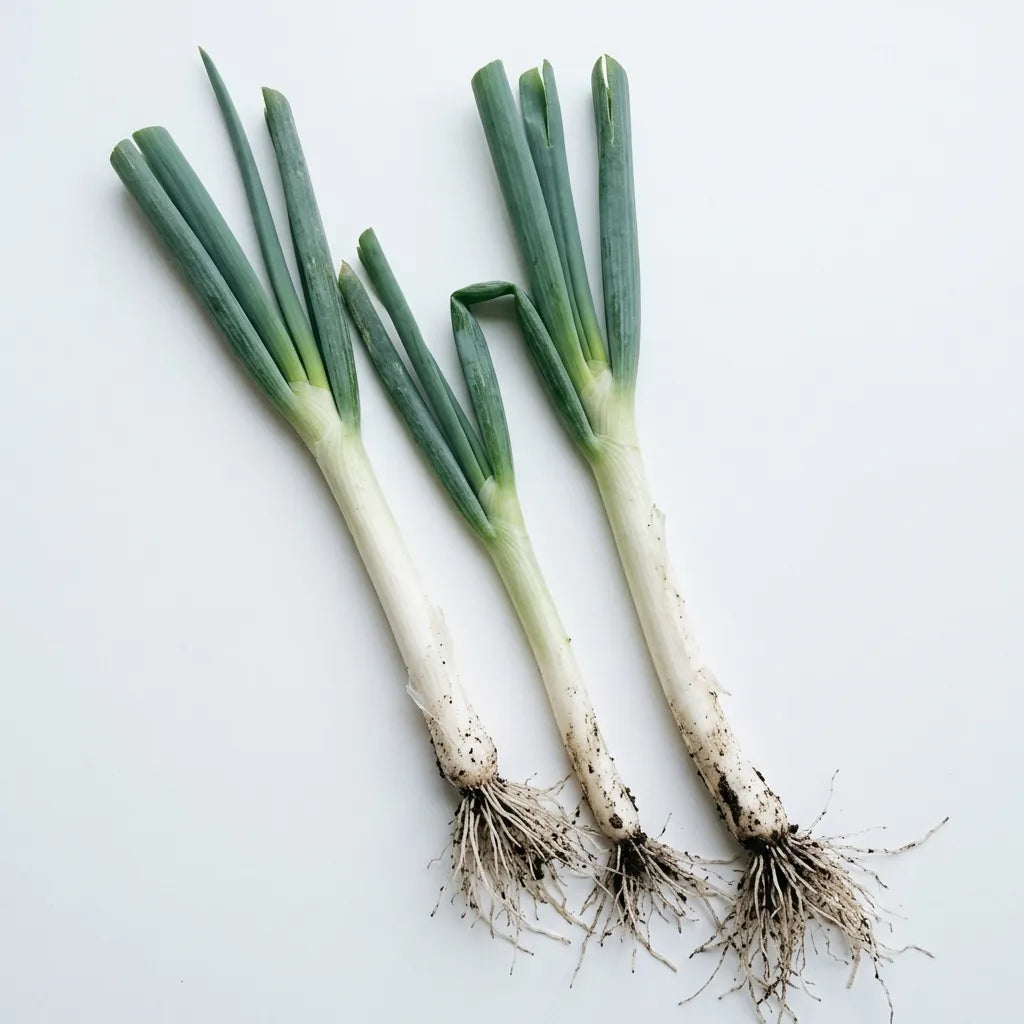
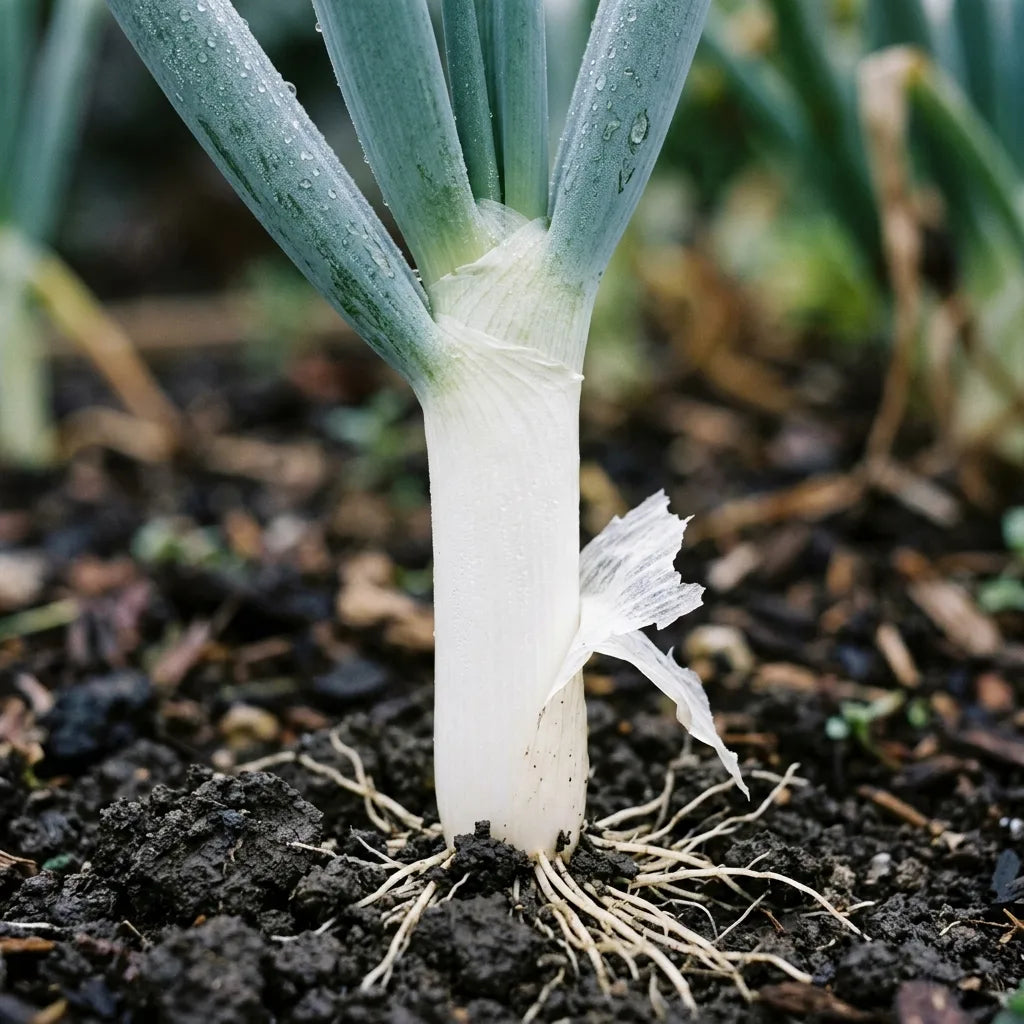
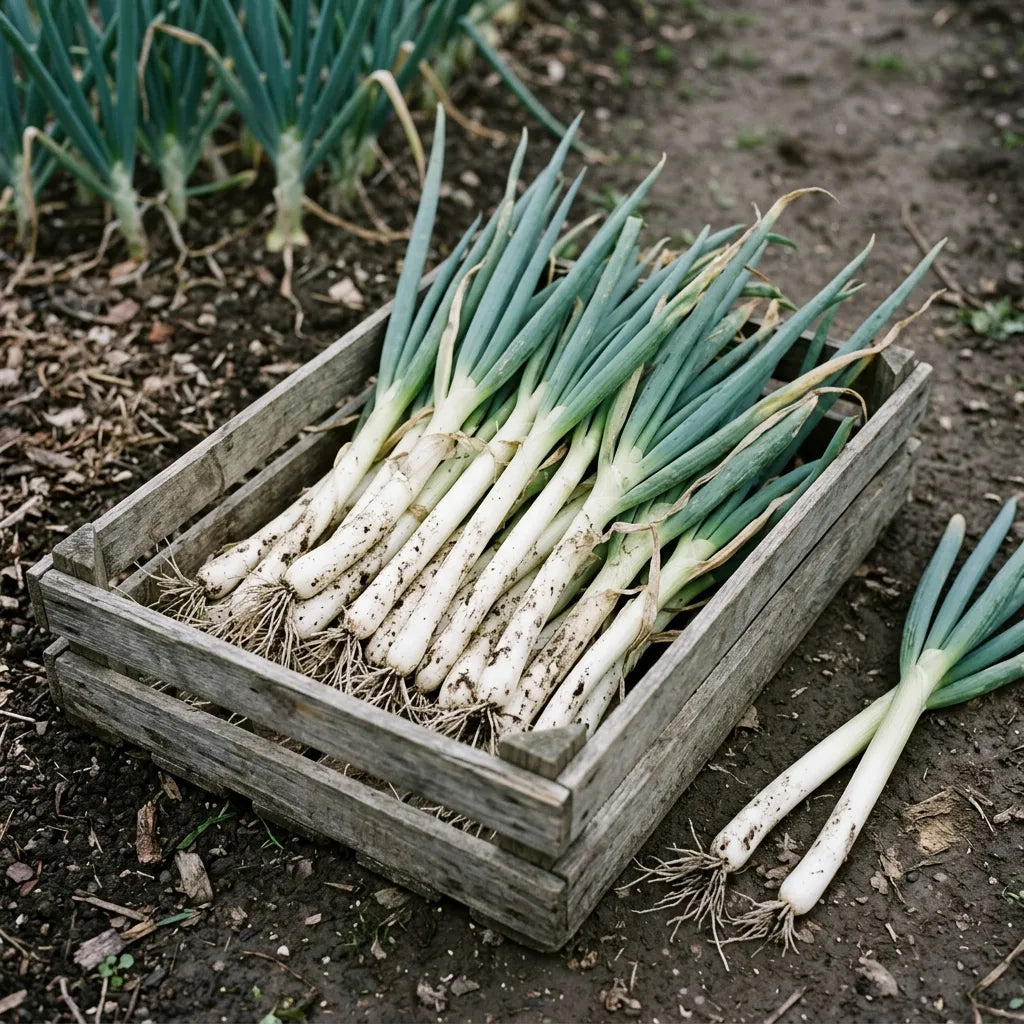
이시쿠라 대파, 일본 대파, 일본 쪽파, 풋양파, 생자크 차이브, 네기: 절대로 비늘줄기를 만들지 않습니다. 바로 이것이 이 식물의 독특한 점입니다 — 대파처럼 흙을 북돋아 줄기를 하얗게 키우지만, 풋양파처럼 어린 상태에서 수확합니다. 섬세하고 은은한 마늘 향이 나는 전통적인 아시아 품종입니다.
특징:
-
비늘줄기가 없음: 곧고 긴 흰 줄기를 만들며, 그 위로 관 모양의 잎이 자랍니다.
-
섬세한 맛: 양파보다 순하고 대파보다 마늘 향이 강합니다.
-
온화한 기후에서는 여러해살이: 이 지역의 위도에서는 주로 한해살이로 재배합니다.
-
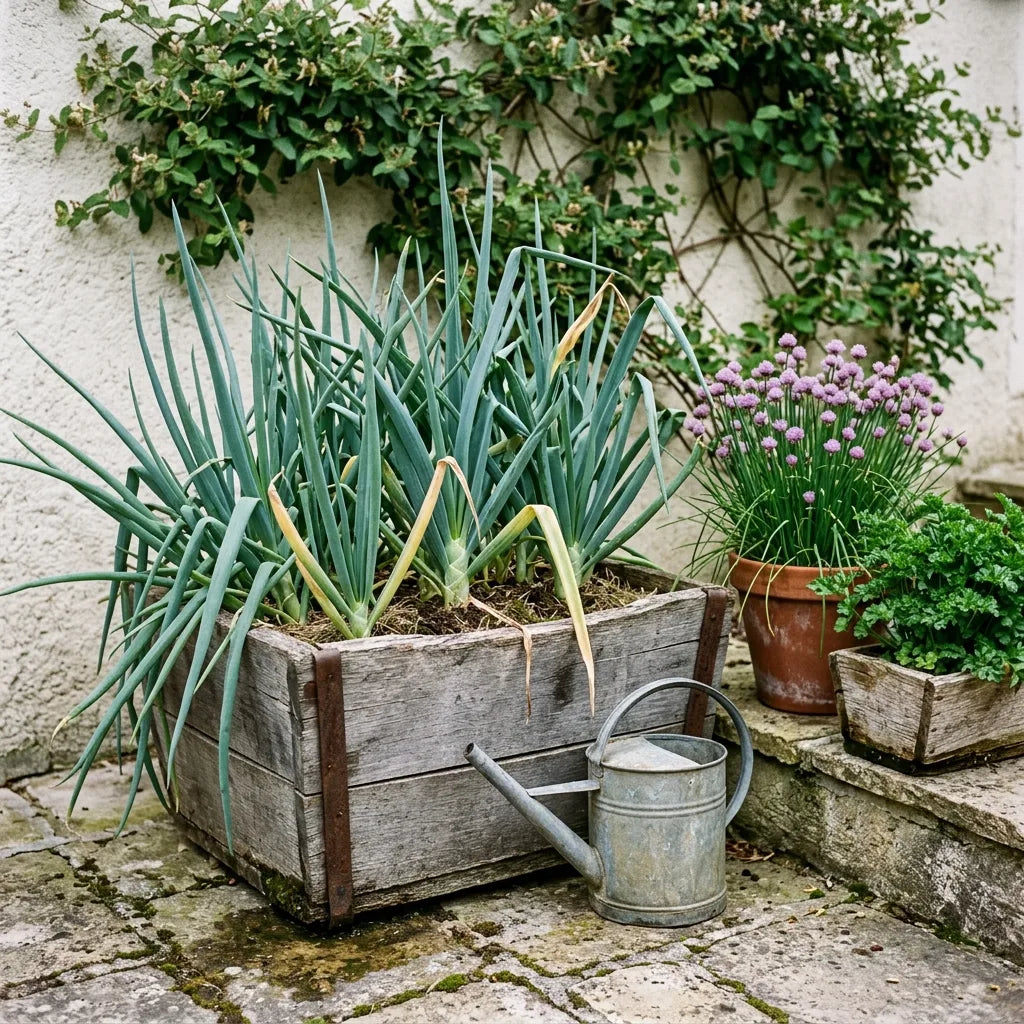
아담한 크기: 40~60cm로, 텃밭은 물론 테라스의 화분에서도 기르기 좋습니다.
파종 요령:
-
햇빛: 양지.
-
토양: 비옥하고 촉촉하며 배수가 잘되는 흙. 비늘줄기 양파와 달리 영양분이 풍부한 흙을 좋아하므로, 퇴비를 더하면 줄기가 더 굵고 부드러워집니다.
-
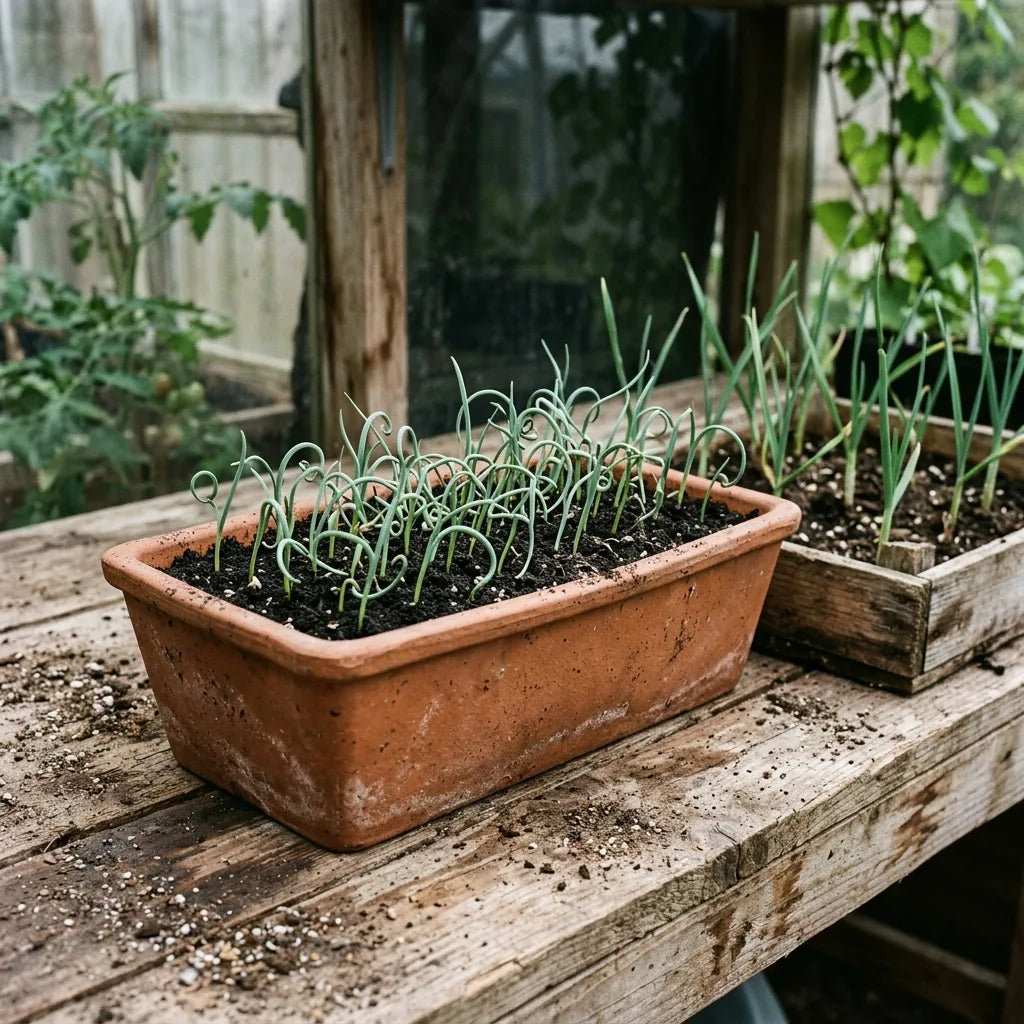
방법: 저온 처리는 필요하지 않습니다. 3월부터 7월까지 밭에 직접 파종하거나, 2월부터 보호된 곳에서 1cm 깊이로 파종하고 10cm 간격으로 솎아 줍니다. 씨앗 파종 방법을 참고하세요.
관리 요령:
- 물을 규칙적으로 주되 과습하지 않도록 합니다. 김매기를 하여 잡초와의 경쟁을 줄이세요.
-
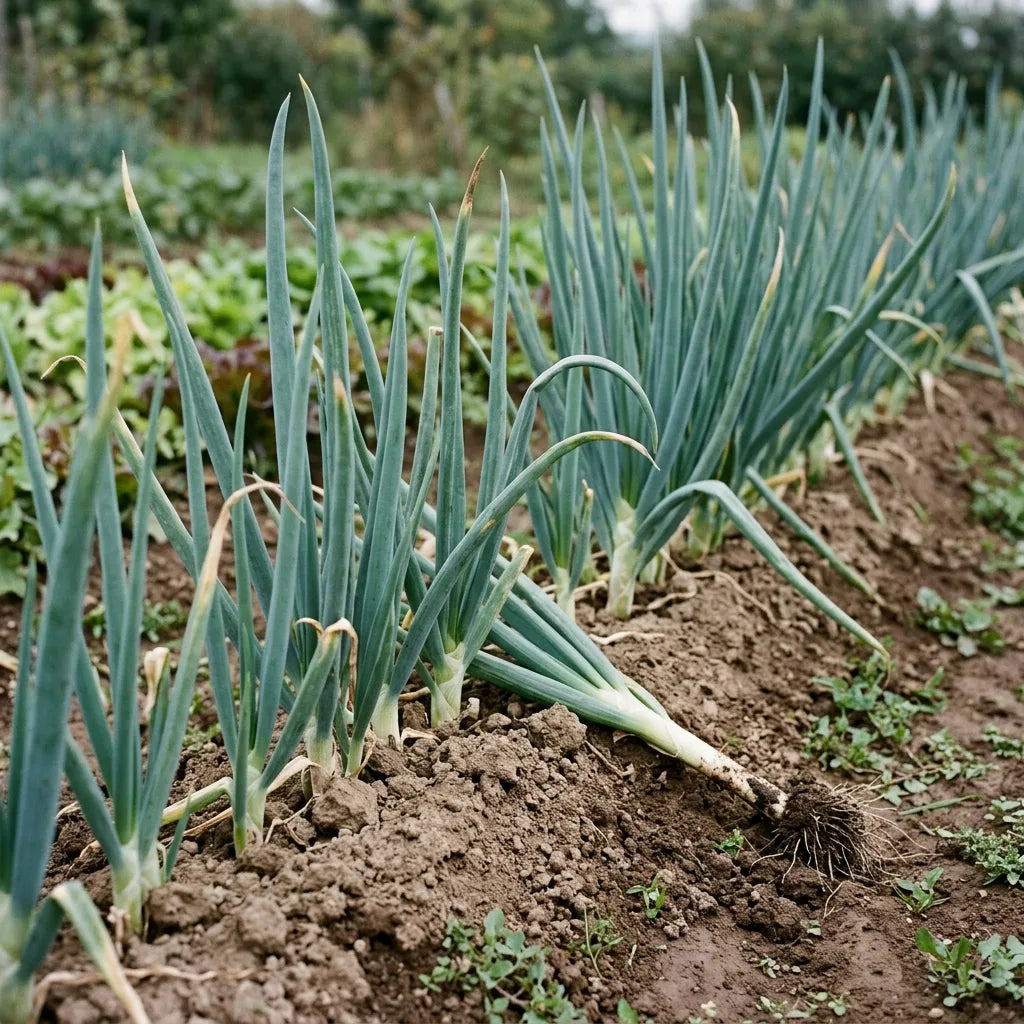
가장 중요한 관리: 식물이 자라는 동안 포기 주변에 흙을 조금씩 북돋아 주세요. 이렇게 해야 줄기가 길어지고 하얗게 되며, 가장 부드럽고 선호되는 부분을 얻을 수 있습니다.
- 온화한 기후나 겨울철 보호 시설 아래에서는 봄에 포기가 스스로 다시 자랍니다.
수확 요령:
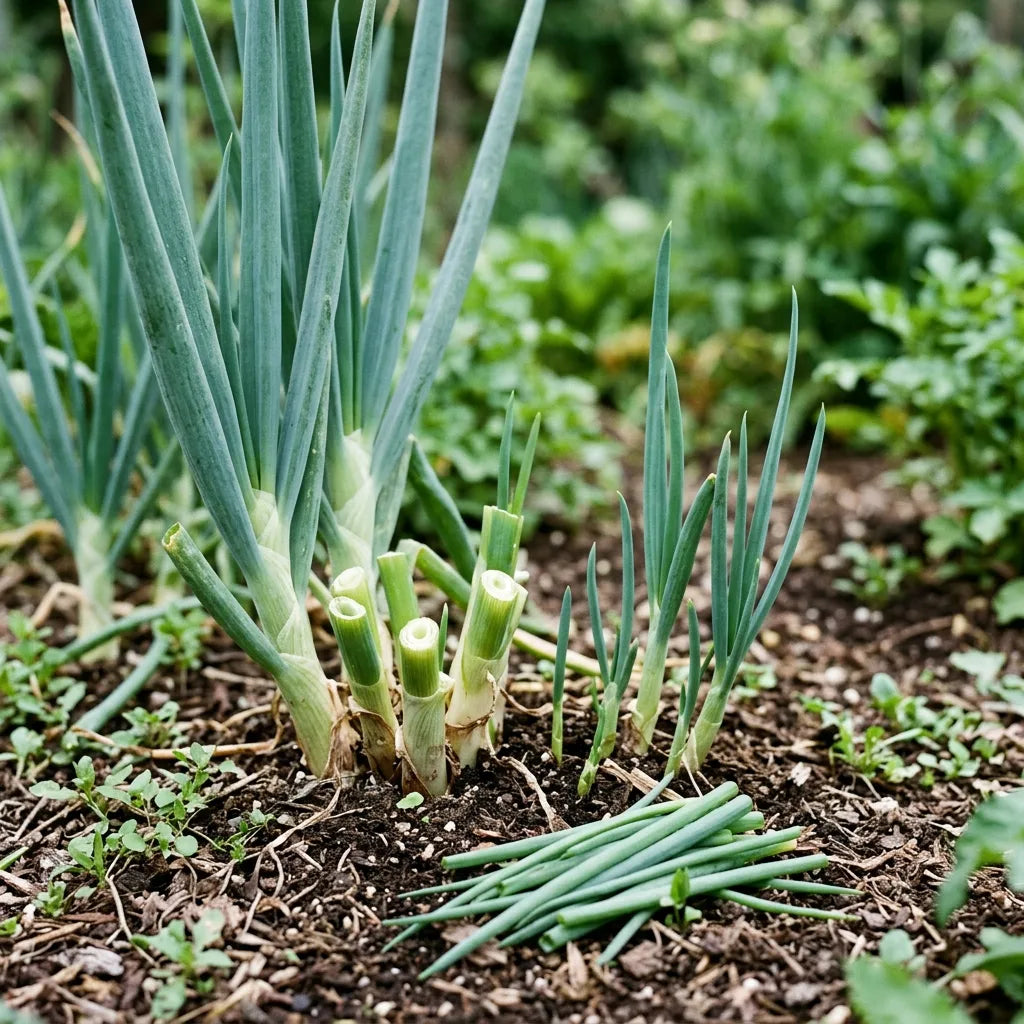
- 필요할 때마다 어린 상태 또는 반쯤 자란 상태로 수확하며, 포기 전체를 뽑습니다. 자리를 잡은 포기에서는 나머지가 계속 자라도록 두고 줄기 몇 개만 잘라 수확할 수도 있습니다.
함께 심으면 좋은 작물:
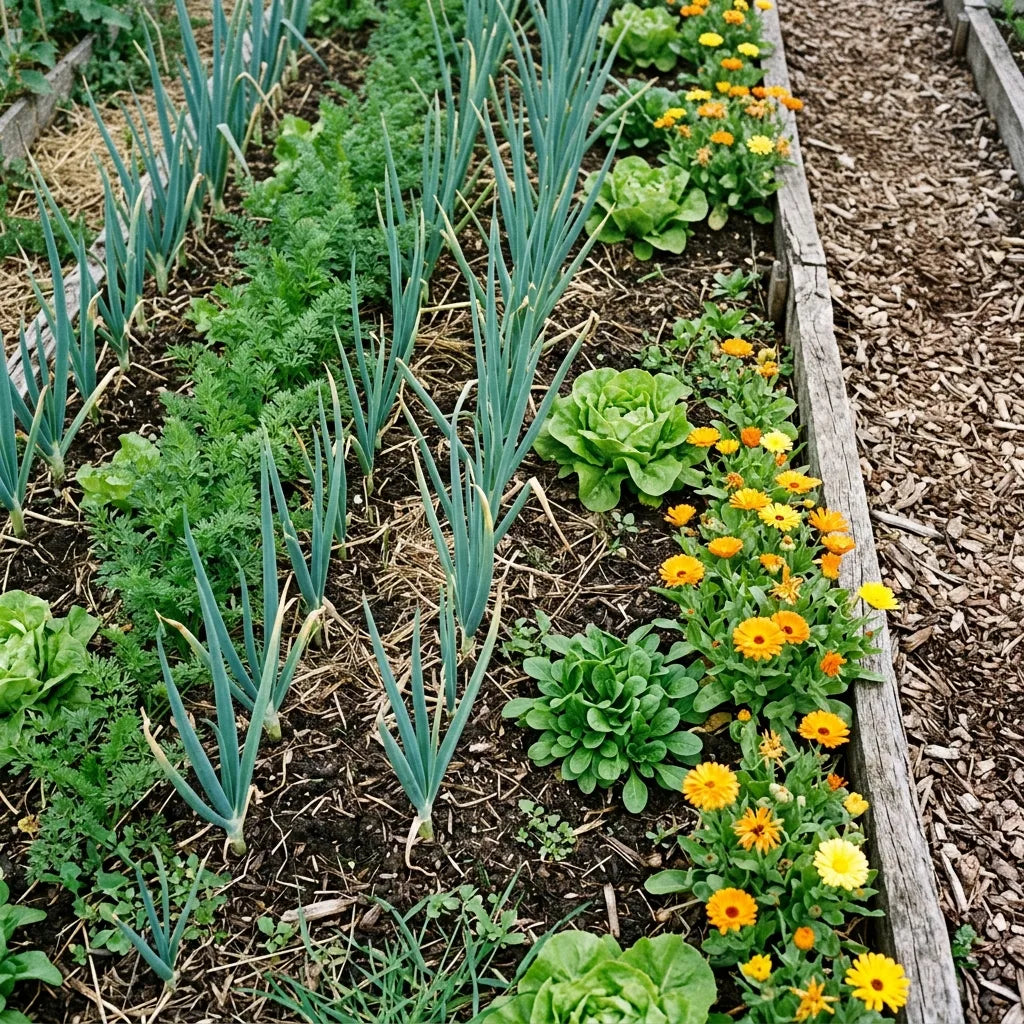
- 당근, 비트, 상추, 토마토와 잘 어울립니다. 콩과 식물과는 가까이 심지 마세요. 텃밭 작물 조합을 참고하세요.
생물다양성에 대한 이점:
- 황 성분이 이웃 작물을 공격하는 여러 해충, 특히 당근 파리를 혼란스럽게 합니다.
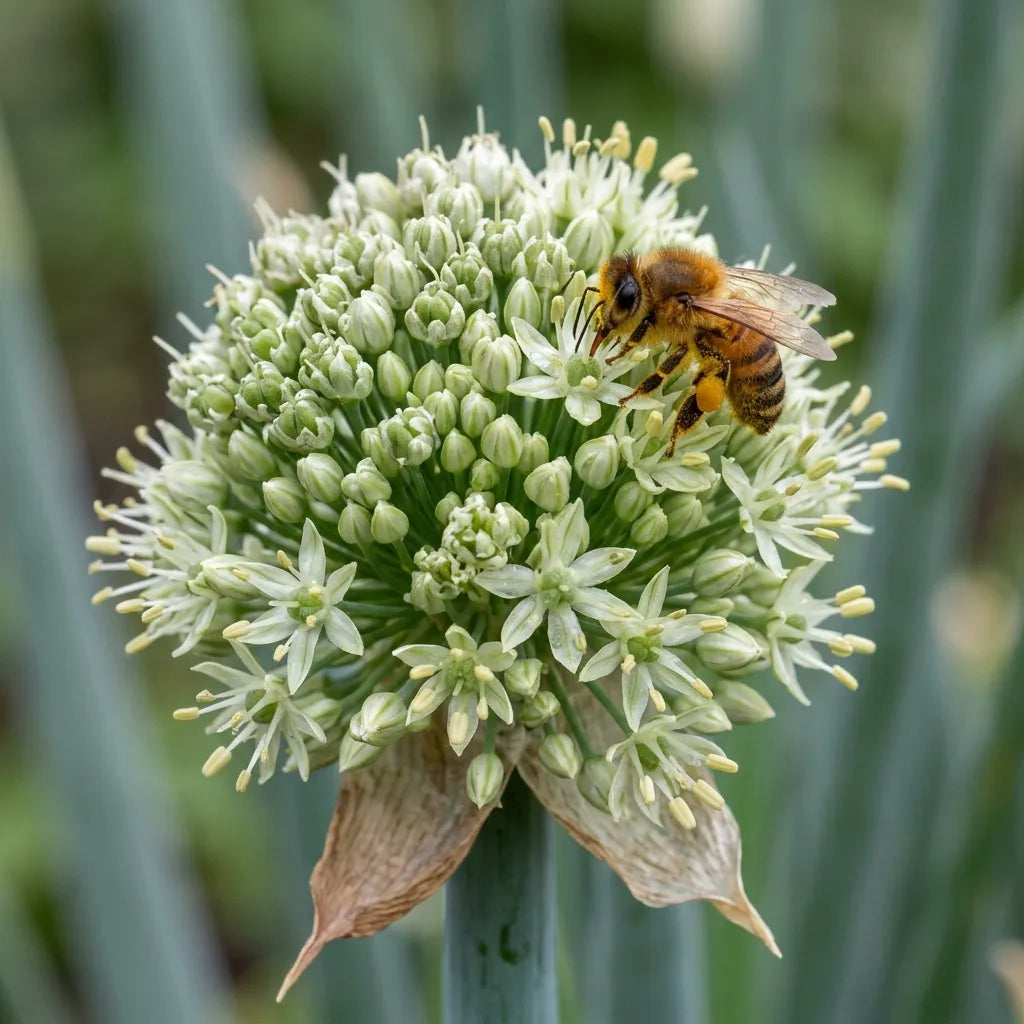
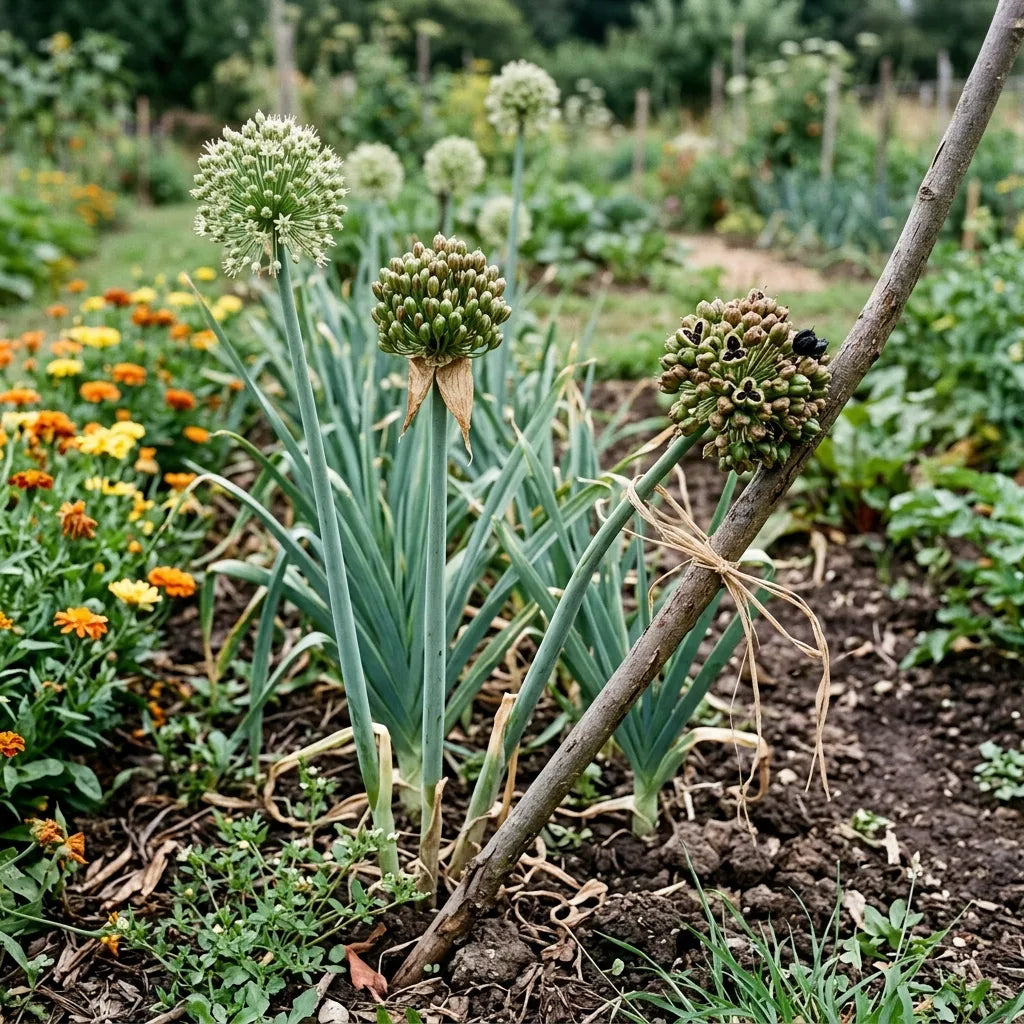
- 꽃을 피우도록 두면 크림빛 흰색의 둥근 산형화서가 피며, 벌과 꽃등에가 많이 찾아옵니다.
이용 방법:
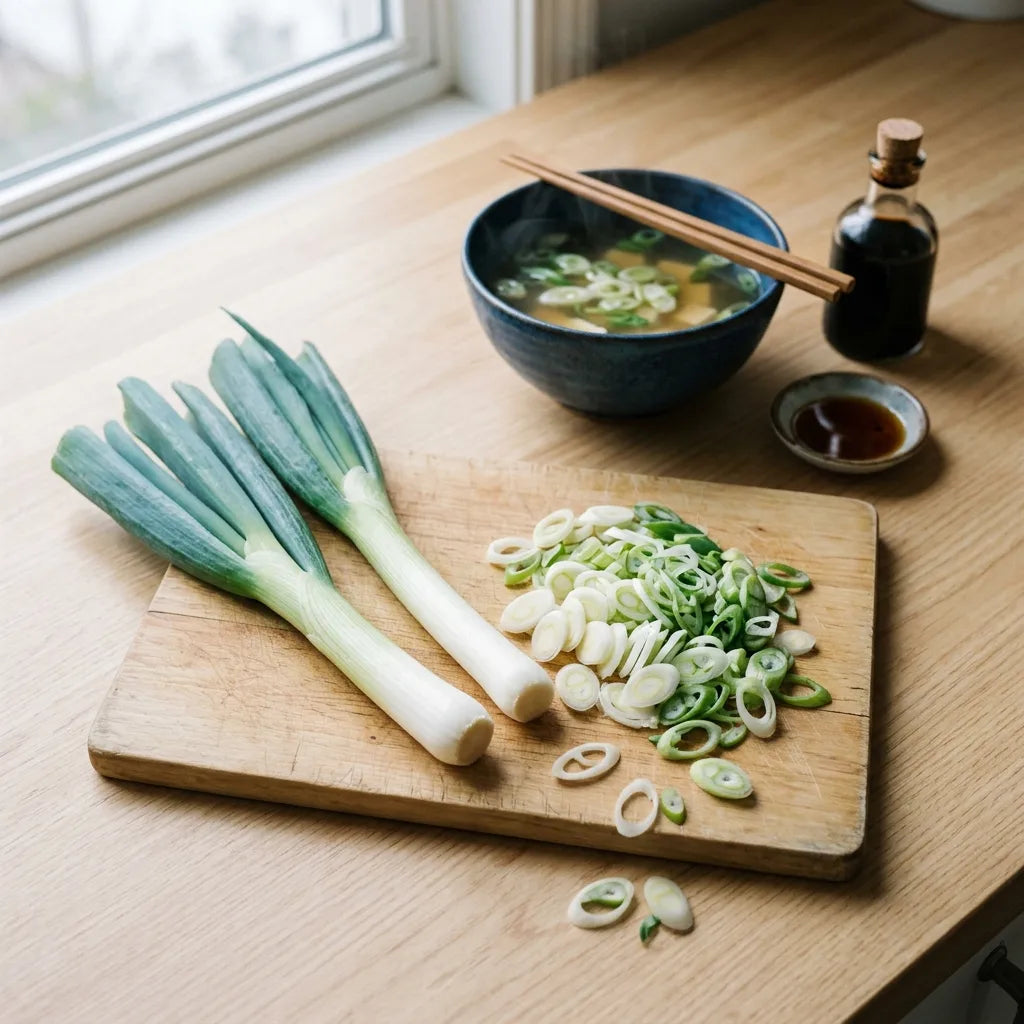
- 어린 줄기는 생으로 또는 익혀서 차이브나 작은 대파처럼 사용할 수 있습니다. 일본 요리의 필수 재료로 라멘, 볶음 요리, 국물 요리에 쓰이며, 오믈렛, 타르트, 채소 요리에도 매우 잘 어울립니다.
상징성:
아시아에서 인내와 끈기의 상징이며, 전통적인 텃밭에서는 병을 멀리하는 식물로도 알려져 있습니다.
직접 씨앗 채종하기:
몇 포기는 겨울을 나도록 두세요. 이듬해 봄에 꽃대가 올라와 꽃을 피웁니다. 꼬투리가 열려 검은 씨앗이 보일 때 산형화서를 수확하세요. 비늘줄기 양파(Allium cepa)와 교잡하지 않으므로 씨앗을 생산하기가 수월합니다. 씨앗 보관 방법을 참고하세요.
품질을 향한 약속: SemiSauvage - 퍼머컬처에서는 살아 있는 생명을 존중하는 마음을 중심에 두고 씨앗을 재배하고 선별합니다. 오베르뉴 화산 지대 인근에 자리한 저희는 번식이 가능하고 비잡종인 품종을 선택하며, 발아율을 시험하고 정성껏 선별·포장하며, 어떠한 화학 처리도 하지 않습니다. 저희의 믿음은 정원사들이 해마다 진정으로 자신의 씨앗을 다시 뿌릴 수 있는 힘을 되찾도록 하는 것입니다.
대파도 양파도 아닌, 두 작물의 장점만을 담은 식물입니다.