Lactuca sativa var. capitata
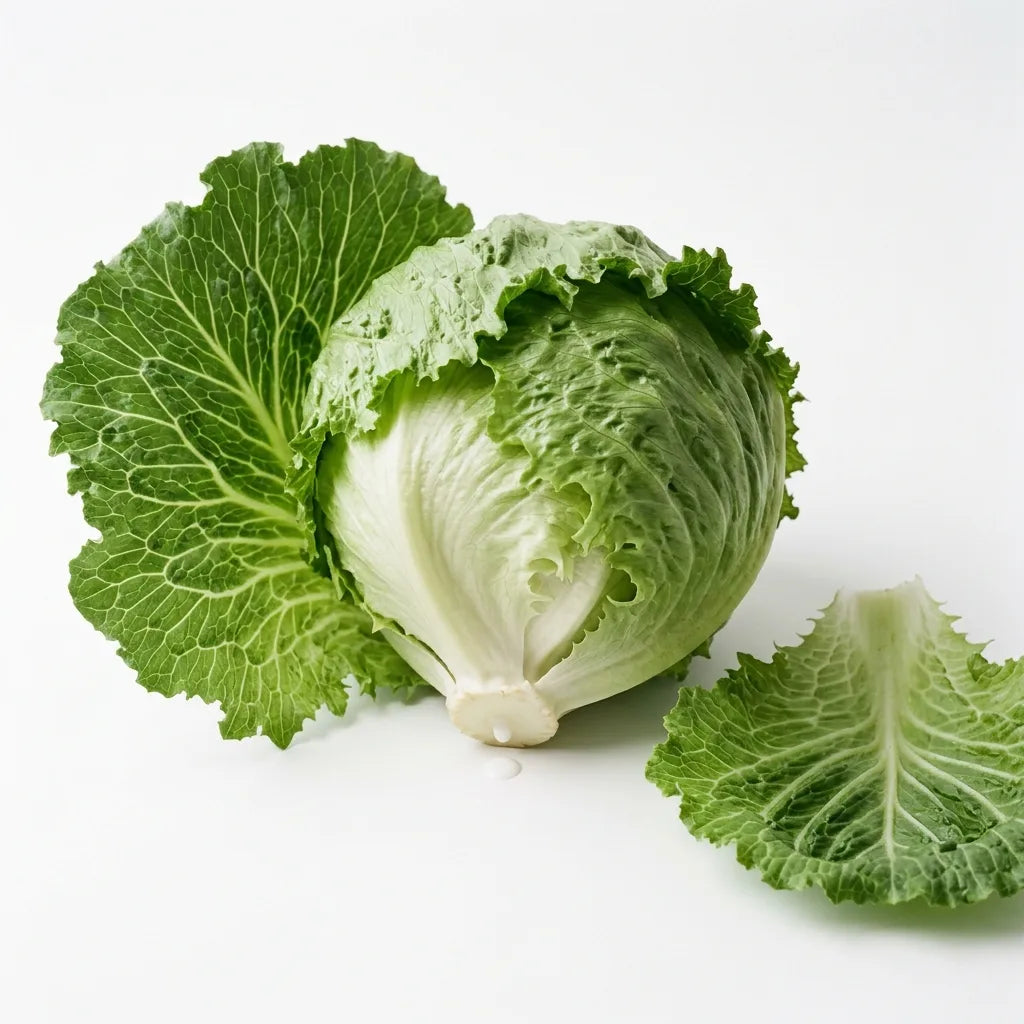
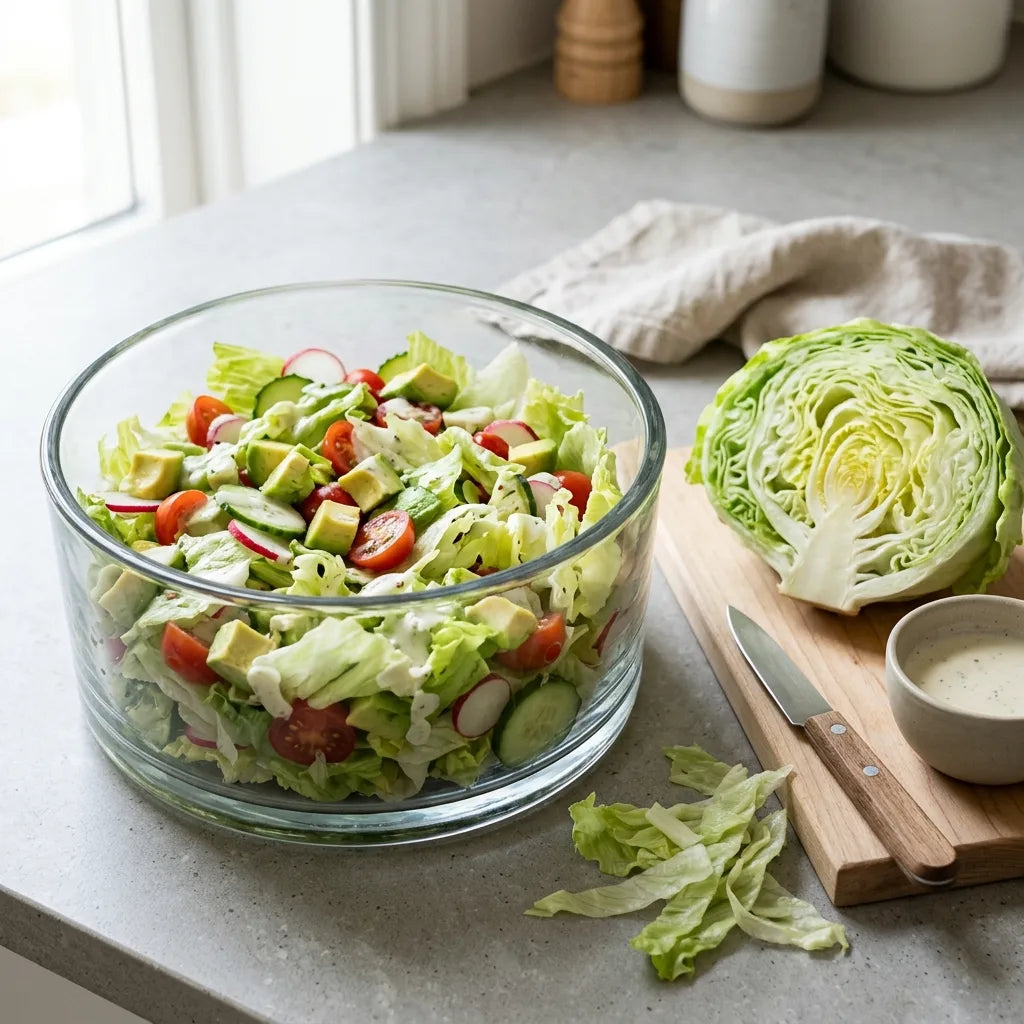
아이스버그 상추, 아삭한 상추, 미국식 결구 상추: 이 이름은 1920년대 철도 운송에서 유래했습니다. 당시 캘리포니아의 열차는 이 상추를 잘게 부순 얼음 더미 아래에 실어 보냈고, 철도 노동자들은 도착한 상추를 보고 ‘빙산’이라고 불렀습니다. 단단한 결구와 뛰어난 아삭함 덕분에 세계에서 가장 많이 재배되는 상추가 되었습니다.
특징:
-
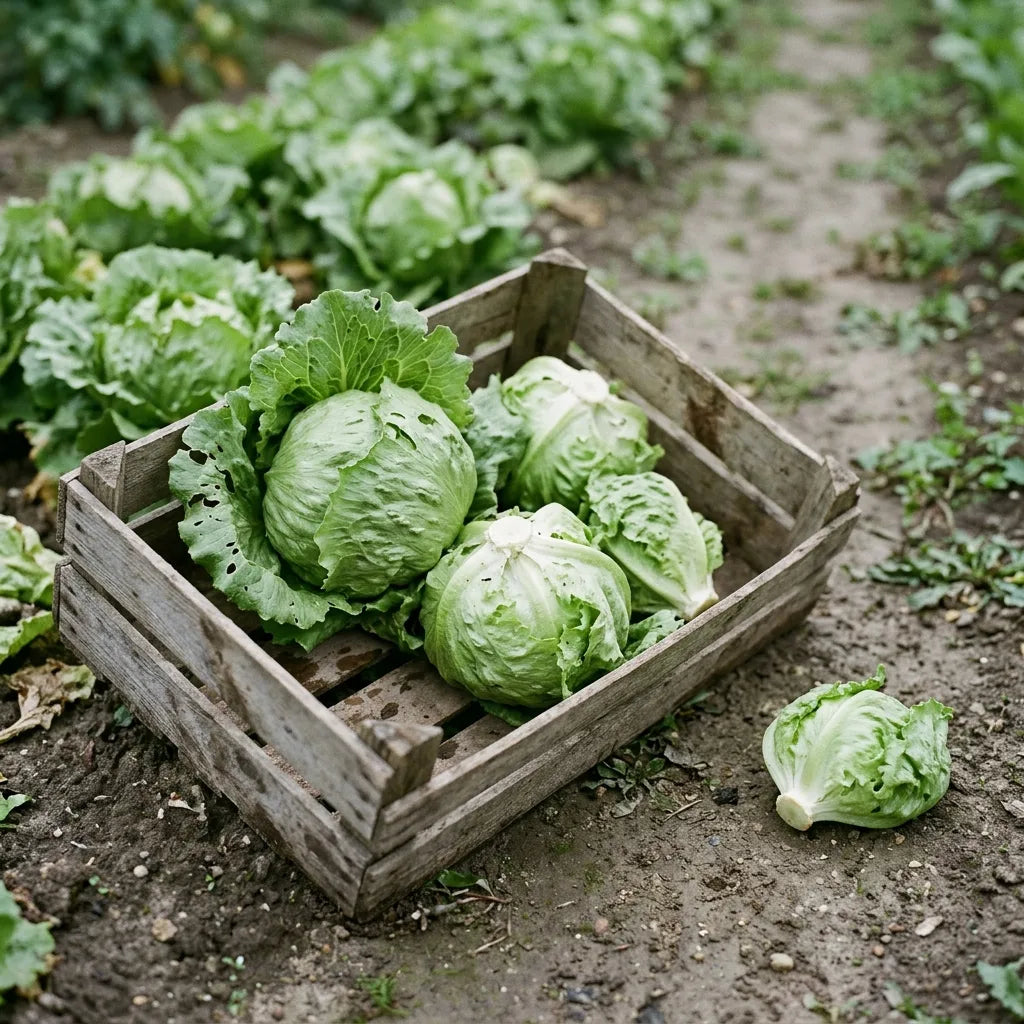
매우 단단한 결구: 잎이 촘촘하고 두꺼우며, 조밀하고 단단한 공 모양을 이룹니다.
-
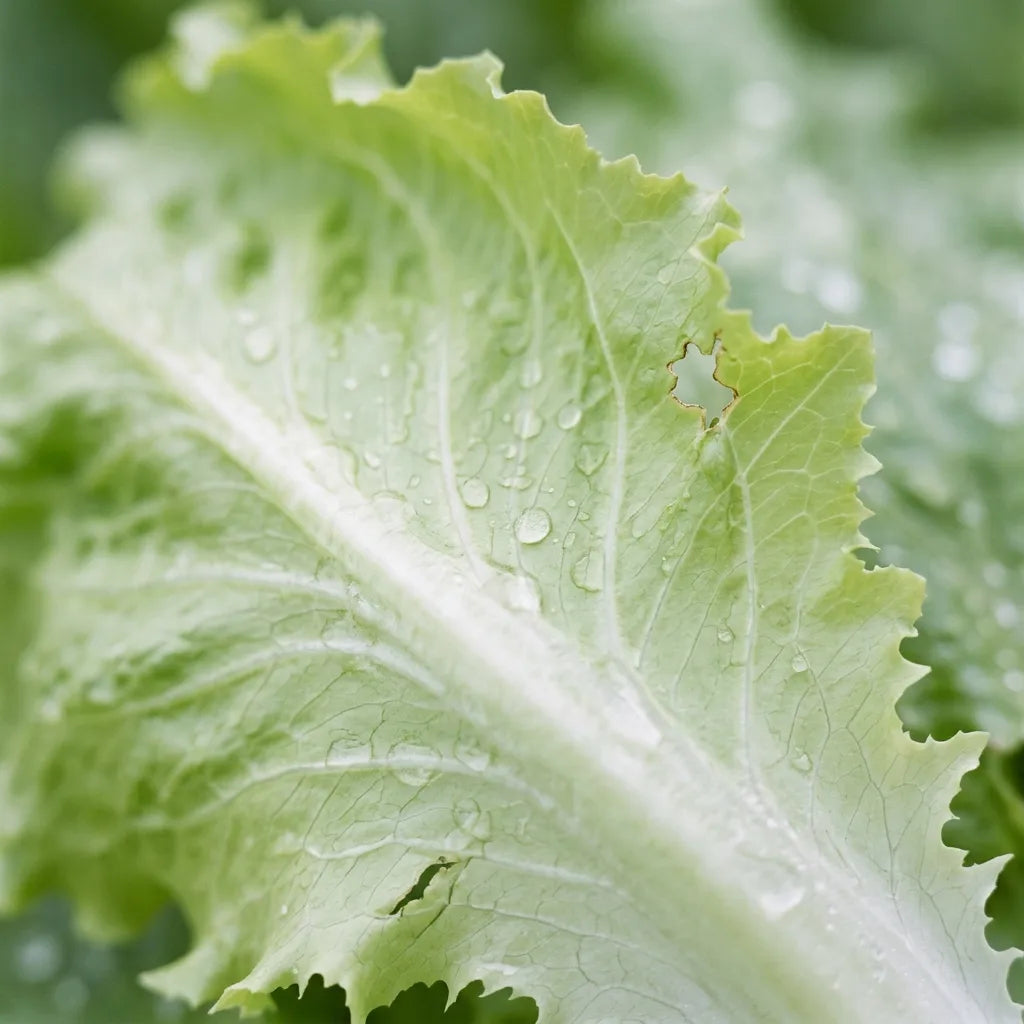
비교할 수 없는 아삭함: 다른 어떤 상추도 이처럼 씹는 맛을 오래 유지하지 못합니다.
-
뛰어난 보관성: 버터헤드 상추가 축 처지는 동안에도 냉장고에서 며칠간 아삭함을 유지합니다.
-
더위에 강한 편: 대부분의 상추보다 내열성이 좋지만, 더위에 전혀 영향을 받지 않는 것은 아닙니다.
파종 요령:
-
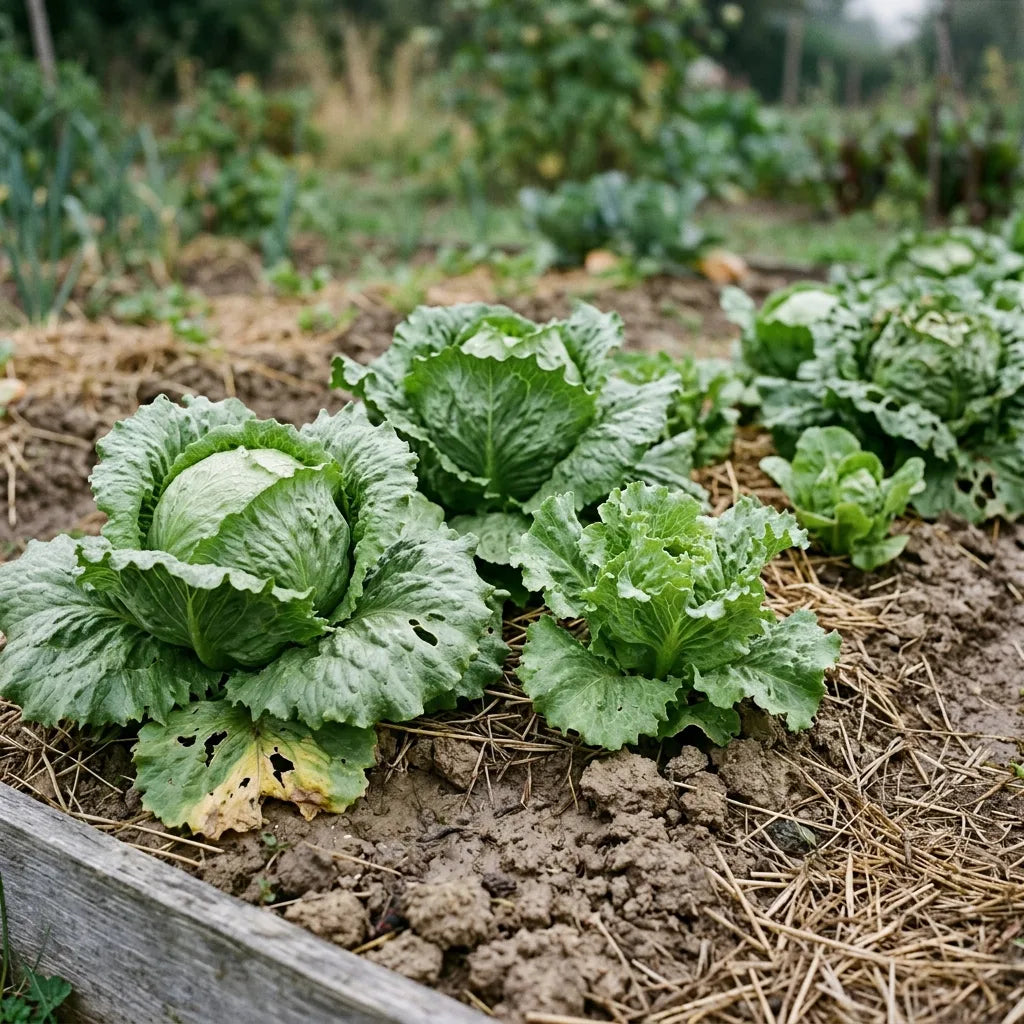
햇빛: 봄과 가을에는 햇볕이 잘 드는 곳, 한여름에는 반그늘에서 기릅니다. 다른 상추보다 더위에 강하지만, 봄과 가을 재배가 가장 안전합니다.
-
토양: 촉촉하고 부드러우며 배수가 잘되고, 퇴비를 약간 섞은 흙이 좋습니다. 흙은 항상 촉촉해야 합니다. 잠깐이라도 마르면 꽃대가 올라오고 쓴맛이 생깁니다.
-
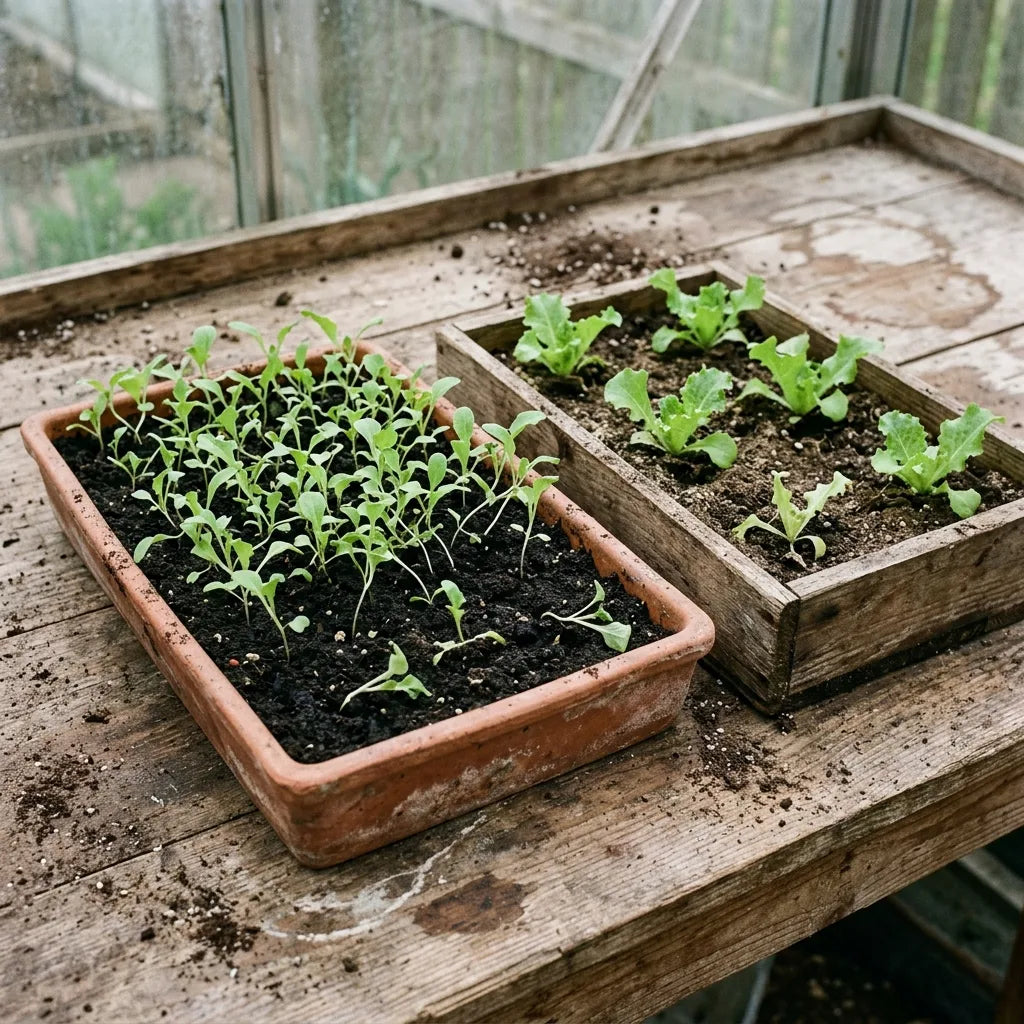
방법: 씨앗이 발아하려면 빛이 필요하므로 아주 얕게 흙을 덮어 파종합니다. 3월부터 8월까지 15일 간격으로 나누어 파종하세요. 주의: 25 °C를 넘으면 상추 씨앗이 휴면에 들어가 더 이상 발아하지 않습니다. 더운 날에는 그늘에서 파종하거나 늦은 오후에 파종하세요. 씨앗 파종 방법을 참고하세요.
정식 요령:
- 잎이 4~5장 나왔을 때 30~35 cm 간격으로 옮겨 심습니다. 결구를 만들려면 다른 상추보다 더 넓은 공간이 필요합니다. 잎목을 흙에 묻지 마세요. 썩을 수 있습니다.
관리 요령:
- 아침에 잎을 적시지 않고 포기 밑에 규칙적으로 물을 줍니다. 흙의 수분을 유지하도록 멀칭하세요.
- 줄 사이를 가볍게 김매기합니다.
수확 요령:
- 손으로 만졌을 때 결구가 충분히 단단해졌을 때 흙 표면 가까이에서 잘라 수확합니다. 너무 오래 두면 속이 물러지고 쓴맛이 납니다.
- 팁: 씻지 않은 상태로 젖은 천에 싸서 냉장고 아래쪽에 두면 놀라울 만큼 오래 보관할 수 있습니다.
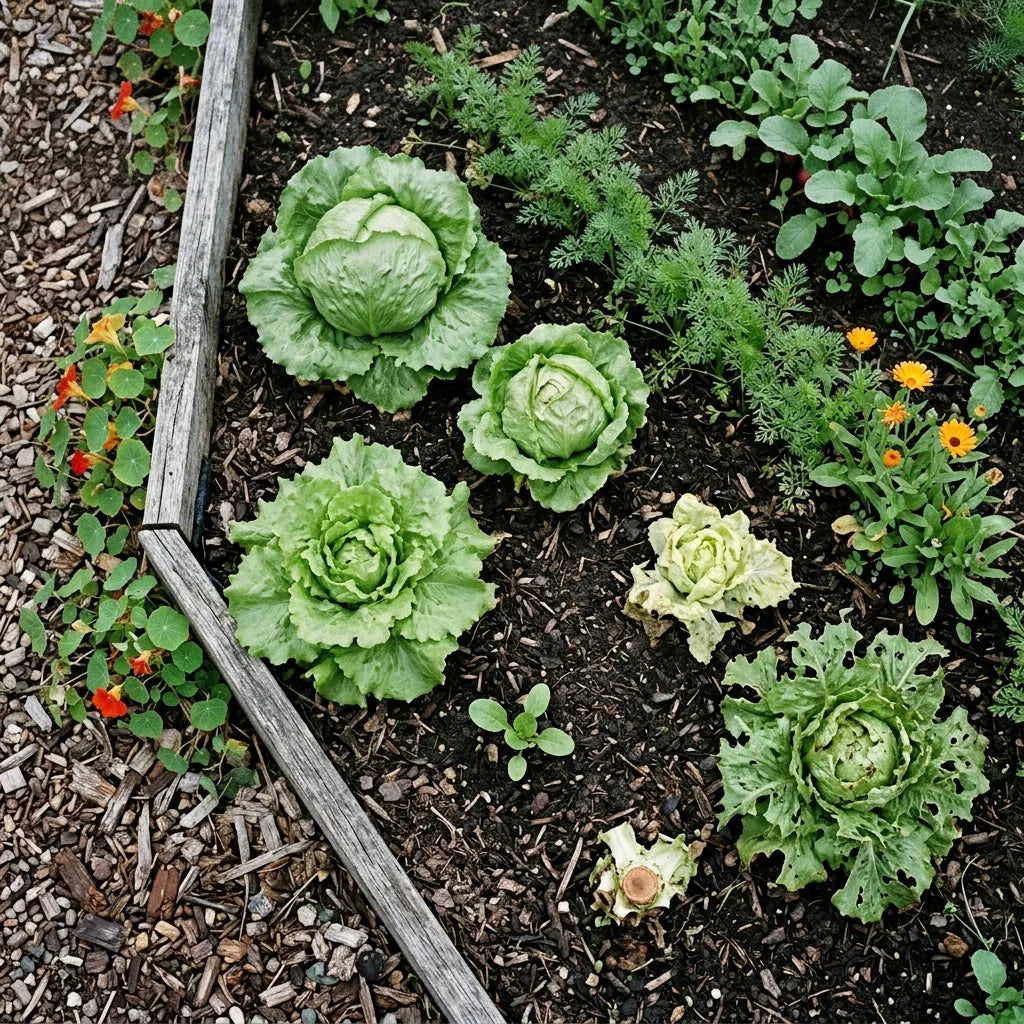
유익한 혼작:
생물다양성에 주는 이점:
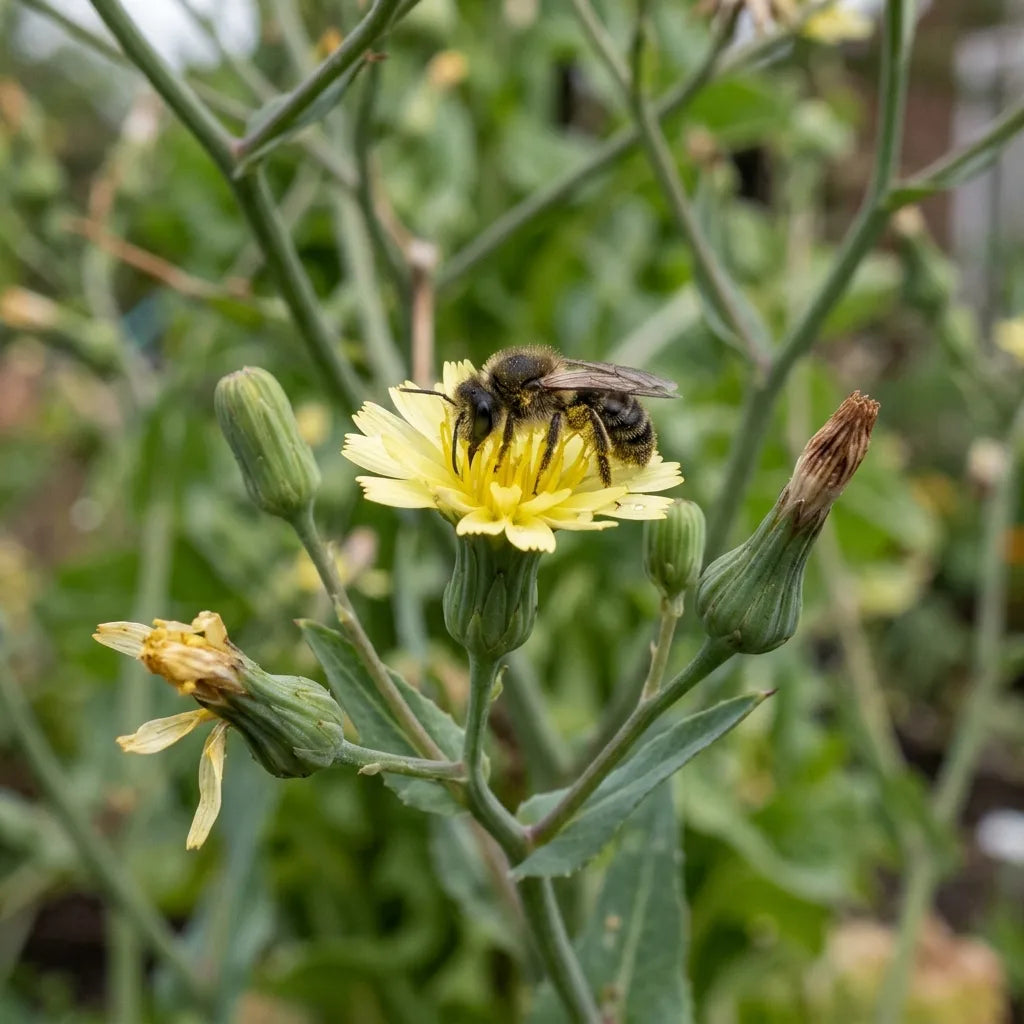
- 철이 끝날 무렵 한 포기를 꽃대가 올라오도록 두세요. 작은 노란 꽃이 꽃등에와 홀로 사는 벌을 불러들이고, 씨앗은 방울새의 먹이가 됩니다.
- 재배 기간이 짧아 주요 작물 사이에 흙을 덮어 둘 수 있습니다.
이용 방법:
- 샐러드로 생으로 먹지만, 특히 버거, 샌드위치, 랩, 타코에 잘 어울립니다. 아삭함과 형태를 잘 유지하는 특성이 큰 차이를 만듭니다. 가늘게 채 썰어 아시아 요리와 곁들여도 매우 좋습니다.
직접 씨앗 채종하기:
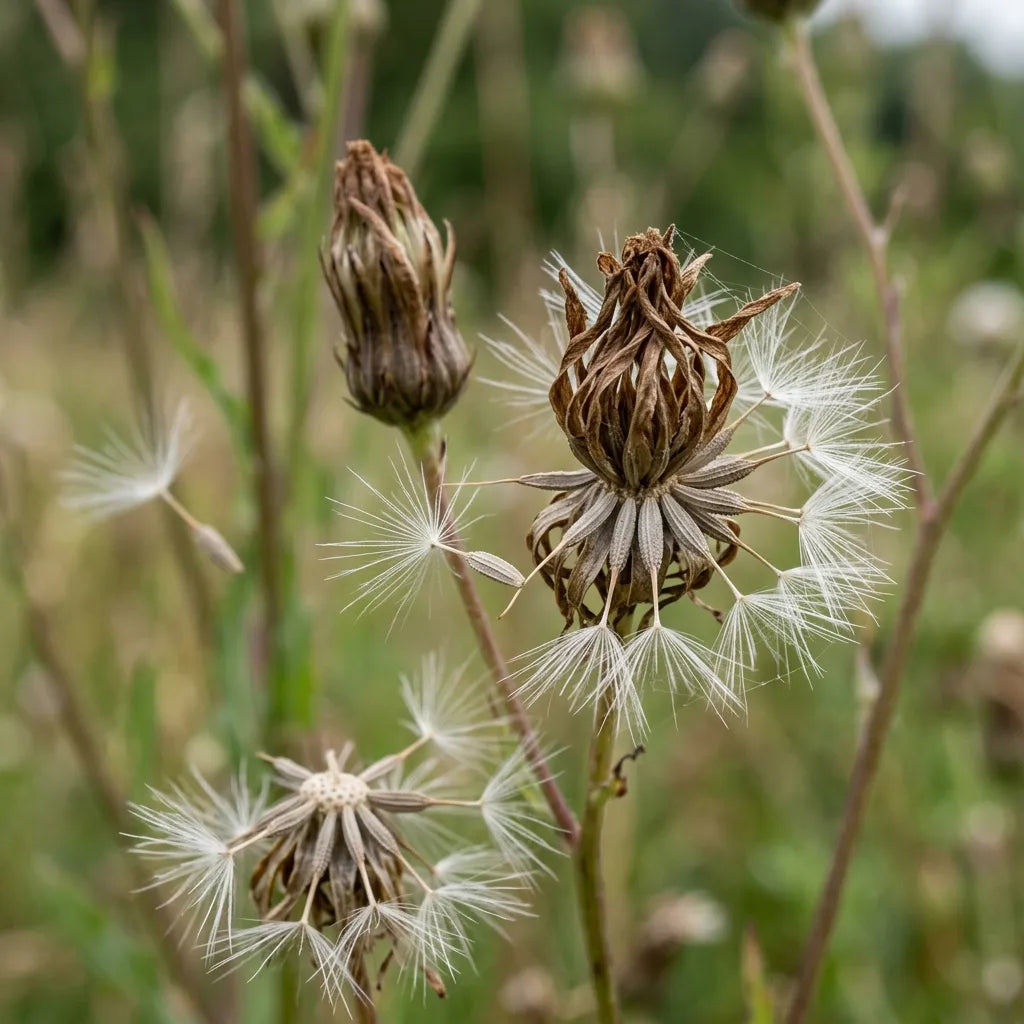
튼튼한 포기 하나를 꽃대가 올라오도록 두세요. 높은 꽃줄기가 자란 뒤 솜털이 달린 수과가 생기며, 익는 시기가 서로 다르므로 차례로 수확합니다. 아이스버그 상추는 결구가 매우 단단하므로, 꽃줄기가 나오기 쉽도록 꼭대기를 십자 모양으로 칼집 내세요. 상추는 자가수분하므로 교잡은 드뭅니다. 씨앗 보관 방법을 참고하세요.
품질에 대한 약속: SemiSauvage - 퍼머컬처에서는 생명 존중을 중심 가치로 삼아 씨앗을 재배하고 선발합니다. 오베르뉴 화산 인근에 자리한 저희는 여러 해 재배해 씨앗을 받을 수 있고 교잡되지 않은 품종을 선택합니다. 발아율을 시험하고, 선별한 뒤 화학 처리를 전혀 하지 않고 정성껏 포장합니다. 저희의 신념은 정원사들이 해마다 자신만의 씨앗을 다시 뿌릴 수 있는 능력을 되찾도록 돕는 것입니다.
가장 아삭하고, 버거 속에서도 형태를 잘 유지하는 상추.