Trigonella foenum-graecum
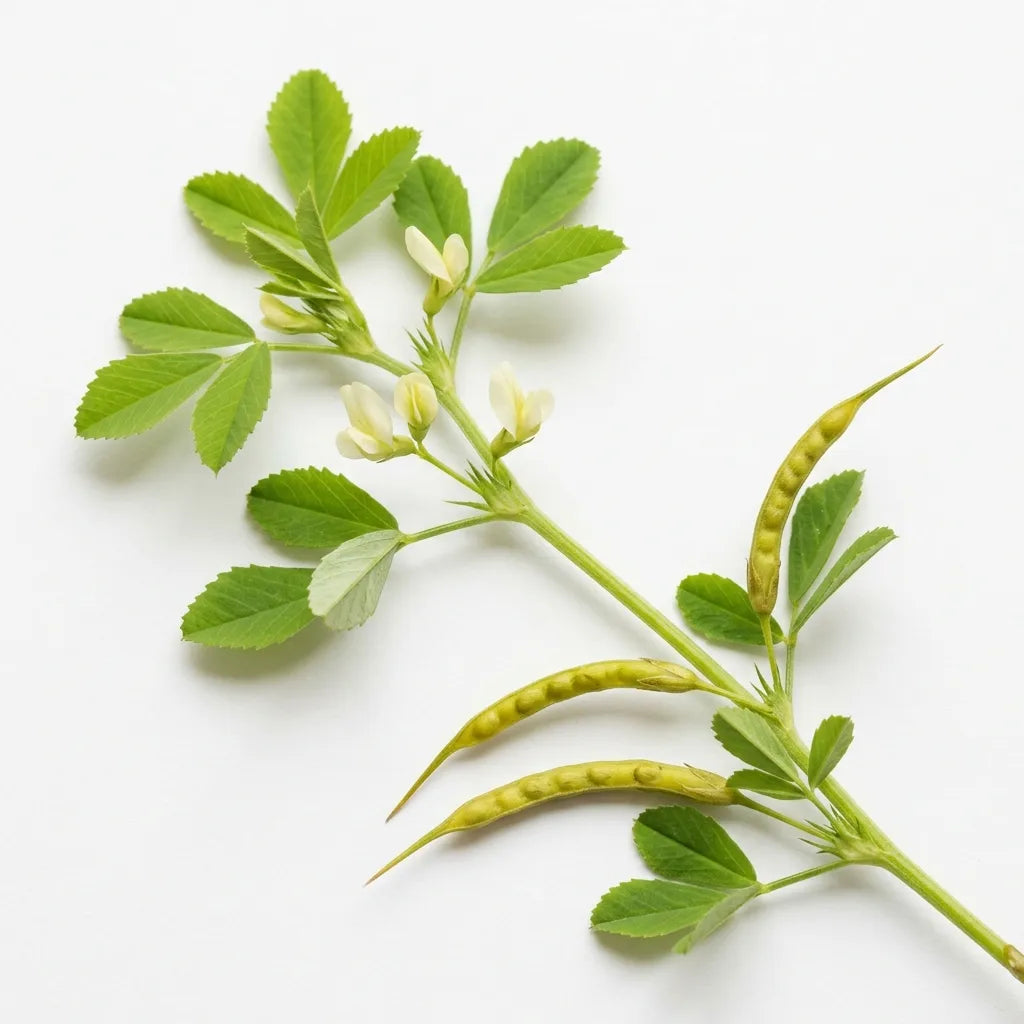
호로파, 페누그릭, 그리스 클로버, 할바: 라틴어 이름은 ‘그리스의 건초’를 뜻하며, 이는 가장 오래된 용도인 사료와 녹비를 떠올리게 합니다. 고대부터 지중해 전역에서 재배되어 온 이 작은 콩과식물은 텃밭에서 두 가지 역할을 합니다. 토양에 질소를 공급하고, 인도 요리에 전통적으로 사용되는 향긋한 씨앗을 제공합니다.
특징:
-
질소 고정 콩과식물: 자라는 토양을 자연스럽게 비옥하게 합니다.
-
향긋한 씨앗: 약간 쌉쌀하면서 향이 매우 강하며, 다양한 향신료 혼합물의 기본 재료로 쓰입니다.
-
식용 어린순: 샐러드로 먹거나 시금치처럼 조리해 먹을 수 있습니다.
-
강건하고 소박함: 가뭄과 토양의 약한 염분을 견딥니다.
파종 방법:
-
햇빛: 양지.
-
토양: 양토질의 가볍고 배수가 잘되며 지나치게 무겁지 않은 토양. 콩과식물이므로 질소 비료를 따로 줄 필요가 없습니다. 뿌리혹의 박테리아 덕분에 스스로 질소를 만들어 내기 때문입니다. 척박한 토양에서도 잘 자랍니다.
-
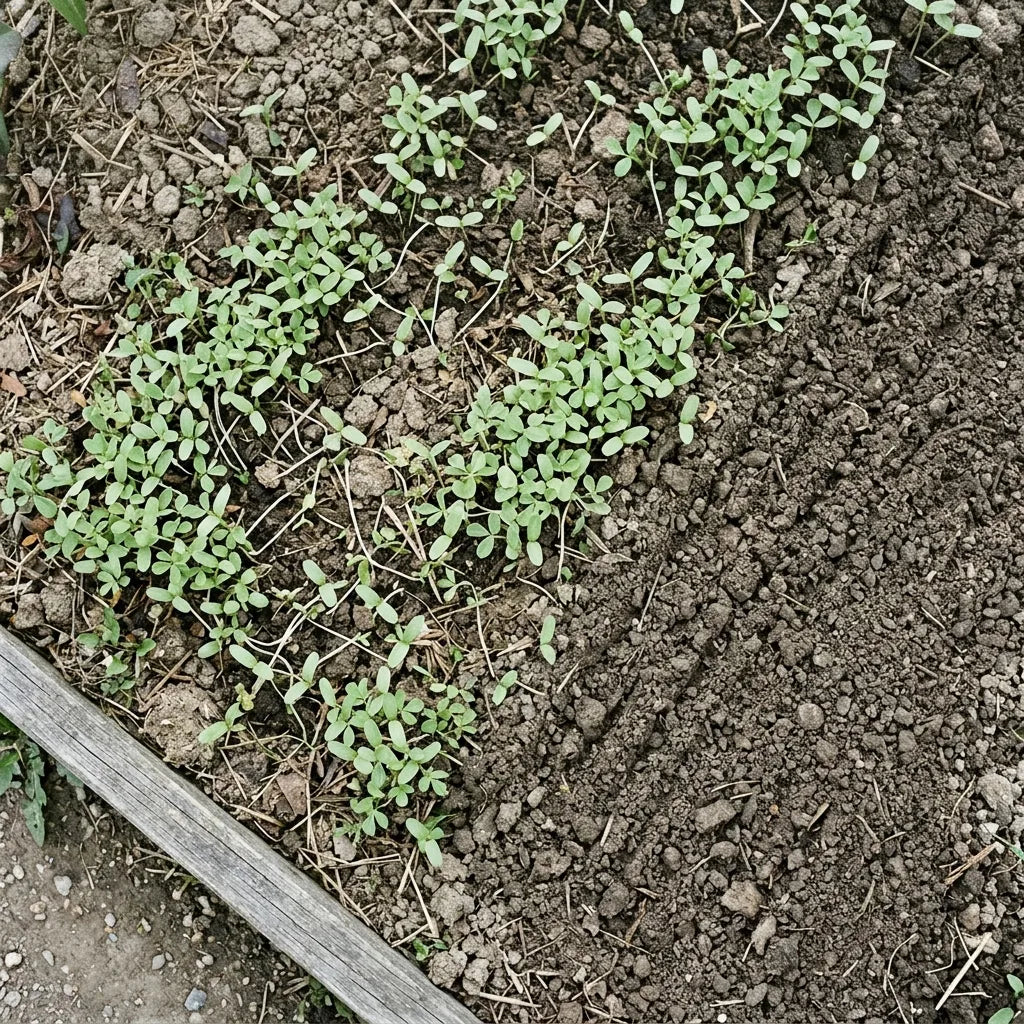
방법: 파종 전에 씨앗을 미지근한 물에 12~18시간 불리세요. 그런 다음 서리가 끝난 늦봄부터 초여름 사이에 1cm 깊이로 제자리에 바로 파종합니다. 씨앗을 파종하는 방법을 참고하세요.
관리 방법:
- 관리가 거의 필요하지 않습니다. 물은 적당히 주세요. 가뭄보다 과습을 훨씬 더 싫어합니다.
- 녹비로 사용할 경우 꽃이 피기 전에 베고 잔여물은 지표면에 그대로 두세요. 뿌리에 고정된 질소가 다음 작물에 이용될 수 있습니다.
수확 방법:
- 어린순은 자라는 대로 수확하세요. 씨앗은 꼬투리가 갈색으로 변했을 때 포기째 뽑아 거꾸로 매달아 말린 다음 꼬투리에서 꺼냅니다.
도움이 되는 작물 조합:
- 모든 콩과식물과 마찬가지로 질소를 많이 필요로 하는 작물인 양배추, 호박, 옥수수 등을 심기 전에 재배하면 이상적입니다. 녹비와 토양 개량에 대해 알아보세요.
생물다양성에 유익한 점:
- 뿌리혹에는 질소를 고정하는 박테리아가 서식하여 토양을 지속적으로 비옥하게 합니다. 이는 토양 속 모든 생명체에 기여하는 역할입니다. 살아 있는 토양을 참고하세요.
- 작고 연한 황백색 꽃은 꿀벌과 작은 야생 수분매개자들이 찾아옵니다.
활용:
- 씨앗을 볶아 갈아서 조미료로 사용하며, 커리와 인도식 향신료 혼합물인 판치 포론의 전통적인 재료입니다. 어린순은 샐러드로 먹거나 볶아 먹습니다. 텃밭의 녹비로도 사용할 수 있습니다. 파종할 수 있는 전통 약용식물을 살펴보세요.
직접 씨앗 채종하기:
아주 간단합니다. 식용 수확이 곧 씨앗 수확이기도 합니다. 몇 포기는 완전히 익을 때까지 남겨 두고, 꼬투리를 말린 다음 씨앗을 꺼내세요. 씨앗 보관 방법을 참고하세요.
품질을 위한 약속: SemiSauvage - Permaculture에서는 생명을 존중하는 마음을 중심에 두고 씨앗을 재배하고 선별합니다. 오베르뉴 화산 지대 인근에 자리한 저희는 발아율을 검사하고 세심하게 선별·포장한, 화학적 처리를 전혀 하지 않은 재생산 가능한 비F1 품종을 선택합니다. 저희의 믿음은 정원사들이 해마다 진정으로 자신의 씨앗을 다시 파종할 수 있는 능력을 되찾도록 돕는 것입니다.
여러분의 식탁과 토양을 동시에 풍요롭게 하는 식물입니다.