Cucurbita pepo « 스파게티 »
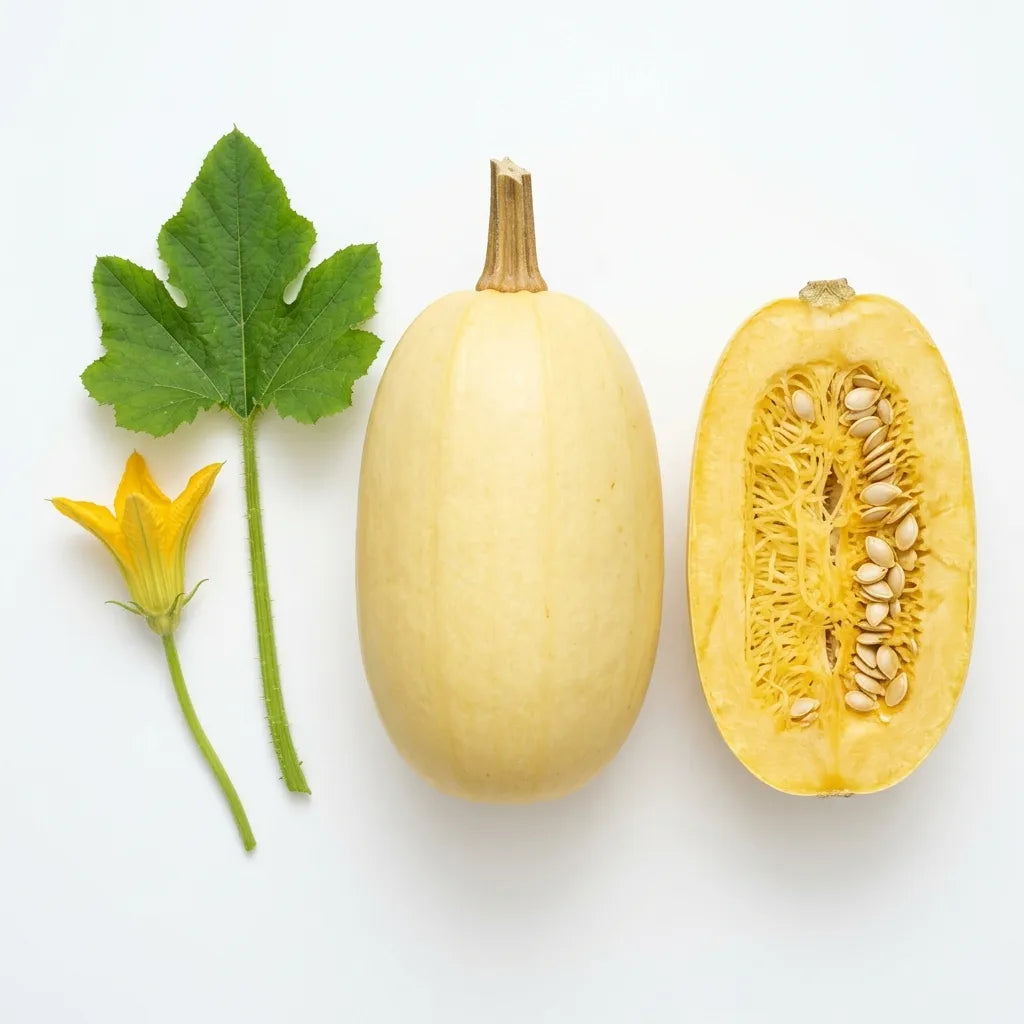
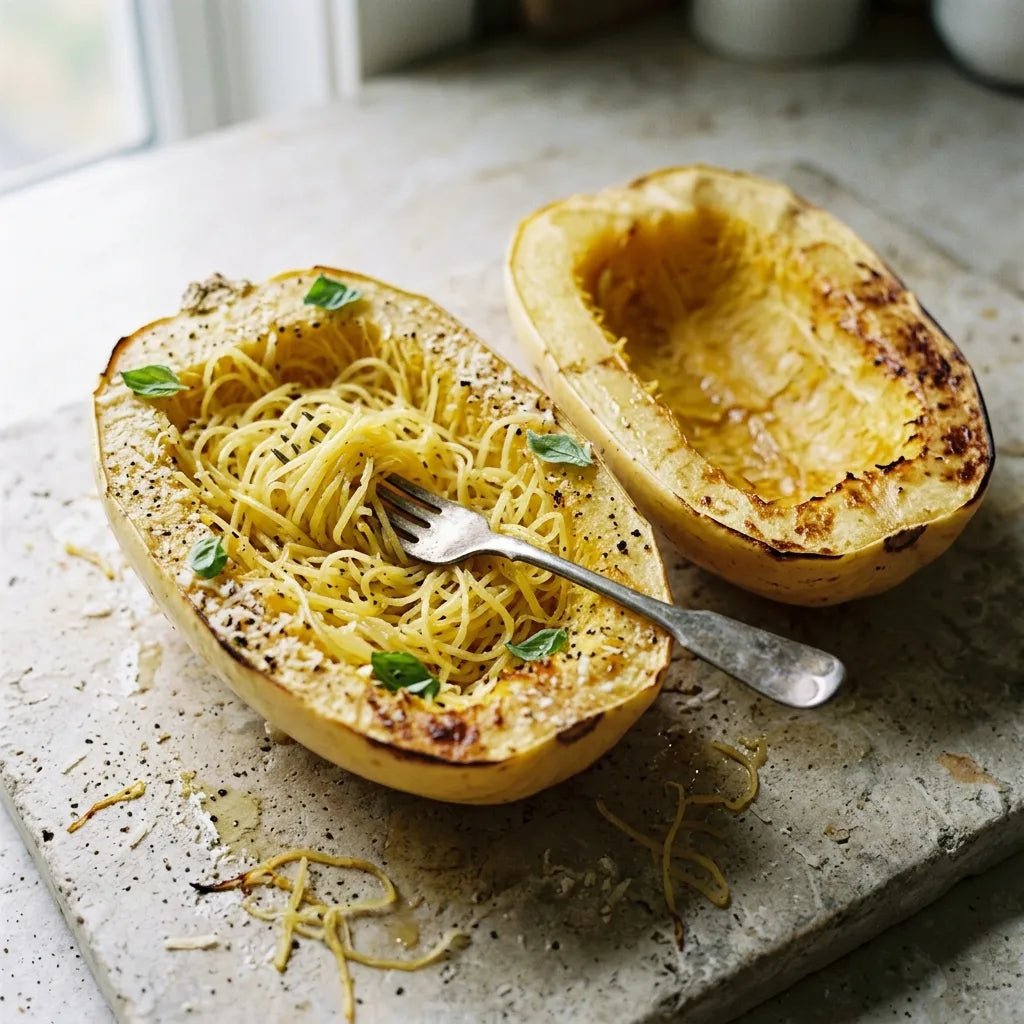
스파게티 호박, 채소 호박, 엔젤 헤어 호박. 이름은 단순한 마케팅 표현이 아닙니다. 익히면 과육이 저절로 길고 황금빛 섬유처럼 풀어져 파스타와 놀라울 만큼 비슷해집니다. 포크로 긁어내기만 하면 됩니다. 식탁에서 언제나 감탄을 자아내는 식물의 마술입니다.
특징:
-
섬유질 과육: 익힌 뒤 황금빛 스파게티처럼 갈라집니다.
-
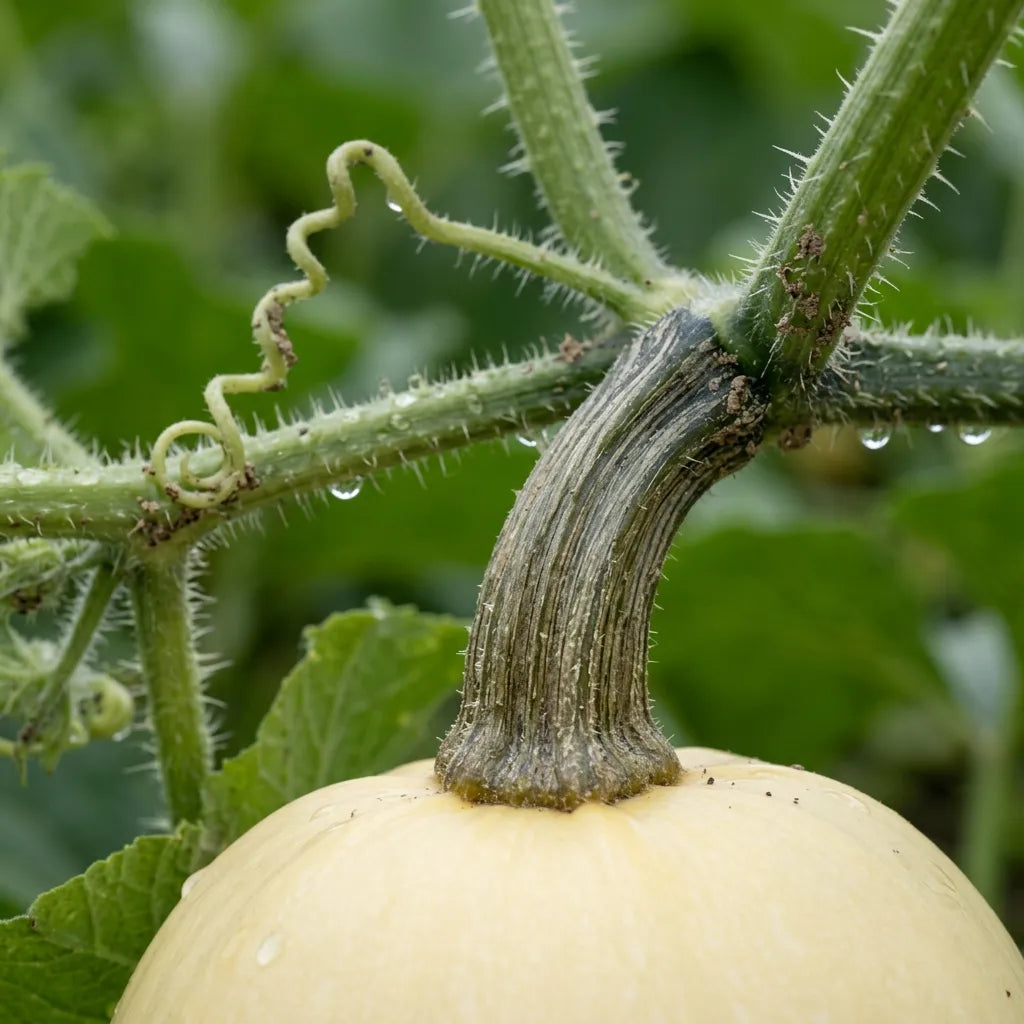
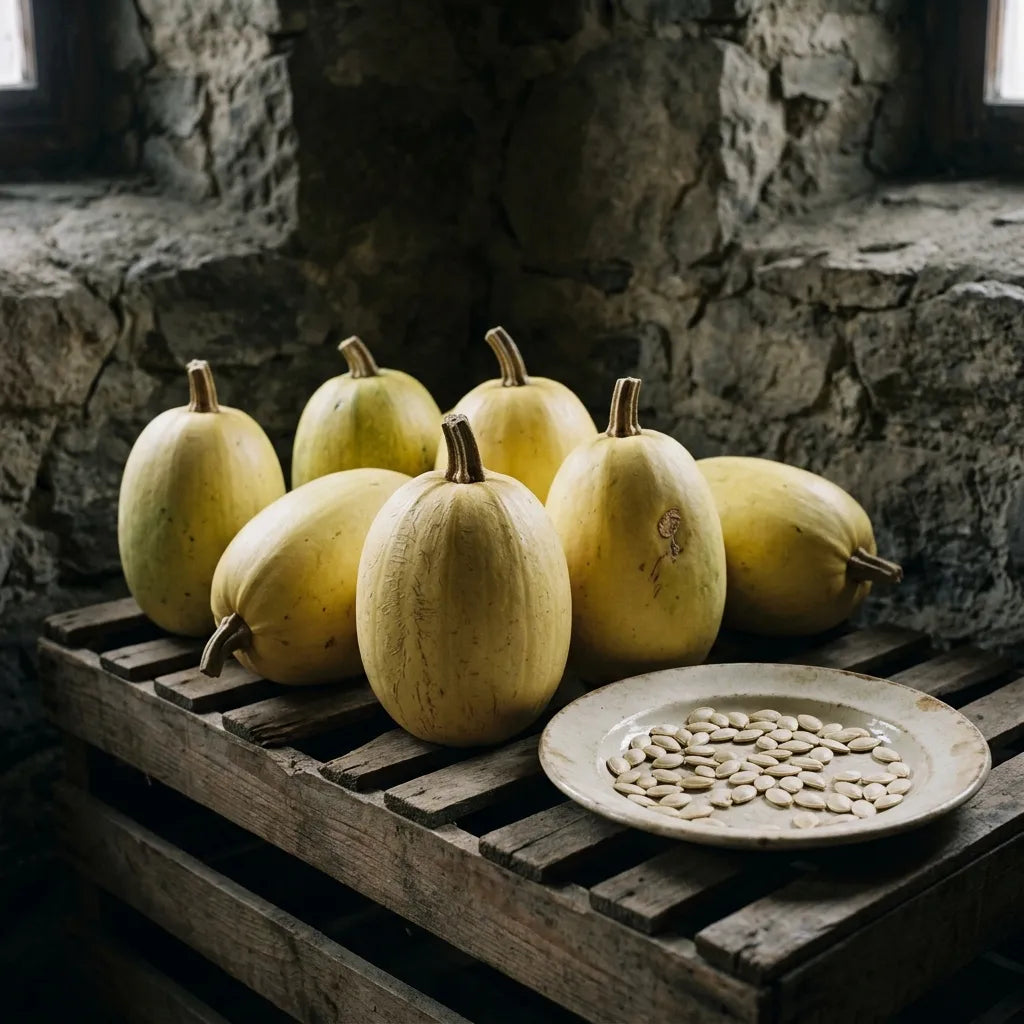
겨울 호박: 연한 노란색 껍질과 1~2kg의 타원형 열매를 맺으며, 오래 보관할 수 있습니다.
-
부드럽고 중성적인 맛: 짭짤한 소스와 달콤한 소스 모두 잘 어울립니다.
-
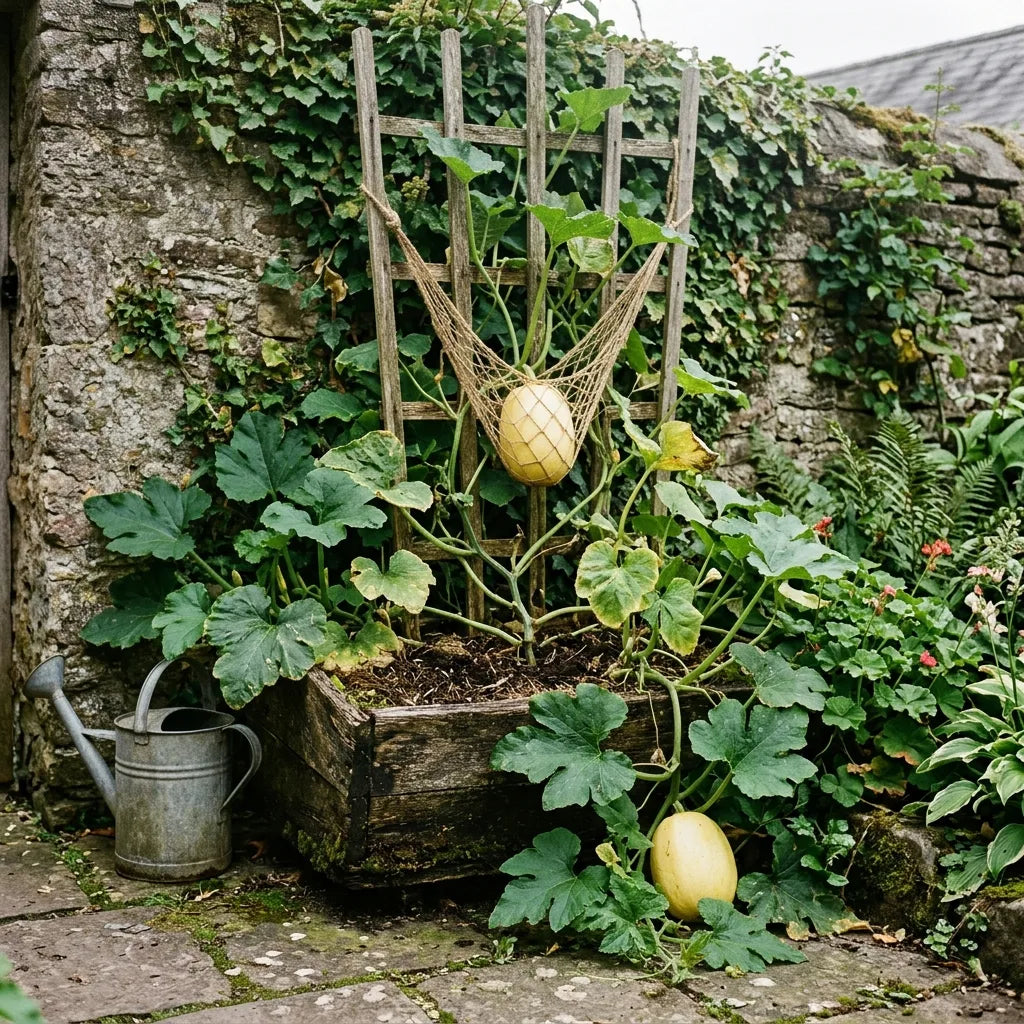
대부분의 덩굴성 호박보다 덜 번지는 형태로 자랍니다.
주의사항:
- 모든 박과 식물과 마찬가지로 매우 쓴맛이 나는 열매에는 소화기관을 자극하는 쿠쿠르비타신이 들어 있을 수 있습니다. 항상 작은 조각을 맛보세요. 쓴맛이 강하면 열매 전체를 버리십시오.
파종 요령:
-
햇빛: 따뜻하고 햇빛이 잘 드는 곳.
-
토양: 부식질이 풍부하고 깊으며 배수가 잘되는 토양에 충분히 잘 숙성된 퇴비를 넣어 주세요. 매우 많은 양분을 필요로 하는 식물입니다. 뿌리목에 물이 고이는 것을 싫어합니다.
-
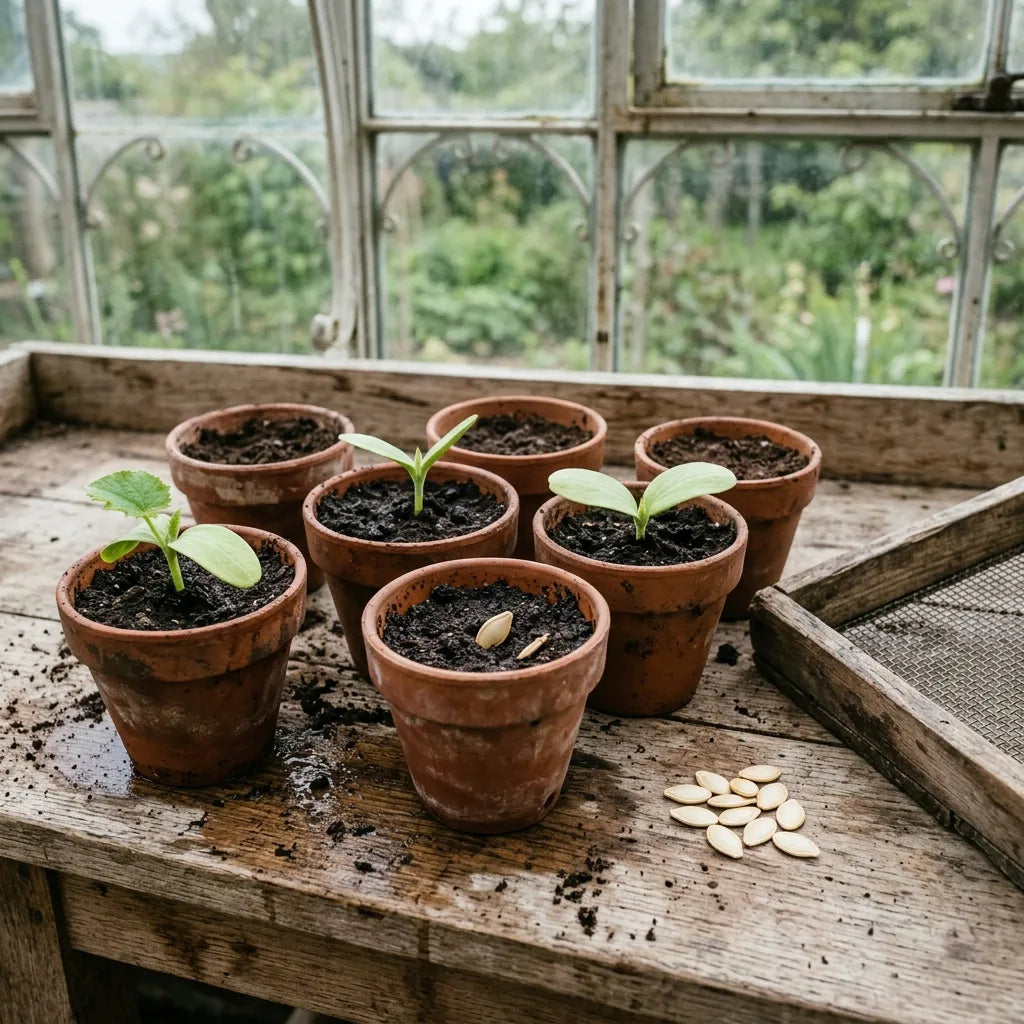
방법: 봄에 파종하세요. 4월부터 20~25°C의 보호된 장소에서 포트에 파종하거나, 마지막 서리가 지난 뒤 밭에 2~3cm 깊이로 씨앗을 세워 심습니다. 씨앗 파종 방법을 참고하세요.
심기 요령:
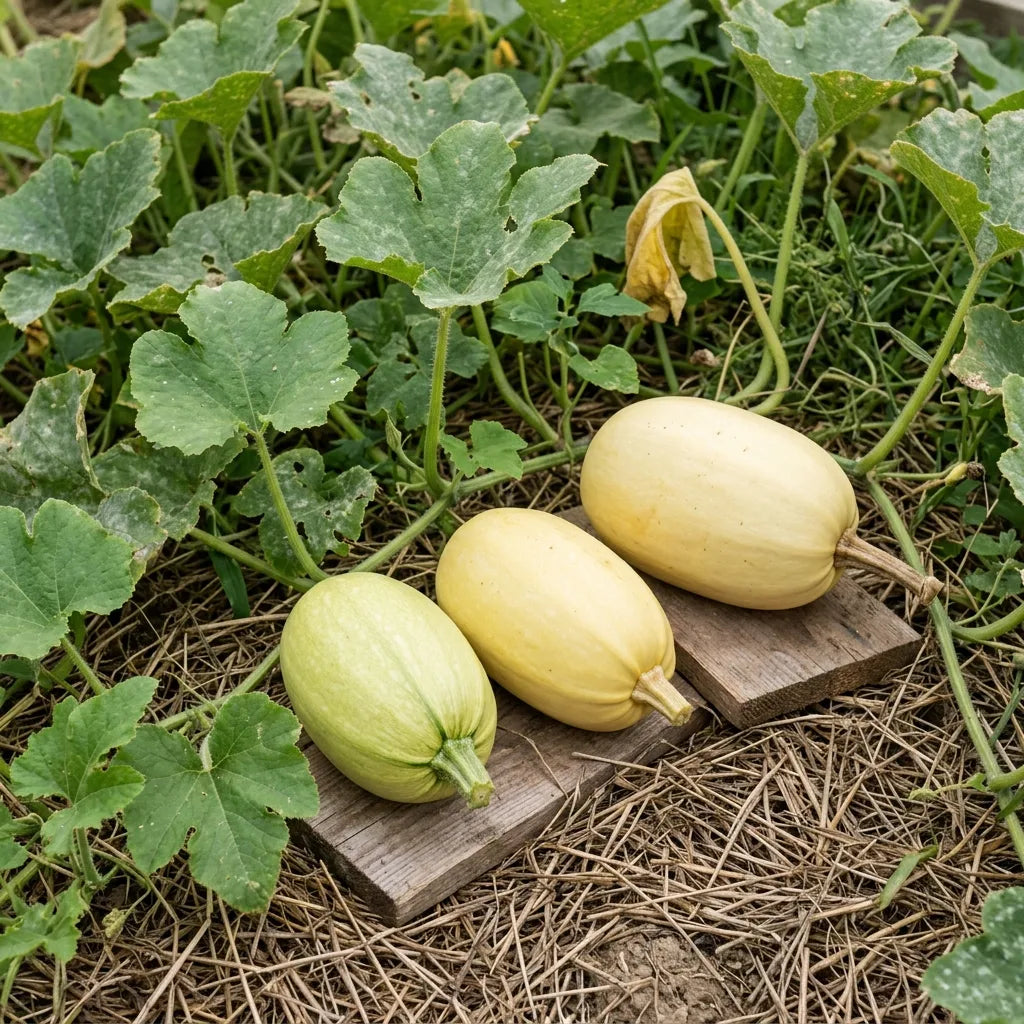
- 서리가 지난 뒤 1m 간격으로 옮겨 심습니다. 두껍게 멀칭하여 흙의 수분을 유지하고 열매를 깨끗하게 보호하세요.
관리 요령:
- 잎이 젖지 않도록 하면서 포기 밑에 충분히 물을 주세요. 흰가루병을 줄이는 데 도움이 됩니다.
- 열매마다 밑에 널빤지를 깔아 습한 흙과 직접 닿지 않게 하세요.
수확 요령:
- 서리가 내리기 전에, 껍질이 충분히 노랗게 변하고 손톱으로 더 이상 긁히지 않을 때 수확하세요. 열매자루를 5cm 남겨 두세요. 바짝 잘라내면 빨리 썩습니다.
- 너무 일찍 수확하면 과육이 단단하게 뭉쳐 실처럼 풀리지 않습니다. 이 품종에서 가장 흔한 실수입니다.
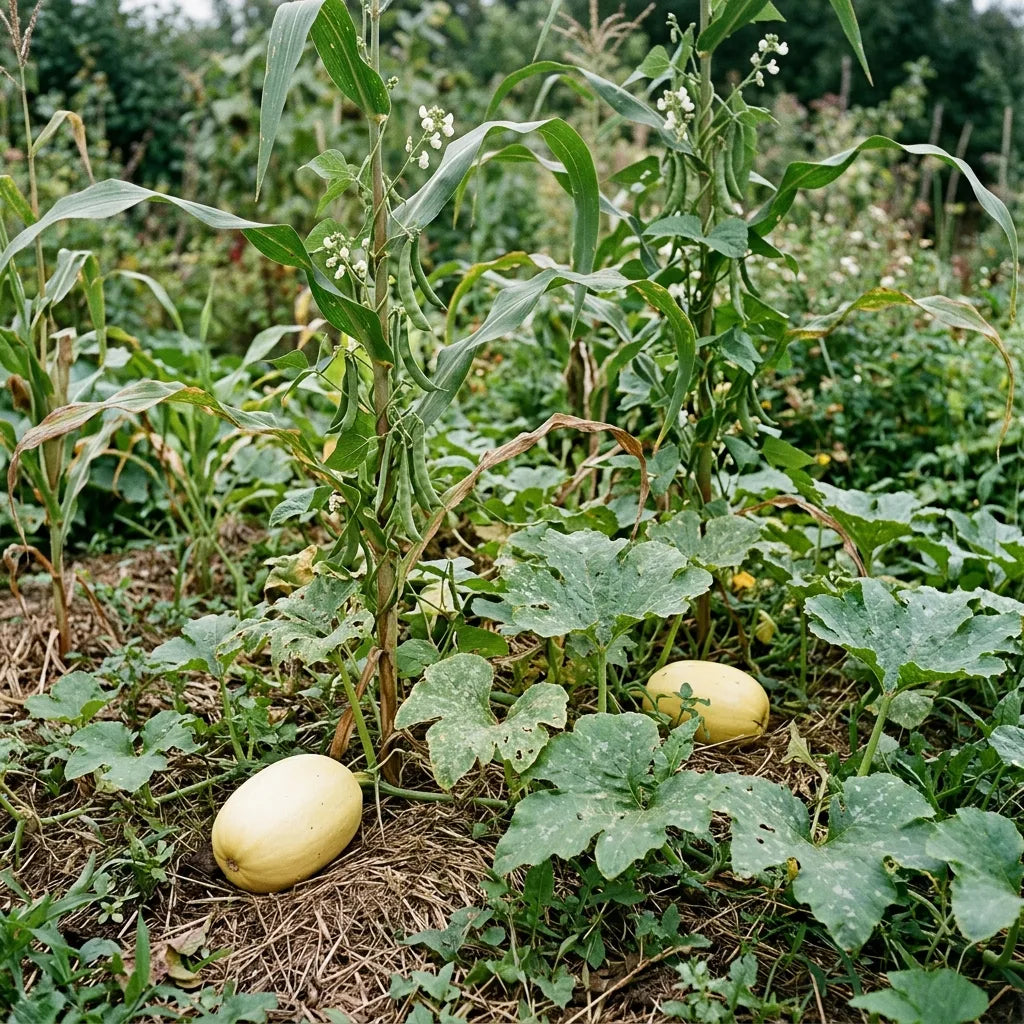
유익한 조합:
생물다양성에 대한 이점:
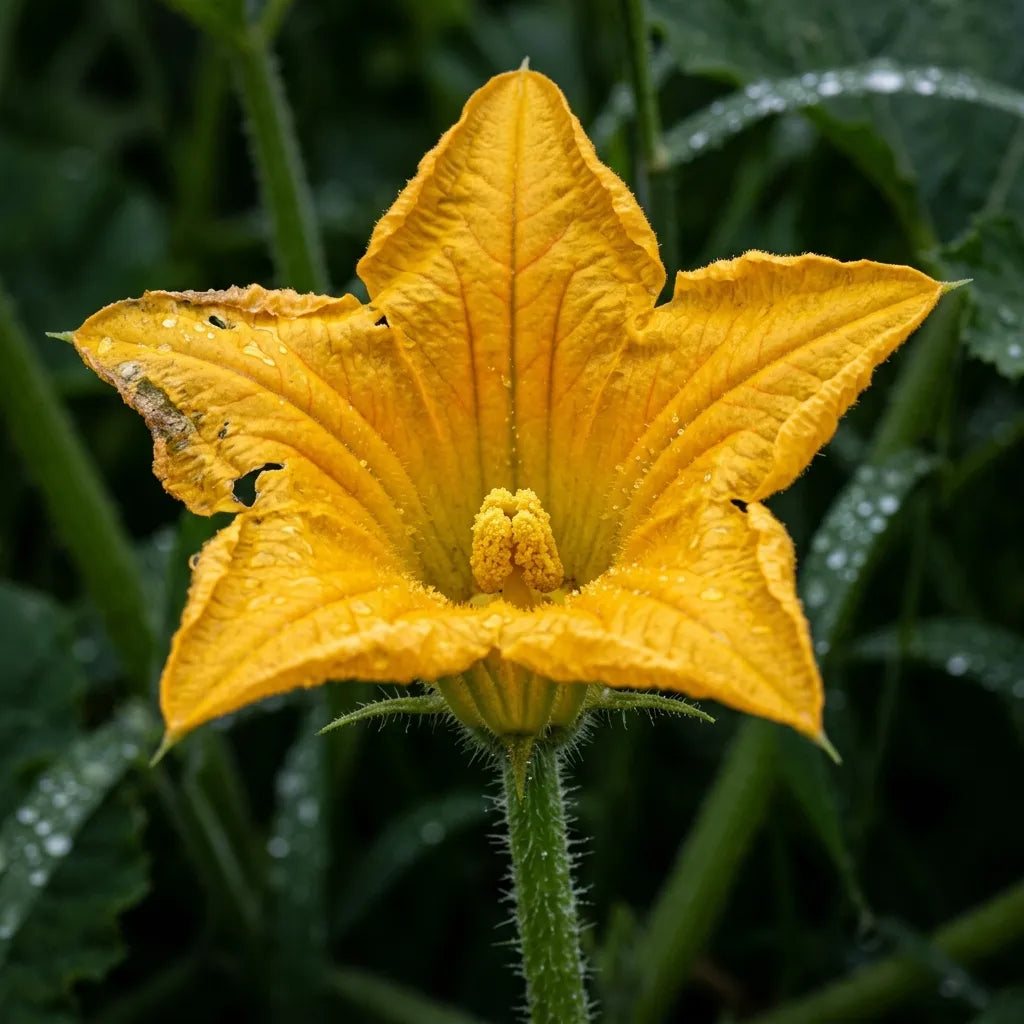
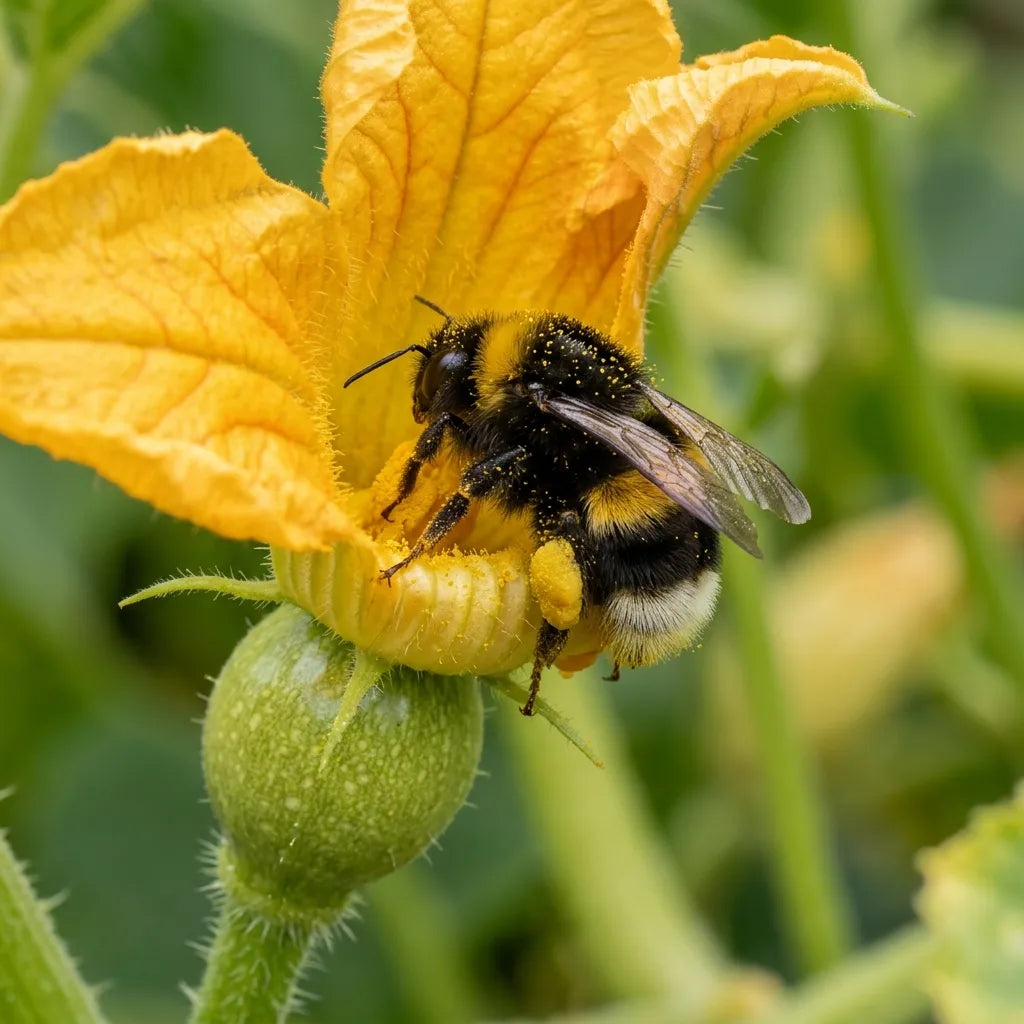
- 큰 노란 꽃이 해 뜰 무렵부터 꿀벌과 뒤영벌에게 꽃가루와 꿀을 풍부하게 제공합니다.
- 넓게 퍼지는 잎이 땅을 덮어 잡초를 억제하고 여름철 건조로부터 토양을 보호합니다.
활용법:
- 반으로 잘라 오븐에서 약 40분간 익힌 다음, 포크로 과육을 긁어내세요. 토마토소스나 페스토, 또는 버터와 파르메산 치즈만 곁들여 파스타처럼 먹을 수 있는 섬유질이 만들어집니다. 반으로 남은 껍질은 서빙용 그릇으로 활용할 수 있습니다.
직접 씨앗 받기:
충분히 익은 열매에서 씨앗을 꺼내 씻은 뒤 며칠 동안 평평하게 펼쳐 말리세요. 주의: Cucurbita pepo는 서로 매우 쉽게 교잡합니다(애호박, 패티팬 호박, 장식용 호박). 씨앗받이용 개체를 다른 개체와 격리하세요. 씨앗 보관 방법을 참고하세요.
품질을 향한 약속: SemiSauvage - 퍼머컬처에서는 생명을 존중하는 마음을 중심에 두고 씨앗을 재배하고 선별합니다. 오베르뉴 화산 지대 인근에 자리한 저희는 재배가 가능하고 비혼종인 품종을 선택하여 발아율을 검사하고, 정성껏 선별하고 포장하며, 어떠한 화학 처리도 하지 않습니다. 저희의 신념은 정원사들이 해마다 진정으로 자신의 것이라 할 수 있는 씨앗을 다시 심을 능력을 되찾도록 하는 것입니다.
텃밭에서 자라는 스파게티: 가을에 펼쳐지는 마법입니다.