Campanula medium
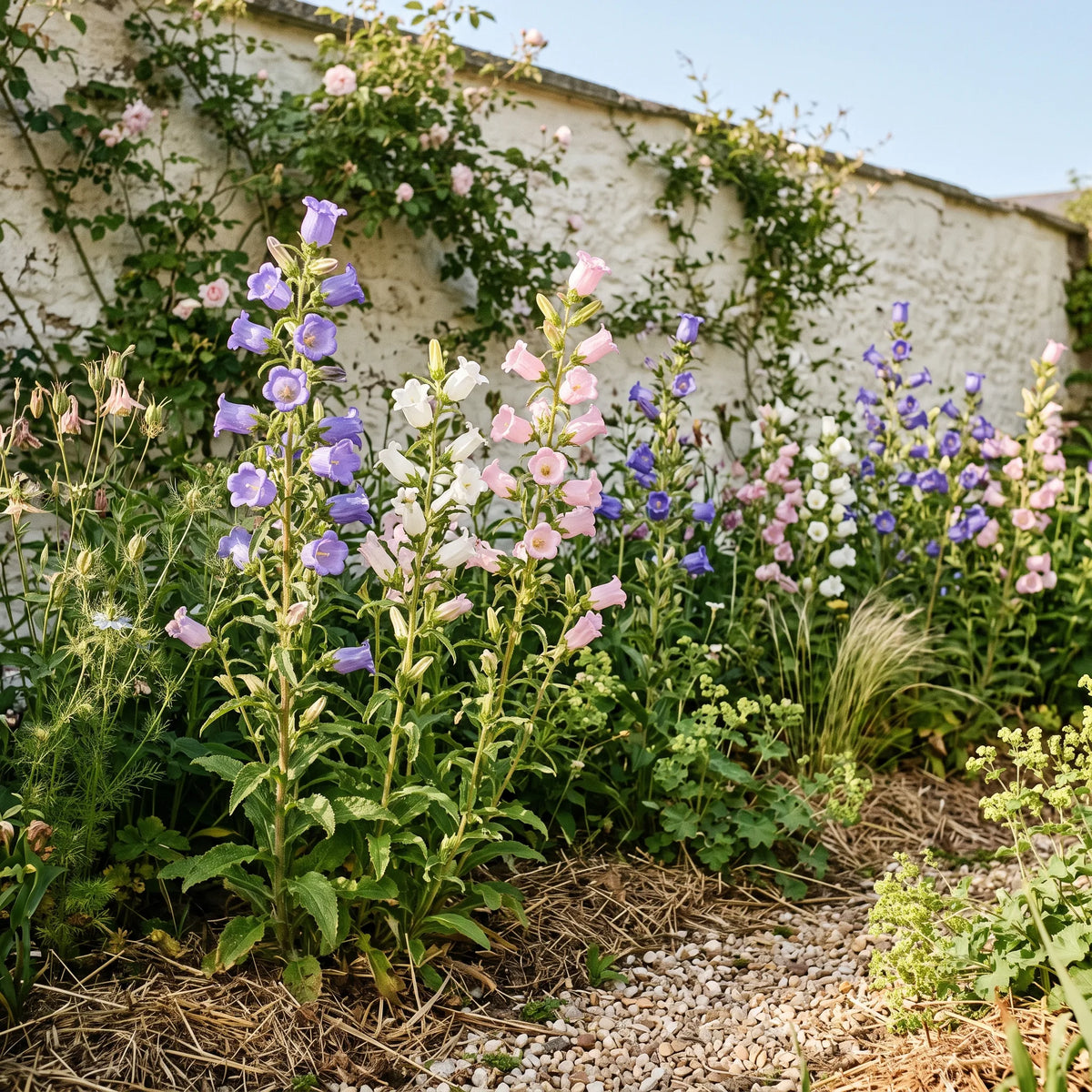
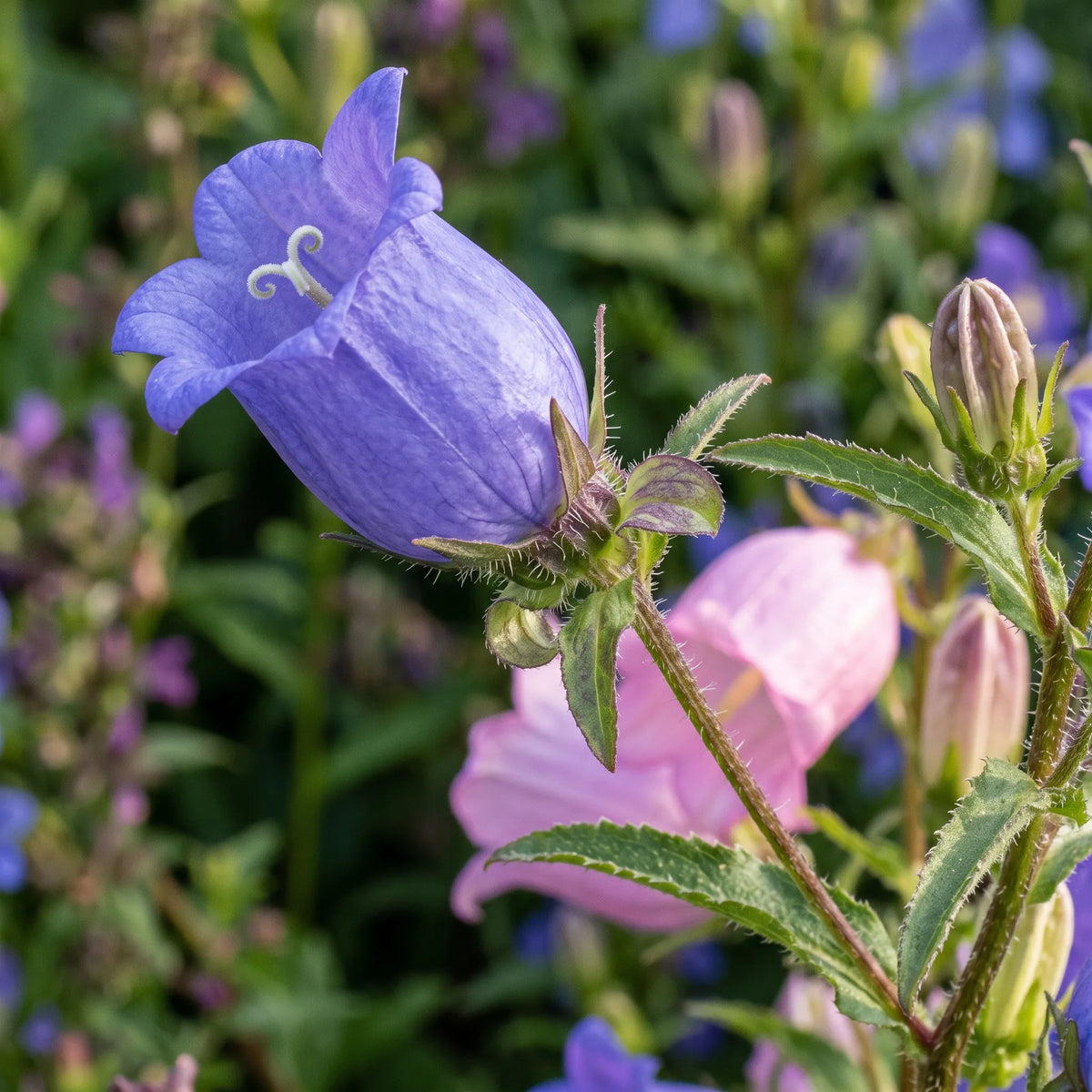
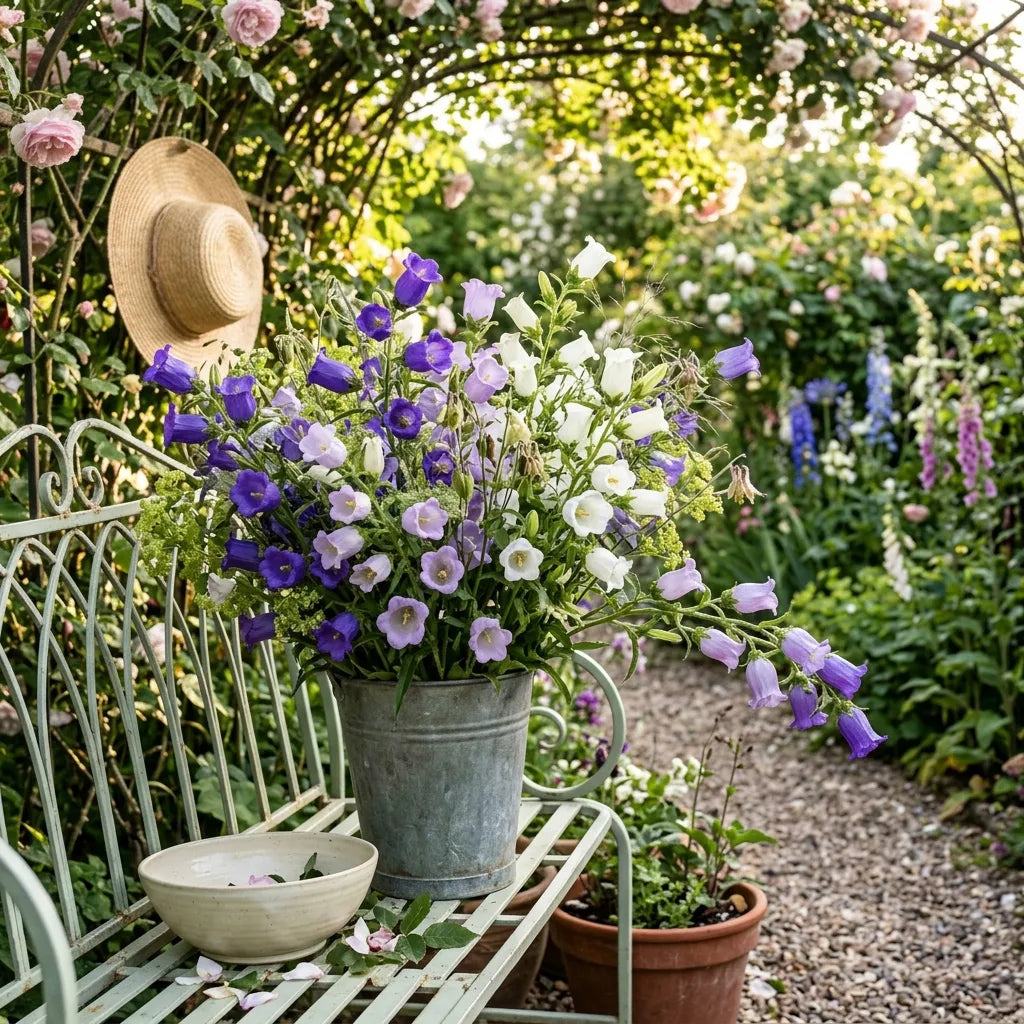
زهرة الجرس، جرس الحدائق، قفاز السيدة العذراء، جرس كانتربري: لطالما سحرت أجراسها الكبيرة المنتصبة، الممتلئة إلى درجة تجعلها تبدو كأنها مصنوعة من الخزف، حدائق القساوسة منذ القرن السادس عشر. بيضاء أو وردية أو زرقاء أو بنفسجية، تصطف على طول سيقان زهرية ترتفع حتى 90 سم.
الخصائص:
-
أجراس كبيرة منتصبة: تتدرج ألوانها من الأبيض إلى البنفسجي مرورًا بالأزرق الزاهي، من أواخر الربيع حتى الصيف.
-
قوام أنيق: سيقان زهرية بطول 60 إلى 90 سم، شديدة الزينة في خلفية أحواض الزهور.
-
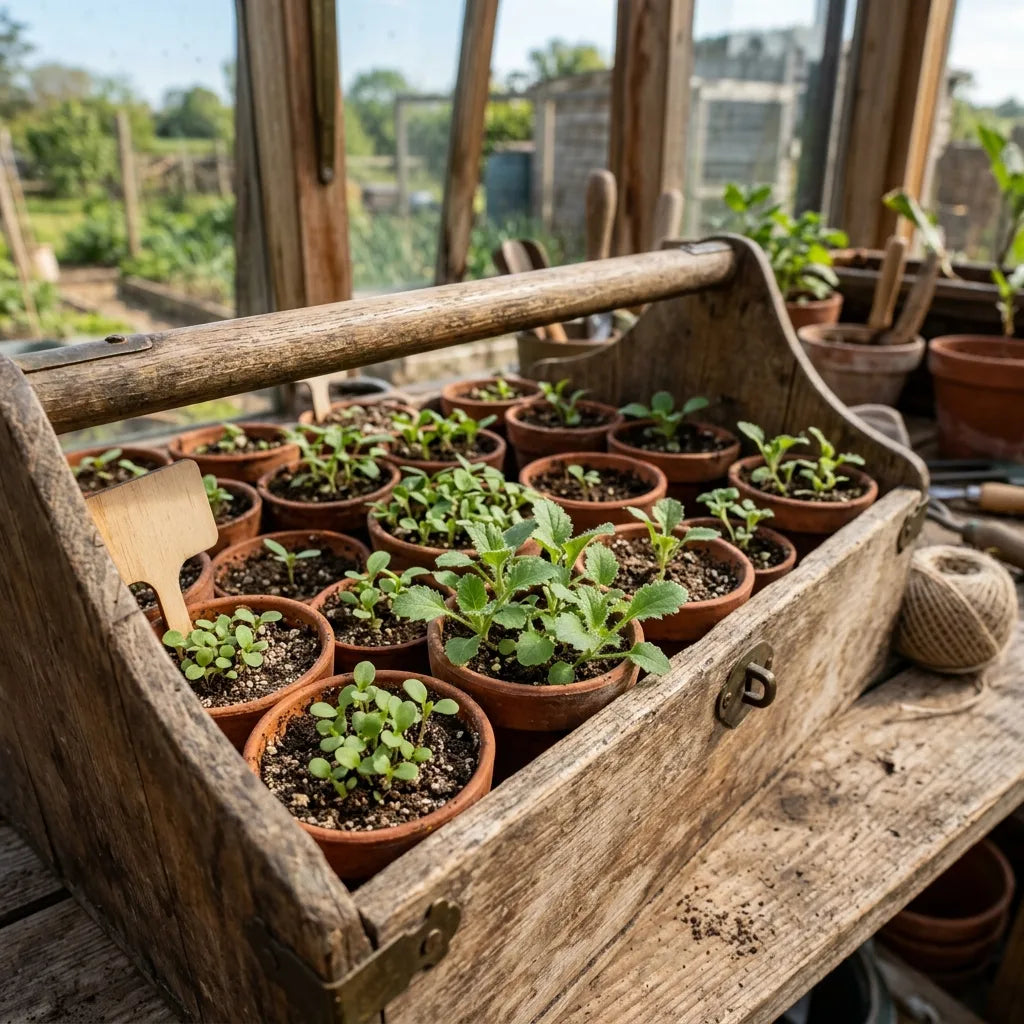
نبات ثنائي الحول: يشكل وردة葉ية في السنة الأولى، ثم يزهر بغزارة في السنة الثانية.
نصائح الزراعة بالبذور:
-
التعرض للضوء: الشمس أو الظل الجزئي؛ إذ يطيل الظل الجزئي فترة الإزهار في المناطق الحارة.
-
التربة: خفيفة جيدة التصريف، ويفضل أن تكون كلسية أو متعادلة، مع احتفاظها بقدر من الرطوبة. يخشى النبات الرطوبة الراكدة في الشتاء، التي تسبب تعفن وردته葉ية — وهي السبب الرئيسي لفشل الزراعة. في التربة الثقيلة، ازرعوه فوق ربوة خفيفة.
-
الطريقة: لا حاجة إلى معاملة باردة إلزامية، رغم أن التعرض الخفيف للبرودة يحسن الإنبات. ازرعوا من فبراير إلى أبريل تحت الغطاء، أو مباشرة في مكانها من مايو إلى يونيو لتحصلوا على الإزهار في العام التالي. وبما أن البذور صغيرة جدًا، انثروها على السطح من دون تغطية. انظروا إلى كيفية زراعة البذور.
نصائح الزراعة:
- انقلوا الوريدات في الخريف إلى مكانها النهائي، مع ترك مسافة 30 سم بينها، لتحصلوا على الإزهار في الربيع التالي.
نصائح العناية:
- الري باعتدال ومن دون إفراط. ثبّتوا السيقان بدعامات في الأماكن المعرضة للرياح، إذ تصبح السيقان المحملة بالأجراس ثقيلة.
- أزيلوا الأزهار الذابلة لإطالة فترة الإزهار، مع ترك بعض السيقان لإعادة البذر.
التنسيقات المفيدة:
أهميتها للتنوع الحيوي:
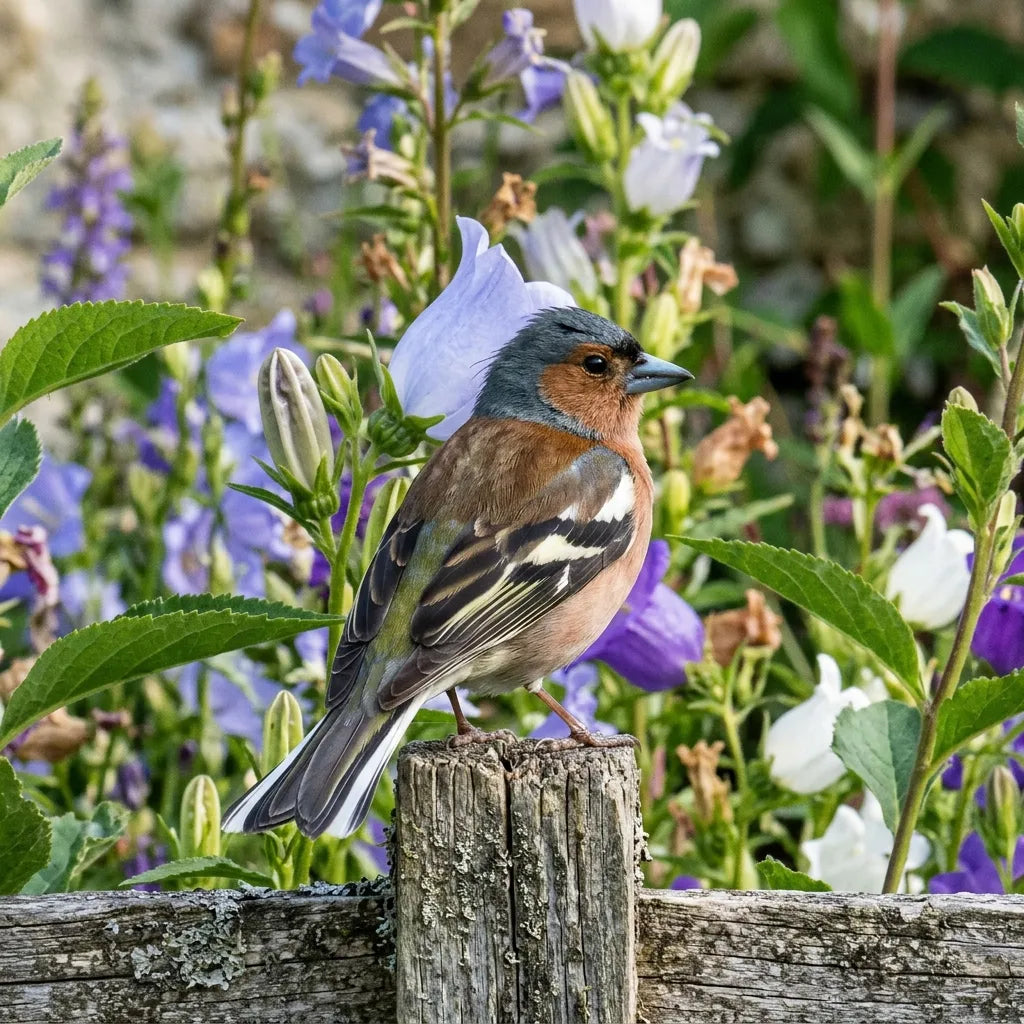
- تُعد أجراسها الكبيرة ملاجئ حقيقية للنحل الطنان، الذي يدخل إليها بالكامل ويمضي فيها أحيانًا الليل محميًا من المطر.
- تتخصص بعض النحل البري في أزهار الجرس ولا تتغذى إلا عليها؛ وزراعتها تعني توفير الغذاء لكائنات حية مميزة جدًا.
الاستخدام:
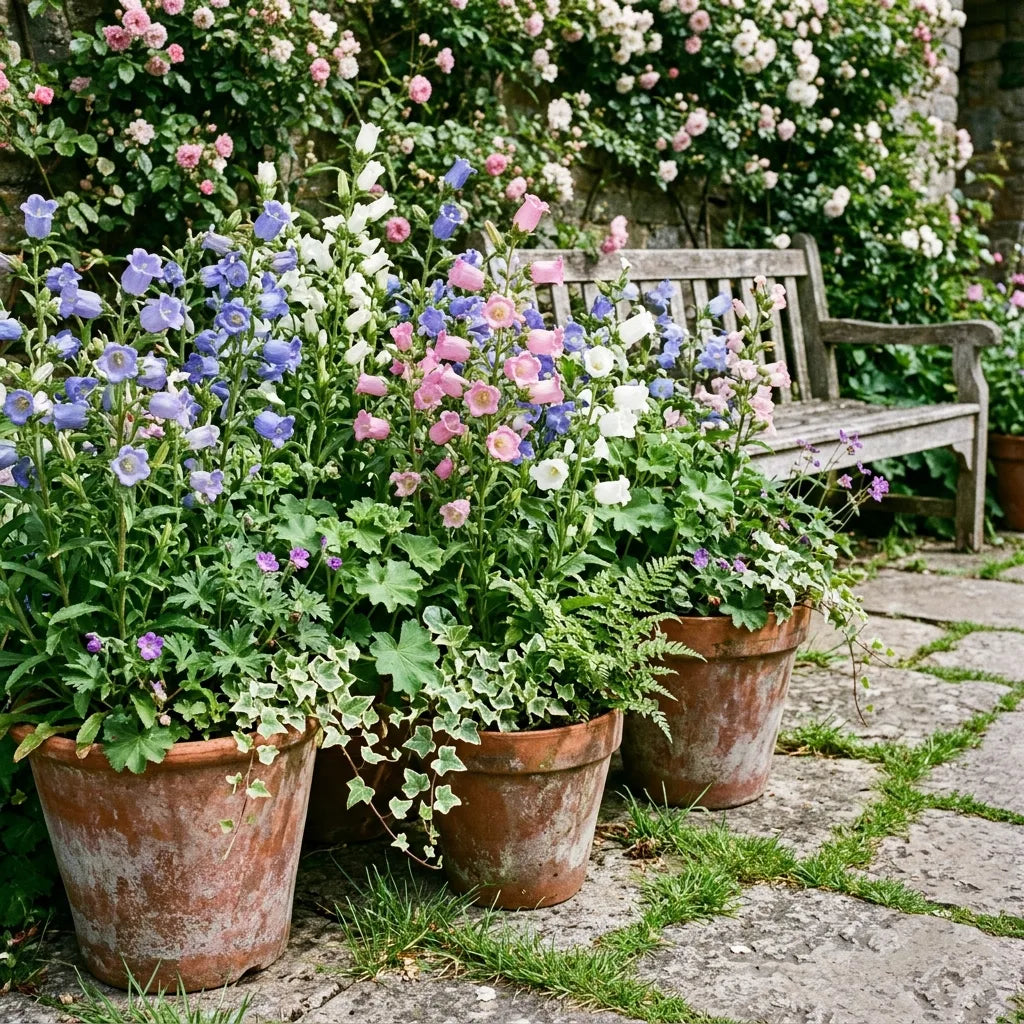
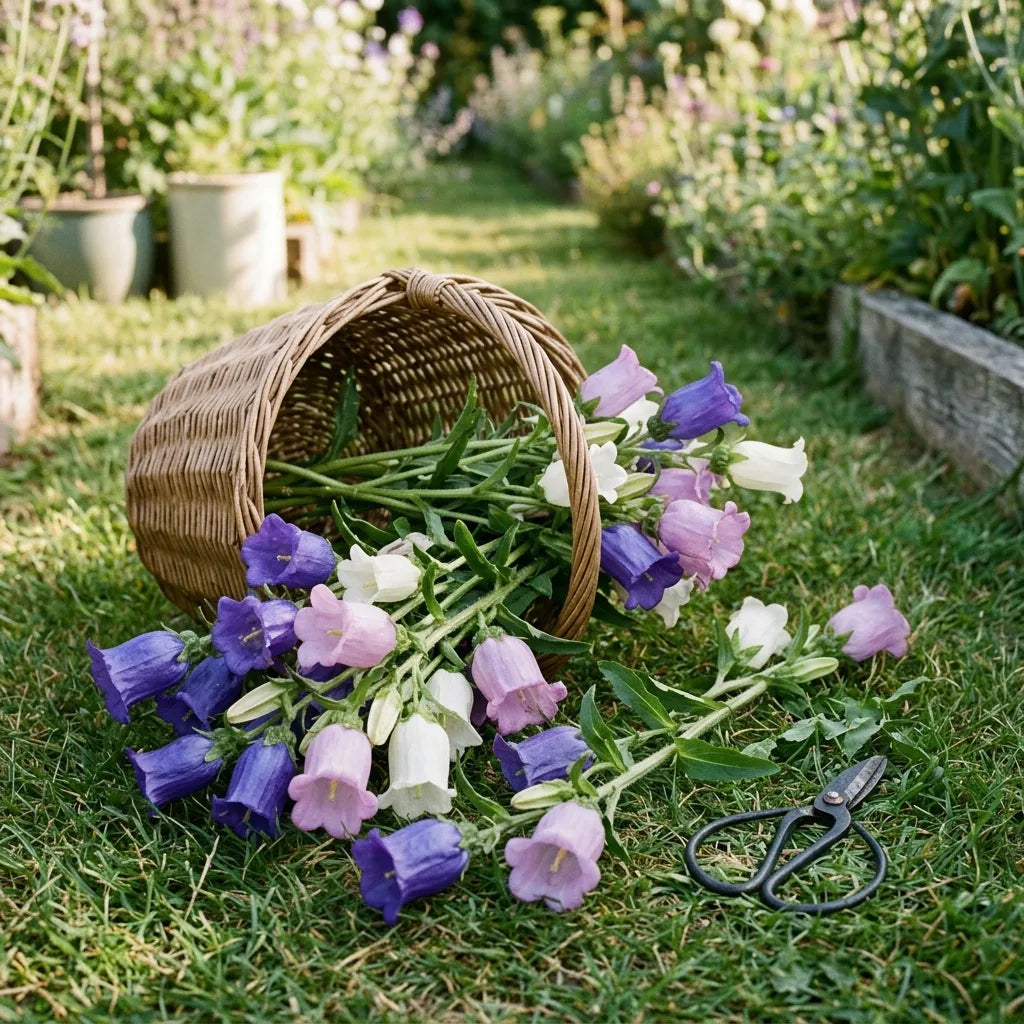
- الأحواض الطبيعية، والحواف، وحدائق القساوسة، والباقات، حيث تحتفظ سيقانها بمظهرها الرائع.
الرمزية:
ترمز زهرة الجرس إلى الامتنان والثبات والرقة. وكان يُهدى منها قديمًا للتعبير عن مودة صادقة وهادئة.
جمع بذوركم الخاصة:
اتركوا بعض الأزهار الذابلة لتكوّن محافظها البذرية، ثم اجمعوها عندما تصبح بنية وجافة، وقبل أن تنفتح عبر مسام صغيرة عند القاعدة. اقلبوها فوق ورقة: فالبذور دقيقة للغاية. انظروا إلى كيفية حفظ البذور.
الالتزام بالجودة: في SemiSauvage - Permaculture، نزرع بذورنا ونختارها مع جعل احترام الكائنات الحية نهجنا الأساسي. ومن مقرنا بالقرب من براكين أوفيرني، نختار أصنافًا قابلة لإعادة الإكثار وغير هجينة، ونختبر نسبة إنباتها، ونفرزها ونعبئها بعناية، من دون أي معالجة كيميائية. إيماننا هو إعادة قدرة إعادة البذر إلى البستانيين، عامًا بعد عام، ببذور يملكونها حقًا.
استعيدوا سحر حدائق الماضي مع بذور زهرة الجرس هذه.