Rosa canina
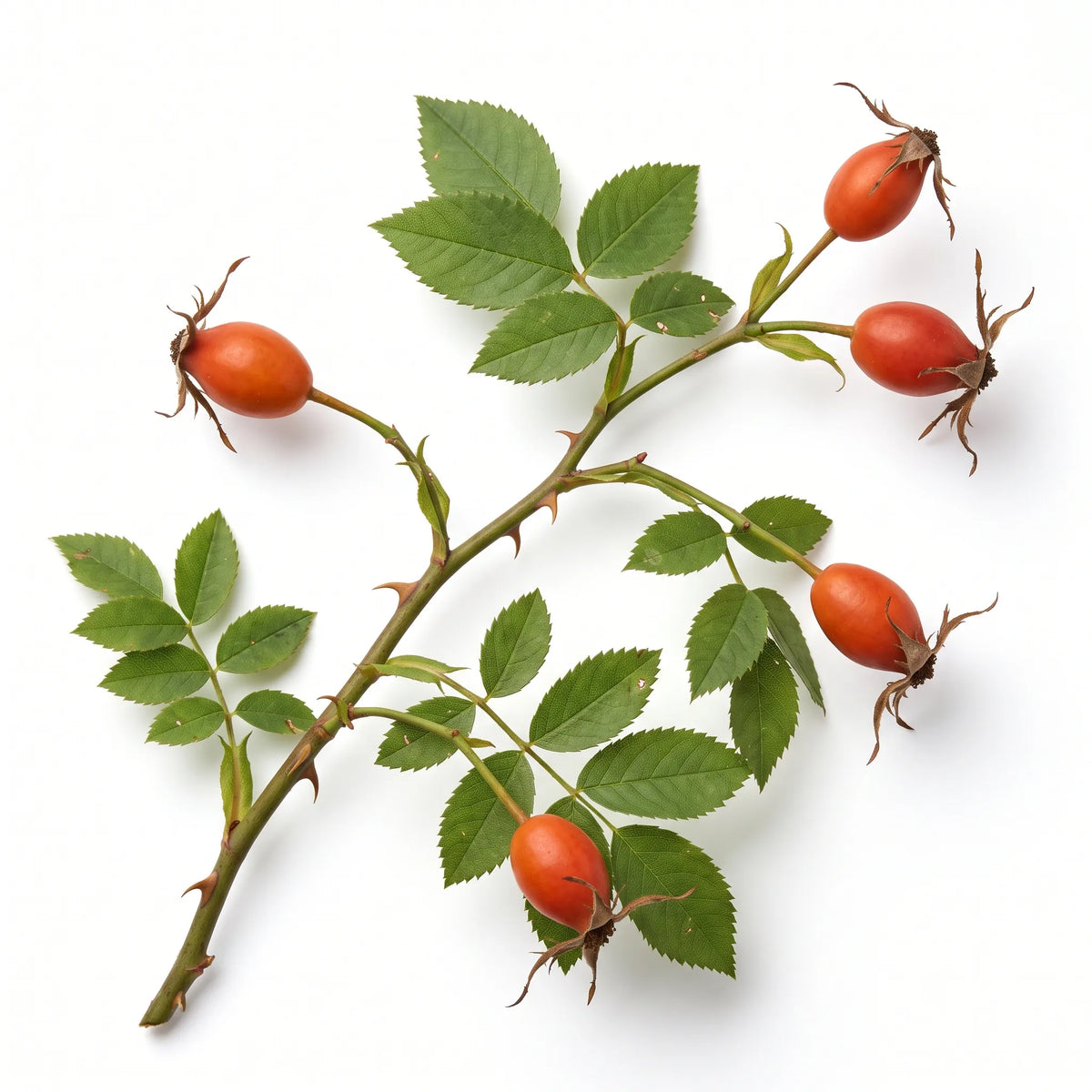
الورد البري، ورد الكلاب، الورد النابي، ورد السياج، وردة الحكة: هذا اللقب الأخير، غير الأنيق كثيرًا، يعود إلى الشعيرات المهيِّجة التي تبطّن داخل ثمرة الورد البري. إنه السلف البري لجميع شجيرات الورد المزروعة في حدائقنا، ولا يزال حتى اليوم الأصل المرجعي لتطعيم الورود المزروعة — شجيرة متواضعة تقوم عليها حدائق الورود الحديثة بأكملها.
الخصائص:
-
إزهار بسيط وعطِر: أزهار وردية فاتحة إلى بيضاء في مايو ويونيو، ذات أناقة ريفية آسرة.
-
ثمار ورد حمراء: تبقى هذه الثمار الكاذبة القرمزية طوال الشتاء، وهي غنية بصورة استثنائية بفيتامين C.
-
شجيرة شوكية: يتراوح ارتفاعها بين مترين وثلاثة أمتار، شديدة التحمل حتى -25 °C.
احتياطات:
- تحمل فروعها أشواكًا معقوفة وقوية: ارتدوا قفازات سميكة وأكمامًا طويلة عند تقليمها أو حصادها.
- يحتوي داخل ثمرة الورد البري على بذيرات محاطة بشعيرات شديدة التهييج: أزيلوا اللب بعناية من الثمار أو صفّوا مستحضراتكم قبل استهلاكها.
نصائح الزراعة بالبذور:
-
التعرّض للضوء: مشمس أو نصف مظلل.
-
التربة: عادية، حتى لو كانت فقيرة أو كلسية، شرط أن تكون جيدة التصريف. إنها شجيرة سياج وحواف غابات قليلة المتطلبات بصورة لافتة، وتتحمل الجفاف جيدًا بعد استقرارها. لا تحتاج إلى تسميد.
-
الطريقة: ازرعوا البذور في الخريف للسماح للبرد الطبيعي بالقيام بدوره، أو طبّقوا التقسيم الطبقي البارد لمدة 6 إلى 8 أسابيع قبل الزراعة الربيعية. تُزرع في أصص أو في الأرض مباشرة على عمق 1 سم. تحلّوا بالصبر: الإنبات بطيء وقد يمتد على عدة أشهر، وأحيانًا حتى الربيع الثاني.
نصائح العناية:
- ريّ خفيف خلال السنوات الأولى فقط. بعد ذلك، تتدبر الشجيرة أمرها بنفسها.
- قلّموا الشجيرة في نهاية الشتاء لتكثيف السياج؛ فهي تعاود النمو بسهولة شديدة، حتى بعد تقليم قاسٍ.
نصائح الحصاد:
- احصدوا ثمار الورد البري بعد الصقيع الأول: إذ يلينها البرد ويركّز سكرياتها، فتصبح ألذ بكثير. أما إذا قُطفت مبكرًا جدًا، فتبقى قاسية وحامضة.
الزراعات المفيدة المشتركة:
أهميته للتنوع الحيوي:
- أزهاره البسيطة، الغنية بحبوب لقاح يسهل الوصول إليها، أكثر فائدة بكثير للملقحات من شجيرات الورد البستانية ذات الأزهار المزدوجة.
- تغذي ثماره طيور الشحرور والسمن والحميراء طوال الشتاء، في أشد المواسم حرجًا.
- يوفر غطاؤه الشوكي ملاذًا حصينًا لتعشيش الطيور الصغيرة، كما يثبت المنحدرات بفعالية.
الاستخدام:
- تُستخدم ثمار الورد البري في إعداد المربيات والشرابات والمنقوعات. وفي الزراعة المستدامة: تُستخدم للسياجات الدفاعية وتثبيت المنحدرات وتوفير ملاذ للتنوع الحيوي. كما تُستخدم أصلًا لتطعيم شجيرات الورد البستانية.
الرمزية:
يرمز الورد البري إلى الجمال الوحشي والحماية والقدرة على الصمود. ويُقال إن اسمه «ورد الكلاب» يعود إلى اعتقاد قديم ينسب إلى جذره القدرة على علاج العضّات.
جمع بذوركم الخاصة:
افتحوا ثمار الورد البري الناضجة تمامًا — مع ارتداء القفازات —، واستخرجوا البذيرات، واغسلوها بعناية لإزالة الشعيرات المهيِّجة، ثم جففوها قبل التقسيم الطبقي الشتوي. راجعوا حفظ البذور.
الالتزام بالجودة: في SemiSauvage - الزراعة المستدامة، نزرع بذورنا ونختارها واضعين احترام الكائنات الحية مبدأً نسترشد به. ومن مقرنا بالقرب من براكين أوفيرني، نختار أصنافًا قابلة لإعادة الإكثار وغير هجينة، ونختبر معدل إنباتها، ونفرزها ونعبئها بعناية، من دون أي معالجة كيميائية. ونؤمن بأن رسالتنا هي إعادة القدرة إلى البستانيين على إعادة زراعة بذور يملكونها حقًا، عامًا بعد عام.
ازرعوا بهذه البذور البرية سياجًا غذائيًا وملاذًا لا مثيل له.