Angelica archangelica
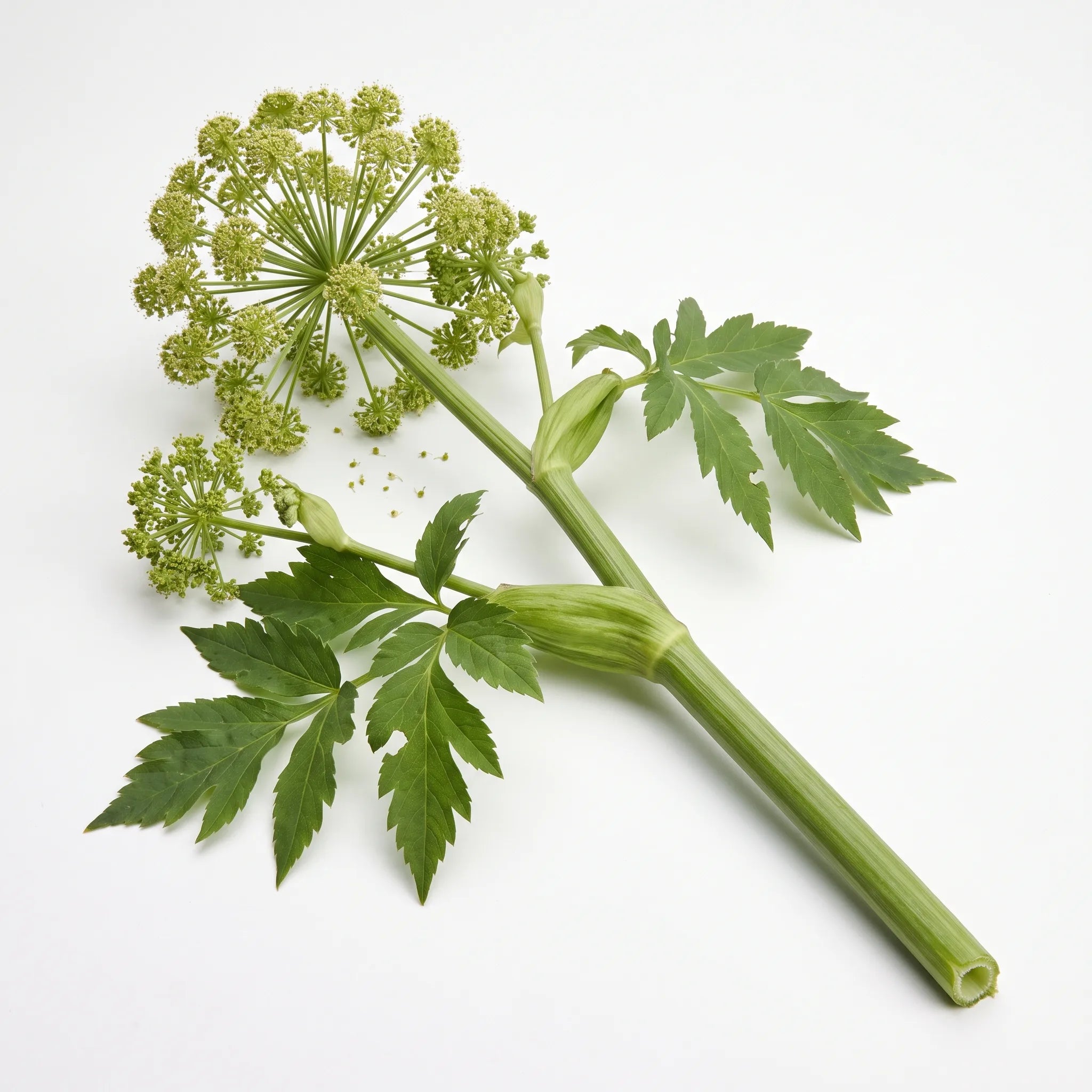
حشيشة الملاك الطبية، عشبة الملائكة، عشبة الروح القدس، جذر الروح القدس: يعود اسمها إلى أسطورة من العصور الوسطى تقول إن رئيس الملائكة جبرائيل كشفها للبشر خلال وباء. وتجعلها خيماتها الزهرية الهائلة ذات اللونين الأخضر والأبيض، التي ترتفع إلى أكثر من مترين، واحدةً من أضخم النباتات العطرية في الحديقة.
الخصائص:
-
هيئة شاهقة ومهيبة: يزيد ارتفاعها على مترين، وتتميز بخيمات زهرية كروية كبيرة خضراء وبيضاء ذات شكل معماري واضح.
-
عطرية بالكامل: تنبعث من السيقان والأوراق والجذور والبذور الرائحة القوية والحلوة نفسها.
-
ثنائية إلى ثلاثية الحول: موطنها الأصلي شمال أوروبا وسيبيريا، وتزهر في عامها الثاني أو الثالث، ثم تموت بعد إنتاج البذور.
الاحتياطات:
- عصارتها تزيد حساسية الجلد للضوء: فعند ملامستها للجلد ثم التعرض للشمس، قد تسبب احمرارًا وبثورًا. ارتدوا القفازات والأكمام الطويلة عند جمعها أو تقليمها، ويفضل أن يكون الطقس غائمًا.
-
الحذر من الالتباس: مثل جميع النباتات الخيمية الكبيرة، تشبه حشيشة الملاك أنواعًا برية خطرة، ومنها الشوكران خصوصًا. لا تجمعوا إلا النباتات التي زرعتم بذورها بأنفسكم وتأكدتم من هويتها، ولا تجمعوا مطلقًا النباتات الخيمية من البرية.
نصائح الزراعة بالبذور:
-
التعرض: مشمس إلى مظلل جزئيًا؛ وتفضل الظل الجزئي البارد في المناطق الحارة.
-
التربة: خصبة وعميقة وغنية بالدبال، والأهم أن تظل رطبة — فهي نبات ضفاف ومناطق حرجية رطبة في الشمال. تكره الترب الجافة والحارة جدًا. ويفيدها فعلًا إضافة السماد العضوي ووضع طبقة سميكة من الغطاء العضوي.
-
الطريقة: تفقد بذورها قدرتها على الإنبات بسرعة كبيرة؛ ازرعوها طازجة بين يوليو وسبتمبر، على سطح التربة لأنها تحتاج إلى الضوء لتنبت. ويضمن برد الشتاء كسر السكون طبيعيًا؛ وعند تعذر ذلك، طبّقوا التنضيد البارد.
نصائح الزراعة:
- اتركوا لها مساحة كافية: فالنبتة البالغة تشغل بسهولة مترًا واحدًا من القطر. ازرعوها في الجزء الخلفي من أحواض الزهور أو على حافة بركة أو مجرى مائي.
نصائح العناية:
- حافظوا على رطوبة التربة بالري ووضع الغطاء العضوي. وقد يكون التدعيم مفيدًا لإسناد سيقانها الطويلة في الأماكن كثيرة الرياح.
- نصيحة: اقطعوا السيقان الزهرية قبل الإزهار لإطالة عمر النبات عدة سنوات — وإلا فإنه يموت بعد إنتاج البذور.
نصائح الحصاد:
- اجمعوا السيقان الفتية الطرية في ربيع السنة الثانية، قبل الإزهار: فهي التي تُحفظ بالسكر. أما الأوراق فتُقطف حسب الحاجة.
النباتات المفيدة المصاحبة:
أهميتها للتنوع الحيوي:
- تُعد خيماتها الزهرية المسطحة والهائلة منصات هبوط حقيقية للحشرات قصيرة اللسان؛ إذ تتجمع عليها المَنّازات والخنافس وغشائيات الأجنحة الدقيقة النافعة بالمئات.
- وكجميع النباتات الخيمية، فهي نبات مضيف ليرقات فراشة ذيل السنونو.
- تتغذى الطيور آكلة الحبوب على بذورها في الخريف.
الاستخدام:
- تضفي سيقانها المحفوظة بالسكر نكهة على الكيك والكعك والحلويات — وهي حشيشة الملاك الخضراء الخاصة بصانعي الحلويات، ومن تخصصات نيور. وتُستخدم بذورها تقليديًا لتعطير بعض المشروبات الكحولية.
- نبات طبي تاريخي في حدائق الأديرة. انظروا إلى نباتاتنا الطبية القابلة للزراعة بالبذور.
الرمزية:
اعتُبرت حشيشة الملاك هبةً من الملائكة في العصور الوسطى، وكانت تُزرع في حدائق الأديرة ويُعتقد أنها تحمي من جميع الأمراض. ويحتفظ اسمها نفسه بأثر هذه القصة.
جمع بذوركم الخاصة:
اتركوا خيمة زهرية واحدة تنضج تمامًا، واجمعوا البذور بمجرد أن تتحول إلى البني. ازرعوها فورًا، إذ تنخفض قدرتها على الإنبات بسرعة كبيرة، خلال بضعة أشهر فقط. كما أن حشيشة الملاك تعيد播 نفسها طوعًا. انظروا إلى حفظ بذوركم.
الالتزام بالجودة: في SemiSauvage - Permaculture، نزرع بذورنا وننتقيها واضعين احترام الكائنات الحية مبدأً أساسيًا. ومن مقرنا القريب من براكين أوفيرني، نختار أصنافًا قابلة لإعادة الإكثار وغير هجينة، ونختبر معدل إنباتها، ونفرزها ونعبئها بعناية، من دون أي معالجة كيميائية. وقناعتنا هي إعادة القدرة إلى البستانيين على إعادة زراعة بذور يملكونها حقًا، عامًا بعد عام.
أضيفوا لمسة من العظمة والعطر إلى حديقتكم مع بذور حشيشة الملاك الطبية هذه.