Brassica oleracea var. gongylodes
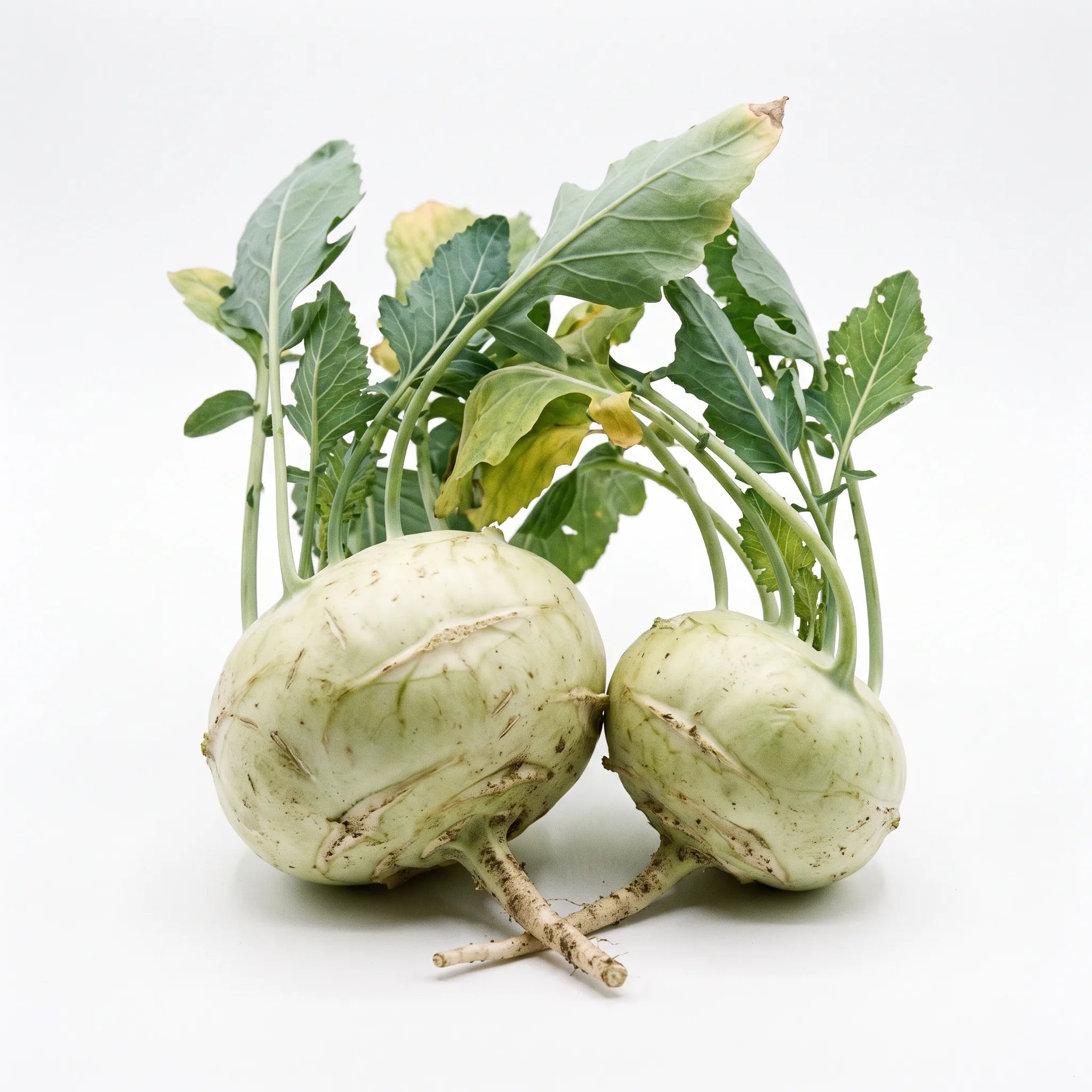
Gulie albă, varză-ridiche, varză-nap, gulie: este leguma uitată prin excelență, foarte populară în Alsacia și în Europa Centrală, dar neglijată în alte părți. Ceea ce mâncăm nu este nici o rădăcină, nici o căpățână de varză, ci o tulpină îngroșată care se formează la nivelul solului, crocantă și cu o ușoară aromă de alună.
Caracteristici:
-
Aromă de alună: subtilă și delicată, fără amăreala altor verze.
-
Două recolte posibile: primăvara, când ajunge la dimensiunea unei portocale, sau toamna, pentru exemplare mai mari.
-
Creștere rapidă: 4 până la 6 săptămâni între însămânțare și obținerea răsadului.
-
Întreținere redusă: una dintre cele mai ușor de cultivat verze.
Sfaturi pentru însămânțare:
-
Expunere: însorită.
-
Sol: bine drenat, reavăn și bogat în nutrienți. Ca toate verzele, beneficiază de un aport de compost bine descompus. Regularitatea udării este esențială: seceta face bulbul să crape.
-
Metodă: semănați din martie până în august, în răsadniță sau direct în locul definitiv, la o adâncime de 1 cm. Eșalonați însămânțările pentru a prelungi recolta din primăvară până toamna. Consultați cum se seamănă semințele.
Sfaturi pentru plantare:
- Transplantați când plantele au 4 sau 5 frunze, la o distanță de 25 cm. Nu o îngropați sub nicio formă: spre deosebire de celelalte verze, coletul trebuie să rămână la suprafață, altfel bulbul nu se formează.
Sfaturi pentru întreținere:
- Udați regulat și fără variații bruște. Folosiți mulci la baza plantei.
- O plasă antiinsecte montată imediat după plantare previne atacurile puricilor de pământ și ale fluturilor de varză, fără niciun tratament.
Sfaturi pentru recoltare:
- Recoltați primăvara, când are dimensiunea unei portocale. Însămânțările de toamnă produc exemplare mai mari, dar păstrați măsura: peste 10 cm în diametru, pulpa devine fibroasă.
- Frunzele tinere se gătesc precum varza kale; nu le aruncați.
Asocieri benefice:
Importanță pentru biodiversitate:
- Ciclul său scurt permite ocuparea unui strat liber între două culturi, în loc ca solul să rămână gol.
- Dacă este lăsată să înflorească în al doilea an, produce ciorchini galbeni, foarte bogați în nectar, deosebit de valoroși primăvara.
Utilizare:
- Crudă, rasă pentru remoulade sau tăiată bastonașe pentru ronțăit, gătită la abur, gratinată, transformată în piure sau sotată la wok. Curățați coaja înainte de utilizare.
Recoltarea propriilor semințe:
Fiind bienală, produce semințe în al doilea an: lăsați o plantă în pământ peste iarnă, apoi recoltați silicvele brune și uscate. Atenție, Brassica oleracea se încrucișează foarte ușor între ele: izolați planta aleasă pentru producerea semințelor. Consultați cum se păstrează semințele.
Angajamentul față de calitate: la SemiSauvage - Permaculture, cultivăm și selectăm semințele noastre având respectul pentru viață drept principiu călăuzitor. Așezați în apropierea vulcanilor din Auvergne, alegem soiuri reproductibile și nehibridizate, testate pentru rata de germinare, sortate și ambalate cu grijă, fără niciun tratament chimic. Convingerea noastră: să le redăm grădinarilor capacitatea de a semăna din nou, an după an, semințe care le aparțin cu adevărat.
Leguma uitată a grădinilor din Alsacia, rapidă și gustoasă.