Pyracantha coccinea
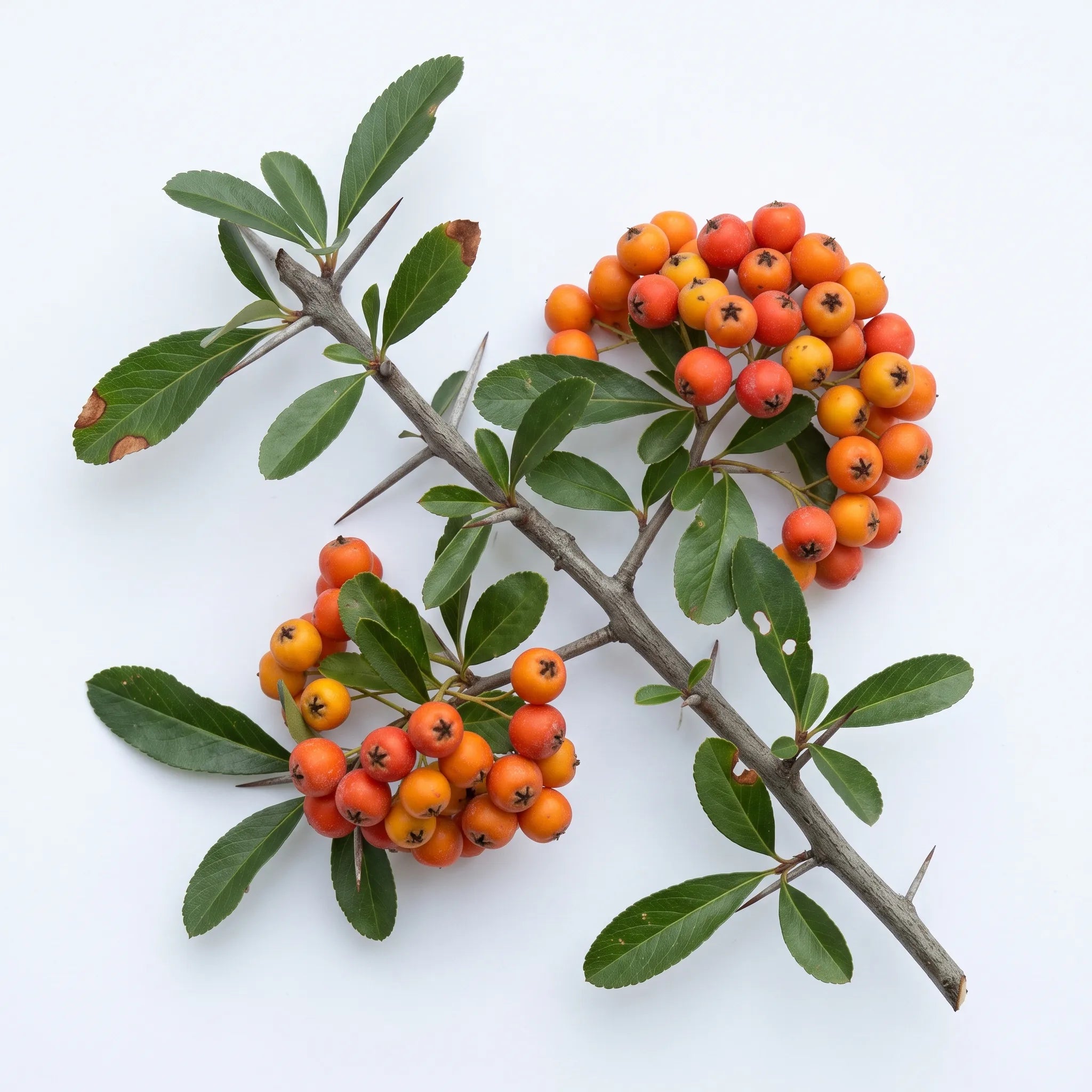
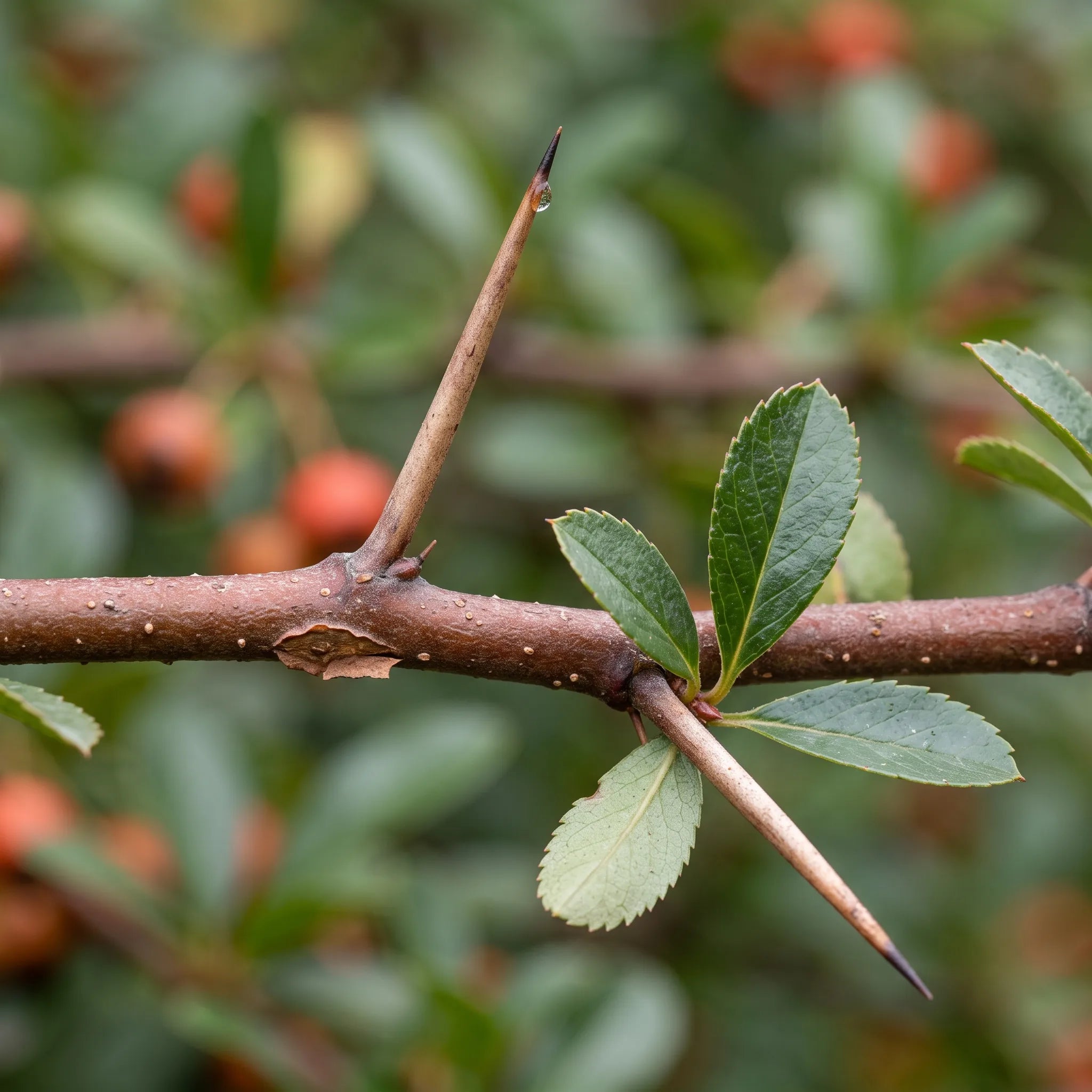
Pyracantha, spinișor de foc, tufa de foc: numele său botanic provine din grecescul pyr akantha, „spin de foc”, și descrie perfect această plantă — ramuri extrem de spinoase și o explozie de bace roșu-portocalii care luminează grădina în plină iarnă, când totul în jur este stins.
Caracteristici:
-
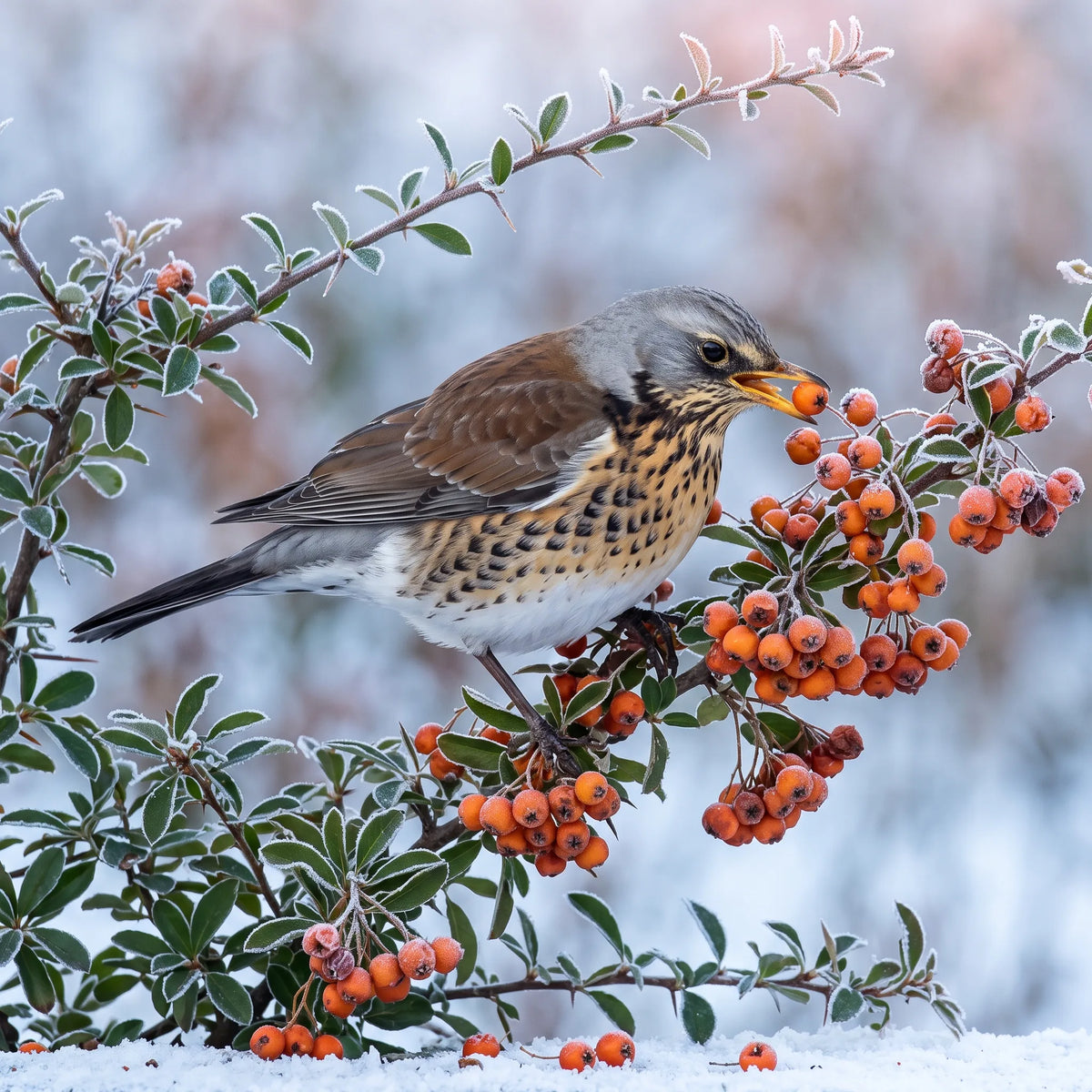
Bace spectaculoase: roșii, portocalii sau galbene, în funcție de exemplare, persistă din toamnă până în toiul iernii.
-
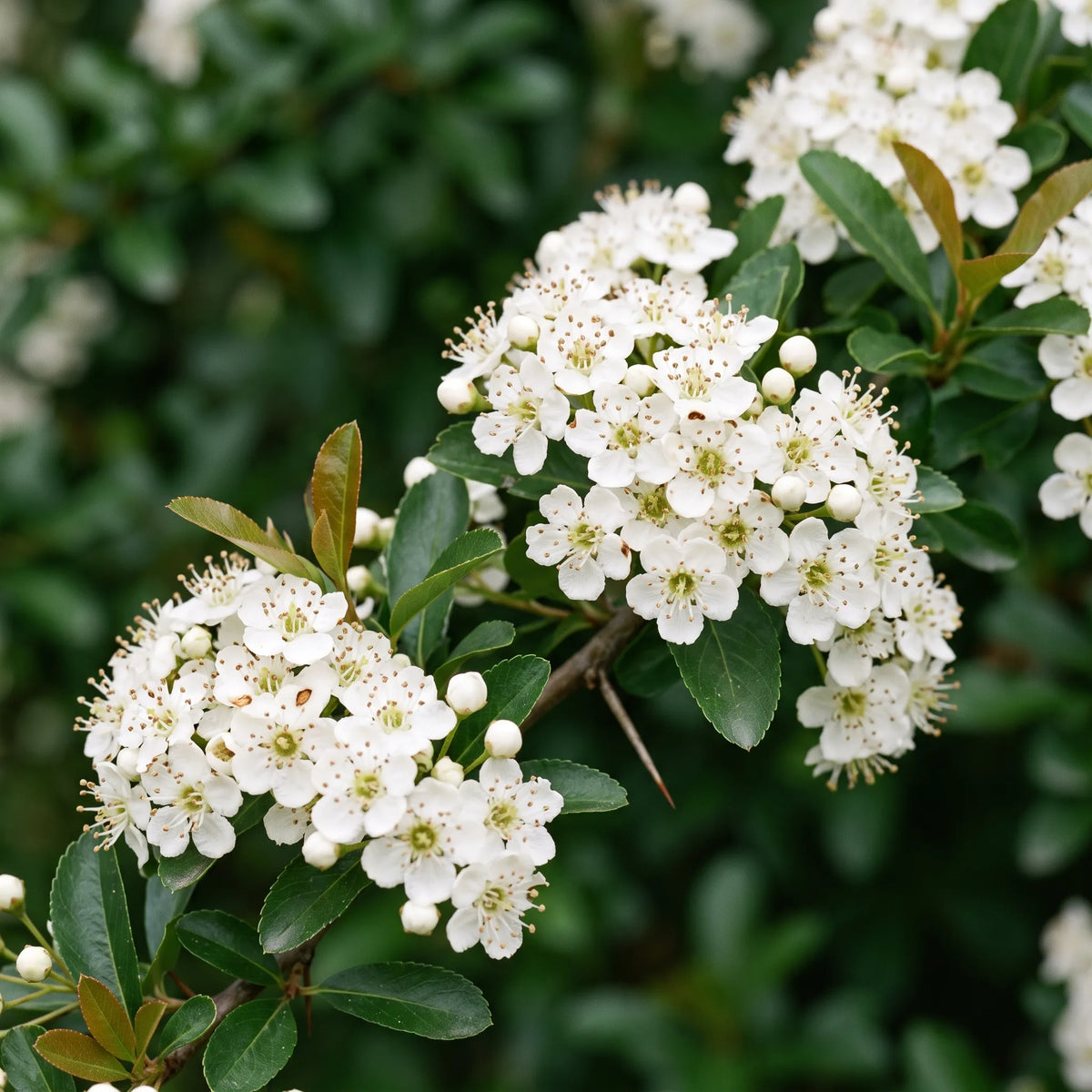
Înflorire meliferă: o mulțime de flori mici, albe, primăvara, foarte vizitate.
-
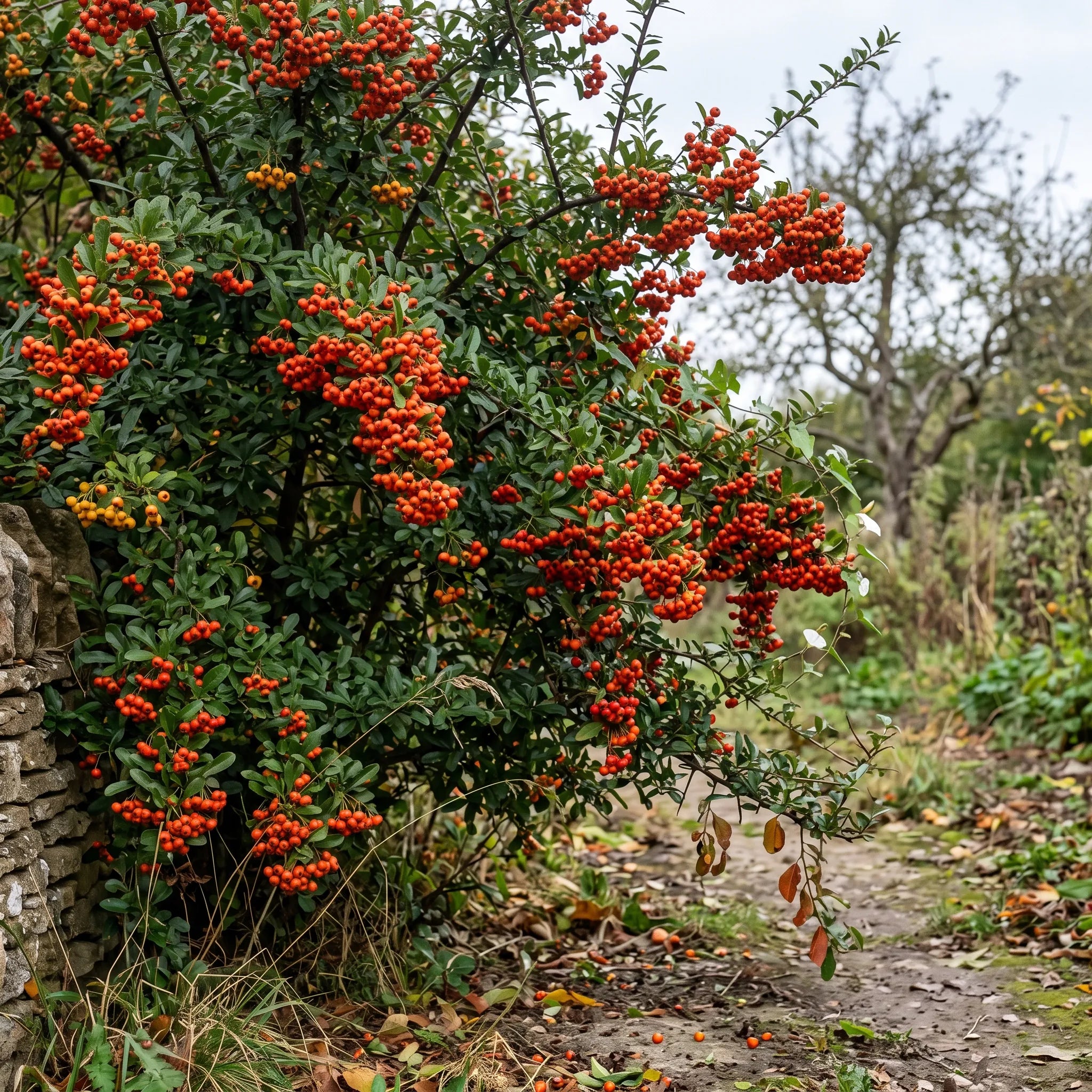
Frunziș persistent: verde strălucitor pe tot parcursul anului, pe un arbust de 3–4 metri.
-
Rustic: suportă temperaturi de până la -15 °C și se reface bine după tăiere.
Precauții:
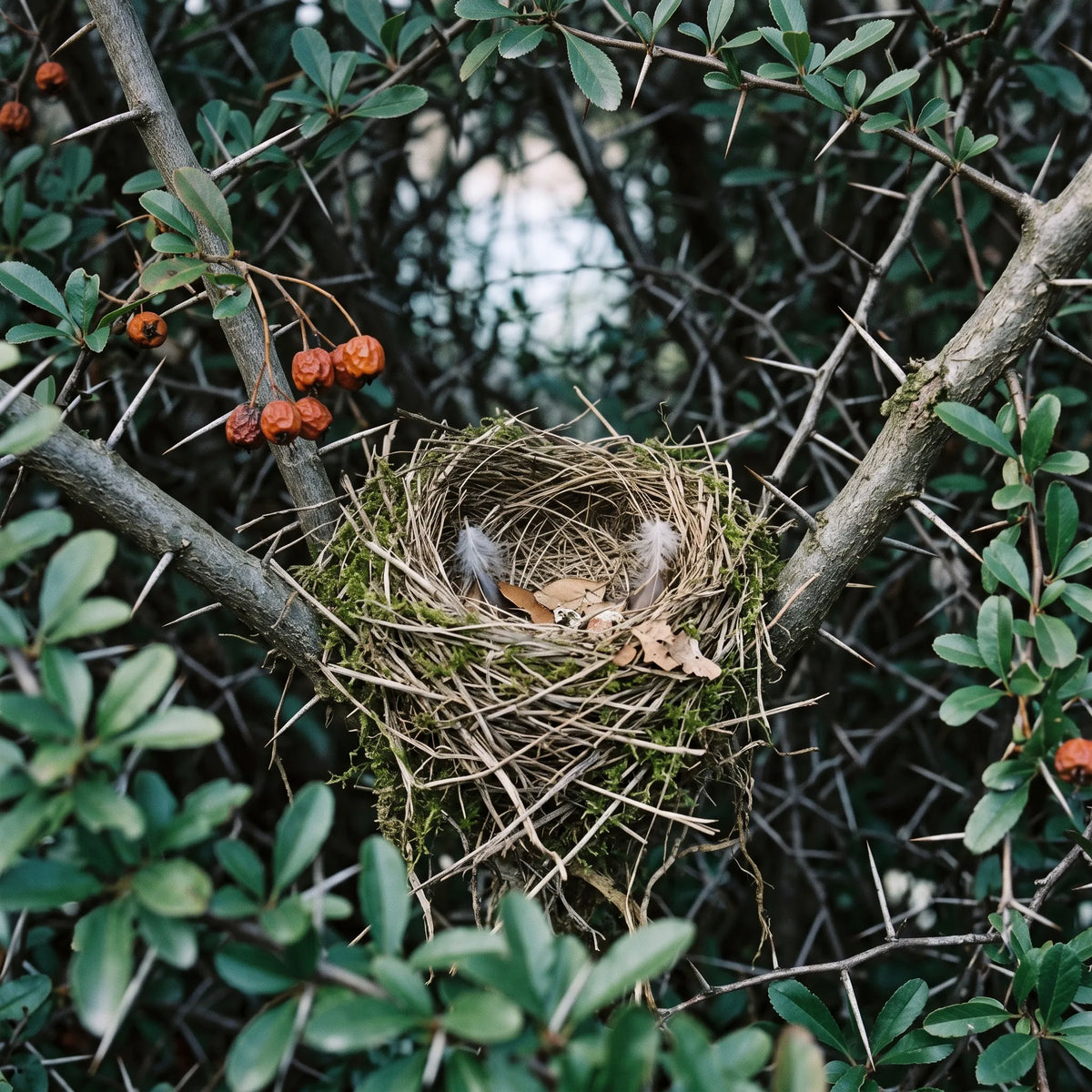
- Ramurile sale poartă spini lungi și ascuțiți: purtați mănuși groase și ochelari de protecție la tăiere și evitați să o plantați de-a lungul unui pasaj îngust sau lângă un loc de joacă.
-
Boabele nu sunt comestibile și provoacă tulburări digestive în caz de ingerare. Nu le lăsați la îndemâna copiilor mici, atrași de culoarea lor vie.
Sfaturi pentru semănat:
-
Expunere: însorită până la semiumbră.
-
Sol: obișnuit, bine drenat, chiar și calcaros sau sărac. Este un arbust remarcabil de tolerant, care acceptă atât solurile uscate, cât și terenurile urbane compactate. Nu necesită fertilizare.
-
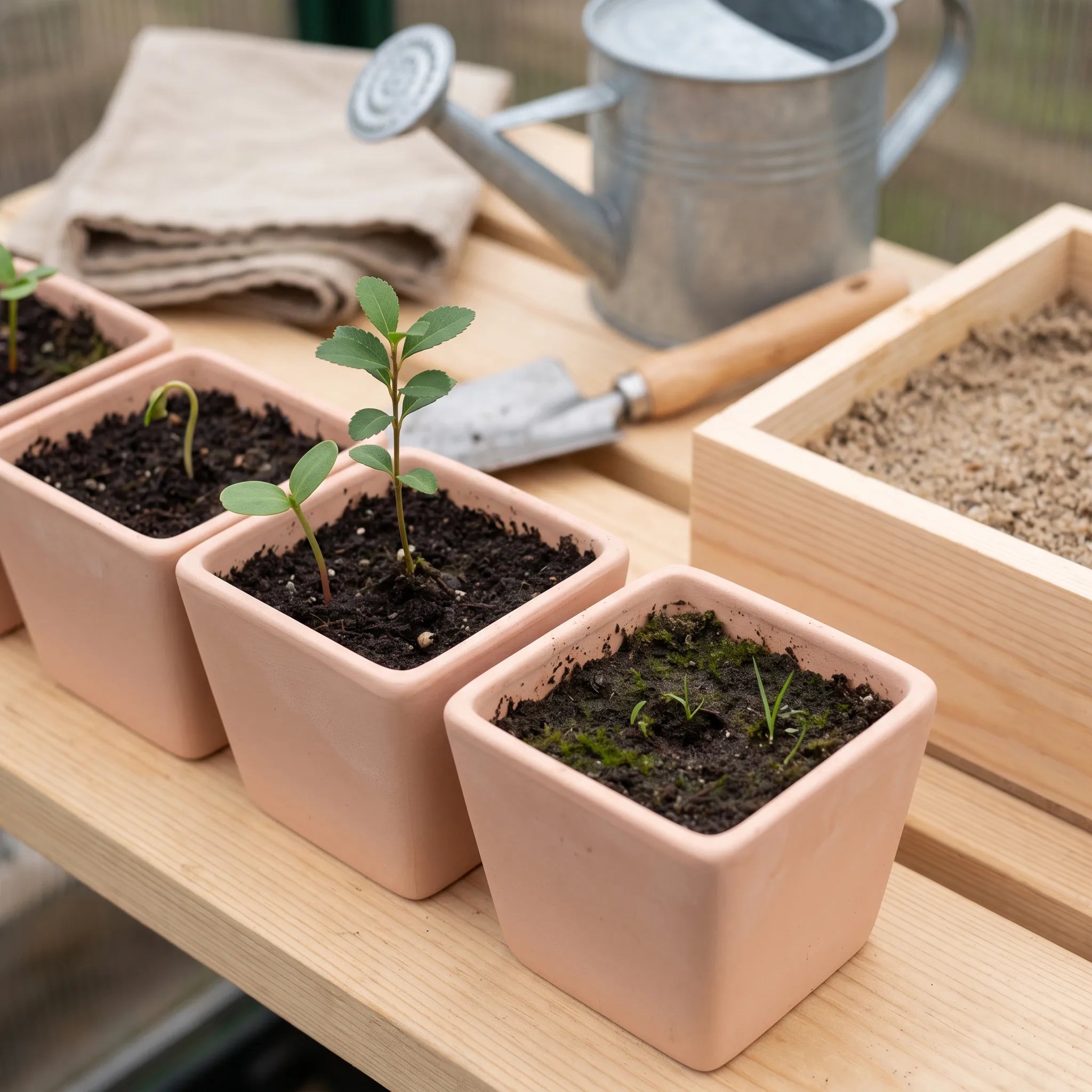
Metodă: se recomandă o stratificare la rece de 1–3 luni. Apoi semănați la suprafața unui substrat ușor și acoperiți cu un strat fin. Mențineți umiditatea la 18–20 °C: germinarea poate fi lentă.
Sfaturi pentru plantare:
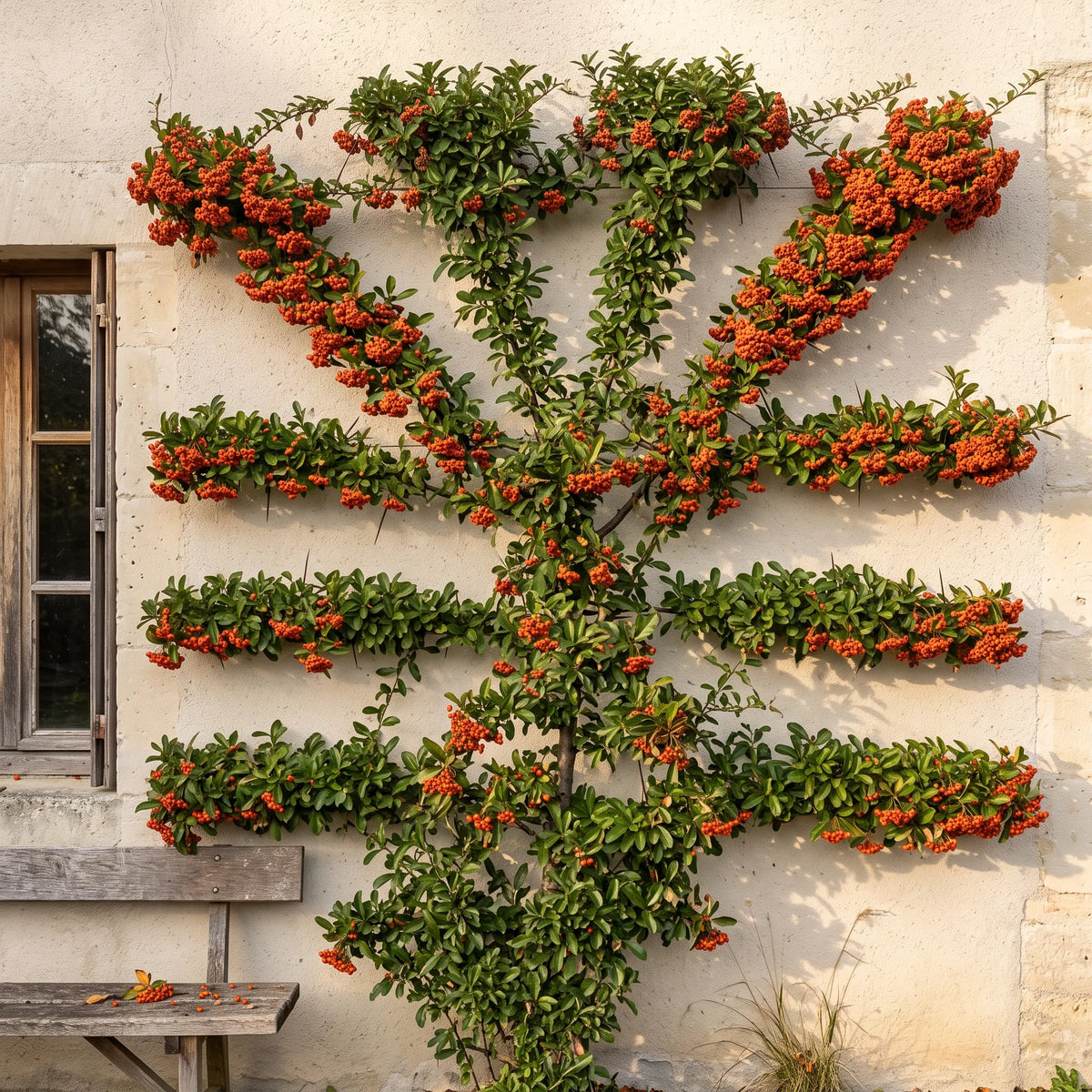
- Repicați în ghivece, apoi plantați în teren deschis după înrădăcinare, ca gard viu (distanță de 80 cm) sau conduceți planta pe spalier, lângă un zid, unde oferă un efect spectaculos.
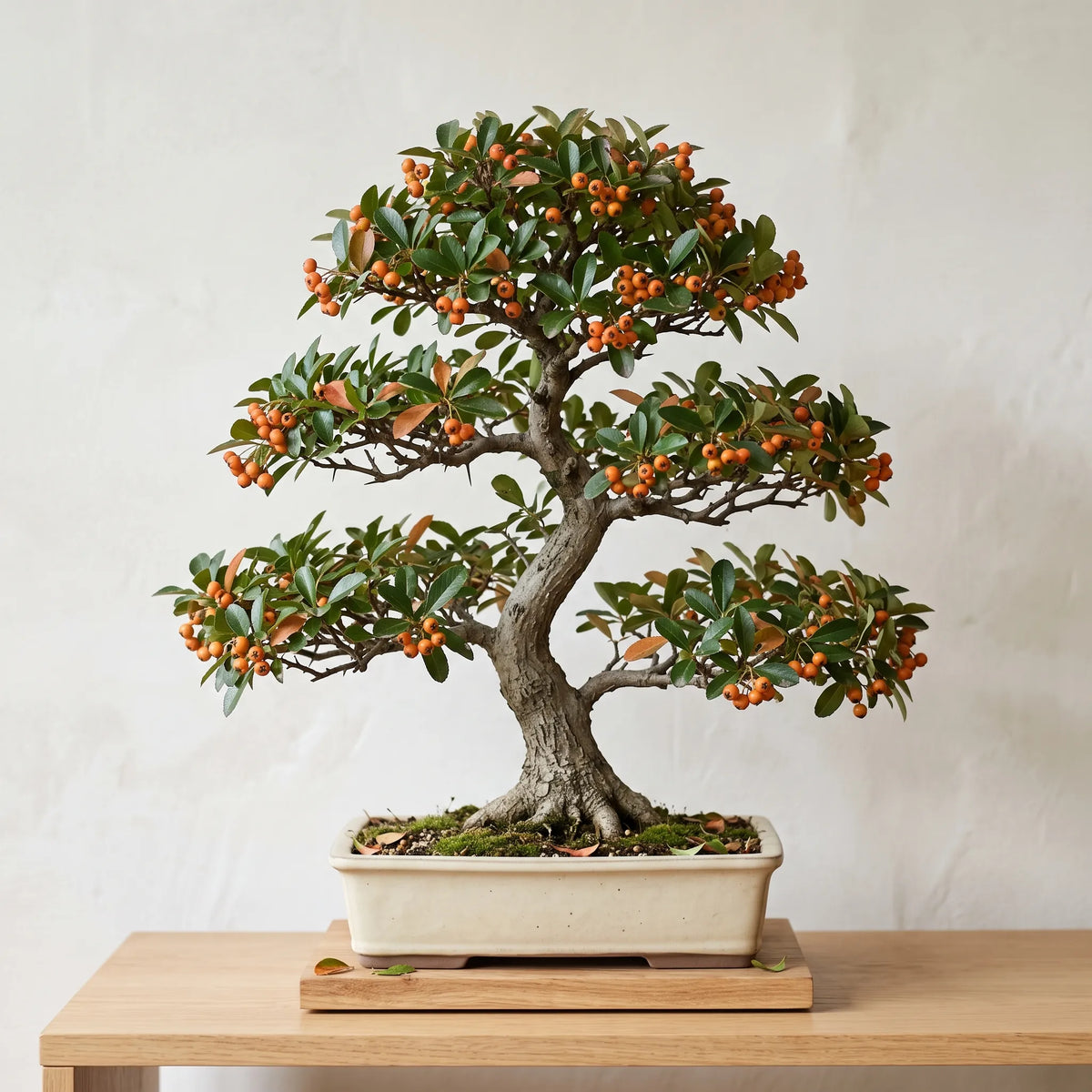
- Se pretează bine la bonsai cu o tăiere regulată — consultați ghidul nostru crearea unui bonsai dintr-o sămânță.
Sfaturi pentru întreținere:
- Tăiați după înflorire, niciodată iarna: ați îndepărta boabele. Sfat: fructele se formează pe lemnul de doi ani, așadar nu scurtați toate ramurile în fiecare an.
Asocieri benefice:
Importanță pentru biodiversitate:
- Boabele sale hrănesc mierlele, sturzii și silviile pe tot parcursul iernii, în perioada cea mai dificilă pentru păsări.
- Desișul său spinos și persistent oferă un refugiu de cuibărit inexpugnabil, protejat de prădători.
- Înflorirea sa de primăvară este foarte meliferă și zumzăie de albine.
Utilizare:
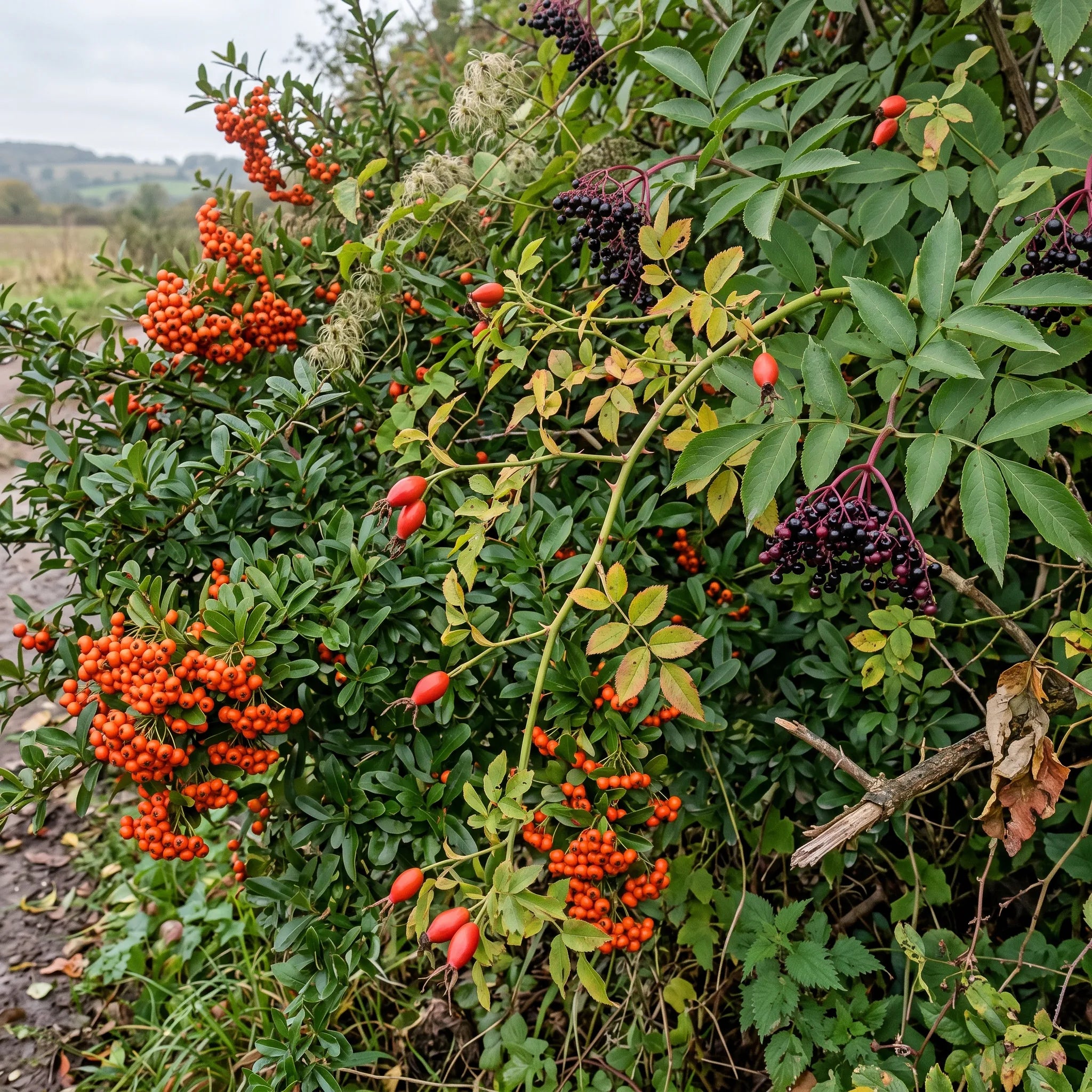
- Garduri vii defensive, arbust condus pe spalier lângă un zid, ecran vegetal sau bonsai. Ramurile sale cu fructe oferă decorațiuni frumoase pentru iarnă.
Simbolistică:
Tufa de foc evocă protecția și lumina în întuneric, datorită fructelor sale strălucitoare din inima iernii. Numele său face trimitere la numeroase povestiri simbolice.
Recoltarea propriilor semințe:
Recoltați toamna boabele bine colorate — folosind mănuși groase —, zdrobiți-le în puțină apă și clătiți-le pentru a separa semințele mici de pulpă. Uscați-le înainte de stratificarea de iarnă. Consultați păstrarea semințelor.
Angajamentul față de calitate: la SemiSauvage - Permaculture, cultivăm și selectăm semințele noastre având respectul pentru viață drept principiu călăuzitor. Așezați în apropierea vulcanilor din Auvergne, alegem soiuri reproductibile și nehibridizate, testate pentru rata lor de germinare, sortate și ambalate cu grijă, fără niciun tratament chimic. Convingerea noastră: să le redăm grădinarilor capacitatea de a semăna din nou, an după an, semințe care le aparțin cu adevărat.
Plantați un gard viu care protejează, hrănește păsările și strălucește în plină iarnă.