Vaccinium myrtillus
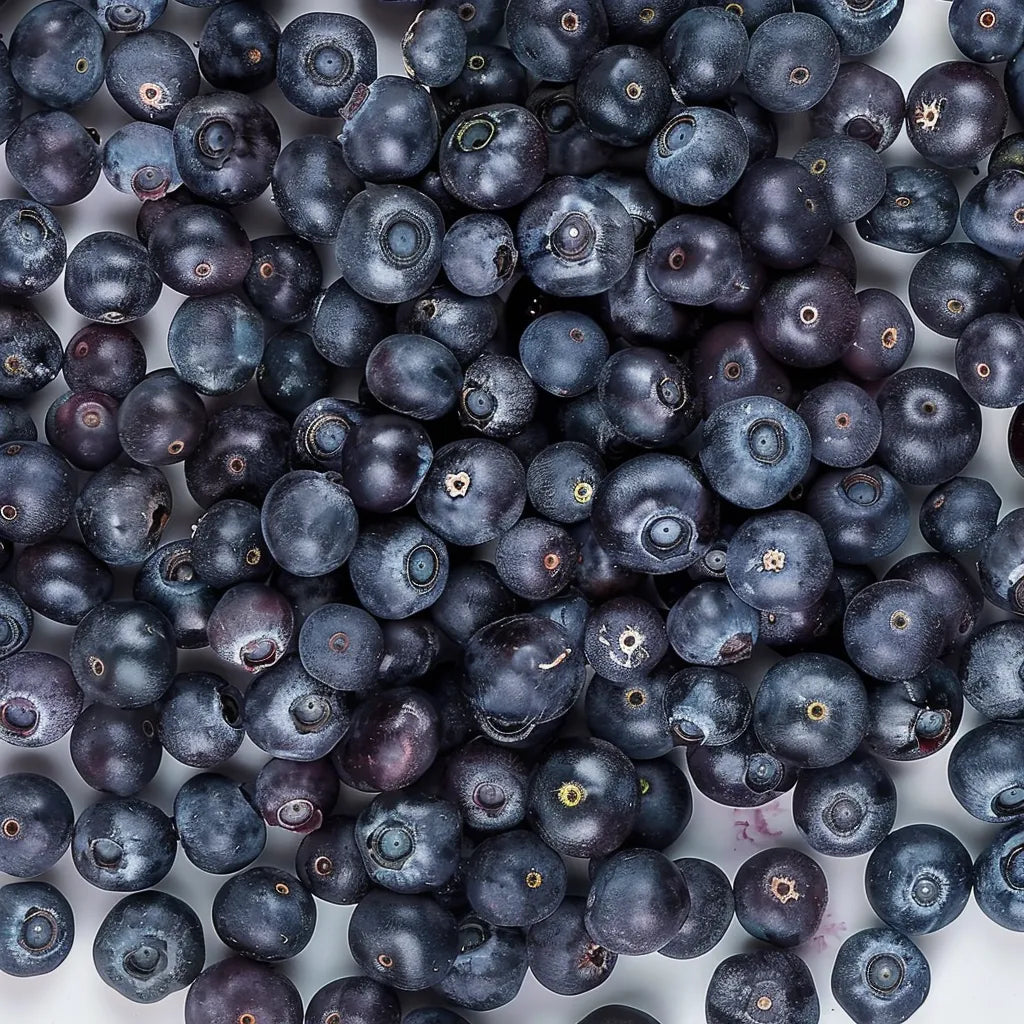
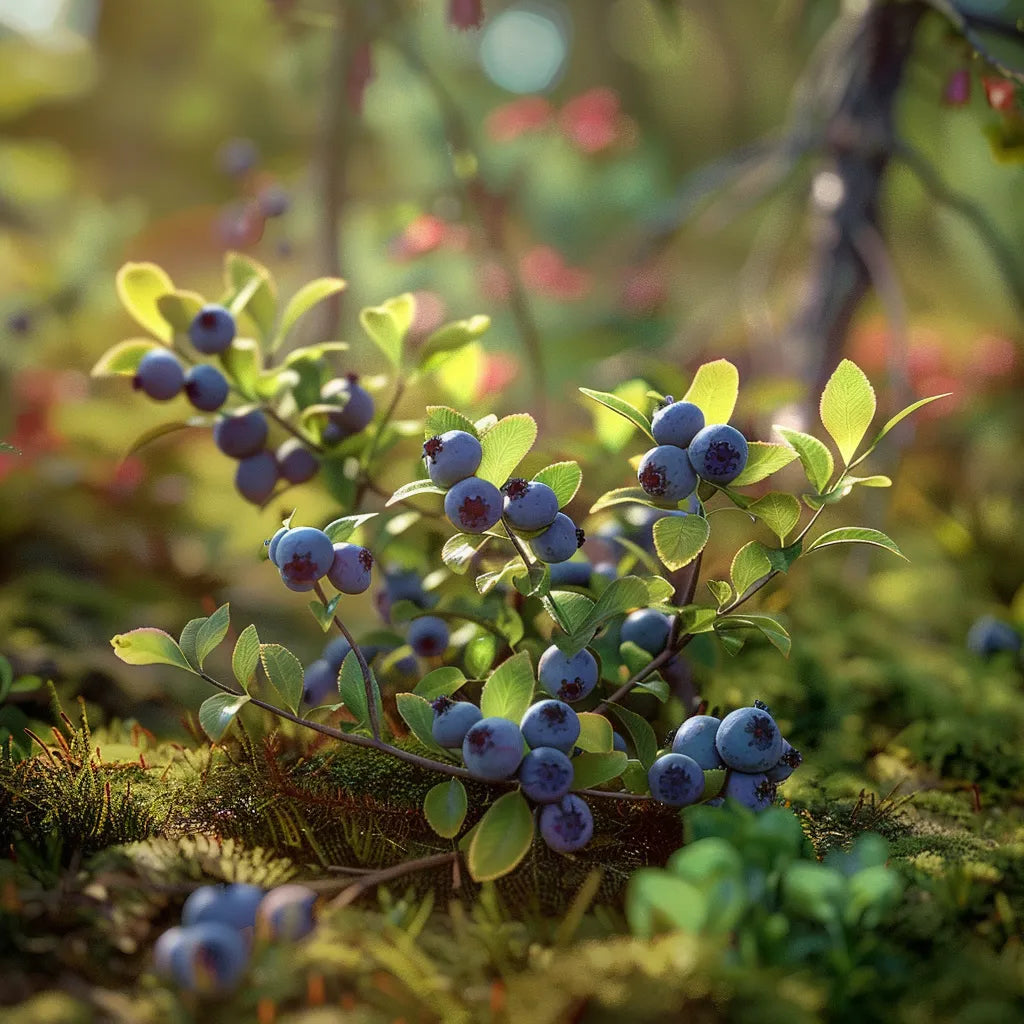
Wild bilberry, European blueberry, bilberry, whortleberry, woodland grape: much smaller than the American blueberry sold in stores, it has purple flesh right to the center—the kind that stains your fingers and lips after picking in the undergrowth. It is the fruit of heathlands and mountain forests, and one of the most fragrant berries there is.
Characteristics:
-
Purple flesh: unlike the cultivated blueberry with pale flesh, it is colored all the way to the center.
-
Small shrub: only 20 to 50 cm tall, it forms dense mats through its rhizomes.
-
Very hardy: a mountain plant, it tolerates the harshest winters.
-
Decorative foliage: soft green in spring, it turns flamboyant red in autumn.
Good to know before sowing:
-
Acidic soil is not a preference; it is a requirement. It needs a pH between 4.5 and 5.5. In neutral or alkaline soil, the plant turns yellow and declines with no lasting remedy. Test your soil before sowing, or plan to grow it in a container filled with ericaceous soil—this is often the safest solution.
- Preferably water with rainwater: hard tap water is enough to raise the pH and cause the plant to suffer.
- Sowing requires patience: allow three to four years before the first substantial harvests.
Sowing advice:
-
Exposure: partial shade—this is a plant of open woodland and heathland that naturally grows beneath conifers and birch trees. Scorching full sun causes it to suffer, especially in lowland areas.
-
Soil: acidic (pH 4.5 to 5.5), light, humus-rich, cool and well drained. It thrives in heathland soils that are sandy and poor, enriched with acidic organic matter: pine needles, bark and fallen leaves.
-
Method: 6 to 12 weeks of cold stratification are necessary to break dormancy. Then sow in spring on the surface, without covering: the seeds are tiny and need light. Keep moist under a protective cover. Germination is slow and irregular. See how to sow your seeds.
Planting advice:
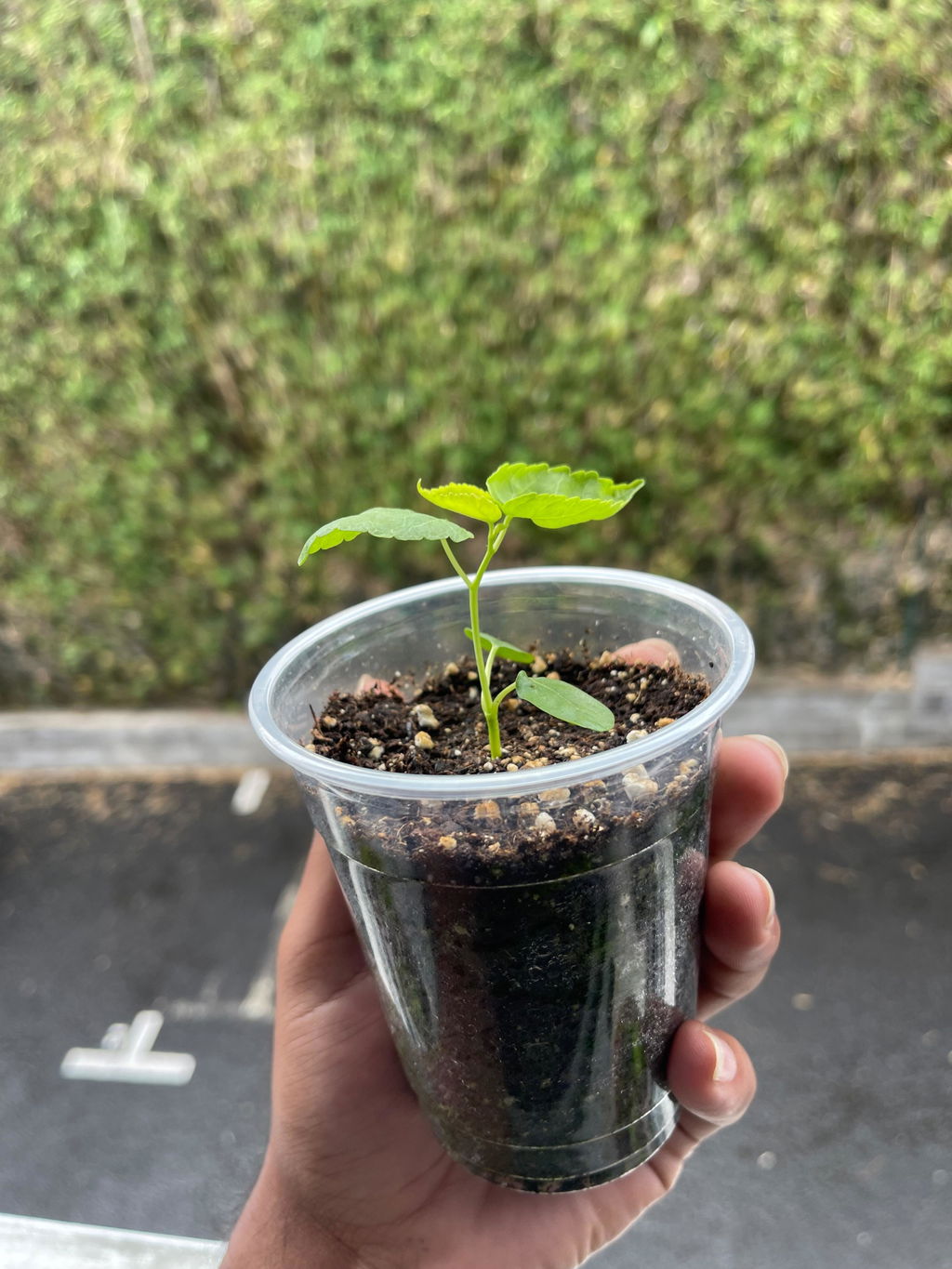
- Transplant carefully at the 4–5 leaf stage, spacing plants 50 cm apart. Its roots are fine and shallow: handle the root ball without breaking it.
- Mulch immediately with pine needles or bark: this maintains moisture and gradually acidifies the soil.
Care advice:
- Keep the soil constantly moist without waterlogging it. Its shallow roots dry out very quickly—mulching is essential here, not optional.
- Renew the acidic mulch every autumn: this is the best way to maintain the pH over time.
- Minimal pruning: remove only dead wood and cut back the oldest stems every few years to rejuvenate the clump.
Harvesting advice:
- Harvest from July to September depending on altitude, when the berries are dark blue with their fine bloom and detach easily.
- Pick by hand rather than using a blueberry rake, which tears off foliage and weakens the plant.
Beneficial associations:
- It shares the acidic-soil requirements of heather, with which it creates a cohesive ericaceous garden bed. It also thrives as an understory plant beneath conifers or birch trees.
- Its roots live in symbiosis with mycorrhizal fungi, enabling it to exploit very poor soils: do not disturb the soil surface around its base.
Benefits for biodiversity:
- Its discreet but numerous pinkish bells are highly sought after by bumblebees in spring—bilberry honey is renowned in mountain regions.
- Its berries feed blackbirds, thrushes and small mammals, while its dense carpet shelters an entire community of ground-dwelling wildlife.
- It is a host plant for several heathland butterfly species.
Uses:
- Freshly picked, in pies, jams or syrup, or frozen—spread out on a tray before placing them in a bag, they retain their shape.
- Its leaves are traditionally dried for herbal tea.
- A traditional medicinal plant, used in herbal medicine for a long time. See our medicinal plants to sow.
Harvesting your own seeds:
Crush fully ripe berries in a little water, leave to rest, then rinse several times through a very fine sieve: the seeds are tiny. Dry them flat on paper before winter stratification. See how to store your seeds.
Commitment to Quality: at SemiSauvage - Permaculture, we grow and select our seeds with respect for living things as our guiding principle. Based near the Auvergne Volcanoes, we choose open-pollinated, non-hybrid varieties, tested for their germination rate, carefully sorted and packaged, with no chemical treatment. Our conviction: to give gardeners back the ability to resow, year after year, seeds that truly belong to them.
The true woodland bilberry, with purple flesh right to the center.