Cirsium arvense
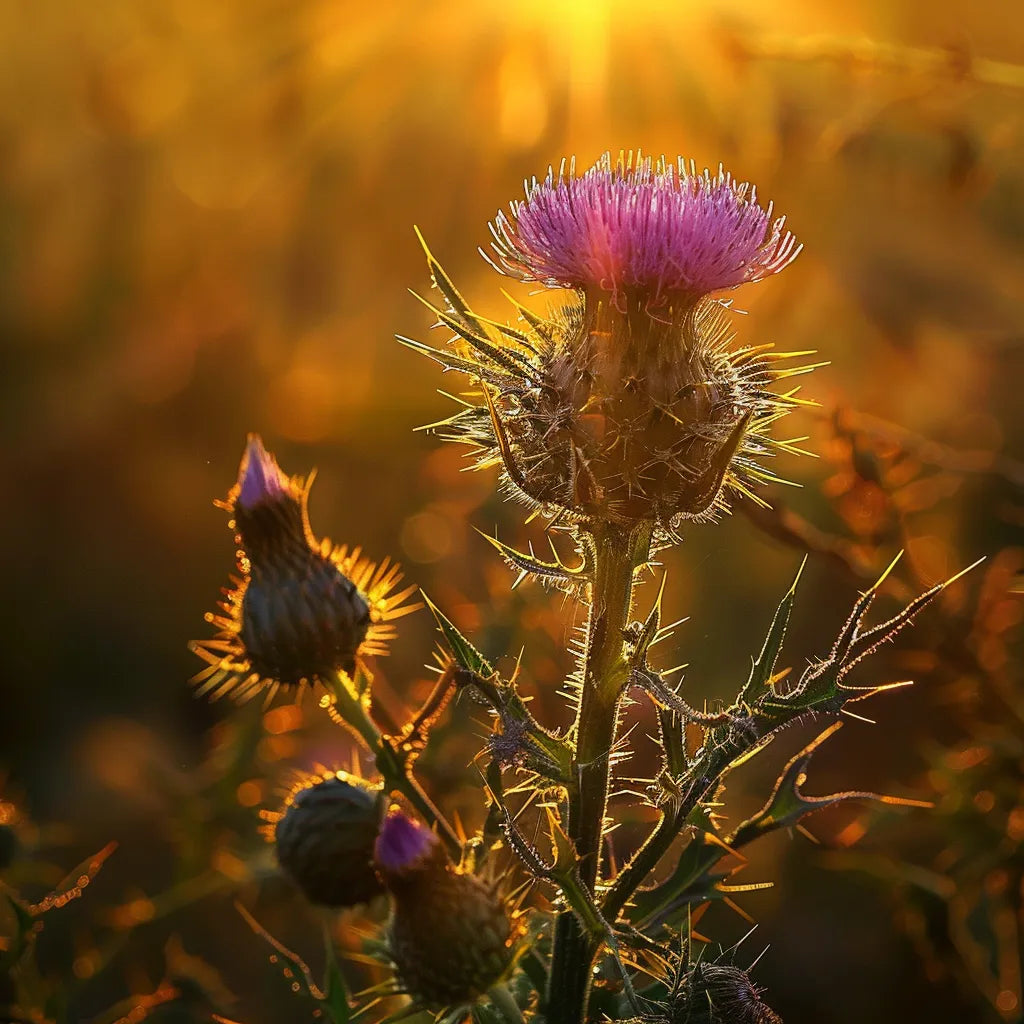
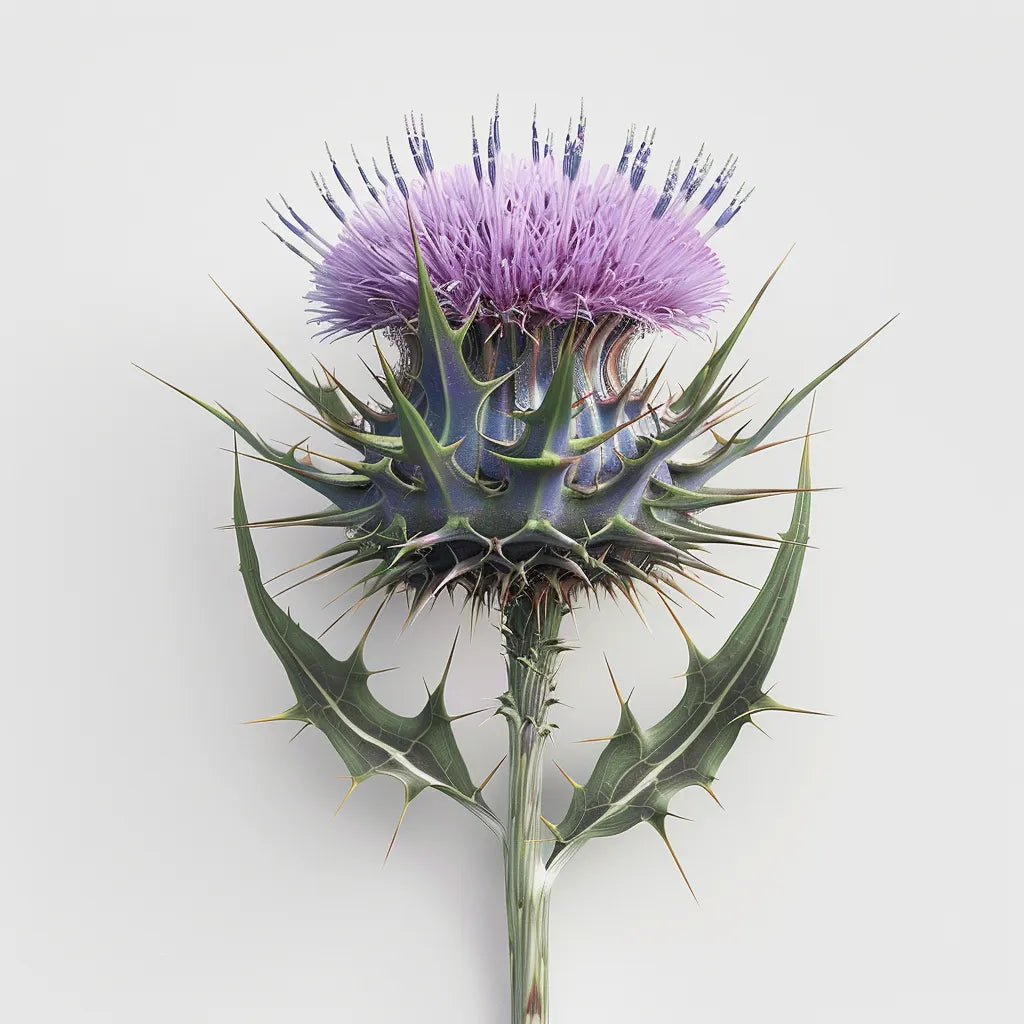
Field thistle, creeping thistle: despite its name, this is not a true thistle but a plume thistle, recognizable by its softly scented lilac flowers and silky seed tufts that blow away in the wind. Long considered a simple weed, it is now recognized by naturalists as one of the most nourishing plants for wildlife.
Characteristics:
-
Spreading perennial: horizontal rhizomes and deep vertical roots allow it to colonize an area quickly.
-
Summer flowering: fragrant lilac flower heads, from July to September.
-
Very easy: it adapts to practically all soil types and requires no care.
Precautions:
-
Potentially invasive plant: its spreading rhizomes and self-seeding allow it to spread quickly and become difficult to contain. Reserve it for a delimited area of the garden dedicated to biodiversity, away from the vegetable garden, and mow it before the seeds disperse if you wish to control its spread.
- Its leaves and stems bear spines: handle it with gloves.
Sowing advice:
-
Exposure: sunny.
-
Soil: truly all types, even poor, clayey, or compacted soils — it is one of the least demanding plants there is. No fertilization or soil amendment is needed.
-
Method: sow on the surface in spring or autumn, barely covering the seeds, in the area you have set aside for it. Neither soaking nor stratification is necessary. See how to sow your seeds.
Care advice:
- No care is necessary — only monitor its spread. An underground barrier can contain its rhizomes.
Benefits for biodiversity:
- It is the host plant of the Painted Lady caterpillar, the migratory butterfly that crosses the Mediterranean every year, as well as a multitude of beetles, including ladybirds and leaf beetles.
- Its tufted seeds are a major food source for seed-eating birds: the European goldfinch, which owes its name to this plant, depends heavily on it, as do linnets and redpolls.
- Its flowers are highly sought after by bees, bumblebees, and butterflies, which find abundant pollen and nectar there during a crucial season. See the basics of permaculture.
Uses:
- Reserve it for wild areas, flowering fallows, informal hedges, and biodiversity corners, where it fully serves as a food source for wildlife.
Harvesting your own seeds:
The seeds, topped with a feathery tuft, blow away as soon as they mature: cut the flower heads as soon as they begin to open and let them dry in a paper bag, which will collect everything. See storing your seeds.
Commitment to Quality: at SemiSauvage - Permaculture, we grow and select our seeds with respect for living things as our guiding principle. Based near the Auvergne Volcanoes, we choose open-pollinated, non-hybrid varieties, tested for their germination rate, carefully sorted and packaged, without any chemical treatment. Our belief: to give gardeners back the ability to reseed, year after year, seeds that truly belong to them.
Give butterflies and birds a true food pantry with these field thistle seeds.