Brassica napus
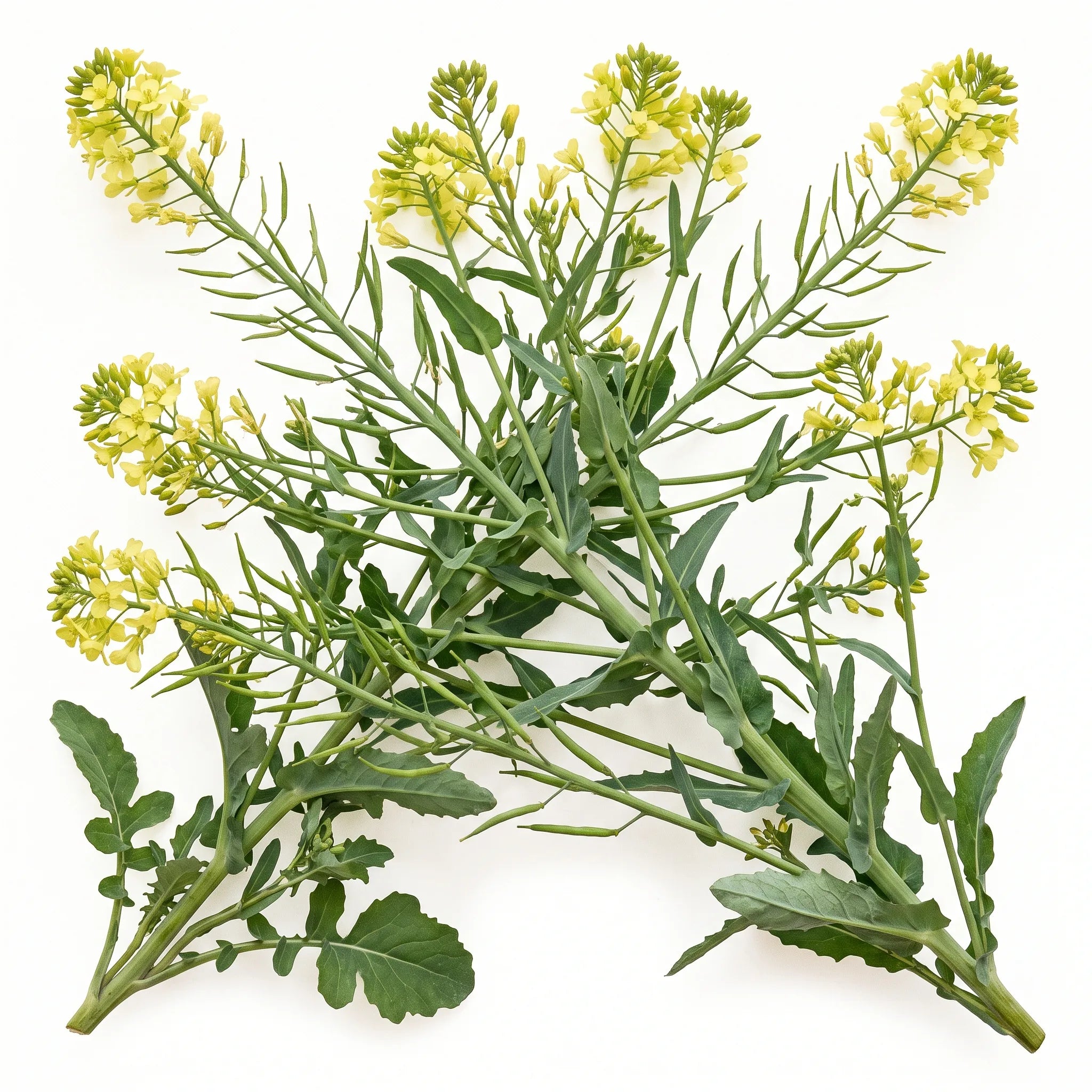
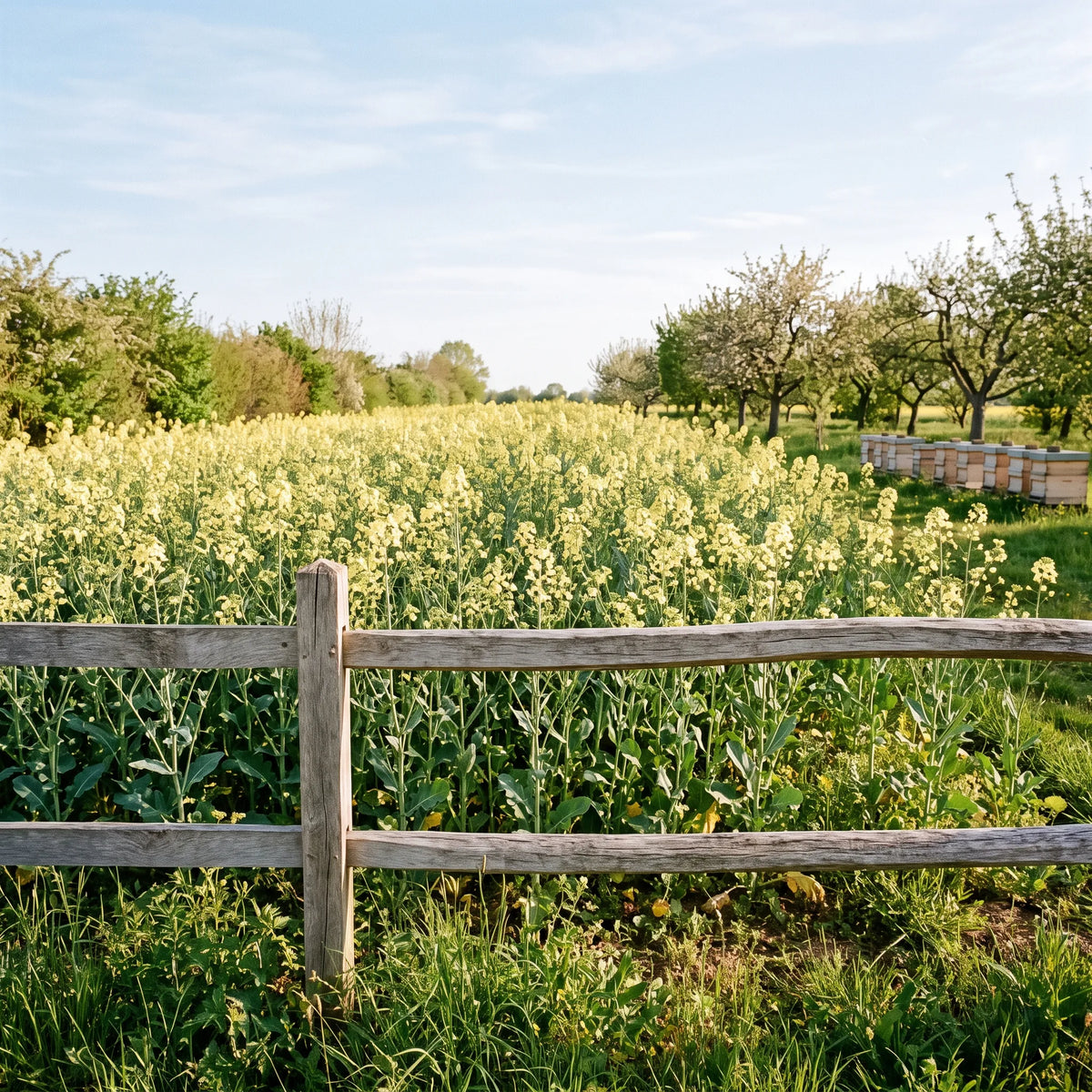
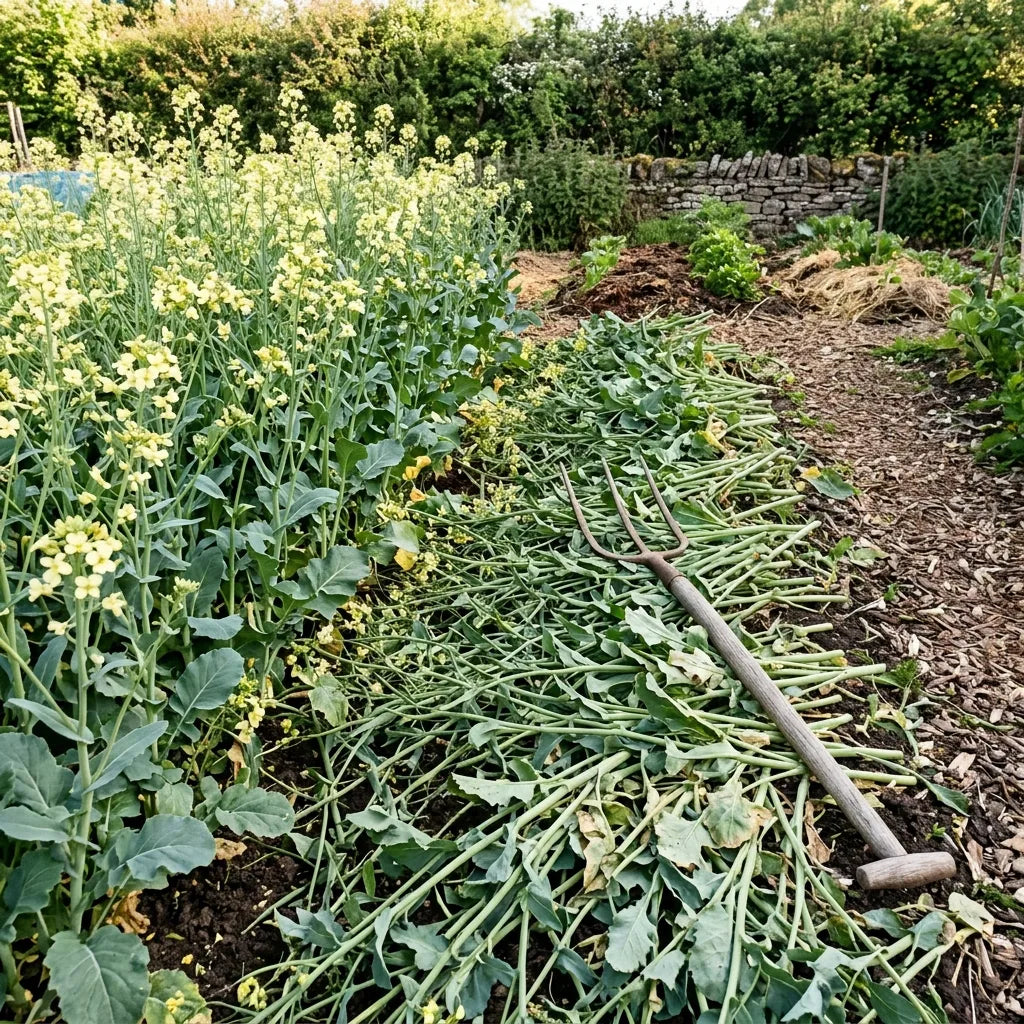
겨울 유채, 나베트, 유지용 배추: 이 식물은 야생종이 아니라 수천 년 전 배추와 나베트 사이에서 일어난 오래된 자연 교잡의 결과입니다. 봄이면 프랑스 풍경의 일부가 되는 선명한 노란색 밭을 이루지만, 정원에서는 특히 매우 효과적인 녹비 작물로 활용됩니다.
특징:
-
강력한 뿌리: 깊이 뻗는 곧은 뿌리가 다져진 토양을 부드럽게 하고, 깊은 토층의 무기 양분을 위로 끌어올립니다.
-
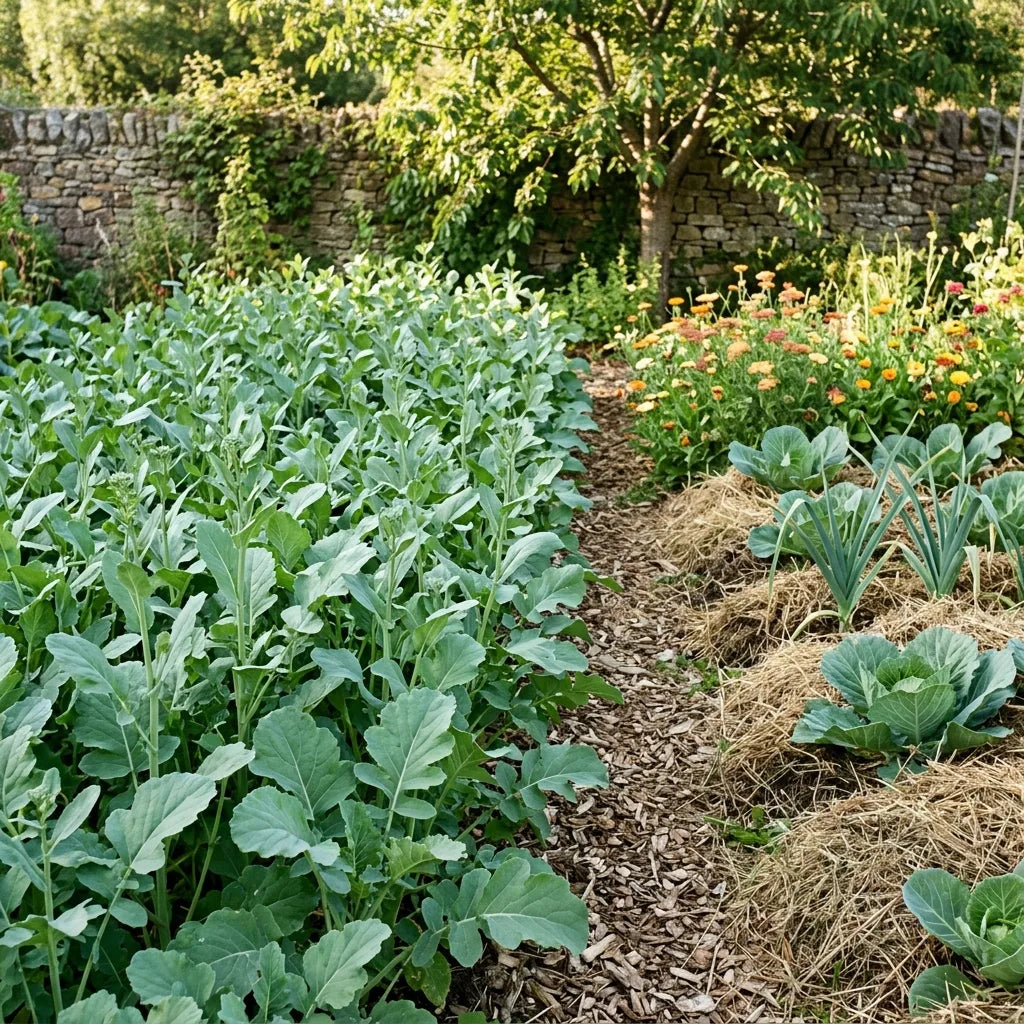
겨울철 지피: 추운 계절 동안 맨땅을 보호하고 잡초가 자리 잡는 것을 막는 데 이상적입니다.
-
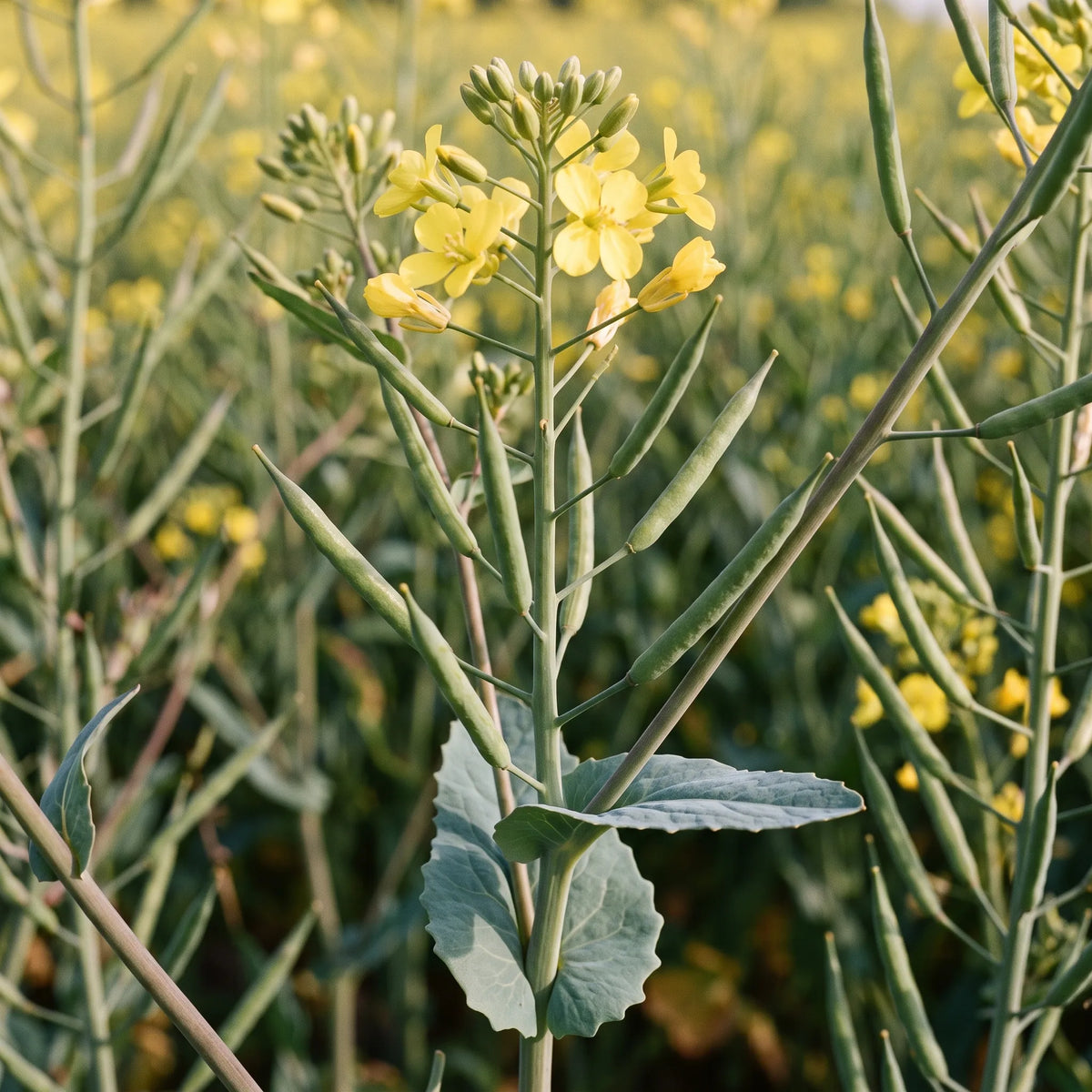
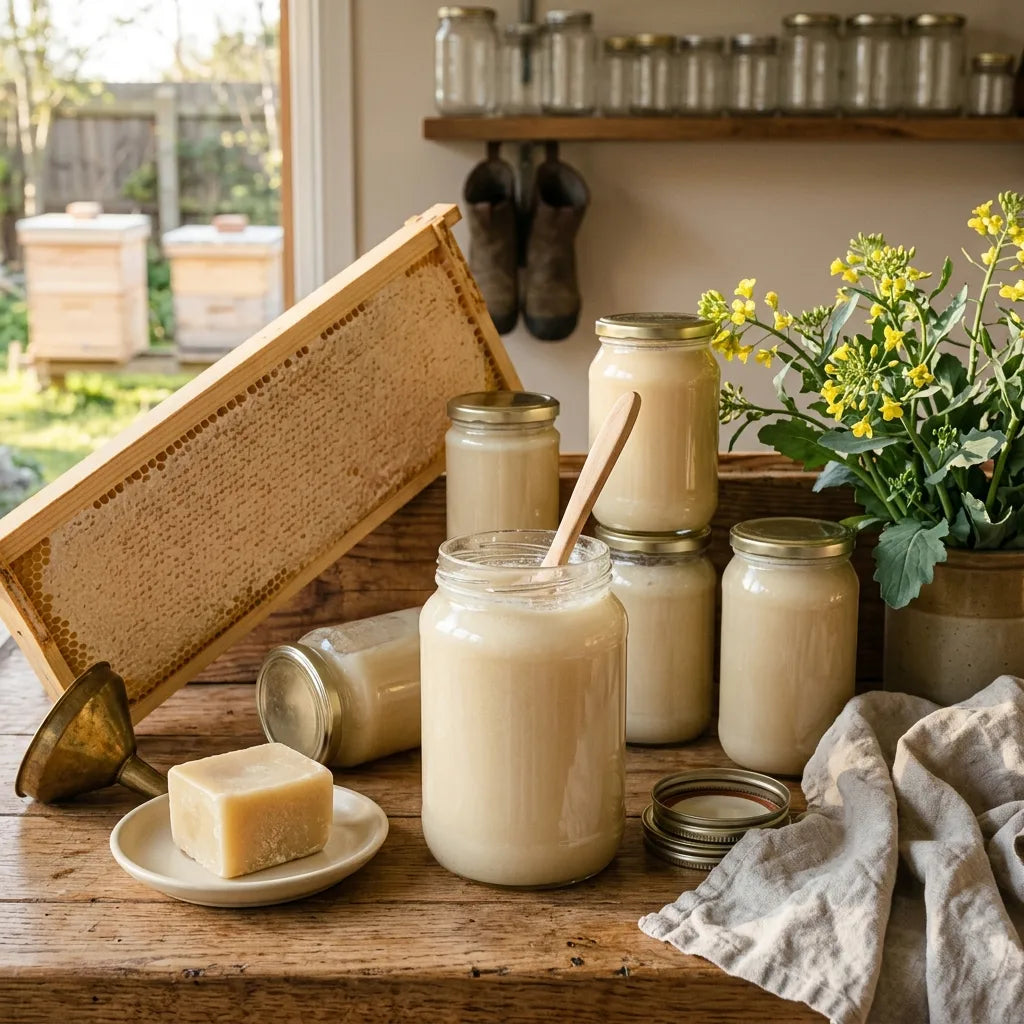
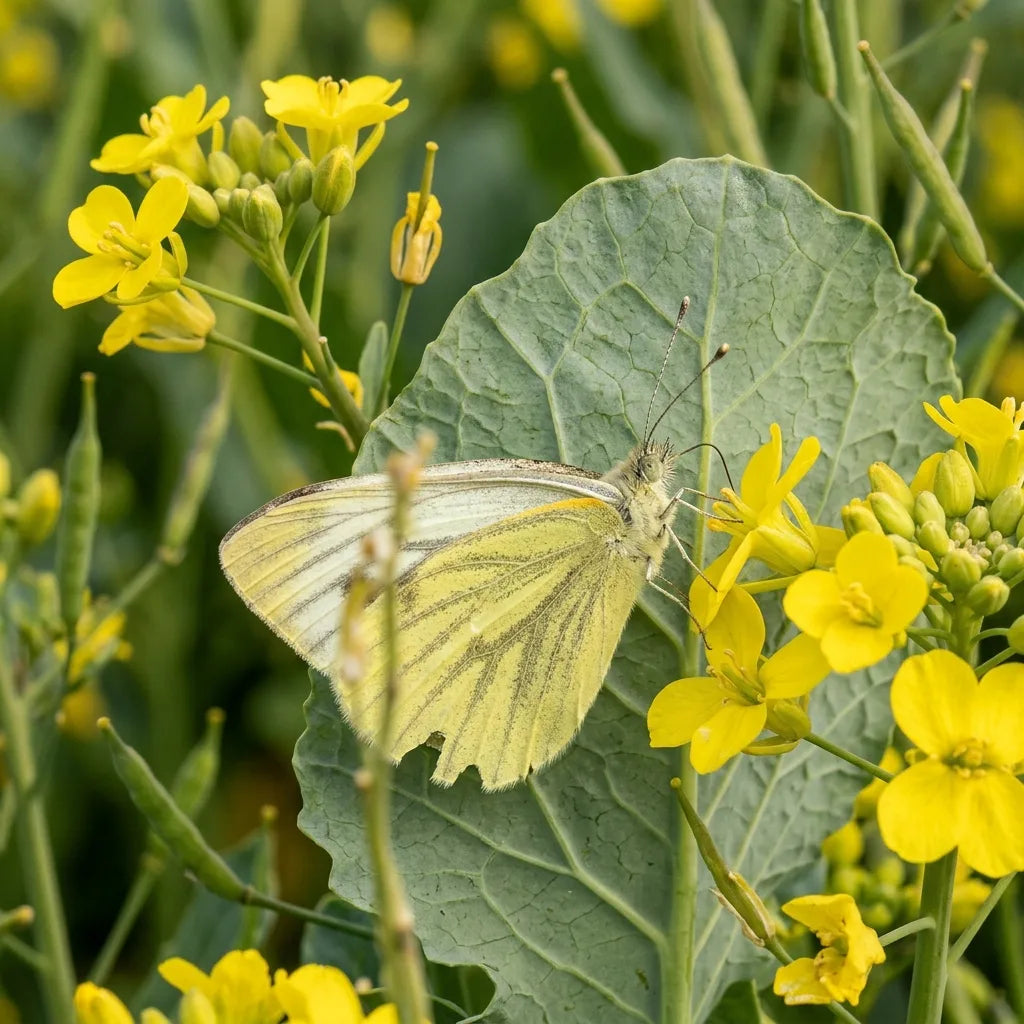
눈부신 노란 꽃: 봄에 꿀벌을 매우 잘 끌어들입니다.
파종 방법:
-
일조: 햇볕이 잘 드는 곳.
-
토양: 깊고 서늘하며, 점토질과 양토가 섞인 토양이 좋습니다. 물이 고여 과습해지는 곳은 피하세요. 토양이 다소 무거운 곳에서 특히 유용하며, 토양 구조를 개선하는 데 도움을 줍니다. 비료는 필요하지 않습니다. 이 식물이 분해되면서 양분을 토양에 되돌려줍니다.
-
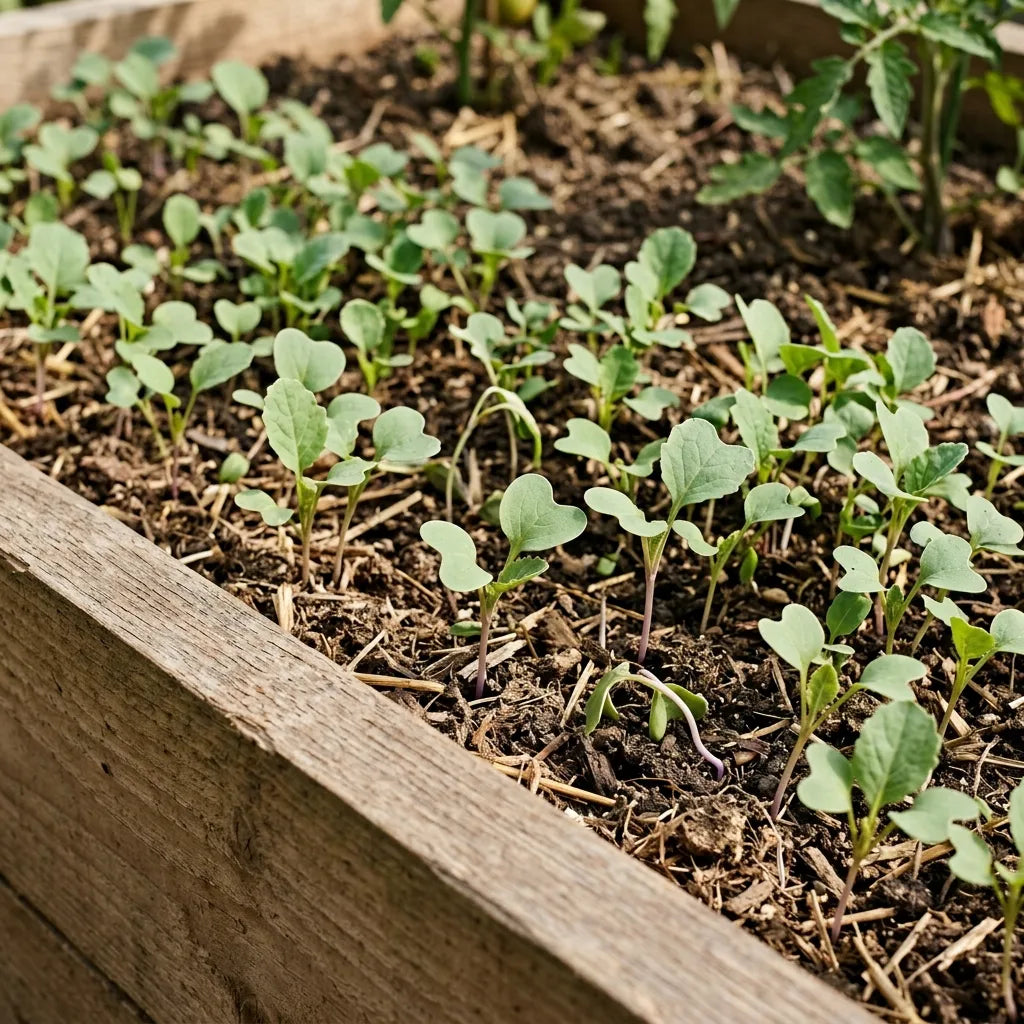
방법: 씨앗을 고르게 흩어 제자리에 직접 파종하세요. 겨울철 피복을 위해서는 늦여름이나 초가을이 가장 좋고, 봄에 파종해도 됩니다. 갈퀴로 가볍게 긁어 씨앗을 1~2cm 깊이로 묻습니다. 모종 화분도, 불려 파종하는 과정도 필요하지 않습니다. 씨앗 파종 방법을 참고하세요.
관리 방법:
- 특별한 관리가 필요하지 않습니다. 꽃대가 올라 씨앗이 맺히기 전에 베어 그 자리에 멀칭으로 두거나, 다음 작물을 심기 3~4주 전에 얕게 갈아엎어 묻으세요.
유익한 혼작 및 윤작:
- 파셀리아나 흰토끼풀처럼 다른 과의 녹비 작물과 윤작하세요. 주의: 흰겨자와 마찬가지로 십자화과 식물이므로, 병해충을 공유하는 배추류 작물의 앞이나 뒤에 재배하지 마세요. 안내서: 녹비 작물 파종하기.
생물다양성에 대한 기여:
- 이른 시기에 풍성하게 피는 꽃은 겨울을 난 뒤 활동을 시작한 꿀벌에게 그해 처음으로 제공되는 주요 꿀과 꽃가루 공급원 가운데 하나입니다.
- 겨울철 피복은 토양 생물을 보호하고 미생물을 서리와 양분 유실로부터 지켜줍니다. 살아 있는 토양의 기초를 참고하세요.
활용:
- 어린잎은 수확 후 3일 이내에 시금치처럼 익혀 먹을 수 있습니다. (씻어서 젖은 행주에 말아 냉장 보관하거나, 살짝 데쳐 냉동하세요.)
- 꽃은 수확 후 몇 시간 이내에 신선하게 즐기는 것이 좋습니다.
직접 씨앗을 받는 방법:
몇 포기는 씨앗이 맺히도록 두세요. 꼬투리가 줄기에서 갈색으로 변해 마르면 용기 위에서 털어 씨앗을 받으면 됩니다. 주의: 유채는 정원의 다른 십자화과 식물과 쉽게 교잡됩니다. 씨앗 보관 방법을 참고하세요.
품질에 대한 약속: SemiSauvage - Permaculture에서는 생명에 대한 존중을 중심 가치로 삼아 씨앗을 재배하고 선별합니다. 오베르뉴 화산 지대 인근에 자리 잡고, 발아율을 검사한 재래 품종과 비잡종 품종을 선별하여 어떠한 화학적 처리도 하지 않고 정성껏 선별·포장합니다. 우리의 신념은 정원사들이 해마다 진정으로 자신의 씨앗을 다시 뿌릴 수 있는 능력을 되찾도록 돕는 것입니다.
이 유채 씨앗으로 토양을 비옥하게 하고 수분 매개자를 도와주세요.