Brassica napus var. napobrassica
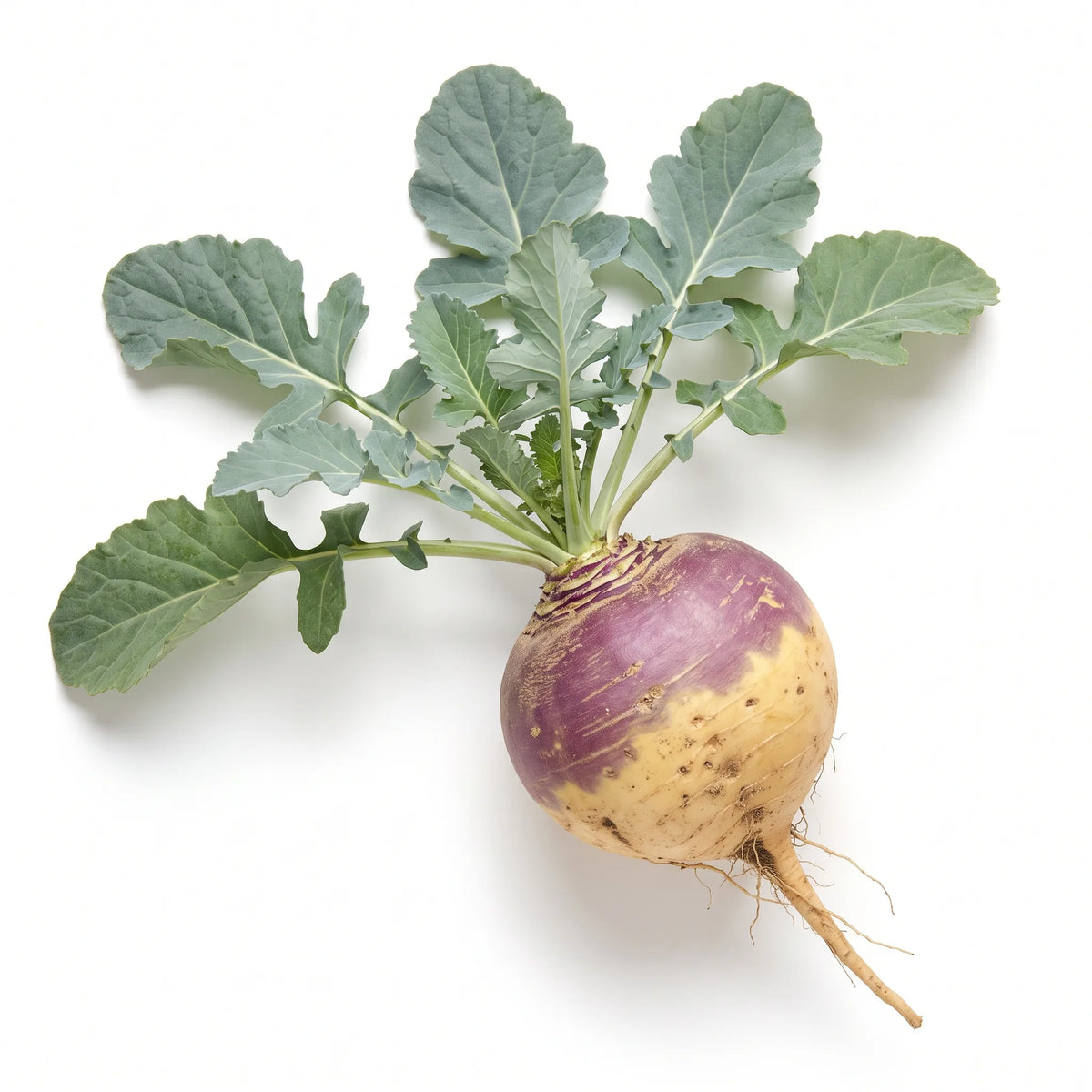
루타바가, 순무배추, 스웨덴순무, 노란순무: 케일과 순무의 자연 교잡으로 생겨난 이 겨울 채소는 식량이 부족했던 시절과 부당하게 연관되어 있습니다. 하지만 노란 속살은 실제로 부드럽고 은은하게 달콤하며, 특히 첫서리를 맞으면 맛이 한층 좋아집니다.
특징:
-
독특한 풍미: 양배추와 순무의 중간 정도로, 부드럽고 은은하게 달콤합니다.
-
겨울 채소: 텃밭에서 수확할 것이 적을 때도 자라며, 오래 보관할 수 있습니다.
-
매우 강건함: 서리를 문제없이 견디며, 땅속에 그대로 둘 수 있습니다.
-
재배가 쉬움: 까다롭지 않으며, 무엇보다 물을 규칙적으로 공급해야 합니다.
파종 요령:
-
햇빛: 양지.
-
토양: 깊고 촉촉하며 양분이 풍부하고 배수가 잘되는 토양. 뿌리가 갈라질 수 있으므로 덜 썩은 생거름은 피하고, 잘 부숙된 퇴비를 사용하세요. 전년도에 다른 배추과 식물을 재배한 곳에서는 재배하지 마세요.
-
방법: 3월부터 4월까지 모종판에 1cm 깊이로 파종하거나, 5월에 노지에 바로 파종하세요. 씨앗 파종 방법을 참고하세요.
정식 요령:
- 5월부터, 모종이 15cm 정도 자라거나 잎이 3~4장 나왔을 때 30~40cm 간격으로 옮겨 심으세요. 뿌리가 크게 자랍니다.
관리 요령:
- 뿌리가 썩지 않도록 과습을 피하면서 토양을 약간 촉촉하게 유지하세요. 밑동 주변을 멀칭하세요.
- 물을 규칙적으로 공급하는 것이 중요합니다. 가뭄을 겪으면 속살이 섬유질처럼 질기고 씁쓸해집니다.
수확 요령:
- 10월부터 수확하되, 가능하면 첫서리가 내린 뒤 수확하세요. 추위가 전분을 당으로 바꾸어 맛을 크게 부드럽게 합니다. 이것이 맛을 완전히 바꾸는 핵심입니다.
- 겨우내 서늘한 저장고에서 약간 젖은 모래에 묻어 보관하거나, 온화한 지역에서는 땅속에 그대로 둘 수 있습니다.
도움이 되는 혼식:
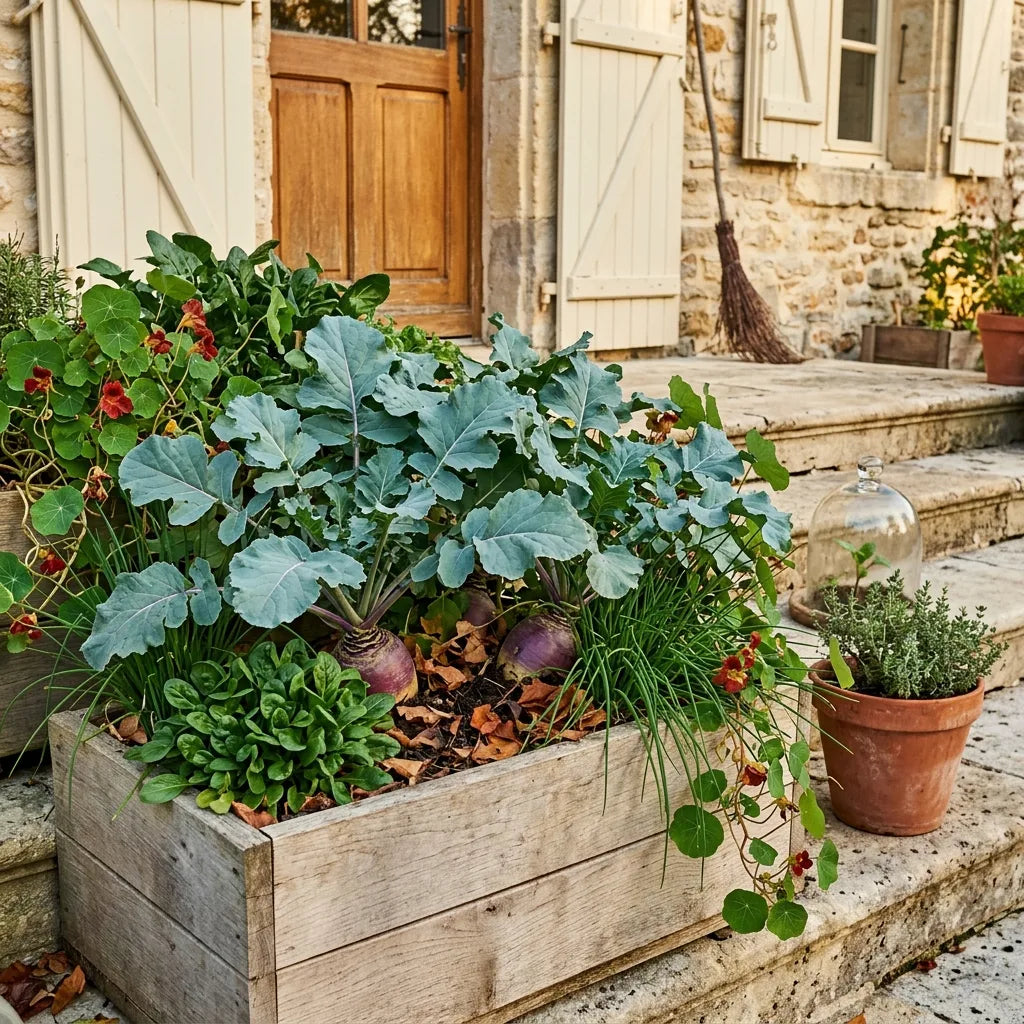
- 완두, 강낭콩, 상추와 잘 어울립니다. 해충을 공유하므로 다른 배추과 식물과 가까이 심는 것은 피하세요. 텃밭 혼식을 참고하세요.
생물다양성에 주는 이점:
- 겨울철 텃밭에 남아 있는 루타바가는 그렇지 않으면 드러났을 땅을 식물로 덮어 토양의 양분 유실을 막아 줍니다.
- 2년 차에 꽃대가 올라오도록 두면 꿀이 풍부한 노란 꽃송이가 피어, 이른 봄에 매우 소중한 먹이가 됩니다.
활용법:
- 속을 따뜻하게 해 주는 수프와 전골에 넣거나, 깍둑썰기해 오븐에 구워 곱게 캐러멜화시키거나, 감자와 섞어 으깨 먹을 수 있습니다. 생으로 채 썰어 샐러드에 넣어도 좋습니다. 잎은 시금치처럼 조리할 수 있습니다.
직접 씨앗 채종하기:
2년생 식물로, 2년 차에 꽃대가 올라와 씨앗을 맺습니다. 겨울 동안 뿌리 몇 개를 땅에 남겨 두었다가 갈색으로 마른 장각과를 수확하세요. 유채 및 야생 순무와 교잡할 수 있으니 주의하세요. 씨앗 보관 방법을 참고하세요.
품질을 향한 약속: SemiSauvage - 퍼머컬처에서는 생명을 존중하는 마음을 중심에 두고 씨앗을 재배하고 선별합니다. 오베르뉴 화산 지역 인근에 자리한 저희는 여러 해 동안 다시 심을 수 있고 잡종이 아닌 품종을 선택하여 발아율을 검사하고, 정성껏 선별·포장하며, 어떠한 화학 처리도 하지 않습니다. 저희의 신념은 정원사들이 해마다 진정으로 자신의 씨앗을 다시 심을 수 있는 능력을 되찾도록 하는 것입니다.
겨울 채소의 가치를 다시 발견해 보세요. 서리를 맞은 뒤 더욱 맛있습니다.