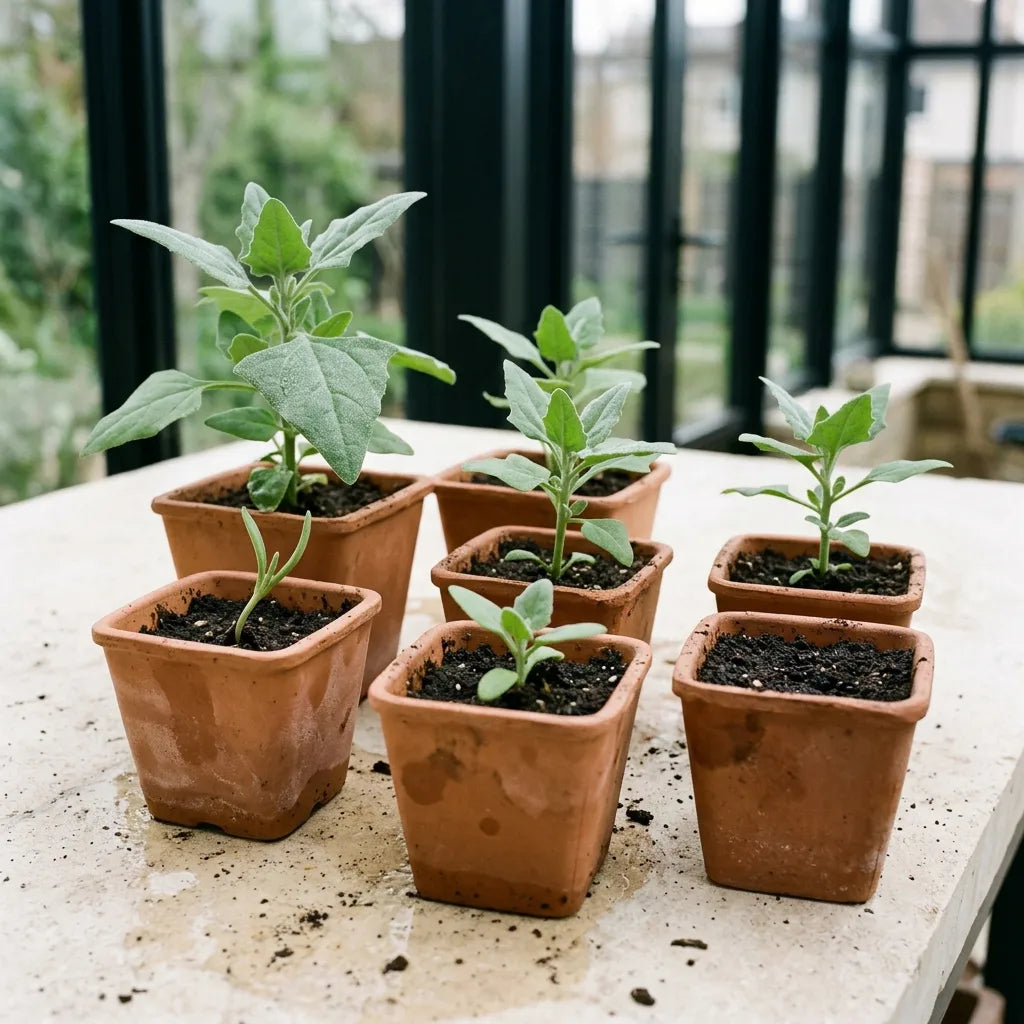
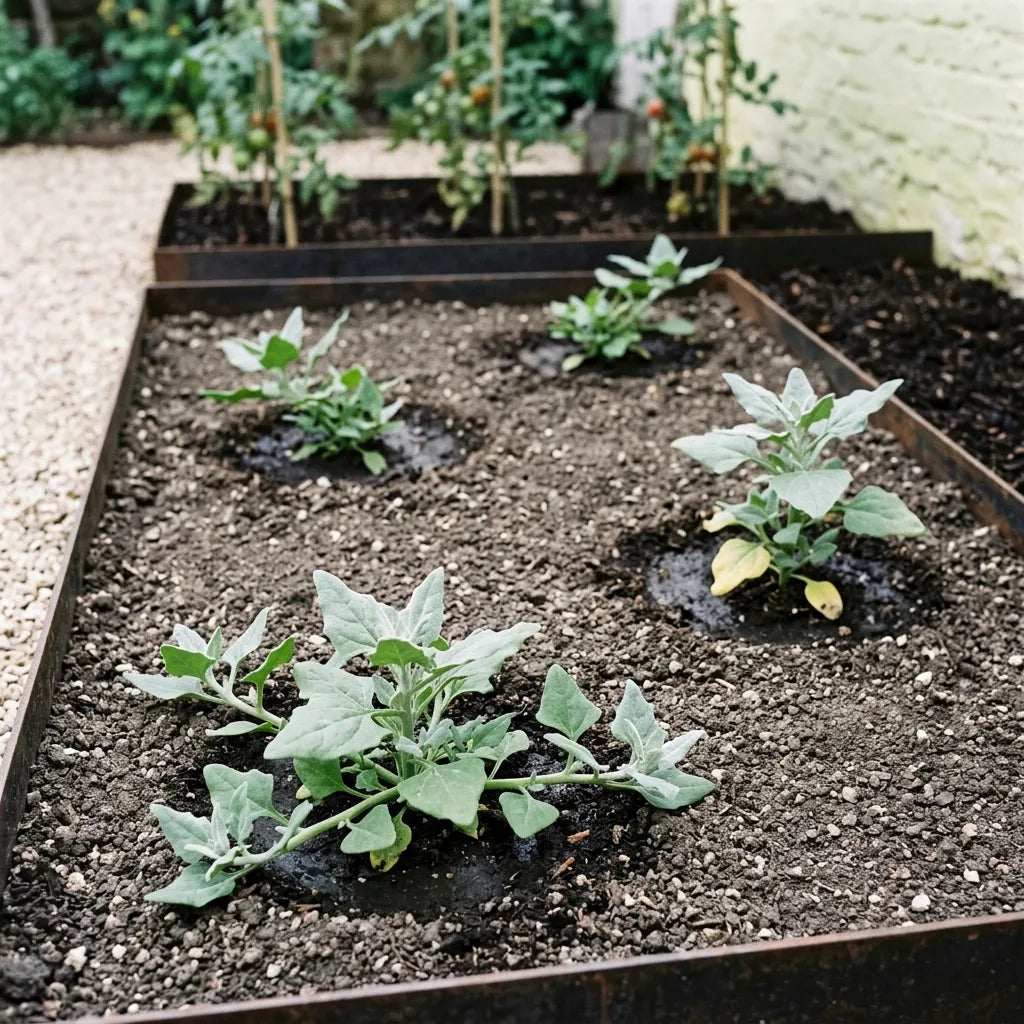
Tetragonia tetragonioides
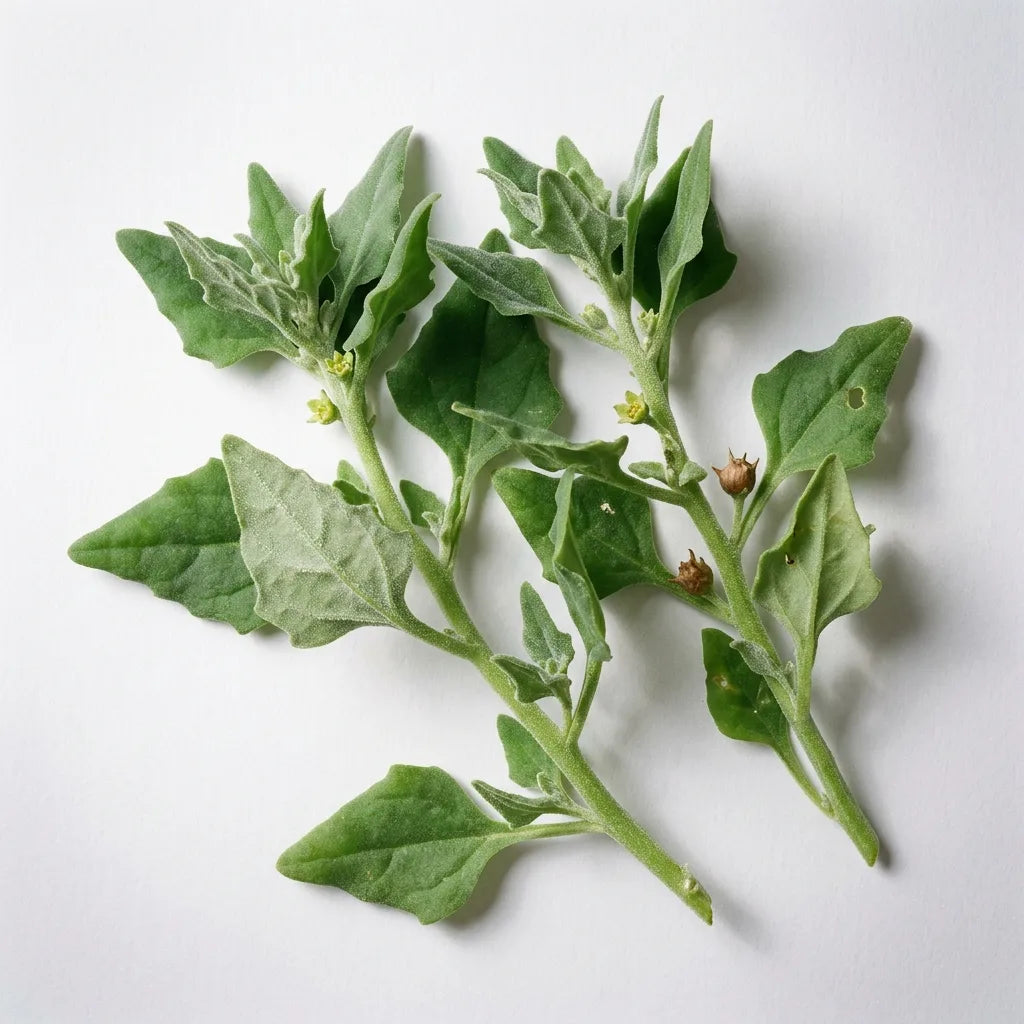
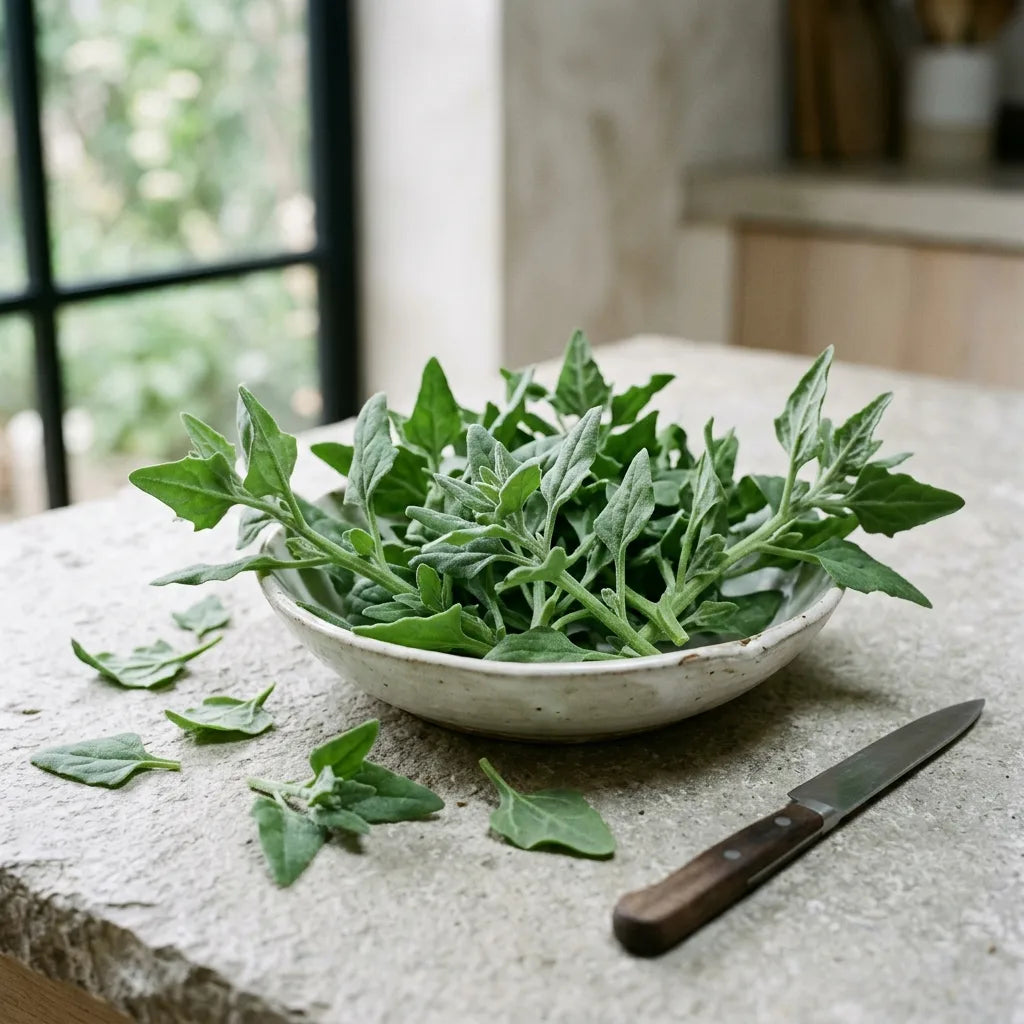
각진 번행초, 뉴질랜드 시금치, 넓게 퍼지는 번행초: 18세기 쿡 탐험대가 태평양에서 가져온 이 식물은 시금치의 큰 문제를 해결해 줍니다. 시금치는 초여름의 더위만 시작되어도 꽃대가 올라 씨를 맺지만, 이 식물은 한여름에 오히려 잘 자랍니다. 식물학적으로는 서로 관련이 없지만 맛은 매우 비슷합니다.
특징:
-
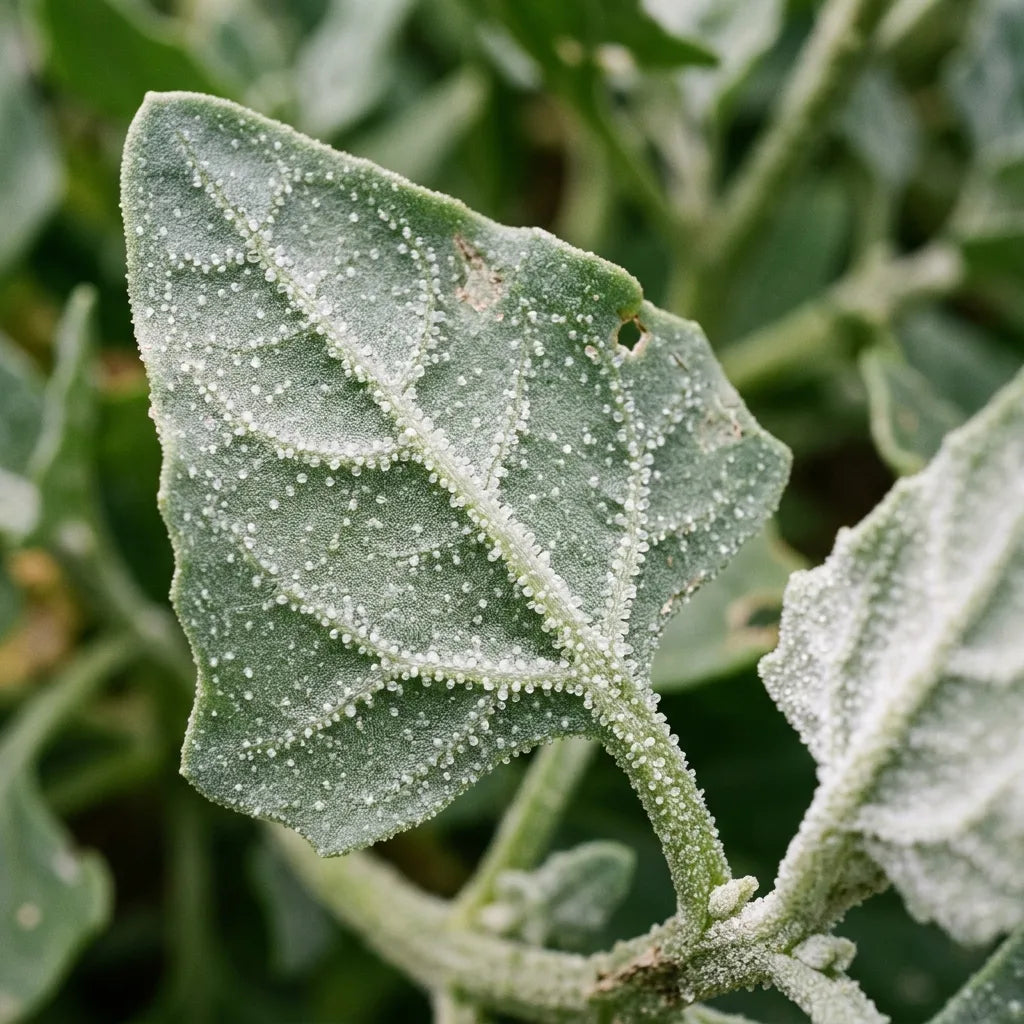
삼각형의 다육질 잎: 길이 최대 15cm로, 두껍고 부드럽습니다.
-
더위에 강함: 시금치가 이미 꽃대가 올라간 한여름에도 내내 수확할 수 있습니다.
-
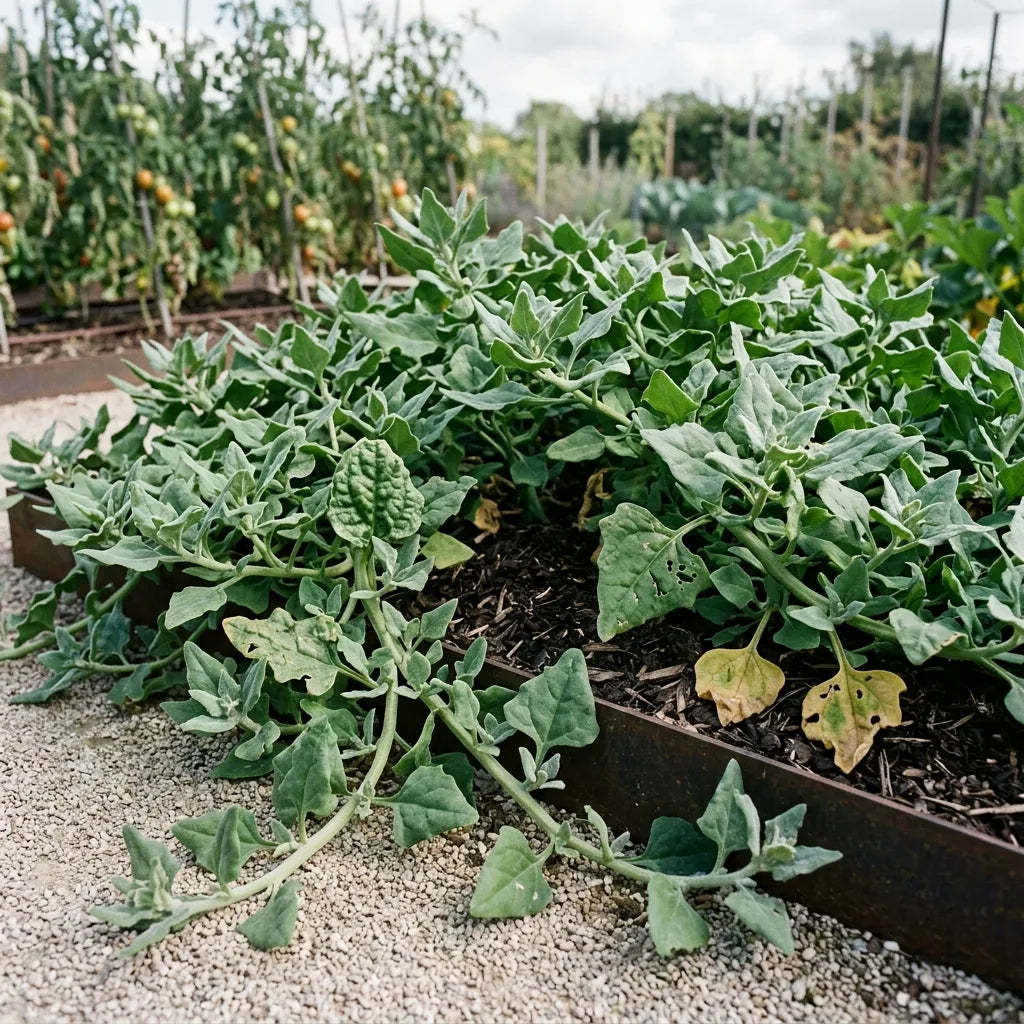
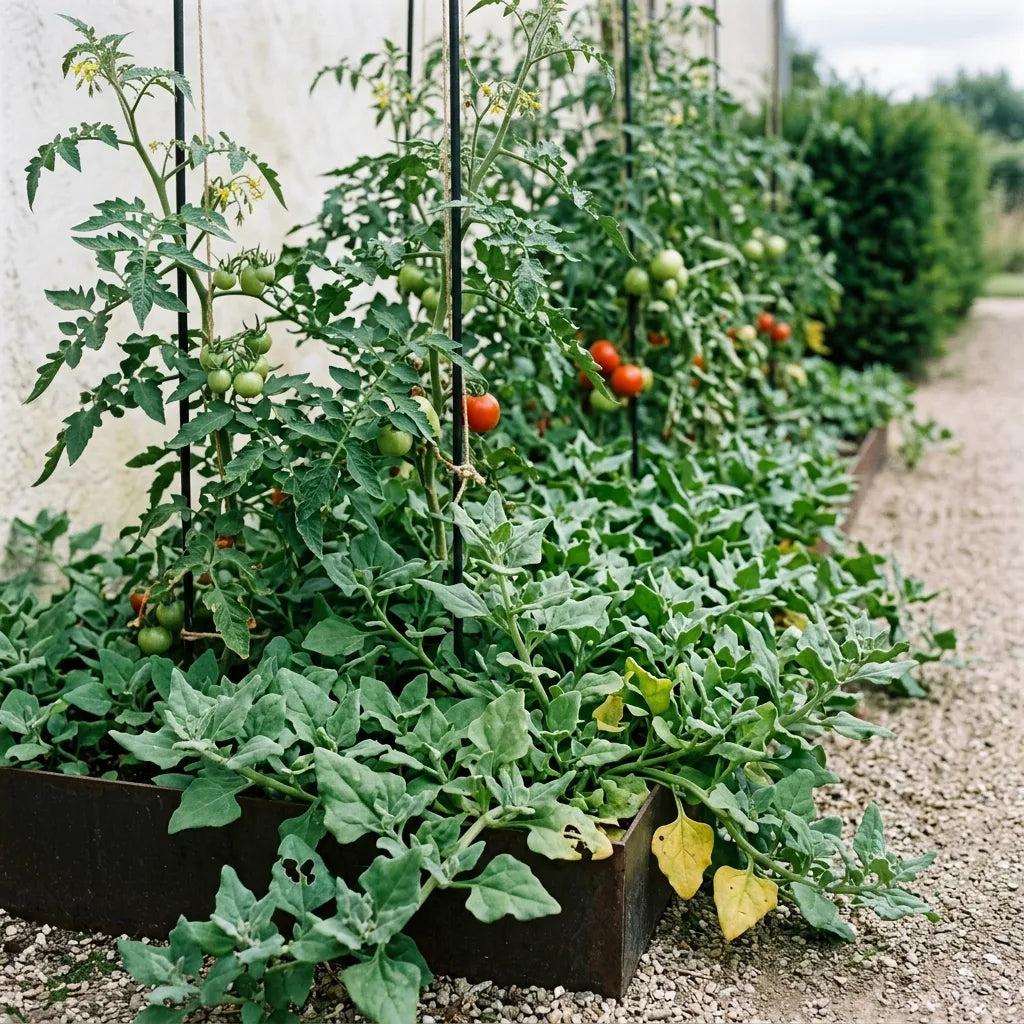
옆으로 퍼지는 생장: 덩굴성 줄기가 1m까지 뻗어 생산성 높은 지피식물을 이룹니다.
-
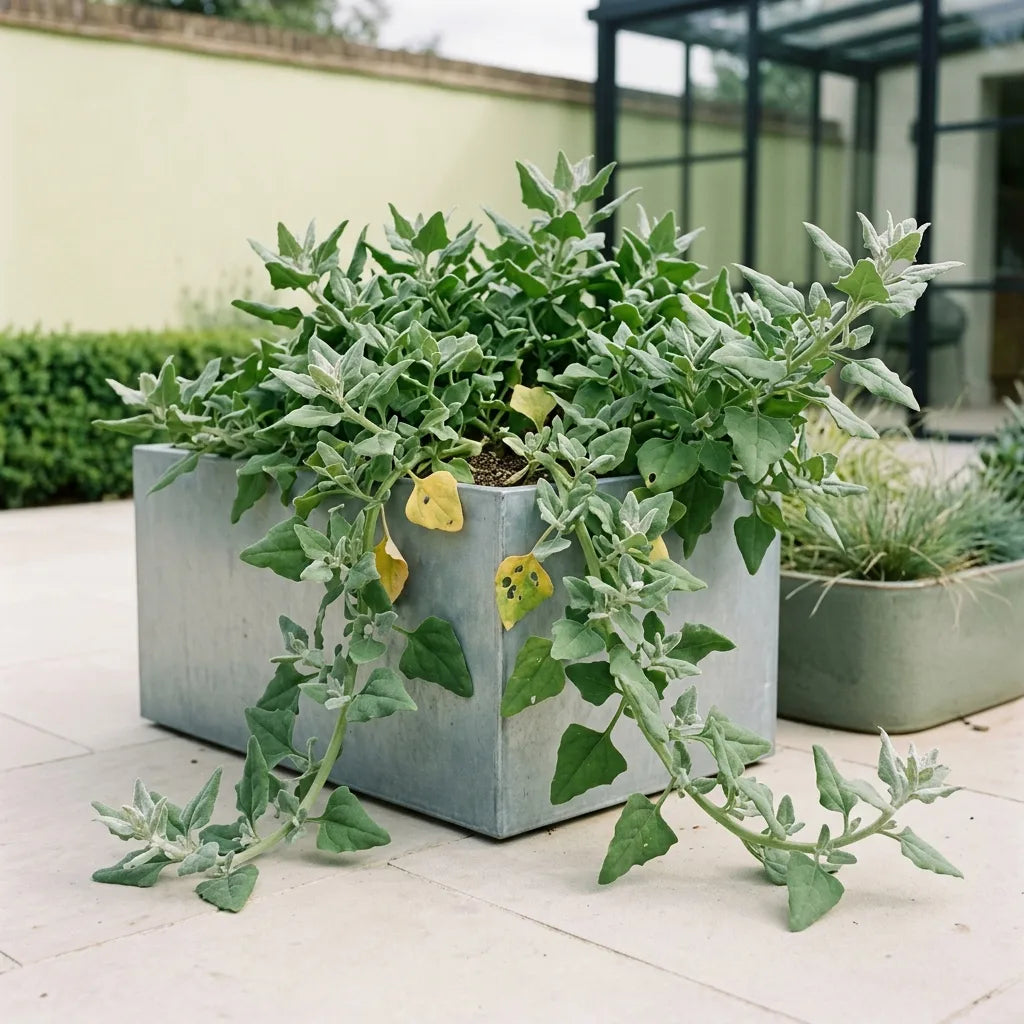
화분 재배 가능: 테라스의 큰 용기에서도 매우 잘 자랍니다.
주의사항:
- 시금치와 수영처럼 잎에 수산염이 들어 있으므로, 조리하기 전에 끓는 물에 1~2분 데친 뒤 물은 버리세요. 많은 양을 생으로 먹는 것은 피하세요.
- 서리에 약한 식물로, 첫서리가 내리면 바로 죽습니다.
파종 요령:
-
햇빛: 햇볕이 잘 들고 따뜻한 곳.
-
토양: 부식질이 풍부하고 촉촉하며 가볍고 약산성인 토양. 해안 지역에서 유래한 특성 덕분에 염분이 있는 토양도 잘 견디며, 일단 자리 잡으면 가뭄에도 강합니다. 다만 규칙적으로 물을 주면 잎이 부드럽게 유지됩니다.
-
방법: 씨앗은 코르크처럼 단단한 껍질로 싸여 있습니다. 파종 전에 미지근한 물에 24~48시간 담가 두세요. 그렇지 않으면 발아가 고르지 않습니다. 3월부터는 보호된 곳에서 파종하거나, 서리가 지난 뒤 직파하며 깊이는 2cm로 합니다. 씨앗을 파종하는 방법을 참고하세요.
정식 요령:
- 서리가 지난 뒤 최소 60cm 간격으로 옮겨 심으세요. 생각보다 훨씬 넓게 퍼집니다.
관리 요령:
- 특별한 관리가 필요하지 않습니다. 줄기 끝을 집어 주면 곁가지가 늘어나 어린순을 더 많이 얻을 수 있습니다.
수확 요령:
- 여름 내내 길이 약 10cm의 어린 줄기 끝순만 수확하세요. 많이 수확할수록 식물이 더 많이 가지를 치고 생산량도 늘어납니다.
도움이 되는 조합:
- 옆으로 퍼지는 성질 덕분에 옥수수나 토마토처럼 키가 큰 작물 밑의 훌륭한 지피식물이 되어 토양이 마르는 것을 막아 줍니다. 텃밭 작물 조합을 참고하세요.
생물다양성에 대한 이점:
- 빽빽하고 땅을 기는 잎이 토양을 효과적으로 덮어 잡초를 줄이고 한여름에 딱정벌레와 익충에게 은신처를 제공합니다.
- 염분에 강해 다른 작물이 잘 자라지 못하는 해안 지역에서도 잎채소를 재배할 수 있습니다.
이용 방법:
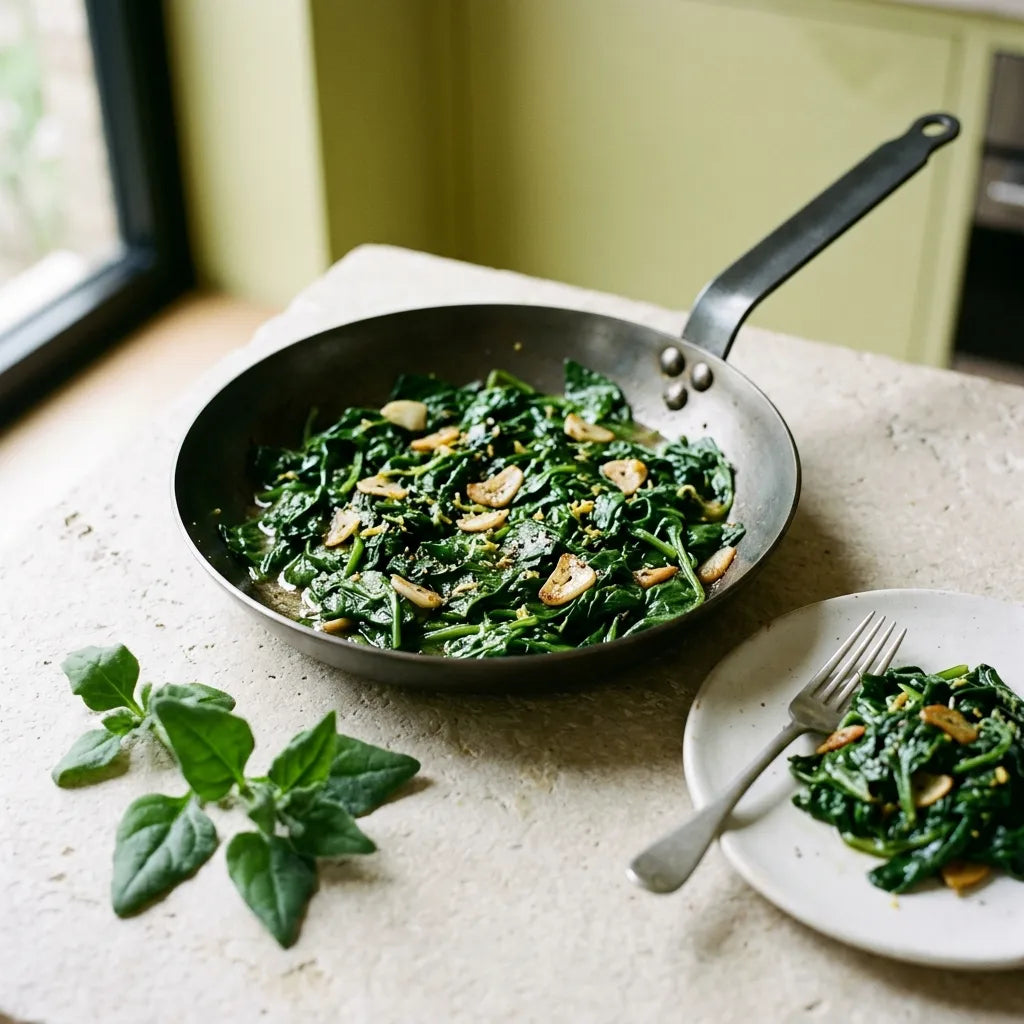
- 어린순을 데친 뒤 시금치처럼 조리하세요. 크림 소스, 그라탱, 키시 또는 마늘 볶음으로 활용할 수 있습니다. 옛 품종과 다년생 채소를 참고하세요.
직접 씨앗을 받는 방법:
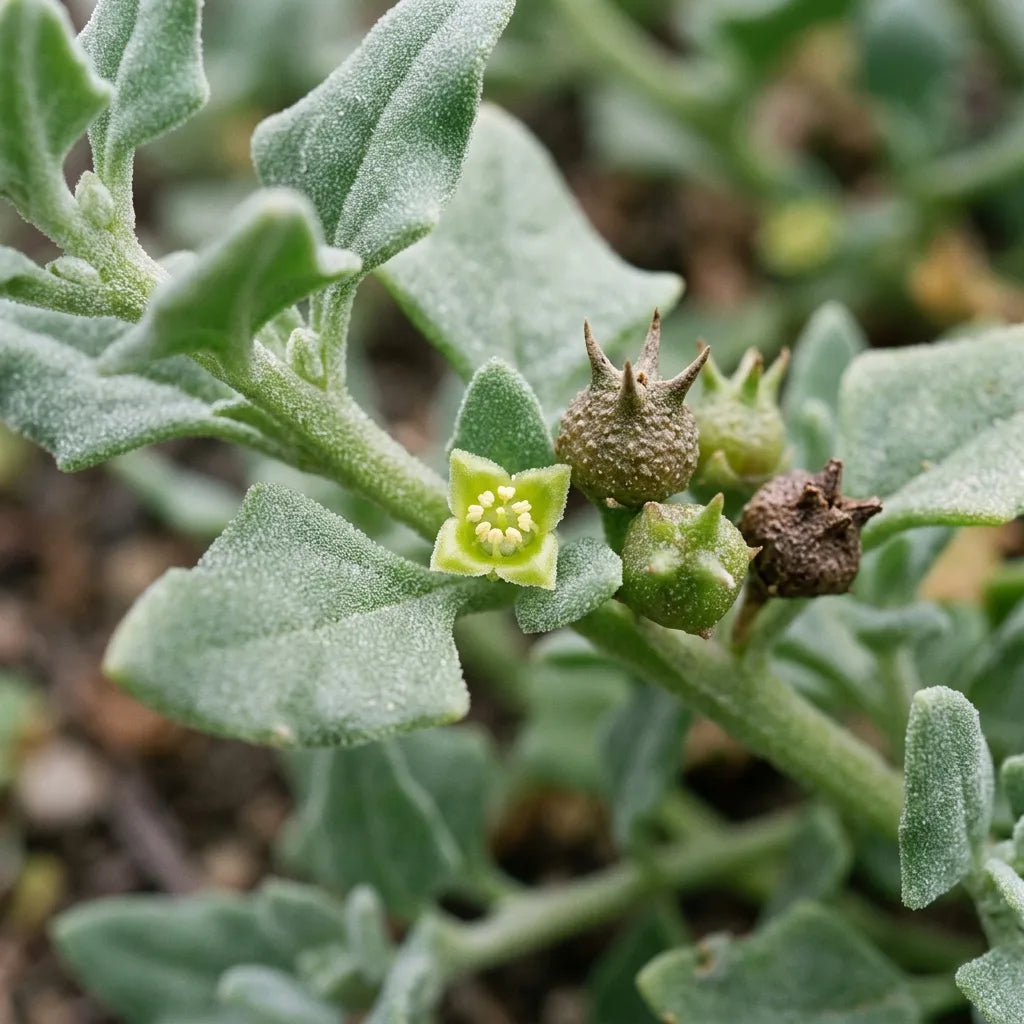
잎겨드랑이에 뿔 모양의 목질 열매가 몇 개 맺히도록 두었다가 마른 뒤 수확하세요. 이 열매가 바로 ‘각진 번행초’라는 이름의 유래입니다. 번행초는 해마다 저절로 씨를 퍼뜨리기도 합니다. 씨앗을 보관하는 방법을 참고하세요.
품질에 대한 약속: SemiSauvage - Permaculture에서는 생명에 대한 존중을 중심 가치로 삼아 씨앗을 재배하고 선별합니다. 오베르뉴 화산지대 인근에 자리 잡고 있으며, 번식이 가능하고 교잡되지 않은 품종을 선택해 발아율을 시험하고, 세심하게 선별하고 포장하며, 어떠한 화학 처리도 하지 않습니다. 우리의 신념은 정원사들이 해마다 진정으로 자신의 것이라 할 수 있는 씨앗을 다시 심을 능력을 되찾도록 하는 것입니다.
꽃대가 올라오지 않는 시금치: 한여름을 위한 잎채소.