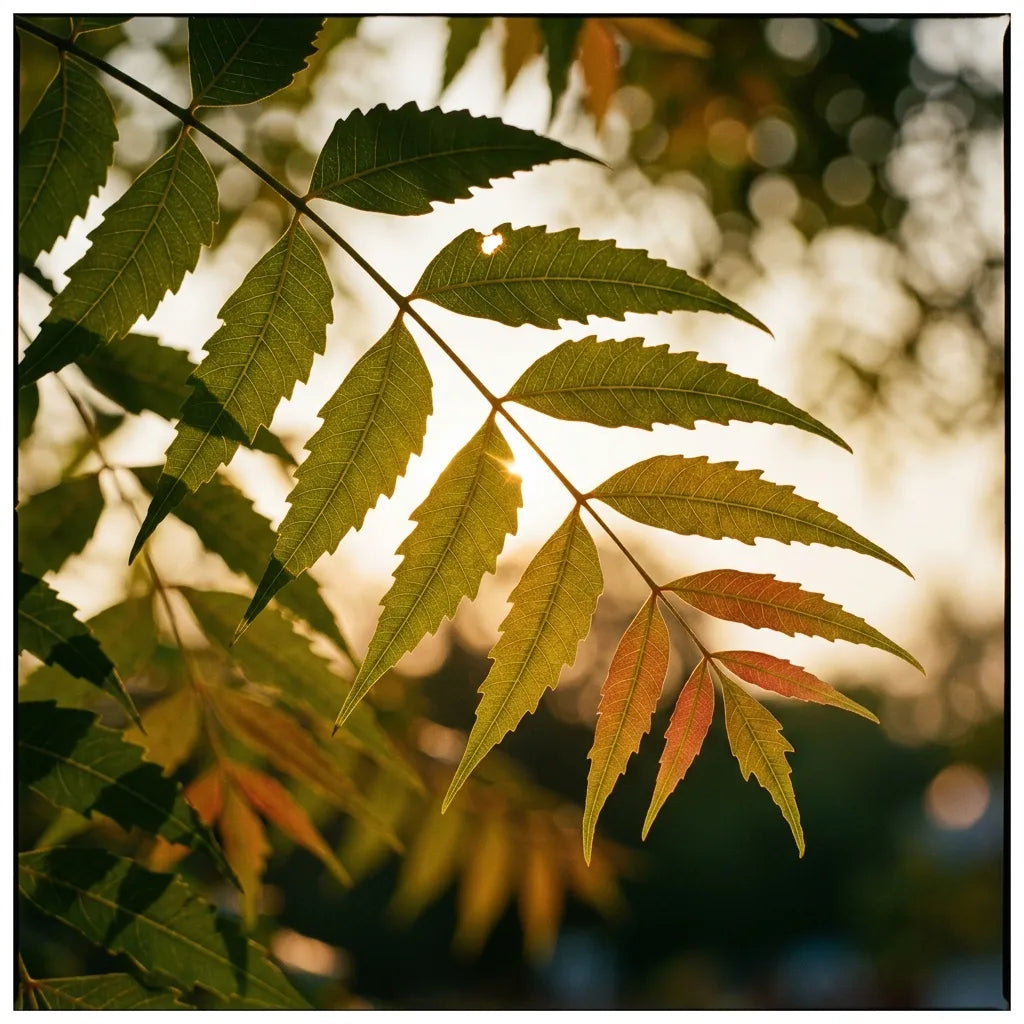
Azadirachta indica
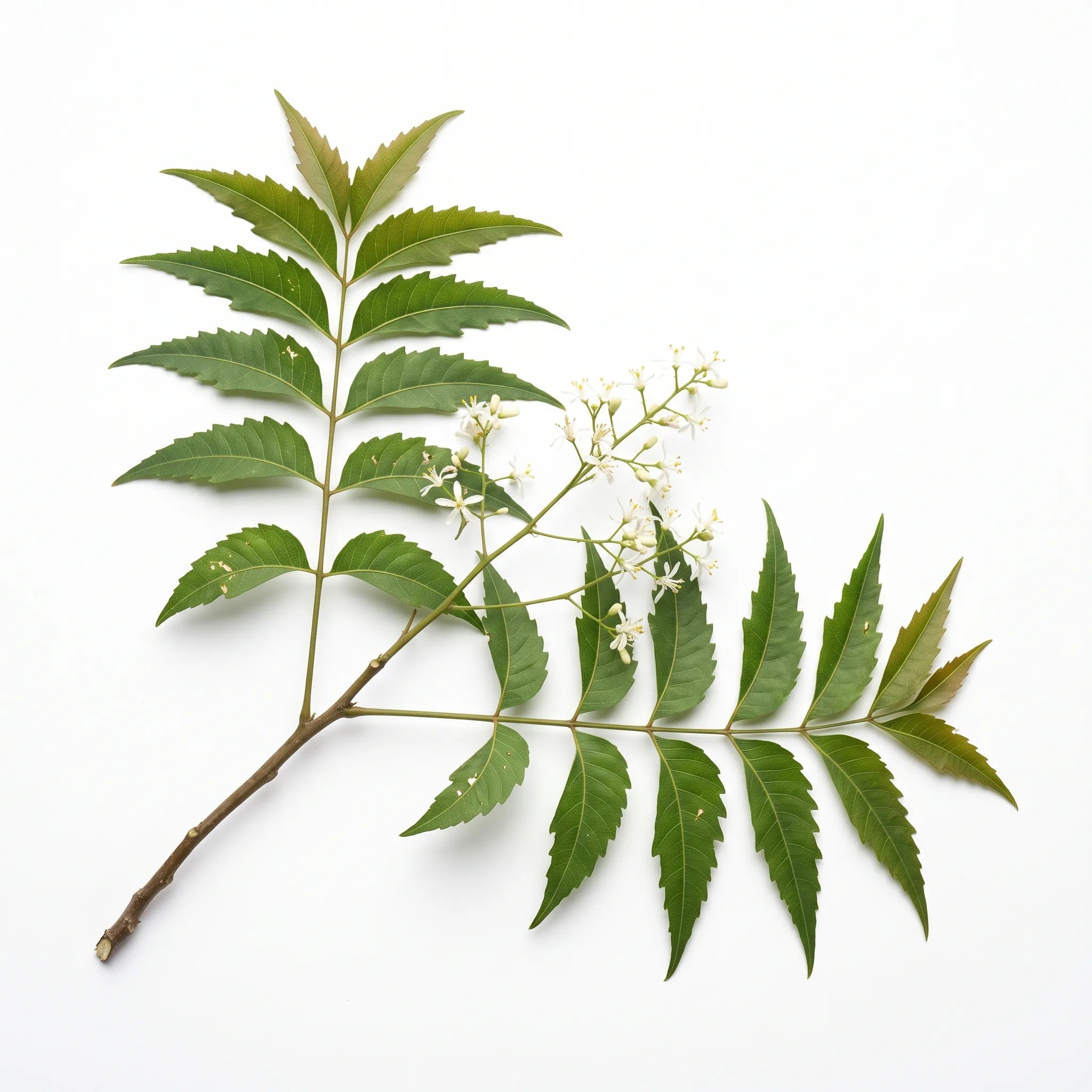
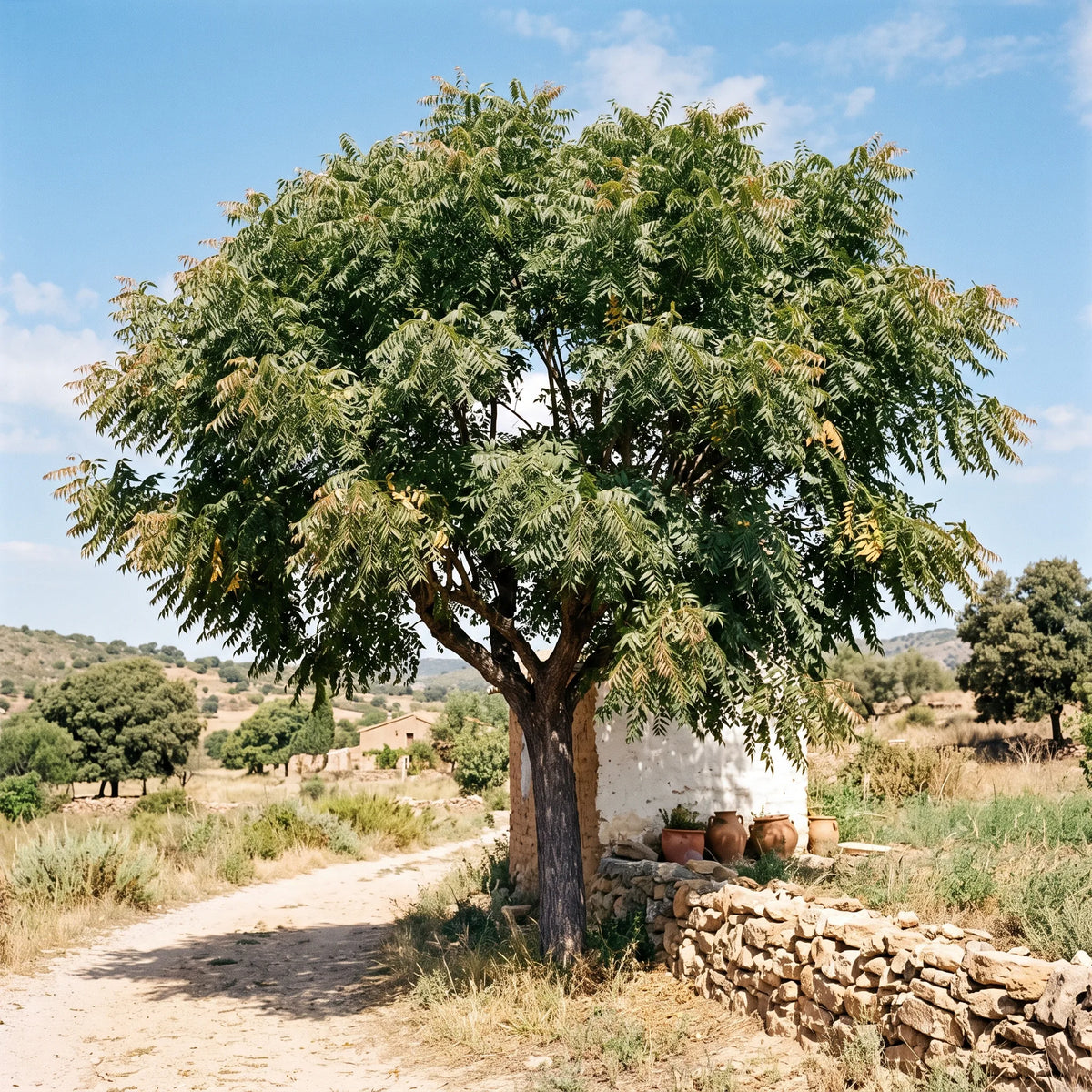
Neempuu, neem, nim, intianlila, helminauhapuu: Intiassa sitä kutsutaan joskus ”kylän apteekiksi”, sillä lähes jokaiselle sen osalle on löytynyt käyttöä vuosisatojen kuluessa. Sen oksia käytettiin perinteisesti purutikkuina, ja sen tiheä varjo suojaa edelleen monien niemimaan kylien aukioita.
Ominaisuudet:
-
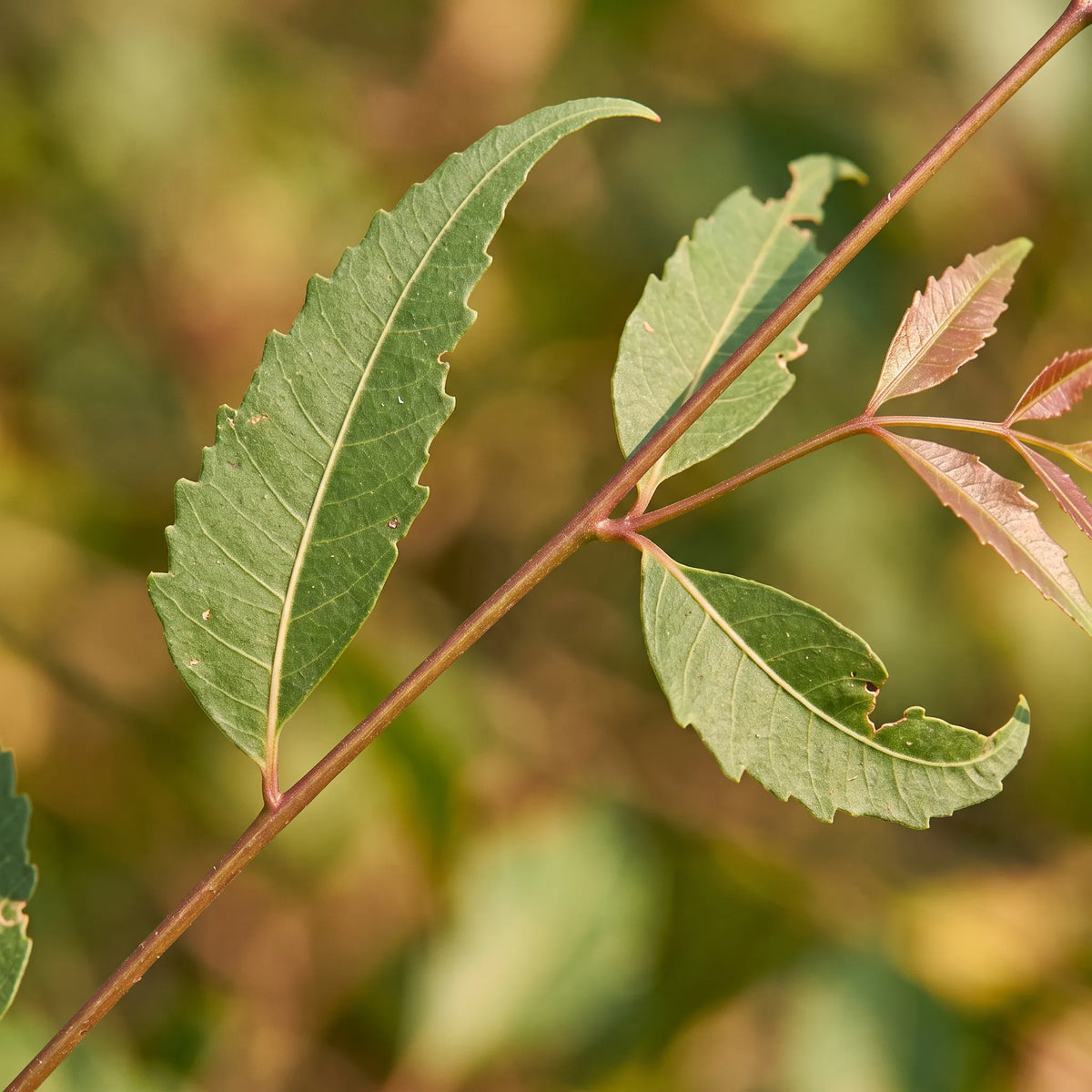
Ikivihreä lehvästö: kiiltävänvihreät, yhdistyneistä lehdistä koostuvat lehdet tarjoavat tiheää varjoa ympäri vuoden.
-
Suuri puu: kasvaa trooppisessa ilmastossa jopa 20 metrin korkuiseksi ja kasvaa nopeasti.
-
Kuivuudenkestävä: juurruttuaan se kestää poikkeuksellisen hyvin kuivaa ja kuumaa ilmastoa.
Varotoimet:
- Ankaran trooppinen puu ei kestä pakkasta: Manner-Ranskassa sitä kasvatetaan ruukussa, lasiverannalla tai lämpimässä kasvihuoneessa, ja sen voi kesäksi siirtää ulos. Lämpötilan on oltava jatkuvasti vähintään 10–15 °C.
- Älä nauti mitään kasvin osaa: sen perinteiset käyttötavat perustuvat erityisiin valmistustapoihin, eikä niitä pidä kokeilla omin päin.
Kylvöohjeet:
-
Kasvupaikka: täysi aurinko, paljon lämpöä ja valoa.
-
Maa: ravinteikas, hiekkainen tai kivinen ja ennen kaikkea erittäin hyvin vettä läpäisevä. Se sietää köyhää ja jopa hieman suolaista maata, mutta seisovaa vettä se ei ehdottomasti kestä, sillä se mädättää juuret. Ruukussa tarvitaan mullan, hiekan ja soran seos.
-
Menetelmä: kylmäkäsittelyä ei tarvita – tämä trooppinen siemen tarvitsee päinvastoin tasaista lämpöä. Se menettää itävyytensä hyvin nopeasti: kylvä se heti vastaanottamisen jälkeen, liotettuasi sitä 24 tuntia haaleassa vedessä, 1 cm:n syvyyteen. Kasvualustan lämpötilan tulee olla 25–30 °C ja sen kosteana. Katso kuinka siemenet kylvetään.
Hoito-ohjeet:
- Kastele ensimmäisinä vuosina säännöllisesti, myöhemmin hyvin harvoin: puu muuttuu erittäin kuivuutta sietäväksi.
- Talvetetaan lämpimässä ja valoisassa paikassa, ja kastelua vähennetään selvästi.
Hyöty luonnon monimuotoisuudelle:
- Pienet, tuoksuvat valkoiset kukat ovat erittäin mesipitoisia, ja niistä saadaan puun alkuperäalueella arvostettua hunajaa.
- Kuivilla alueilla sitä istutetaan laajamittaisesti aavikoitumisen torjumiseksi, maaperän vakauttamiseksi ja varjoisten alueiden luomiseksi, jolloin muiden viljelykasvien kasvattaminen tulee mahdolliseksi.
Käyttö:
- Koristekasvina ruukussa tai lasiverannalla meidän ilmastossamme; tuulensuojana ja varjopuuna lämpimillä alueilla.
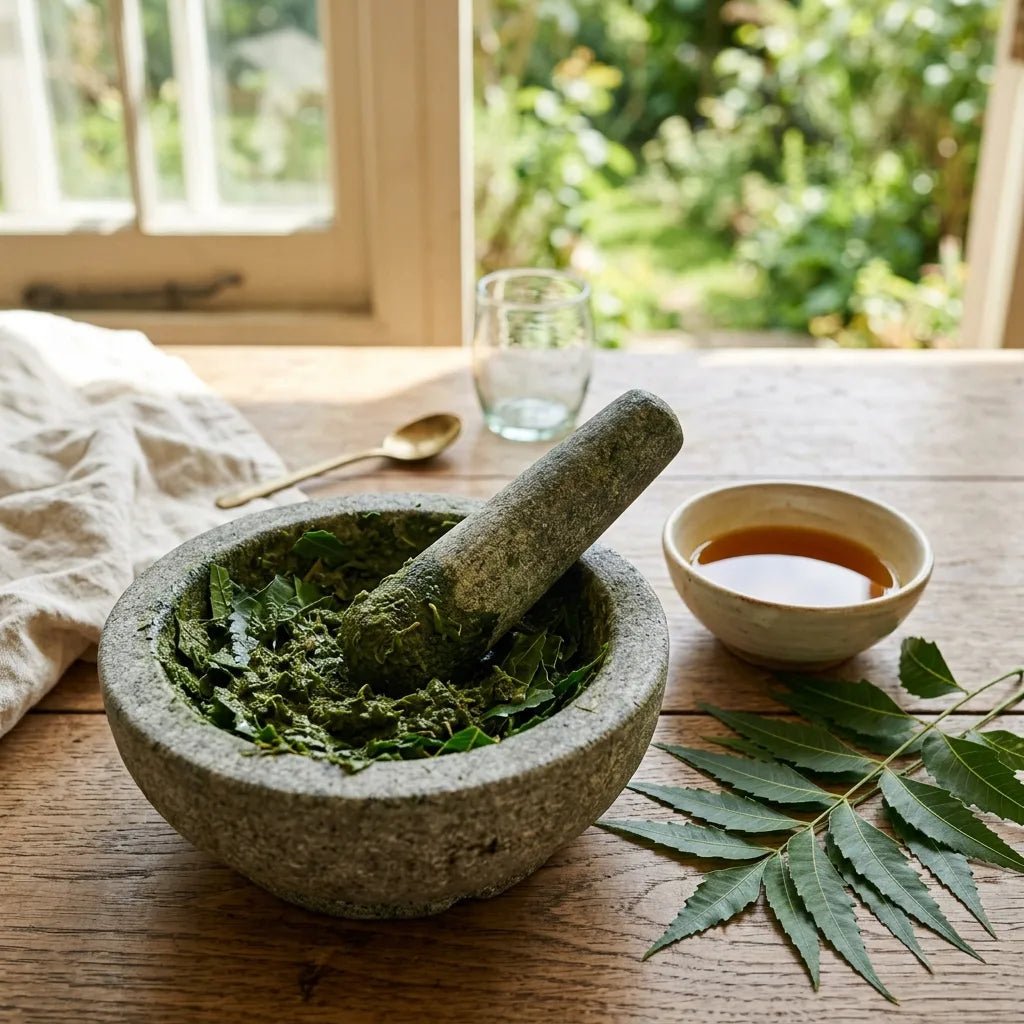
- Intialaisen perinteisen lääketieteen keskeinen kasvi, jota on käytetty Ayurvedassa tuhansien vuosien ajan. Katso kylvettävät lääkekasvimme.
- Sen siemenistä valmistetaan neemöljyä, jota käytetään luonnonkosmetiikassa.
Symboliikka:
Intiassa neem yhdistetään Shitala-jumalattareen, ja sitä pidetään suojelevana puuna: sen lehtiä ripustetaan oviin tiettyjen seremonioiden ajaksi, ja sitä istutetaan perinteisesti asutusten läheisyyteen.
Omien siementen kerääminen:
Sen kypsät hedelmät muistuttavat pieniä keltaisia oliiveja, ja jokainen niistä sisältää yhden siemenen. Poista hedelmäliha huolellisesti, huuhtele siemenet ja kylvä viipymättä: neeminsiemen säilyy vain muutaman viikon. Katso kuinka siemenet säilytetään.
Sitoumuksemme laatuun: SemiSauvage - Permaculturella viljelemme ja valikoimme siemenemme elämän kunnioittaminen ohjenuoranamme. Auvergnen tulivuorten lähellä sijaitsevalla tilallamme valitsemme lisääntymiskykyisiä, ei-hybridilajikkeita, joiden itävyys on testattu. Siemenet lajitellaan ja pakataan huolellisesti ilman kemiallisia käsittelyjä. Uskomme, että puutarhureille on palautettava mahdollisuus kylvää vuodesta toiseen uudelleen siemeniä, jotka todella kuuluvat heille.
Myynti on tarkoitettu laatua ja aitoutta etsiville harrastajapuutarhureille.