
Tässä artikkelissa 9
Lisättävä siemen eroaa F1-hybridistä vain yhdellä tavalla: uudelleen kylvettynä se tuottaa saman kasvin. Tekninen yksityiskohta selitetään artikkelissa Mitä eroa on F1-siemenillä, hybrideillä ja lisättävillä siemenillä?.
Tämä artikkeli vastaa toiseen, ainoaan siemenpussia valittaessa olennaiseen kysymykseen: mitä tämä muuttaa sinun kannaltasi käytännössä? Viisi syytä ja menetelmä, jolla voit aloittaa jo tällä kasvukaudella.
1. Lajikkeesi sopeutuvat puutarhaasi
Se on vahvin syy, vaikka ensimmäisenä vuonna vähiten näkyvä.
Populaatiolajike ei ole kloonijoukko: sen yksilöissä on hieman vaihtelua. Kun kylvät sen uudelleen joka vuosi samaan paikkaan, luonnonvalinta alkaa toimia omassa puutarhassasi: parhaiten maaperääsi, ilmastoosi ja kastelutapaasi kestävät taimet tuottavat eniten elinkelpoisia siemeniä. Kolmen tai neljän kasvukauden jälkeen viljelet kantaa, jota ei ole missään muualla.
Tämä mekanismi on erityisen tärkeä epävakaaksi muuttuneessa ilmastossa. Vuosi vuodelta sopeutuva lajike on parempi kuin muuttumaton lajike, vaikka se olisi paperilla kuinka suorituskykyinen. Joka kevät samanlaisena uudelleen ostettava F1-hybridi ei rakenteensa vuoksi koskaan hyödy tästä sopeutumisesta.
2. Ostat vain kerran
Taloudellinen hyöty on kotipuutarhan mittakaavassa vaatimaton – siemenet ovat pieni kuluerä mullan, veden tai käytetyn ajan rinnalla. Mutta asian voi nähdä toisella tavalla: kyse ei ole säästöstä, vaan tilauksen lopettamisesta.
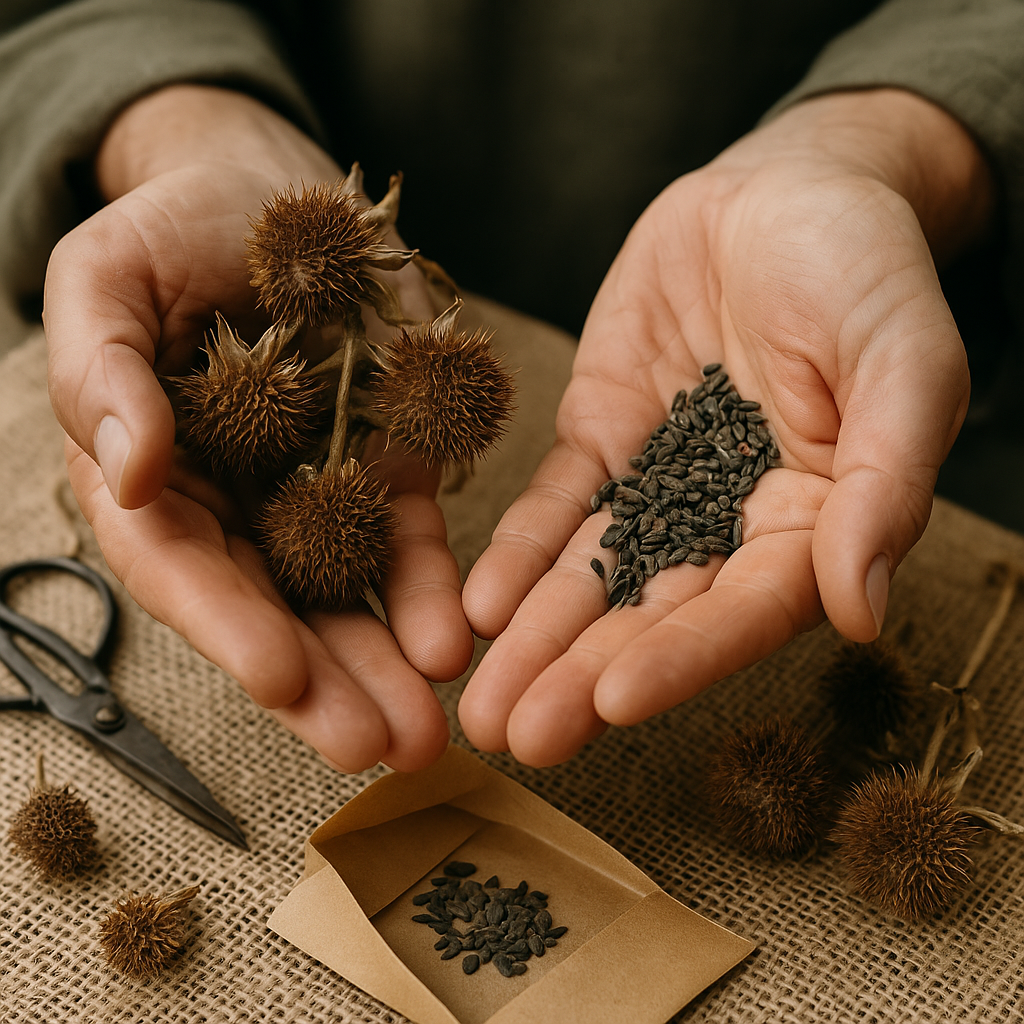
Yksi pussi vanhan lajikkeen tomaatinsiemeniä riittää, ja olet tämän lajikkeen osalta omavarainen ikuisesti – kunhan keräät siemenet. Yksi tomaatintaimi tuottaa helposti useita satoja siemeniä, reilusti tarpeeksi uudelleenkylvöön ja jakamiseen.
Käytännössä ostat ensimmäisenä vuonna; toisena vuonna ostat uudelleen vain sen, mikä on puuttunut tai mitä haluat kokeilla.
3. Maku ja moninaisuus
Lisättäviksi soveltuvia vanhoja lajikkeita valitsivat ihmiset, jotka söivät niitä puutarhoissaan ilman järjestelmällistä kastelua. Valintaperusteita olivat siis maku, kestävyys ja säilyvyys – eivät kuljetuksenkestävyys tai tasainen koko, jotka ovat ohjanneet suurta osaa nykyaikaisesta jalostuksesta.
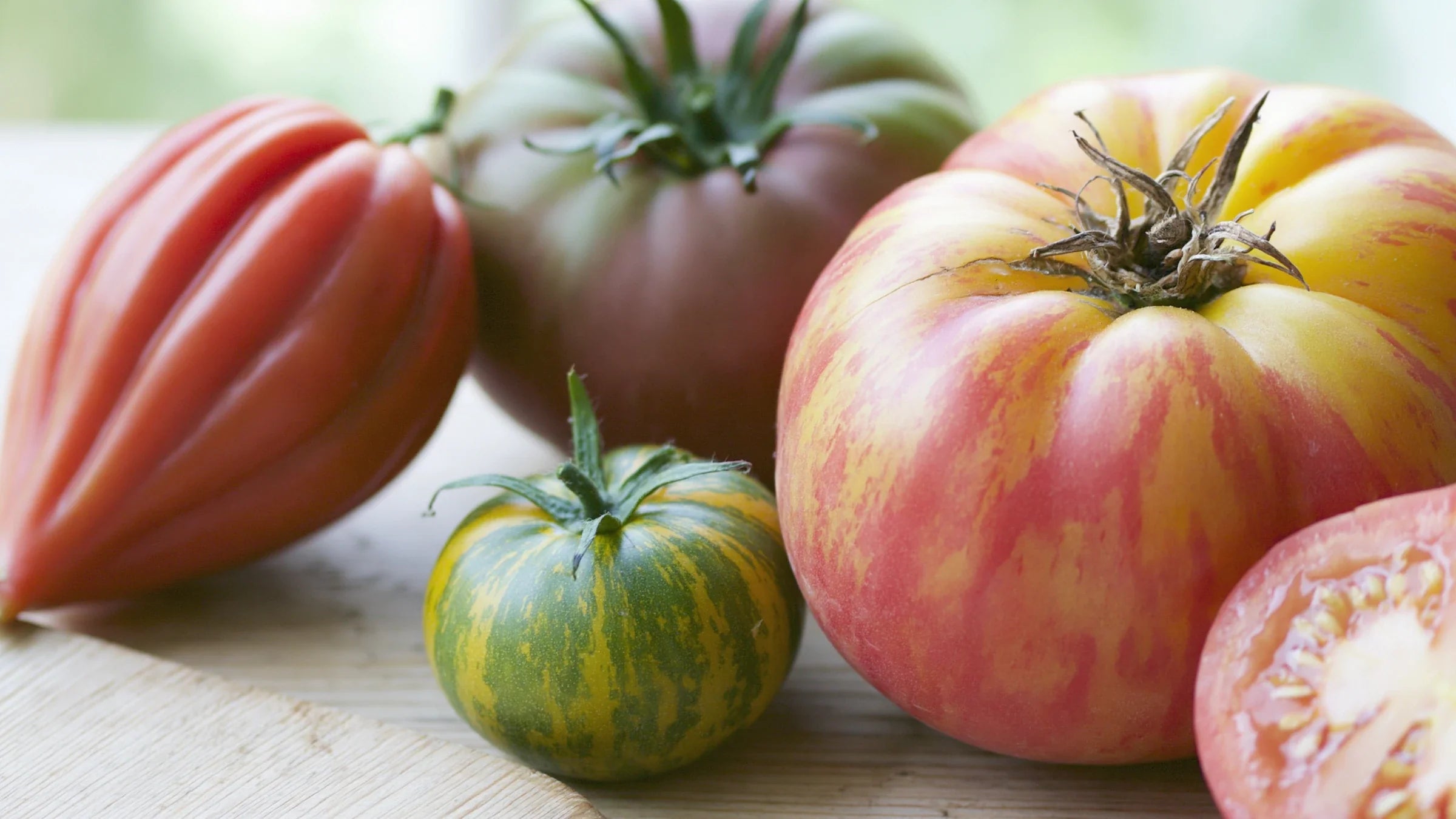
Näkyvin seuraus on muotojen ja värien moninaisuus: vihreä- ja keltaraitainen tomaatti, samankeskisin renkain kuvioitu punajuuri, syväuurteinen kurpitsa. Tällaiset vihannekset eivät olisi koskaan läpäisseet kokoluokittelun seulaa.
Rehellinen huomio: kaikki vanhat lajikkeet eivät maistu paremmilta, ja jotkin nykyaikaiset F1-hybridit ovat erinomaisia. Varmaa on valikoiman laajuus – ja mahdollisuus säilyttää juuri se lajike, josta pidätte.
4. Hajaantunut sato yhden satohuipun sijaan
F1 tuottaa tasalaatuisia hedelmiä, jotka kypsyvät kaikki samaan aikaan. Se on arvokasta puutarhurille, joka korjaa sadon kerralla. Kotipuutarhassa se on yleensä haitta, sillä kolmekymmentä kiloa kesäkurpitsoja kymmenessä päivässä aiheuttaa enemmän ongelmia kuin ratkaisee.
Kansoituslajikkeen lievä heterogeenisuus jakaa sadon luonnostaan useille viikoille. Se, mitä joskus pidetään puutteena, on tässä mittakaavassa etu.
Se tarjoaa myös vakuutuksen: kaikki yksilöt eivät reagoi samalla tavalla hyökkäykseen tai hellejaksoon. Kloonien monokulttuuri asettaa kaiken yhden kortin varaan.
5. Osallistutte säilyttämiseen
Todella viljeltyjen vihanneslajikkeiden määrä väheni voimakkaasti XXe vuosisadalla, kun tuotanto keskittyi vähitellen pieneen määrään jakelun vaatimuksia vastaavia tyyppejä. Monet paikalliset lajikkeet katosivat kaupallisista luetteloista, koska niiden mittakaavassa ei ollut markkinoita.
Ne säilyvät vain niiden ansiosta, jotka kylvävät niitä jatkuvasti uudelleen: puutarhurien, siemenyhdistysten ja alueellisten säilytyskeskusten. Kyse ei ole vain kulttuuriperinnöstä – kapea geeniperusta kestää huonosti muutoksia, olipa kyse uusista taudeista tai toistuvista kuivuusjaksoista. Puutarhoissa säilytetty monimuotoisuus on sopeutumisen varanto, eikä sitä voida palauttaa sen kerran menetettyä.
Puutarhuri, joka kasvattaa siemeniä kolmesta lajista, osallistuu jo. Yksilön panos on vaatimaton mutta yhteisesti ratkaiseva.
Mitä on tiedettävä ennen aloittamista
Rehellisyyden nimissä kolme seikkaa on syytä tuoda esiin.
- Sato voi olla pienempi ihanteellisissa oloissa – lannoitetussa maassa, kastelulla ja suojattuna. Keskinkertaisissa oloissa ero kaventuu huomattavasti ja kääntyy joskus päinvastaiseksi.
- Kohdennettu vastustuskyky taudeille on nykyaikaisten jalosteiden todellinen etu. Kansoituslajikkeet perustuvat yleiseen taudinkestävyyteen ja monimuotoisuuteen: ne ovat vähemmän näyttäviä tiettyä taudinaiheuttajaa vastaan, mutta kestävämpiä pitkällä aikavälillä.
- Sadonkorjuu vaatii hieman menetelmällisyyttä – ei välineitä, vaan huolellisuutta kuivatuksessa ja merkitsemisessä. Katsokaa Näin säilytät siemenesi vuodesta toiseen.
Mistä aloittaa jo tällä kaudella
Älkää yrittäkö vaihtaa kaikkea kerralla. Kolmivaiheinen järjestys:
- 1. vuosi – kaksi tai kolme itsepölytteistä lajia. Tomaatti, papu ja salaatti hedelmöittyvät jo ennen kukan avautumista, ristipölytyksiä tapahtuu harvoin, ja yksi tai kaksi siemeniä tuottavaa kasvia riittää. Huomaatte, että se toimii jo ensimmäisestä sadosta lähtien.
- Vuosi 2 — laajenna seurattaviin autogaamisiin lajeihin. Paprika, chili ja munakoiso: kasvata kolmesta viiteen tainta ja pidä lajikkeiden välillä muutaman metrin etäisyys.
- Vuosi 3 — siirry allogaamisiin lajeihin. Kurpitsat, kaalit ja porkkanat: ristipölytys on välttämätöntä, joten tarvitaan riittävä määrä kasveja ja vain yksi kyseisen kasvilajin lajike kukkimaan samanaikaisesti. Tässä vaiheessa puutarhureiden vaihtoverkostot ovat erityisen hyödyllisiä.
Pettymysten välttämiseksi kannattaa aina säilyttää varalla osa alkuperäisestä siemenpussista. Jos siemensato epäonnistuu tai tapahtuu risteytyminen, voit aloittaa uudelleen alkuperäisestä kannasta menettämättä mitään.
Usein kysyttyä
Tarkoittaako lisäyskelpoinen vanhaa?
Ei välttämättä. Kaikki vanhat lajikkeet ovat lisäyskelpoisia, mutta olemassa on myös uusia populaatiolajikkeita — nykyisen jalostustyön tuloksia. Sitova merkintä on ”lisäyskelpoinen” tai ”populaatiolajike”.
Tarkoittaako lisäyskelpoinen, että se on luomua?
Ei, kyse on kahdesta toisistaan riippumattomasta ominaisuudesta. Lisäyskelpoinen lajike voidaan tuottaa tavanomaisesti ja käsitellä sadonkorjuun jälkeen; F1-lajike voi olla luomusertifioitu. Katso Luomusiemenet vs. tavanomaiset siemenet.
Voinko sekoittaa F1-lajikkeita ja lisäyskelpoisia lajikkeita kasvimaalla?
Kyllä, se onnistuu ongelmitta. Älä yksinkertaisesti kerää siemeniä F1-kasveista ja vältä F1-kasvin kukkimista aivan saman allogaamisen lajin siementuotantokasvin läheisyydessä.
Mitä tapahtuu, jos siemeneni risteytyvät kaikesta huolimatta?
Saat heterogeenisen jälkeläistön, et katastrofia. Jotkut puutarhurit hyödyntävät tätä valitsemalla yksilöitä usean vuoden ajan ja luomalla oman lajikkeensa. Lisäksi sinulle jää alkuperäisestä siemenpussista vielä siemeniä jäljelle.
Missä siemeniä voi vaihtaa?
Siementenvaihtotapahtumat, kunnallisten kirjastojen siemenkirjastot ja paikalliset puutarhuriverkostot. Ne ovat paras tapa uudistaa allogaamisten lajien geeniperimää ja löytää alueellesi sopivia lajikkeita.
Tärkeimmät asiat
Lisäyskelpoisten siementen valitseminen ei tarkoita vain jostakin kieltäytymistä: se antaa mahdollisuuden korjata satoa, sopeuttaa lajikkeita ja välittää niitä eteenpäin. Aloita tällä kaudella yhdestä tomaatista ja yhdestä pavusta — yhden sadon jälkeen tiedät, sopiiko tämä toimintatapa sinulle.
Aiheeseen syvemmälle
- Mitä eroa on F1-siemenillä, hybrideillä ja lisäyskelpoisilla siemenillä?
- Vanhat siemenet: mitä ne ovat ja miksi niitä kannattaa viljellä?
- Näin säilytät siemeniä vuodesta toiseen
- Vanhojen tomaattilajikkeiden siemenet: lajikkeet, kylvö ja hoito
Kaikki siemenemme ovat lisäyskelpoisia poikkeuksetta: tutustu vanhoihin lajikkeisiimme, vihannesten siemeniimme ja aloituspakkauksiimme.

Jätä kommentti
Tämä sivu on suojattu hCaptcha-tunnistuksella, ja hCaptchan tietosuojakäytäntöjä ja käyttöehtoja sovelletaan.