
In this article 8
“Poor and dry soil”: we use the expression as though it described a single condition, when in fact it covers two distinct constraints that require different plants and different approaches to correct.
Soil can be poor yet remain moist—as is the case with many sandy soils on valley floors. It can be dry yet otherwise rich—as with clay soil in a Mediterranean climate. Start by identifying which of the two applies to you: the solution is not the same.
Making the diagnosis
Poor soil: little organic matter
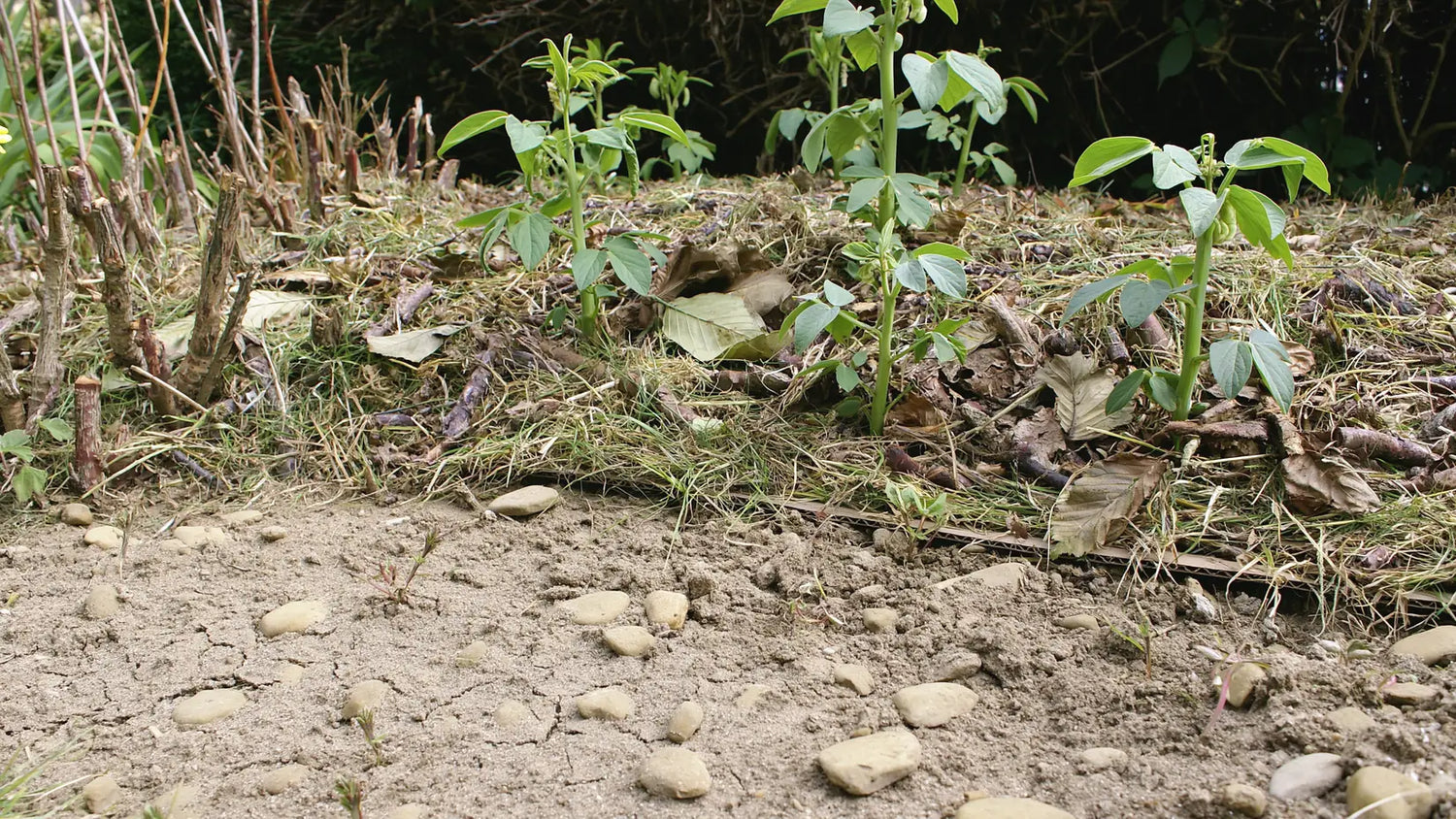
Signs include a light color, a dusty structure or, conversely, compact soil without clumps, few or no earthworms, and low, sparse spontaneous vegetation. Crops get started there but then stop growing, with pale foliage.
A simple test: take a 20 cm-wide block of soil and count the worms. Fewer than three indicates biologically depleted soil. See The basics of living soil.
Dry soil: low water retention
Signs include soil drying within a few hours after rain, watering disappearing immediately, and plants wilting after just two days without water. This is often associated with sandy or shallow, stony soil.
The jar test helps determine the texture: sifted soil, water, a drop of dish soap; shake and leave to settle for 24 hours. The sand settles first, and the clay last. See The different types of soil.
The most common situation is a combination: sandy soil that is both free-draining and poor, since nutrients are carried away with the water. This requires the most careful approach—but it can be corrected, and more quickly than compacted clay soil.
Species that thrive in poor soil
They have one thing in common: they do not need rich soil to produce, and some improve it as they grow.
- Legumes — bean, chickpea, broad bean, lentil, fenugreek. They fix their own nitrogen through the bacteria in their root nodules: poor soil does not hinder them, and they leave it better than they found it.
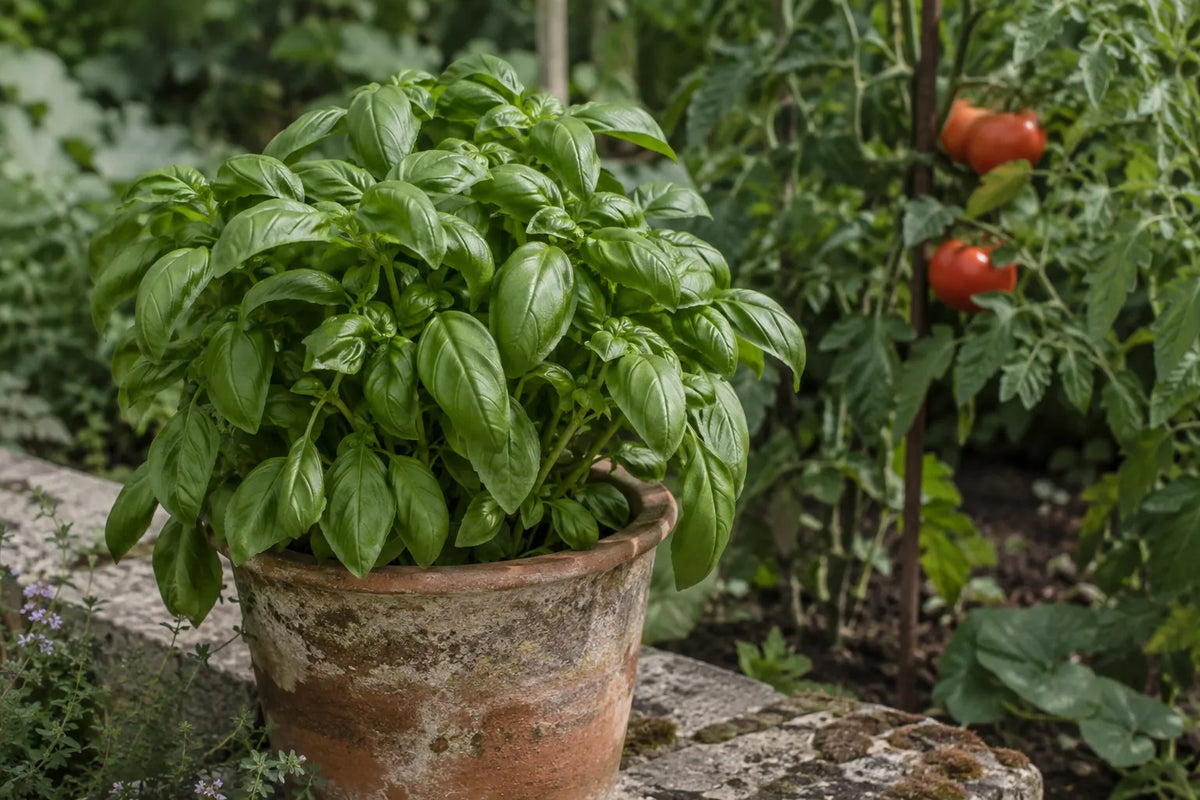
- Mediterranean aromatic plants — thyme, sage, lavender, oregano, savory, white horehound. They prefer poor, well-drained soil: too many nutrients make them rot and dilute their fragrance.
- Deep-rooted crops—parsnips, salsify, black salsify, carrots. They reach deeper to find what is lacking at the surface.
- Hardy vegetable garden plants—Swiss chard, amaranth, New Zealand spinach, kale, radishes, arugula.
- Frugal flowers—nasturtium (which requires poor soil to flower), marigold, poppy, cornflower, California poppy.
Avoid until the soil has recovered: headed cabbage, celery, leek, zucchini, pumpkin, corn. These are the hungriest crops, and they will disappoint.
Species that withstand dry conditions
Be careful not to confuse the two: some plants suited to poor soil are water-demanding, and vice versa.
- Trailing cucurbits—squash, pumpkins, watermelons. Their powerful roots and foliage cover the soil, protecting it from evaporation. They need water while establishing, but much less afterward.
- Dry beans and other grain legumes—chickpeas, lentils, dry beans. Their cycle follows the spring rains, and they are harvested dry.
- Dry-farmed tomatoes—with thick mulch and watering only when planted, they produce less but have noticeably more concentrated flavors. Heirloom varieties are better suited to this than hybrids.
- Mediterranean herbs—once established, they no longer need any watering.
- Amaranth, Swiss chard, New Zealand spinach—hardy foliage that makes an excellent replacement for lettuce in summer.
- Flowers for dry soil — California poppy, yarrow, coneflower, alfalfa.
Do not tolerate drought: lettuce, celery, cucumber, summer radish, spinach. These are spring and fall crops—forcing them in July uses a lot of water for mediocre results.
See also Drought-resistant plants.
Rebuilding fertility without buying anything
It takes three to five years of work, but the benefits are cumulative and don’t disappear. Four methods, in order of effectiveness.
1. Keep the soil covered permanently
It’s the most cost-effective option, and it’s free. Bare soil loses its nitrogen with every rain, bakes in the sun, and becomes compacted under the impact of raindrops. Organic mulch or plant cover, all year round, without exception—fallen leaves, dried grass clippings, straw, cardboard underneath.
2. Sow green manures
On poor soil, this is the investment that pays off fastest. Phacelia for quick cover, red clover and alfalfa for nitrogen and deep loosening—alfalfa grows down more than a meter and brings up minerals inaccessible to crops.
In a truly depleted plot, consider taking it out of production for a year or two and planting it entirely with alfalfa. See Sowing green manures.
3. Add organic matter to the surface
Mature compost, leaves, wood chips—always on the surface, never buried. On sandy soil, prefer regular, moderate applications over one large annual application, which would be mineralized and leached too quickly.
4. Do not compact or turn the soil over
Beds no wider than 1.20 m, dedicated paths, and a broadfork rather than a spade. Poor soil is already fragile: every pass makes it worse.
One amendment that really works on sandy soil is clay (bentonite). Unlike adding sand to clay, which is counterproductive, adding clay to sand durably improves water and nutrient retention. It is costly, but it is a permanent investment.
A three-year plan
| Year | What to do | What to grow |
|---|---|---|
| Year 1 | Cover everything, sow green manures over half the area, and mulch the other half | Legumes, herbs, nasturtiums, radishes, Swiss chard—nothing demanding |
| Year 2 | Mow green manures at the surface, add compost, and maintain the cover | Add squash, dry-farmed tomatoes, and deep-rooted crops |
| Year 3 | Classic rotation, permanent cover at all times | Almost anything becomes possible, except the most demanding crops in the poorest areas |
Don't try to treat everything at once. Focus your resources on a small area: two well-built beds produce more than ten mediocre ones, and you'll see the results faster, which helps you keep going.
Classic mistakes
- Add sand to “lighten” the soil. In clay soil, sand + clay + water produces a material similar to concrete. This is the most common and most harmful advice.
- Rely on fertilizers. They feed the plant without building anything. In poor soil, what is lacking is structure and soil life, not minerals—and soluble fertilizer will be leached away within a month.
- Watering a little and often. This keeps roots near the surface, where the soil dries out first. Water rarely and deeply.
- Mulching dry soil. Mulch preserves existing moisture; it does not create any—and it blocks light rain. Water first, then mulch.
- Trying to grow what cannot be grown. Celery in sandy, dry soil will remain a failure, whatever your efforts. Choose first, improve the soil afterward.
Frequently asked questions
Should manure be added?
Only if it is well composted, for at least six months. Fresh manure is too concentrated and “burns” crops. In sandy soil, it mineralizes very quickly: several small applications are better than one large one.
How long before seeing a difference?
The first signs—more earthworms, a crumbly structure, and soil that stays moist longer—appear as early as the second year of permanent ground cover. The organic matter content itself increases slowly but does not decline.
Is a mound a good idea?
Not a raised mound, which would dry out the soil even more. However, the sunken version—decomposed wood in a covered trench—corrects this exact problem by creating a deep water reserve. See Growing on mounds.
Can you create a vegetable garden on stony ground?
Yes, and don't try to remove the stones: they limit evaporation, buffer temperature fluctuations, and improve drainage. Remove only the largest ones from root-vegetable beds.
What if my soil is poor because it is calcareous?
Calcareous soil prevents the absorption of iron, manganese, and zinc—which causes yellow leaves with green veins. Organic amendments help, but the most effective approach is to choose adapted species: cabbages, legumes, onions, and Mediterranean herbs cope with it very well.
Key takeaway
First, distinguish between the two challenges: poor soil can be improved with organic matter and legumes, while dry soil can be improved with ground cover and the right choice of varieties. In both cases, the method is the same—never leave the soil bare—and the results develop over three years. Start small, with two beds.
For further information
- The different soil types: how to identify and improve them
- Creating a vegetable garden without irrigation
- Sowing green manures
- Drought-resistant plants
To get started on difficult terrain: our green manures, our Mediterranean herbs, and our heirloom varieties, which are hardier than modern selections.

Leave a comment
This site is protected by hCaptcha and the hCaptcha Privacy Policy and Terms of Service apply.