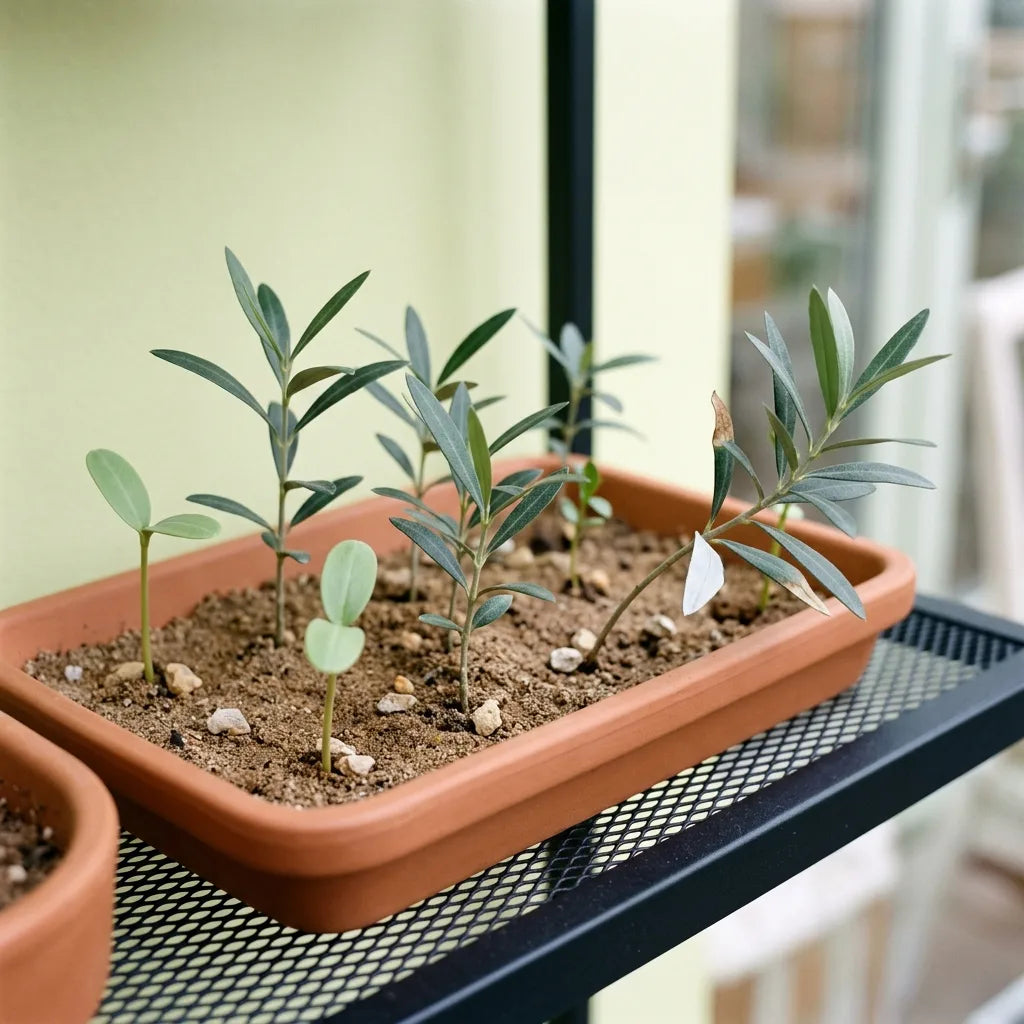
Olea europaea subsp. sylvestris
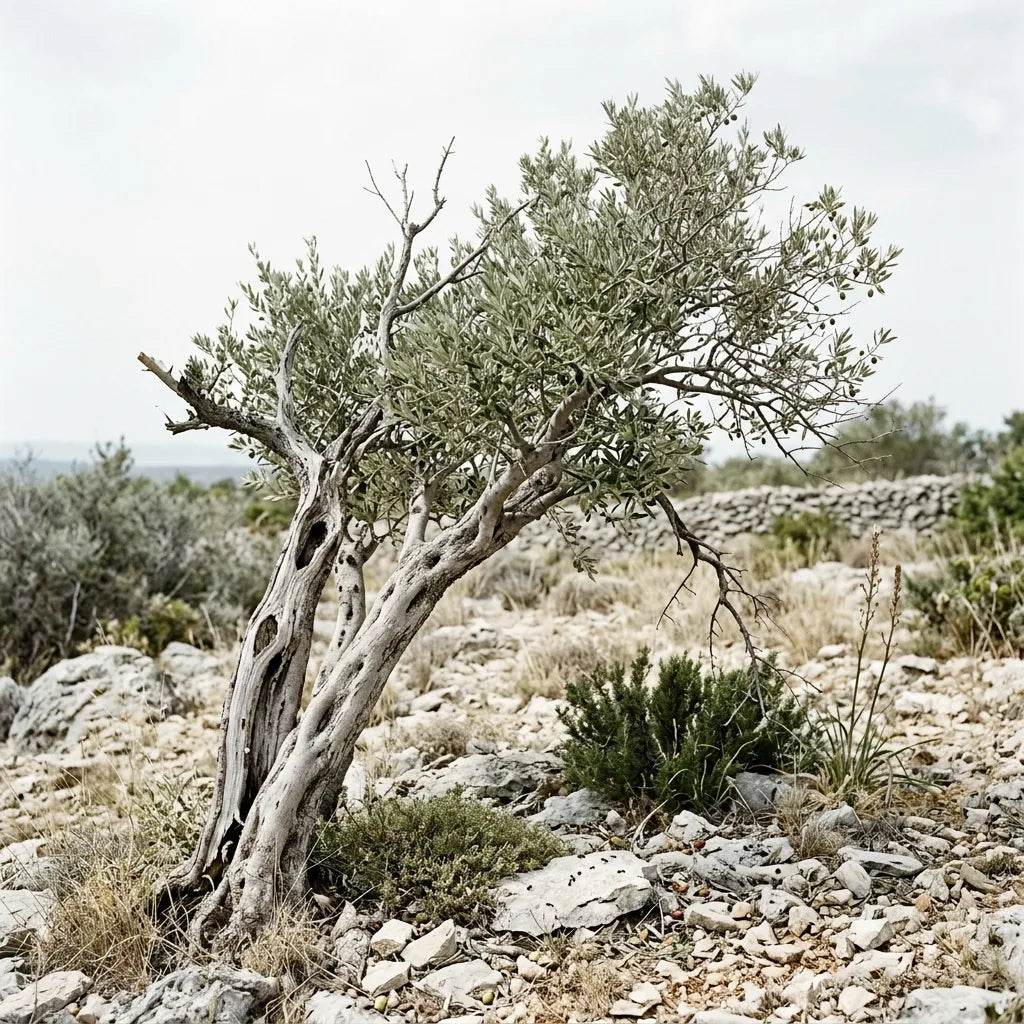
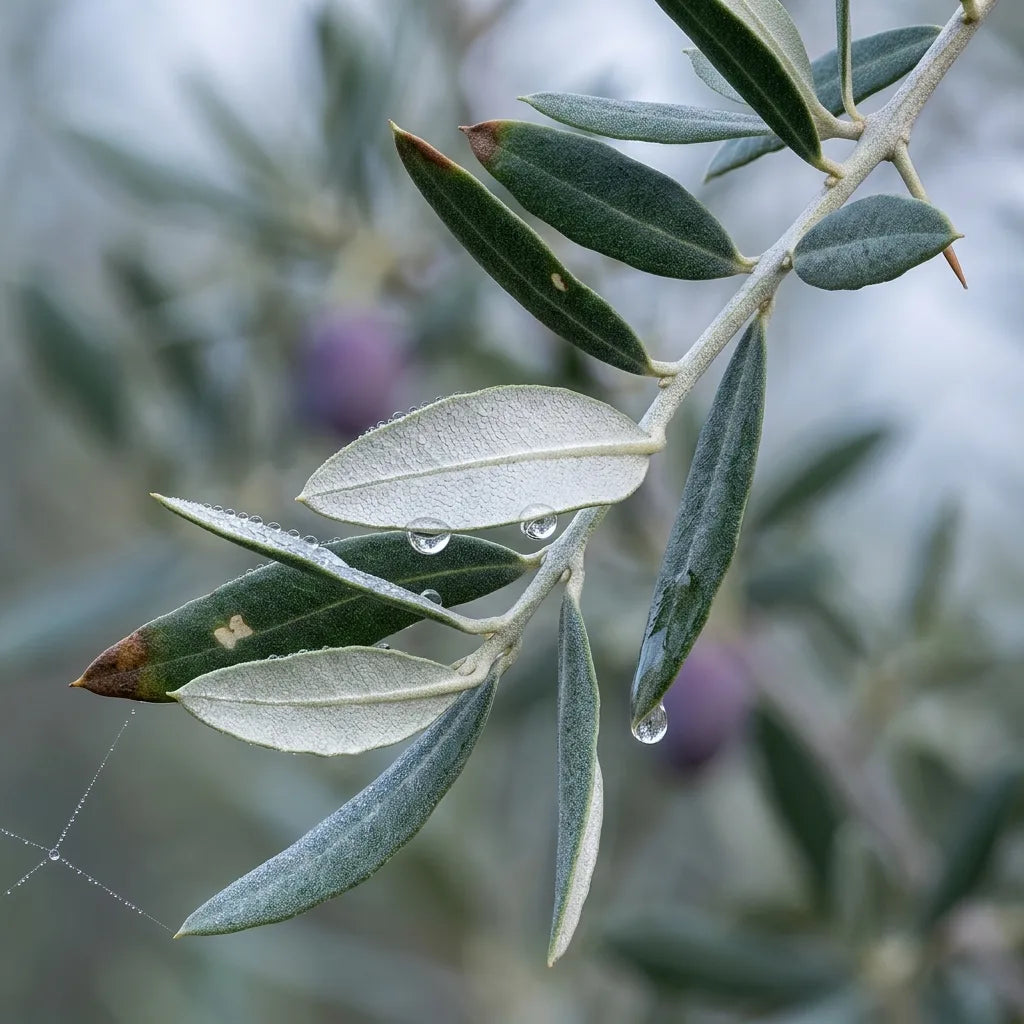
الزيتون البري، الزيتون المتوحش، الزيتون الوحشي، الزيتون الغابي: إنه السلف المتوسطي لشجرة الزيتون المزروعة، ولا يزال يُستخدم كأصل تقليدي للتطعيم. وهو أكثر تحمّلًا وأشدّ شوكًا وأقلّ احتياجًا من سلالته المستأنسة، كما يجسّد قدرة المناظر الطبيعية الجافة والصخرية على الصمود — وتجعله قدرته على التجدد من الجذع بعد الحرائق رمزًا للنهضة.
الخصائص:
-
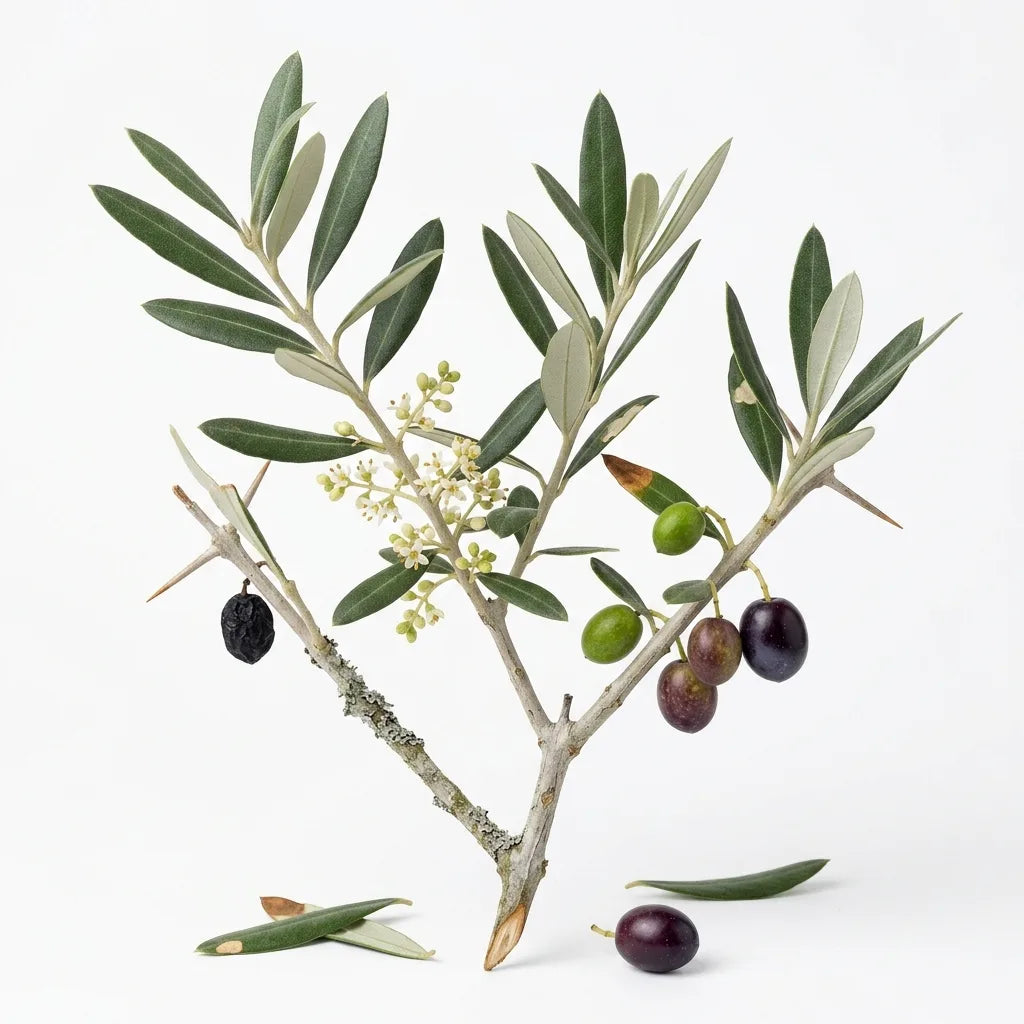
أوراق فضية دائمة الخضرة: شجرة صغيرة ذات هيئة نحتية طبيعية، جميلة للزينة طوال العام.
-
أغصان شوكية: سمة مميزة للنمط البري، تجعلها سياجًا دفاعيًا ممتازًا.
-
طول عمر استثنائي: تعيش قرونًا وتكتفي بترب فقيرة لا تصمد فيها إلا أشجار قليلة.
الاحتياطات:
- تحمل أغصانها أشواكًا حقيقية؛ ارتدوا قفازات عند تقليمها، وخططوا لموقعها مسبقًا إذا كان الأطفال يرتادون الحديقة.
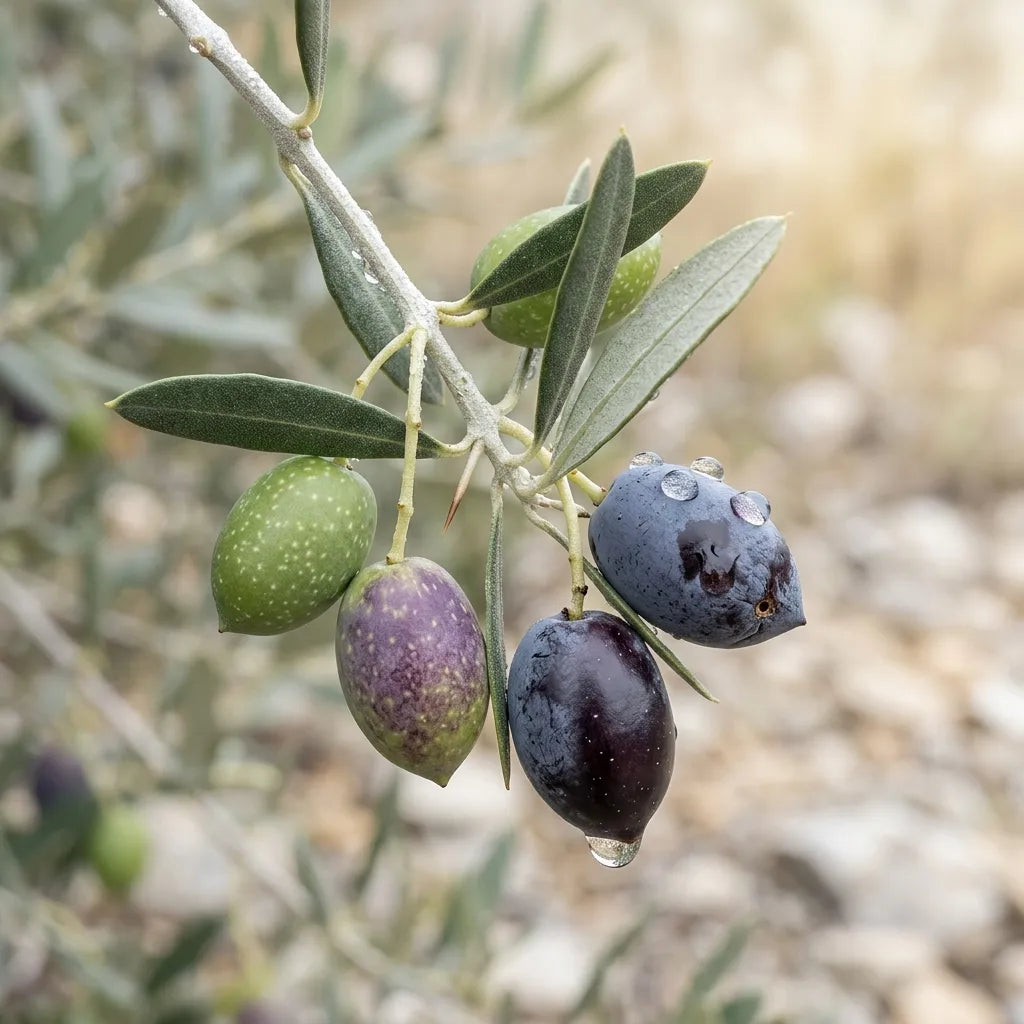
- ثمارها شديدة المرارة وهي نيئة، ولا تُؤكل إلا بعد نقعها مرات عدة ولفترات طويلة في الماء أو المحلول الملحي.
نصائح الزراعة بالبذور:
-
التعرّض للشمس: شمس كاملة، دون أي تنازل.
-
التربة: جافة، حصوية، كلسية وفقيرة، والأهم أن تكون جيدة التصريف تمامًا. إنها شجرة من الشجيرات المتوسطية؛ فهي تخشى الرطوبة الزائدة أكثر بكثير من الجفاف، والمياه الراكدة قاتلة لها. لا تضيفوا أي مُحسّنات للتربة.
-
الطريقة: الإنبات طويل ومتقلّب. لا بد من التقسيم الطبقي البارد لمدة شهرين إلى ثلاثة أشهر (بين 2 و5 درجات مئوية) لكسر السكون. ثم ازرعوا البذور في الربيع، في أوعية أو مباشرة في الأرض، ضمن وسط زراعي رملي أو حصوي جيد التصريف، على عمق نحو 1 سم. تحلّوا بالصبر.
نصائح العناية:
- ريّ خفيف، خلال السنوات الأولى فقط. وبعد أن تترسخ جيدًا، تتحمل درجات حرارة تصل إلى -10 درجات مئوية، لكنها تحتاج إلى حماية خلال فصول الشتاء الأولى في المناطق الباردة.
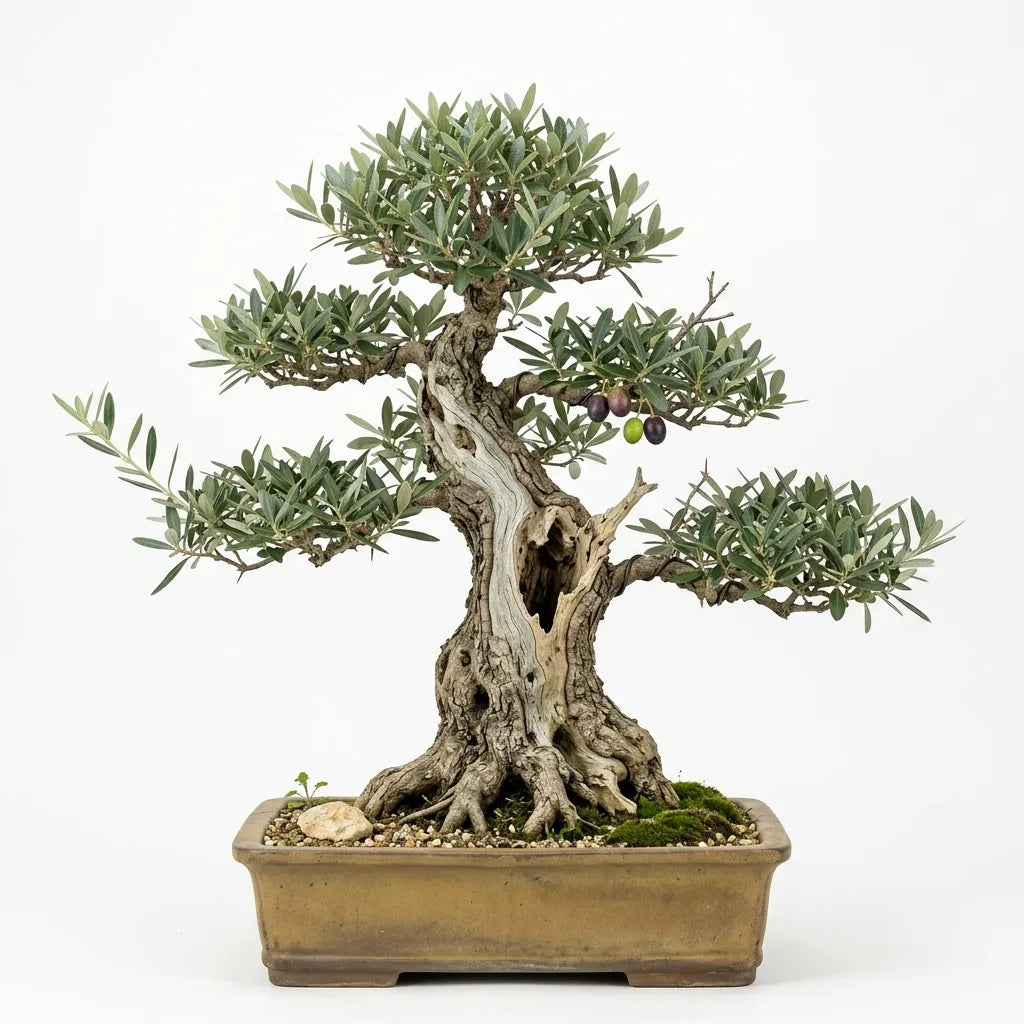
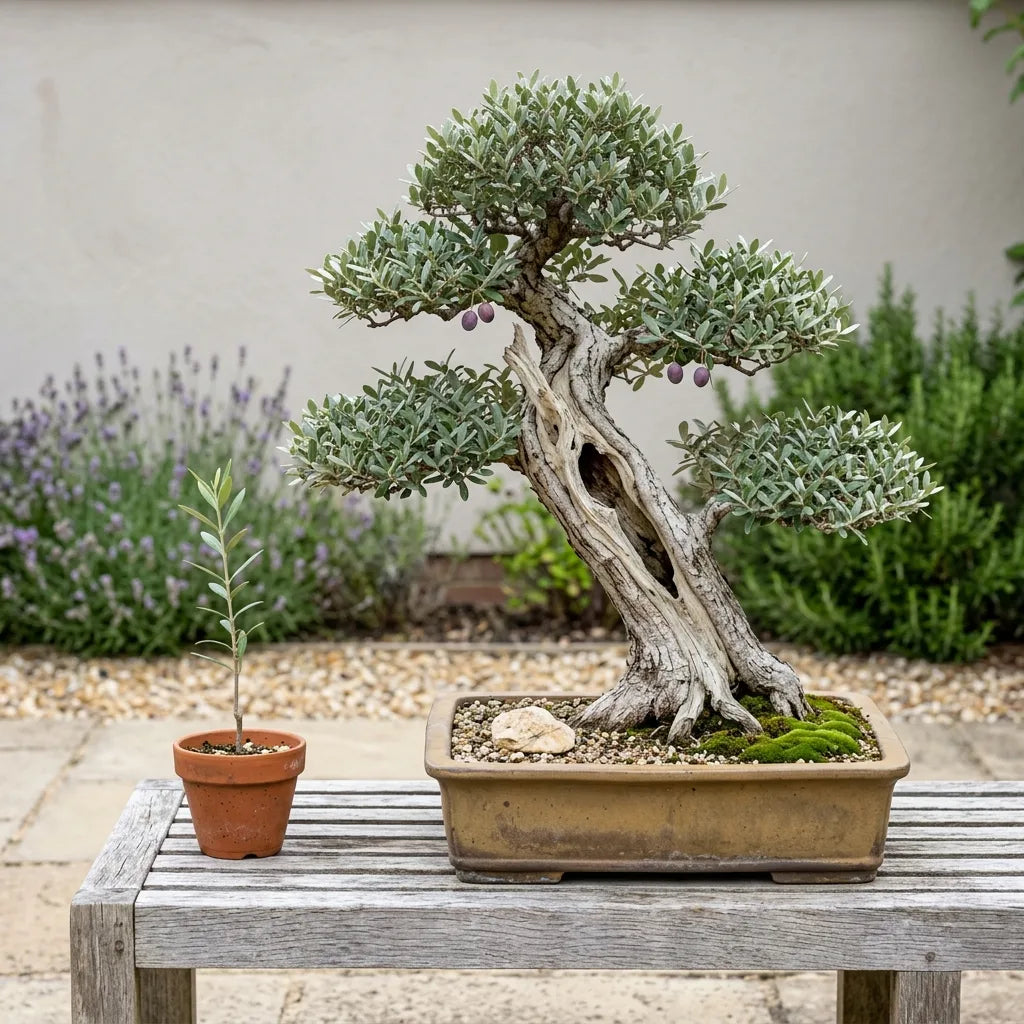
- تقليم خفيف في نهاية الشتاء. تتحمل التقليم الجائر جيدًا جدًا، وتناسب فن البونساي بصورة رائعة — راجعوا دليلنا إنشاء بونساي انطلاقًا من بذرة.
النباتات المتوافقة والمفيدة:
أهميته للتنوع الحيوي:
- توفر أغصانه الشوكية وأوراقه الدائمة الخضرة ملاذًا مناسبًا جدًا لتعشيش الطيور المغردة، وتحميها من المفترسات.
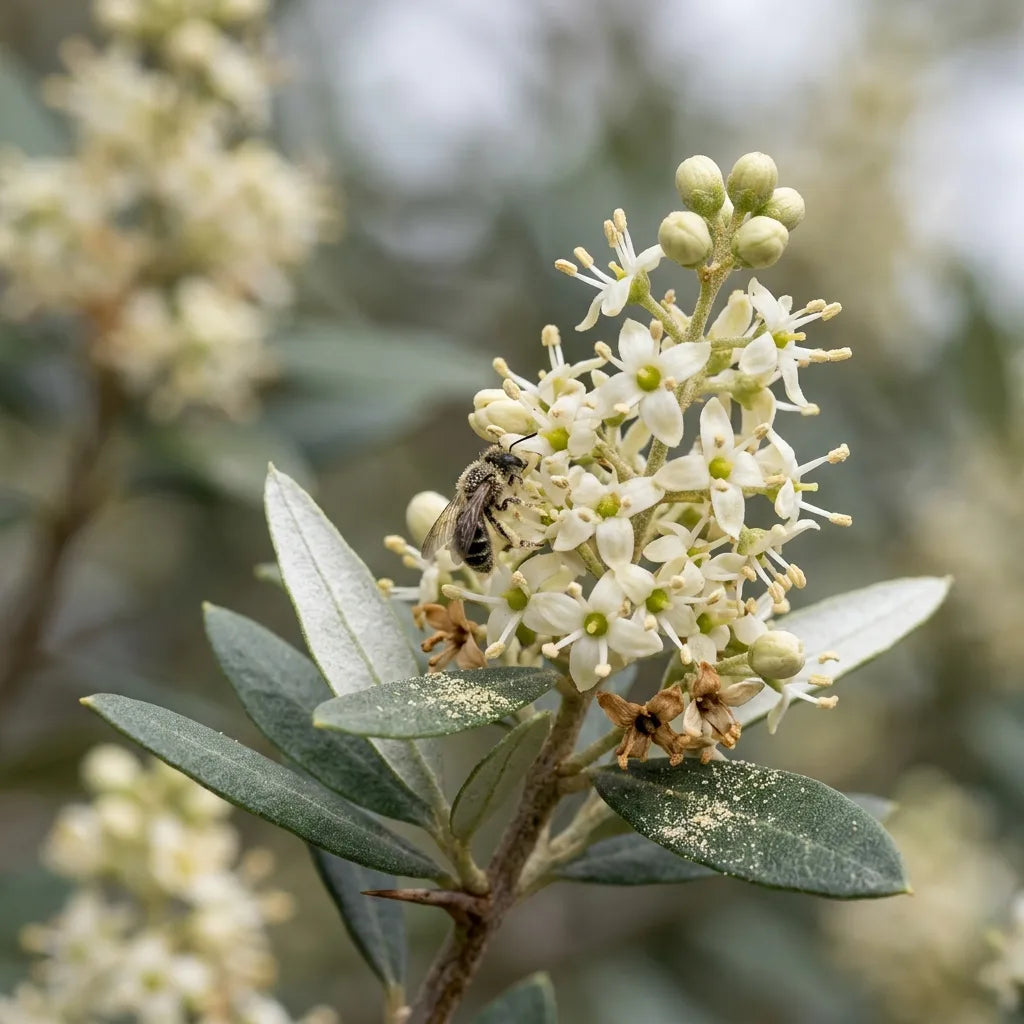
- تغذي ثماره طيور الشحرور والسُّمن في الشتاء، كما أن أزهاره رحيقية.
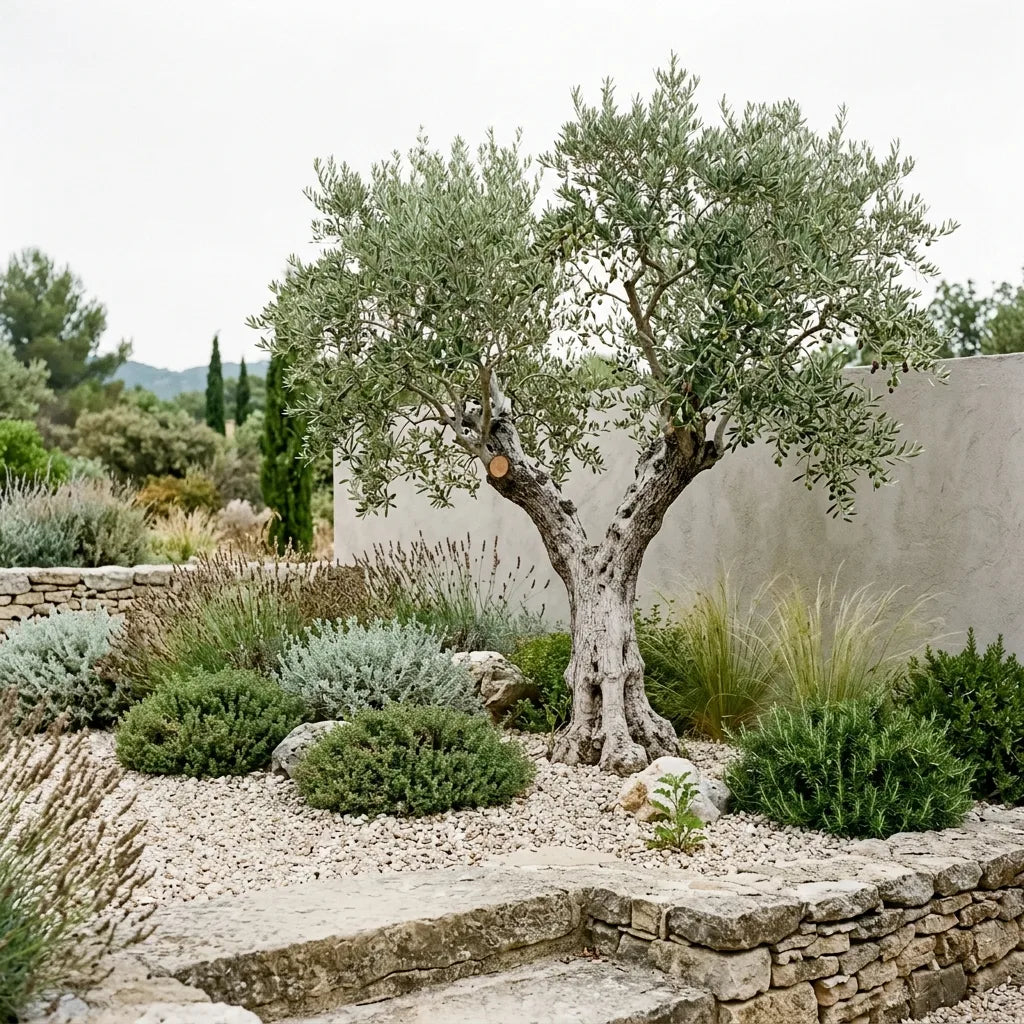
- في الزراعة المستدامة، يُستخدم كمصدّ للرياح ويساعد على تثبيت الترب الفقيرة والمتعرية.
الاستخدامات:
- سياج دفاعي، ومصدّ للرياح، واستصلاح الأراضي الجافة، وبونساي، أو أصل لتطعيم الزيتون المستأنس.
الرمزية:
يجسّد الزيتون البري قوة الطبيعة الجامحة والنهضة، إذ يتجدد من جذعه بعد قطعه أو احتراقه. وهو شجرة أسطورية في حضارات البحر المتوسط، ولا يزال مرتبطًا بالحكمة والسلام والصمود.
جمع البذور الخاصة بكم:
اجمعوا الزيتون الأسود الناضج تمامًا، وأزيلوا لُبّه بعناية ثم اتركوه ليجف. ويُفضَّل برد النواة شديدة الصلابة قليلًا قبل التقسيم الطبقي الشتوي. راجعوا حفظ بذوركم.
التزامنا بالجودة: في SemiSauvage - Permaculture، نزرع بذورنا وننتقيها واضعين احترام الكائنات الحية مبدأً نسترشد به. ونظرًا إلى وجودنا بالقرب من براكين أوفيرني، نختار أصنافًا قابلة لإعادة الإكثار وغير هجينة، ونختبر معدل إنباتها، ثم نفرزها ونعبئها بعناية، من دون أي معالجة كيميائية. إيماننا هو أن نعيد إلى البستانيين القدرة على إعادة زراعة بذورهم، عامًا بعد عام، بذورًا يملكونها حقًا.
البيع مخصص للبستانيين الهواة الباحثين عن الجودة والأصالة.