Tanacetum vulgare
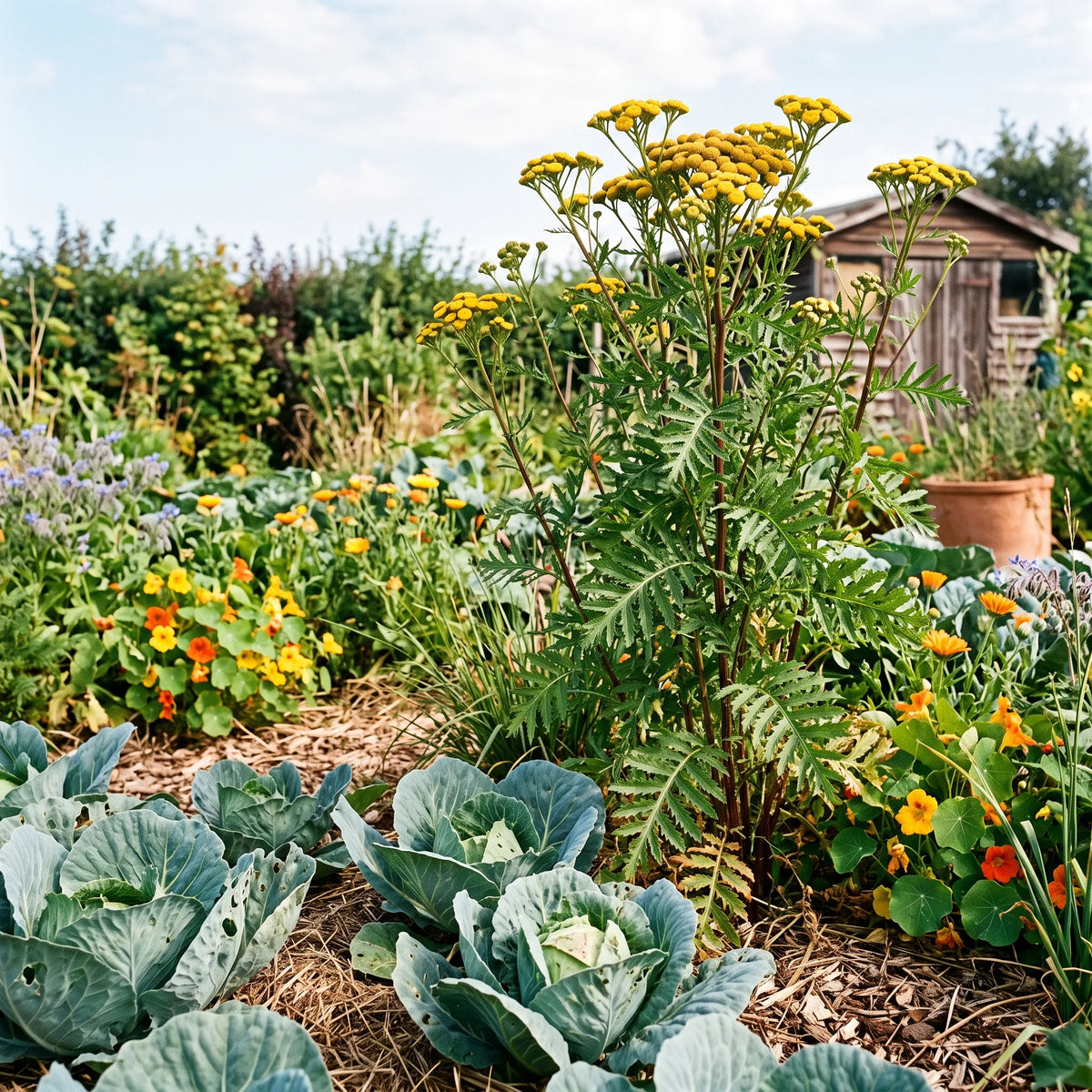
Gorzkie ziele, ziele na robaki, w niektórych regionach pachnące ziele — wrotycz pospolity zawdzięcza swoje przydomki intensywnemu aromatowi, który nie pozostawia nikogo obojętnym. Od dawna sadzony w pobliżu domów i spiżarni, aby odstraszać owady, także dziś pozostaje cennym sprzymierzeńcem w ogrodzie warzywnym.
Charakterystyka:
-
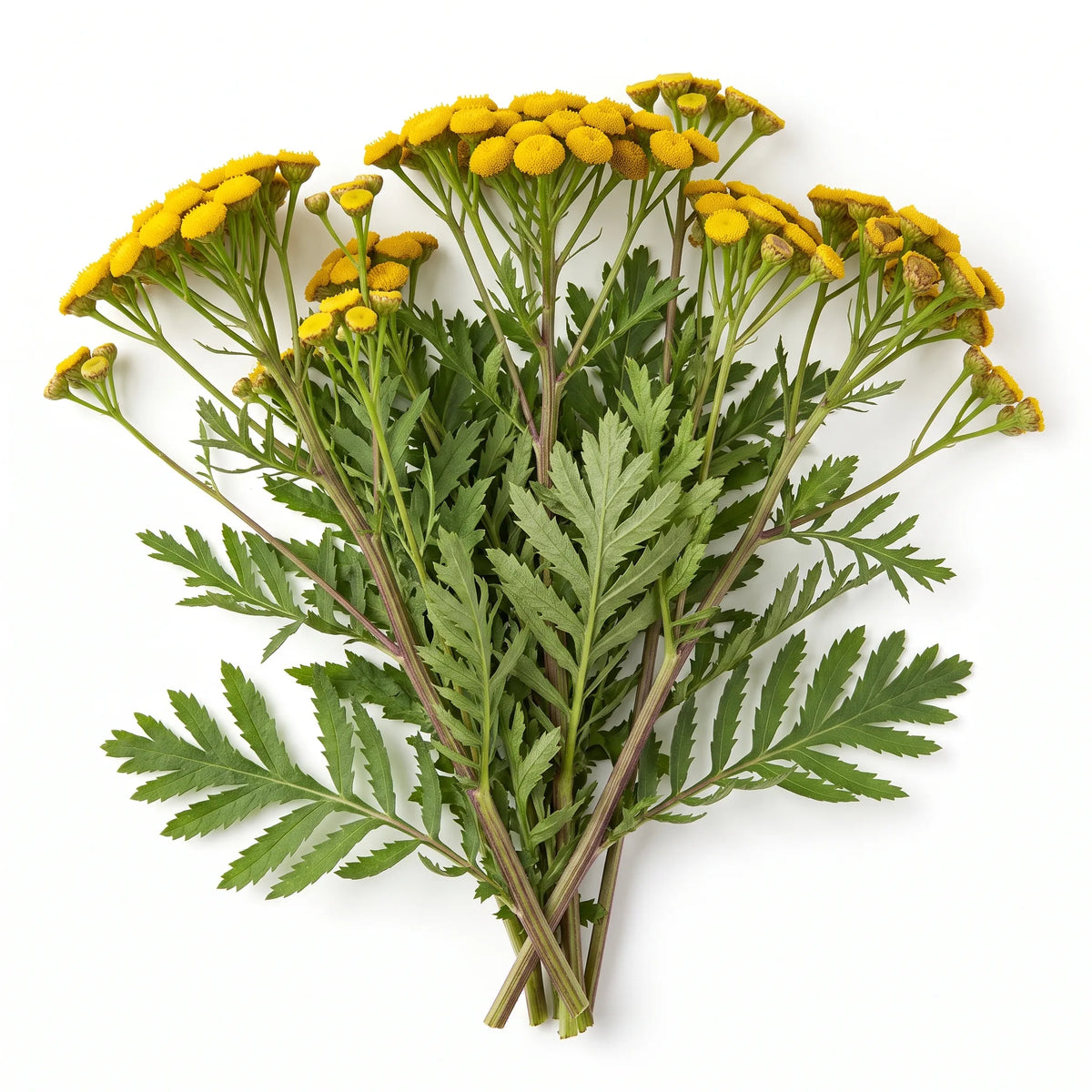
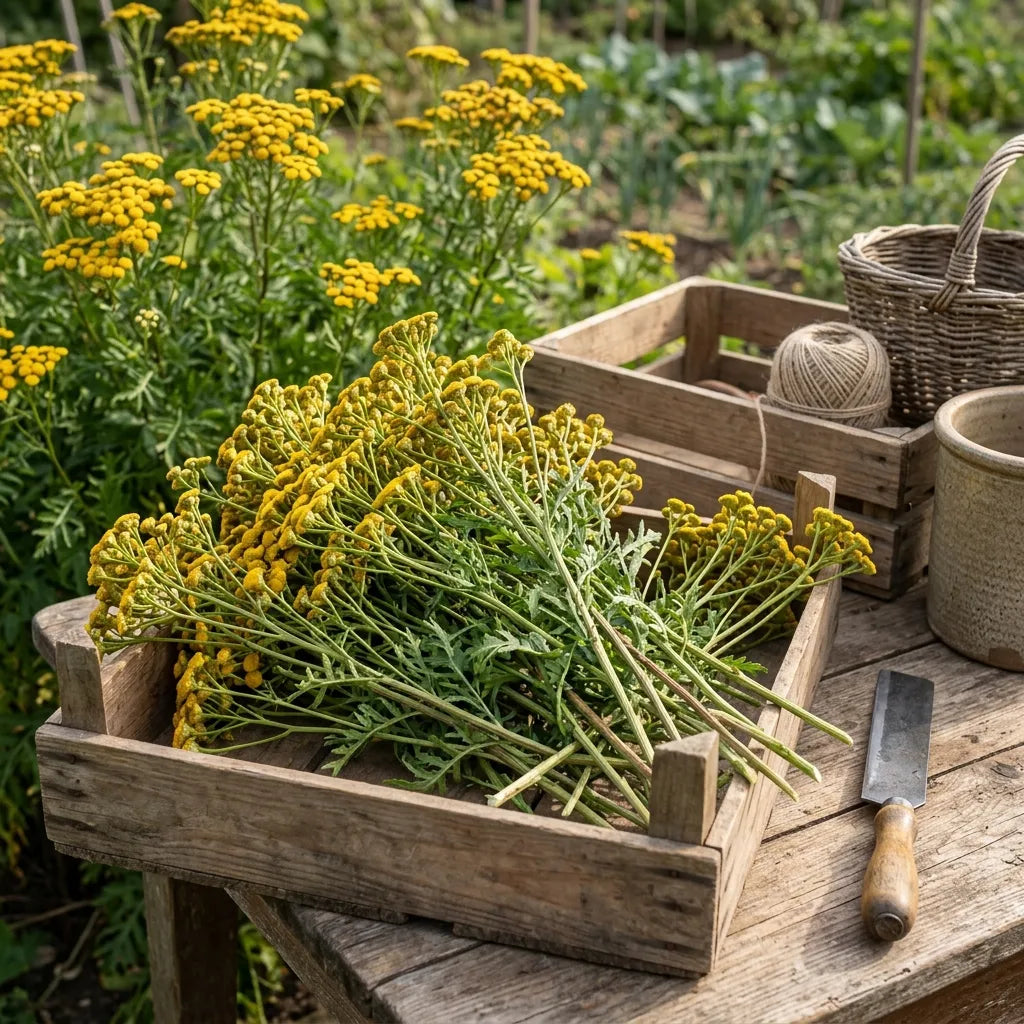
Wysoka, silnie rosnąca bylina: wyprostowane łodygi osiągają wysokość do 1,50 m i tworzą gęstą kępę, która szybko się rozrasta dzięki rozłogowym kłączom.
-
Aromatyczne liście: głęboko powcinane, po roztarciu wydzielają charakterystyczny, kamforowy zapach.
-
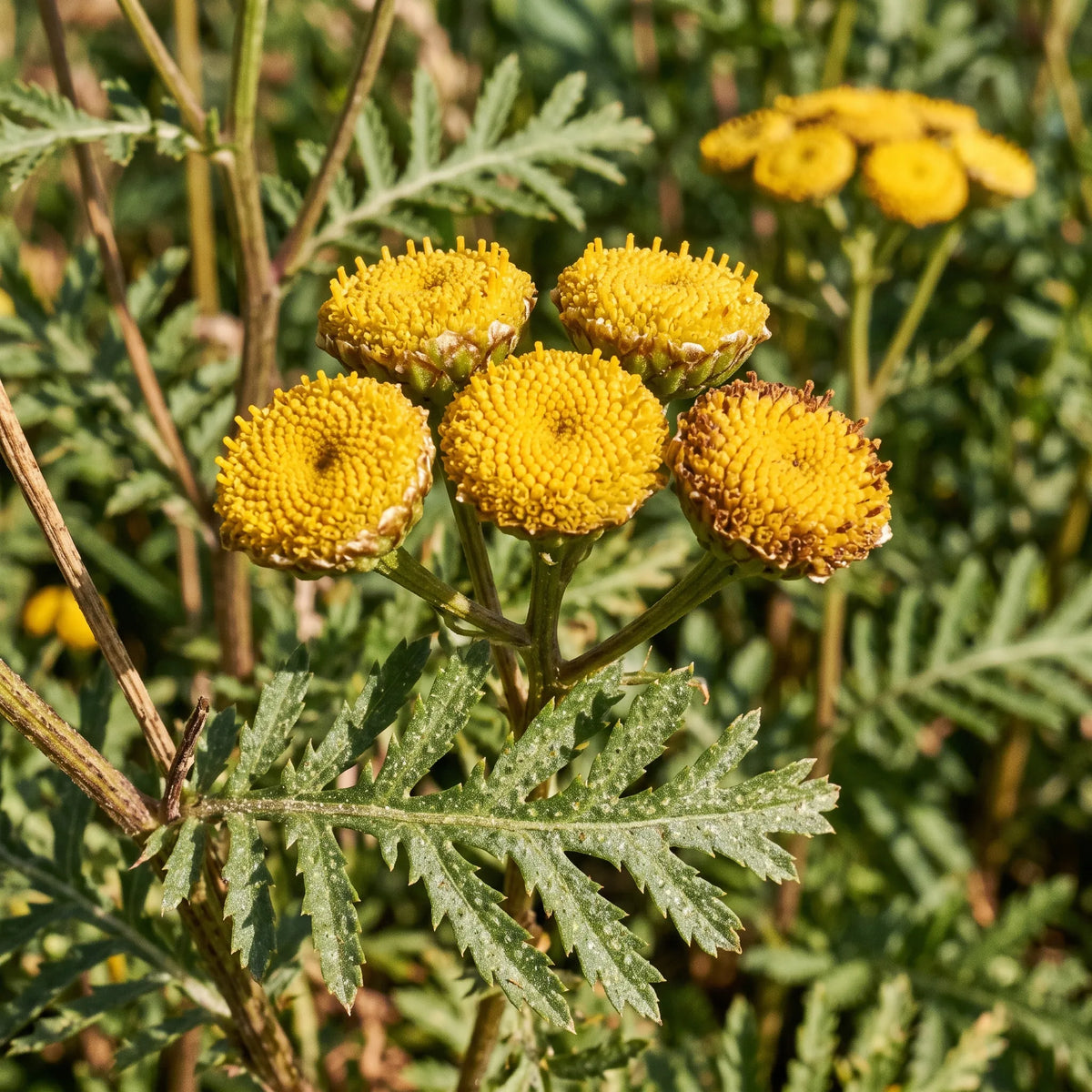
Kwitnienie złocistymi pąkami: płaskie baldachy żółtych koszyczków pojawiają się od lipca do września.
Środki ostrożności:
- Wrotycz jest toksyczny w przypadku spożycia, szczególnie w skoncentrowanej postaci: nie należy go spożywać i trzeba przechowywać go poza zasięgiem dzieci oraz zwierząt domowych. Jego zastosowanie ogranicza się do celów dekoracyjnych i odstraszających w ogrodzie.
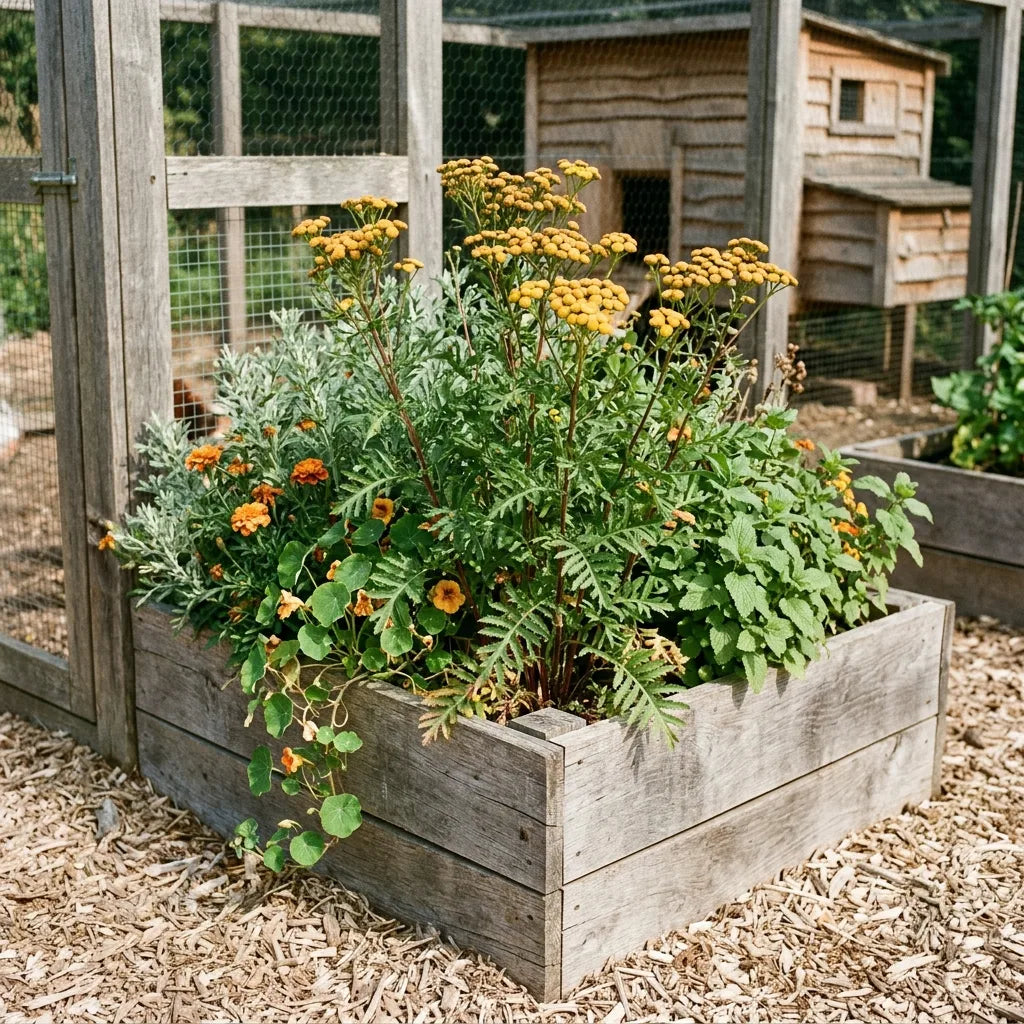
- Rozłogowe kłącza mogą sprawić, że roślina stanie się inwazyjna: należy ograniczyć ją do wyznaczonego miejsca, zamkniętej rabaty lub dużej donicy, jeśli obawiasz się jej rozprzestrzeniania.
Wskazówki dotyczące siewu:
-
Stanowisko: słoneczne lub półcieniste — roślina nie jest wymagająca.
-
Gleba: zwykła, nawet uboga, sucha lub kamienista — spontanicznie rośnie na skarpach i poboczach dróg. Nie wymaga nawożenia; nie toleruje jedynie stale podmokłych gleb.
-
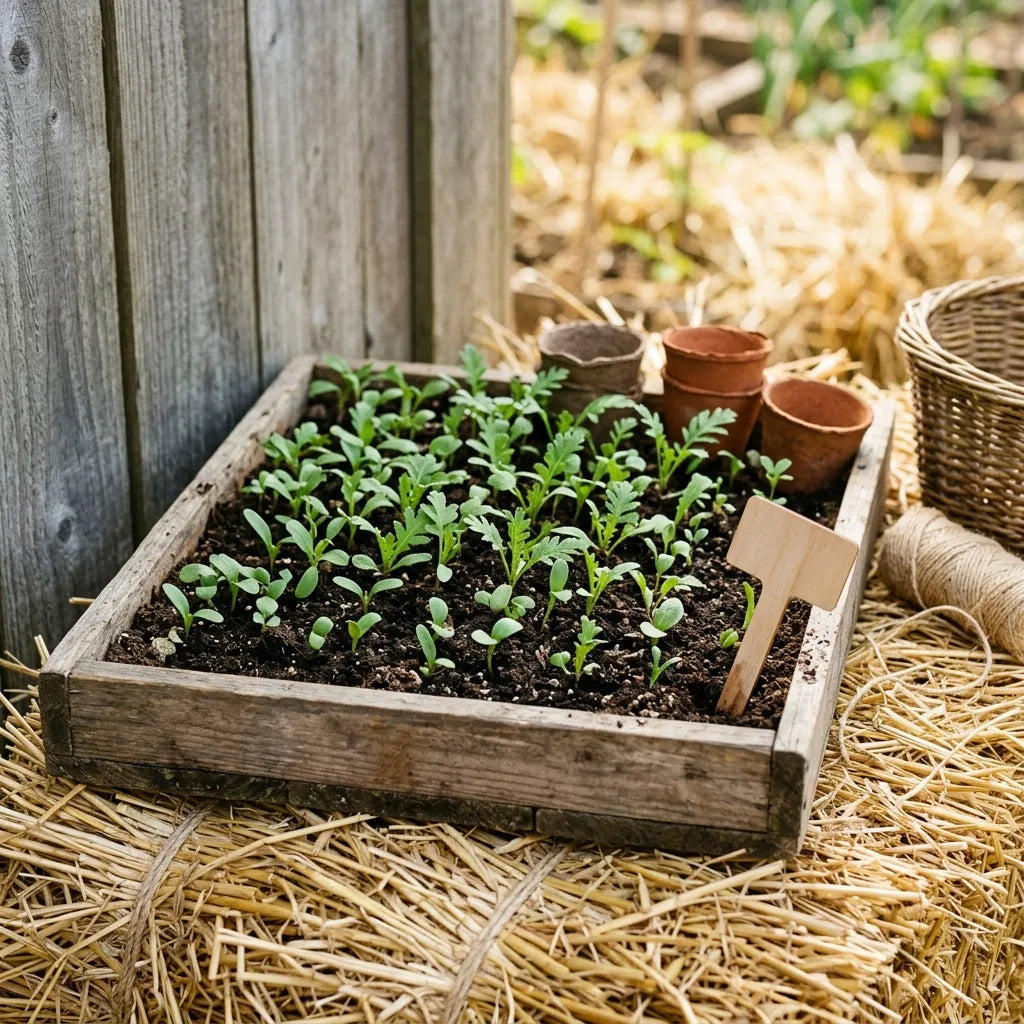
Metoda: wysiej nasiona powierzchniowo wiosną, bezpośrednio do gruntu lub do doniczki, a następnie przesadź siewki, przysypując nasiona jedynie cienką warstwą podłoża. Nie wymagają moczenia. Zobacz jak wysiewać nasiona.
Wskazówki dotyczące pielęgnacji:
- Przytnij łodygi pod koniec zimy. Dziel kępę co 2–3 lata, aby ograniczyć jej rozrost i odmłodzić roślinę.
Korzystne połączenia:
Znaczenie dla bioróżnorodności:
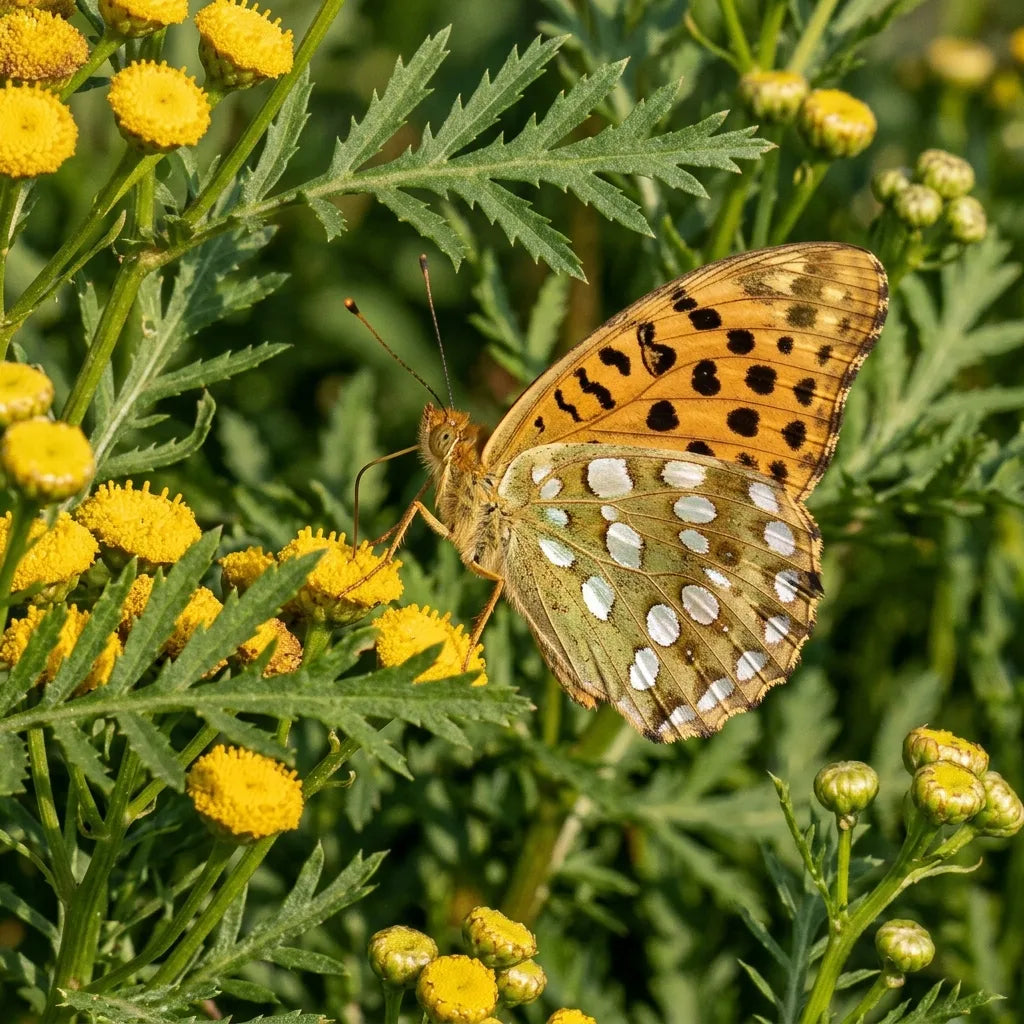
- Jego płaskie kwiatostany w baldachach są szczególnie łatwo dostępne dla owadów o krótkim aparacie gębowym: bzygi, chrząszcze i małe osy pożyteczne w ogrodzie mogą z łatwością znaleźć na nich pokarm.
- Naturalnie odstrasza kilka niepożądanych owadów, a jednocześnie przyciąga organizmy pożyteczne — to cenna podwójna funkcja w permakulturze.
Zastosowanie:
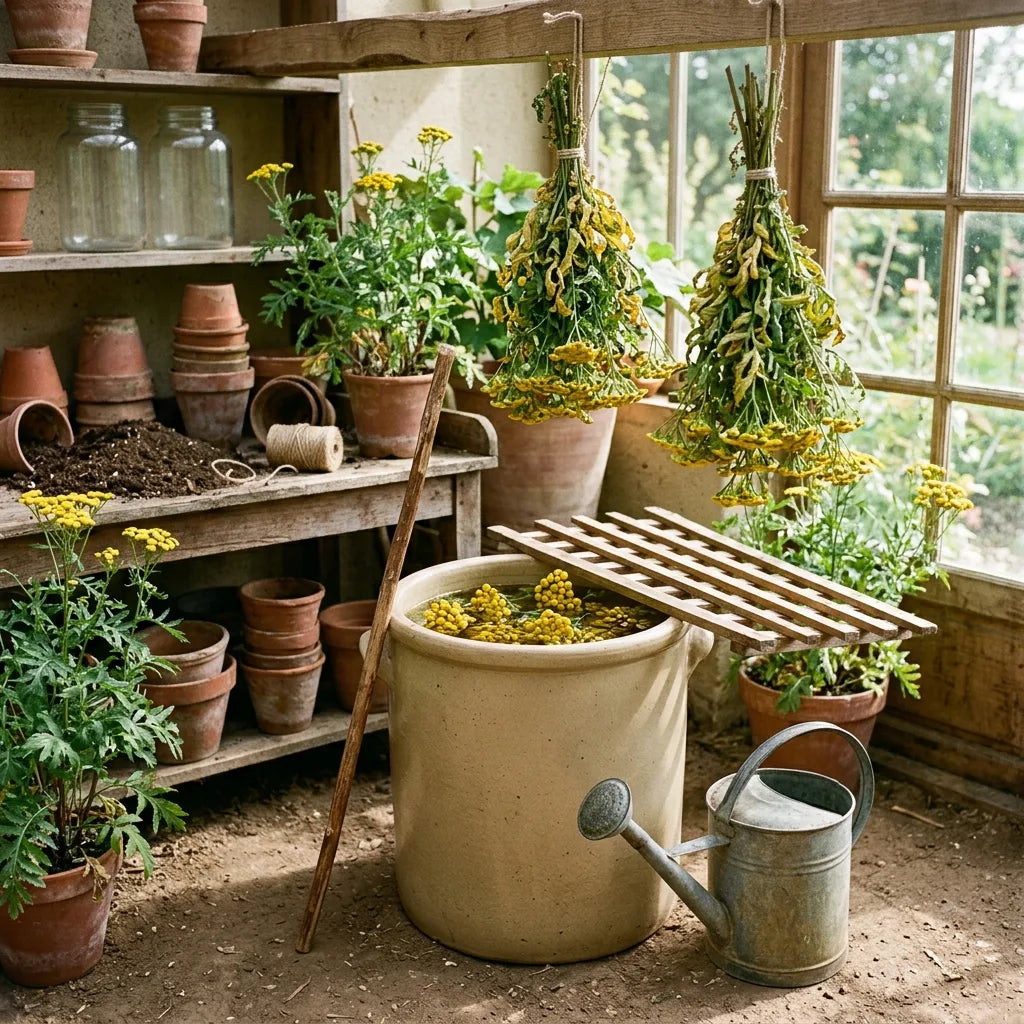
- Wrotycz, naturalny środek odstraszający i grzybobójczy, stosuje się w postaci suszu w saszetkach lub bukietach, a także jako macerat, napar, gnojówkę lub wywar do odstraszania pluskiew, moli, pcheł i mrówek.
Zbiór własnych nasion:
Pozostaw kilka żółtych baldachów, aby całkowicie zbrązowiały i wyschły na roślinie, a następnie wykrusz je nad pojemnikiem — nasiona są bardzo drobne. Wrotycz rozmnaża się również bardzo skutecznie za pomocą kłączy, bez konieczności wysiewu. Zobacz jak przechowywać własne nasiona.
Zaangażowanie w jakość: w SemiSauvage - Permaculture uprawiamy i wybieramy nasze nasiona, kierując się szacunkiem do żywej przyrody. Działając w pobliżu wulkanów Owernii, wybieramy odmiany zdolne do rozmnażania i niehybrydowe, testowane pod kątem zdolności kiełkowania, starannie sortowane i pakowane, bez żadnych środków chemicznych. Wierzymy, że należy przywrócić ogrodnikom możliwość ponownego wysiewania, rok po roku, nasion, które naprawdę do nich należą.
Wybierz wrotycz do swojego ogrodu, aby zapewnić sobie naturalną ochronę przed niepożądanymi owadami.