Sinapis alba
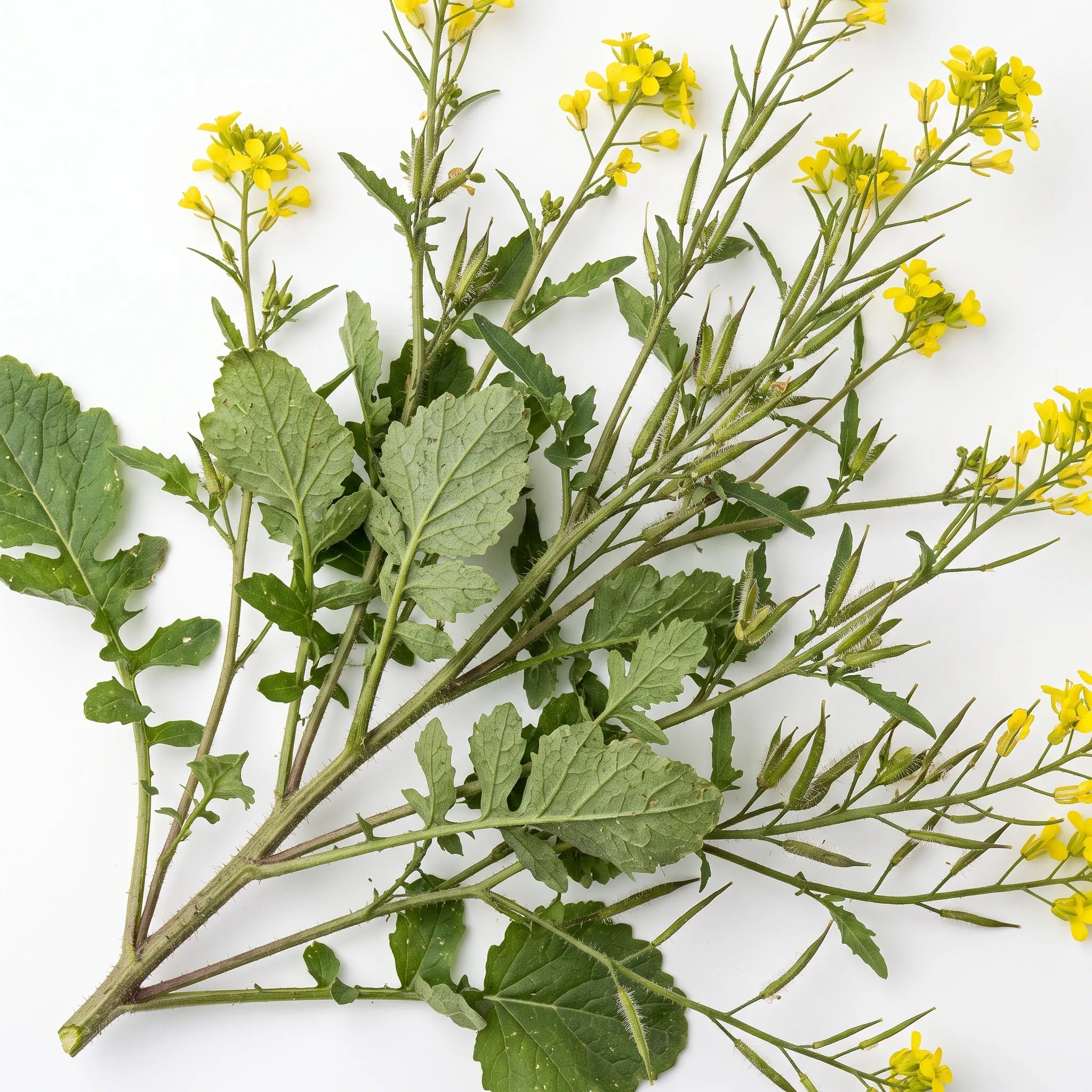
Gorczyca biała, gorczyca żółta: ta roślina przez długi czas była uważana za zwykły chwast na obrzeżach pól, zanim ogrodnicy na nowo odkryli jej zalety jako nawozu zielonego. Szybka, odporna i hojna, zasługuje na znacznie lepszą reputację.
Charakterystyka:
-
Szybki wzrost: roślina jednoroczna, która w ciągu kilku tygodni może przekroczyć 1,20 m wysokości, o liściach długości od 15 do 40 cm.
-
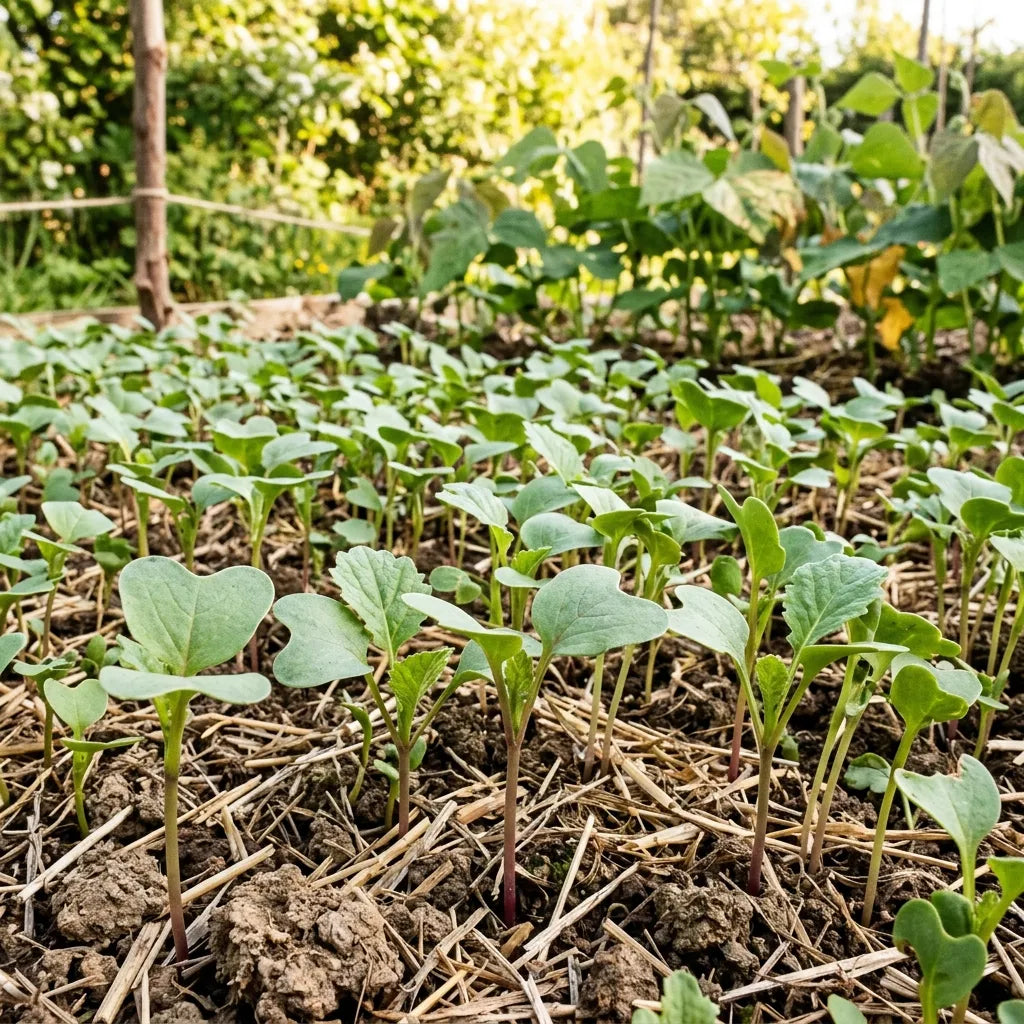
Poprawia jakość gleby: stosowana jako nawóz zielony, oczyszcza glebę, strukturyzuje ją dzięki korzeniom i naturalnie zagłusza chwasty.
-
Roślina przyprawowa: jej nasiona, żółte mimo nazwy, od starożytności są wykorzystywane jako przyprawa.
Wskazówki dotyczące siewu:
-
Stanowisko: słoneczne — w pełnym świetle rośnie szybko.
-
Gleba: wszystkie rodzaje gleb, także ubogie, gliniaste czy wapienne — doskonale się przystosowuje. Nie wymaga nawożenia, ponieważ sama wzbogaci ziemię. W czasie wschodów potrzebuje jedynie świeżej, wilgotnej gleby.
-
Sposób: wysiewaj bezpośrednio na miejsce, rzutowo, od wiosny do końca lata, na spulchnioną grabiami glebę. Nie wymaga wysiewu do doniczek ani wcześniejszego namaczania: wschodzi bardzo szybko, często w czasie krótszym niż tydzień. Zobacz jak wysiewać nasiona.
Wskazówki dotyczące pielęgnacji:
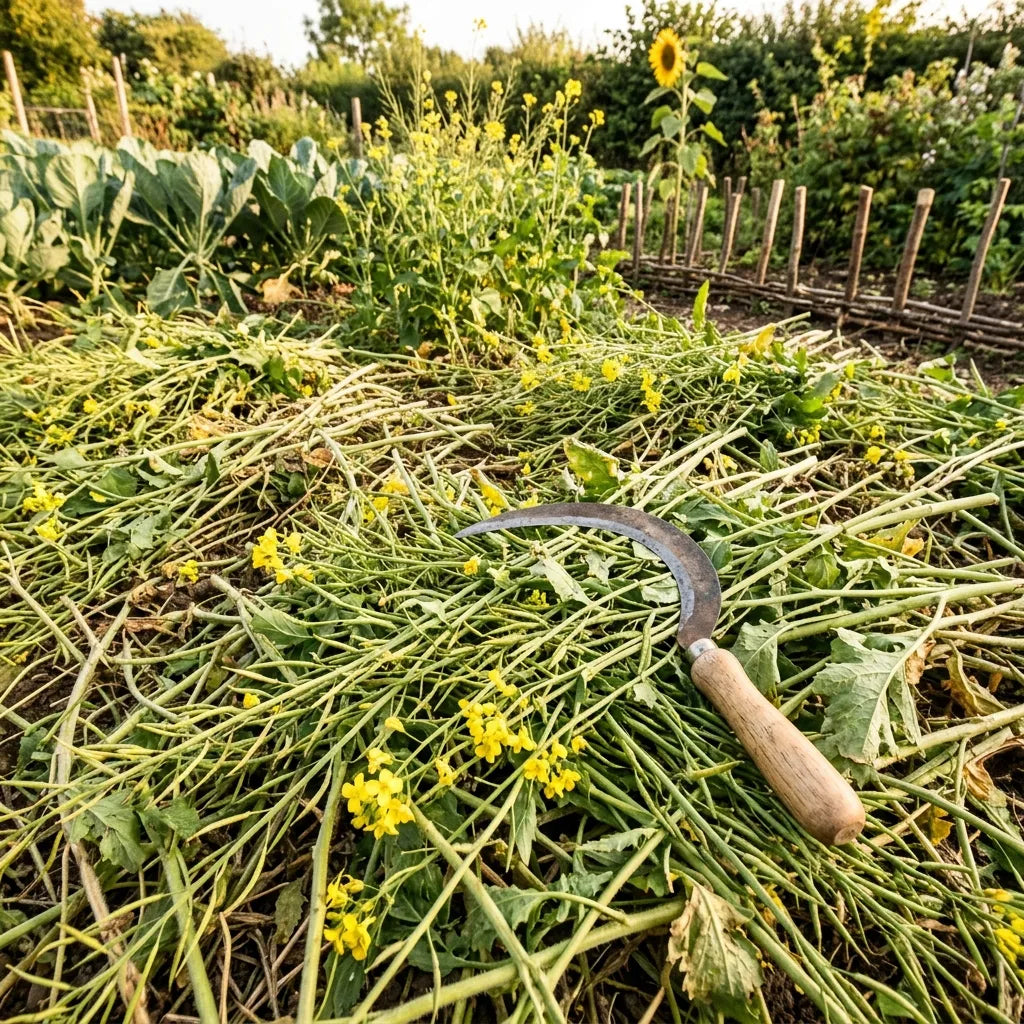
- Żadnych. Skoś ją przed wytworzeniem nasion, jeśli nie chcesz, by się wysiała, a następnie pozostaw jako ściółkę lub płytko przyor.
Korzystne połączenia:
- Stosowana w płodozmianie z koniczyną białą lub facelią, urozmaica nawozy zielone w ogrodzie warzywnym. Uważaj jednak, by nie uprawiać jej przed kapustą: należąc do tej samej rodziny, rośliny te dzielą te same choroby. Wszystko wyjaśniamy w naszym artykule o nawozach zielonych.
Znaczenie dla bioróżnorodności:
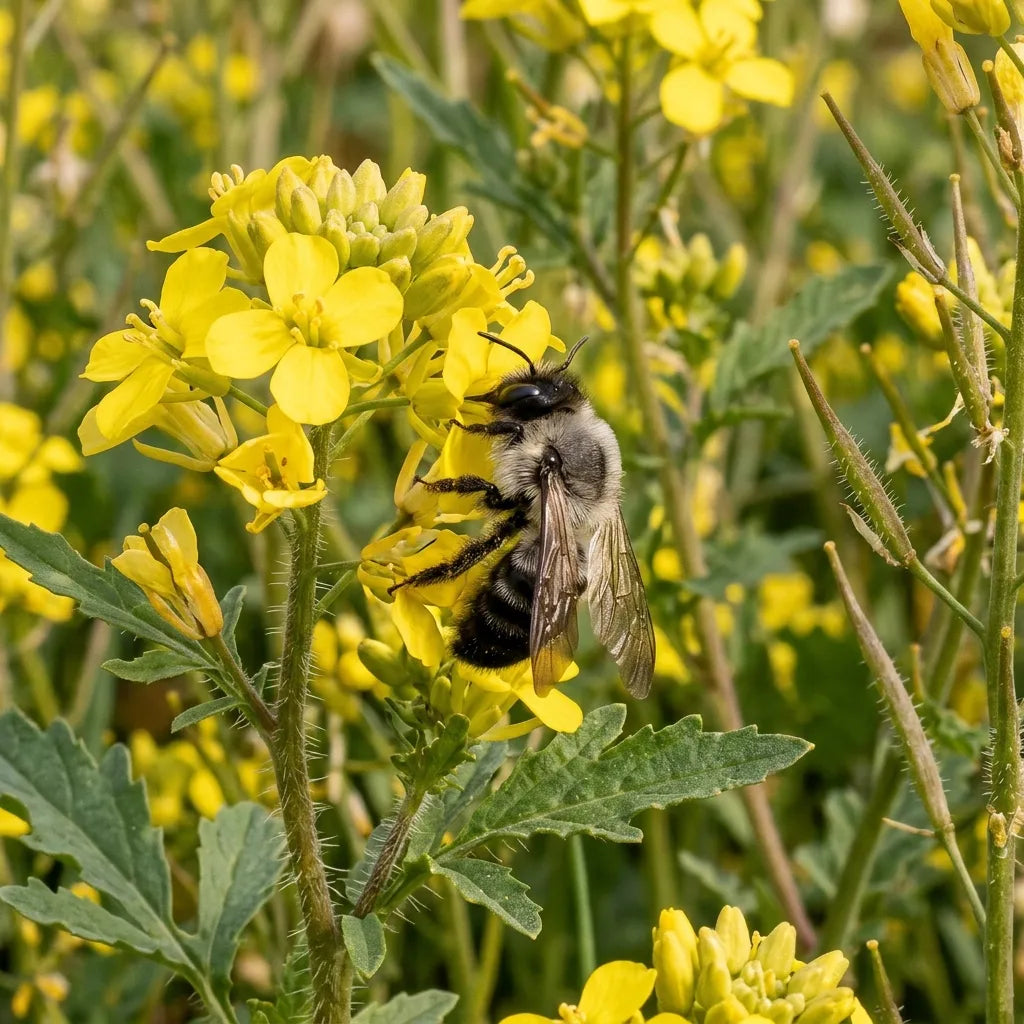
- Jej żółte kwiaty, pozostawione do kwitnienia przed przyoraniem, są chętnie odwiedzane przez pszczoły i inne owady zapylające w okresie, gdy zasoby pożywienia stają się mniej dostępne.
- Gęsty system korzeniowy, rozkładając się, odżywia życie glebowe — zobacz podstawy żywej gleby.
Zastosowanie:
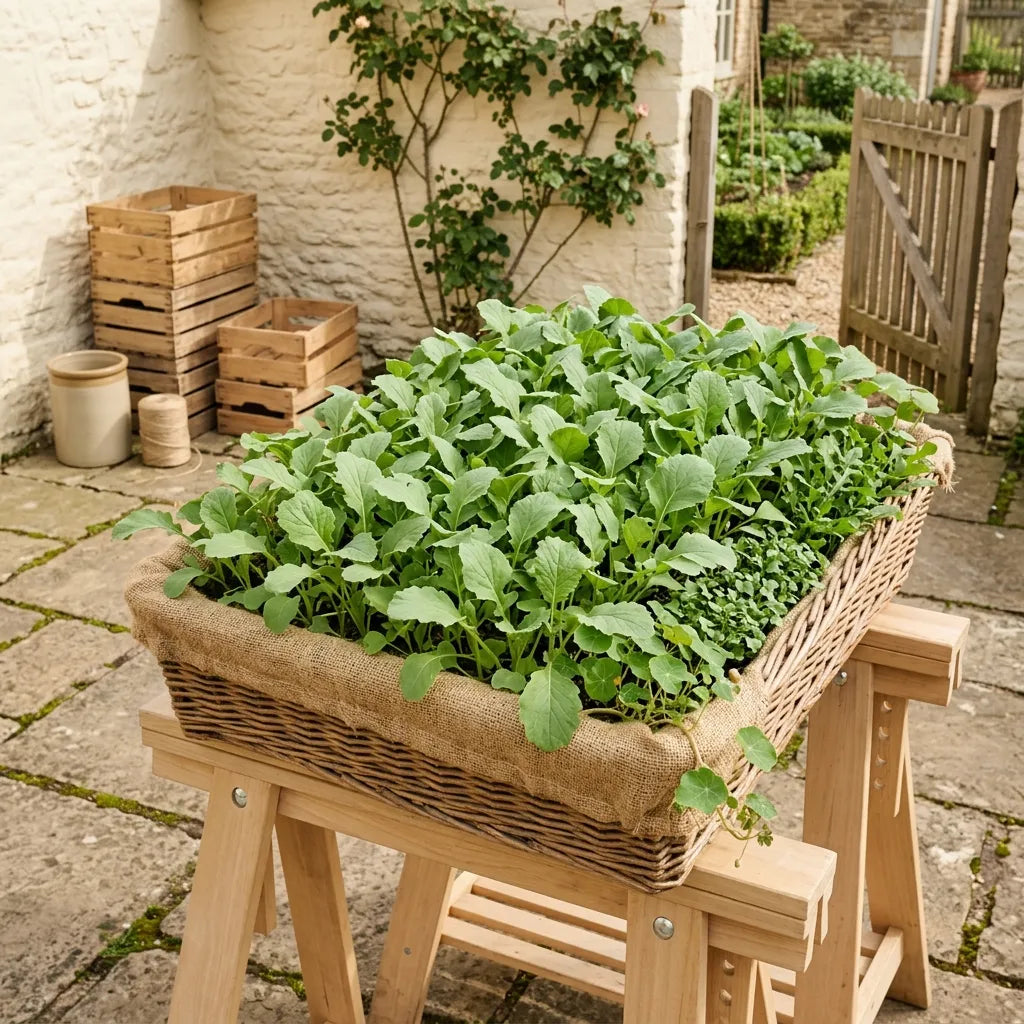
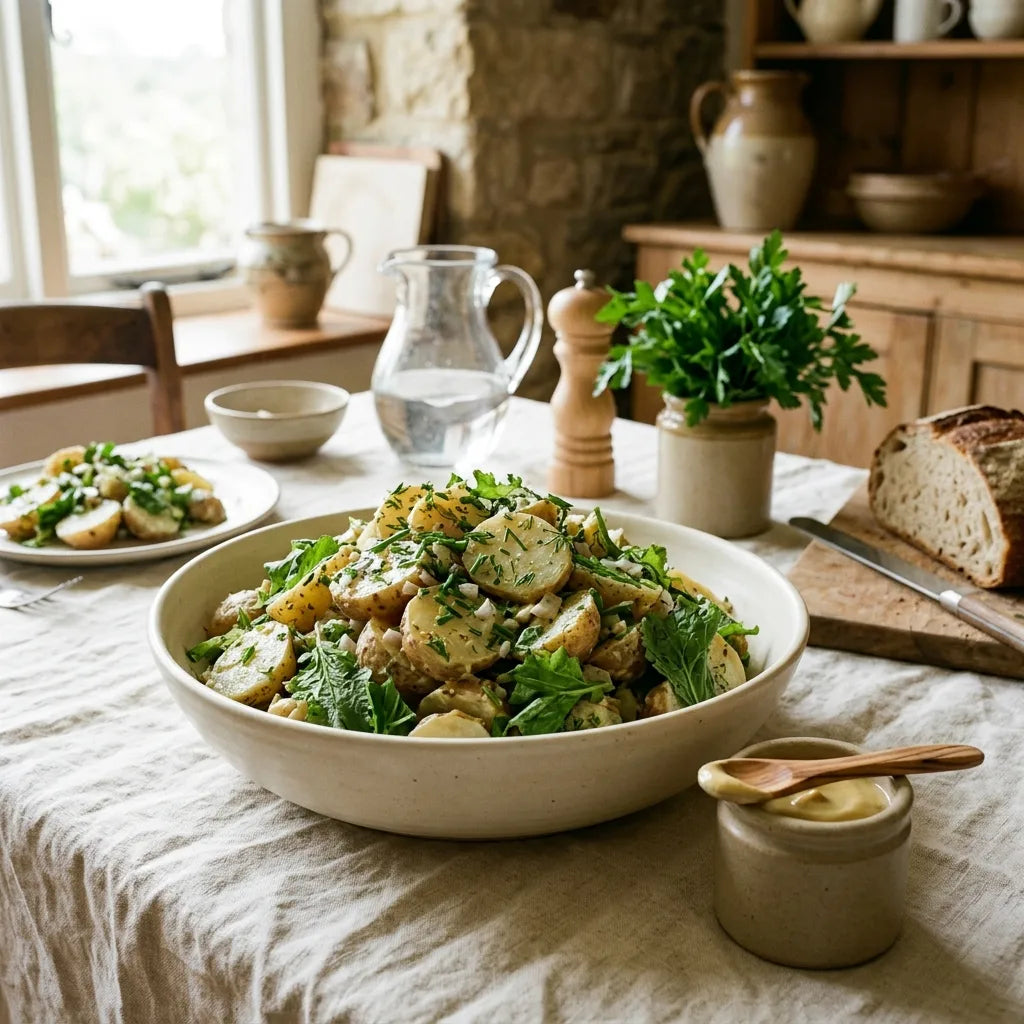
- Jej nasiona są szeroko wykorzystywane jako przyprawa, zwłaszcza do produkcji musztardy. Młode liście można również spożywać w sałatkach — mają charakterystyczny, pikantny smak.
Zbiór własnych nasion:
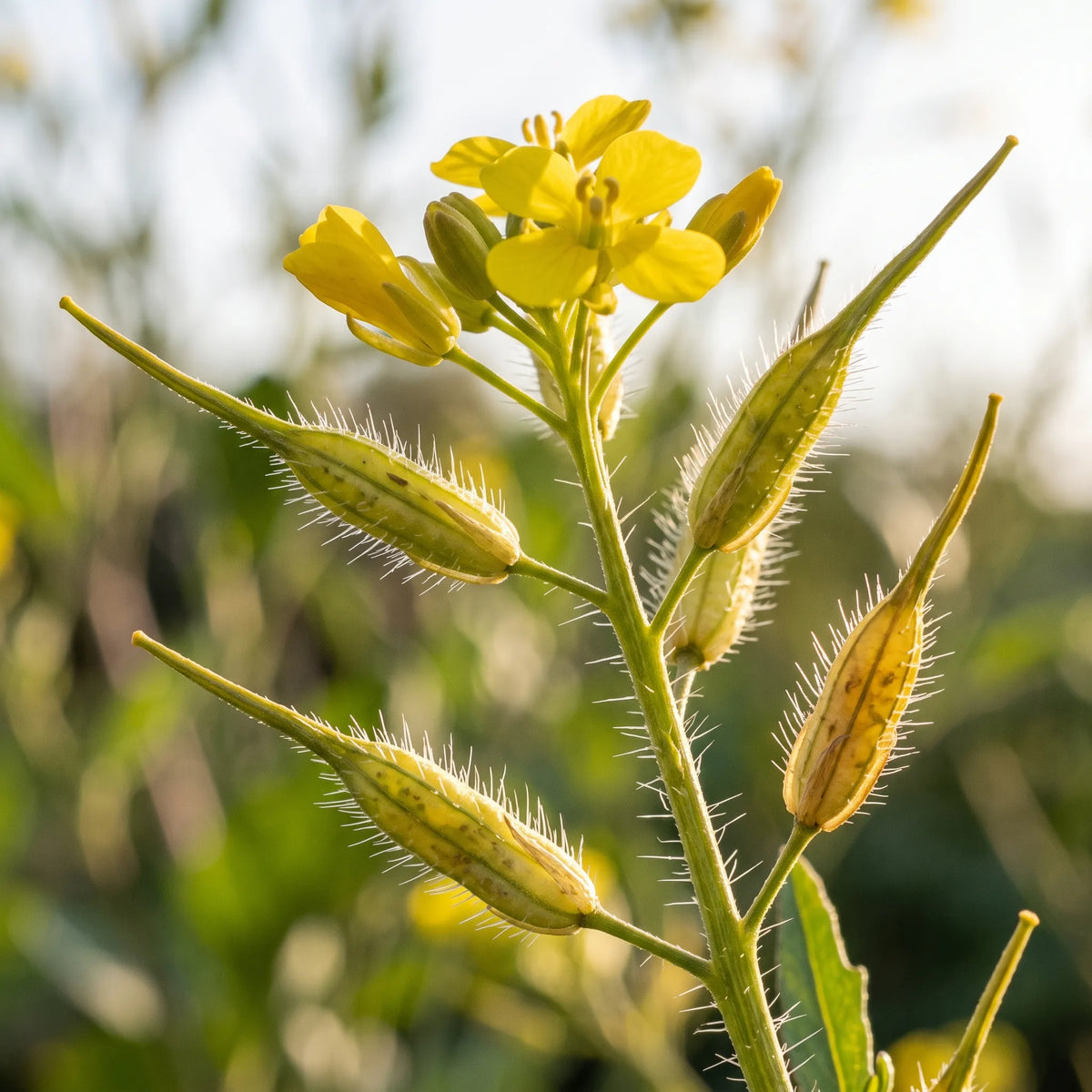
Pozostaw łuszczyny (cienkie strąki), aby zbrązowiały i wyschły na roślinie, a następnie wyłuskaj nasiona ręcznie lub pocierając łuszczyny między dłońmi nad pojemnikiem. Uwaga, roślina bardzo łatwo się rozsiewa: pozwól wytworzyć nasiona tylko tylu roślinom, ile potrzebujesz. Zobacz jak przechowywać nasiona.
Zaangażowanie na rzecz jakości: w SemiSauvage - Permaculture uprawiamy i selekcjonujemy nasze nasiona, kierując się szacunkiem dla życia. Działając w pobliżu wulkanów Owernii, wybieramy odmiany zdolne do rozmnażania i niehybrydowe, testowane pod kątem zdolności kiełkowania, starannie sortowane i pakowane, bez żadnych zabiegów chemicznych. Wierzymy, że należy przywrócić ogrodnikom możliwość ponownego wysiewania, rok po roku, nasion, które naprawdę do nich należą.
Dodaj gorczycę białą do swojego ogrodu, aby cieszyć się żywą glebą chronioną przed chwastami!