Malva sylvestris
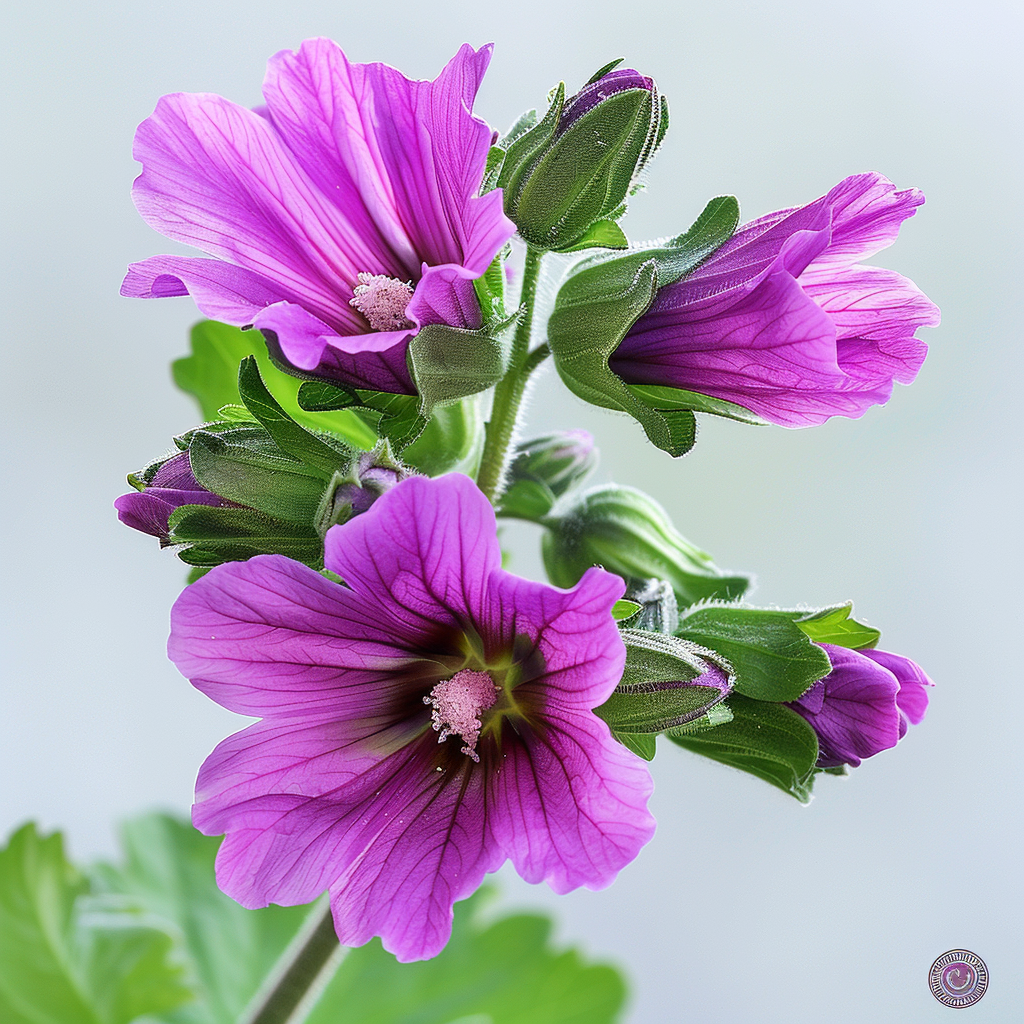
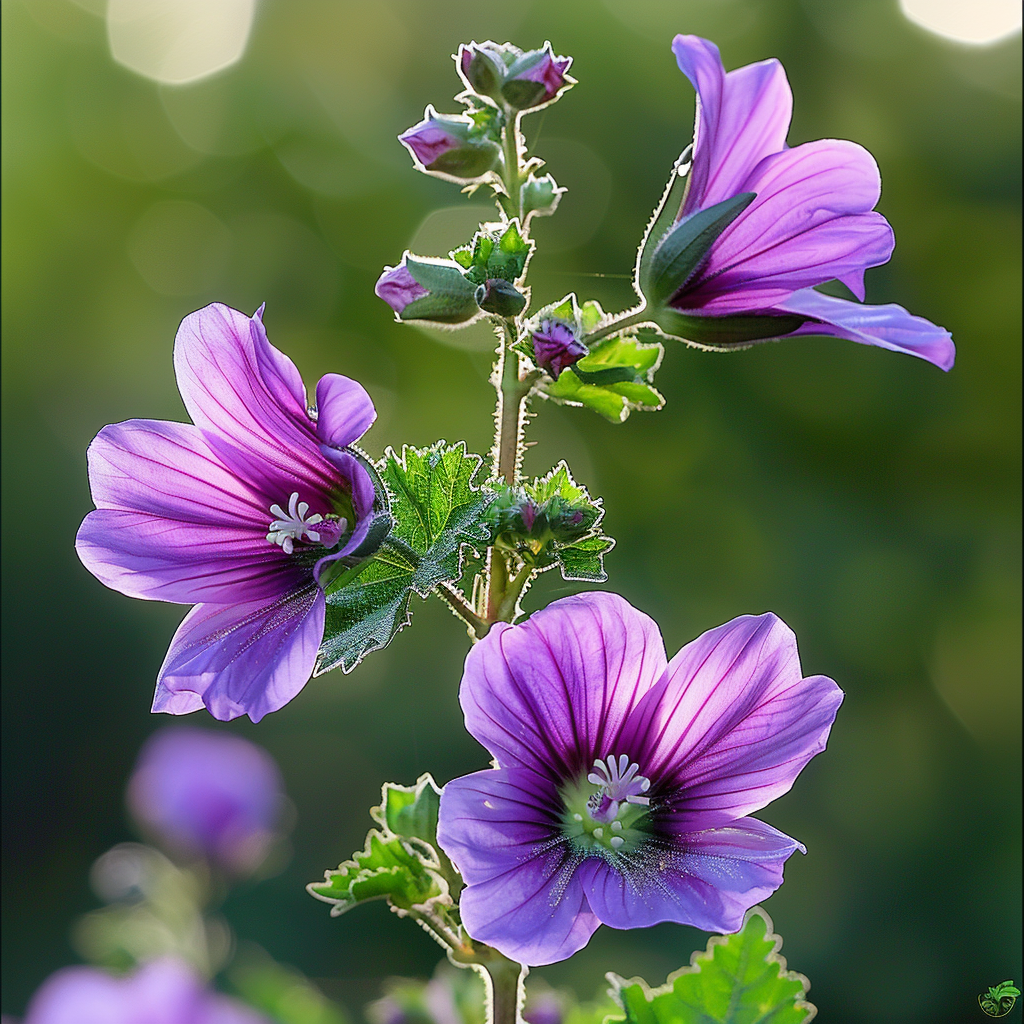
Royal mallow, common mallow, wild mallow, cheeseweed: this last nickname comes from its round, ribbed fruits, which children in the past used to nibble on while calling them “little cheeses.” Its large, dark-veined purple flowers make it one of the most beautiful perennials found along roadsides, and it was long cultivated in herb gardens.
Characteristics:
-
Large veined flowers: purple to violet, marked with darker veins, from June to September.
-
Short-lived perennial: it lives for two to three years but reseeds so generously that it establishes itself permanently.
-
Very undemanding: once established, it does not need watering and requires no maintenance.
Sowing advice:
-
Exposure: sunny; it tolerates light partial shade.
-
Soil: ordinary, rather poor and well drained; it tolerates lime perfectly well. Important point: it flowers noticeably better in lean soil than in rich soil, where it mainly produces foliage and becomes susceptible to rust. Do not fertilize.
-
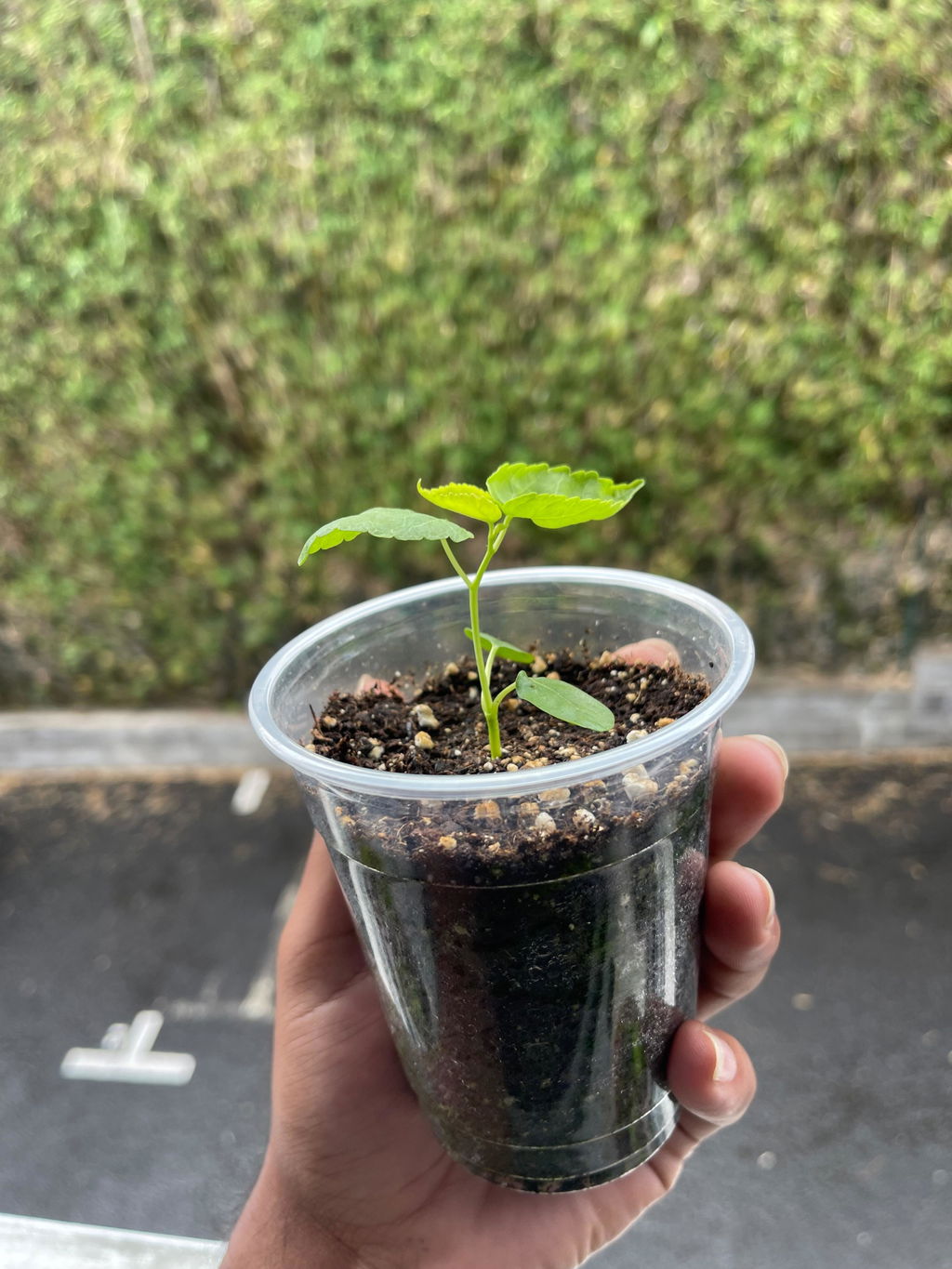
Method: sow directly in place in spring, covering the seeds lightly. Its taproot does not tolerate transplanting well: avoid sowing in pots. Thin to 40 cm apart. No soaking or stratification. See how to sow your seeds.
Care advice:
- Almost none. Cut back after flowering, or let it set seed for natural reseeding. Keep the base of the plants well ventilated to limit rust, its only real weakness.
Beneficial combinations:
Benefits for biodiversity:
- Highly attractive to pollinators, it draws bees and bumblebees over a long summer flowering period.
- Like all mallows, it is a host plant for butterfly caterpillars, especially the Painted Lady, a migrant that crosses the Mediterranean every year.
Uses:
- The flowers and young leaves are edible: the colorful petals decorate salads, while the leaves can be prepared like spinach. See our edible flowers.
- A plant traditionally used in infusions since Antiquity. See our medicinal plants to sow.
Harvesting your own seeds:
Wait until the small wheel-shaped fruits turn brown and dry on the plant, then detach them: each one separates into segments containing a seed. Mallow also reseeds so readily that it returns on its own every year. See how to store your seeds.
Commitment to Quality: at SemiSauvage - Permaculture, we grow and select our seeds with respect for all living things as our guiding principle. Based near the Volcanoes of Auvergne, we choose open-pollinated, non-hybrid varieties, test them for germination rates, and carefully sort and package them without any chemical treatment. Our belief: to give gardeners back the ability to resow, year after year, seeds that truly belong to them.
Add these royal mallow seeds to create a lively garden that welcomes bees and butterflies.