Amaranthus caudatus
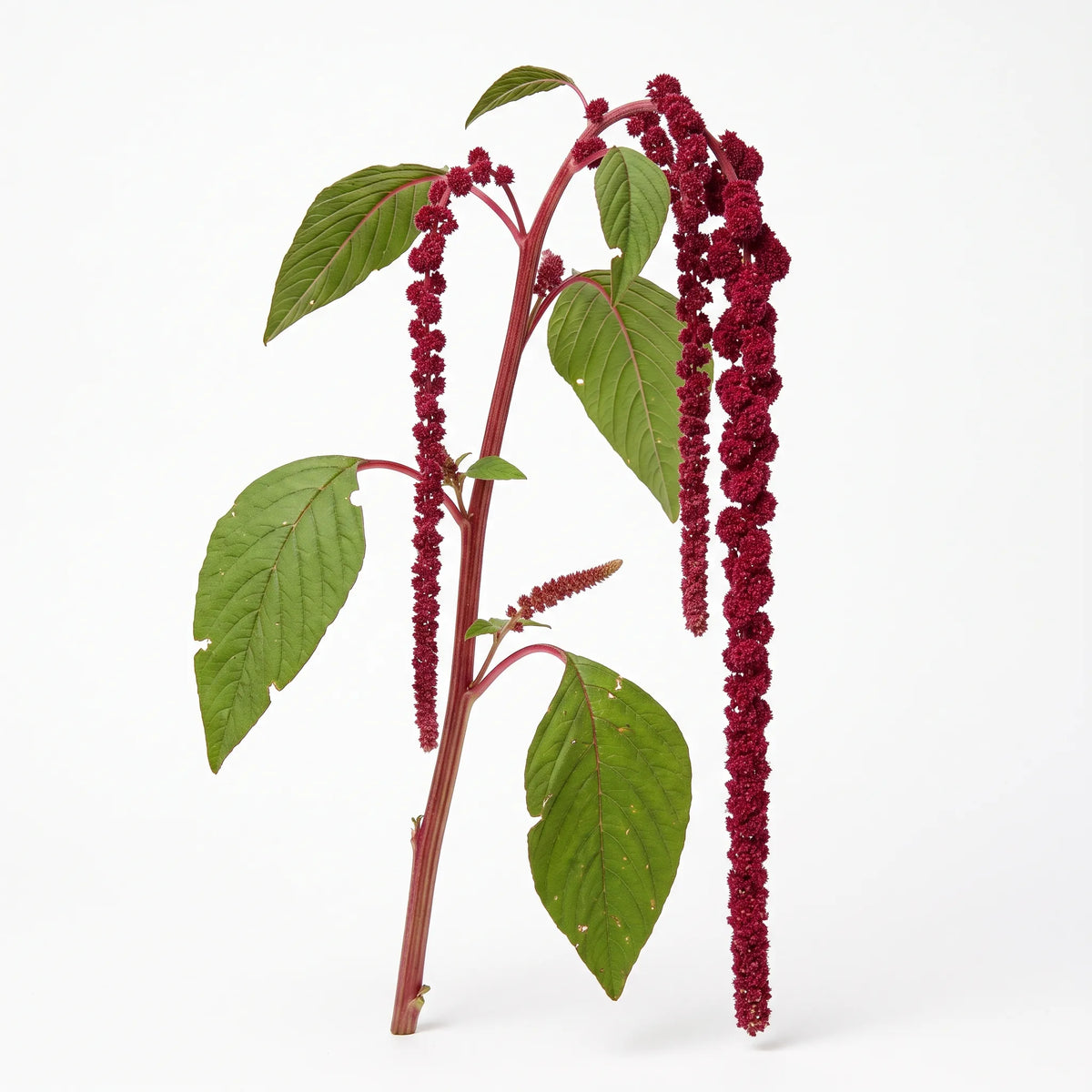
Szarłat zwisły, ogon lisa, dyscyplina zakonna, zazdrość, kiwicha: jego długie, jaskrawoczerwone kwiatostany zwisają w postaci miękkich gron, stąd jego monastyczny przydomek „dyscyplina”. Święte zboże Inków, szarłat został zakazany przez konkwistadorów ze względu na swoją rolę rytualną — dziś odkrywa się go na nowo zarówno z powodu odżywczych nasion, jak i urody.
Charakterystyka:
-
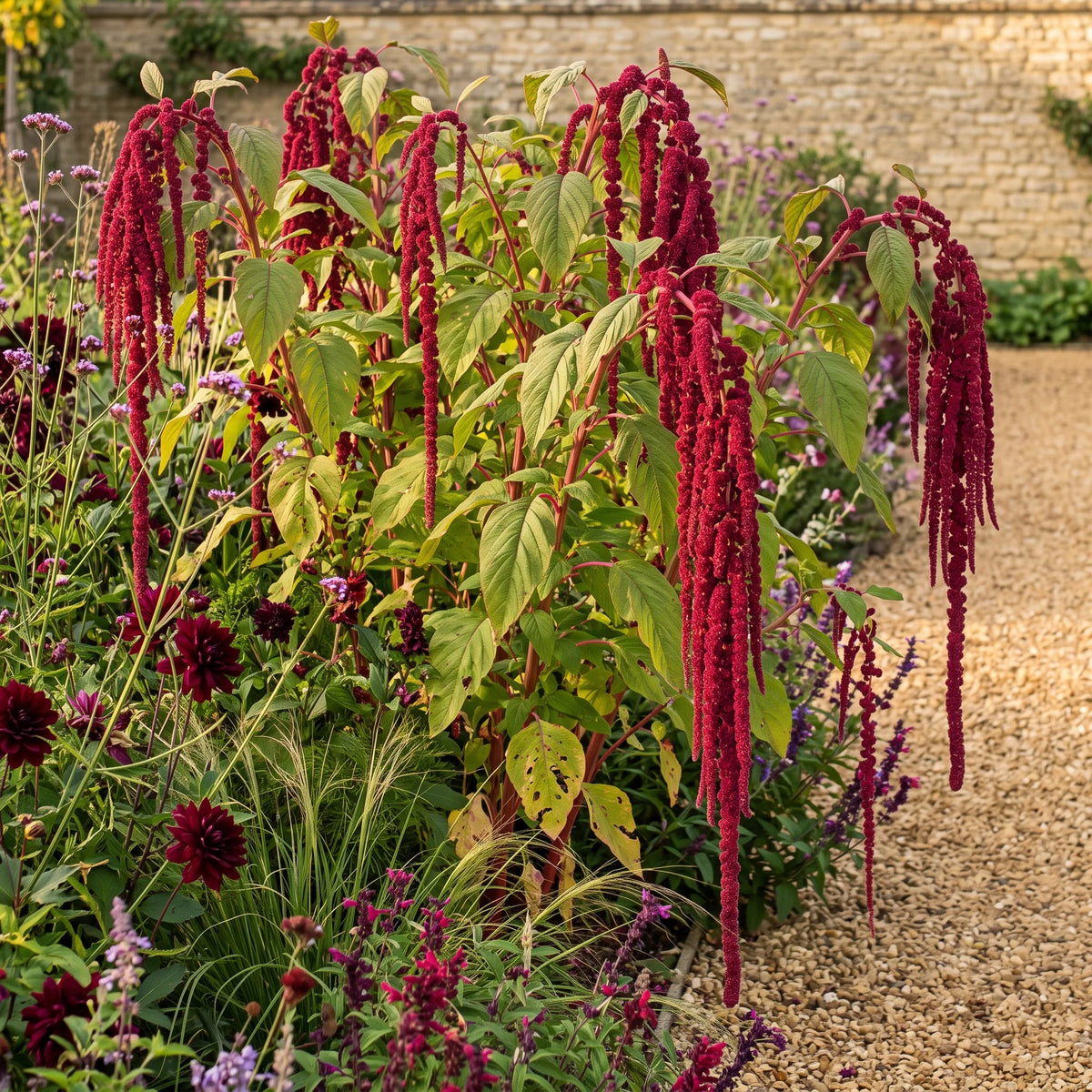
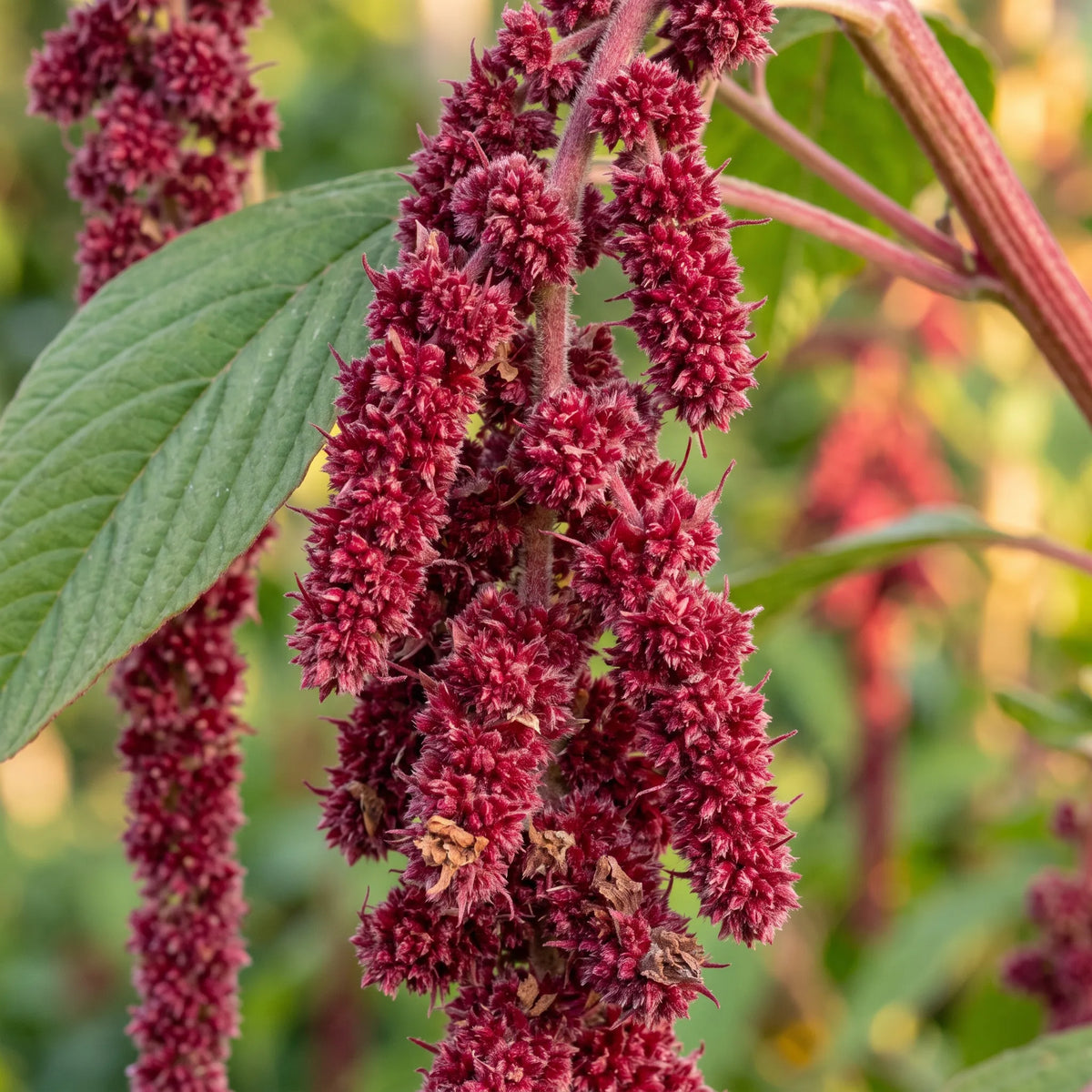
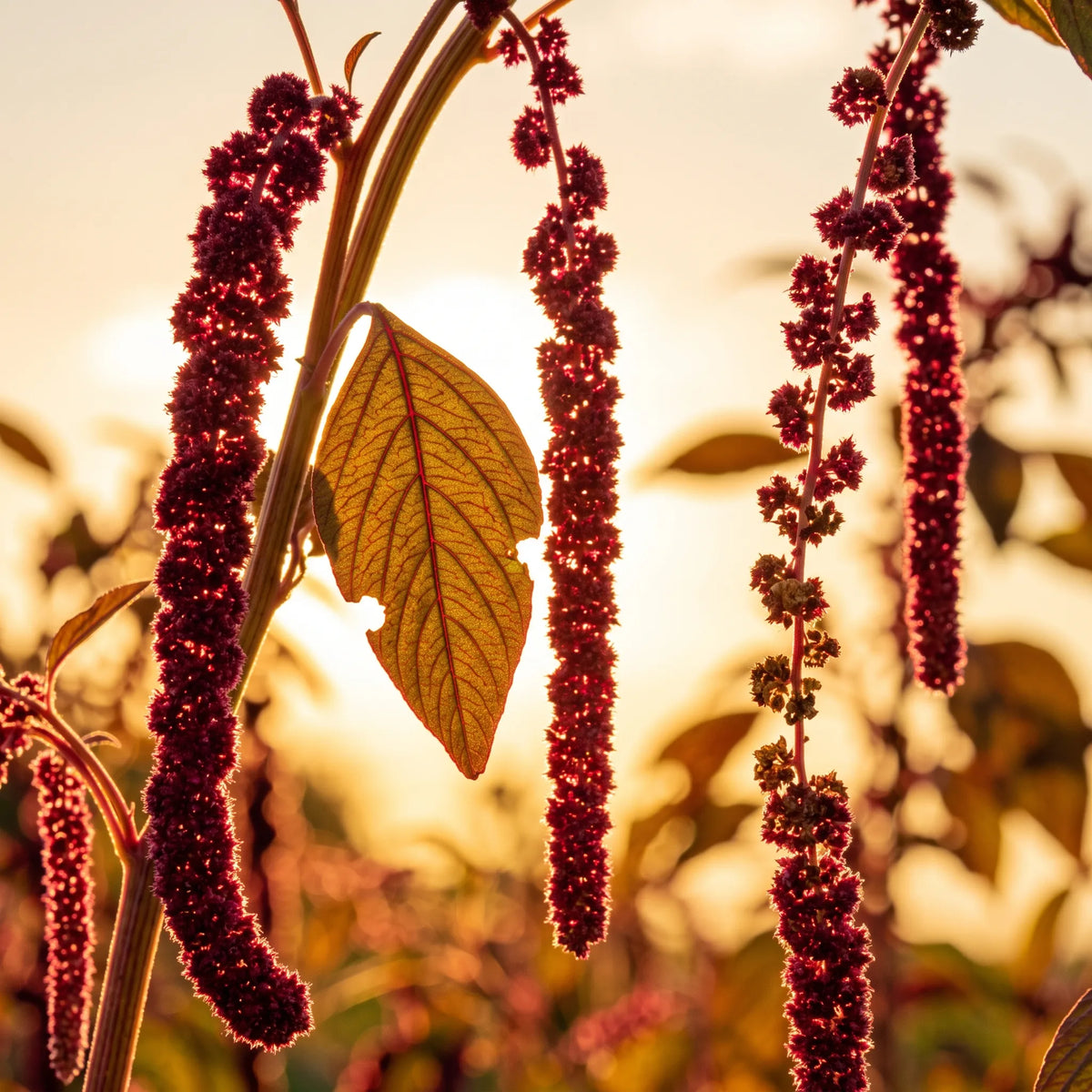
Spektakularne kwiatostany: długie, zwisające kłosy w intensywnej czerwieni, przez całe lato aż do przymrozków.
-
Okazały pokrój: od 1 do 1,50 metra wysokości, z obfitym ulistnieniem, które nadaje strukturę rabatom.
-
Podwójne zastosowanie: efektowna roślina ozdobna oraz jadalne, bogate w białko nasiona.
Wskazówki dotyczące wysiewu:
-
Stanowisko: pełne słońce i dużo ciepła.
-
Gleba: lekka, dobrze przepuszczalna i raczej żyzna. Roślina lubi zasobną glebę, ale dobrze znosi zwykłe podłoże i suszę po ukorzenieniu. Ważne: należy poczekać, aż gleba się ogrzeje — szarłat nie znosi zimna.
-
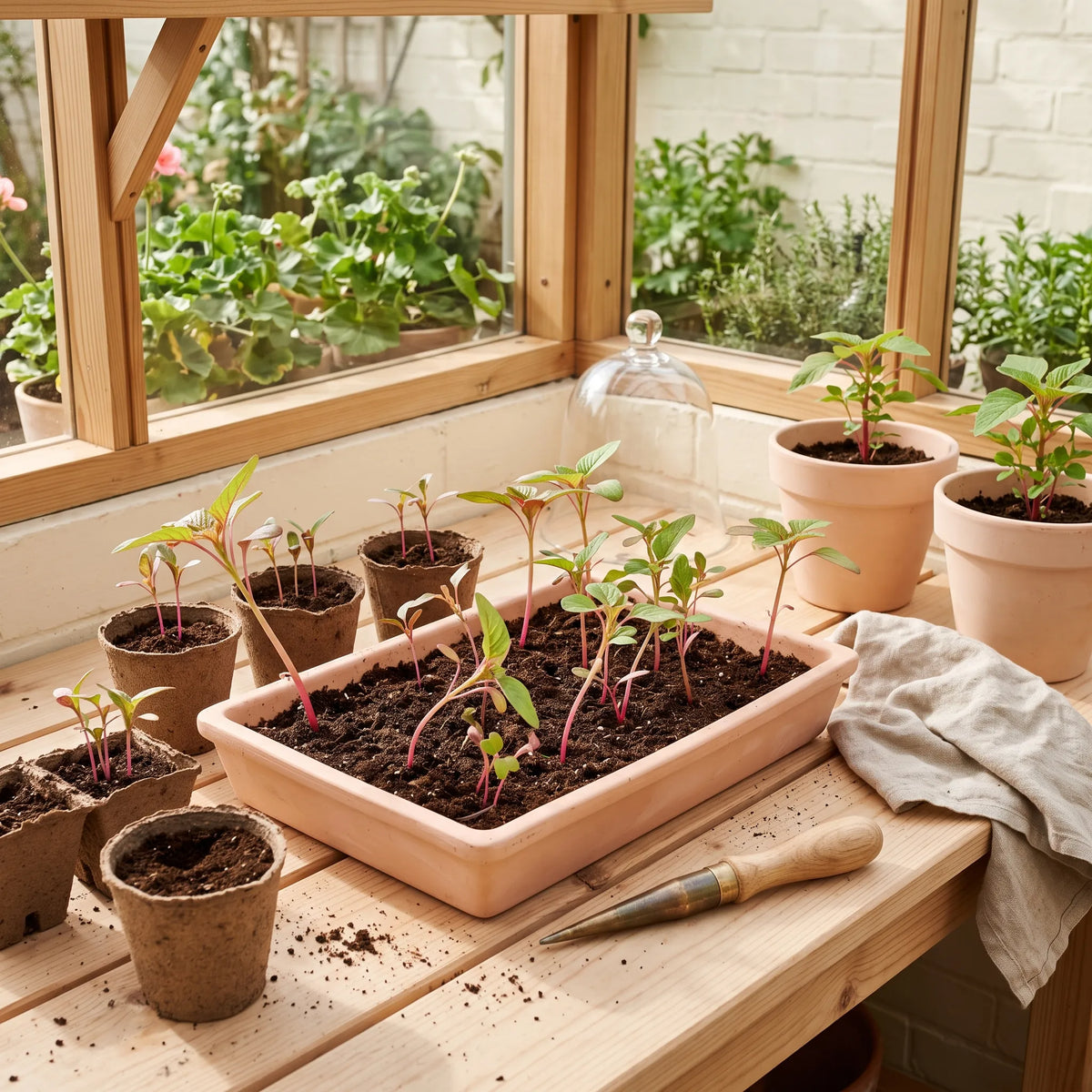
Metoda: stratyfikacja nie jest konieczna. Wysiewaj bezpośrednio do gruntu wiosną, po ostatnich przymrozkach, ledwie przykrywając maleńkie nasiona, albo do doniczek pod osłonami już od kwietnia. Zobacz jak wysiewać nasiona.
Wskazówki dotyczące pielęgnacji:
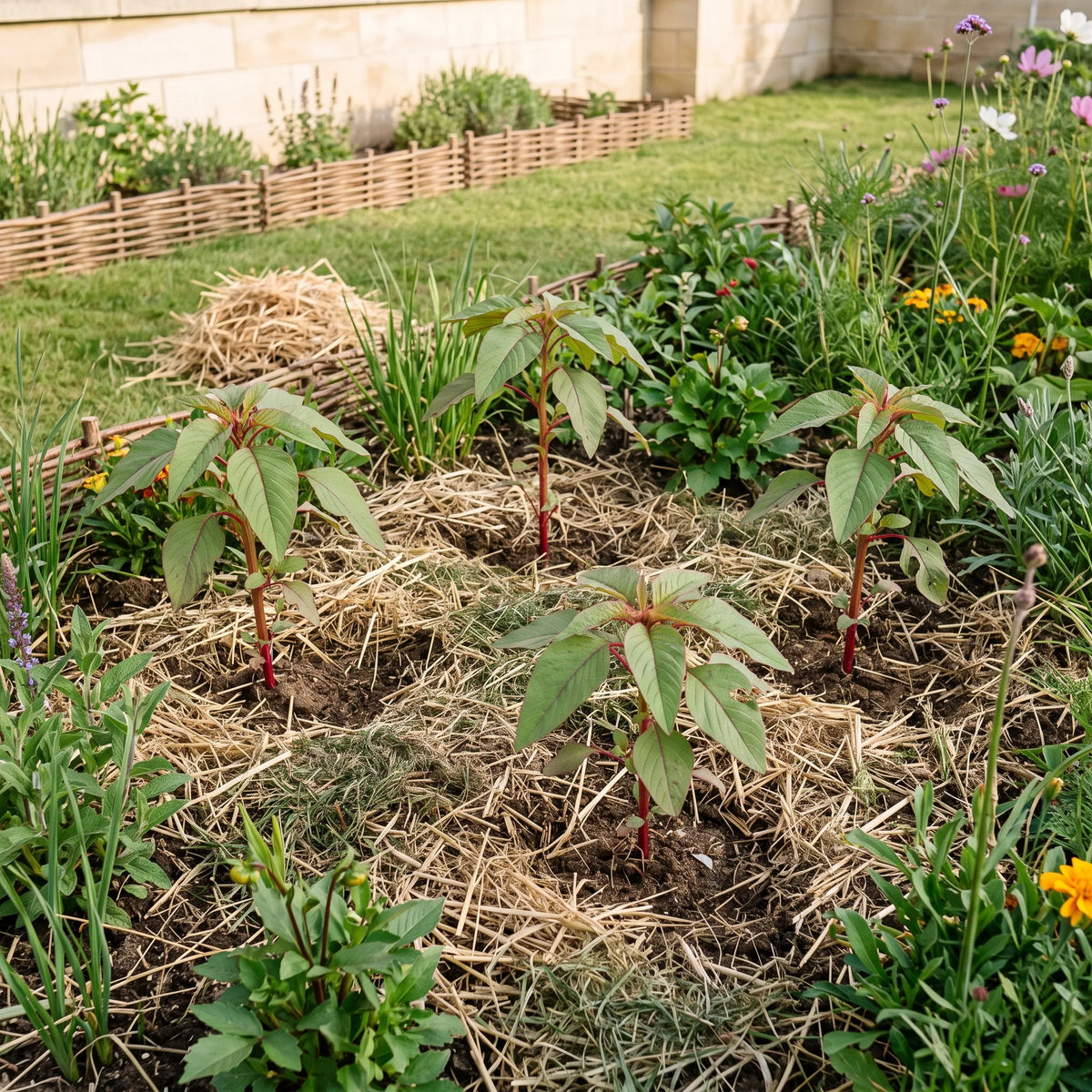
- Przerywaj rośliny, zachowując odstępy 40 cm. Podlewaj umiarkowanie. W wietrznym miejscu może być potrzebne palikowanie, ponieważ obciążone kwiatostany są ciężkie.
Wskazówki dotyczące zbioru:
- Jeśli chcesz zebrać nasiona, poczekaj, aż kłosy wyschną i zaczną wysypywać nasiona przy potarciu, następnie zetnij je i wytrząśnij nad płótnem. Jedna roślina może wytworzyć kilka tysięcy nasion.
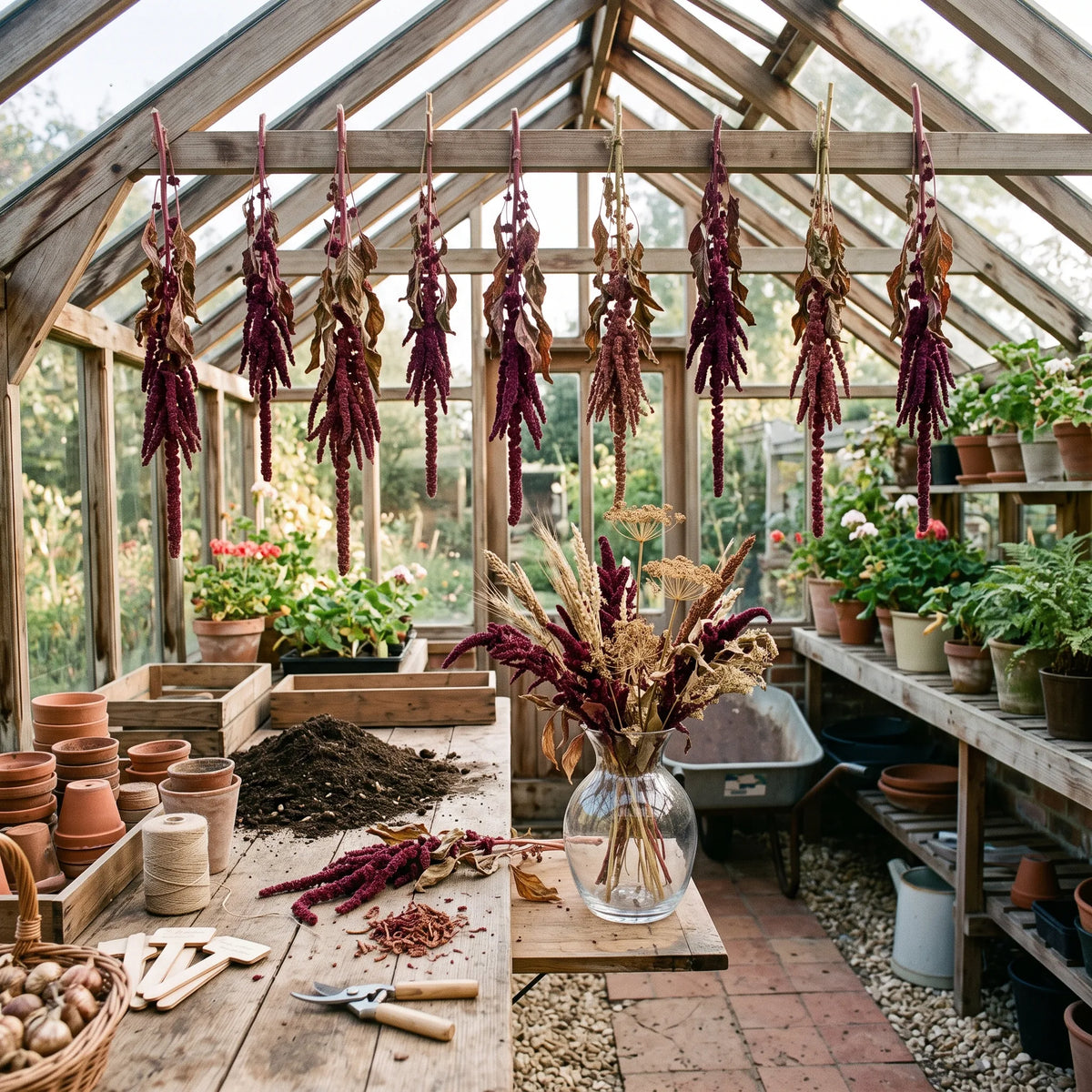
- Na suche bukiety ścinaj grona w pełni wybarwione i wieszaj je do góry nogami w cieniu.
Korzystne połączenia:
Znaczenie dla bioróżnorodności:
- Jego niezliczone drobne kwiaty zebrane w kłosy przez całe lato przyciągają pszczoły i bzygi.
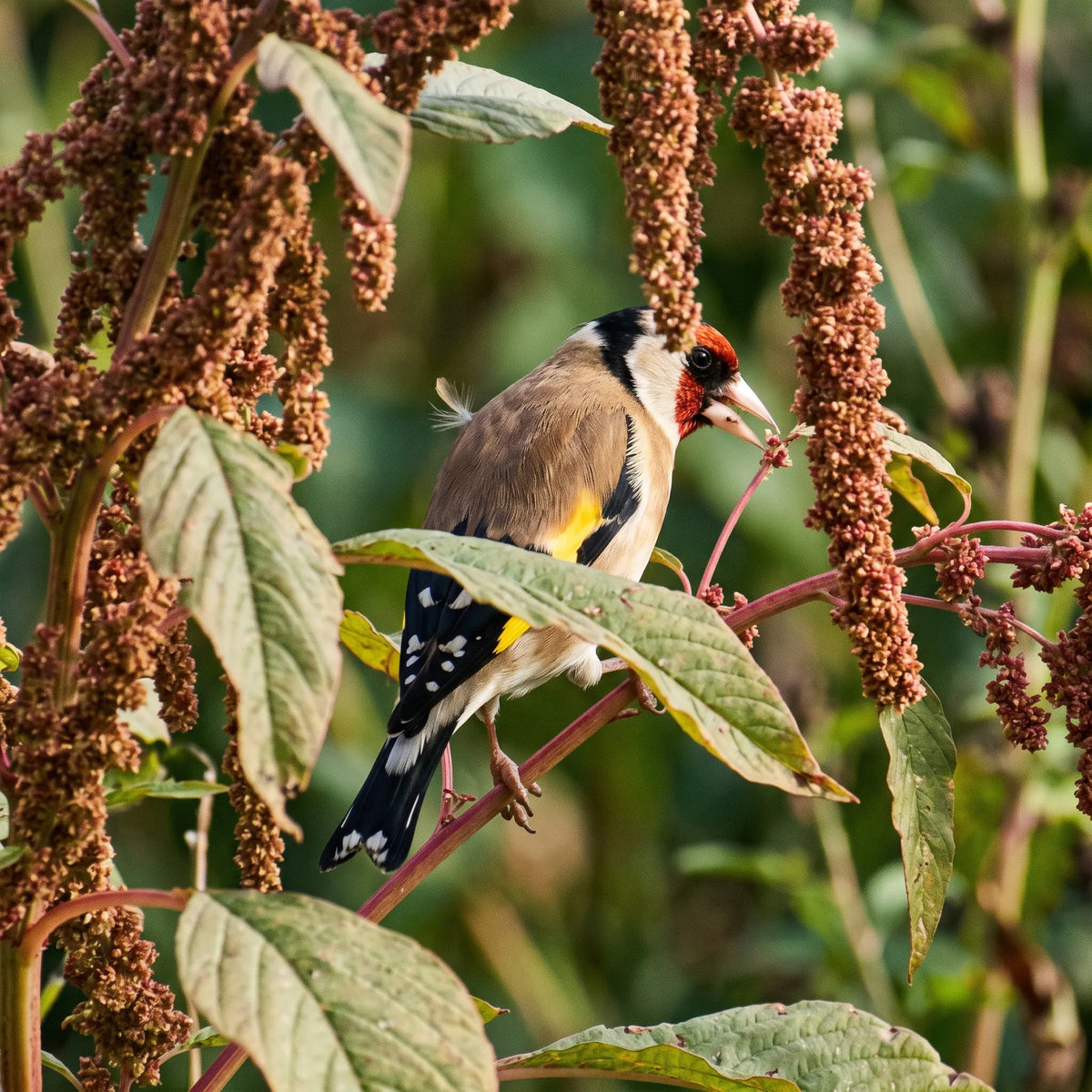
- Jesienią jego nasiona stanowią obfity pokarm dla ptaków ziarnojadów: pozostaw kilka kwiatostanów na roślinie — szczygły i dzwońce będą się nimi zajadać.
Zastosowanie:
- Rabaty, tylne części kwietników i bukiety, zarówno świeże, jak i suche, w których jego grona długo zachowują kolor.
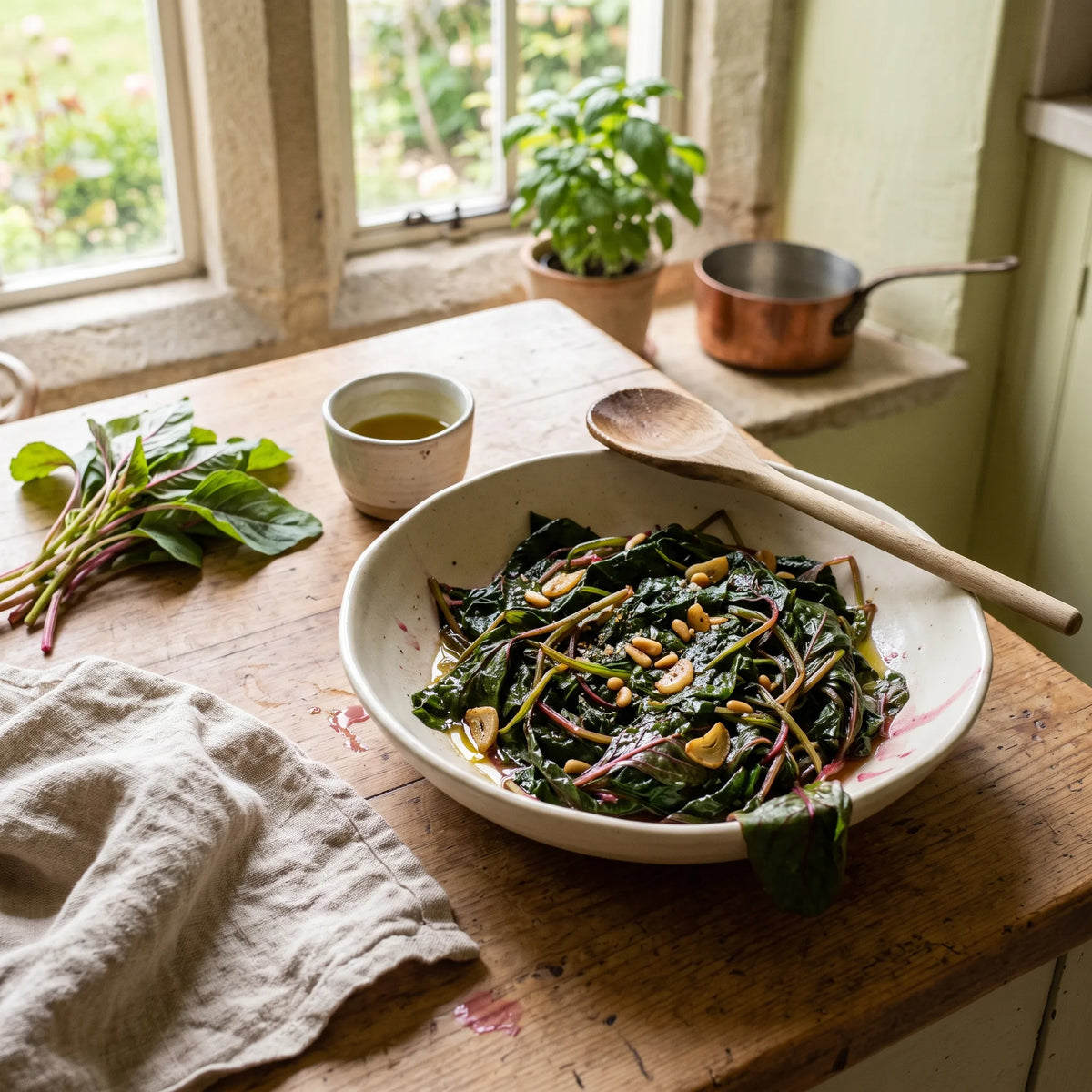
- Jego bezglutenowe, bogate w białko nasiona można przyrządzać jak komosę ryżową albo prażyć na patelni. Młode liście można spożywać jak szpinak. Zobacz nasze jadalne rośliny, które warto odkryć na nowo.
Symbolika:
Jego nazwa pochodzi od greckiego słowa amarantos, „który nie więdnie”: od starożytności szarłat symbolizuje nieśmiertelność i wieczną miłość. Święte zboże Inków i Azteków zajmowało centralne miejsce w ich obrzędach.
Zbiór własnych nasion:
Pozostaw kilka kwiatostanów, aby w pełni dojrzały na roślinie, następnie rozcieraj je w dłoniach nad pojemnikiem i delikatnie przewiewaj, aby oddzielić nasiona od plew. Jedna roślina dostarczy nasion do ponownego wysiewu przez wiele lat. Zobacz jak przechowywać własne nasiona.
Nasze zobowiązanie do jakości: w SemiSauvage - Permaculture uprawiamy i selekcjonujemy nasze nasiona, kierując się szacunkiem do żywej przyrody. Działając w pobliżu wulkanów Owernii, wybieramy odmiany zdolne do rozmnażania i niehybrydowe, testowane pod kątem zdolności kiełkowania, starannie sortowane i pakowane, bez żadnych środków chemicznych. Wierzymy, że należy przywrócić ogrodnikom możliwość ponownego wysiewania, rok po roku, nasion, które naprawdę do nich należą.
Spektakularna w ogrodzie i pożywna na talerzu: wysiej szarłat zwisły.