Lactuca sativa
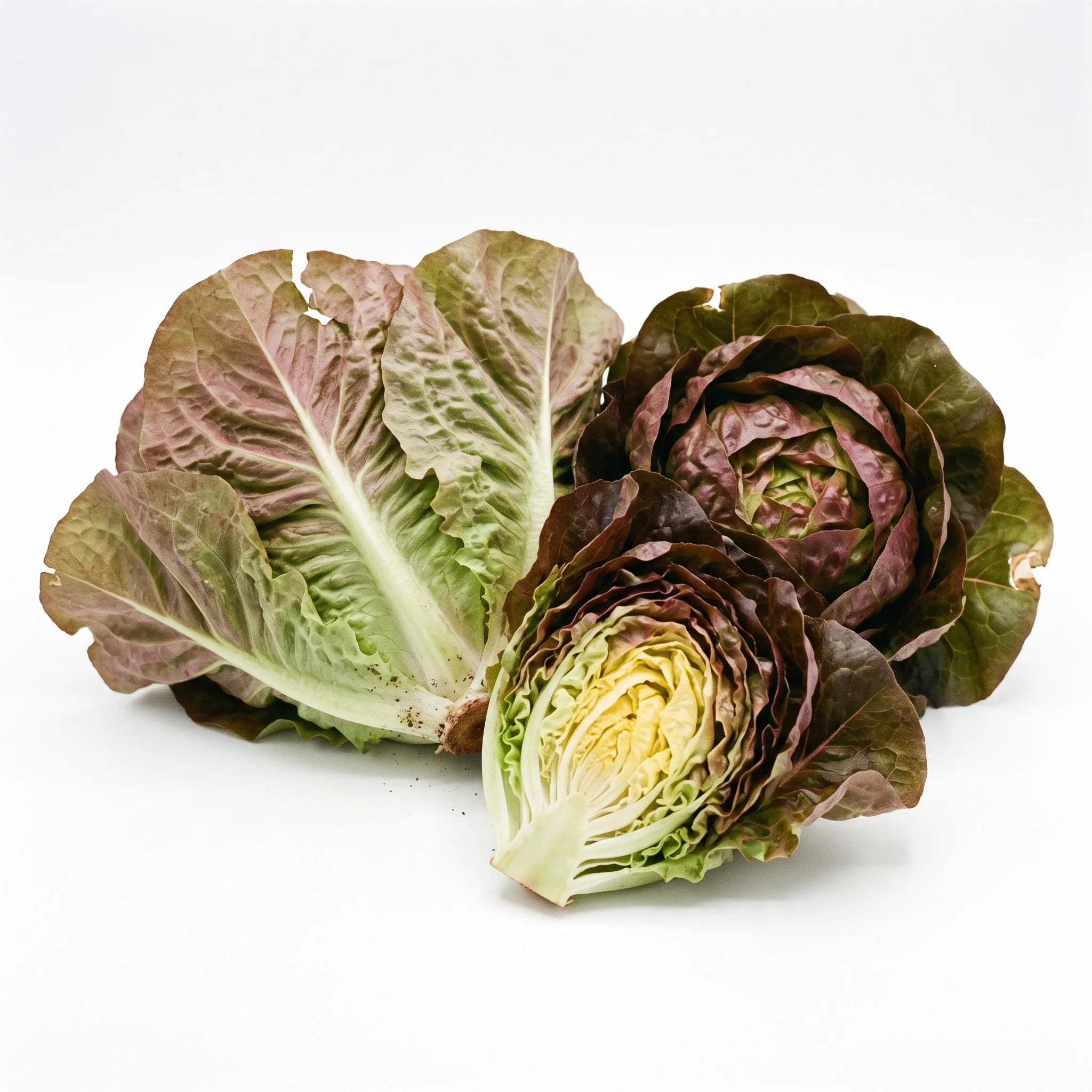
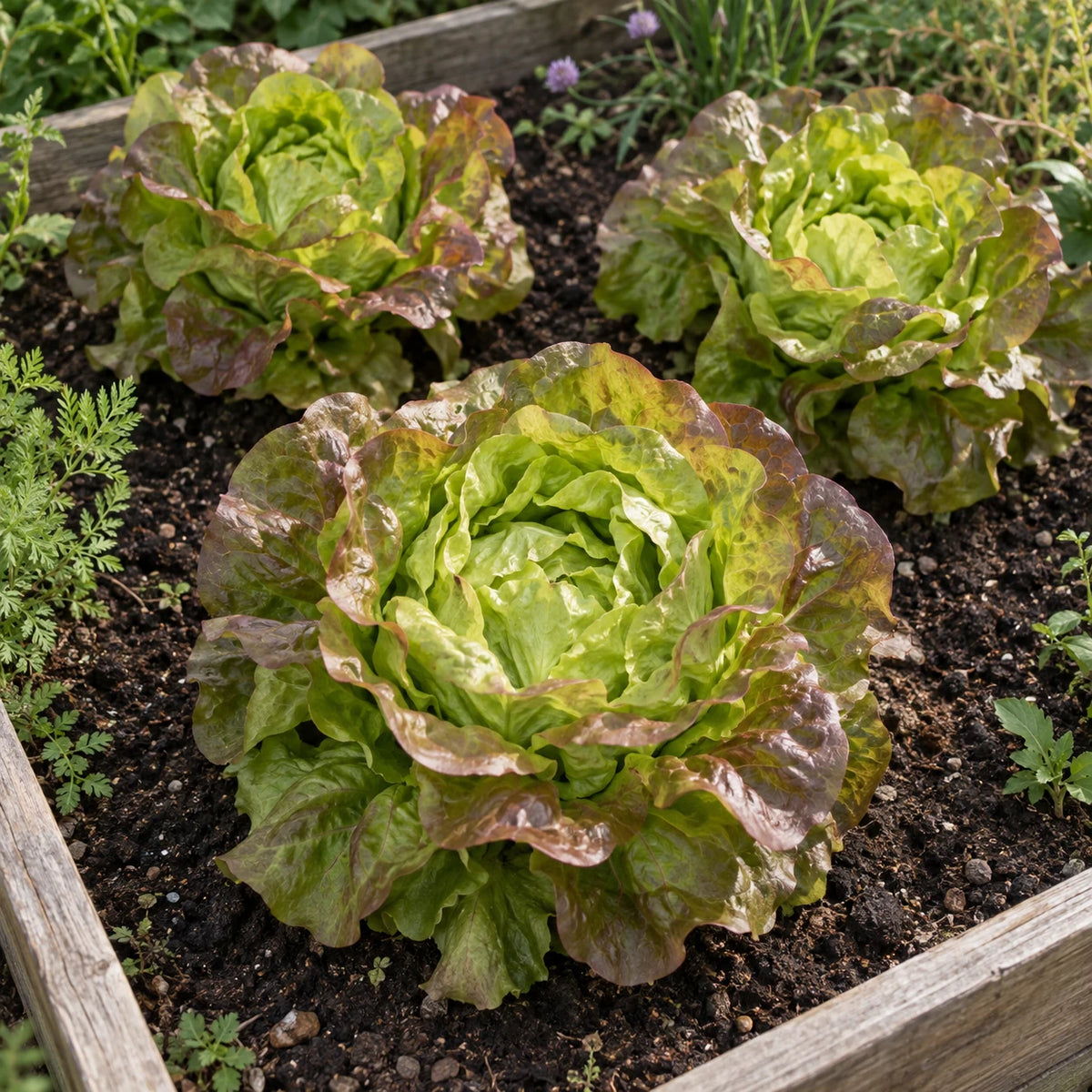
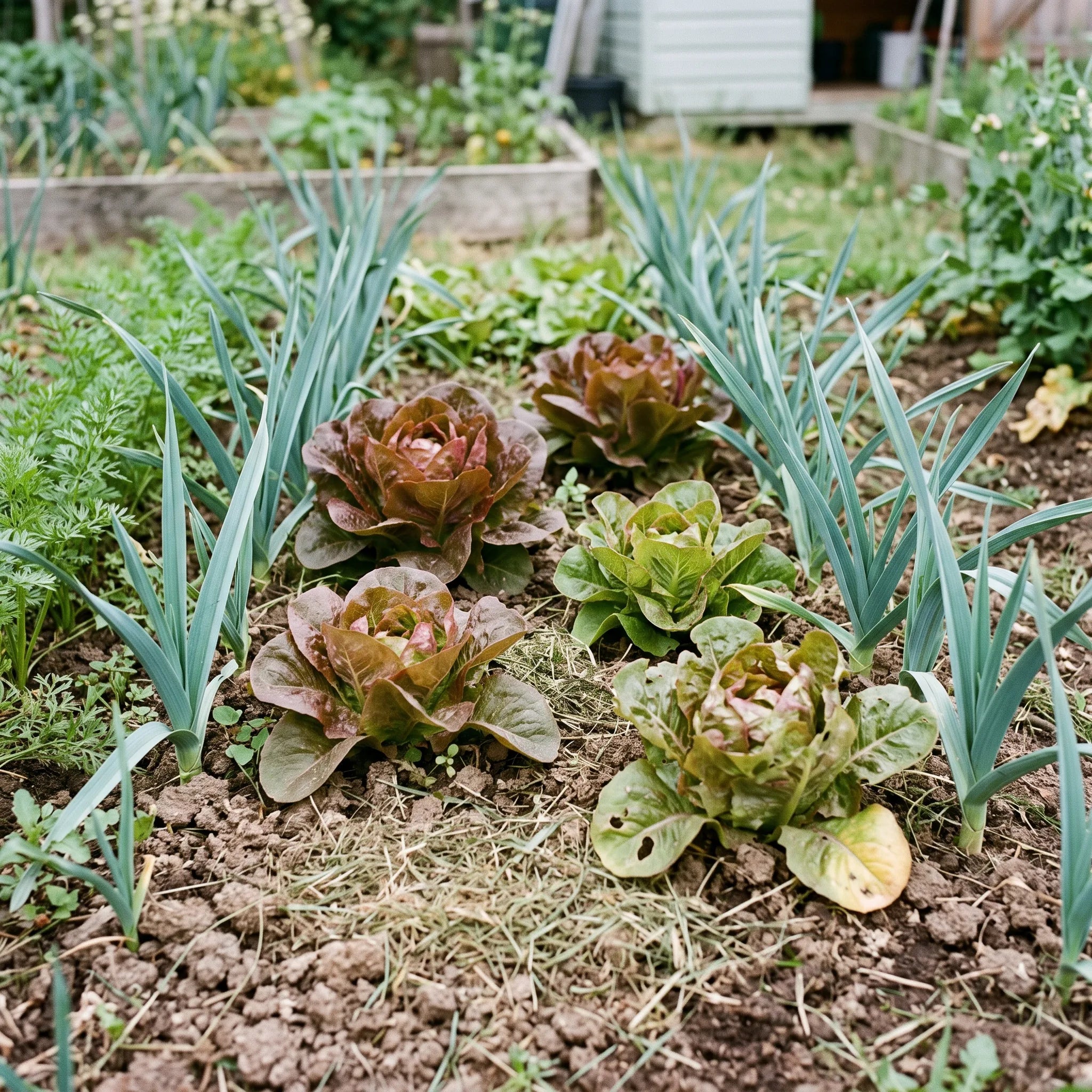
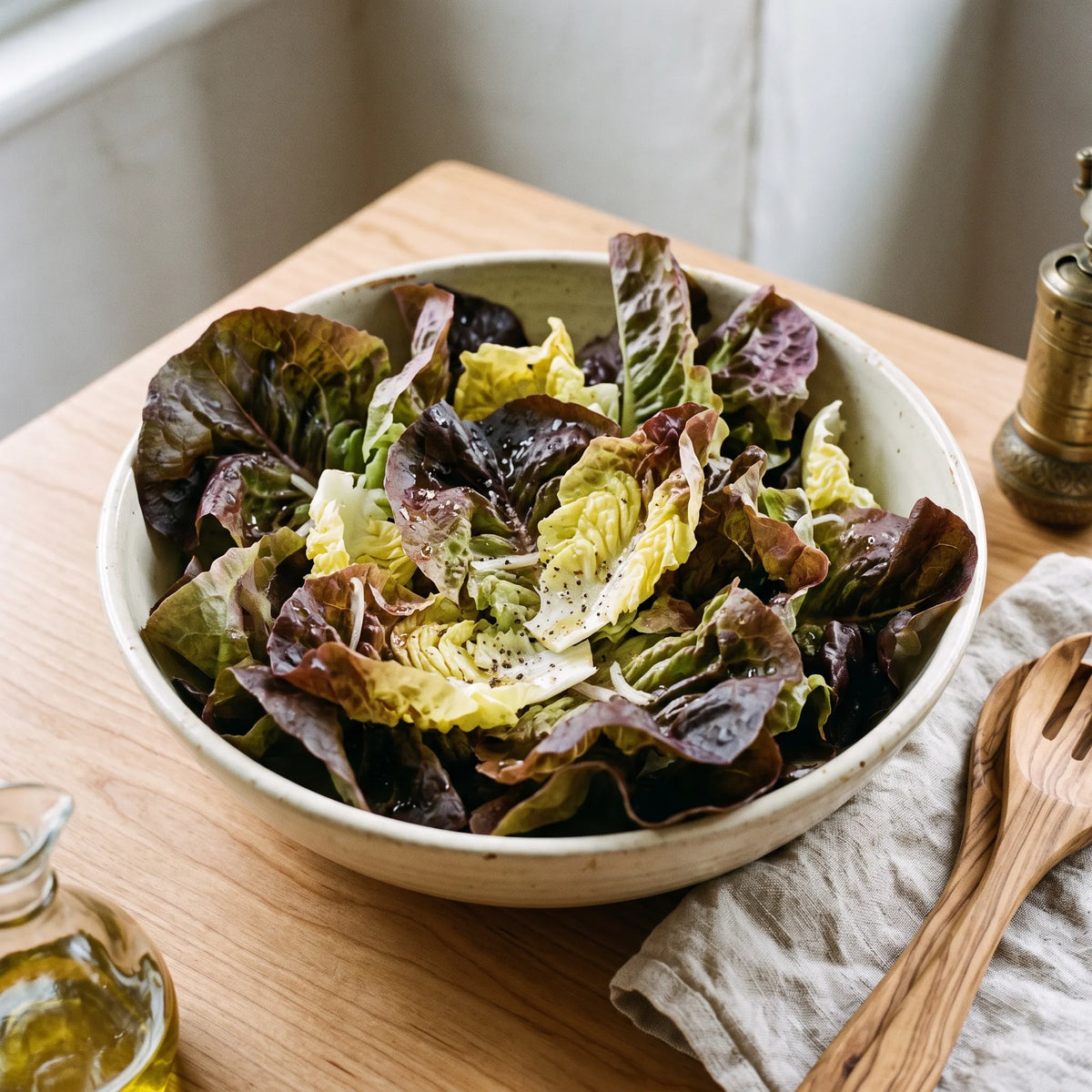
Sałata Merveille des Quatre Saisons, Merveille de Quatre Saisons, sałata czerwonogłówkowa: ta francuska odmiana z XIX wieku słusznie nosi swoją nazwę — można ją wysiewać od wiosny do jesieni, podczas gdy większość sałat jest przypisana do jednej pory roku. Jej zewnętrzne liście w brązowoczerwonym kolorze otulają jasne, chrupiące wnętrze — kontrast, który nadaje jej wyjątkowego uroku w salaterce.
Charakterystyka:
-
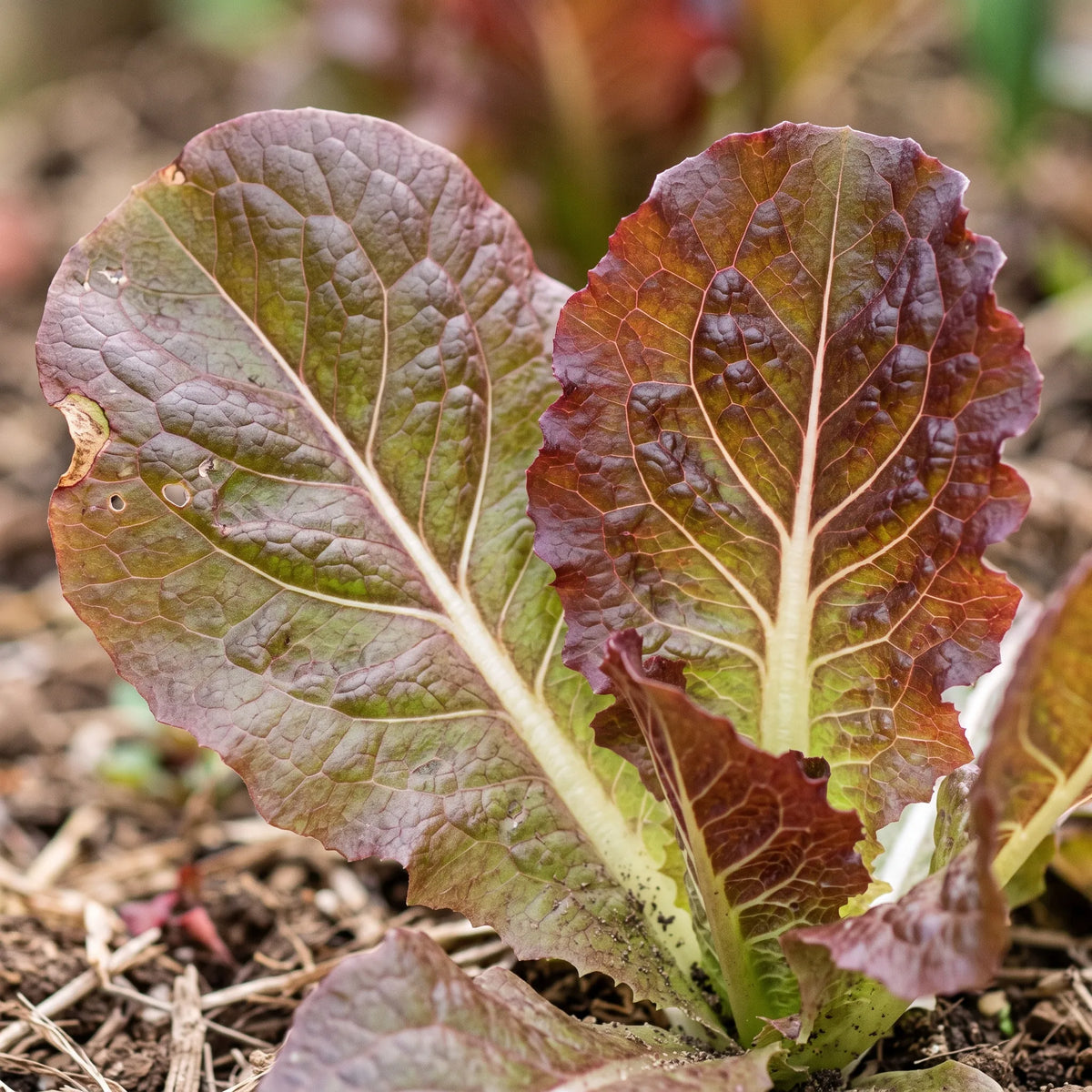
Dwubarwne liście: zewnętrzne liście w brązowoczerwonym kolorze, delikatne i chrupiące jasne wnętrze.
-
Wszechstronna odmiana: wysiewy sukcesywne od marca do września, stąd jej nazwa.
-
Stara odmiana: uzyskana w XIX wieku, nigdy nie zniknęła z ogrodów warzywnych.
-
Dobra odporność na chłód: znosi chłody na początku i pod koniec sezonu.
Wskazówki dotyczące wysiewu:
-
Stanowisko: słoneczne wiosną i jesienią, półcień w środku lata. Jak wszystkie sałaty, upał w połączeniu z długimi dniami powoduje wybijanie w pęd kwiatostanowy.
-
Gleba: świeża, spulchniona, próchnicza i dobrze przepuszczalna. Dodatek kompostu sprzyja jej wzrostowi. Kluczowe znaczenie ma utrzymanie stałej wilgotności gleby — nawet krótkie przesuszenie powoduje wybijanie sałaty w pęd i nadaje jej gorzki smak.
-
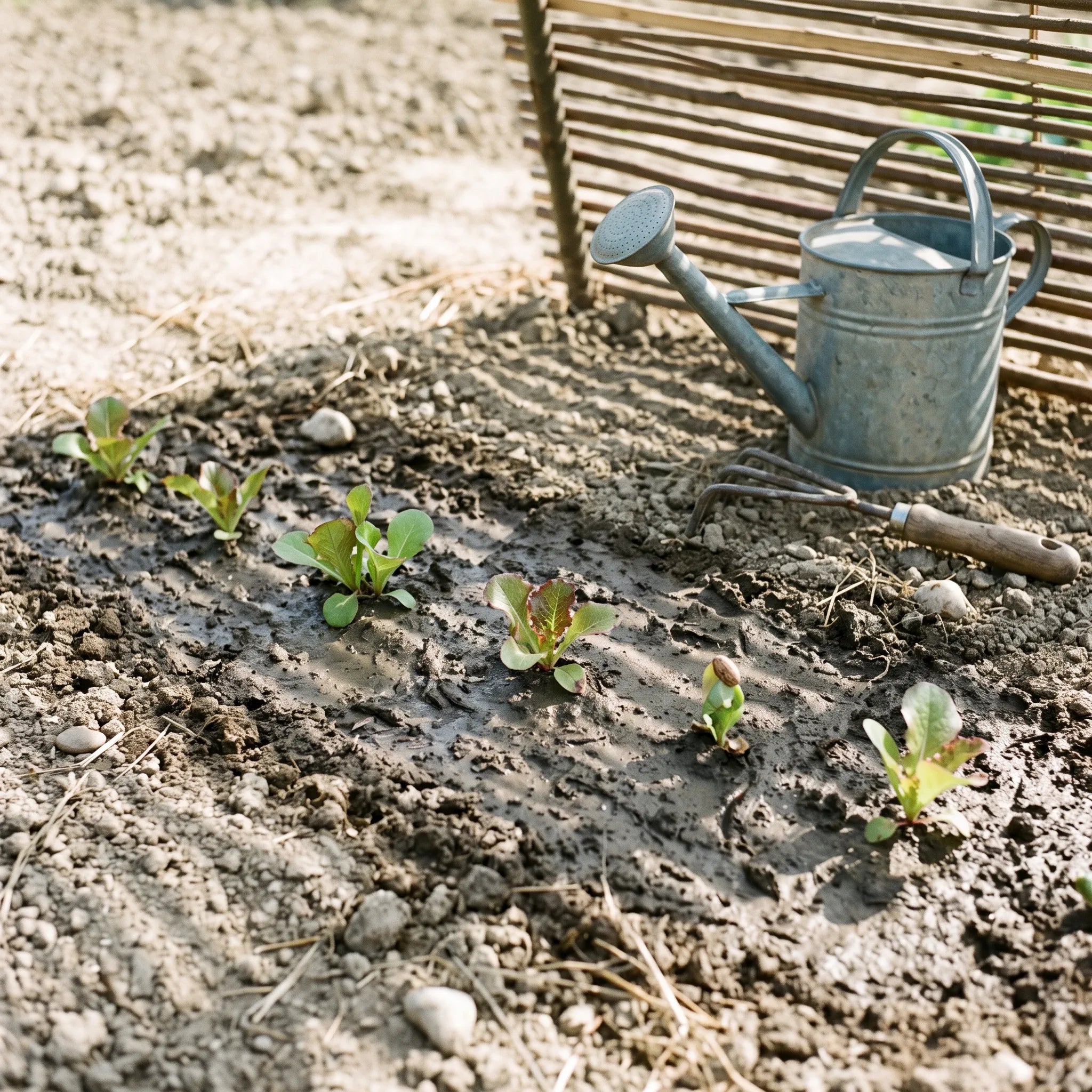
Metoda: wysiewaj nasiona płytko, tylko lekko je przykrywając, ponieważ do kiełkowania potrzebują światła. Wysiewaj sukcesywnie od marca do września, co dwa tygodnie, bezpośrednio do gruntu, pod inspektem lub tunelem. Uwaga: powyżej 25°C nasiona sałaty przechodzą w stan spoczynku i przestają kiełkować — latem wysiewaj je w cieniu lub pod koniec dnia. Zobacz jak wysiewać nasiona.
Wskazówki dotyczące sadzenia:
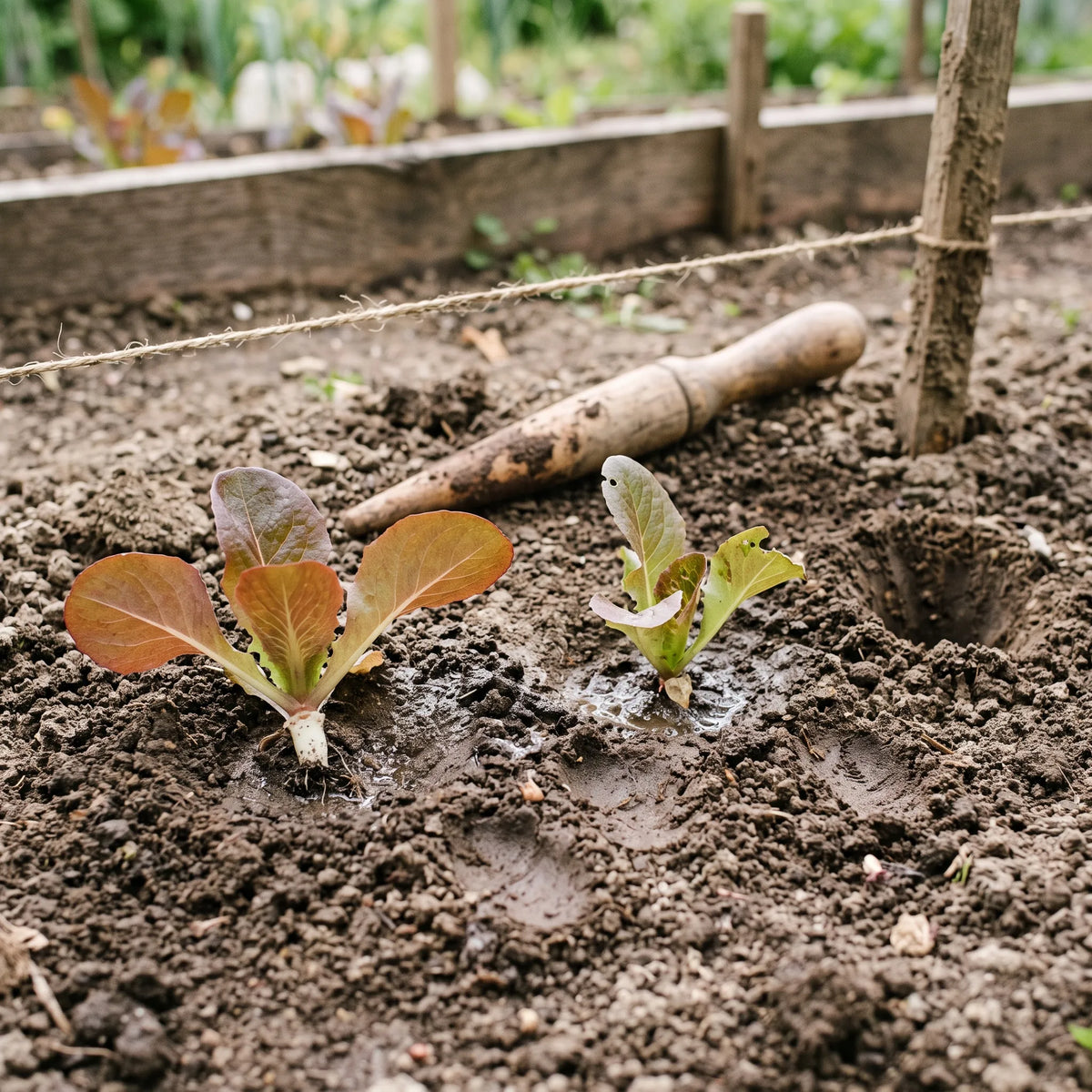
- Przesadzaj, gdy rośliny mają 4 lub 5 liści, zachowując odstępy 30 cm, nie zakopując szyjki korzeniowej: to główna przyczyna gnicia młodych sałat.
Wskazówki dotyczące pielęgnacji:
- Podlewaj regularnie u podstawy, najlepiej rano, nie mocząc liści.
- Delikatnie spulchniaj glebę i ściółkuj, aby zachować jej wilgotność.
Wskazówki dotyczące zbioru:
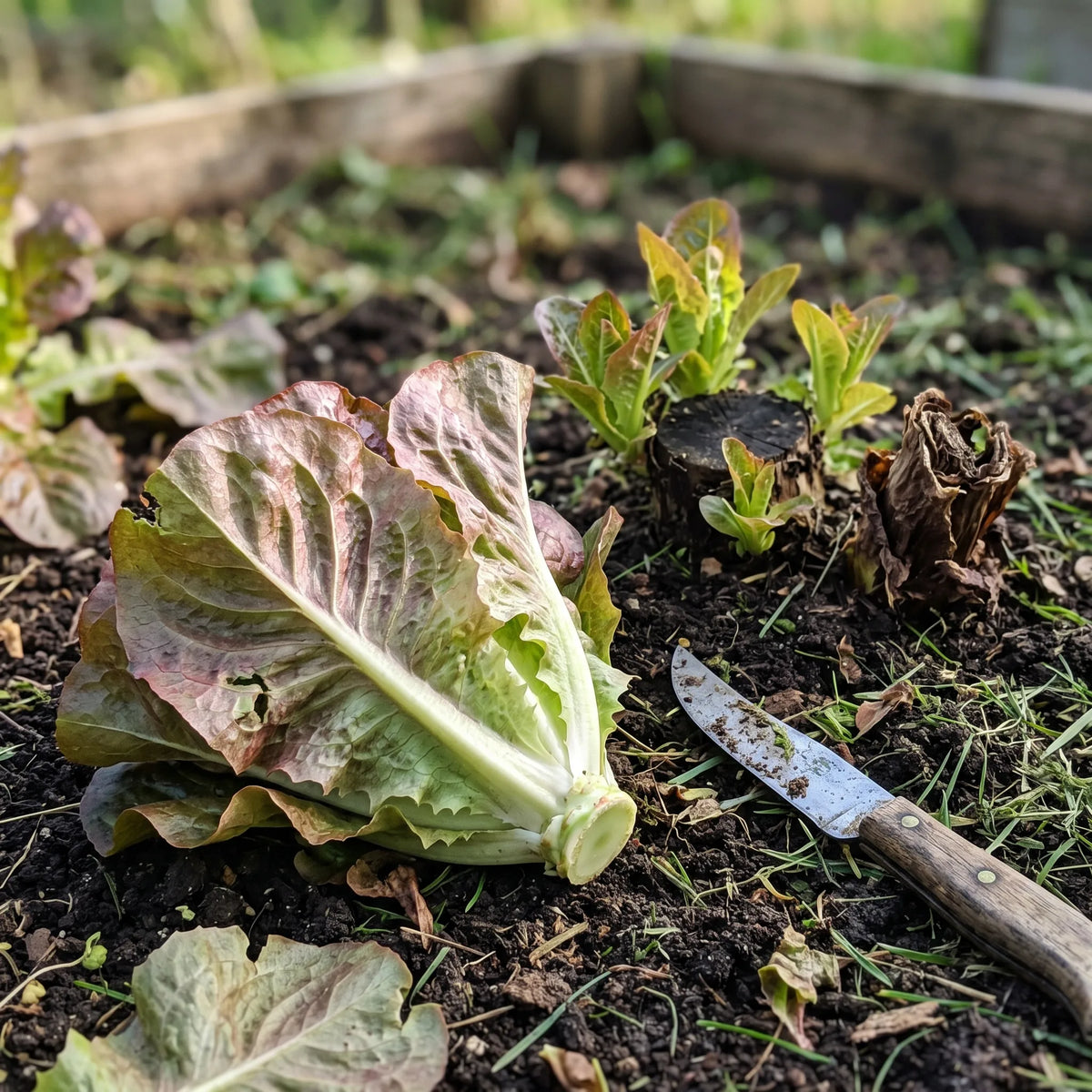
- Zbieraj całą główkę, ścinając ją tuż przy ziemi, gdy tylko dobrze się uformuje. Nie zwlekaj: sałata, która zaczyna unosić się ku górze w środku, wkrótce wybije w pęd i stanie się gorzka.
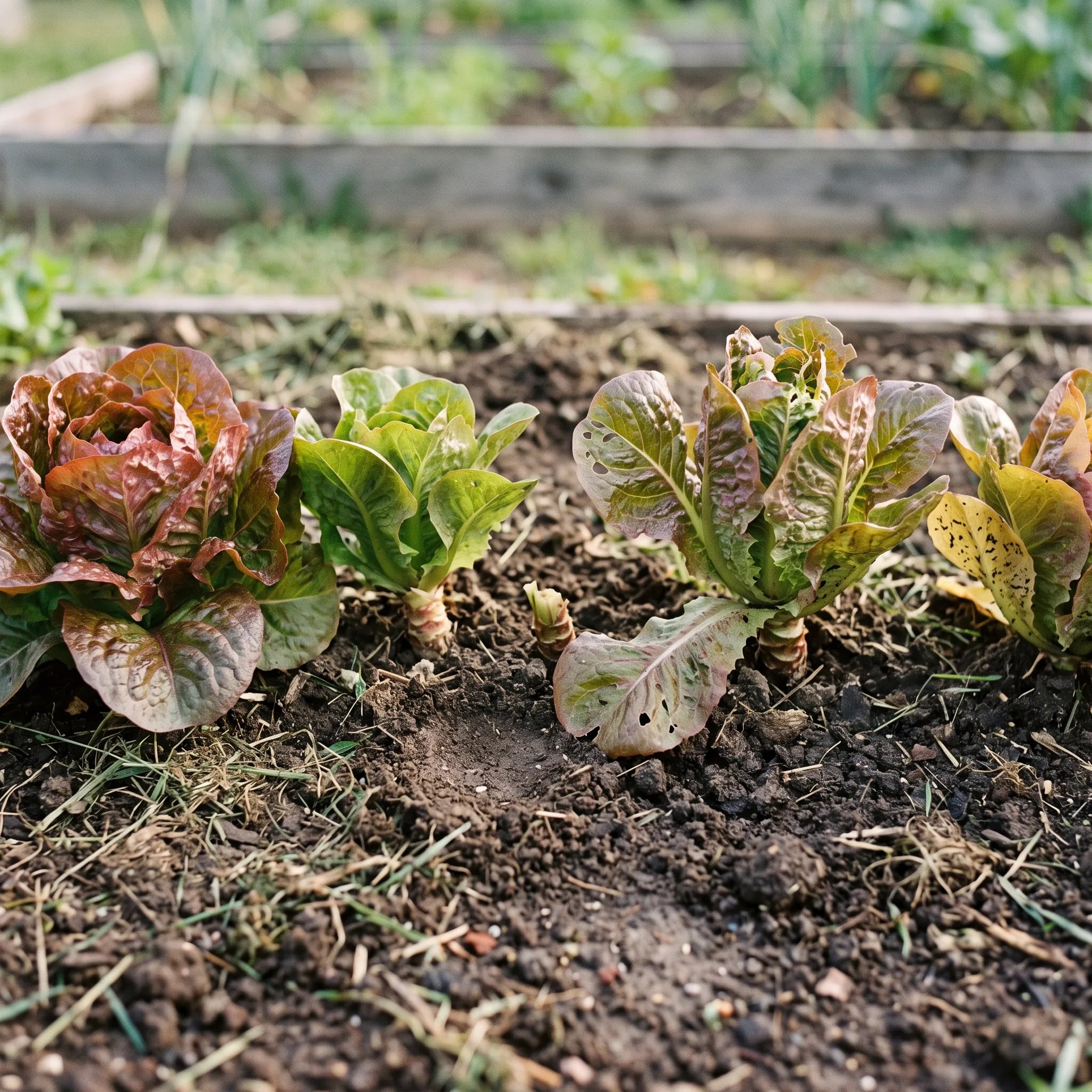
- Wskazówka: pozostaw korzeń w ziemi — często wypuszcza kilka delikatnych odrostów.
Korzystne połączenia:
Znaczenie dla bioróżnorodności:
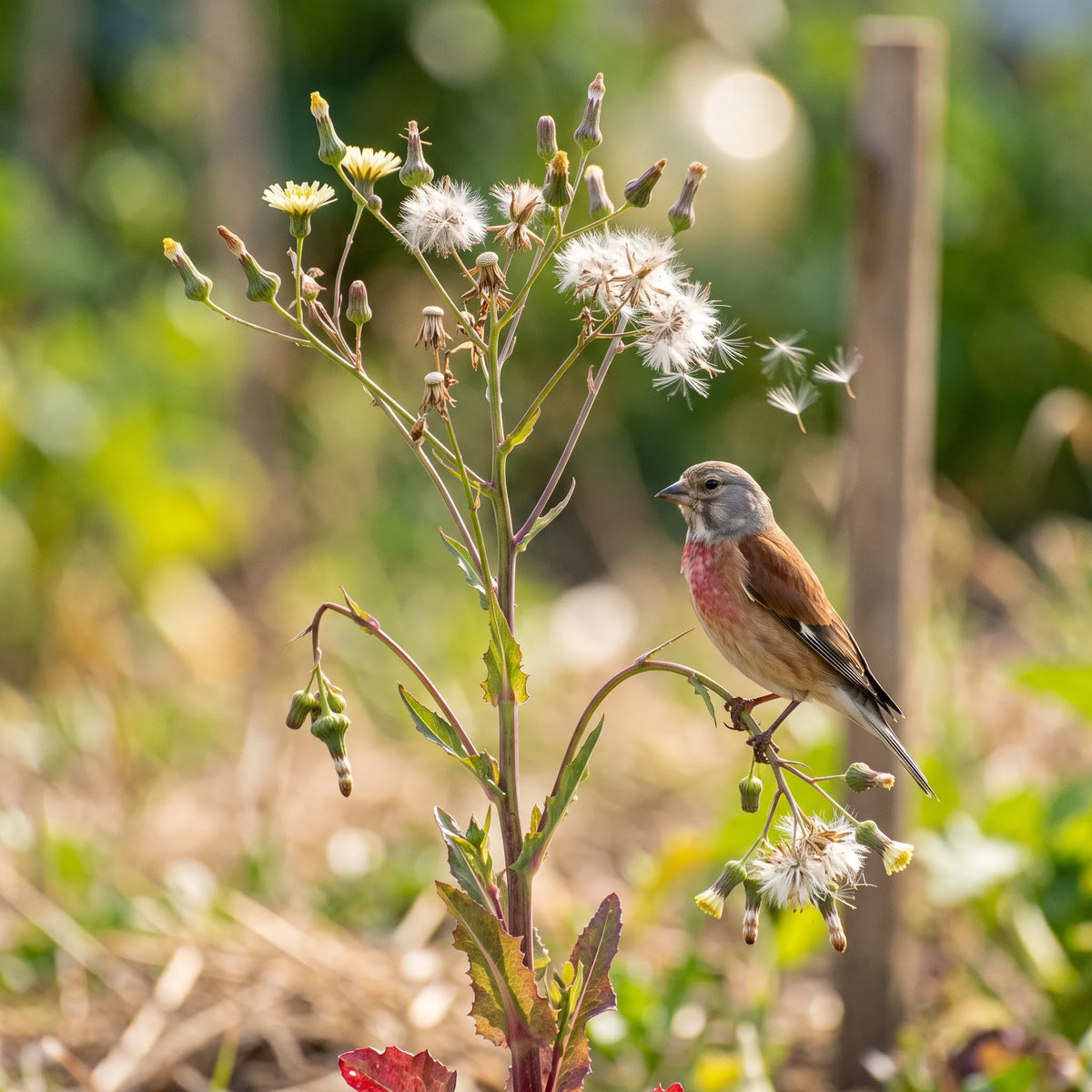
- Pozostaw jedną roślinę do wybicia w pęd pod koniec sezonu: jej drobne żółte kwiaty odwiedzają bzygi i pszczoły samotnice, a nasionami żywią się szczygły.
- Szybka uprawa pozwala utrzymać glebę pod przykryciem między dwiema głównymi uprawami.
Zastosowanie:
- Na surowo w sałatkach, kanapkach lub wrapach. Twardsze zewnętrzne liście można również gotować: dusić, wykorzystywać do przygotowania kremu lub przyrządzać po francusku z zielonym groszkiem.
Pozyskiwanie własnych nasion:
Pozostaw dorodną roślinę do wydania nasion: wytworzy wysoką łodygę kwiatostanową, a następnie niełupki z puszystym puchem kielichowym. Zbieraj je w miarę dojrzewania, ponieważ dojrzewają sukcesywnie. Sałata jest samopylna, dlatego ryzyko krzyżowania jest niewielkie — to jeden z najprostszych gatunków do rozpoczęcia produkcji nasion. Zobacz jak przechowywać własne nasiona.
Zaangażowanie w jakość: w SemiSauvage - Permaculture uprawiamy i selekcjonujemy nasze nasiona, kierując się szacunkiem dla żywej natury. Działając w pobliżu wulkanów Owernii, wybieramy odmiany możliwe do rozmnażania i niehybrydowe, testowane pod kątem zdolności kiełkowania, starannie sortowane i pakowane, bez żadnych zabiegów chemicznych. Wierzymy, że należy przywrócić ogrodnikom możliwość corocznego wysiewania nasion, które naprawdę do nich należą.
Stara, dwubarwna odmiana do wysiewu niemal przez cały rok.