Cucurbita pepo
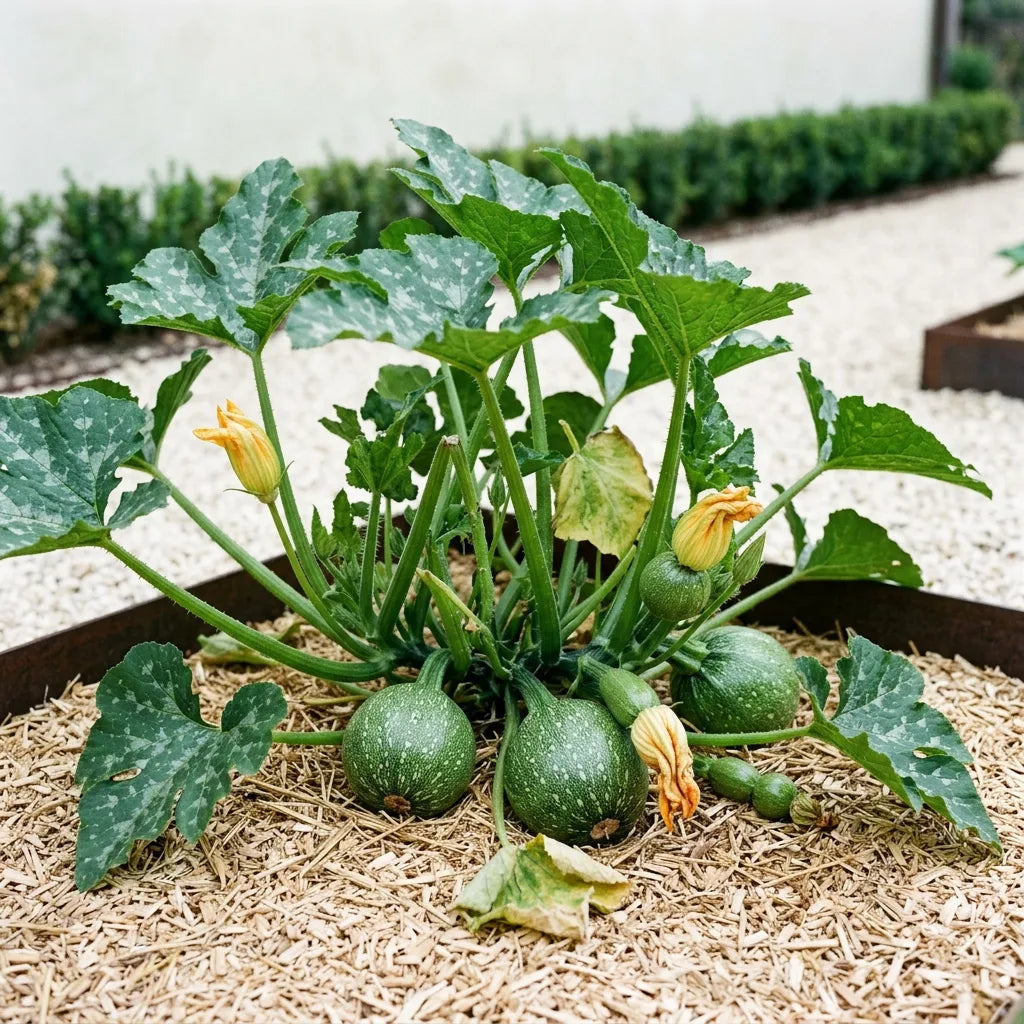
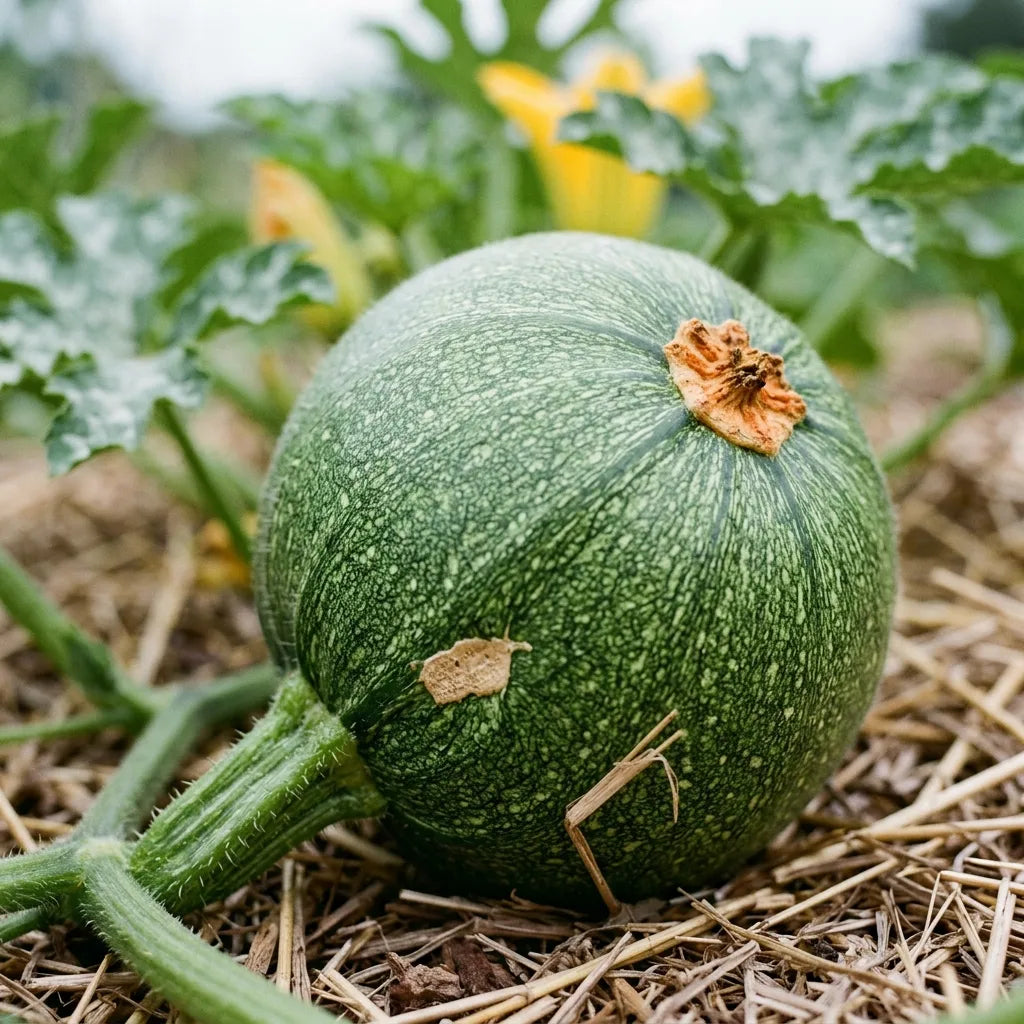
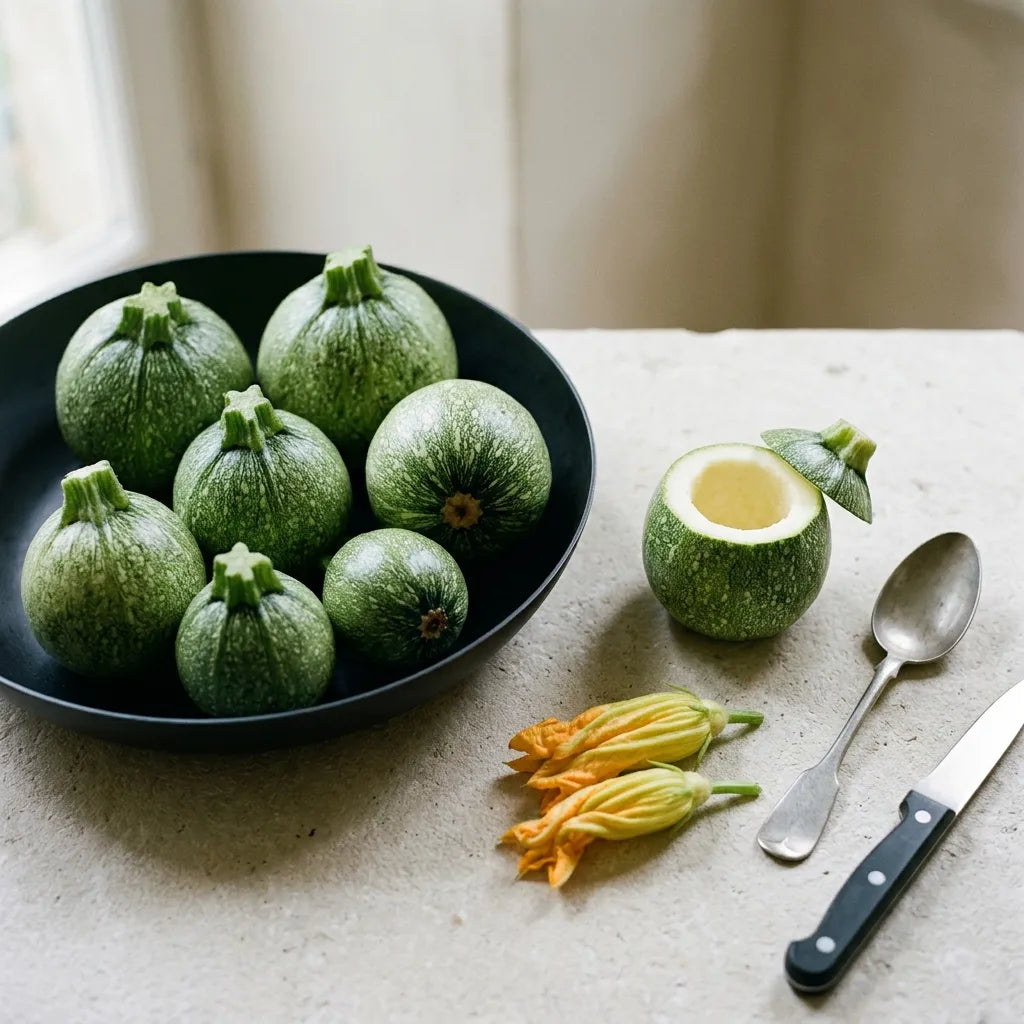
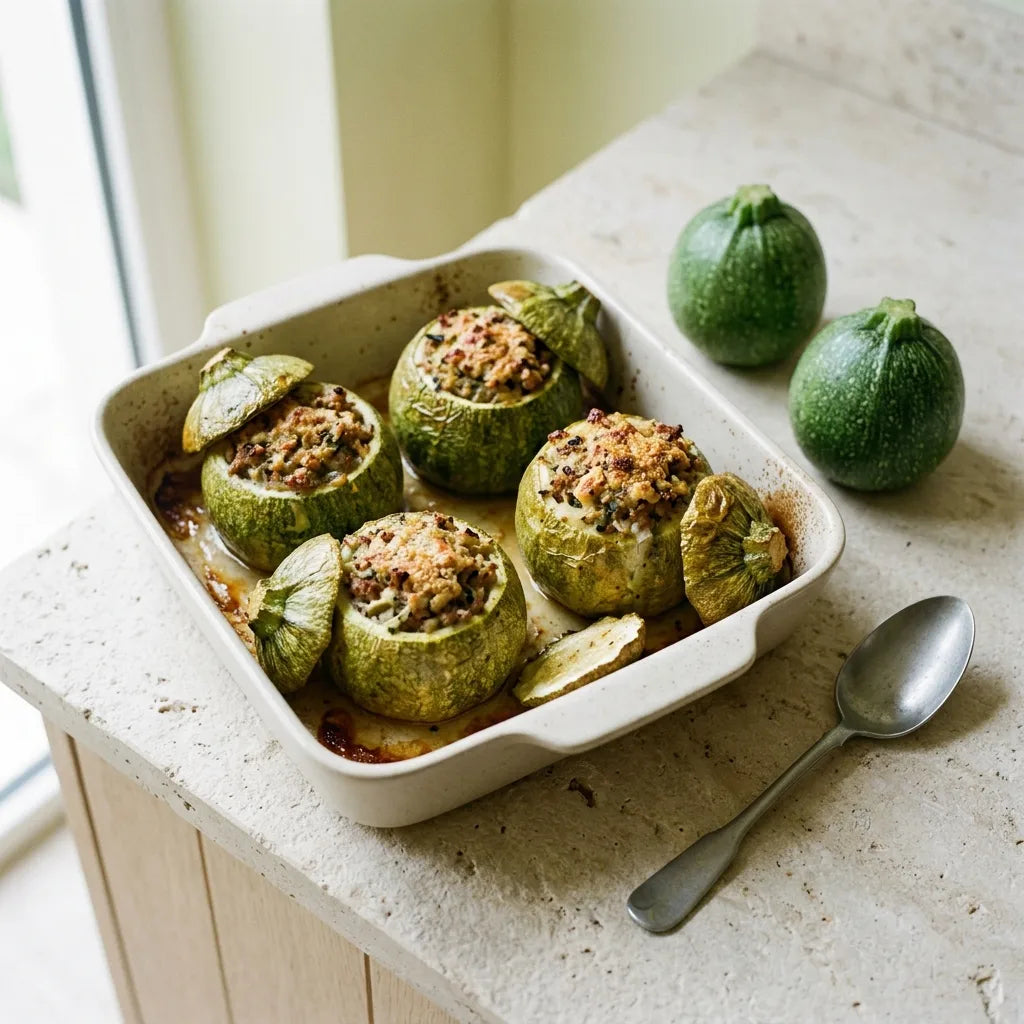
Okrągła cukinia, cukinia nicejska o okrągłych owocach, złote jabłko: jej kulisty kształt to nie tylko ciekawostka — to cukinia stworzona do faszerowania. Podczas gdy długą cukinię trzeba wydrążyć, tworząc łódeczkę, tę wystarczy odkryć jak mały kapelusz i wypełnić w całości.
Charakterystyka:
-
Kulisty kształt: idealna do faszerowania, zbierana, gdy osiąga rozmiar piłki tenisowej.
-
Odmiana dawna: tradycyjna dla południa Francji, nadaje się do reprodukcji.
-
Bardzo plenna: łatwa w uprawie, odpowiednia zarówno dla początkujących, jak i doświadczonych ogrodników.
-
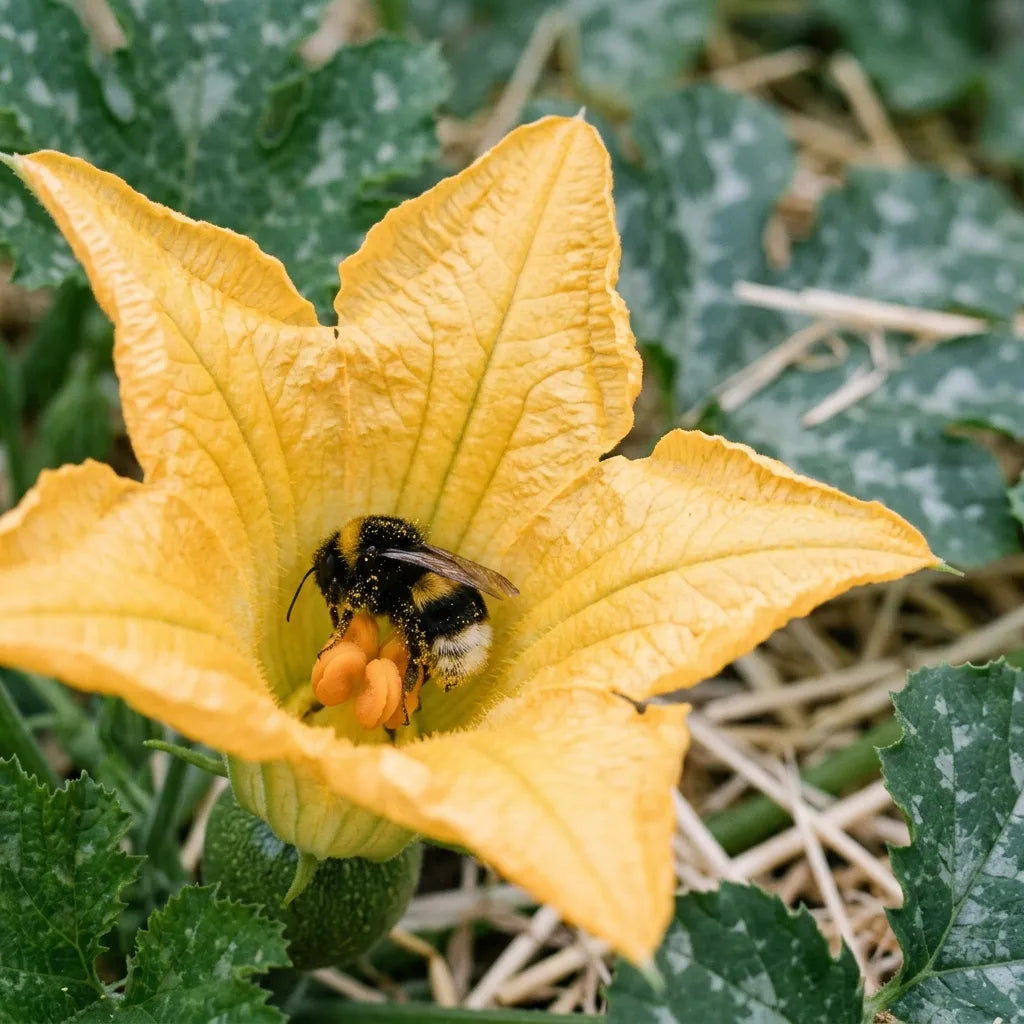
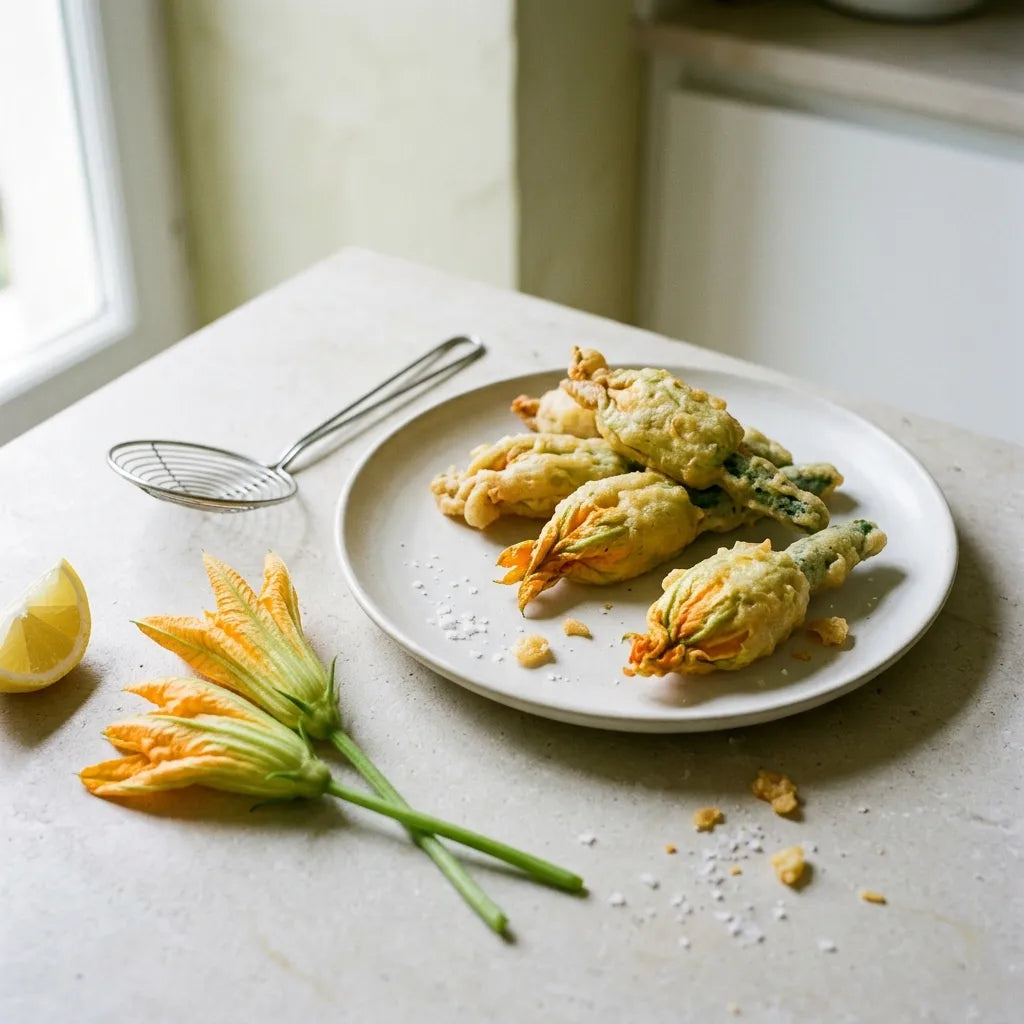
Jadalne kwiaty: wyśmienite w cieście.
Środki ostrożności:
- Jak u wszystkich dyniowatych, owoc o bardzo gorzkim smaku może zawierać kukurbitacyny, które podrażniają układ pokarmowy. Zawsze spróbujcie małego kawałka na surowo: jeśli gorycz jest wyraźna, wyrzućcie cały owoc.
Wskazówki dotyczące siewu:
-
Stanowisko: ciepłe i w pełnym słońcu.
-
Gleba: lekka, dobrze przepuszczalna i bardzo bogata w próchnicę. Obfite dodanie dojrzałego kompostu ma kluczowe znaczenie: to roślina o bardzo dużych wymaganiach pokarmowych. Nie toleruje zastojów wody przy szyjce korzeniowej.
-
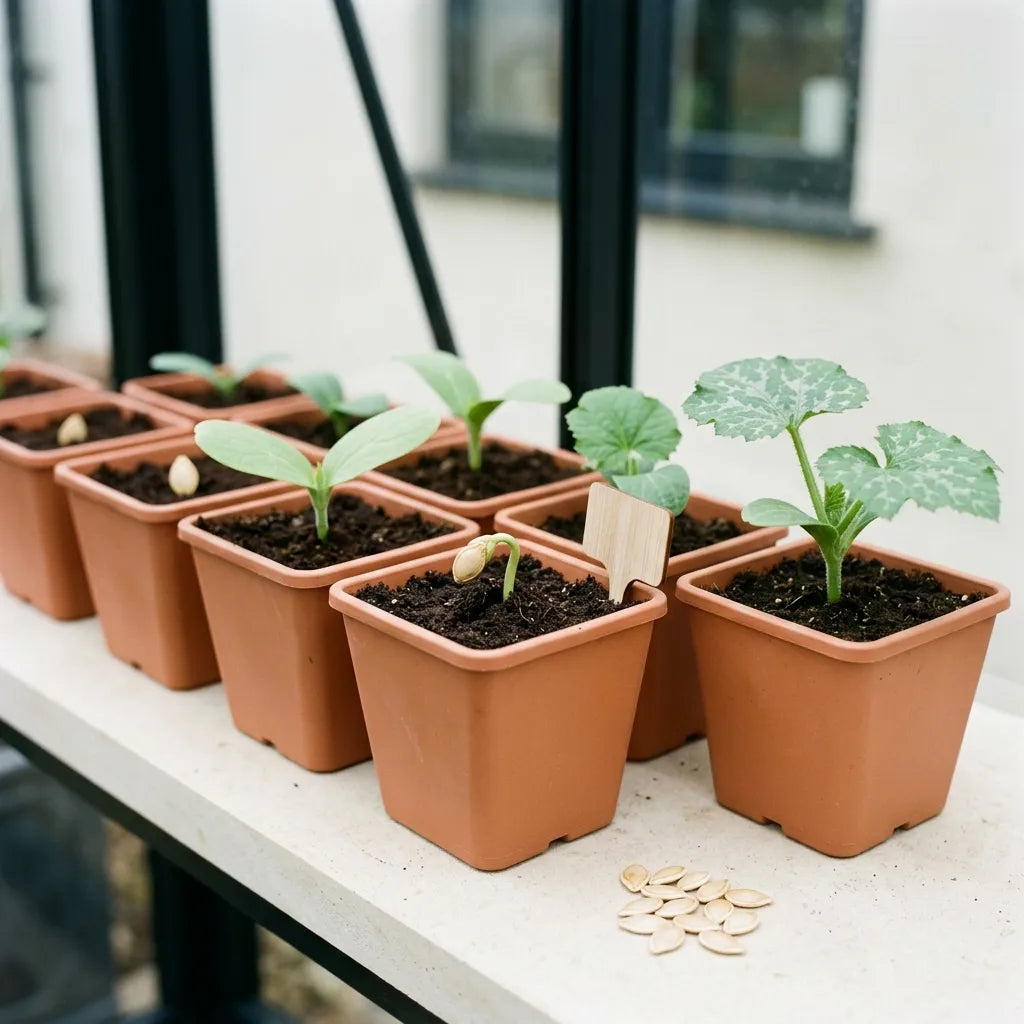
Metoda: od kwietnia wysiewajcie do doniczek pod osłonami, w temperaturze 20°C, lub bezpośrednio do gruntu po ostatnich przymrozkach, na głębokość 2–3 cm, układając nasiona na krawędzi. Zobaczcie, jak wysiewać nasiona.
Wskazówki dotyczące sadzenia:
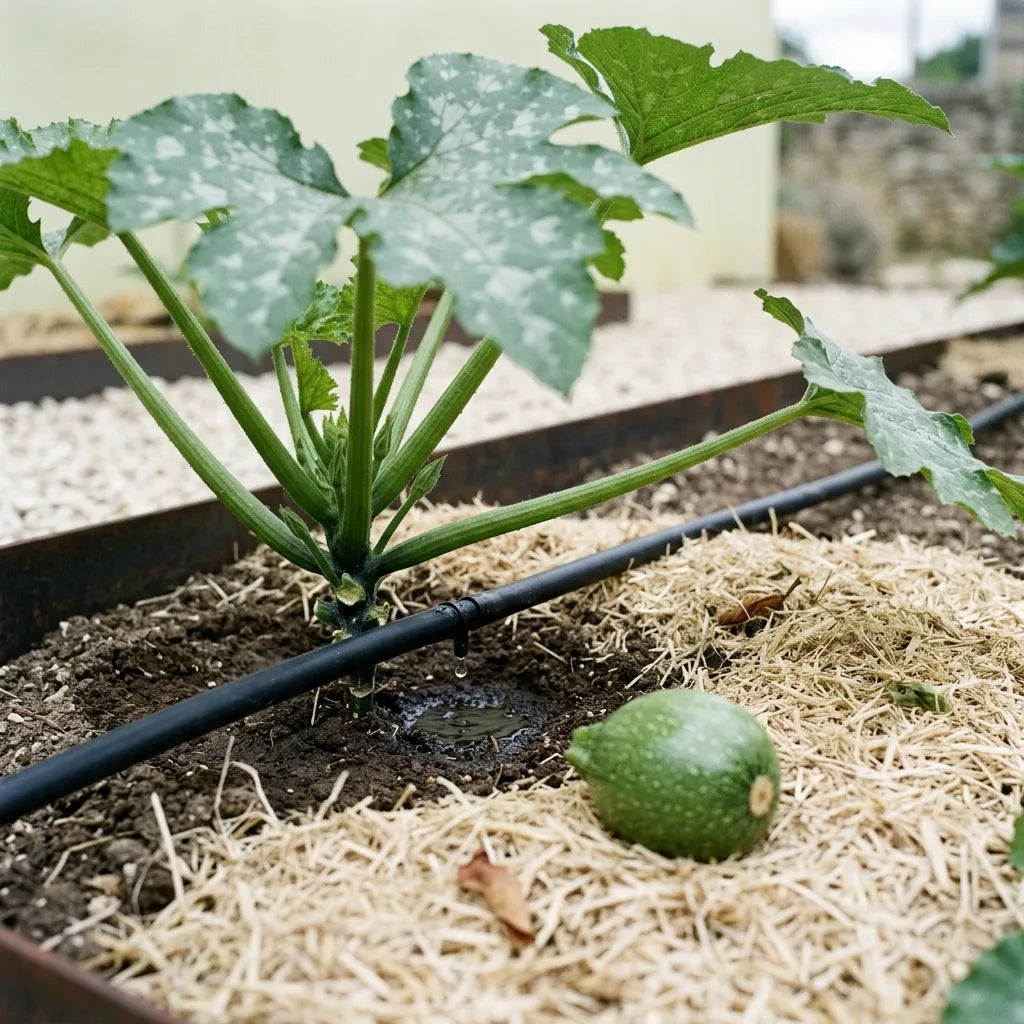
- Przesadzajcie po przymrozkach, zachowując odstępy co 1 metr. Ściółkujcie grubą warstwą, aby utrzymać wilgoć i chronić owoce przed zabrudzeniem.
Wskazówki dotyczące pielęgnacji:
- Podlewajcie obficie przy nasadzie rośliny, nie mocząc liści — w ten sposób rozprzestrzenia się mączniak.
- Obficie ściółkujcie: cukinia potrzebuje dużo wody, podobnie jak kompostu.
Wskazówki dotyczące zbioru:
- Zbierajcie, gdy owoce osiągną rozmiar piłki tenisowej, czyli około 10 cm średnicy. Większe owoce wypełniają się nasionami, a ich miąższ staje się watowaty — to typowa wada tego kształtu.
- Zbierajcie bardzo regularnie: każdy owoc pozostawiony na roślinie hamuje produkcję kolejnych.
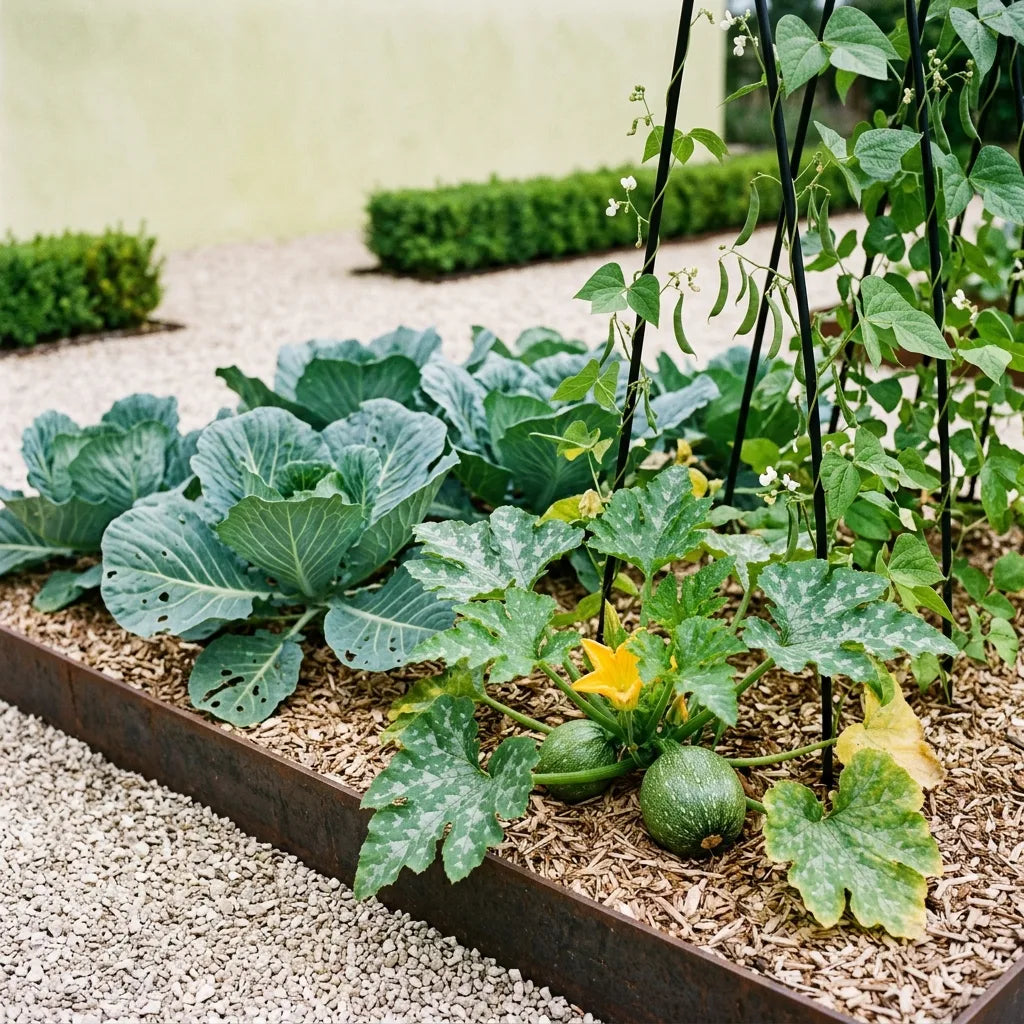
Korzystne sąsiedztwo:
Znaczenie dla bioróżnorodności:
- Jej duże żółte kwiaty są, zwłaszcza wczesnym rankiem, obfitym źródłem pyłku i nektaru dla pszczół oraz trzmieli.
- Rozłożyste liście okrywają glebę, ograniczają rozwój chwastów i zapewniają schronienie pożytecznej mikrofaunie.
Zastosowanie:
- Faszerowana i pieczona — do tego przede wszystkim służy. Jest również wyśmienita w zapiekankach, smażona lub na surowo w sałatce, gdy jest bardzo młoda. Kwiaty można przyrządzać w cieście.
Zbiór własnych nasion:
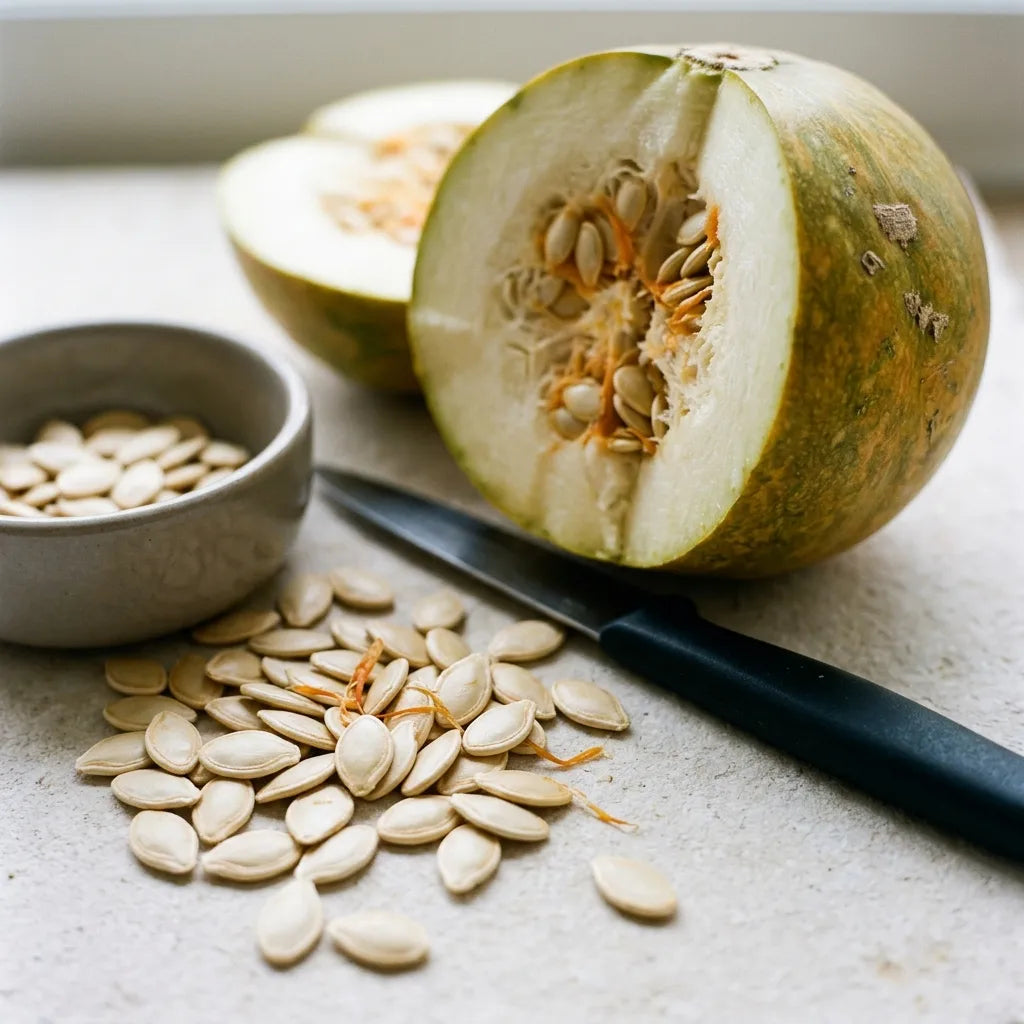
Pozostawcie jeden owoc, aż urośnie i skórka całkowicie stwardnieje, następnie wyjmijcie nasiona, opłuczcie je i wysuszcie na płasko. Uwaga: odmiany Cucurbita pepo bardzo łatwo krzyżują się między sobą — odizolujcie roślinę nasienną od innych cukinii i dyń ozdobnych. Zobaczcie, jak przechowywać własne nasiona.
Nasze zobowiązanie do jakości: w SemiSauvage - Permaculture uprawiamy i wybieramy nasze nasiona, kierując się szacunkiem dla żywego świata. Działamy w pobliżu wulkanów Owernii i wybieramy odmiany nadające się do reprodukcji, niehybrydowe, testowane pod kątem zdolności kiełkowania, starannie sortowane i pakowane, bez żadnych zabiegów chemicznych. Wierzymy, że należy przywrócić ogrodnikom możliwość ponownego wysiewania, rok po roku, nasion, które naprawdę do nich należą.
Cukinia stworzona do faszerowania.