Papaver rhoeas « Ladybird »
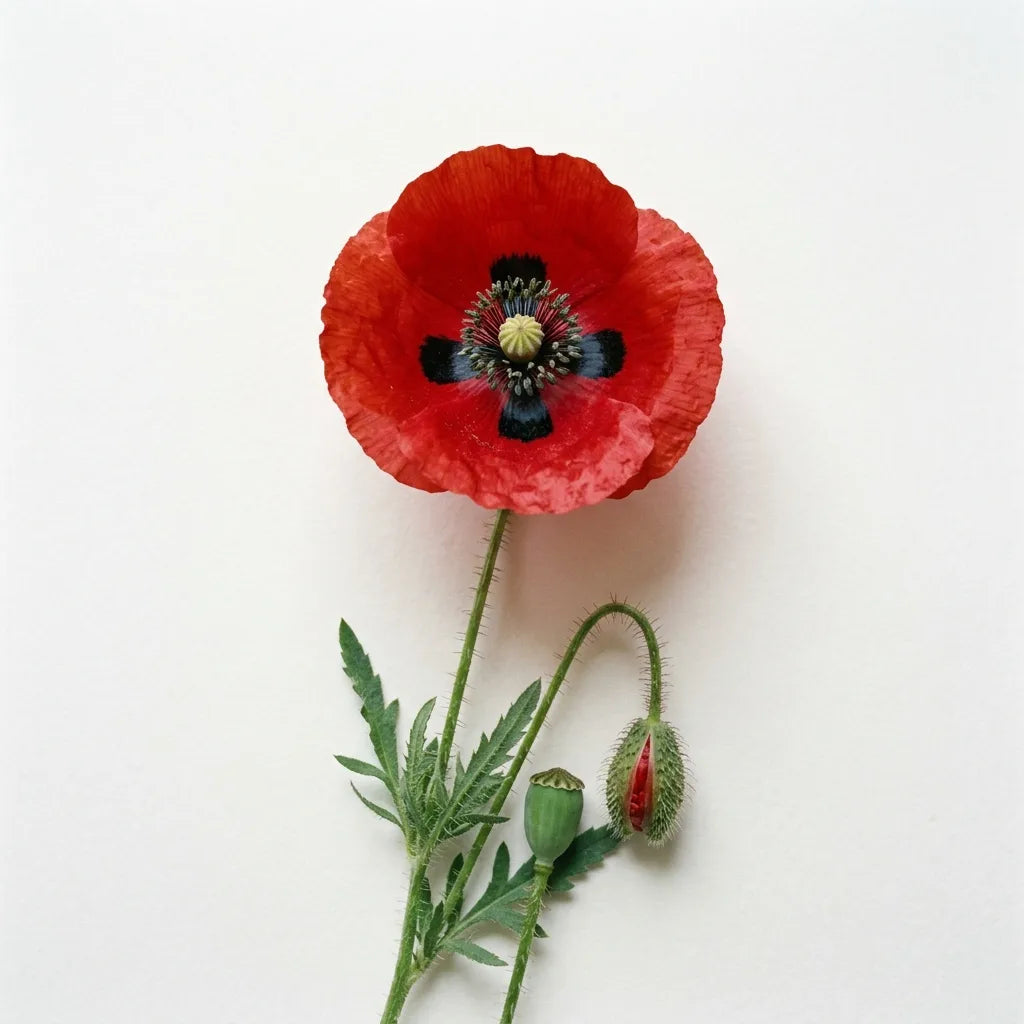
Mak Ladybird: ta ogrodnicza odmiana dzikiego maku zawdzięcza swoją nazwę dużym, jaskrawoczerwonym koronom nakrapianym u nasady szerokimi czarnymi plamami, przypominającymi pokrywy skrzydeł biedronki. Kontrast jest zachwycający, zwłaszcza gdy wysieje się go masowo: efekt przypomina dywan owadów unoszących się tuż nad łodygami.
Charakterystyka:
-
Kontrastowe kwiaty: duże, jedwabiste korony w intensywnie czerwonym kolorze, z wyraźnymi czarnymi plamami.
-
Długie kwitnienie: rozłożenie siewów od lutego do lipca pozwala cieszyć się kwitnieniem od czerwca do września.
-
Efekt masowy: wysiany na większej powierzchni tworzy wyjątkowo graficzne widowisko.
Środki ostrożności:
- Jak wszystkie maki, roślina zawiera niewielkie ilości alkaloidów: należy unikać jej spożywania, zwłaszcza przez małe dzieci i zwierzęta domowe.
Wskazówki dotyczące siewu:
-
Stanowisko: pełne słońce, bez kompromisów, w otwartym miejscu.
-
Gleba: zwykła do ubogiej, lekka i przede wszystkim dobrze przepuszczalna, nawet kamienista lub wapienna. Roślina nie toleruje ciężkich, podmokłych gleb. Nie nawozić: zbyt żyzna gleba sprzyja rozwojowi liści kosztem kwiatów, a łodygi się pokładają.
-
Metoda: wysiewać bezpośrednio na miejsce, ponieważ korzeń palowy nie znosi przesadzania — unikać wysiewania do doniczek. Wykonywać siewy co dwa tygodnie, od lutego do lipca, ledwie przykrywając bardzo drobne nasiona i lekko ugniatając podłoże. Nie jest wymagane moczenie nasion. Zobacz jak wysiewać nasiona.
Wskazówki dotyczące pielęgnacji:
- Podlewać lekko do momentu wschodów, później prawie wcale. Jeśli siew jest zbyt gęsty, przerzedzić rośliny do rozstawy 20–25 cm.
Korzystne zestawienia:
Znaczenie dla bioróżnorodności:
- Jak wszystkie maki, nie wytwarza nektaru, ale dostarcza bardzo dużych ilości pyłku, chętnie zbieranego od wczesnego ranka przez pszczoły i bzygi.
- Rozłożenie siewów pozwala zapewnić zasoby przez cały ciepły sezon, co stanowi dużą korzyść dla zapylaczy. Zobacz jak łączyć kwiaty z warzywnikiem.
Zbiór własnych nasion:
Pozostawić torebki nasienne na roślinie, aż zbrązowieją i wyschną, a następnie otworzą się u góry małymi szczelinami. Potem potrząsnąć nimi nad woreczkiem, jak solniczką. Warto pamiętać: jako odmiana ogrodnicza, w kolejnych pokoleniach może dawać rośliny o mniej wyraźnym kontraście, szczególnie w pobliżu dzikich maków. Zobacz jak przechowywać nasiona.
Zaangażowanie w jakość: w SemiSauvage - Permaculture uprawiamy i selekcjonujemy nasze nasiona, kierując się szacunkiem dla żywej przyrody. Działamy w pobliżu wulkanów Owernii, wybieramy odmiany powtarzalne i niehybrydowe, testowane pod kątem zdolności kiełkowania, starannie sortowane i pakowane, bez żadnych zabiegów chemicznych. Nasza idea: przywrócić ogrodnikom możliwość ponownego wysiewania, rok po roku, nasion, które naprawdę do nich należą.
Dodaj swojemu ogrodowi odrobinę koloru i radości dzięki tym nasionom maku Ladybird.