Hypericum androsaemum
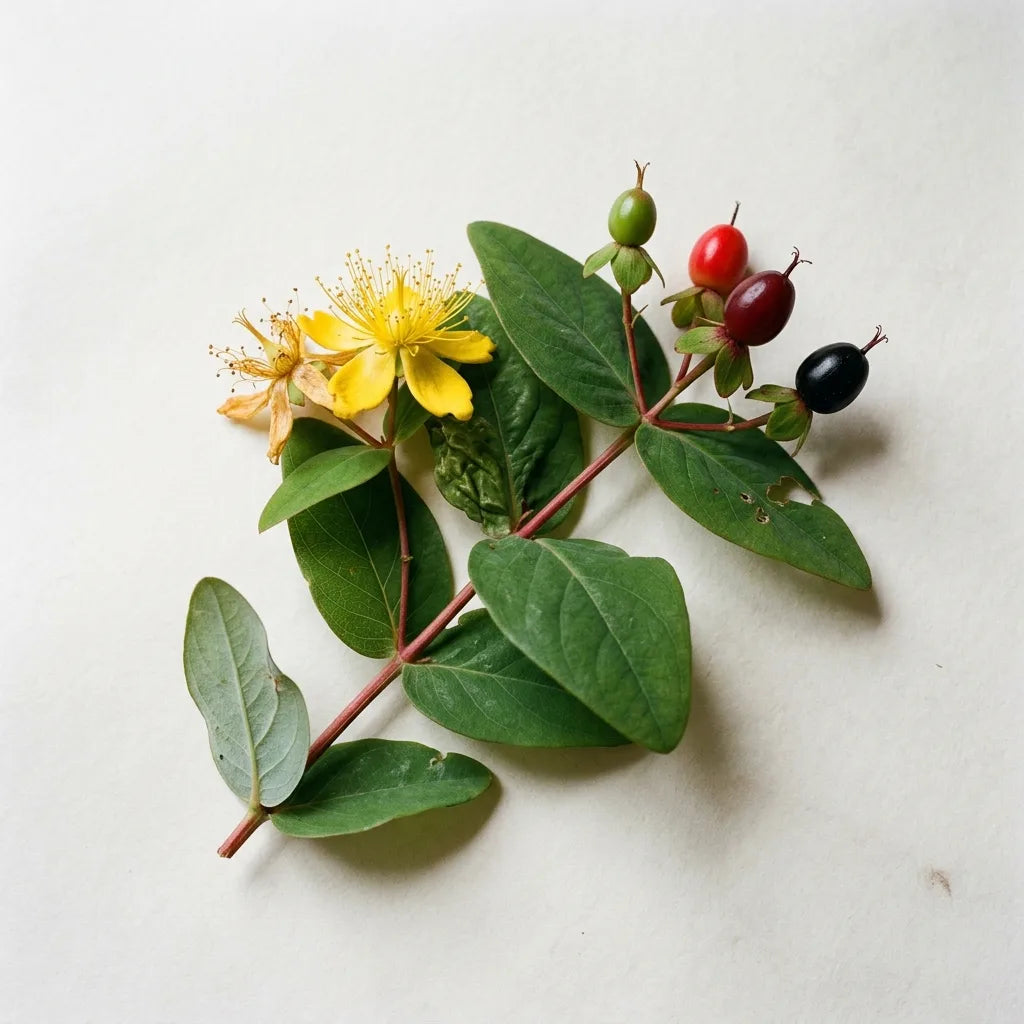
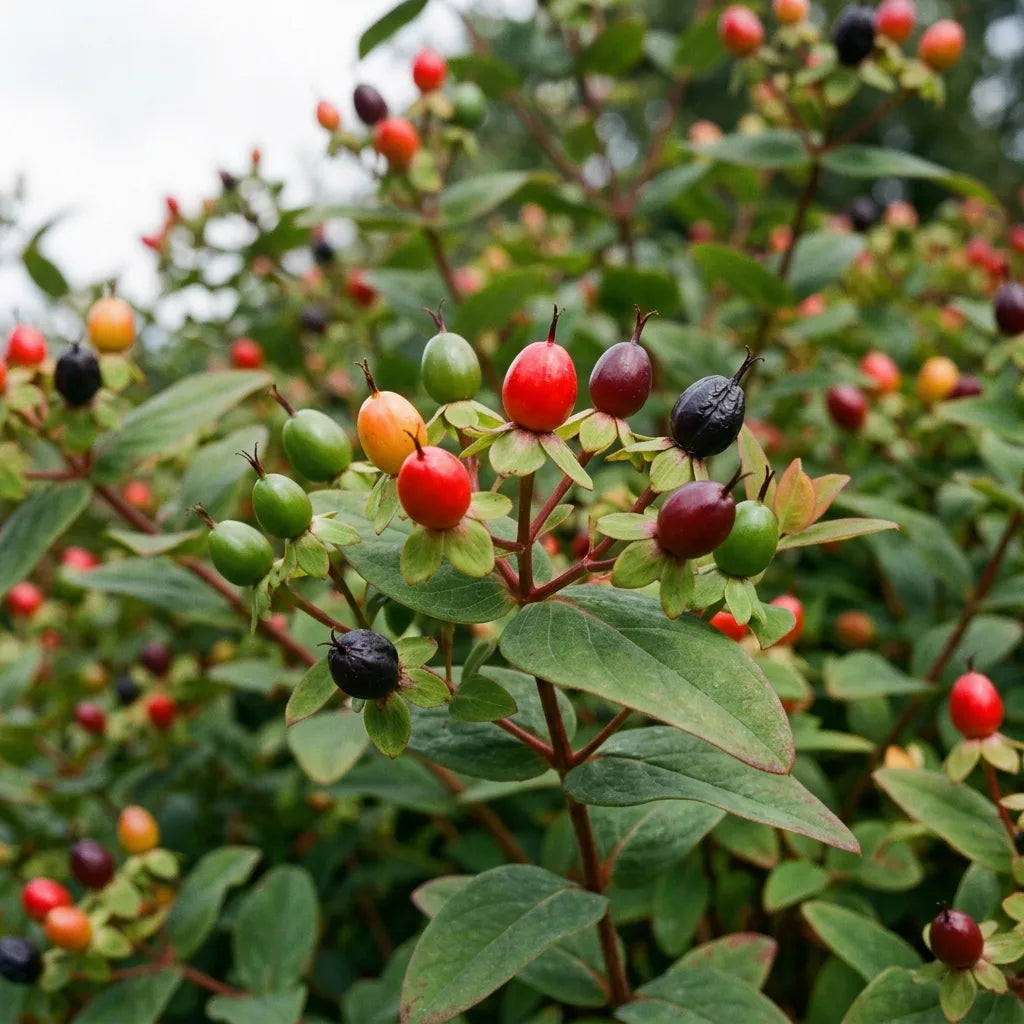
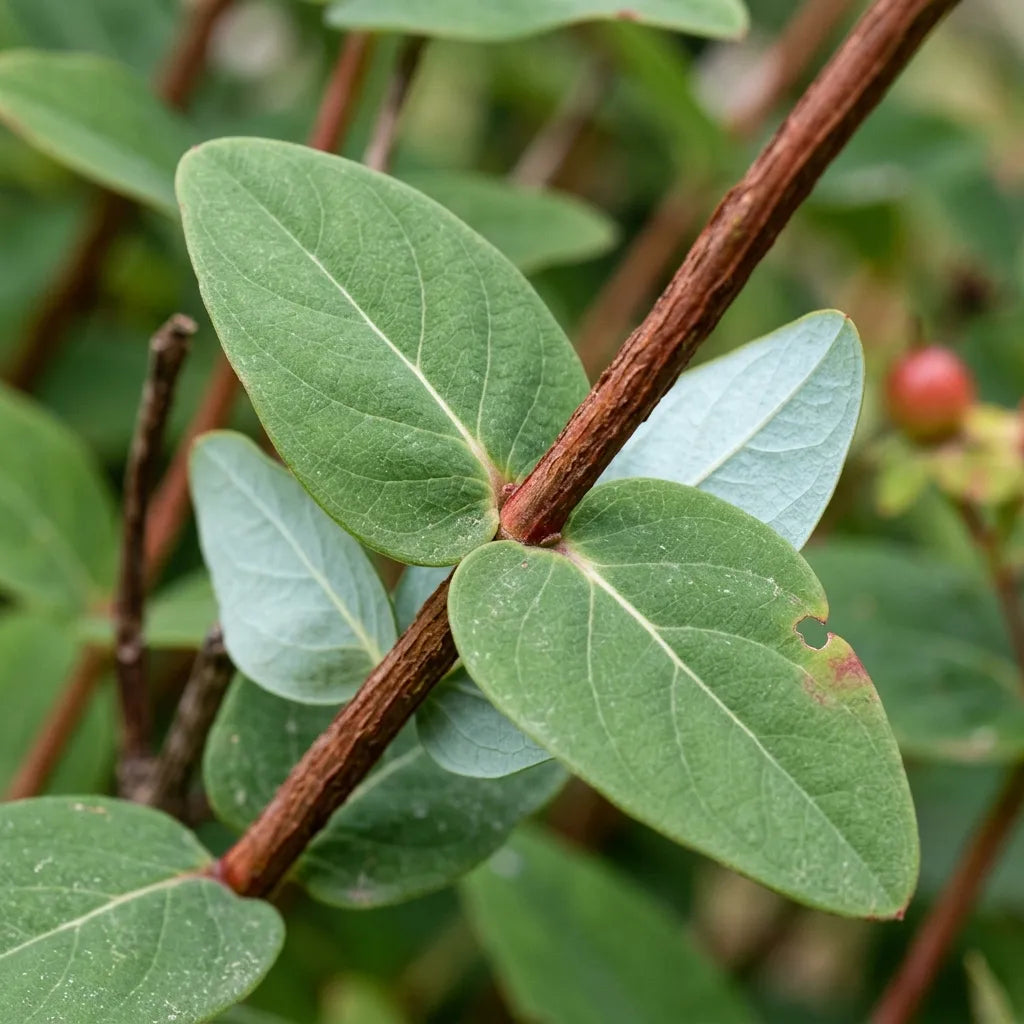
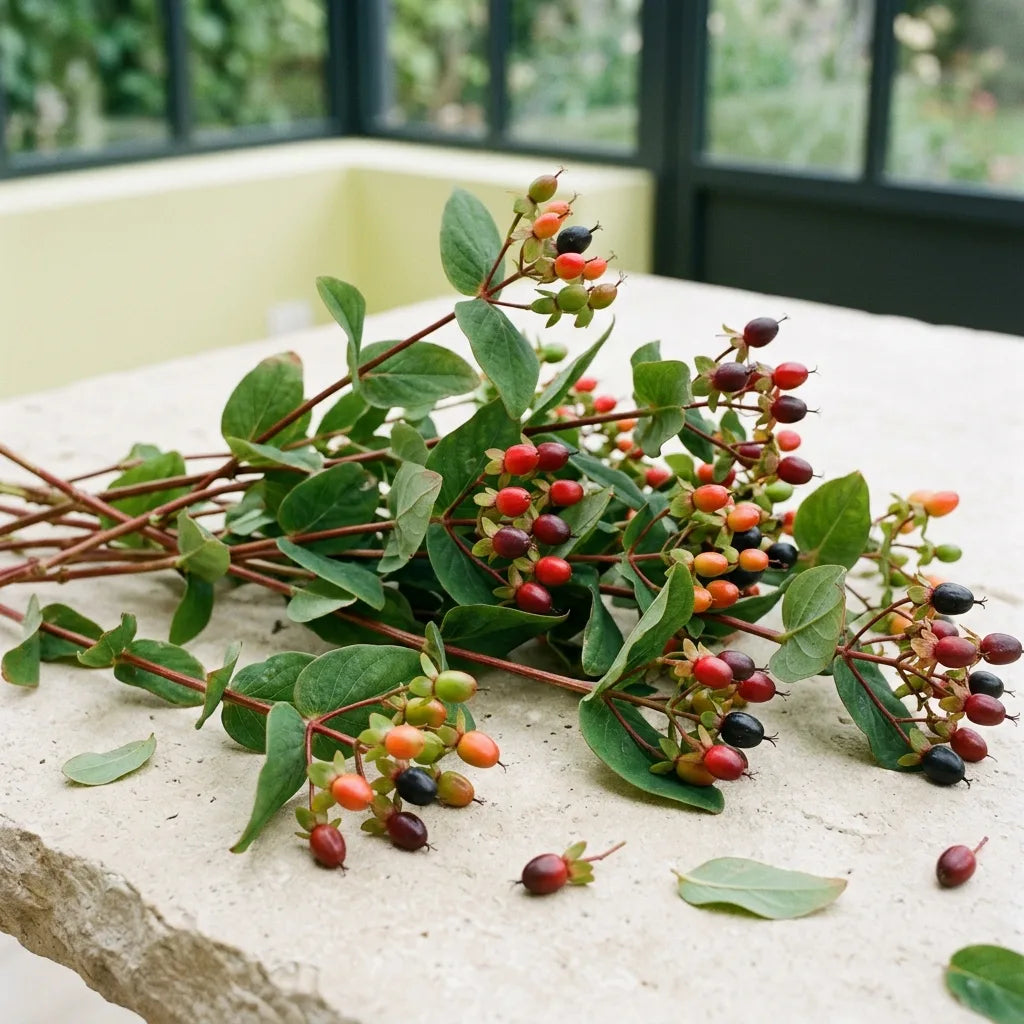
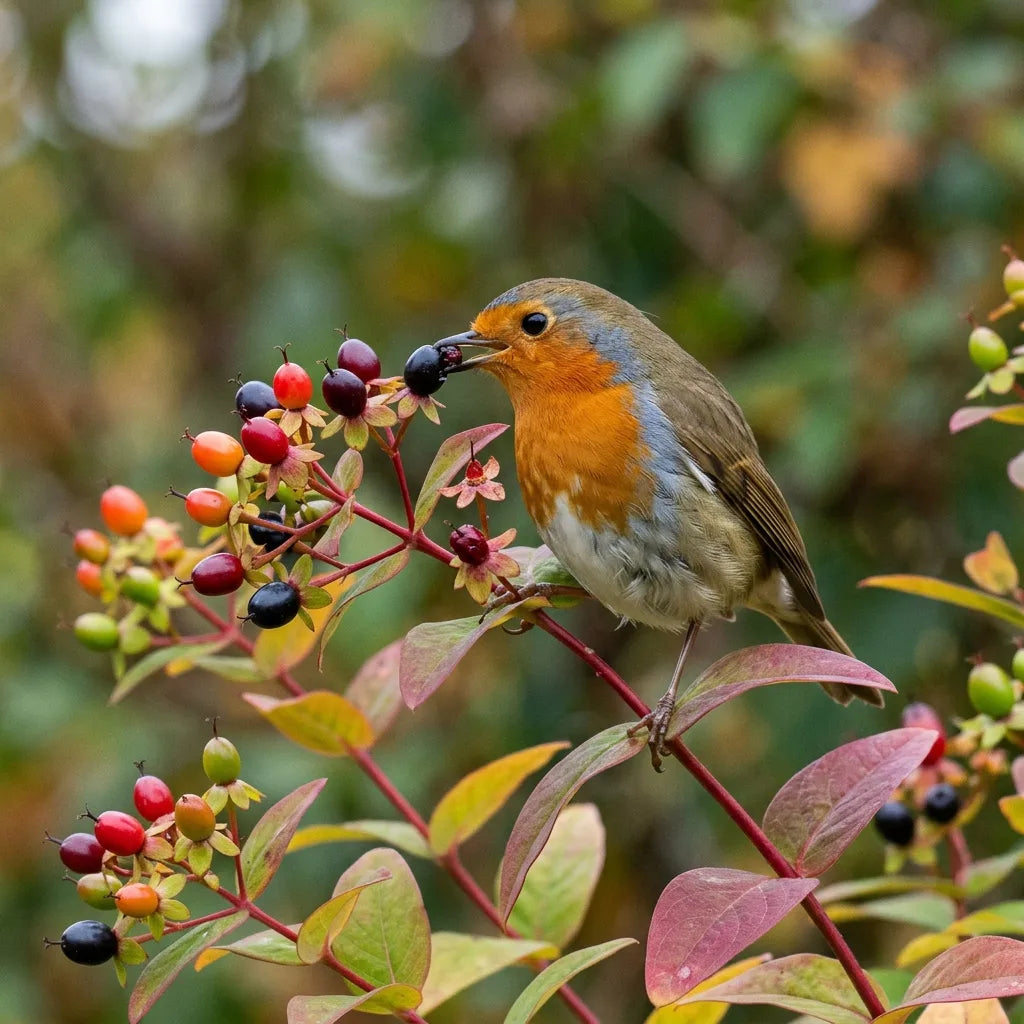
Dziurawiec androsème, dziurawiec leczniczy, „wszystkozdrowy”, ziele krwiste: nie należy go mylić z dziurawcem zwyczajnym, jego zielnym kuzynem. Ten gatunek to rozłożysty krzew, którego największą ozdobą jest jesień — jego jagody przechodzą kolejno z zielonego w intensywnie czerwony, a następnie w lśniąco czarny kolor; często wszystkie te barwy występują jednocześnie na jednej gałązce.
Charakterystyka:
-
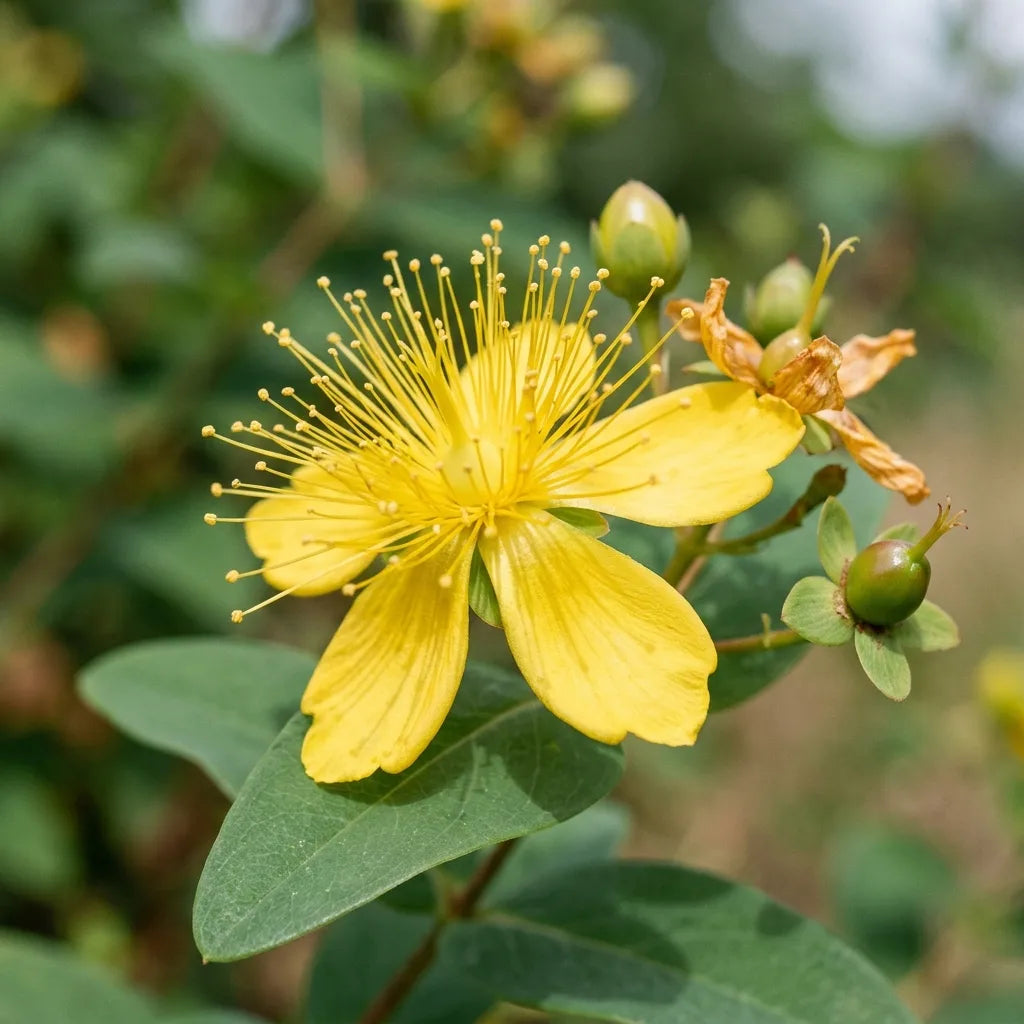
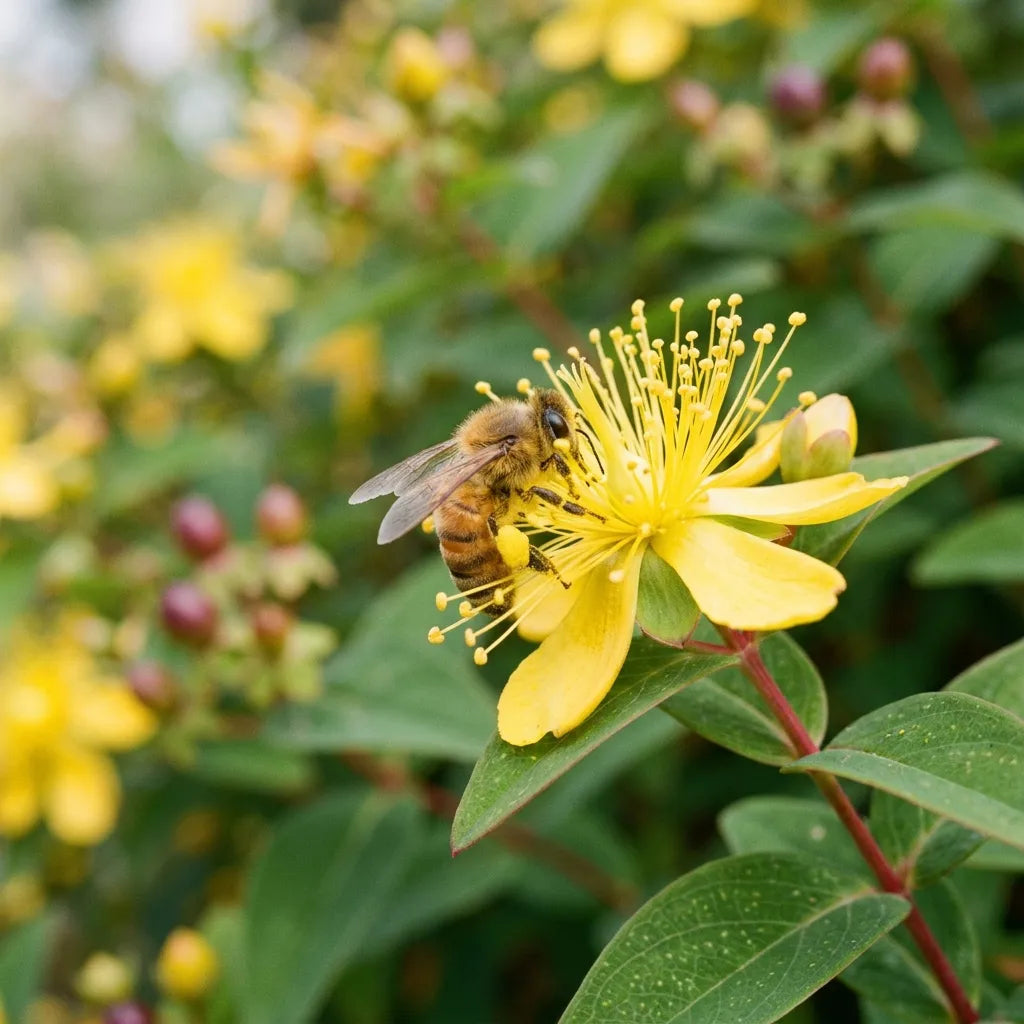
Podwójna atrakcyjność sezonowa: długie kwitnienie w intensywnie żółtym kolorze od czerwca do września, a następnie ozdobne czerwone owoce przebarwiające się na czarno.
-
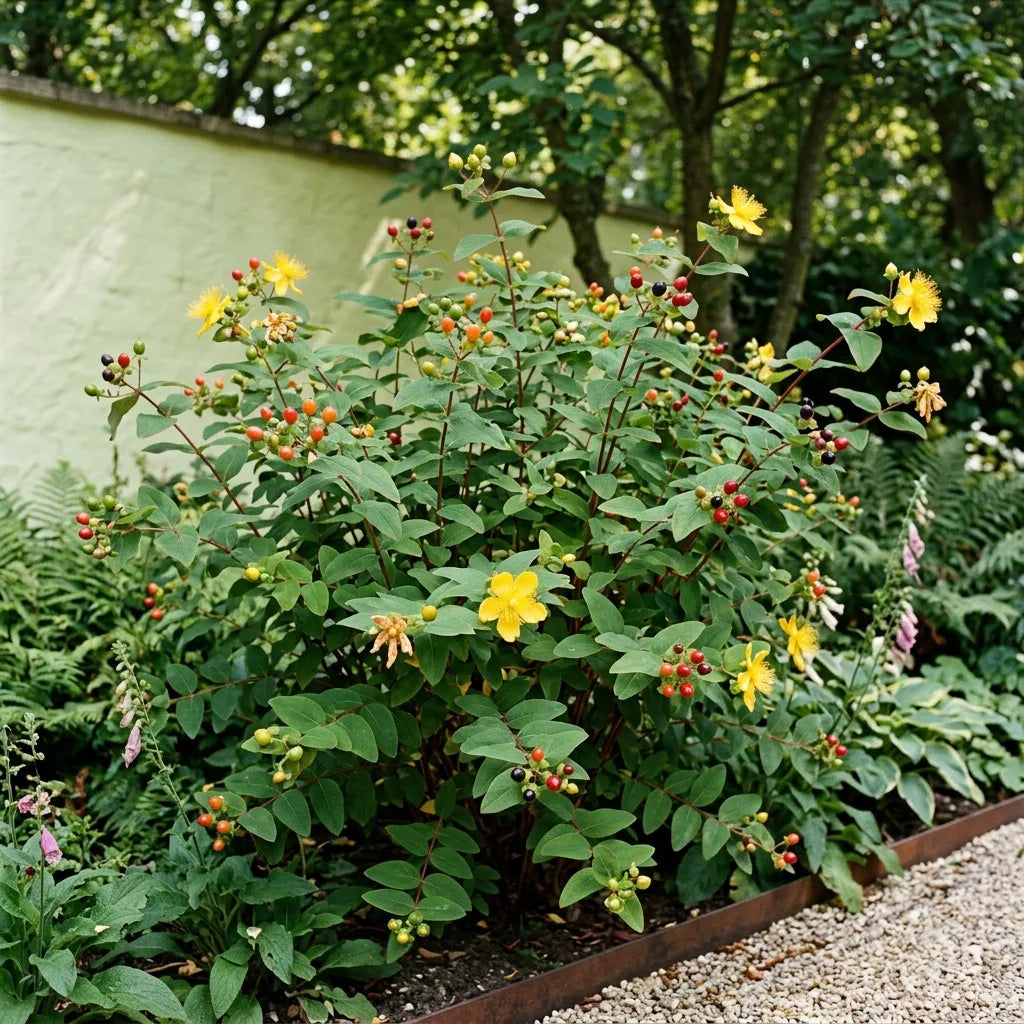
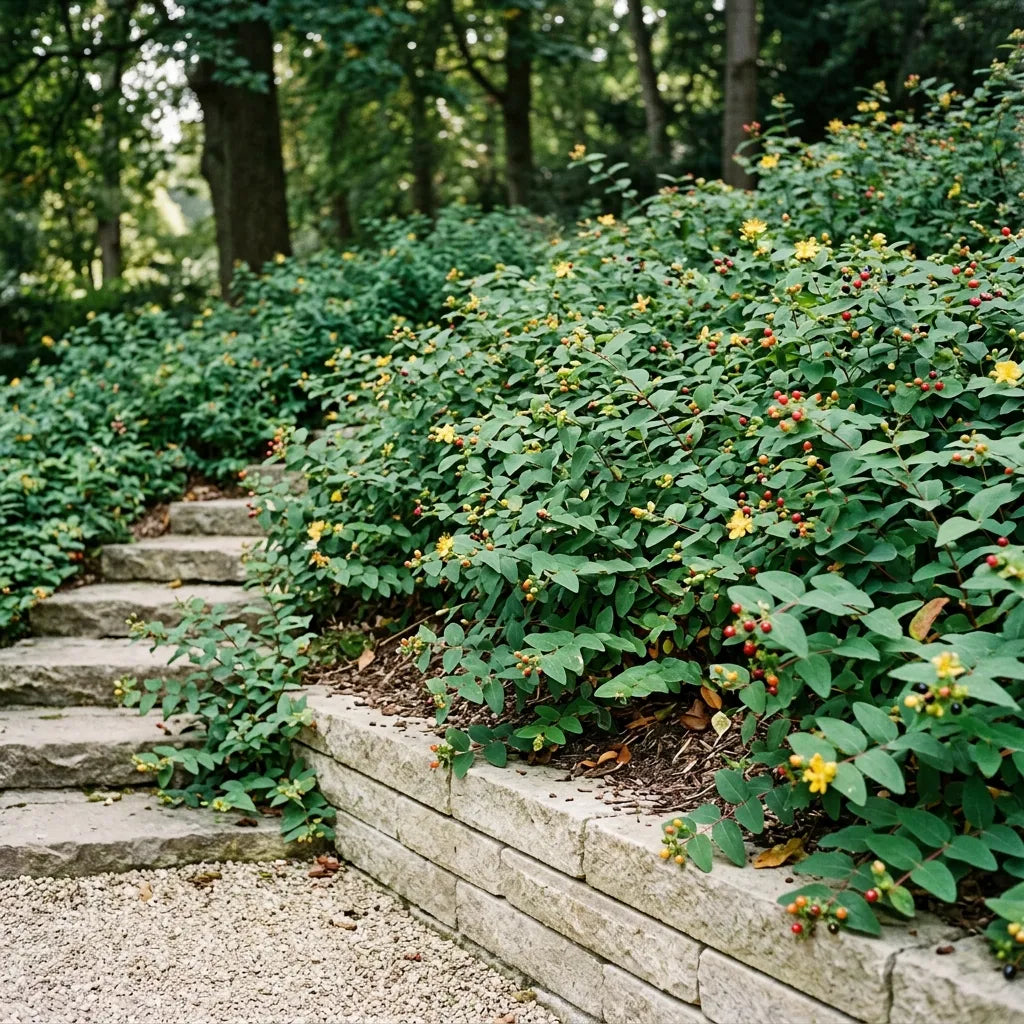
Rozłożysty krzew: osiąga około 1 m wysokości i skutecznie wypełnia trudne miejsca w ogrodzie.
-
Bardzo łatwa uprawa: przystosowuje się do każdego rodzaju gleby, zarówno w słońcu, jak i w półcieniu.
-
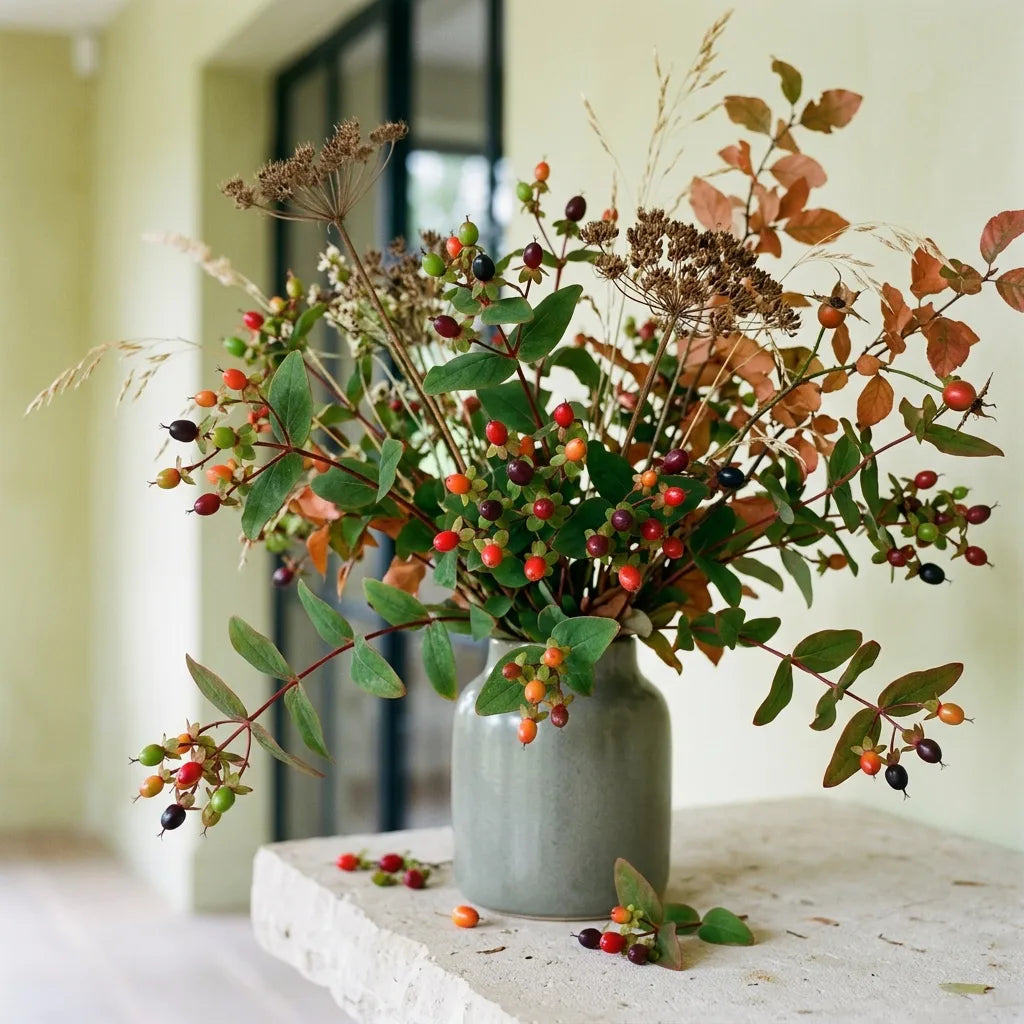
Gałązki do bukietów: jego łodygi obciążone owocami robią wrażenie w jesiennych kompozycjach.
Środki ostrożności:
- Jego ozdobnych jagód nie należy spożywać: przeznacz je do bukietów. Przechowuj je poza zasięgiem małych dzieci.
Wskazówki dotyczące wysiewu:
-
Stanowisko: pełne słońce lub półcień — dobrze znosi także lekki cień, co jest rzadką i cenną cechą kwitnącego krzewu.
-
Gleba: każdy rodzaj podłoża, także ubogie lub wapienne, pod warunkiem że pozostaje ono lekko wilgotne. To jedna z jego największych zalet: rośnie tam, gdzie nie wiadomo już, co posadzić.
-
Metoda: wysiewaj wiosną, na powierzchni lub tylko lekko przykrywając nasiona — są bardzo drobne i potrzebują światła do kiełkowania. Przemrożenie poprawia równomierność wschodów. Zobacz jak wysiewać nasiona.
Wskazówki dotyczące sadzenia:
- Przesadzaj w rozstawie co 60 cm, na rabatach, skarpach, w jasnym lesie lub jako roślinę okrywową u podstawy wyższych krzewów.
Wskazówki dotyczące pielęgnacji:
- Podlewaj przez pierwsze dwa lata, później roślina staje się samodzielna.
- Pod koniec zimy przytnij kępę na wysokość 20 cm nad ziemią: szybko odbije i zakwitnie na tegorocznych pędach.
Wskazówki dotyczące zbioru:
- Ścinaj owocujące gałązki pod koniec lata, gdy jagody mają jeszcze mieszankę zielonego, czerwonego i czarnego koloru: na tym etapie są najbardziej dekoracyjne w bukietach.
Korzystne połączenia:
Znaczenie dla bioróżnorodności:
- Jego żółte kwiaty z długimi pręcikami są bardzo bogate w pyłek i przez cztery miesiące kwitnienia przyciągają pszczoły oraz bzygi.
- Jesienią jego jagodami żywią się ptaki, które następnie pomagają w rozsiewaniu nasion.
- Rozłożysty pokrój chroni glebę i zapewnia schronienie mikrofaunie, także w zacienionych zakątkach ogrodu.
Zastosowanie:
- Rabaty, skarpy, zadarnianie trudnych miejsc, a przede wszystkim jesienne bukiety z owocującymi gałązkami.
- Tradycyjna roślina lecznicza — ślad tego zastosowania zachował się w jej przydomku „wszystkozdrowy”. Zobacz nasze rośliny lecznicze do wysiewu.
Zbiór własnych nasion:
Pozostaw kilka jagód do całkowitego sczernienia na krzewie, następnie rozgnieć je w niewielkiej ilości wody i wypłucz, aby oddzielić nasiona od miąższu. Przed przechowywaniem wysusz nasiona. Zobacz jak przechowywać nasiona.
Zaangażowanie w jakość: w SemiSauvage - Permaculture uprawiamy i selekcjonujemy nasze nasiona, kierując się szacunkiem dla życia. Działamy w pobliżu wulkanów Owernii i wybieramy odmiany nadające się do rozmnażania oraz niehybrydowe, testowane pod kątem zdolności kiełkowania, starannie sortowane i pakowane, bez żadnych chemicznych środków. Wierzymy, że należy przywrócić ogrodnikom możliwość ponownego wysiewania, rok po roku, nasion, które naprawdę do nich należą.
Krzew, który kwitnie przez całe lato, a jesienią wydaje owoce idealne do bukietów.