Papaver somniferum
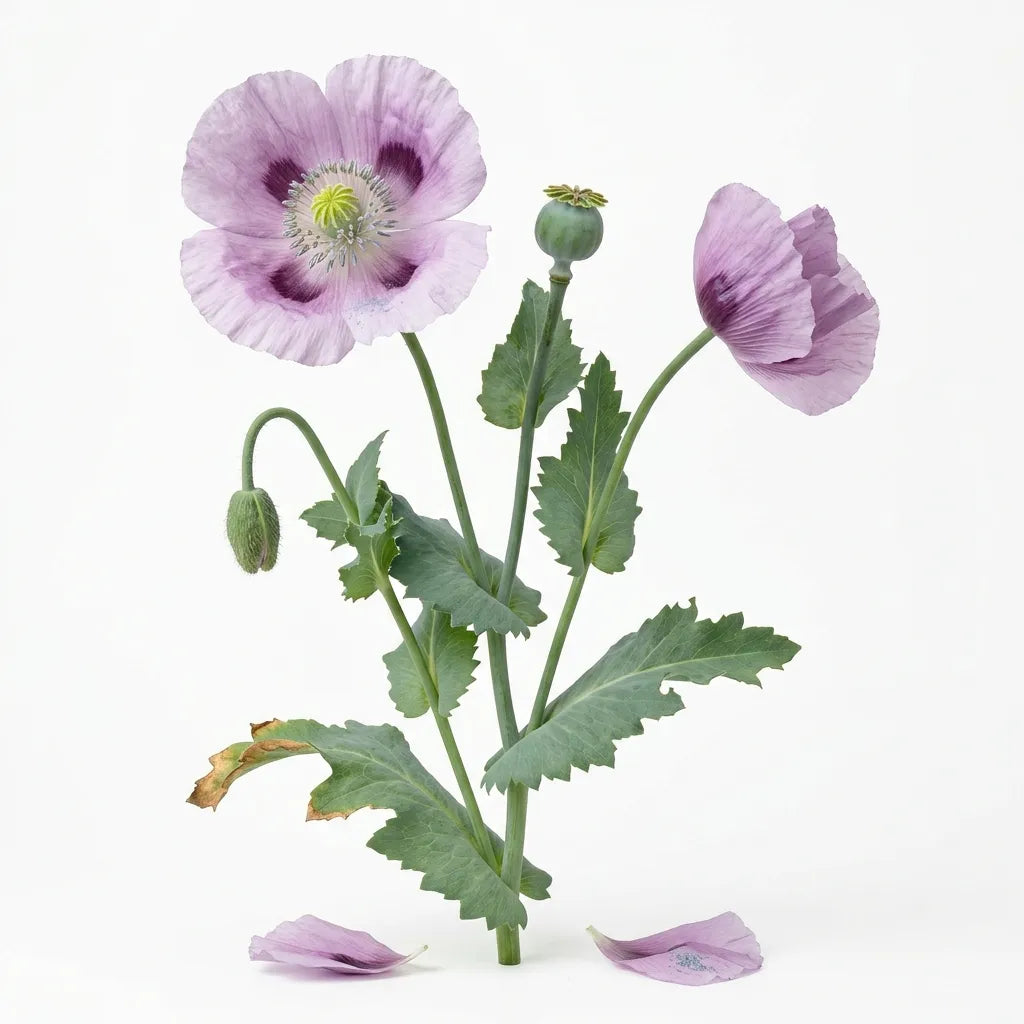
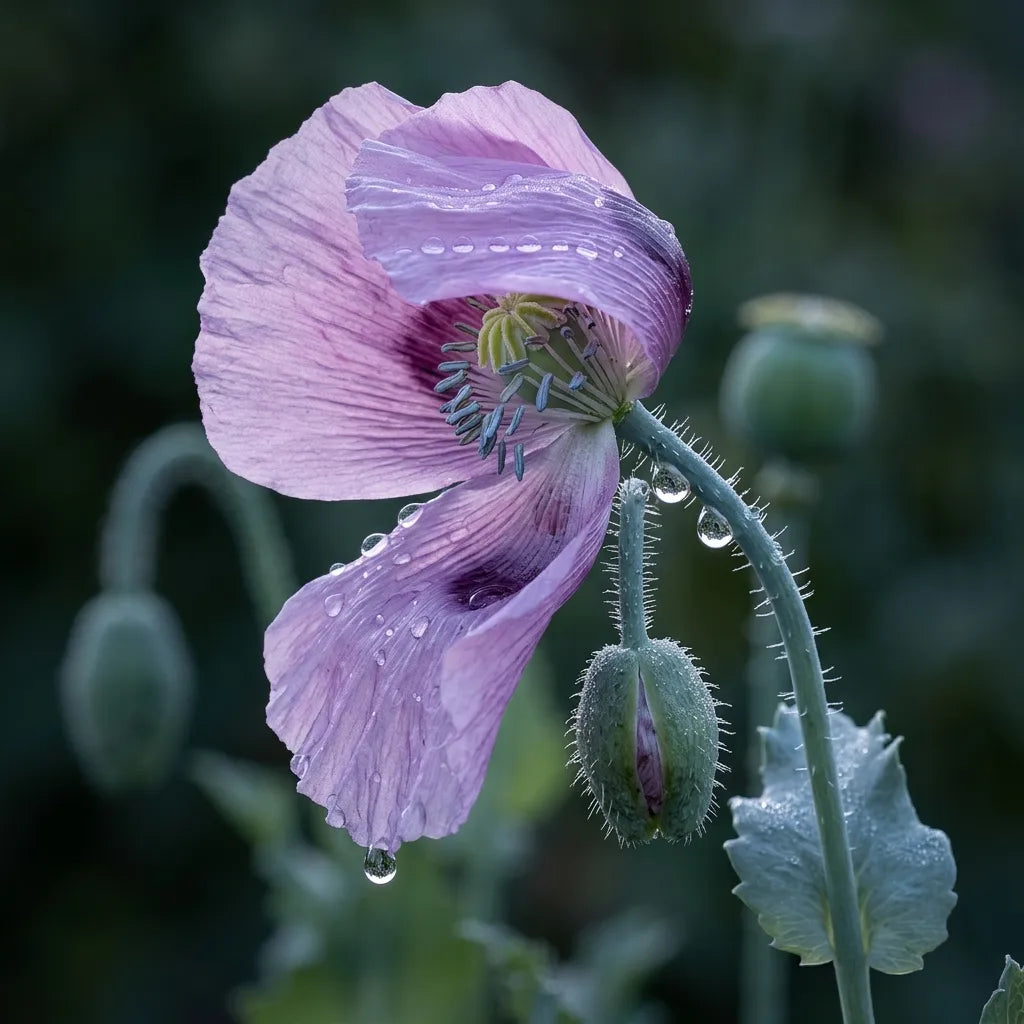
Mak lekarski, zwany makiem oleistym, gdy uprawia się go na olej: sama jego łacińska nazwa opowiada historię, ponieważ somniferum przywołuje Somnusa, rzymskiego boga snu. Uprawiany od starożytności zarówno ze względu na walory ozdobne, jak i jadalne nasiona, mak lekarski pozostaje sprawdzonym wyborem do ogrodowych rabat.
Charakterystyka:
-
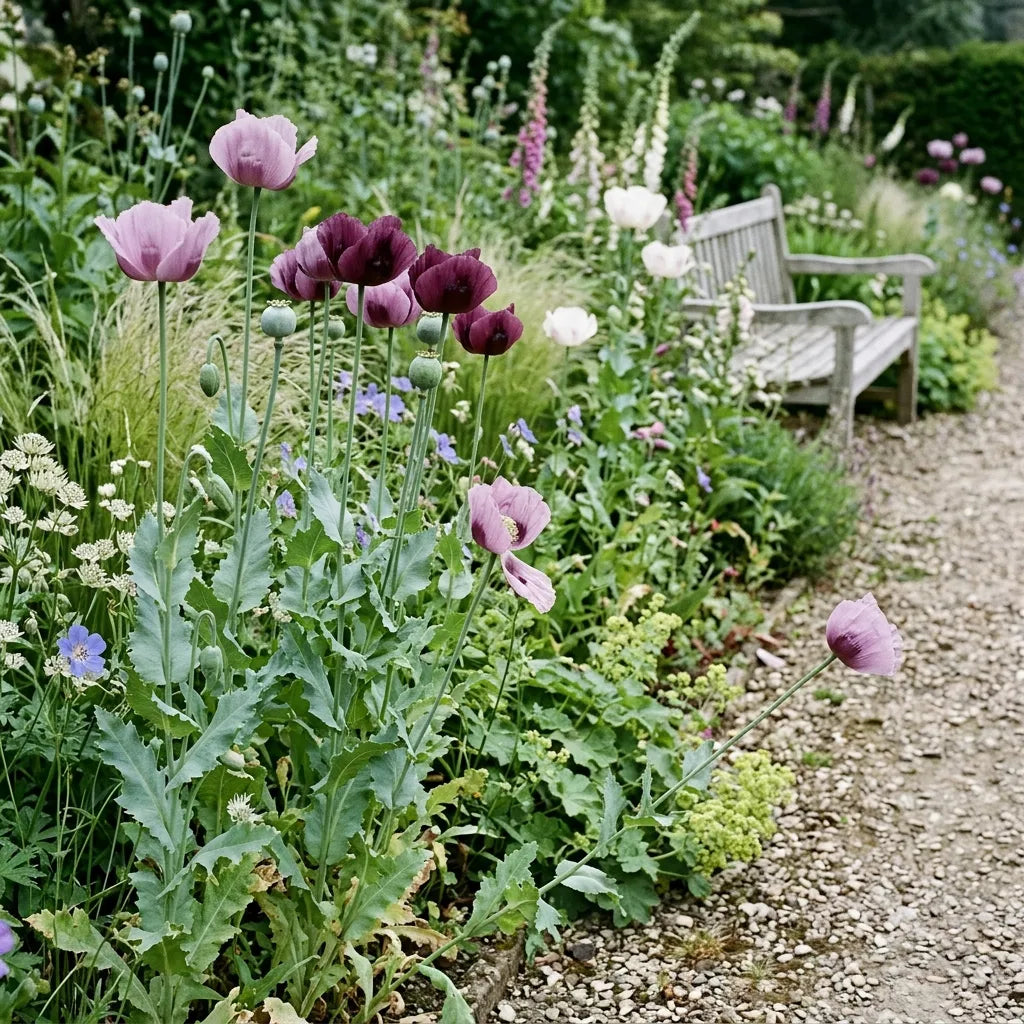
Łatwa roślina jednoroczna: wnosi lekkość na rabaty, kwietniki i obwódki, oferując duże kwiaty pojedyncze lub pełne.
-
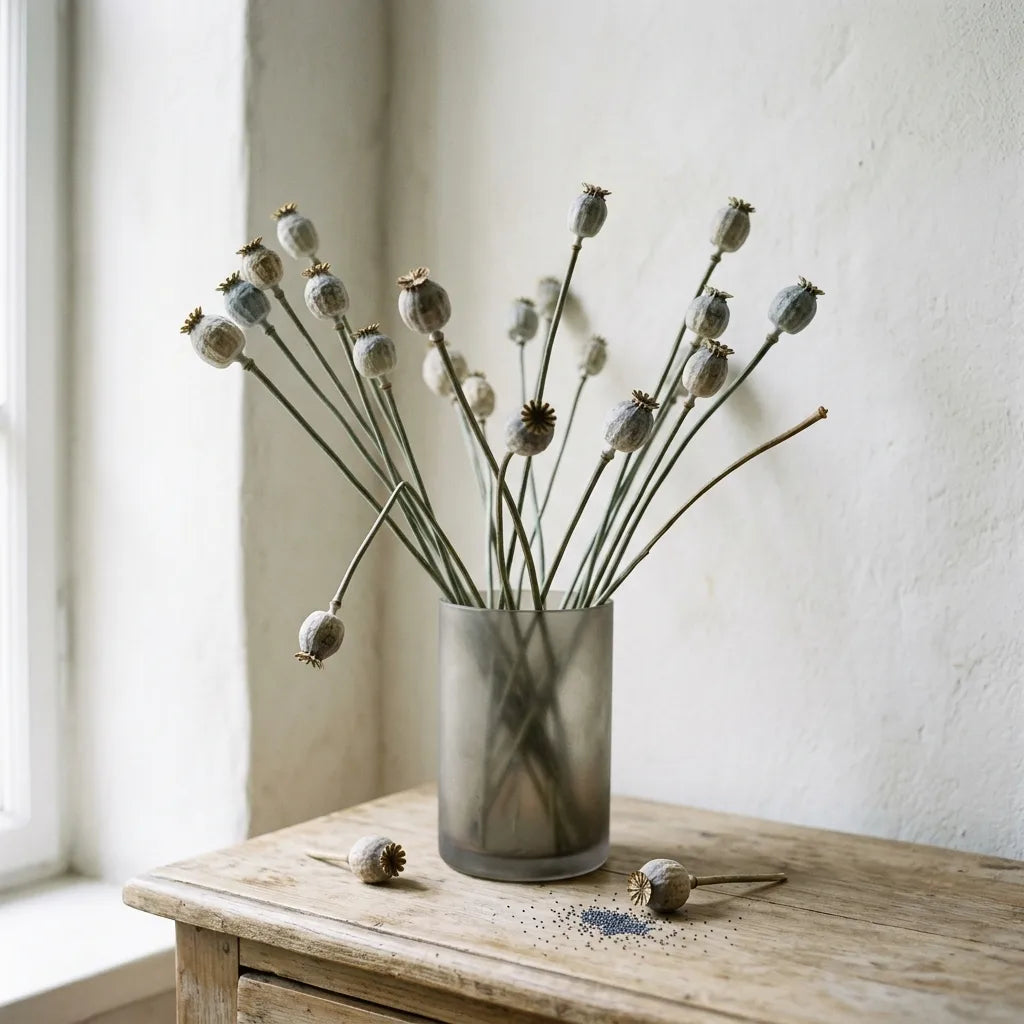
Sinozielone ulistnienie: niebieskawe liście i ozdobne makówki przedłużają atrakcyjność rośliny po kwitnieniu.
-
Elastyczny termin siewu: można ją wysiewać zarówno wiosną, jak i jesienią.
Środki ostrożności:
- Wszystkie części rośliny, a zwłaszcza lateks wypływający z naciętej, niedojrzałej makówki, zawierają alkaloidy: należy trzymać roślinę poza zasięgiem dzieci i zwierząt domowych. We Francji ozdobna uprawa maku lekarskiego w ogrodzie amatorskim jest dozwolona, jednak pozyskiwanie i przetwarzanie lateksu w celach narkotycznych jest surowo zabronione przez prawo.
Wskazówki dotyczące siewu:
-
Stanowisko: pełne słońce, niezbędne do obfitego kwitnienia.
-
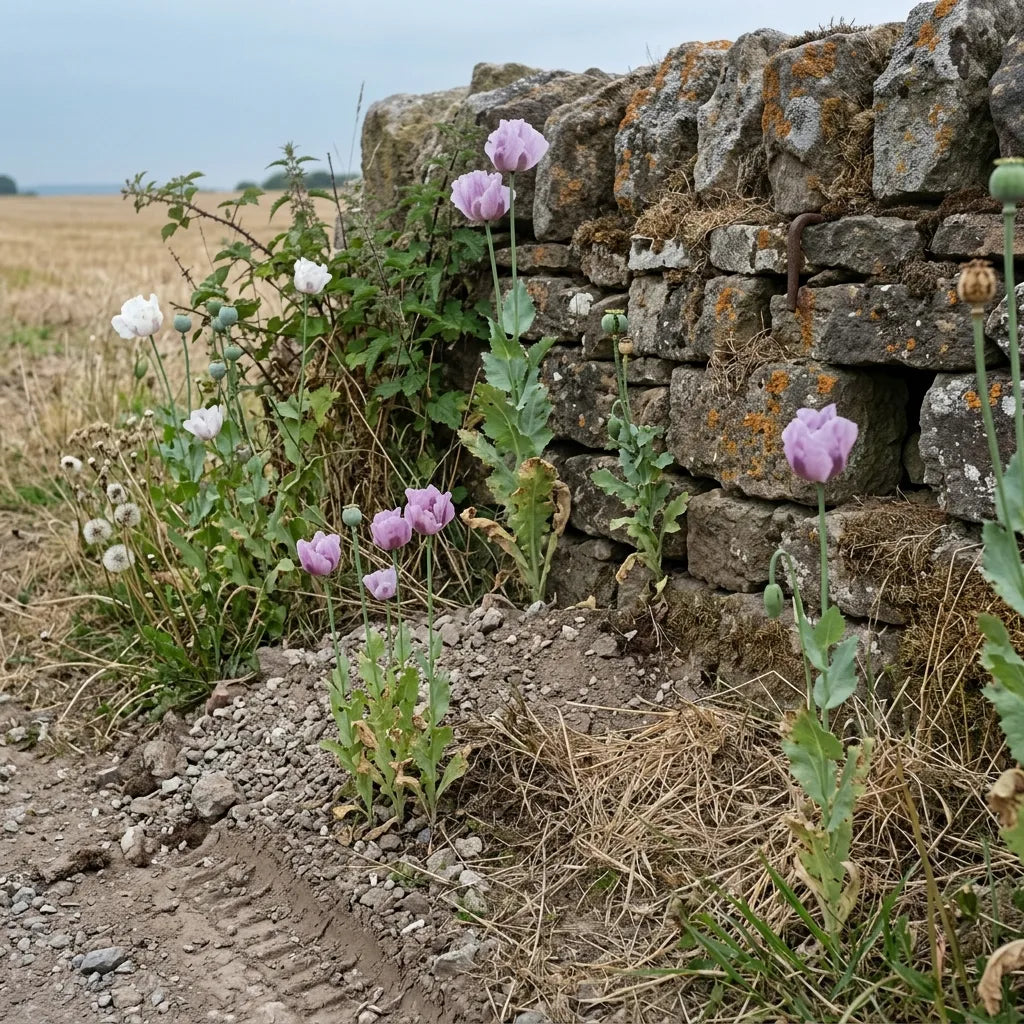
Gleba: zwykła, lekka i dobrze przepuszczalna, nawet wapienna lub kamienista. Nie toleruje ciężkich, podmokłych gleb, w których jego korzeń gnije. Nie ma potrzeby nawożenia: zbyt żyzna gleba powoduje, że miękkie łodygi uginają się pod ciężarem kwiatów.
-
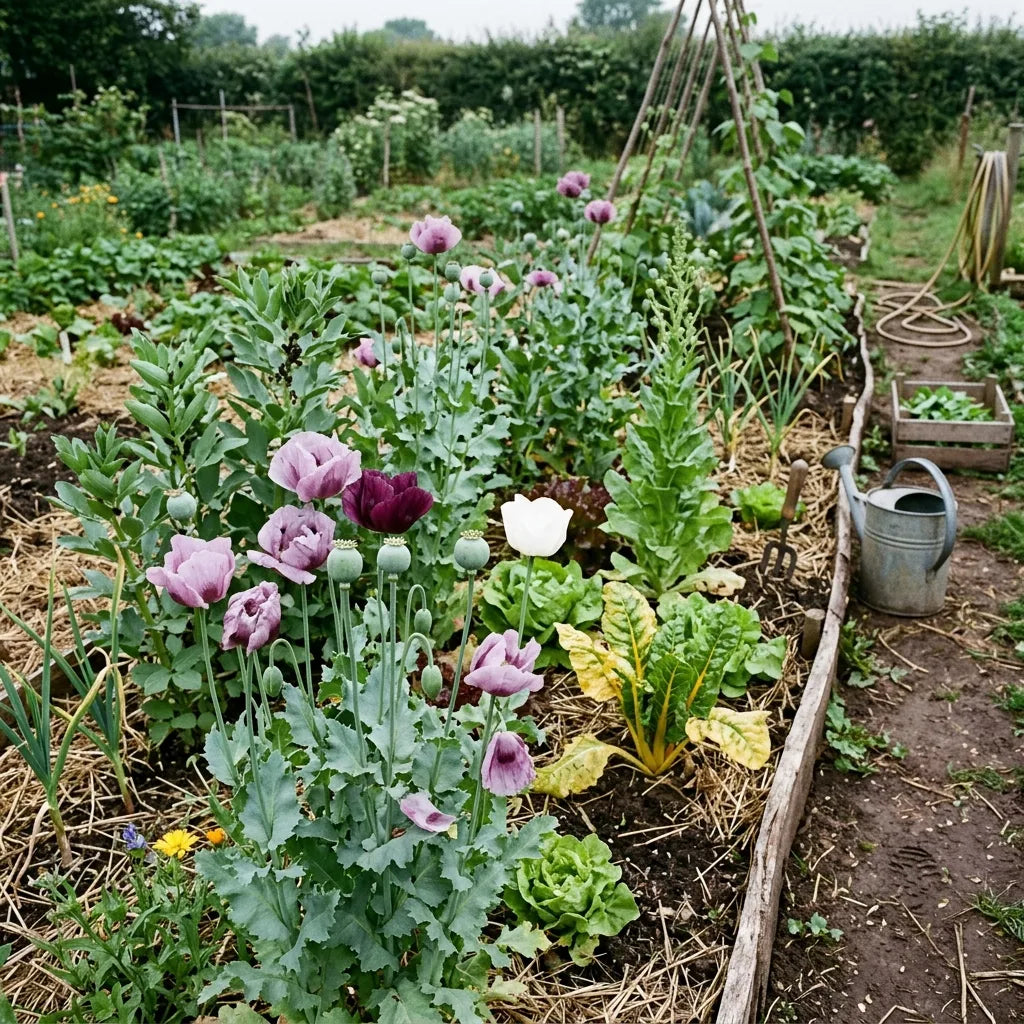
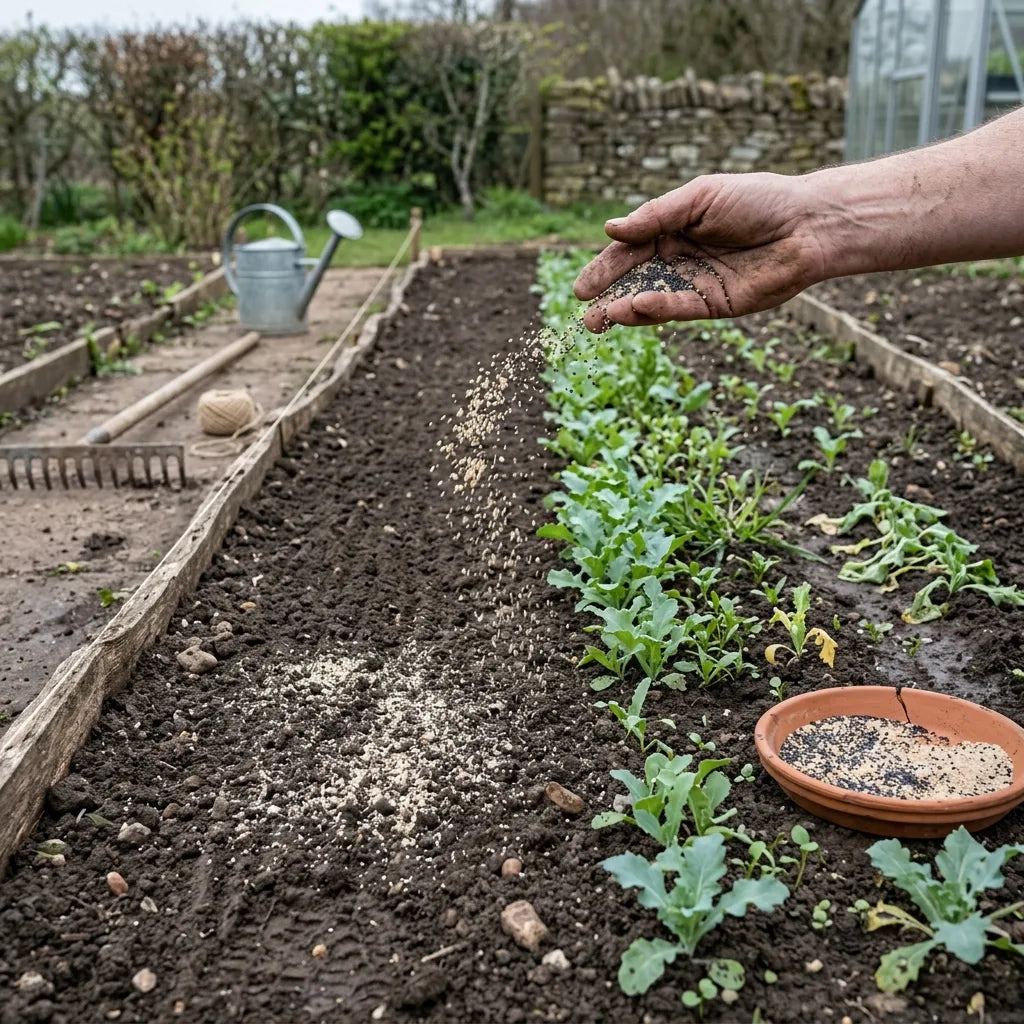
Metoda: wysiewaj bezpośrednio na miejsce, rzutowo, wiosną lub jesienią. Jego delikatny korzeń palowy bardzo źle znosi przesadzanie: należy unikać siewu do doniczek, a następnie pikowania. Bardzo drobne nasiona przykryj tylko cienką warstwą ziemi i przerwij siewki, pozostawiając odstępy 25–30 cm. Nie wymagają namaczania. Zobacz jak wysiewać nasiona.
Wskazówki dotyczące pielęgnacji:
- Wymaga bardzo mało pielęgnacji: podlewaj tylko w przypadku silnej suszy w okresie wzrostu. Jeśli chcesz zebrać nasiona, pozostaw makówki na roślinie.
Korzystne połączenia:
- Naturalnie komponuje się z innymi kwiatami rabatowymi na przepuszczalnych glebach, takimi jak chaber bławatek i dziki mak polny, jego krewniak z tej samej rodziny.
Znaczenie dla bioróżnorodności:
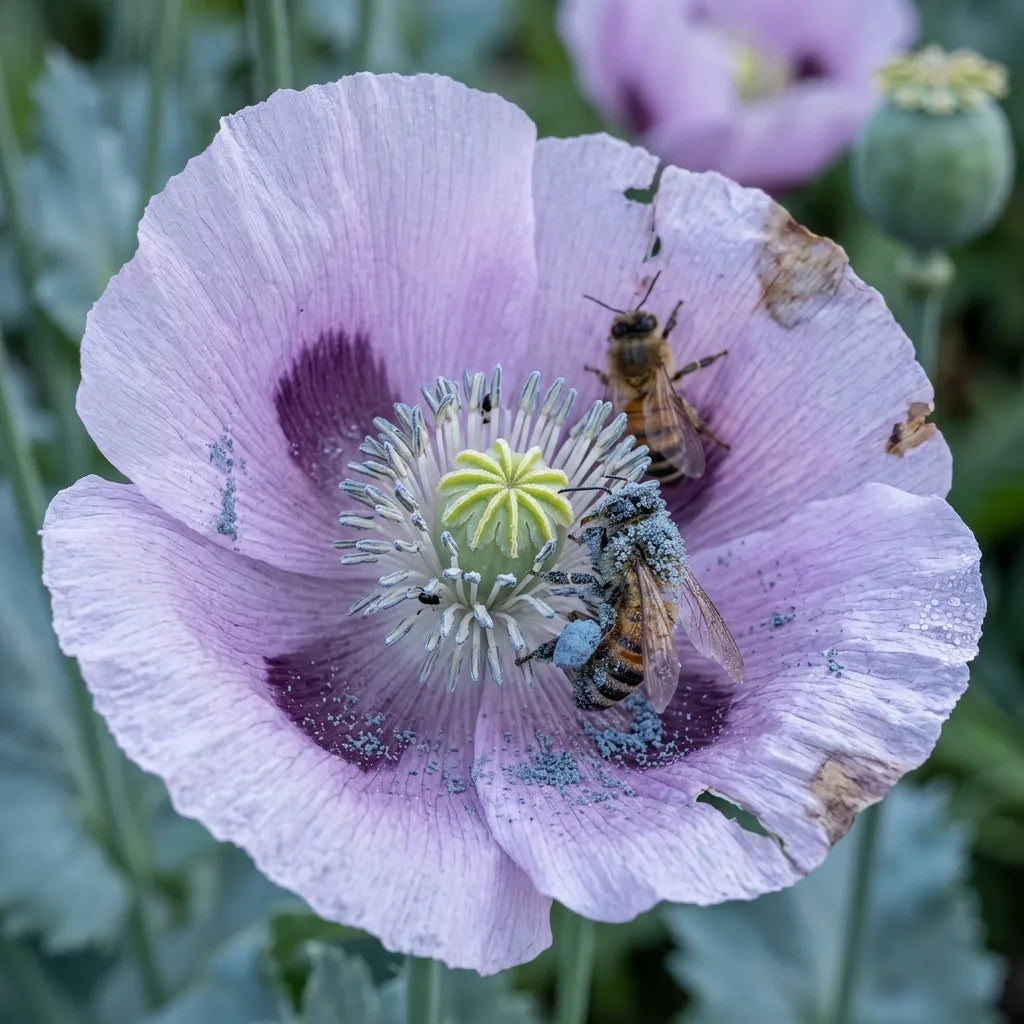
- Mak nie wytwarza nektaru, ale jego bardzo obfity pyłek jest szczególnie chętnie zbierany przez pszczoły, które dosłownie tarzają się w nim wczesnym rankiem.
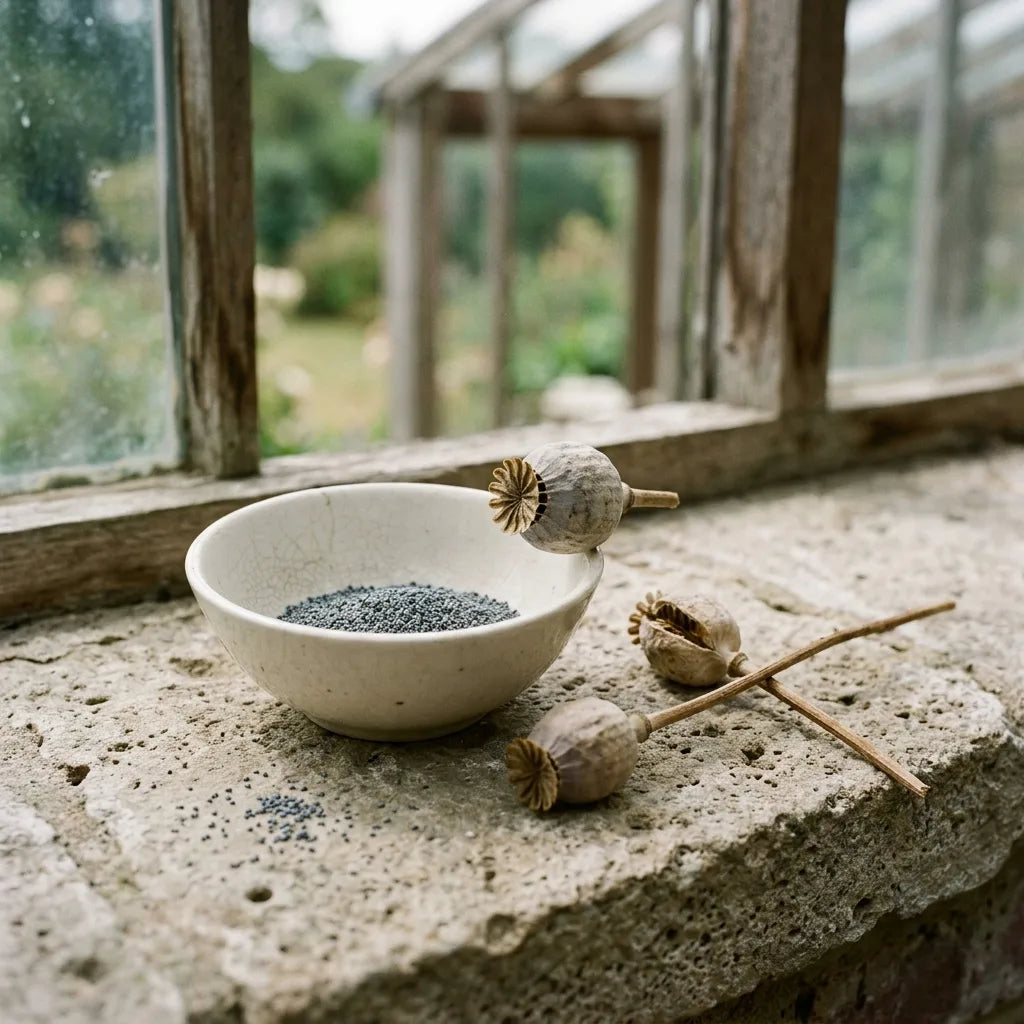
- Jego nasiona stanowią pożywienie dla ptaków ziarnojadów, jeśli pozostawi się kilka makówek do otwarcia na roślinie.
Zastosowanie:
- Dojrzałe nasiona, zebrane po wyschnięciu, wykorzystuje się w piekarnictwie i cukiernictwie ze względu na ich orzechowy smak i chrupkość.
Zbiór własnych nasion:
Pozostaw makówki na roślinie, aż zbrązowieją i wyschną, a następnie otworzą się przez małe szczeliny pod koroną. Obróć je wtedy nad workiem: nasiona wysypują się jak z solniczki. Mak chętnie zresztą sam wysiewa się z roku na rok. Zobacz jak przechowywać nasiona.
Zaangażowanie w jakość: w SemiSauvage - Permaculture uprawiamy i selekcjonujemy nasze nasiona, kierując się szacunkiem do życia. Działając w pobliżu wulkanów Owernii, wybieramy odmiany zdolne do rozmnażania i niehybrydowe, testowane pod kątem zdolności kiełkowania, starannie sortowane i pakowane, bez żadnych środków chemicznych. Wierzymy, że należy przywrócić ogrodnikom możliwość ponownego wysiewania, rok po roku, nasion, które naprawdę do nich należą.
Dodaj swojemu ogrodowi elegancji i spokoju dzięki tym nasionom maku lekarskiego.