Briza maxima
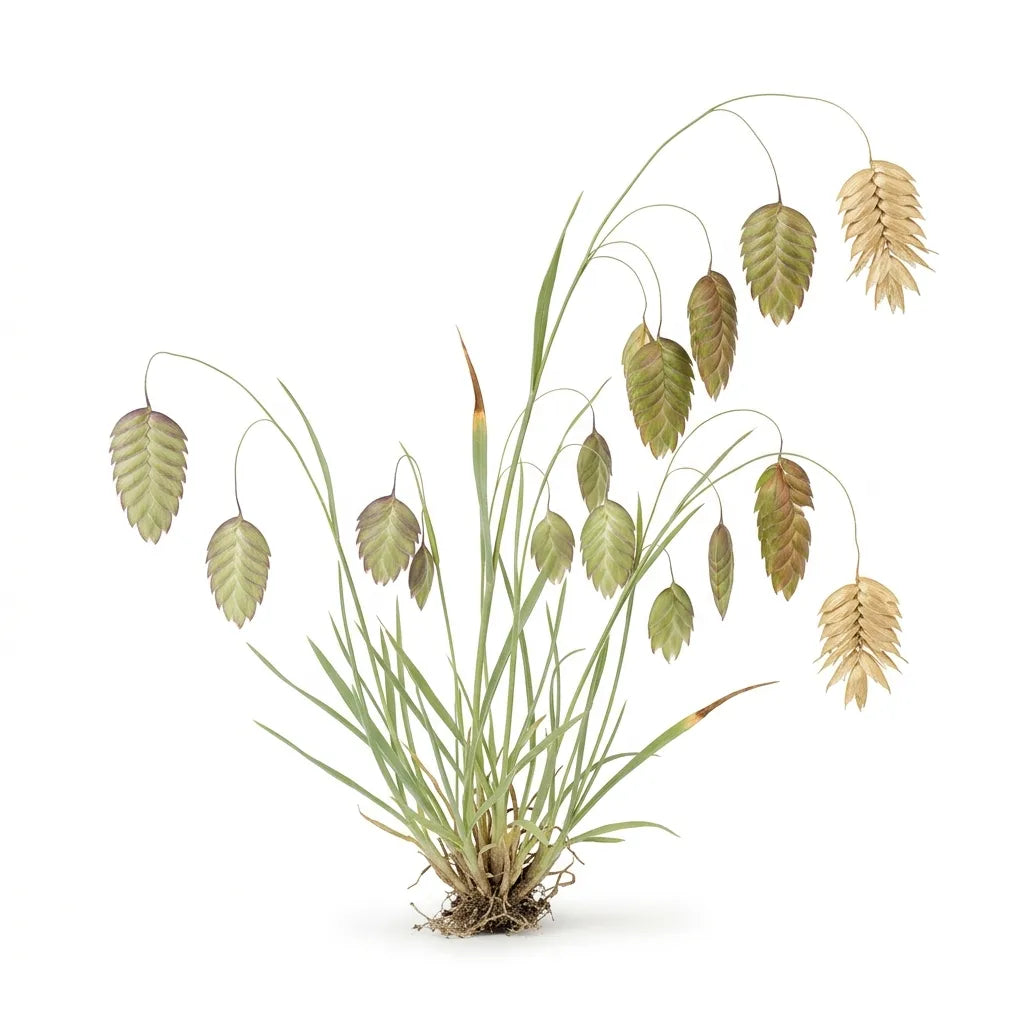
Wielka drżączka, miłostka, „chleb kukułki”, drżączka: jej spłaszczone kłoski zwisają na tak cienkich szypułkach, że drżą przy najlżejszym podmuchu — stąd nazwa „drżączka”. Po wysuszeniu wydają delikatny, nieustanny szelest, dodając ogrodowi wymiar dźwiękowy, rzadko spotykany u roślin ozdobnych.
Charakterystyka:
-
Zwisające kłoski: początkowo zielone z purpurowym odcieniem, podczas suszenia zmieniają kolor na słomkowożółty.
-
Elegancka kępa: niebieskozielone, równowąskie liście zwieńczone cienkimi i wdzięcznymi łodygami.
-
Doskonała do suchych bukietów: zachowuje wyjątkową trwałość i przez lata nie traci kształtu.
-
Sama się rozsiewa: gdy się zadomowi, powraca z roku na rok.
Wskazówki dotyczące siewu:
-
Stanowisko: słoneczne.
-
Gleba: lekka, piaszczysta, dobrze przepuszczalna i raczej uboga — to trawa suchych śródziemnomorskich muraw. Dobrze znosi suszę i nie toleruje zastojów wody. Nie użyźniaj gleby: na żyznym podłożu jej cienkie łodygi pokładają się.
-
Metoda: bez stratyfikacji. Siej wiosną lub jesienią, bezpośrednio na miejsce stałe, rzutowo albo w małych kępach, tylko lekko przykrywając nasiona. Zobacz, jak wysiewać nasiona.
Wskazówki dotyczące pielęgnacji:
- Żadnych. Po zadomowieniu podlewanie nie jest potrzebne. Pozostaw kilka kłosów do wydania nasion, aby roślina mogła sama się wysiać.
Wskazówki dotyczące zbioru:
- Do suchych bukietów ścinaj łodygi, gdy kłoski są jeszcze zielone z purpurowym odcieniem, przed osiągnięciem pełnej dojrzałości: podczas suszenia zżółkną, ale nie rozpadną się. Zebrane zbyt późno, wysypują nasiona.
Korzystne połączenia:
Znaczenie dla bioróżnorodności:
- Jej nasiona żywią drobne ptaki ziarnojadne pod koniec lata i jesienią.
- Jej kępa zapewnia przy ziemi schronienie owadom pożytecznym, a system korzeniowy stabilizuje lekkie gleby.
Zastosowanie:
- Ogrody naturalistyczne, ogrody skalne, obwódki i donice. Przede wszystkim jest niezastąpiona w suchych bukietach, wiankach i ręcznie tworzonych kompozycjach.
Symbolika:
Jej przydomek „miłostka” wywodzi się z dawnej tradycji: młodzi ludzie ofiarowywali sobie drżący kłos jako dyskretne wyznanie uczuć, a drżenie rośliny przywodziło na myśl miłosne emocje.
Zbiór własnych nasion:
Pozostaw kilka kłosów, aby całkowicie zżółkły na roślinie, a następnie potrząśnij nimi nad pojemnikiem: nasiona same się odłączą. Zresztą roślina spontanicznie rozsiewa się w ogrodzie. Zobacz, jak przechowywać nasiona.
Nasze zobowiązanie do jakości: w SemiSauvage - Permaculture uprawiamy i selekcjonujemy nasze nasiona, kierując się szacunkiem dla żywej przyrody. Działając w pobliżu wulkanów Owernii, wybieramy odmiany zdolne do rozmnażania i niehybrydowe, testowane pod kątem zdolności kiełkowania, starannie sortowane i pakowane, bez żadnych chemicznych środków ochrony. Wierzymy, że należy przywrócić ogrodnikom możliwość ponownego wysiewania, rok po roku, nasion, które naprawdę do nich należą.
Dodaj swojemu ogrodowi ruch i dźwięk dzięki tej drżącej trawie.