Malope trifida “Grandiflora”
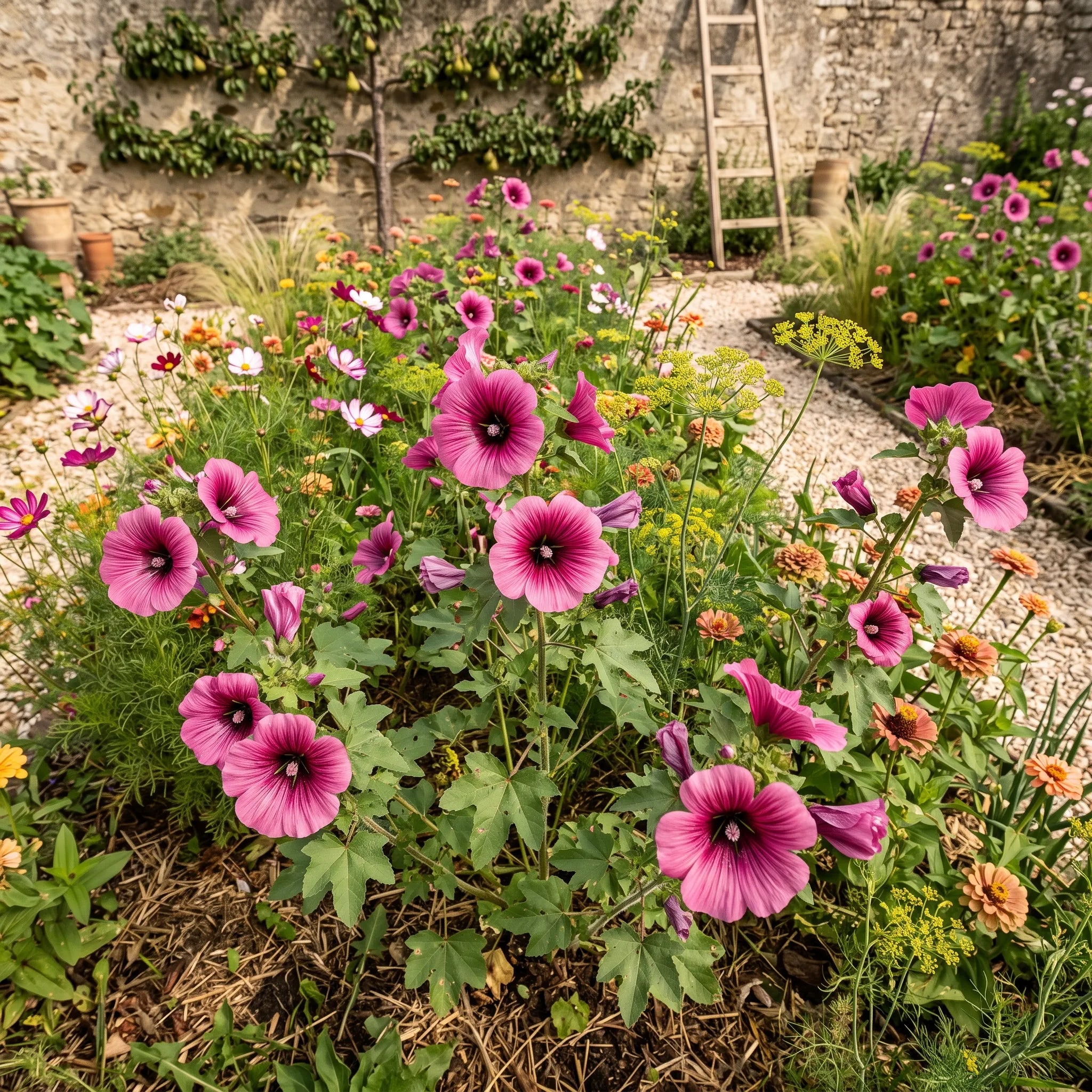
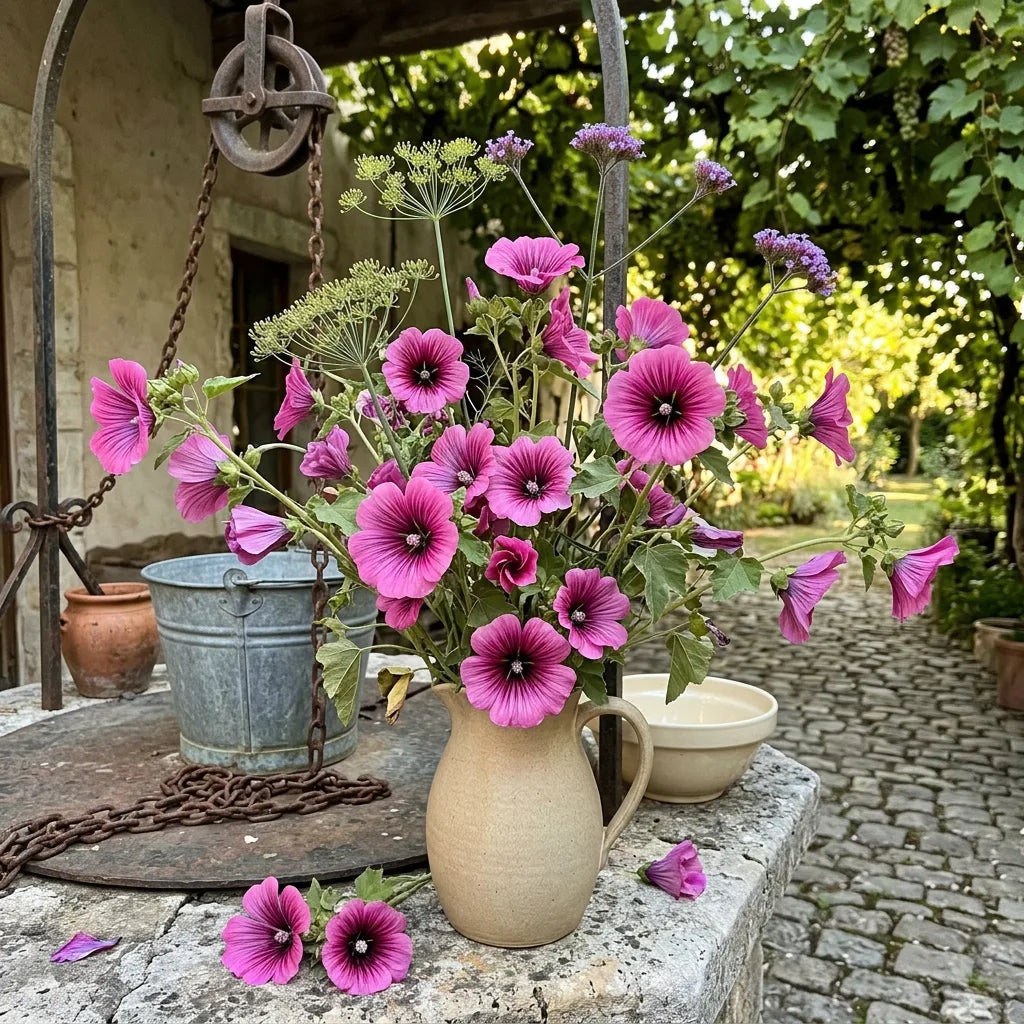
Malope, trifid mallow, large-flowered malope: a cousin of mallows, it has their large funnel-shaped corollas, but in much more intense shades—a luminous magenta pink, almost fluorescent in the setting sun, matched by few annuals. Native to the Mediterranean basin, it brings a touch that is both romantic and wild to the garden.
Characteristics:
-
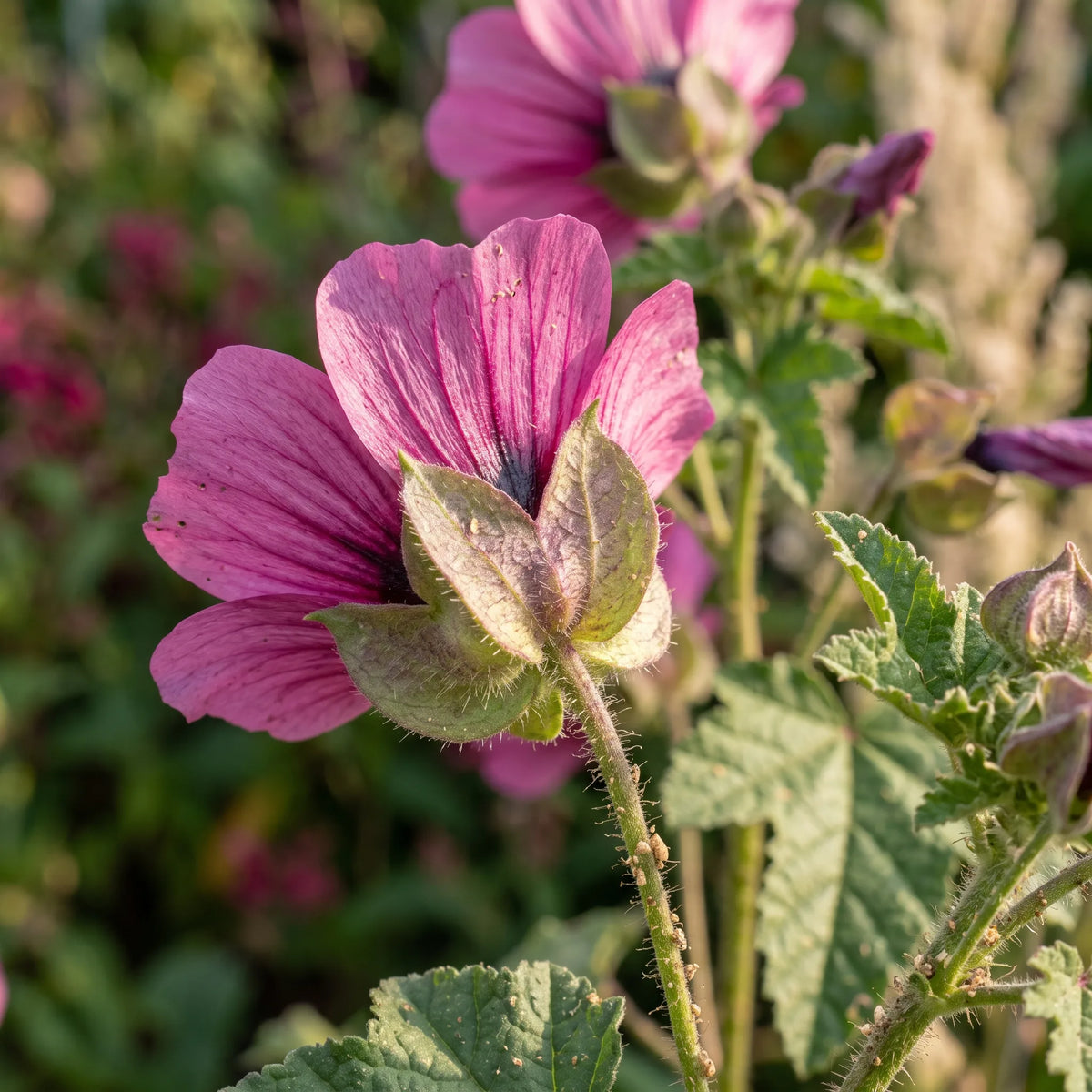
Large, dazzling flowers: funnel-shaped corollas ranging from white to deep purple, passing through magenta pink, all summer long.
-
Beautiful stature: branched stems 80 to 100 cm tall, ideal for the back of a flower bed.
-
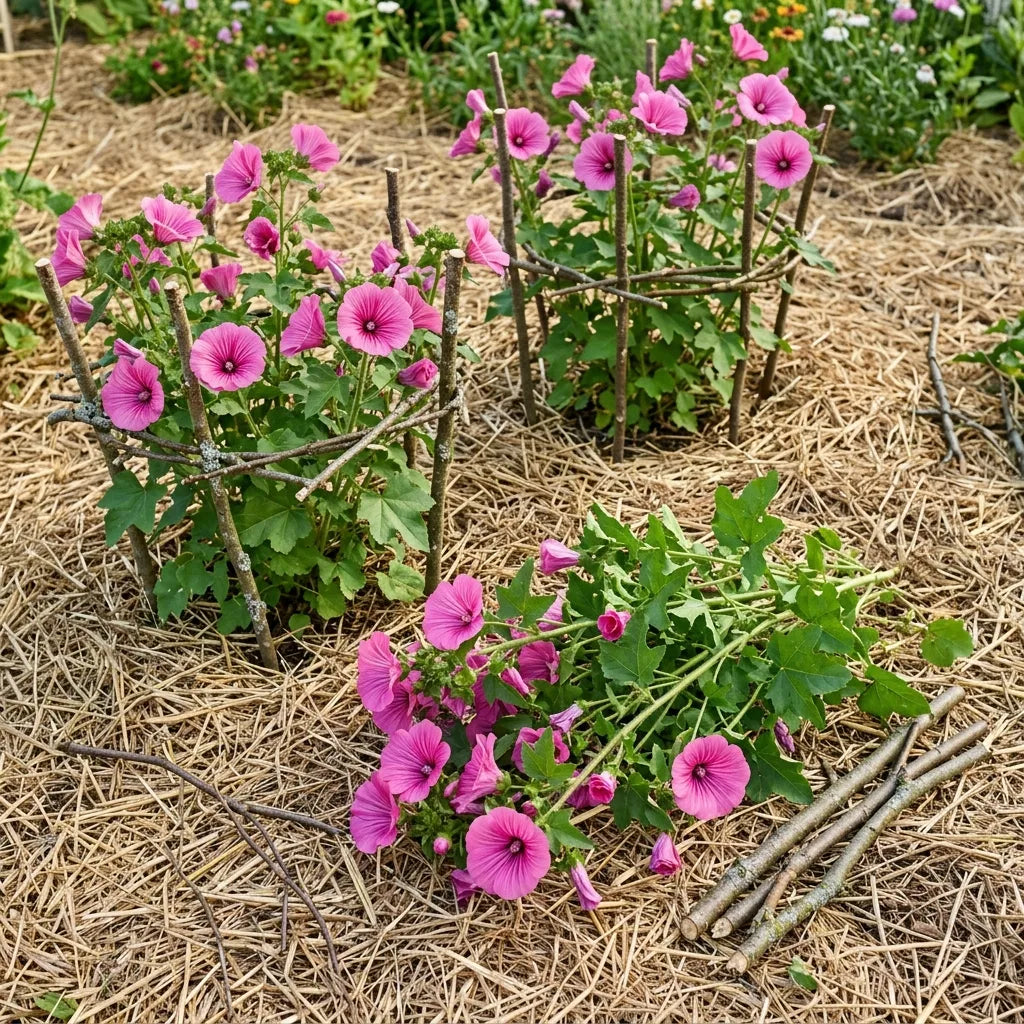
Excellent as a cut flower: its long flowering stems make it an outstanding bouquet flower.
Sowing advice:
-
Exposure: full sun.
-
Soil: light, well-drained, average to poor. Like the mallows to which it is related, it flowers better in lean soil than in rich soil, where it mainly produces foliage. Do not fertilize.
-
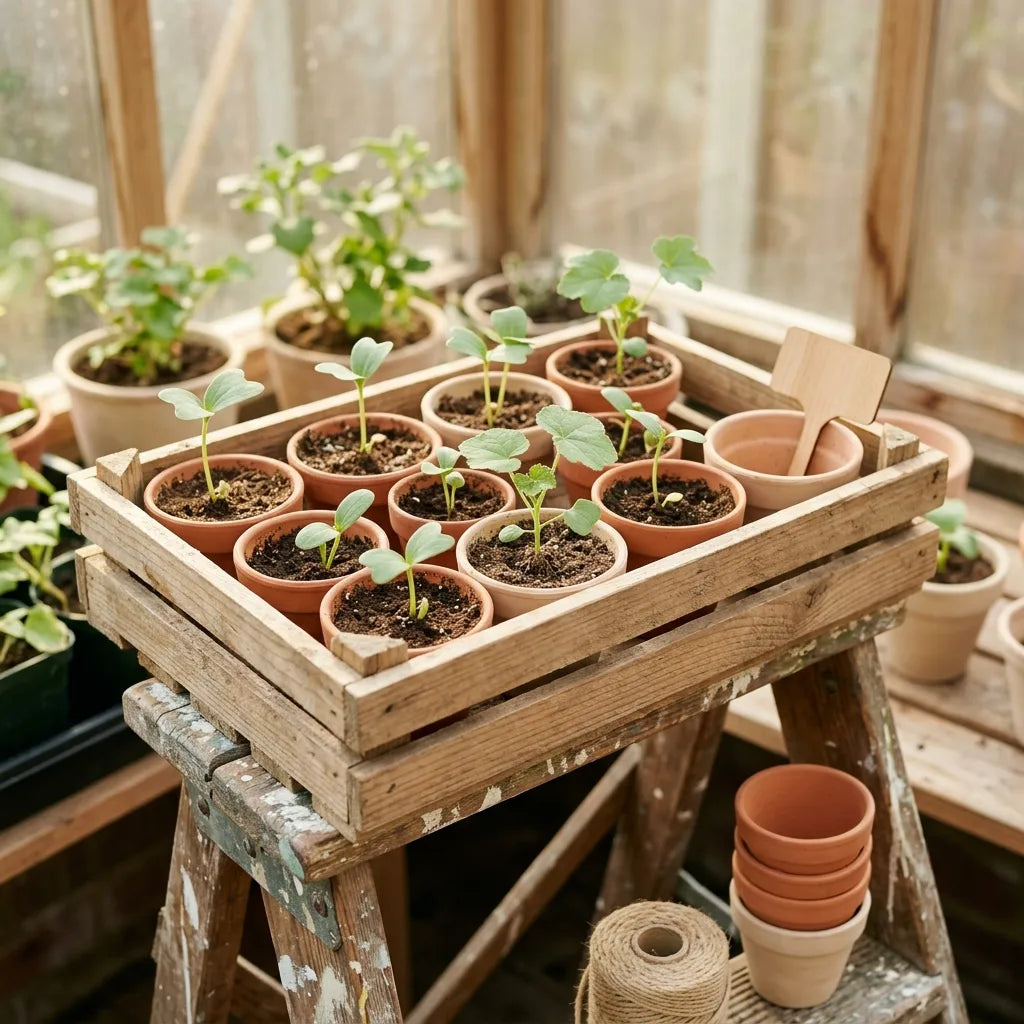
Method: no stratification required. Sow directly in the ground from April onward, or in pots from March under cover for planting out in May. Cover lightly and keep moist until germination, in 7 to 14 days. See how to sow your seeds.
Planting advice:
- Space plants approximately 25 to 30 cm apart. Discreet staking can help in windy locations, as the stems are tall.
Care advice:
- Water moderately. Remove faded flowers to extend flowering until the first frosts.
Beneficial combinations:
Benefits for biodiversity:
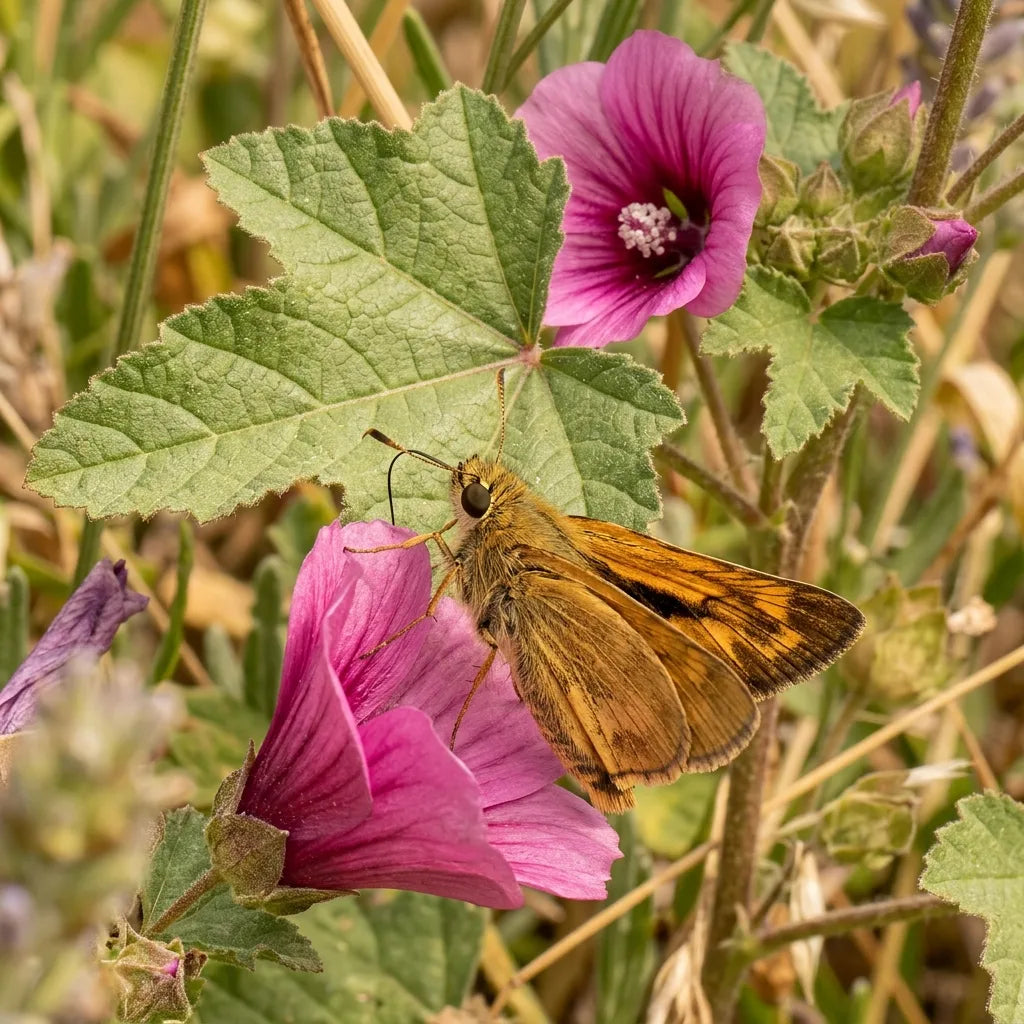
- Its large open corollas provide easy access to pollen and nectar: bees, bumblebees, and butterflies flock to them all summer long.
- Like other members of the mallow family, it can host butterfly caterpillars on its foliage.
Uses:
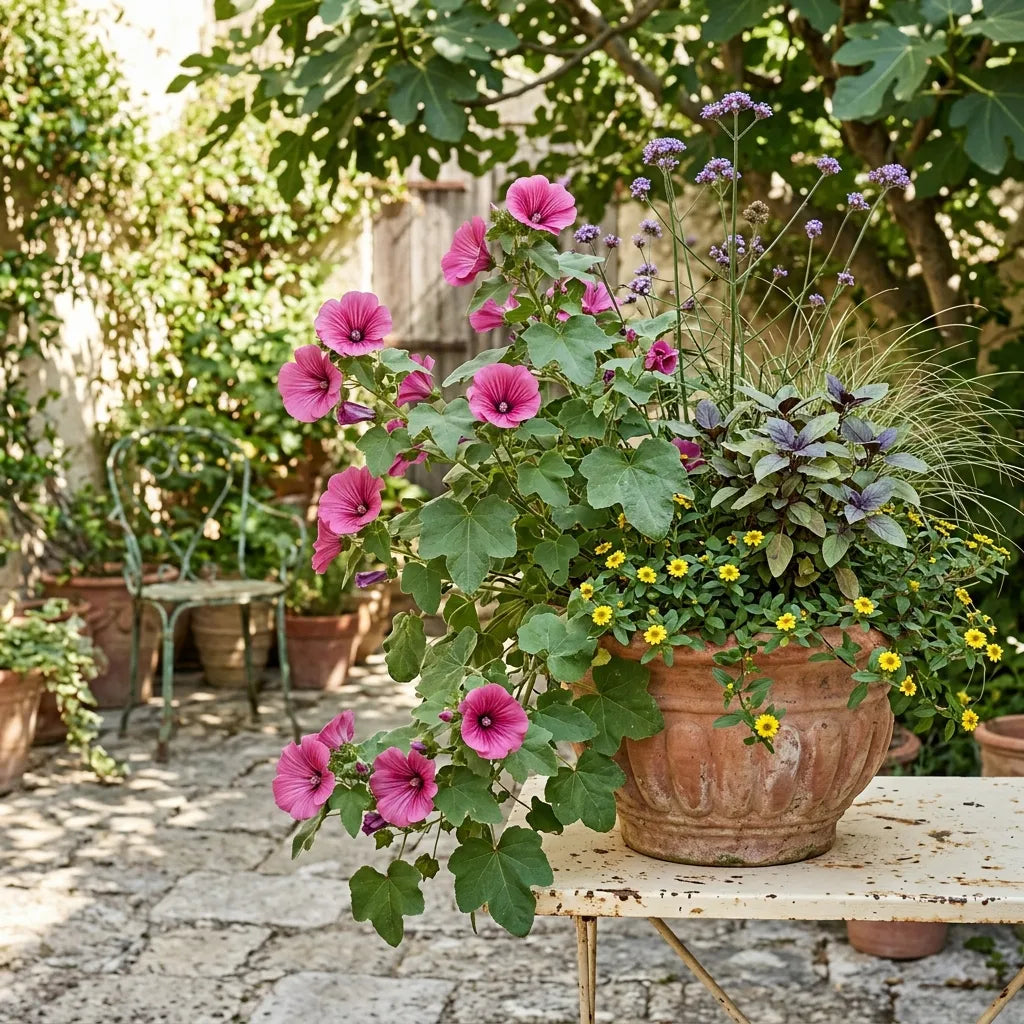
- Flower beds, borders, cottage gardens, and wildflower meadows. Excellent in fresh bouquets thanks to its long stems.
Symbolism:
Malope evokes simple, spontaneous beauty, rustic charm, and sometimes gratitude in the language of flowers.
Harvesting your own seeds:
Leave a few flowers to form their round fruits clustered in heads, then harvest them once they are brown and dry, before they disarticulate. See storing your seeds.
Commitment to Quality: at SemiSauvage - Permaculture, we grow and select our seeds with respect for all living things as our guiding principle. Based near the volcanoes of Auvergne, we choose reproducible, non-hybrid varieties, tested for their germination rate, carefully sorted and packaged, without any chemical treatment. Our conviction: to give gardeners back the ability to resow, year after year, seeds that truly belong to them.
Bring a romantic and wild touch to your summer flower beds.