Helianthus annuus
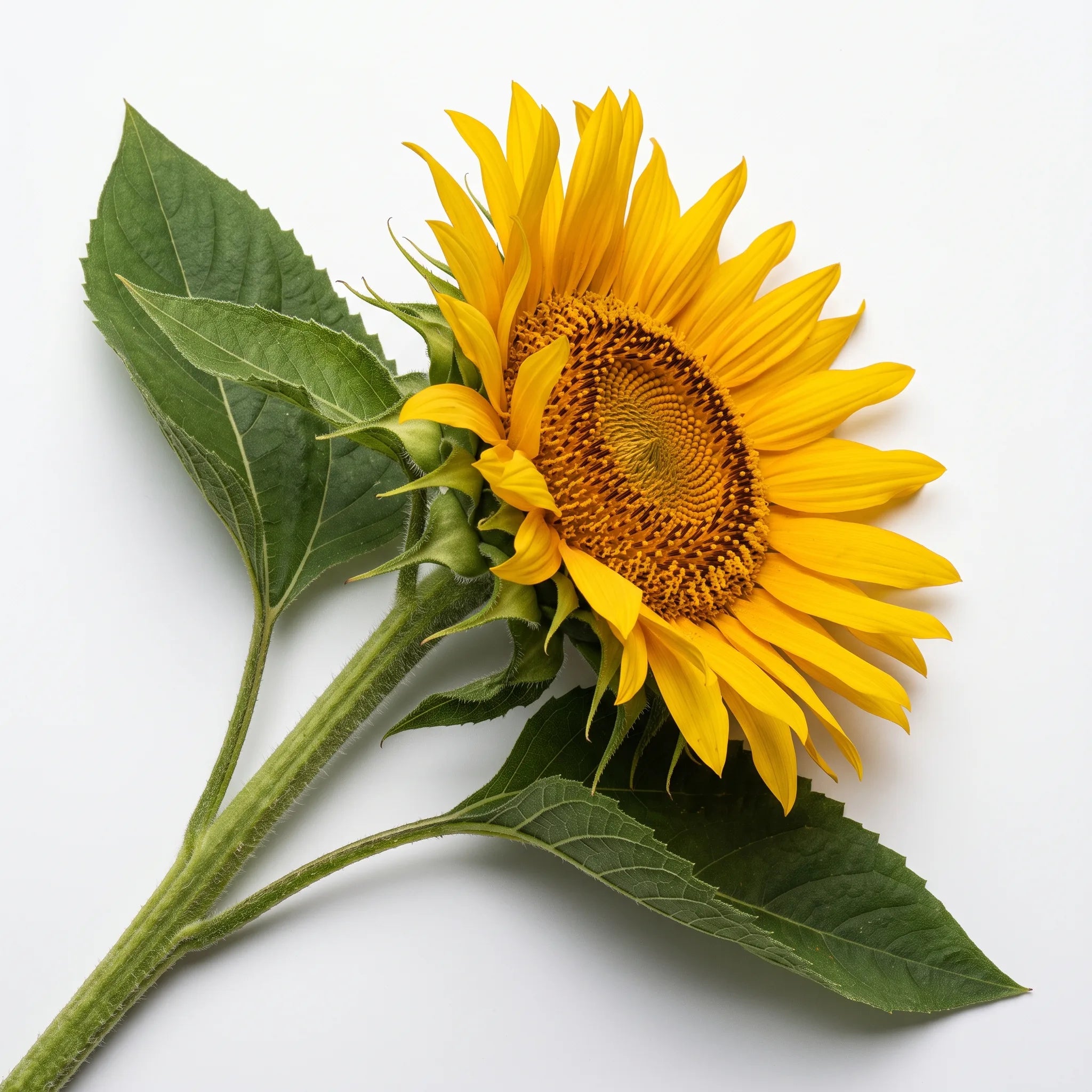
Sunflower, common sunflower, giant sunflower, helianthemum: celebrated by Van Gogh and cultivated around the world, it owes its name to the heliotropism of its young buds, which follow the sun’s path from east to west. Once open, the flower permanently faces east — an orientation that warms its flower head early in the morning and attracts more pollinators.
Characteristics:
-
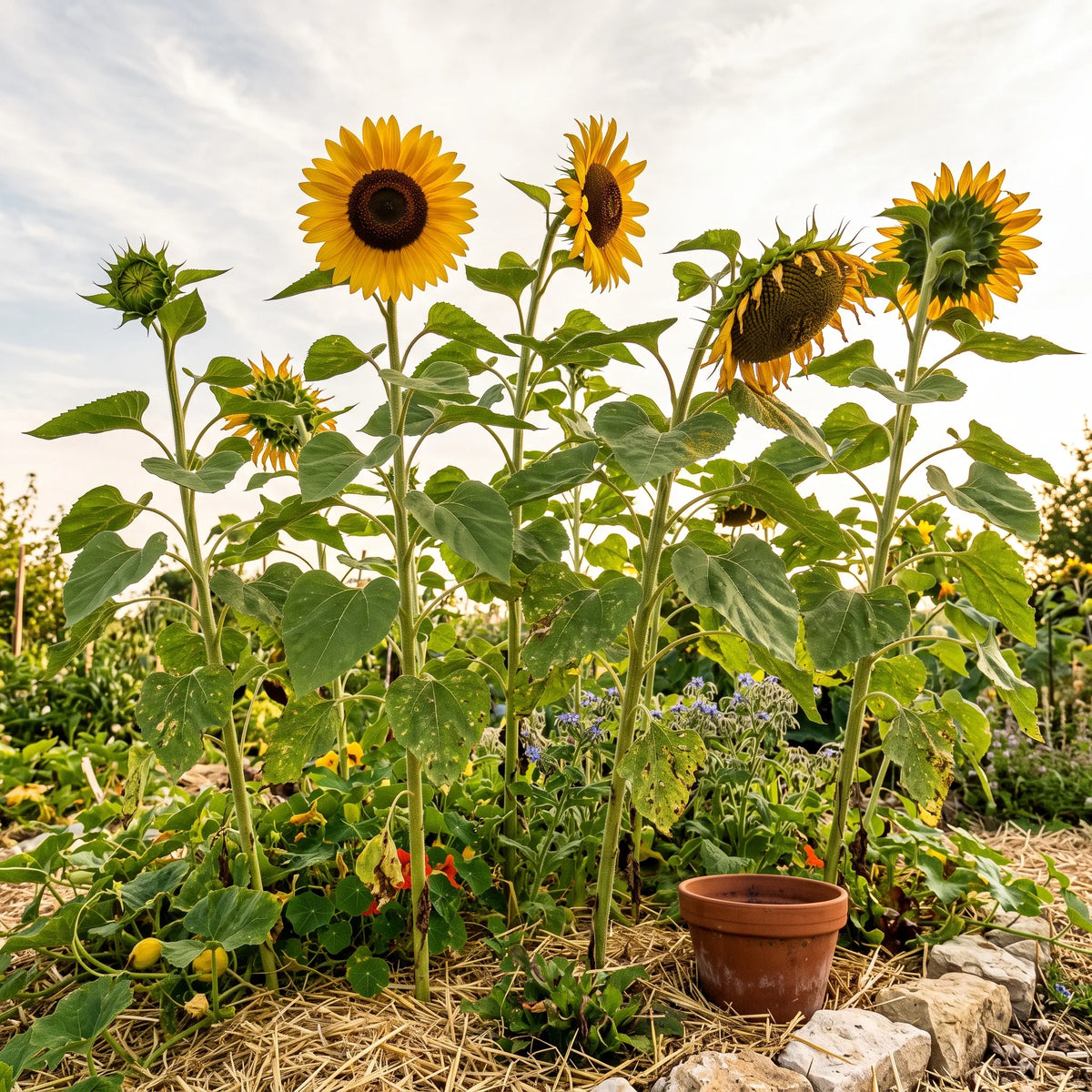
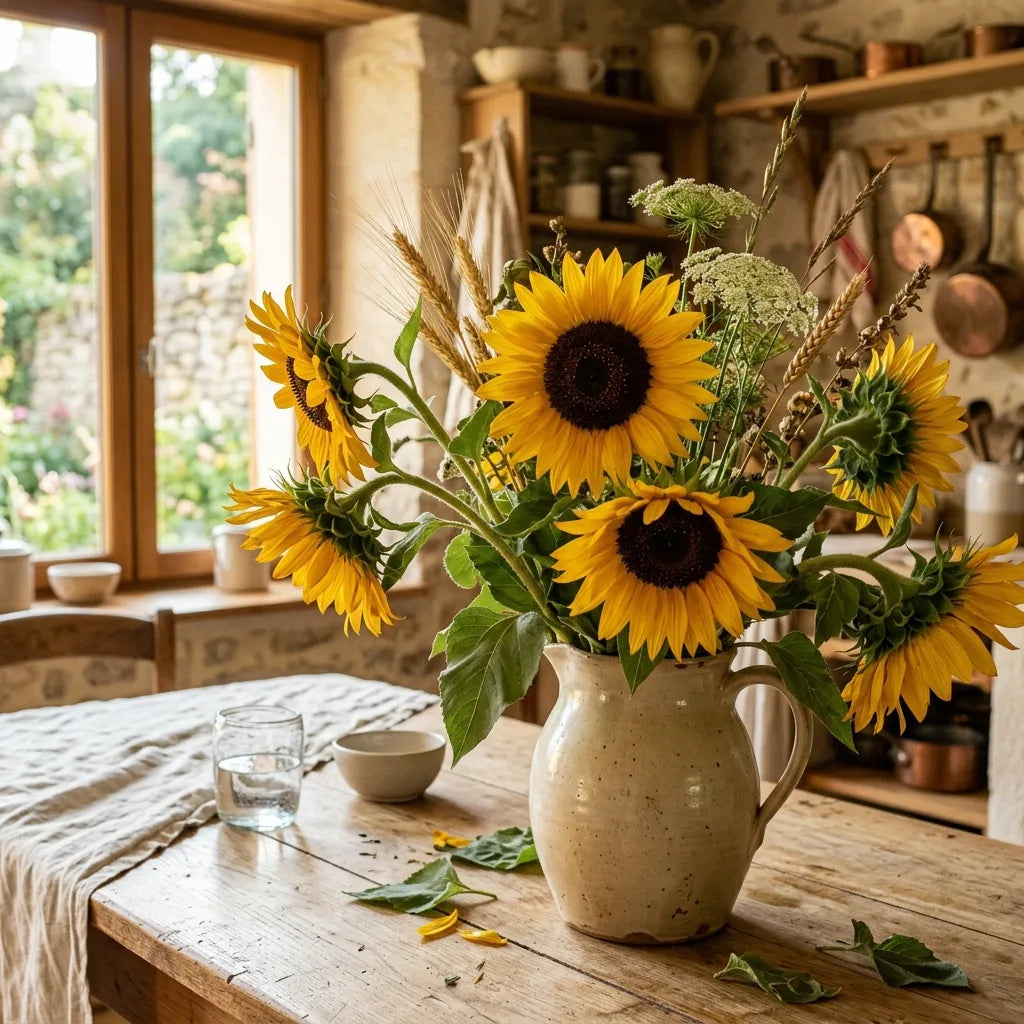
Monumental silhouette: its large yellow daisies tower over the garden and attract everyone’s attention.
-
Adaptable: it grows in a variety of soils, including poor, sandy, or rocky soils.
-
Rapid growth: spectacular to grow with children, as its progress is so visible from week to week.
Sowing advice:
-
Exposure: full sun, without compromise, preferably sheltered from strong winds that could flatten the tall stems.
-
Soil: tolerates poor, stony soils as long as they are well drained, but cool, rich, loose soil produces noticeably larger flowers. It is a hungry plant: adding compost is a real advantage here.
-
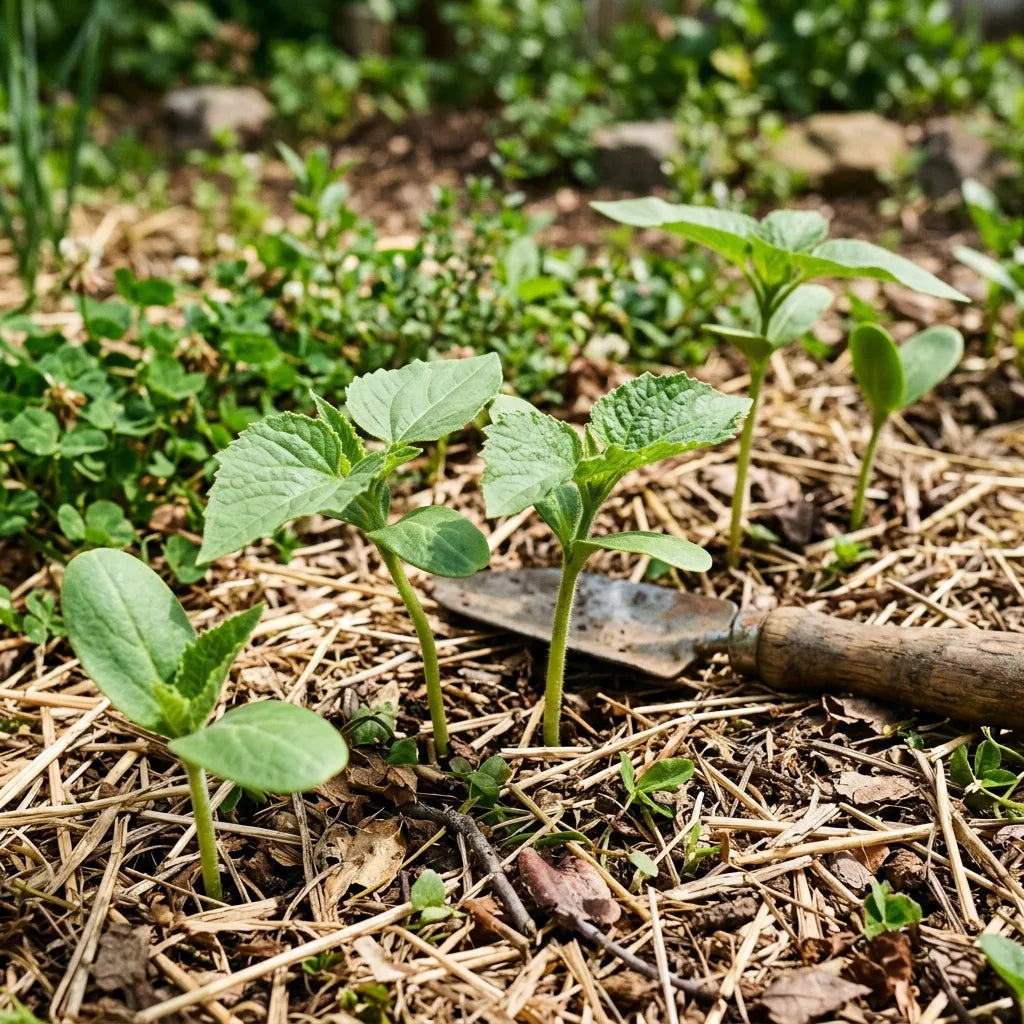
Method: sow directly in place from late April to mid-June, after all risk of frost has passed, planting the seeds 2 to 3 cm deep. Stagger sowings to extend flowering. Protect young shoots from slugs and birds, which are very fond of seedlings. See how to sow your seeds.
Care advice:
- Keep the soil slightly moist, especially during dry periods, without excess water that could cause the roots to rot.
- Stake the tallest varieties, whose seed-filled flower heads become very heavy at the end of the season.
Harvesting advice:
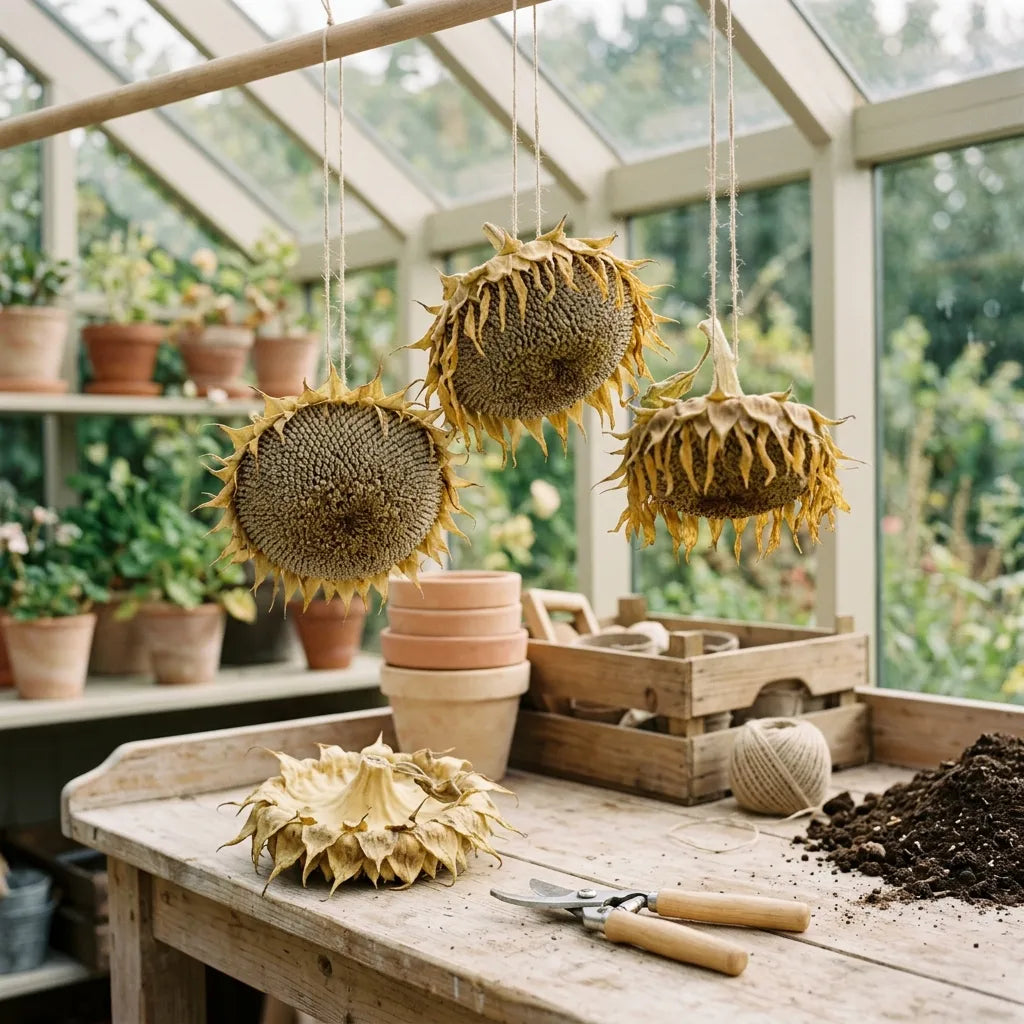
- To harvest the seeds, wait until the back of the flower head changes from green to yellowish brown and the petals have fallen. Cut off the head and let it dry upside down in a well-ventilated place, protected from birds by a net or paper bag.
Beneficial pairings:
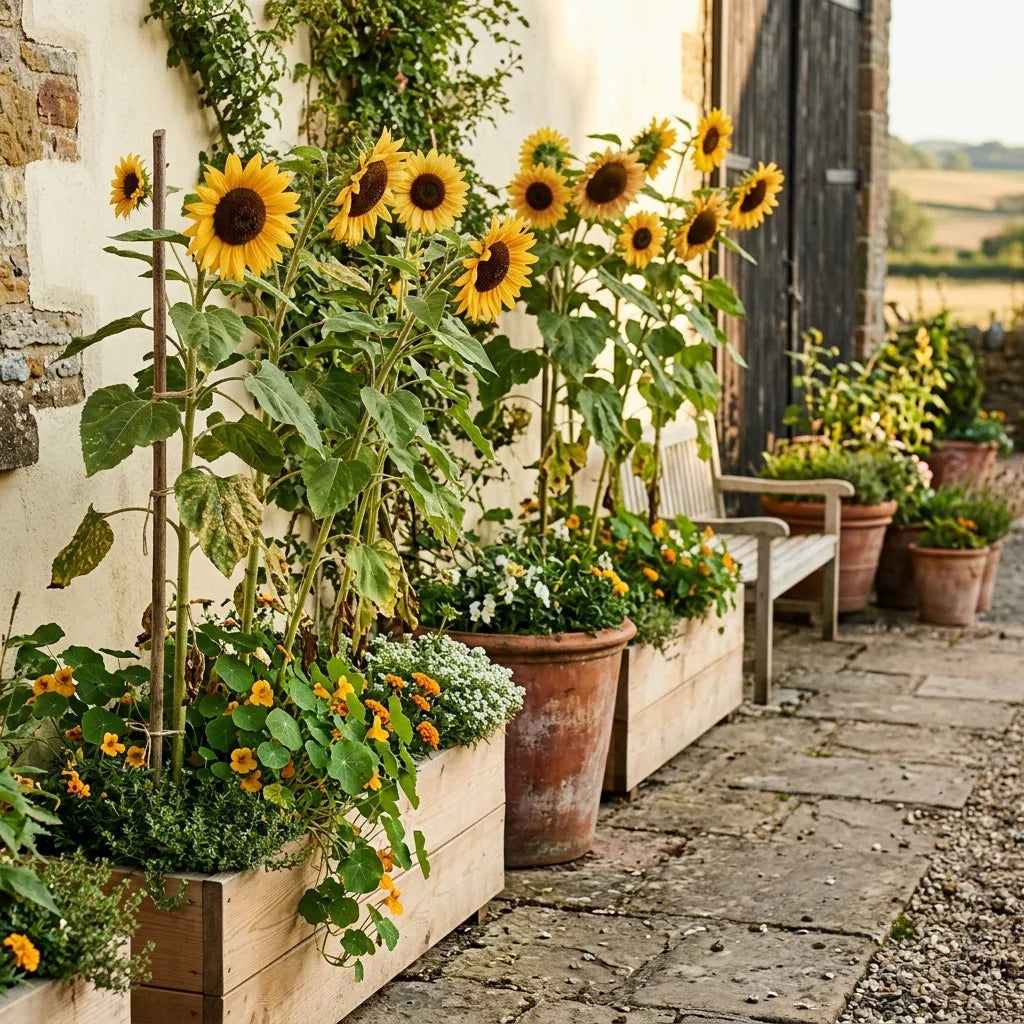
- It acts as a living support for light climbing plants and creates welcome shade for crops that tolerate it. However, be careful: its roots release substances that hinder the growth of certain vegetables, particularly potatoes and pole beans. See vegetable pairings in the kitchen garden.
Benefits for biodiversity:
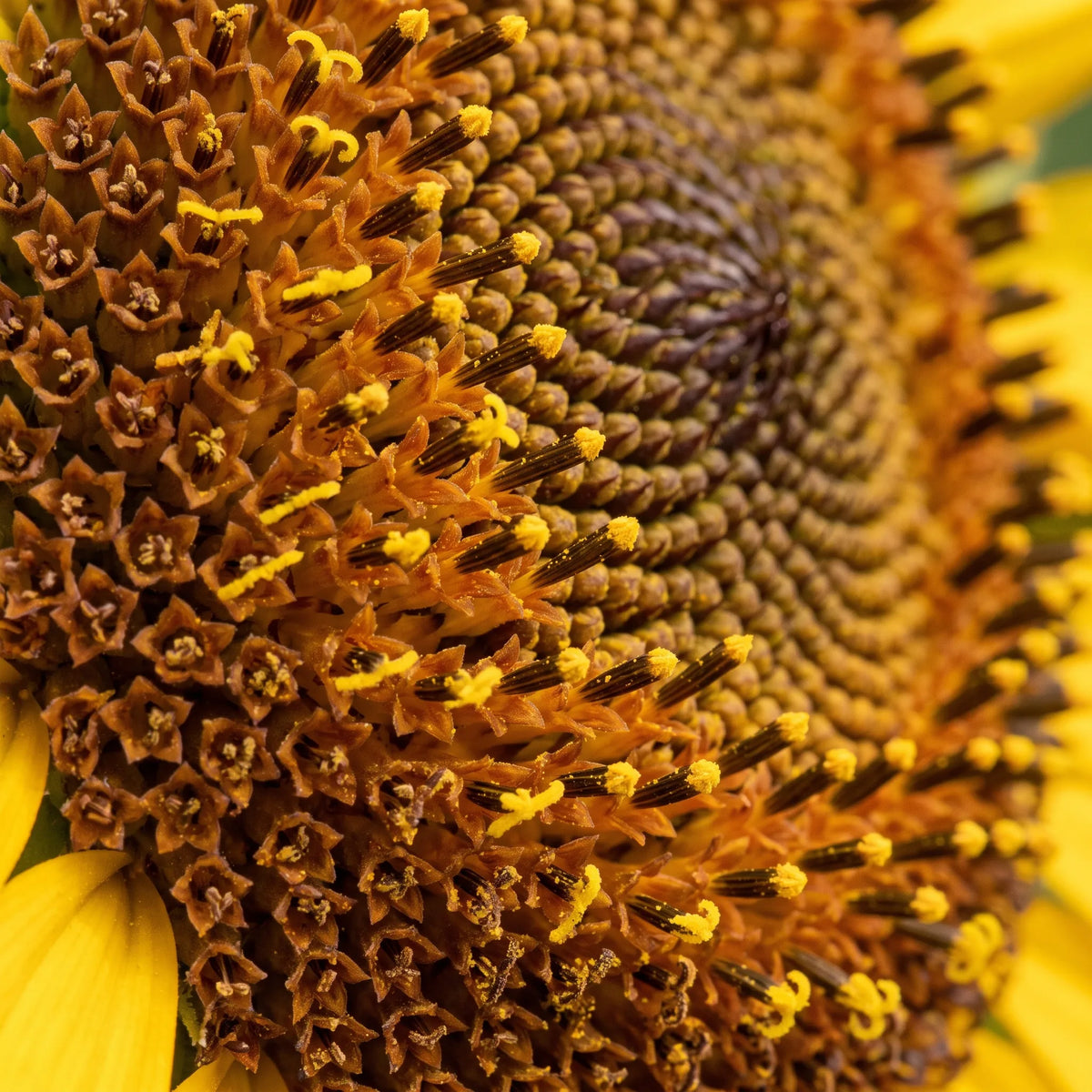
- Its enormous flower head is a true landing strip: bees, bumblebees, hoverflies, and butterflies flock to it all summer long.
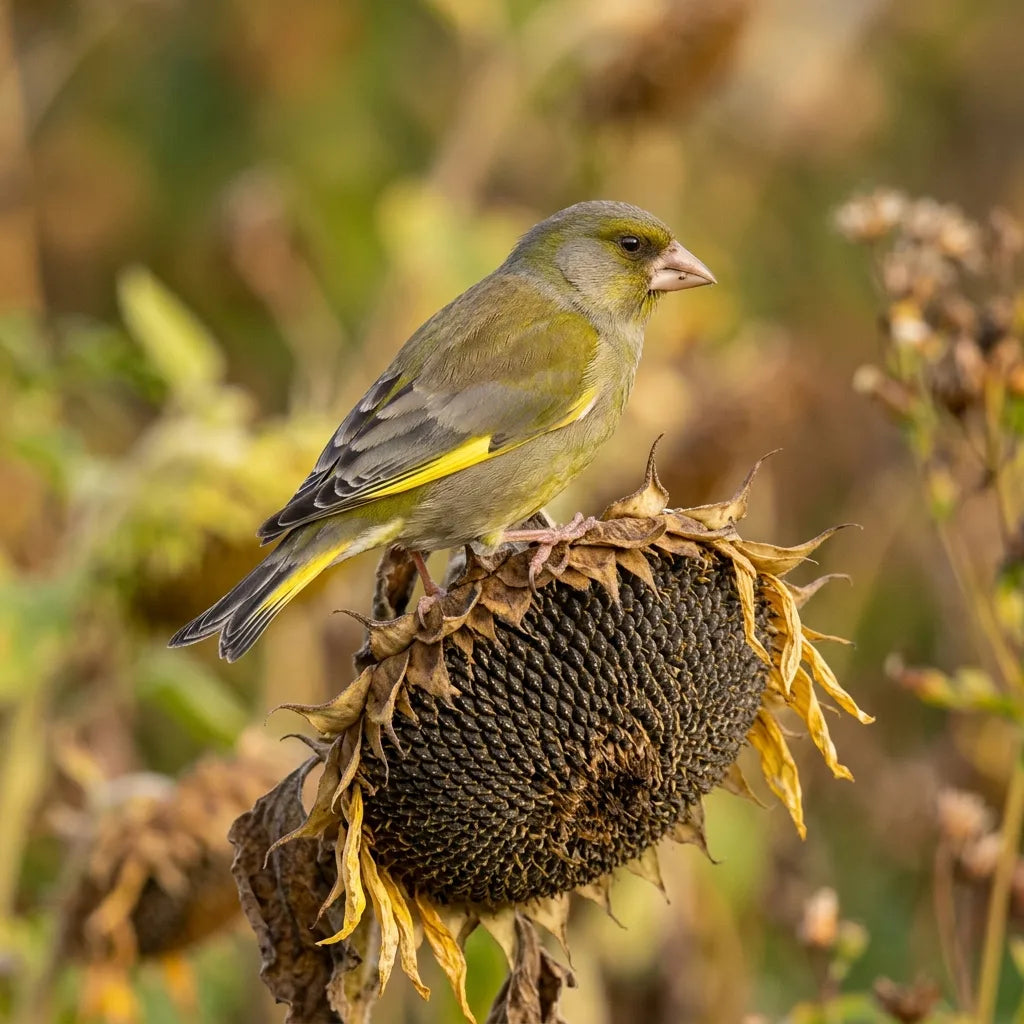
- Left standing through winter, it becomes a natural feeder for tits, goldfinches, and finches — one of the best ways to help birds during the cold season.
Uses:
- The seeds can be eaten roasted, in salads, or in bread, and are used to produce oil. The petals are also edible.
Symbolism:
A symbol of admiration and loyalty because of its devotion to the sun, the sunflower has also become an emblem of joy and optimism — popularized by Van Gogh’s paintings, in which it became his signature subject in Arles.
Harvesting your own seeds:
Use the same process as for food harvesting: let the flower head dry completely, then rub it by hand to detach the seeds. Keep the largest and best-formed seeds for the next sowing. See how to store your seeds.
Commitment to Quality: at SemiSauvage - Permaculture, we grow and select our seeds with respect for all living things as our guiding principle. Based near the Volcanoes of Auvergne, we choose open-pollinated, non-hybrid varieties, tested for their germination rate, carefully sorted and packaged, with no chemical treatment. Our conviction: to give gardeners back the ability to resow, year after year, seeds that truly belong to them.
Add these sunflower seeds to your garden for their luminous beauty and the feast they will offer birds.