Hibiscus moscheutos
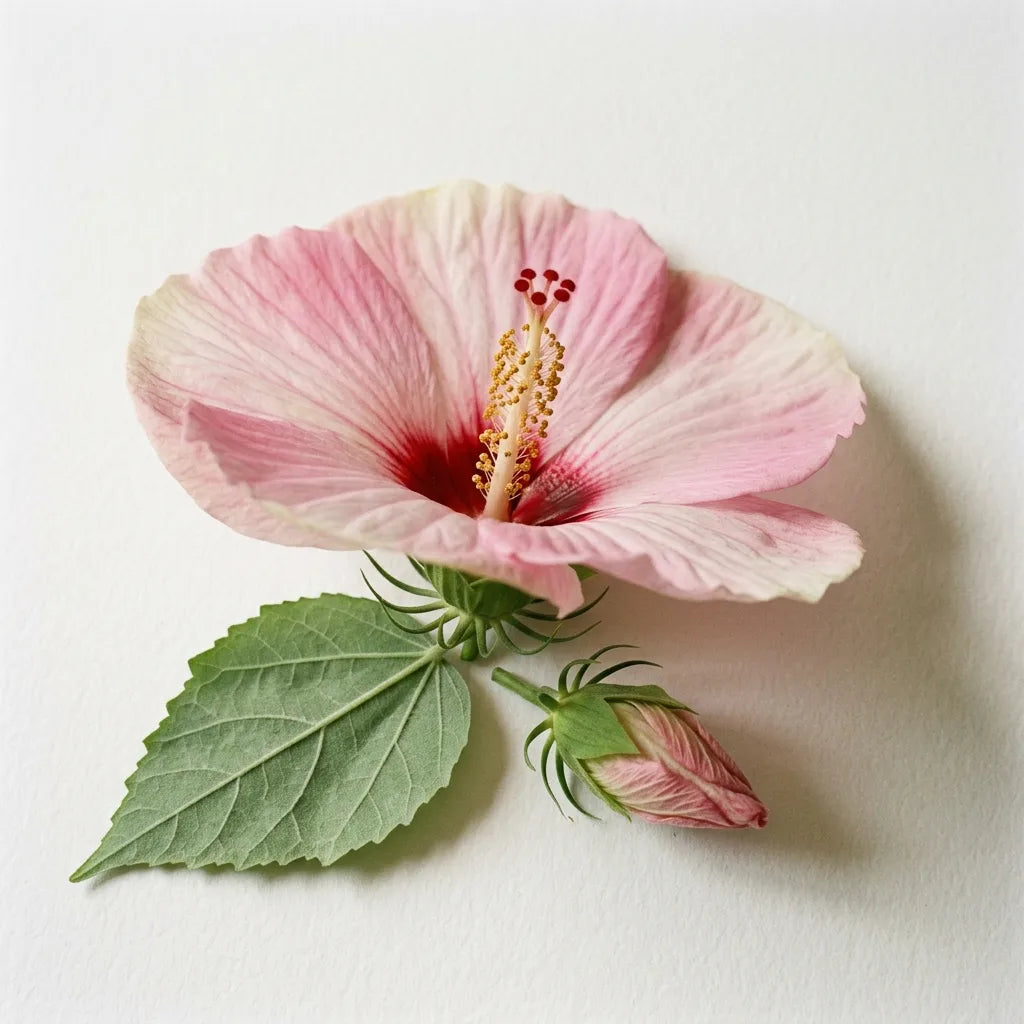
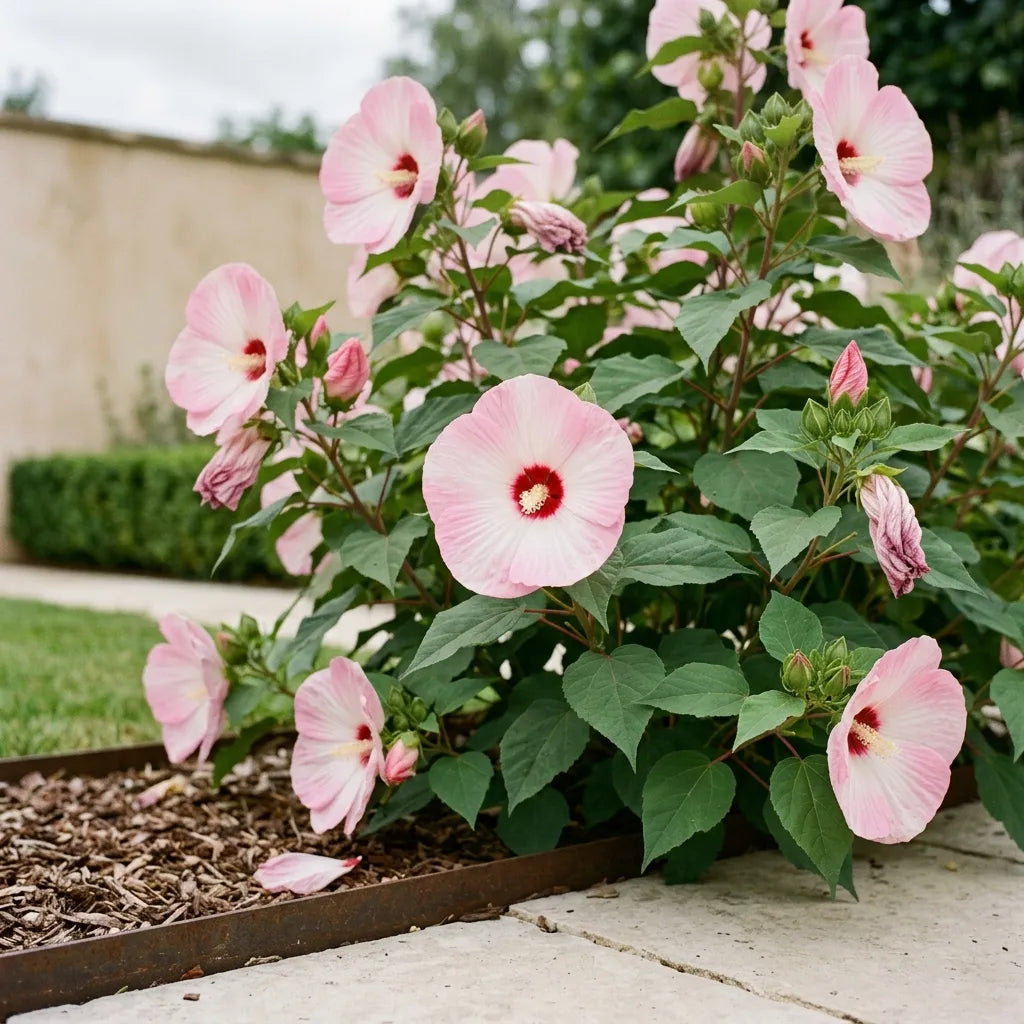
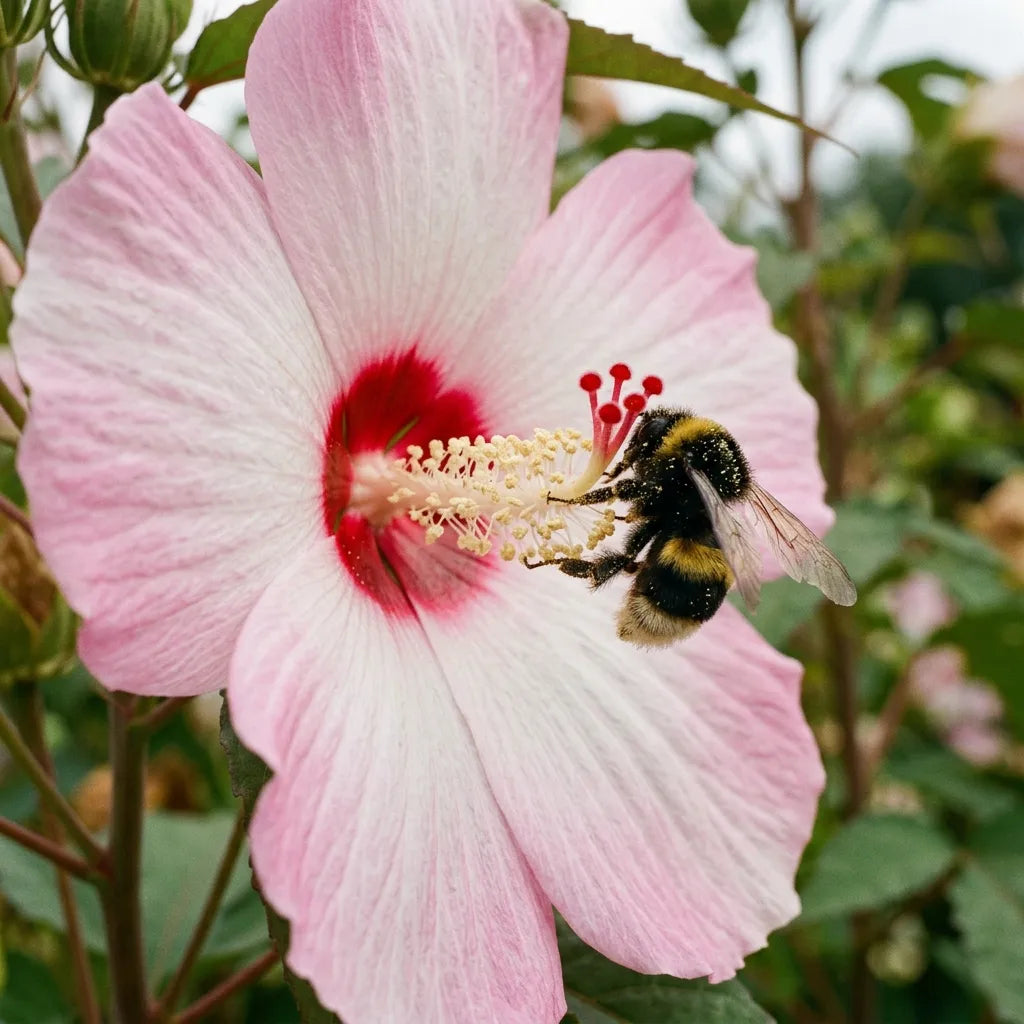
Swamp rose mallow, perennial hibiscus, swamp rose-mallow: this hardy cousin of tropical hibiscuses surprises with the size of its flowers, some of which reach the size of a large dinner plate—a record among perennials in our gardens. Native to the wetlands of North America, it brings an exotic touch without the fragility.
Characteristics:
-
Giant flowers: in pastel or vivid colors, they bloom continuously throughout the summer, from June to September, often from the first year of cultivation.
-
Late to emerge: it comes out of the ground late in spring, sometimes in May: do not assume it has been lost, and do not dig up its spot.
-
Moderate hardiness: a deciduous perennial, it withstands temperatures down to -15 °C under a thick mulch.
Sowing advice:
-
Exposure: full sun, essential for forming flower buds.
-
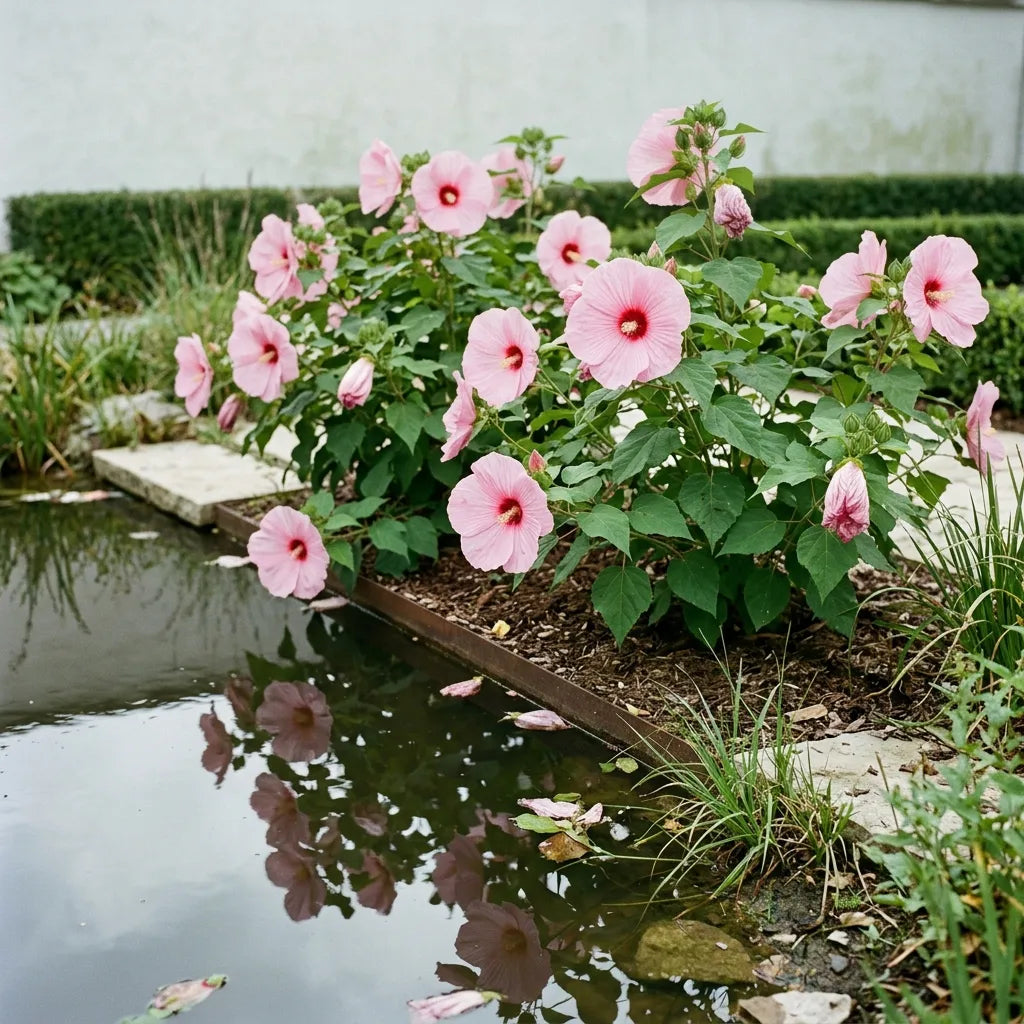
Soil: rich, deep and above all cool to moist—unlike most bedding flowers, it appreciates heavy soils that retain water, making it an ideal candidate for low-lying areas of the garden or around a pond. An addition of compost in spring benefits it.
-
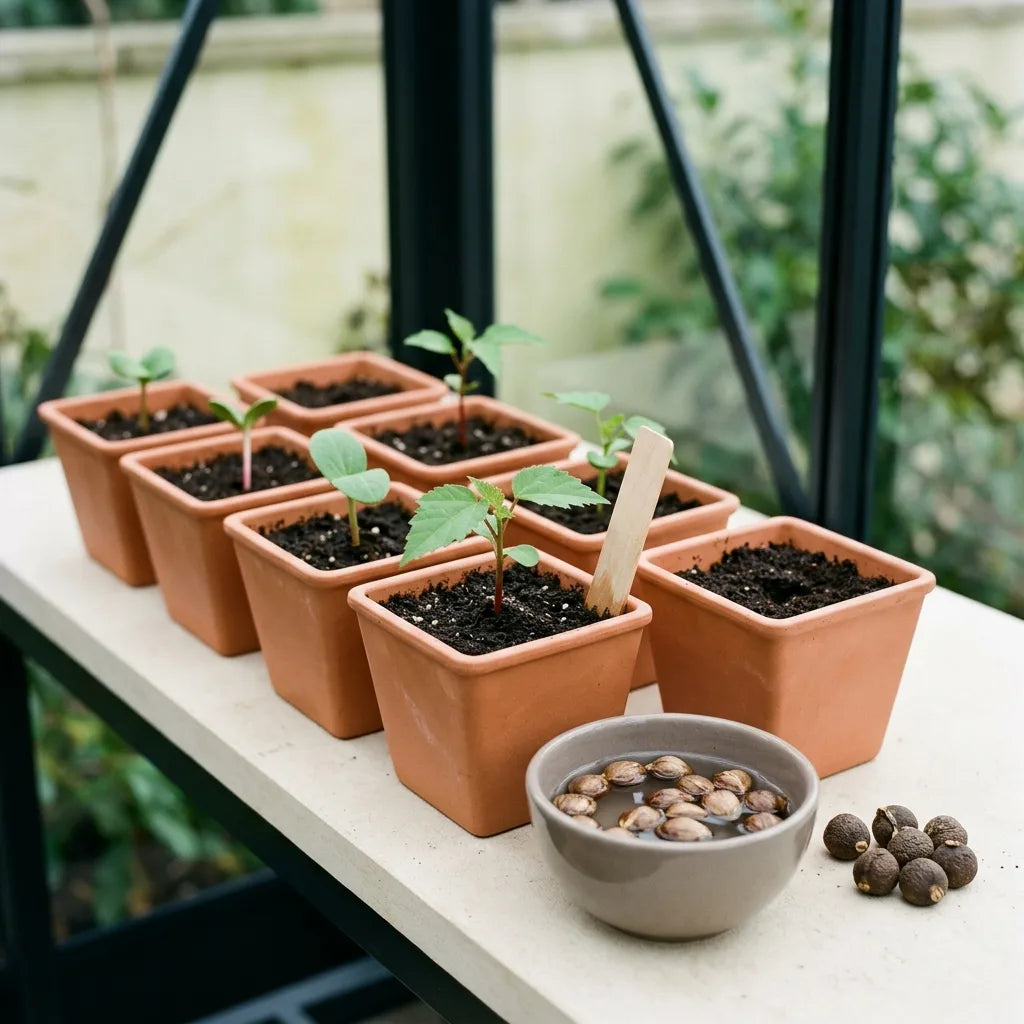
Method: its seeds have a thick coating: soaking them for 24 hours in lukewarm water, combined with cold stratification, significantly improves the germination rate. Sow in pots indoors from late winter.
Planting advice:
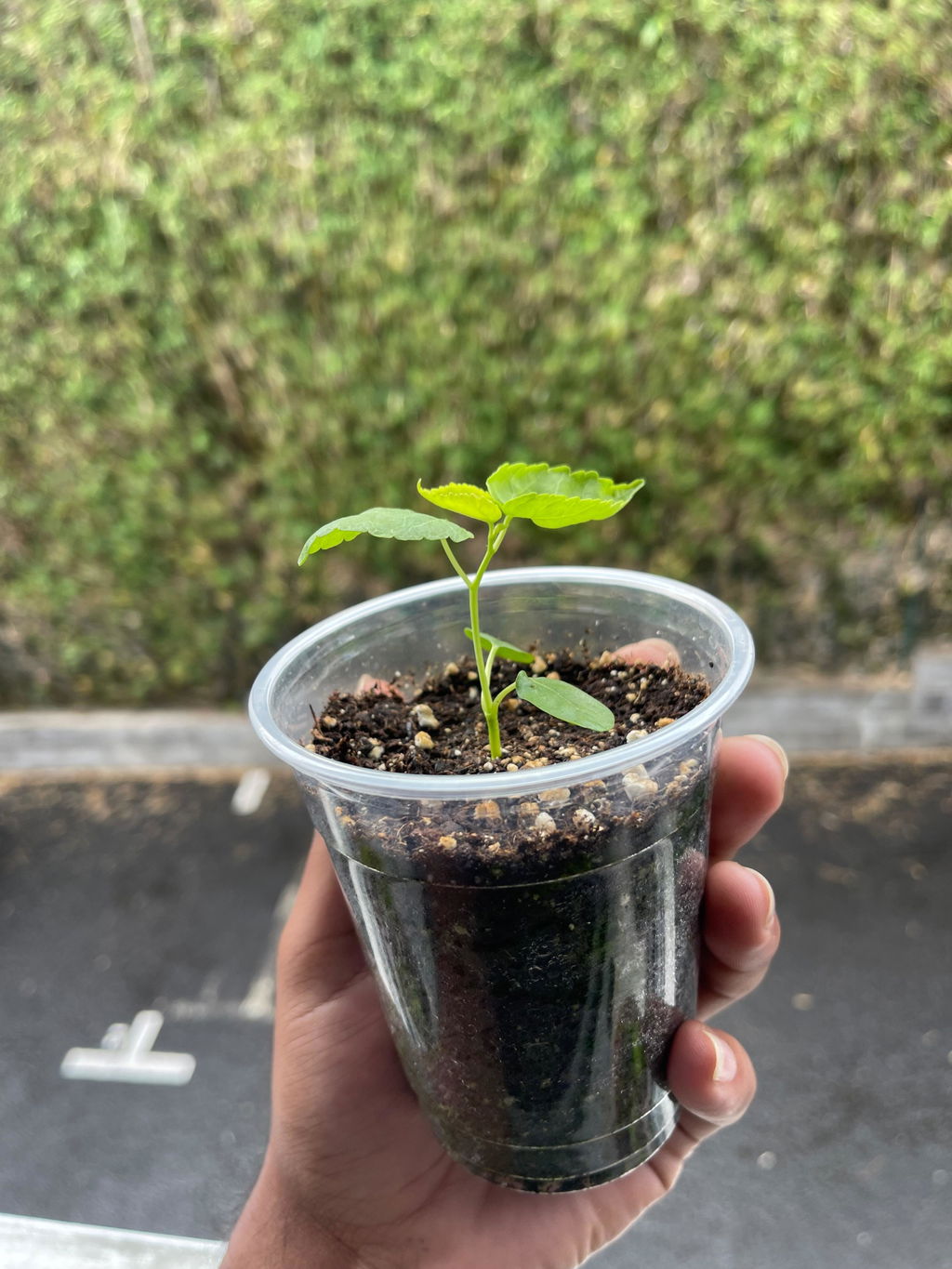
- Transplant into the ground once the risk of frost has passed, spacing plants 80 cm to 1 m apart: the clump becomes substantial.
Care advice:
- Generous, regular watering in summer is the key to flowering. Apply a thick mulch to retain moisture.
- Cut back the dry stems at the end of winter and protect the crown with a thick mulch in cold regions.
Benefits for biodiversity:
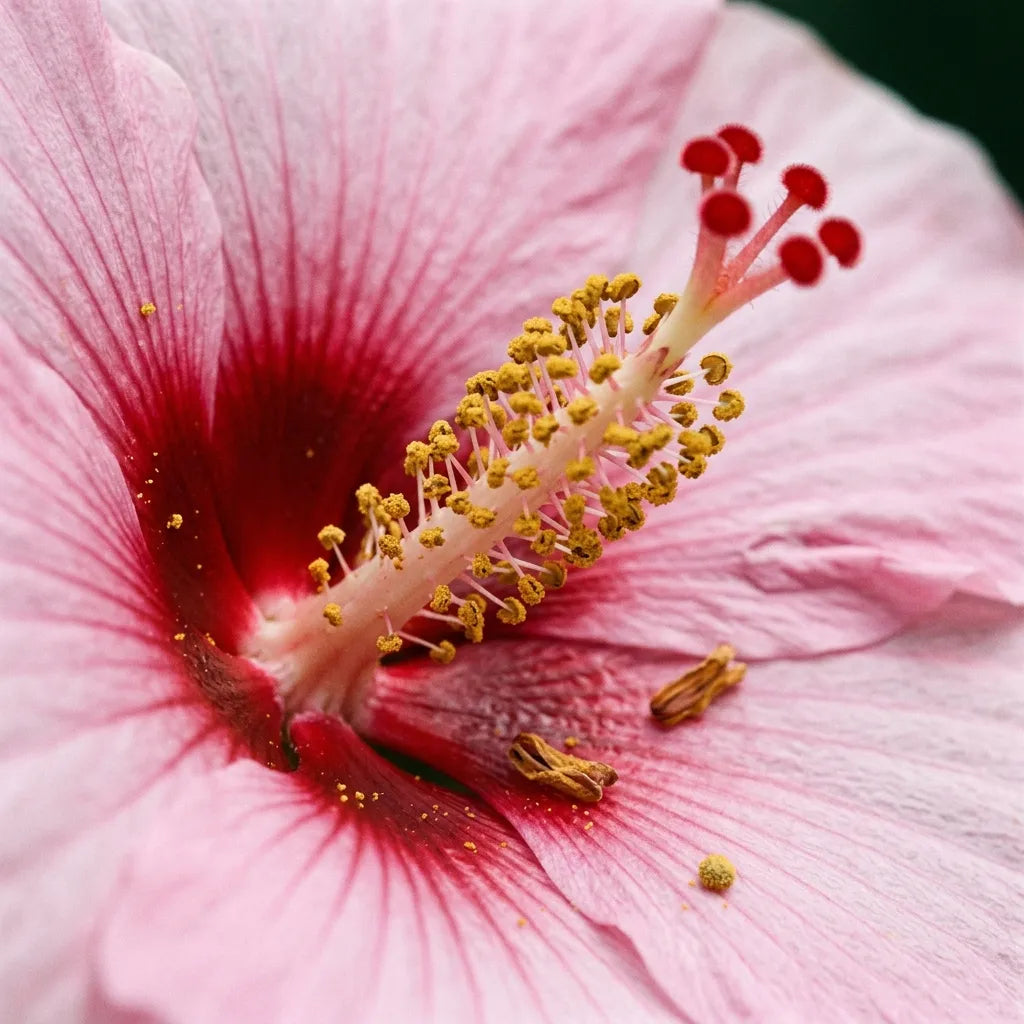
- Its large, pollen-rich flowers attract bees and bumblebees all summer, during a period when floral resources may become scarcer.
- Its ability to thrive in wet areas makes it an excellent plant for greening the surroundings of a pond or garden pool, environments that are particularly rich in biodiversity.
Harvesting your own seeds:
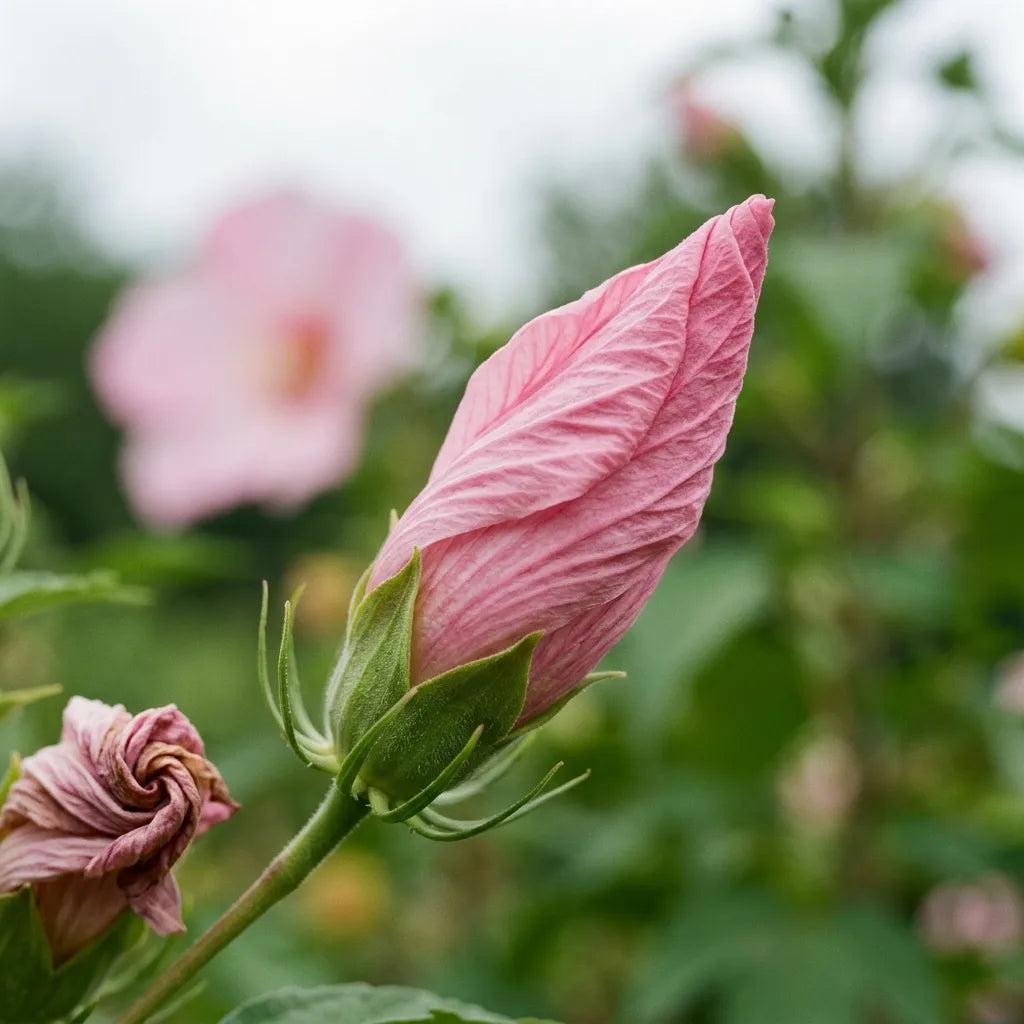
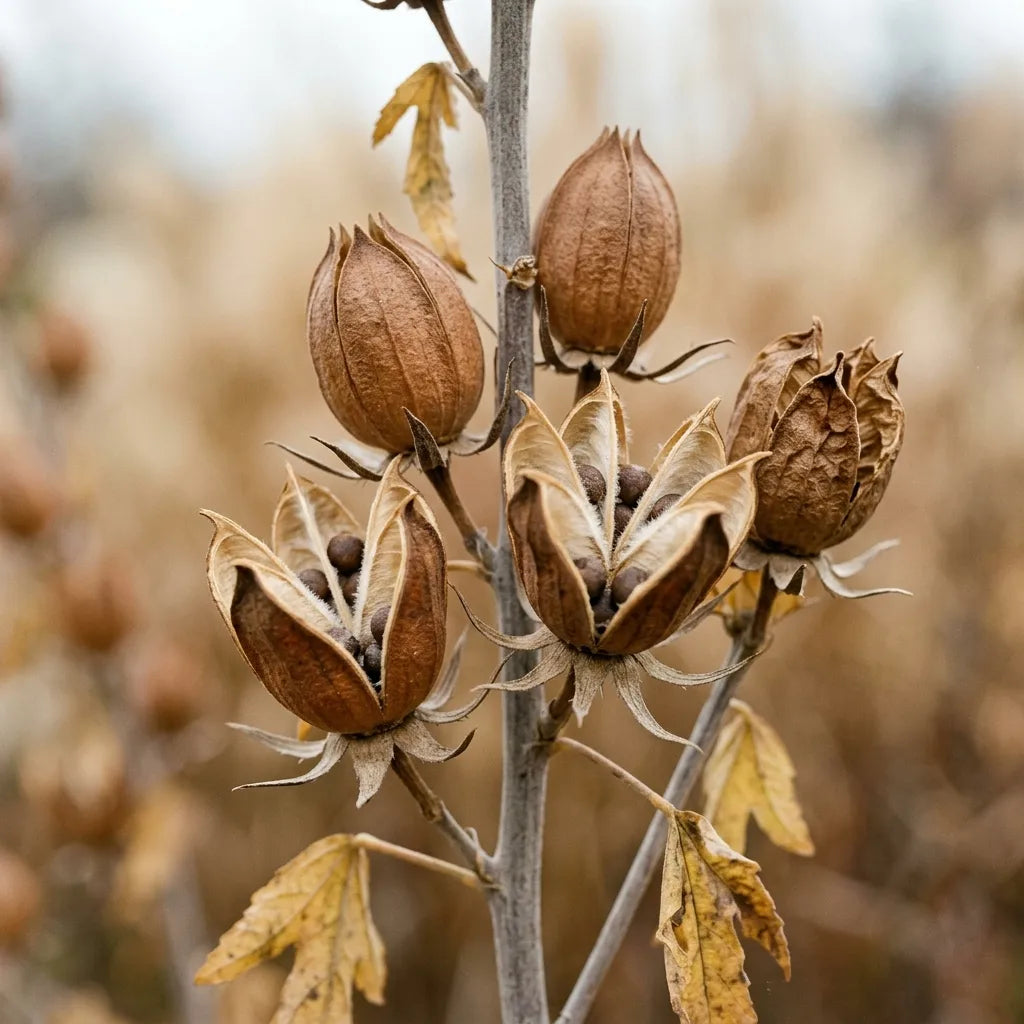
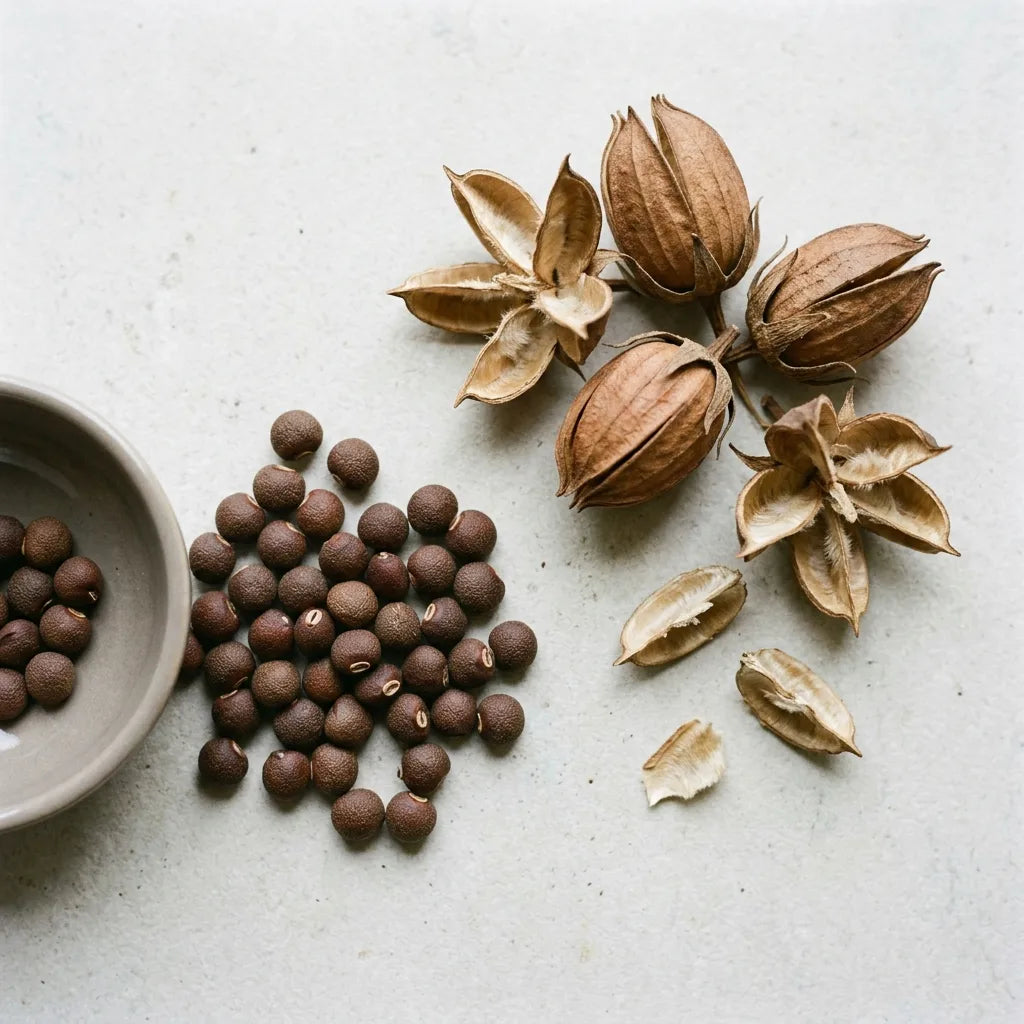
Leave the seed capsules to turn brown and dry completely on the plant in autumn, then open them to extract the round, hard seeds. Kept dry, they will germinate the following year using the same soaking and stratification protocol. See storing your seeds.
Commitment to Quality: at SemiSauvage - Permaculture, we grow and select our seeds with respect for living organisms as our guiding principle. Based near the Volcanoes of Auvergne, we choose reproducible, non-hybrid varieties, tested for their germination rate, sorted and carefully packaged, without any chemical treatment. Our belief: to give gardeners back the ability to sow again, year after year, seeds that truly belong to them.
Brighten your garden with these swamp hibiscus seeds and enjoy their spectacular flowers throughout the summer.